













Made byBobr AI

Software Design Patterns: Singleton, Factory, and Observer

Master common software design patterns like Singleton, Factory, and Observer with Java examples to write cleaner, maintainable, and reusable code.

#design-patterns#java-programming#software-engineering#singleton-pattern#factory-pattern#observer-pattern#oop
Watch
Pitch
SOFTWARE ENGINEERING
Introduction to
Design Patterns
Reusable Solutions to Common Software Problems
Singleton
Factory
Observer
1class Singleton {
2private static obj;
3getInstance() { ... }
4}
Problem
Design Pattern
Solution
Java OOP Series
Made byBobr AI
SLIDE 01
What are Design Patterns?
Standard, reusable solutions to common problems in software development
Not complete programs — smart techniques for better, organized code
When programmers repeatedly face the same problem, they use a proven solution called a design pattern.
Reusable · Proven · Efficient
Simple Example
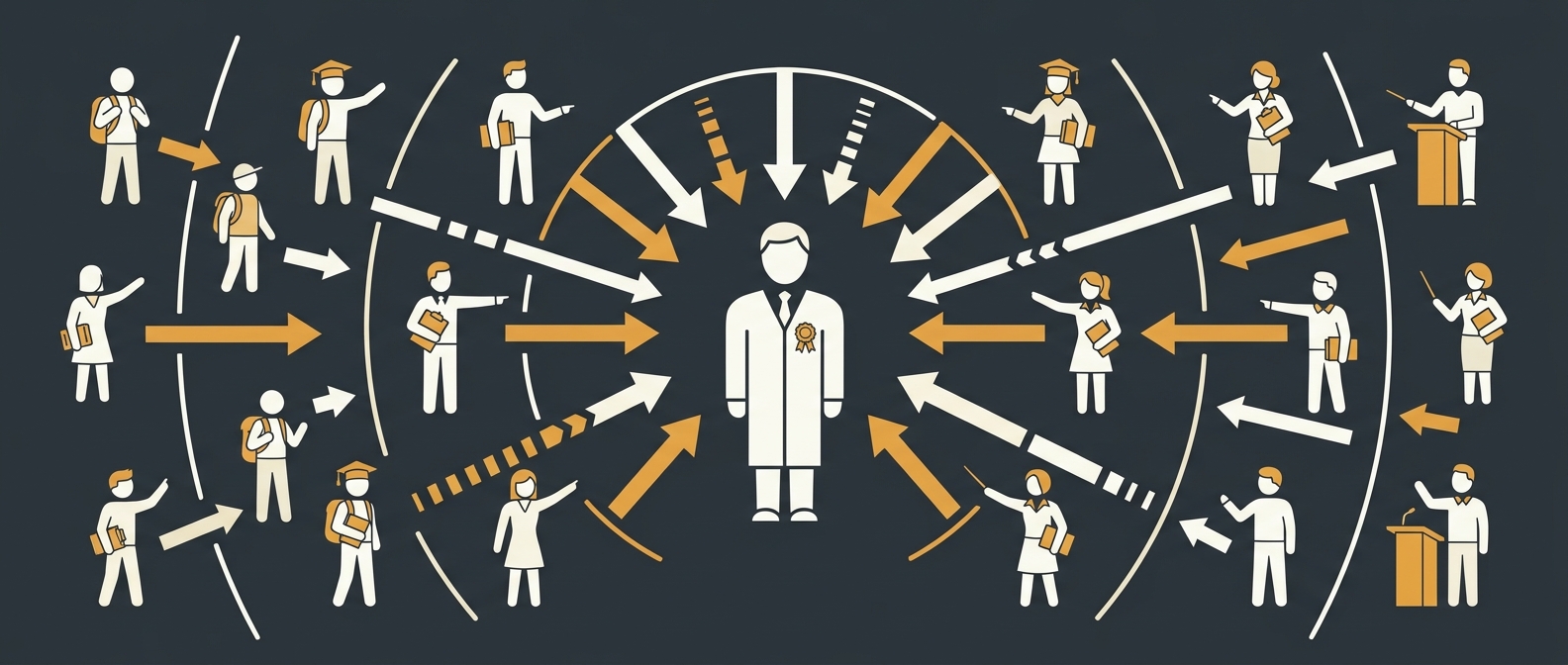
100 Students Login
Problem: Too many DB objects
Singleton: ONE shared DB connection
Singleton Design Pattern
Made byBobr AI
SLIDE 02
Why Do We Need Design Patterns?
While developing large applications, programmers face problems like:
Repeated code
Difficult maintenance
Complex object creation
Poor communication between classes
Design patterns solve these problems simply and efficiently.
Benefits of Design Patterns
Reduce code duplication
Improve code readability
Make software flexible and reusable
Easier maintenance
Follow Object-Oriented principles
Design Patterns
OOP Concepts
(Classes, Objects, Inheritance, Polymorphism...)
OOP concepts are the building blocks; Design Patterns are smart ways to use them.
Made byBobr AI
PATTERN 01
Singleton Pattern
Ensures that only ONE object of a class is created and shared throughout the application.
Common Use Cases
Database connection
Printer manager
Principal of a college
"One Object. Shared Everywhere."
Java Example
1class Principal {
2private static Principal obj;
3 
4private Principal() { }
5 
6public static Principal getInstance() {
7if (obj == null) obj = new Principal();
8return obj;
9}
10 
11void meeting(String person) { ... }
12}
Output
Principal Appointed
Student is meeting the principal
Same memory address for all: Principal@2f92e0f4
student
teacher
admin
SAME Object
Made byBobr AI
PATTERN 02
Factory Pattern
Creates objects without exposing the object creation logic to the user.
Why it's used
Different objects needed based on user requirements — Factory creates them automatically.
Customer
Order
Kitchen
Delivers
Result
"Customer doesn't know HOW it's made — just gets the result"
Reduces object creation complexity
Improves flexibility
Reusable and maintainable
Java Example
1interface Food { void prepare(); }
2
3class Pizza implements Food { /*...*/ }
4class Burger implements Food { /*...*/ }
5
6class FoodFactory {
7Food getFood(String type) {
8if (type.equals("pizza")) return new Pizza();
9if (type.equals("burger")) return new Burger();
10return null;
11}
12}
> Preparing Pizza
> Preparing Burger
User requests 'pizza'
FoodFactory
Returns Pizza Object
Made byBobr AI
PATTERN 03
Adapter Pattern
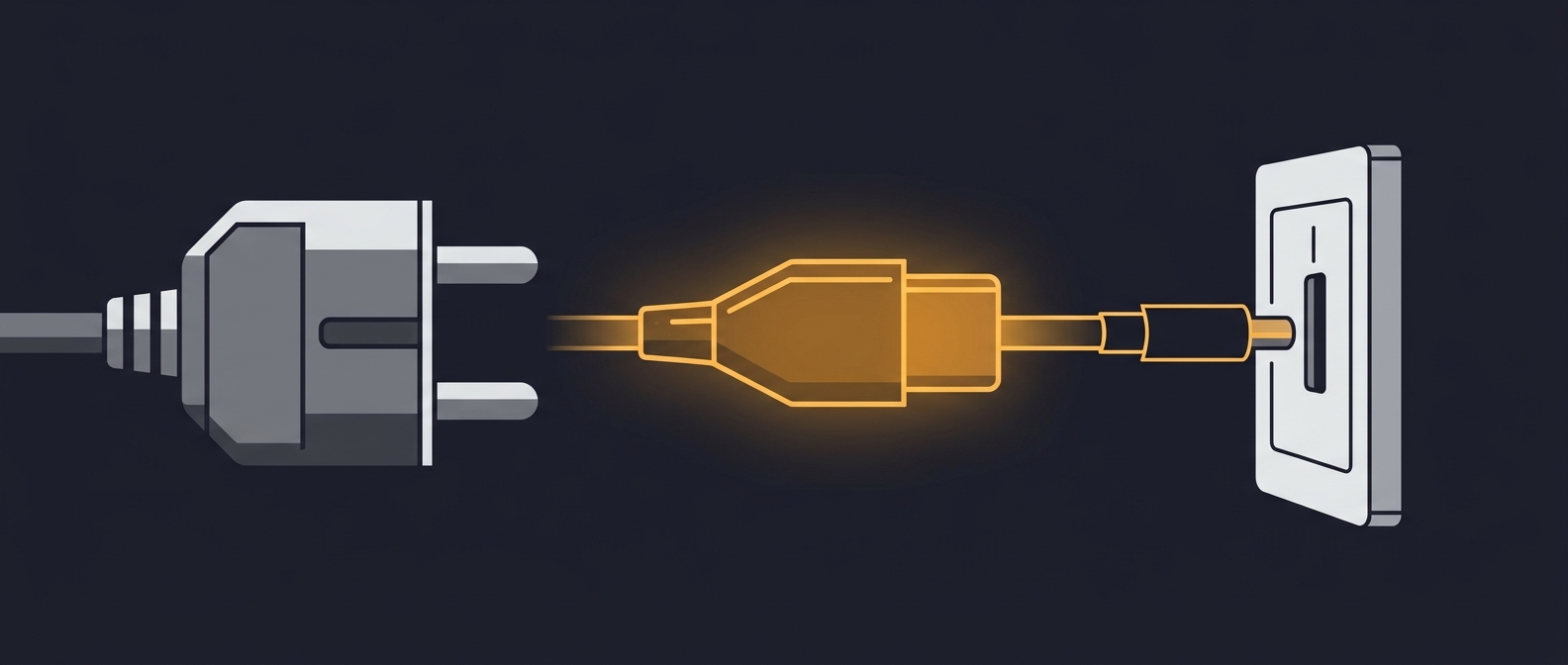
Connects two incompatible classes or interfaces — acts as a bridge between them.
Old systems and new systems cannot work together due to different interfaces.
Adapter converts one interface to another
Improves compatibility
Reuses old code
Reduces modification of existing code
// Bridge between incompatible components
Java Example
class OldSpeaker { void oldSound() {...} }
interface BluetoothSpeaker { void playMusic(); }
class Adapter extends OldSpeaker
  implements BluetoothSpeaker {
  public void playMusic() { oldSound(); }
}
BluetoothSpeaker b = new Adapter();
b.playMusic();
> Playing sound from old speaker
OldSpeaker
oldSound()
Adapter
BluetoothSpeaker
playMusic()
Made byBobr AI
PATTERN 04
Observer Pattern
Allows one object to automatically notify many other objects when its state changes.
When multiple objects need updates from one source — sends notifications automatically.
Real-world Analogy
Channel
Rahul
Anu
Automatic notifications
Easy communication between objects
Useful for event systems and alerts
Java Example
1class Subscriber {
2 String name;
3 void update(String video) { ... }
4}
5
6class YouTubeChannel {
7 ArrayList<Subscriber> subs;
8 void subscribe(Subscriber s) { ... }
9 void uploadVideo(String title) {
10 // notify all subs
11 for(Subscriber s : subs) s.update(title);
12 }
13}
Console Output
> New Video Uploaded: Java Design Patterns
> Rahul got notification: Java Design Patterns
> Anu got notification: Java Design Patterns
One change → many notified automatically
Made byBobr AI
SLIDE 08
Advantages & Disadvantages of Design Patterns
✅ Advantages
Reusable Solutions — proven answers to common problems
Improves Code Readability — easier to understand
Easier Maintenance — simple to modify
Reduces Code Duplication — no repeated code
Flexible & Scalable — extend easily in future
Better OOP Usage — Inheritance, Polymorphism, Encapsulation
⚠️ Disadvantages
Increases Complexity — hard for beginners
More Classes & Code — more boilerplate
Wrong Usage Complicates Code — misuse = harder management
Learning Takes Time — requires good OOP knowledge
Design patterns improve software quality — but must be used wisely.
Made byBobr AI
SLIDE 09
Where Are
Design Patterns Used?
Design patterns are widely used in real Java applications and frameworks.
Reference Patterns
Singleton Runtime class
Factory Calendar.getInstance()
Observer Event handling
Java Frameworks
Used in: Spring Framework · Hibernate · Java Collections
Android Development
Used for: UI management · Database handling · Notifications
Web Applications
Used in: Login systems · Payment systems · Session management
Game Development
Used for: Object creation · Event handling · Game object communication
Notification Systems
Observer Pattern in: YouTube notifications · Social media alerts · News apps
Made byBobr AI
CONCLUSION
Design Patterns
Key Takeaways
Reusable solutions to common software problems
Write clean, flexible, and maintainable code
Use OOP concepts effectively
Improve software quality and reduce complexity
Widely used in Java: Singleton, Factory, Adapter, Observer
"Design patterns are smart techniques that help developers build better software efficiently."
1
Singleton
One Object, Shared
2
Factory
Objects on Demand
3
Adapter
Bridge the Gap
4
Observer
Notify All
Java OOP Series — Complete
4 Patterns Mastered ✓
Made byBobr AI
Bobr AI

DESIGNER-MADE
PRESENTATION,
GENERATED FROM
YOUR PROMPT

Create your own professional slide deck with real images, data charts, and unique design in under a minute.

Generate For Free

Software Design Patterns: Singleton, Factory, and Observer

Master common software design patterns like Singleton, Factory, and Observer with Java examples to write cleaner, maintainable, and reusable code.

SOFTWARE ENGINEERING

Introduction to<br>Design Patterns

Reusable Solutions to Common Software Problems

Singleton

Factory

Observer

Java OOP Series

SLIDE 01

What are Design Patterns?

Standard, reusable solutions to common problems in software development

Not complete programs — smart techniques for better, organized code

When programmers repeatedly face the same problem, they use a proven solution called a design pattern.

Reusable · Proven · Efficient

Simple Example

100 Students Login

Problem: Too many DB objects

Singleton: ONE shared DB connection

Singleton Design Pattern

SLIDE 02

Why Do We Need Design Patterns?

While developing large applications, programmers face problems like:

Repeated code

Difficult maintenance

Complex object creation

Poor communication between classes

Design patterns solve these problems simply and efficiently.

Benefits of Design Patterns

Reduce code duplication

Improve code readability

Make software flexible and reusable

Easier maintenance

Follow Object-Oriented principles

OOP concepts are the building blocks; Design Patterns are smart ways to use them.

PATTERN 02

Factory Pattern

Creates objects without exposing the object creation logic to the user.

Why it's used

Different objects needed based on user requirements — Factory creates them automatically.

Customer doesn't know HOW it's made — just gets the result

Reduces object creation complexity

Improves flexibility

Reusable and maintainable

Java Example

PATTERN 03

Adapter Pattern

Connects two incompatible classes or interfaces — acts as a bridge between them.

Old systems and new systems cannot work together due to different interfaces.

Adapter converts one interface to another

Improves compatibility

Reuses old code

Reduces modification of existing code

Bridge between incompatible components

Java Example

> Playing sound from old speaker

PATTERN 04

Observer Pattern

Allows one object to automatically notify many other objects when its state changes.

When multiple objects need updates from one source &mdash; sends notifications automatically.

Automatic notifications

Easy communication between objects

Useful for event systems and alerts

Java Example

One change &rarr; many notified automatically

SLIDE 08

Advantages & Disadvantages of Design Patterns

✅ Advantages

Reusable Solutions

proven answers to common problems

Improves Code Readability

easier to understand

Easier Maintenance

simple to modify

Reduces Code Duplication

no repeated code

Flexible & Scalable

extend easily in future

Better OOP Usage

Inheritance, Polymorphism, Encapsulation

⚠️ Disadvantages

Increases Complexity

hard for beginners

More Classes & Code

more boilerplate

Wrong Usage Complicates Code

misuse = harder management

Learning Takes Time

requires good OOP knowledge

Design patterns improve software quality — but must be used wisely.

SLIDE 09

Where Are<br>Design Patterns Used?

Design patterns are widely used in real Java applications and frameworks.

Singleton

Runtime class

Factory

Calendar.getInstance()

Observer

Event handling

Java Frameworks

Spring Framework · Hibernate · Java Collections

Android Development

UI management · Database handling · Notifications

Web Applications

Login systems · Payment systems · Session management

Game Development

Object creation · Event handling · Game object communication

Notification Systems

YouTube notifications · Social media alerts · News apps

CONCLUSION

Design Patterns

Key Takeaways

Reusable solutions to common software problems

Write clean, flexible, and maintainable code

Use OOP concepts effectively

Improve software quality and reduce complexity

Widely used in Java: Singleton, Factory, Adapter, Observer

Design patterns are smart techniques that help developers build better software efficiently.

Singleton

One Object, Shared

Factory

Objects on Demand

Adapter

Bridge the Gap

Observer

Notify All

Java OOP Series — Complete

4 Patterns Mastered ✓