

Made byBobr AI

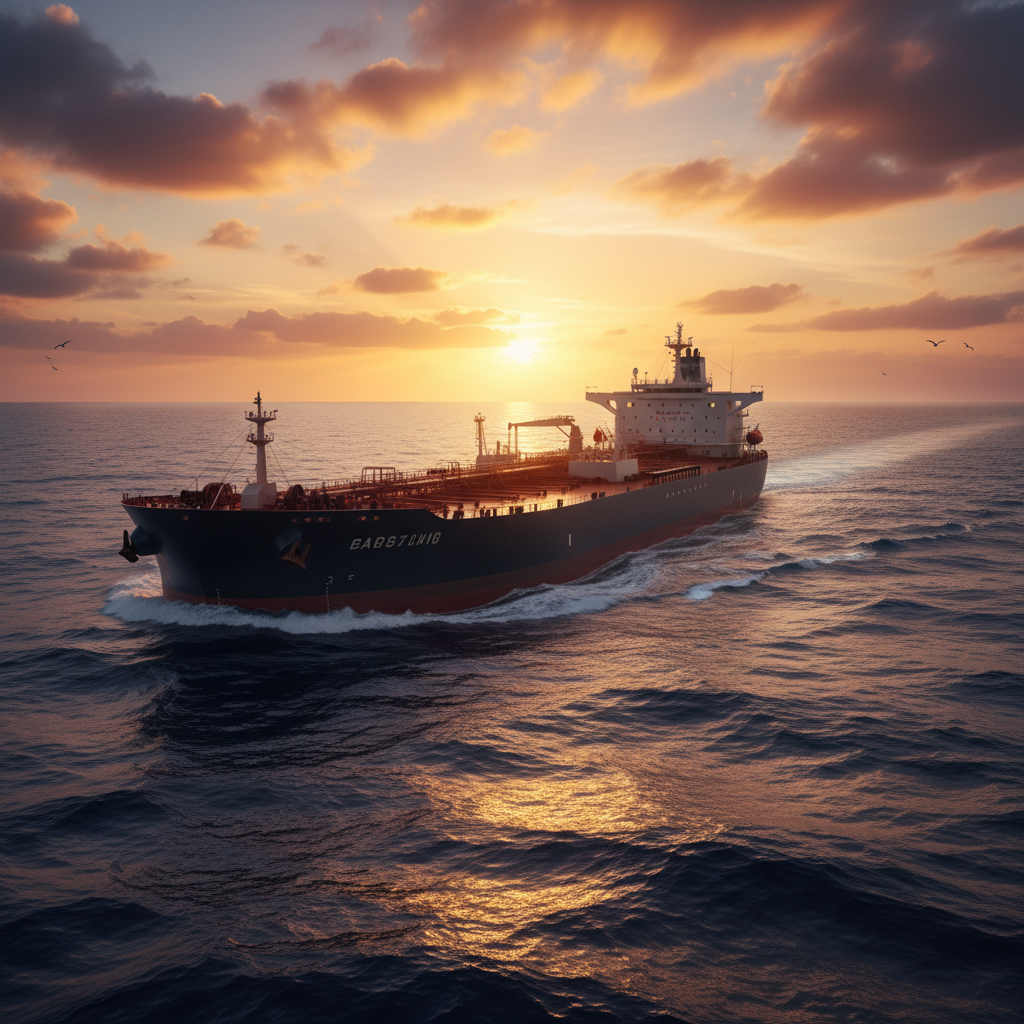
Oil Tanker Transportation: Global Energy Trade Industry

Explore oil tanker classifications, operating costs, maritime choke points, and the future of green and autonomous energy transportation.

#oil-tankers#maritime-logistics#energy-trade#shipping-industry#vlcc#supply-chain#oil-and-gas
Watch
Pitch

Oil Tanker Transportation

Navigating the Arteries of Global Energy Trade

Made byBobr AI

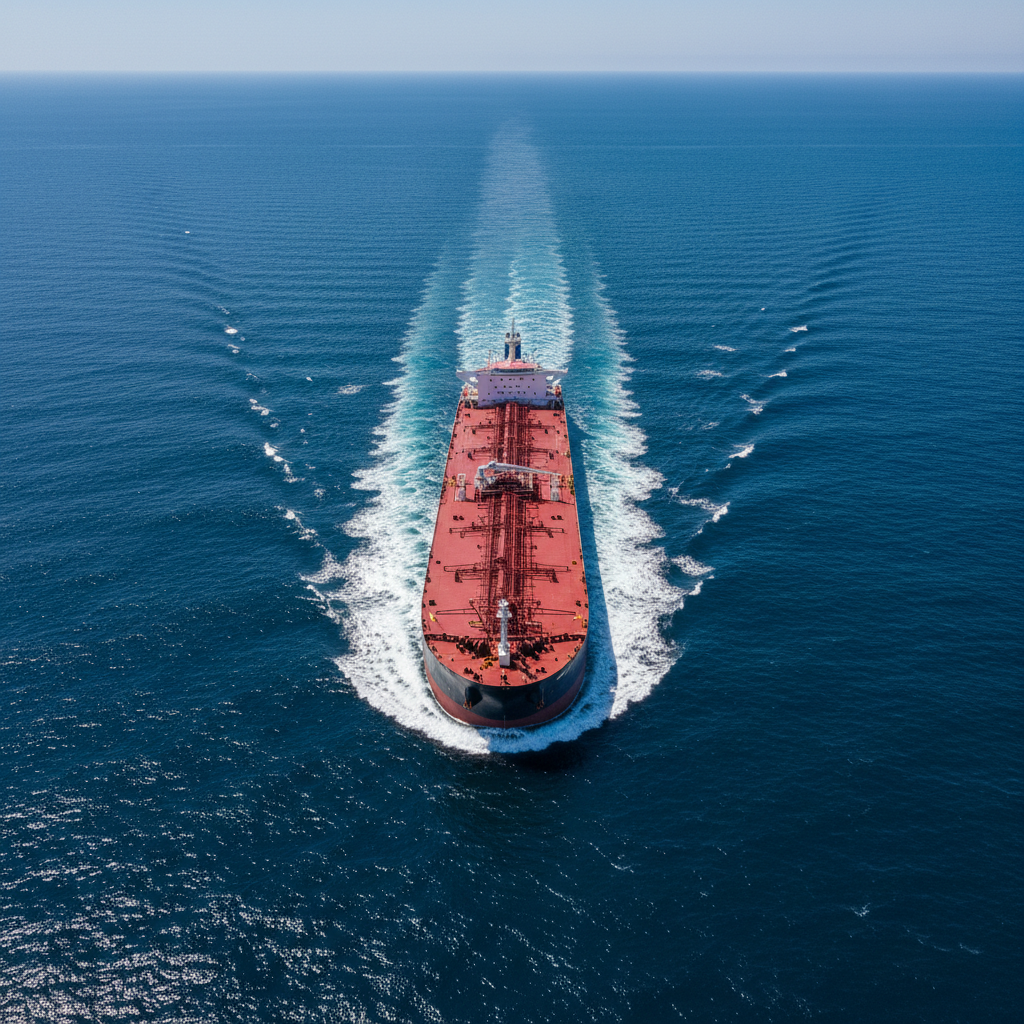
The Global Supply Chain

Oil tankers are the cornerstone of the global energy market, transporting approximately 2 billion metric tons of crude oil and petroleum products annually. They bridge the critical gap between production hubs in the Middle East, Americas, and Russia, and consumption centers in Asia and Europe.

Made byBobr AI

Vessel Classifications

  • ULCC/VLCC: Ultra and Very Large Crude Carriers (200,000+ DWT). Primarily used for long-haul routes like the Middle East to Asia.
  • Suezmax: Up to 160,000 DWT. Designed specifically to maximize cargo while fitting through the Suez Canal.
  • Aframax: Short to medium-haul vessels (~80,000-120,000 DWT), ideal for regions with smaller port infrastructure.
  • Product Tankers: Specialized coated vessels for refined products like gasoline, jet fuel, and chemicals.
Made byBobr AI

Operating Costs Breakdown

Tanker economics are driven by fixed operating costs versus variable voyage costs. Fuel (bunkers) typically represents the largest variable expense, often exceeding 50% of voyage costs depending on oil prices.

Chart
Made byBobr AI

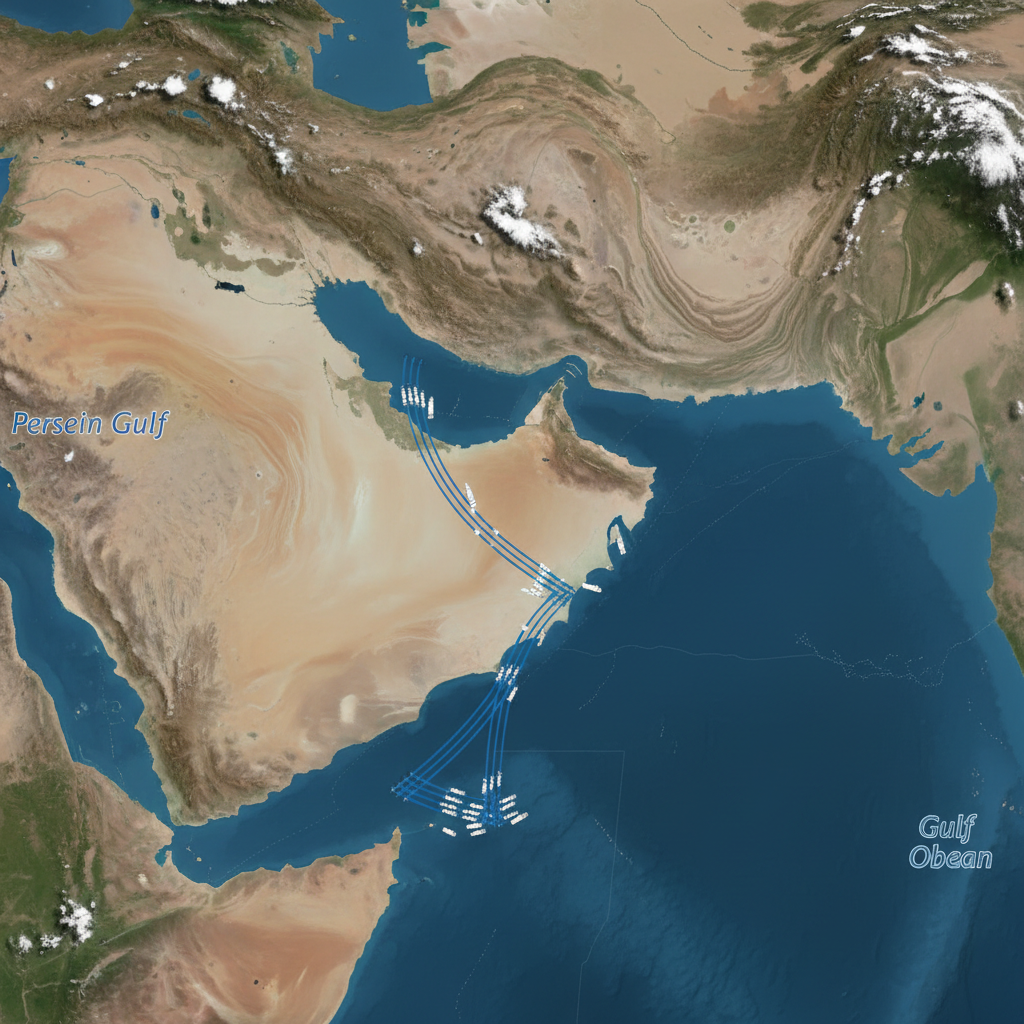
Strategic Choke Points

Maritime choke points like the Strait of Hormuz, the Suez Canal, and the Malacca Strait are critical vulnerabilities. The Strait of Hormuz alone sees nearly 20% of global oil consumption pass through its narrow waters daily. Blockages or geopolitical tension here immediately impact global oil prices.

Made byBobr AI

Regulatory Landscape

Double Hulls: Mandated following the Exxon Valdez disaster to prevent spills during collisions or groundings.

IMO 2020: A global sulfur cap reducing fuel sulfur content from 3.5% to 0.5%, forcing ships to use cleaner Very Low Sulfur Fuel Oil (VLSFO) or install scrubbers.

Carbon Intensity Indicator (CII): New operational efficiency ratings (A to E) requiring fleet optimization to meet decarbonization targets.

Made byBobr AI

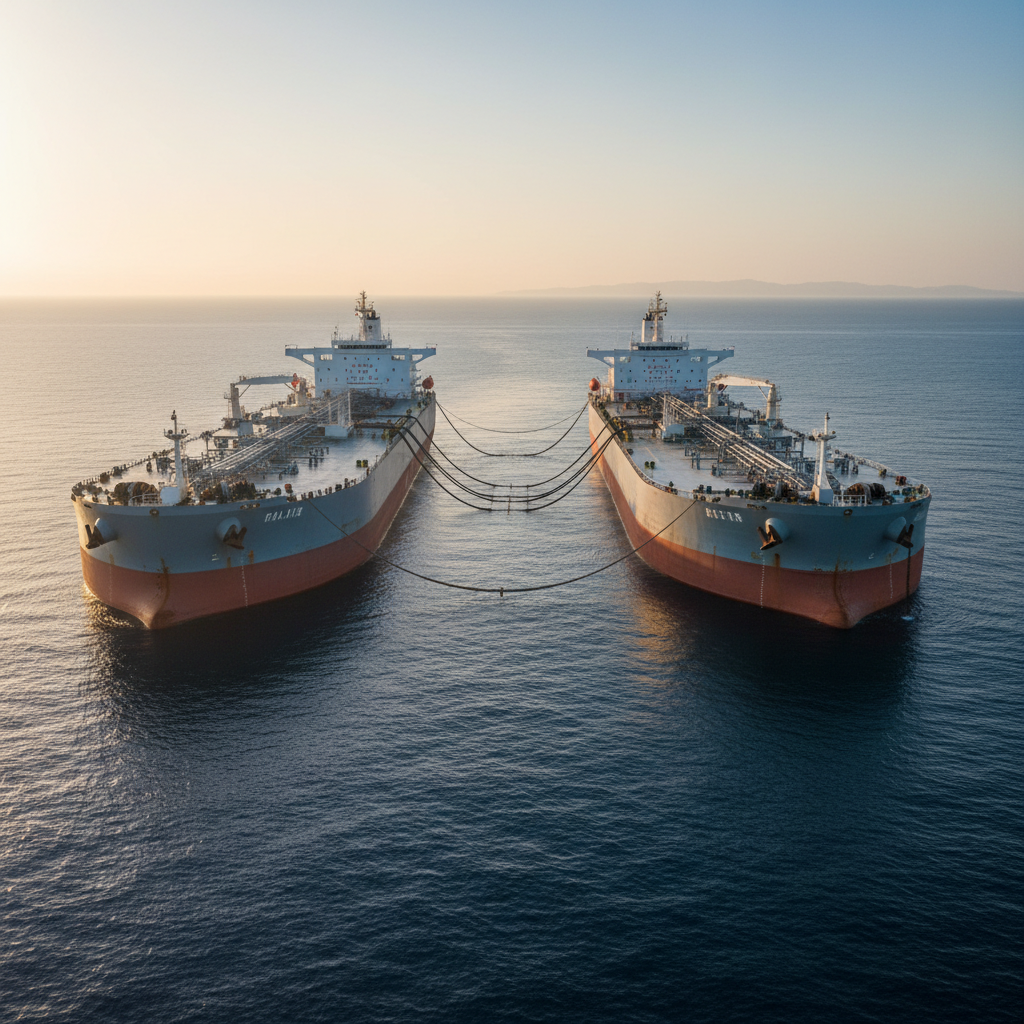
Logistics: Ship-to-Ship Transfers

Made byBobr AI

Analysis

Global Fleet Capacity Share

The crude oil tanker fleet is dominated by VLCCs in terms of sheer tonnage. Although fewer in number than smaller vessels, VLCCs provide the bulk of long-haul capacity required for intercontinental trade.

Chart
Made byBobr AI

“Shipping is the invisible industry that brings you 90% of everything, and energy is its most vital cargo.”

— Maritime Industry Insight

Made byBobr AI

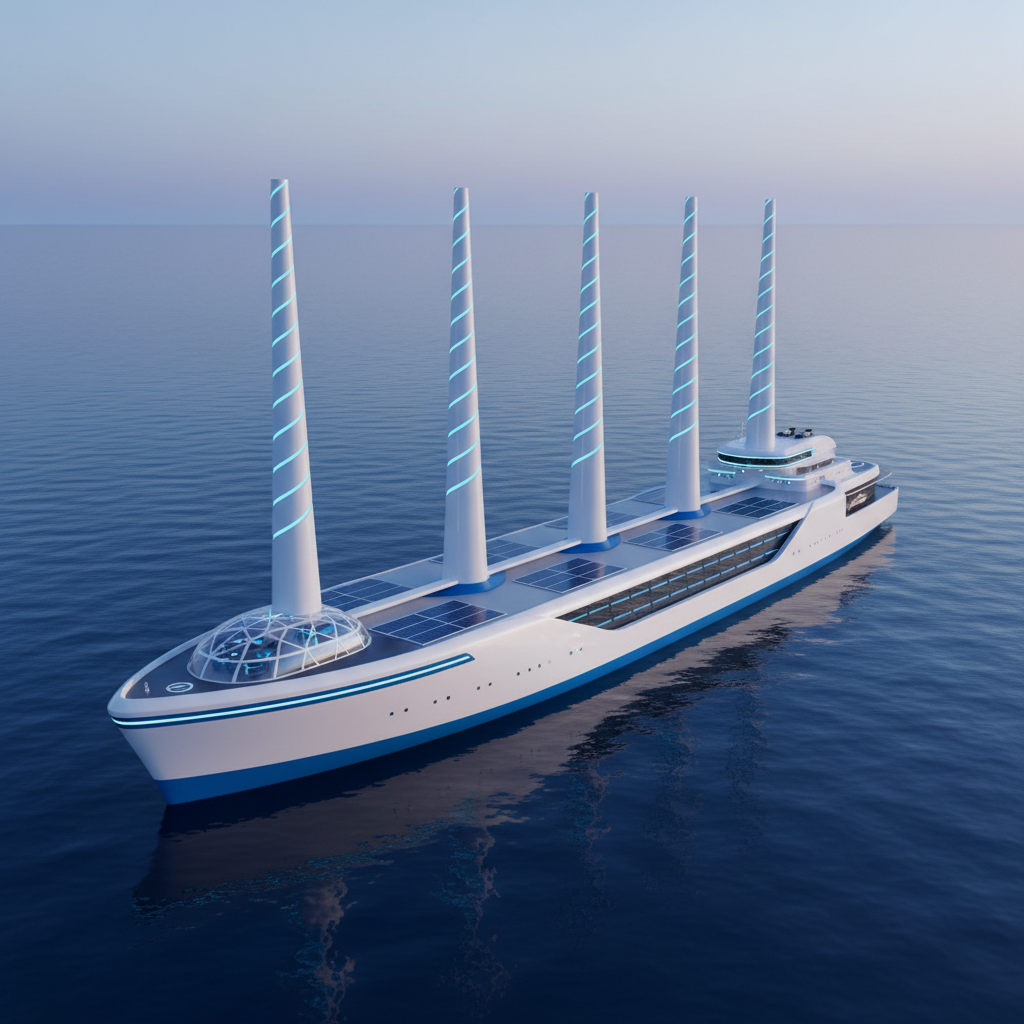
The Future: Green & Autonomous

The tanker industry is undergoing a dual transformation. Environmental pressures are driving the adoption of LNG, Methanol, and Ammonia dual-fuel engines. Simultaneously, AI-assisted navigation and automated cargo handling are setting the stage for semi-autonomous operations.

Made byBobr AI
Bobr AI

DESIGNER-MADE
PRESENTATION,
GENERATED FROM
YOUR PROMPT

Create your own professional slide deck with real images, data charts, and unique design in under a minute.

Generate For Free

Oil Tanker Transportation: Global Energy Trade Industry

Explore oil tanker classifications, operating costs, maritime choke points, and the future of green and autonomous energy transportation.

Oil Tanker Transportation

Navigating the Arteries of Global Energy Trade

The Global Supply Chain

Oil tankers are the cornerstone of the global energy market, transporting approximately 2 billion metric tons of crude oil and petroleum products annually. They bridge the critical gap between production hubs in the Middle East, Americas, and Russia, and consumption centers in Asia and Europe.

Vessel Classifications

<b>ULCC/VLCC:</b> Ultra and Very Large Crude Carriers (200,000+ DWT). Primarily used for long-haul routes like the Middle East to Asia.

<b>Suezmax:</b> Up to 160,000 DWT. Designed specifically to maximize cargo while fitting through the Suez Canal.

<b>Aframax:</b> Short to medium-haul vessels (~80,000-120,000 DWT), ideal for regions with smaller port infrastructure.

<b>Product Tankers:</b> Specialized coated vessels for refined products like gasoline, jet fuel, and chemicals.

Operating Costs Breakdown

Tanker economics are driven by fixed operating costs versus variable voyage costs. Fuel (bunkers) typically represents the largest variable expense, often exceeding 50% of voyage costs depending on oil prices.

Strategic Choke Points

Maritime choke points like the Strait of Hormuz, the Suez Canal, and the Malacca Strait are critical vulnerabilities. The Strait of Hormuz alone sees nearly 20% of global oil consumption pass through its narrow waters daily. Blockages or geopolitical tension here immediately impact global oil prices.

Regulatory Landscape

<b>Double Hulls:</b> Mandated following the Exxon Valdez disaster to prevent spills during collisions or groundings.

<b>IMO 2020:</b> A global sulfur cap reducing fuel sulfur content from 3.5% to 0.5%, forcing ships to use cleaner Very Low Sulfur Fuel Oil (VLSFO) or install scrubbers.

<b>Carbon Intensity Indicator (CII):</b> New operational efficiency ratings (A to E) requiring fleet optimization to meet decarbonization targets.

Logistics: Ship-to-Ship Transfers

Global Fleet Capacity Share

The crude oil tanker fleet is dominated by VLCCs in terms of sheer tonnage. Although fewer in number than smaller vessels, VLCCs provide the bulk of long-haul capacity required for intercontinental trade.

Shipping is the invisible industry that brings you 90% of everything, and energy is its most vital cargo.

Maritime Industry Insight

The Future: Green & Autonomous

The tanker industry is undergoing a dual transformation. Environmental pressures are driving the adoption of LNG, Methanol, and Ammonia dual-fuel engines. Simultaneously, AI-assisted navigation and automated cargo handling are setting the stage for semi-autonomous operations.

  • oil-tankers
  • maritime-logistics
  • energy-trade
  • shipping-industry
  • vlcc
  • supply-chain
  • oil-and-gas