
Single Cell Protein: Market, Technology, and Scalability
Deep dive into Single Cell Protein (SCP): analysis of gas fermentation, market CAGR of 18.5%, bioprocess value chains, and the future of sustainable protein.
Single Cell Protein: A Deep Dive
Technical Landscape, Market Opportunities, and Scalability Analysis
Jan 2026 | Research Team
Executive Summary
Single Cell Protein (SCP) represents the most viable near-term solution to decouple protein production from arable land usage. Advances in gas fermentation and precision biology have improved unit economics sufficiently to challenge soy and fishmeal concentrates.
Market CAGR (2025-2030)
18.5%
Average Protein Content
65-80%
Land Use vs. Beef
<1%
The Macro Problem: The Protein Gap
Projected global protein demand will outstrip the capacity of conventional agriculture by 2050. Agricultural expansion is constrained by arable land limits and freshwater scarcity. SCP decouples production from these constraints.
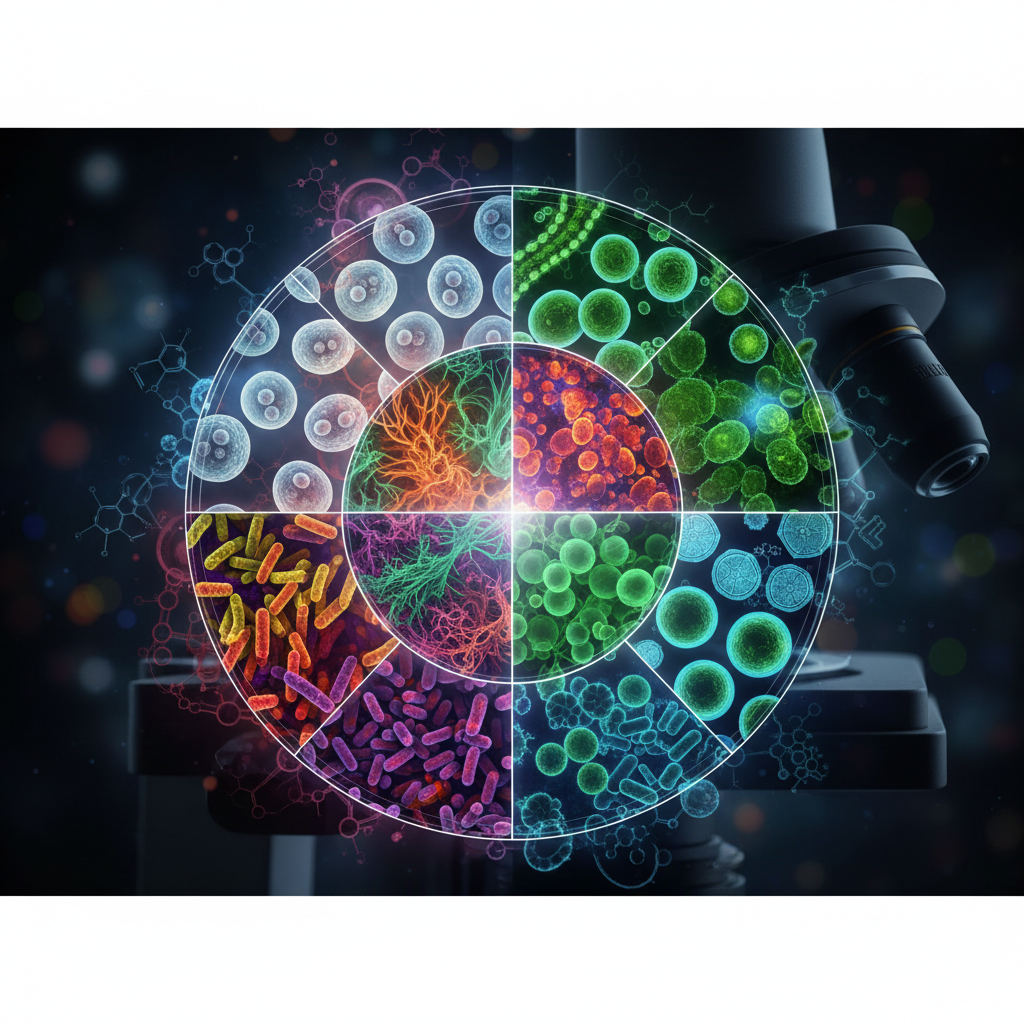
Overview: Taxonomy of Single Cell Protein
Microalgae
Source: Chlorella, Spirulina. Pros: High nutritional profile, consumer familiarity. Cons: High CAPEX for photobioreactors, color issues.
Fungi / Yeast
Source: Saccharomyces, Fusarium. Pros: Established industrial history (mycoprotein), texture. Cons: RNA content processing required.
Bacteria
Source: Methylococcus. Pros: Fastest growth rates, high protein content (up to 80%). Cons: Regulatory hurdles, consumer perception.
Relevance: Resource Efficiency vs. Traditional Protein
SCP offers orders of magnitude improvement in resource efficiency. Unlike plant-based proteins, it does not compete for arable land and is weather-independent.
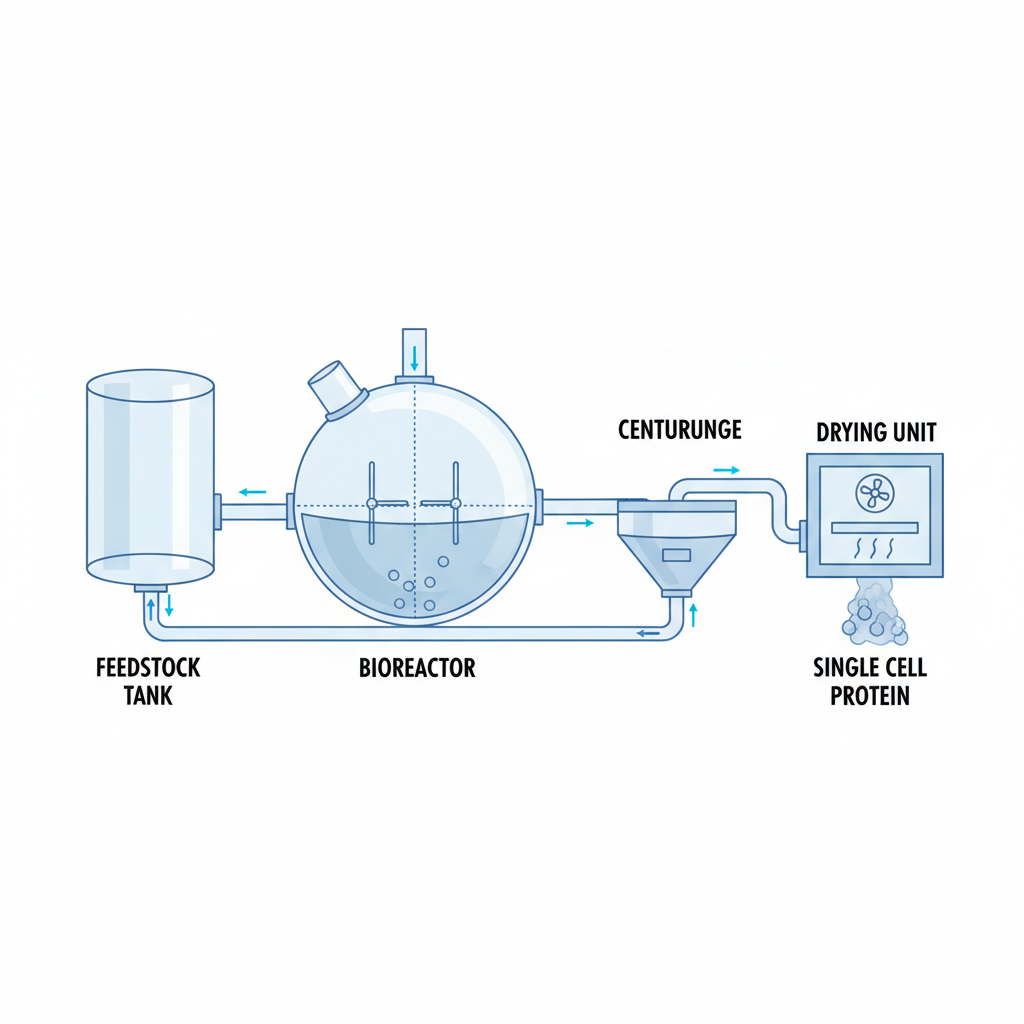
Technology: The Bioprocess Value Chain
1. Upstream (Feedstock): Sugar, Methane, Hydrogen, or CO2 inputs prepared.
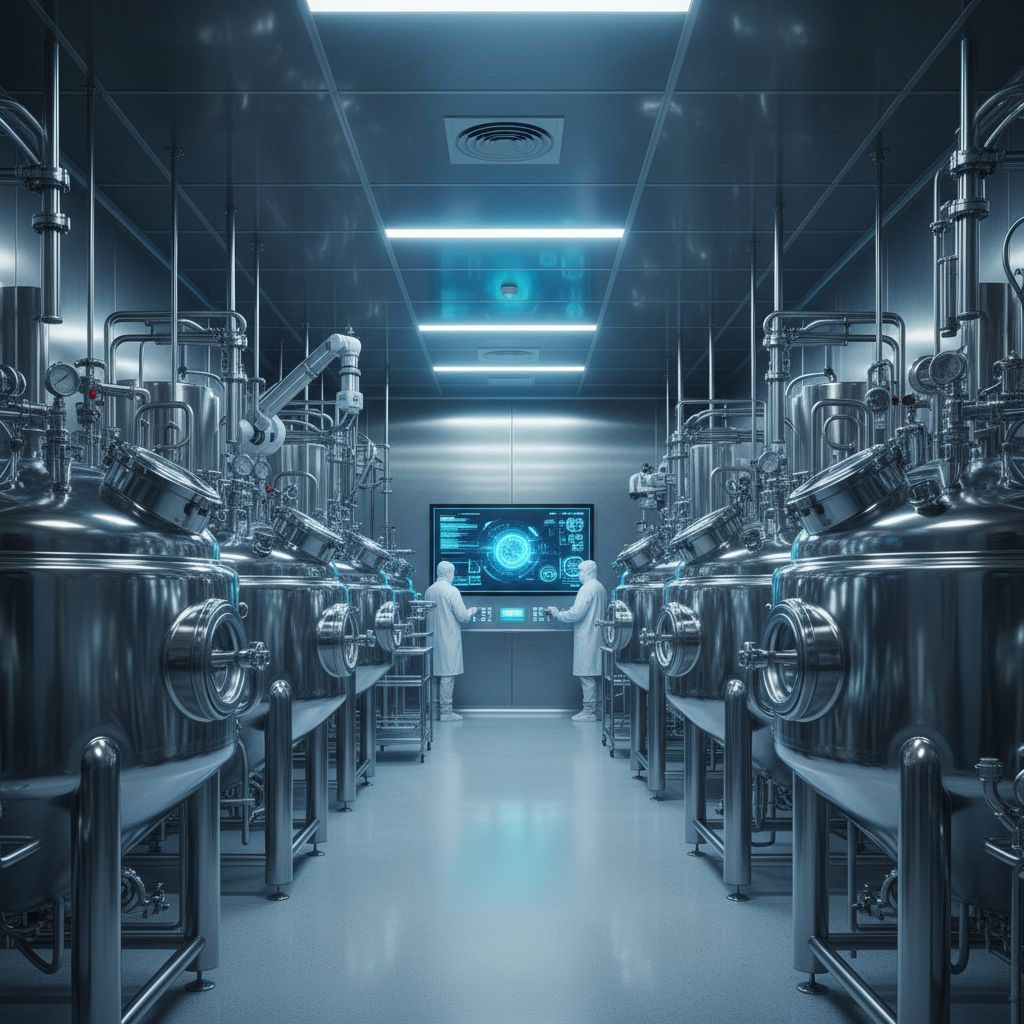
2. Fermentation: Biomass cultivated in continuous or batch bioreactors.
3. Downstream Processing: Cell disruption, centrifugation, and washing.
4. Drying & Formulation: Spray drying to create protein powder isolate.
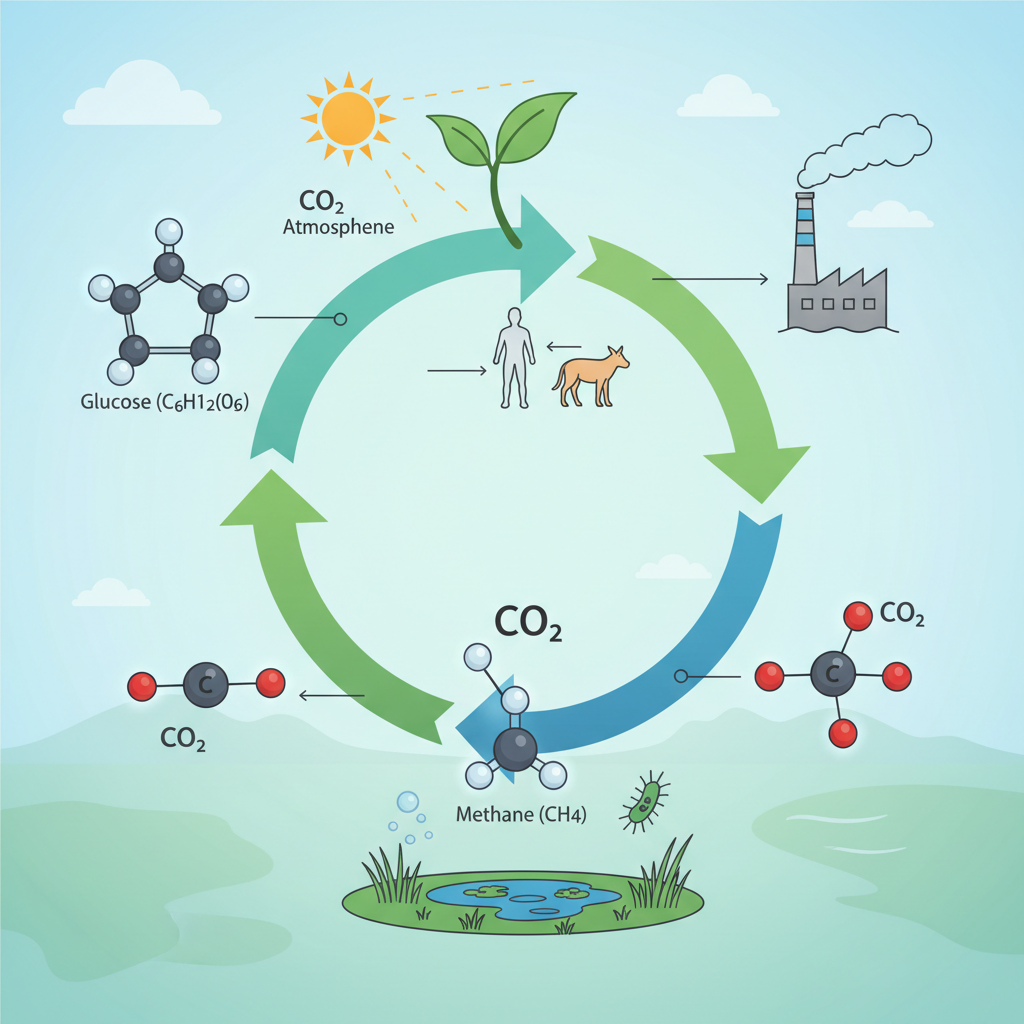
Technical Deep Dive: Feedstock Variability
Feedstock cost drives ~60% of OpEx. The shift from sugar to gas fermentation changes the economic paradigm.
Feedstock | Tech Maturity | Cost Profile | Scalability
Glucose (Sugar) | High (Mature) | High (food competition) | Low (arable land tie)
Methane (CH4) | Med (Commercial) | Low (Natural Gas/Biogas) | High
CO2 + H2 | Low (Pilot) | Med (Energy dependent) | Very High (unlimited)
Competitive Landscape
The Incumbents (Mycoprotein)
Quorn (Marlow Foods), EniferBio
Gas Fermentation (C1)
Calysta, Unibio, Circe
Air Protein (CO2)
Solar Foods, Air Protein, Deep Branch
Ag-Waste Upcycling
The Protein Brewery, Nature's Fynd
Business Models & Go-to-Market
B2B Ingredient Supply
Selling protein flour/isolate to CPG companies (e.g., Nestle, Tyson) or Aquafeed producers. High volume, lower margin.
B2C Branded Product
Creating consumer facing brands (e.g., Quorn). Capture higher margin but requires massive marketing & distribution spend.
Technology Licensing
Licensing strains and bioreactor designs to existing industrial players. High margin, low CAPEX, execution risk.
Key Issues & Risks
Energy Costs
Aerobic fermentation requires significant aeration and cooling. High electricity prices can break unit economics.
Regulatory Approval
Novel food approvals (GRAS in USA, Novel Food in EU) are slow, particularly for engineered strains.
Consumer Acceptance
Overcoming the 'yuck factor' of bacterial/fungal protein. Need for clean labeling.
Investment Thesis
Scalability
SCP is the only alternative protein technology capable of matching the scale of commoditized agriculture in the next decade.
Sustainability
Massive reduction in carbon, water, and land footprints aligns with global ESG mandates and carbon credit opportunities.
- single-cell-protein
- biotechnology
- alternative-protein
- food-tech
- sustainability
- precision-biology
- fermentation
- agtech