



Made byBobr AI

Lawn Care 101: A Beginner’s Guide to UK Gardens

Learn how to maintain a lush green lawn in the UK with this seasonal guide covering grass types, mowing rules, and essential garden tools.

#lawn-care#gardening-tips#uk-gardening#mowing-tips#garden-maintenance#beginner-gardening
Watch
Pitch

Lawn Care 101: A UK Beginner's Guide

Achieving a Lush, Healthy Green Space the Conventional Way

Made byBobr AI
Foundations

Understanding UK Grass Types

The UK climate favours 'cool-season' grasses. Most domestic lawns are a mix designed for durability and shade tolerance.

Perennial Ryegrass

Fast-growing, hard-wearing, and ideal for family gardens with high foot traffic.

Red Fescue

Finer blades, slower growth, and better shade tolerance. Often mixed with Rye.

Made byBobr AI

UK Grass Growth Cycle

Understanding when your lawn actively grows helps you time your mowing and feeding intervals perfectly.

Chart
Made byBobr AI

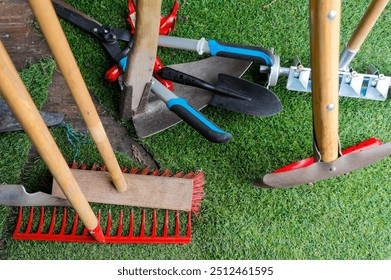
The Beginner's Toolkit

  • Rotary Mower - Versatile for typical British weather.
  • Spring-Tine Rake - Essential for removing moss and thatch.
  • Spreader - Ensures even application of feed and weed killer.
  • Edging Shears - For that crisp finish against paths.
Made byBobr AI
SEASON 1

Spring (March - May)

Waking Up the Lawn

1

First Cut: Set mower high. Just tip the blades to encourage growth.

2

Moss Control: Apply iron sulphate or '4-in-1'. Once moss blackens, rake it out.

3

Feed: Apply a nitrogen-rich granular feed to boost green leaf growth.

Made byBobr AI

Summer (June - August)

Maintenance & Drought Protection

Regular Mowing

Increase frequency (1-2 times a week), but raise the cutting height if it's hot to retain moisture.

Weed Control

Use selective herbicides or 'spot weeders' for dandelions and daisies. Avoid applying on scorched grass.

Watering

Only if necessary. Water heavily once a week rather than sprinkling daily, to encourage deep roots.

Made byBobr AI

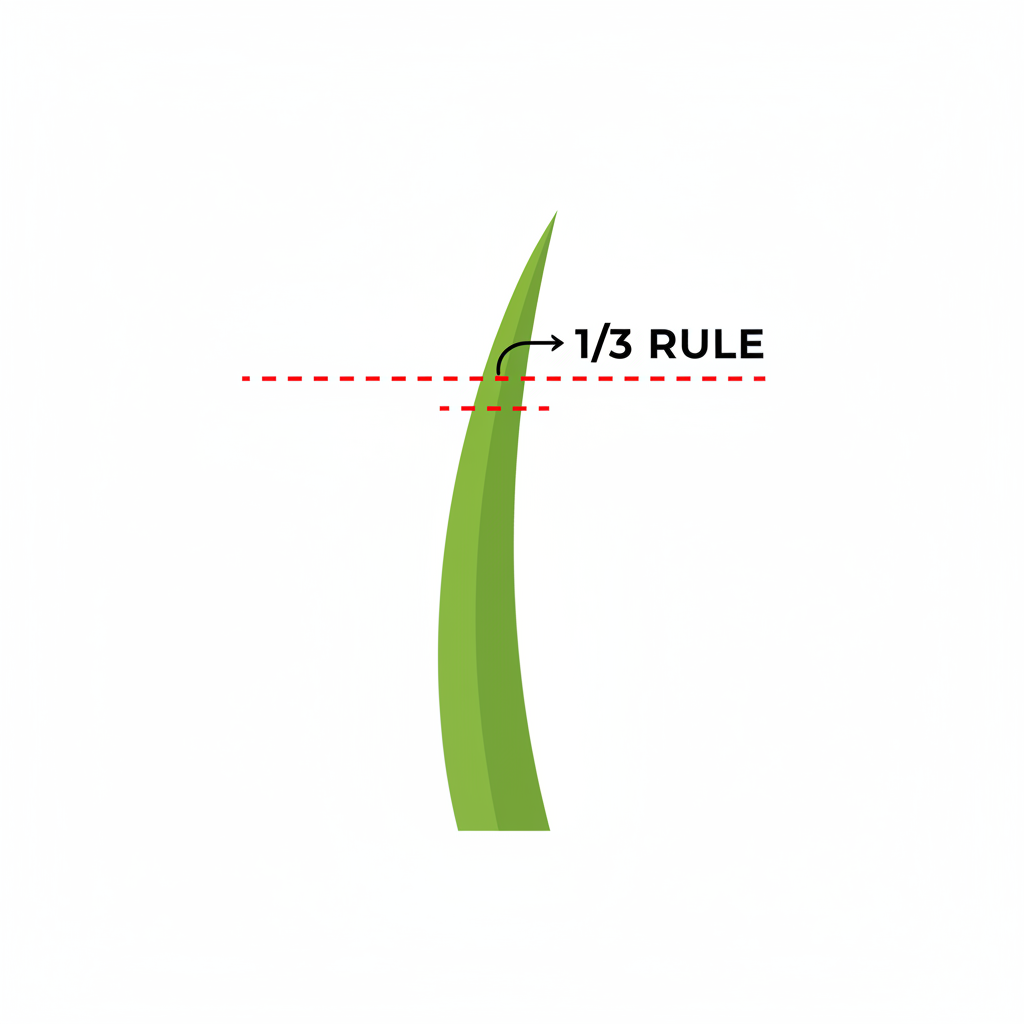
The 1/3 Rule

Never cut more than 1/3 of the blade length at once.

Scalping the grass forces it to use energy to regrow blades instead of roots. This weakens the lawn and invites weeds. If the grass is long, lower the height gradually over several weeks.

Made byBobr AI
SEASON 3

Autumn (Sept - Nov)

Renovation & Preparation

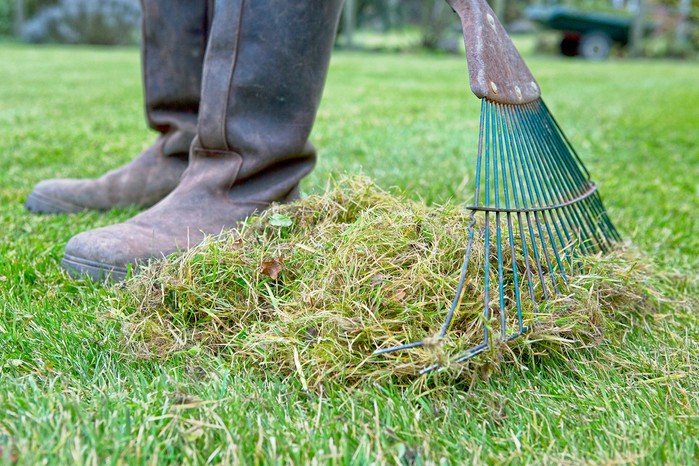
1. Scarification

Mechanically rake out dead thatch and moss. The lawn will look terrible initially—this is normal!

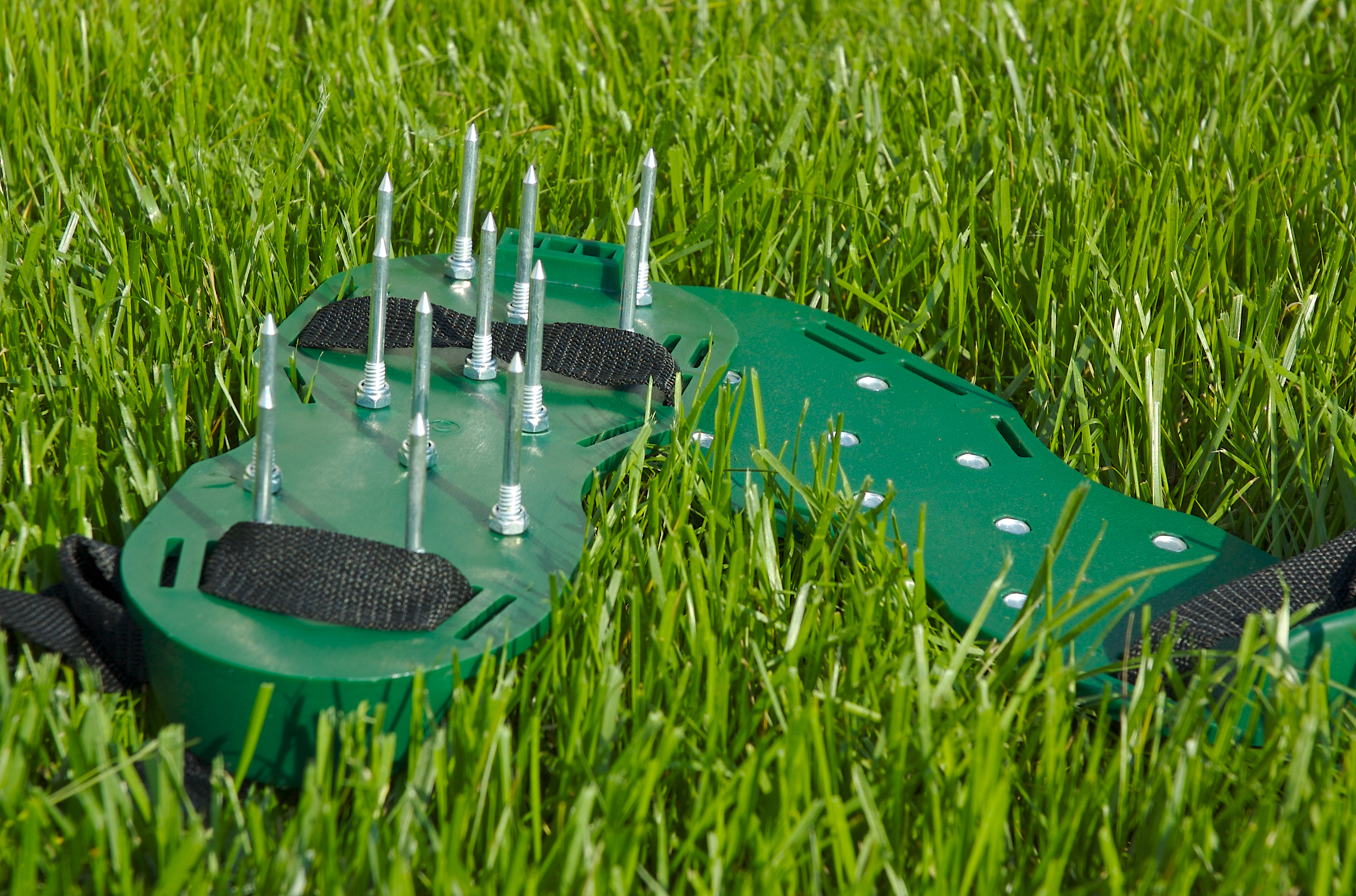
2. Aeration

Punch holes in the soil (spiking) to relieve compaction and let air reach the roots.

3. Overseeding

Spread fresh seed over the prepared ground to thicken the turf before winter.

Made byBobr AI

Understanding Feeds

Chart
Key Rule:

Nitrogen = Leaf Growth (Green). Potassium = Root Strength (Hardiness). Never use high nitrogen in Autumn creates soft growth that frost will kill.
Made byBobr AI

Winter (Dec - Feb)

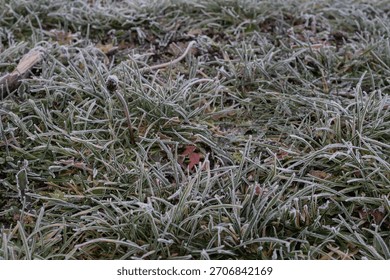
Winter is dormancy time. Avoid walking on the grass when it is frozen, as this breaks the grass blades and leaves black footprints.

  • Service your mower blades
  • Clear fallen leaves to prevent rot
  • Stay off the lawn during frost
Made byBobr AI

Summary Checklist

✅ Do

  • Mow regularly (keep it sharp)
  • Feed in Spring and Autumn
  • Aerate compact soil

❌ Don't

  • Cut more than 1/3 at once
  • Water little and often
  • Mow wet grass if possible
Made byBobr AI
Bobr AI

DESIGNER-MADE
PRESENTATION,
GENERATED FROM
YOUR PROMPT

Create your own professional slide deck with real images, data charts, and unique design in under a minute.

Generate For Free

Lawn Care 101: A Beginner’s Guide to UK Gardens

Learn how to maintain a lush green lawn in the UK with this seasonal guide covering grass types, mowing rules, and essential garden tools.

Lawn Care 101: A UK Beginner's Guide

Achieving a Lush, Healthy Green Space the Conventional Way

Understanding UK Grass Types

The UK climate favours 'cool-season' grasses. Most domestic lawns are a mix designed for durability and shade tolerance.

Perennial Ryegrass

Fast-growing, hard-wearing, and ideal for family gardens with high foot traffic.

Red Fescue

Finer blades, slower growth, and better shade tolerance. Often mixed with Rye.

UK Grass Growth Cycle

Understanding when your lawn actively grows helps you time your mowing and feeding intervals perfectly.

The Beginner's Toolkit

Rotary Mower - Versatile for typical British weather.

Spring-Tine Rake - Essential for removing moss and thatch.

Spreader - Ensures even application of feed and weed killer.

Edging Shears - For that crisp finish against paths.

Spring (March - May)

Waking Up the Lawn

First Cut: Set mower high. Just tip the blades to encourage growth.

Moss Control: Apply iron sulphate or '4-in-1'. Once moss blackens, rake it out.

Feed: Apply a nitrogen-rich granular feed to boost green leaf growth.

Summer (June - August)

Regular Mowing

Increase frequency (1-2 times a week), but raise the cutting height if it's hot to retain moisture.

Weed Control

Use selective herbicides or 'spot weeders' for dandelions and daisies. Avoid applying on scorched grass.

Watering

Only if necessary. Water heavily once a week rather than sprinkling daily, to encourage deep roots.

The Golden Rule of Mowing

Never cut more than 1/3 of the blade length at once.

Scalping the grass forces it to use energy to regrow blades instead of roots. This weakens the lawn and invites weeds. If the grass is long, lower the height gradually over several weeks.

Autumn (Sept - Nov)

Renovation & Preparation

Scarification

Mechanically rake out dead thatch and moss. The lawn will look terrible initially—this is normal!

Aeration

Punch holes in the soil (spiking) to relieve compaction and let air reach the roots.

Overseeding

Spread fresh seed over the prepared ground to thicken the turf before winter.

Understanding Feeds

Nitrogen = Leaf Growth (Green). Potassium = Root Strength (Hardiness). Never use high nitrogen in Autumn creates soft growth that frost will kill.

Winter (Dec - Feb)

Winter is dormancy time. Avoid walking on the grass when it is frozen, as this breaks the grass blades and leaves black footprints.

Service your mower blades

Clear fallen leaves to prevent rot

Stay off the lawn during frost

Summary Checklist

Do

Mow regularly (keep it sharp)

Feed in Spring and Autumn

Aerate compact soil

Don't

Cut more than 1/3 at once

Water little and often

Mow wet grass if possible

  • lawn-care
  • gardening-tips
  • uk-gardening
  • mowing-tips
  • garden-maintenance
  • beginner-gardening