





King Jehoshaphat: Bible Study on 2 Chronicles 17–20
Explore the life of King Jehoshaphat: faithful leadership, reliance on God during crisis, the power of worship, and lessons on spiritual compromise.
King Jehoshaphat: A Legacy of Reliance
A Study of 2 Chronicles 17–20
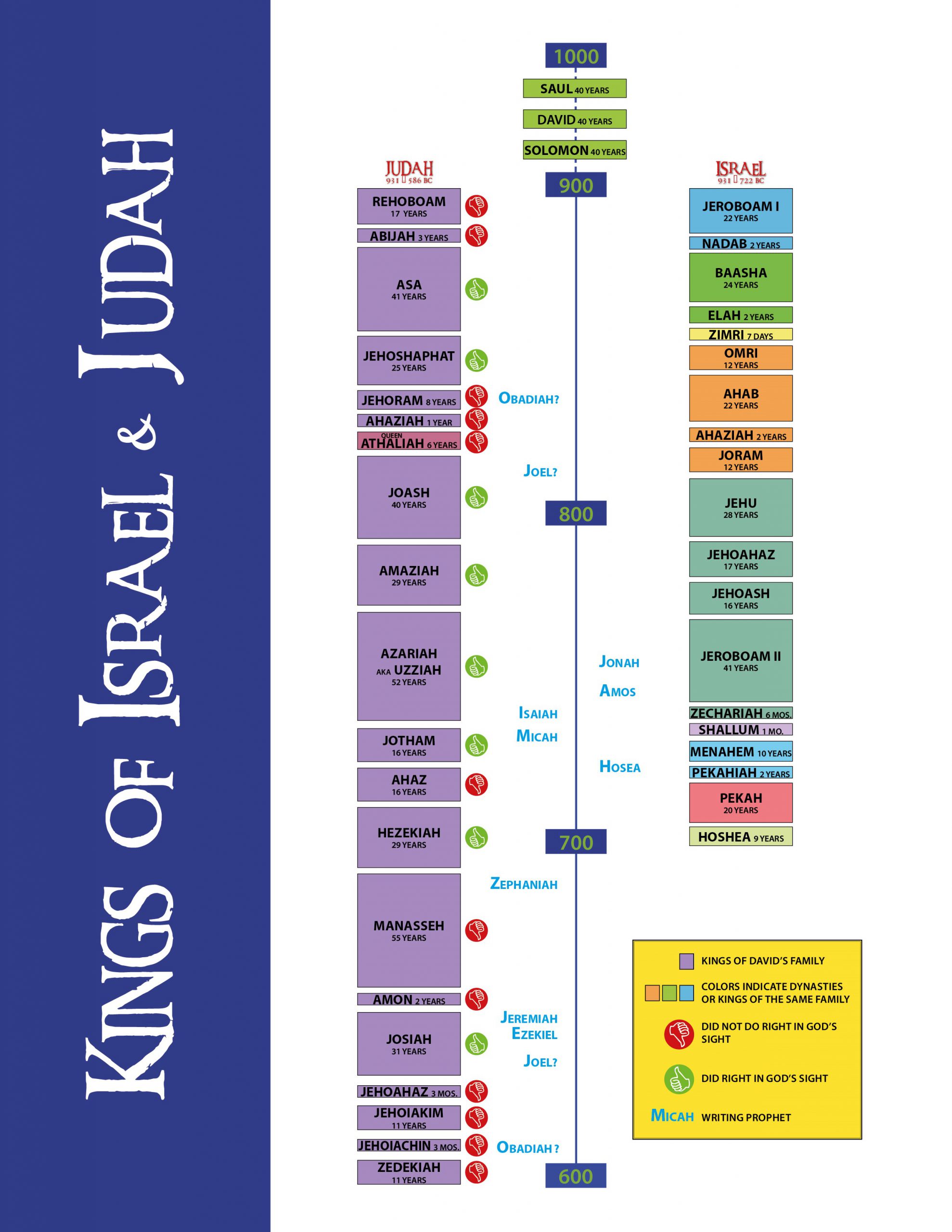
The Line of David: Historical Context
<ul><li><strong>Saul</strong> (First King of United Kingdom)</li><li><strong>David</strong> (United Kingdom)</li><li><strong>Solomon</strong> (United Kingdom)</li><li><em>The Division of the Kingdom (c. 930 BC)</em></li><li><strong>Rehoboam</strong> (1st King of Judah)</li><li><strong>Abijah</strong> (2nd King of Judah)</li><li><strong>Asa</strong> (3rd King, Father of Jehoshaphat)</li><li><strong>JEHOSHAPHAT</strong> (4th King of Judah, c. 872–848 BC)</li></ul>
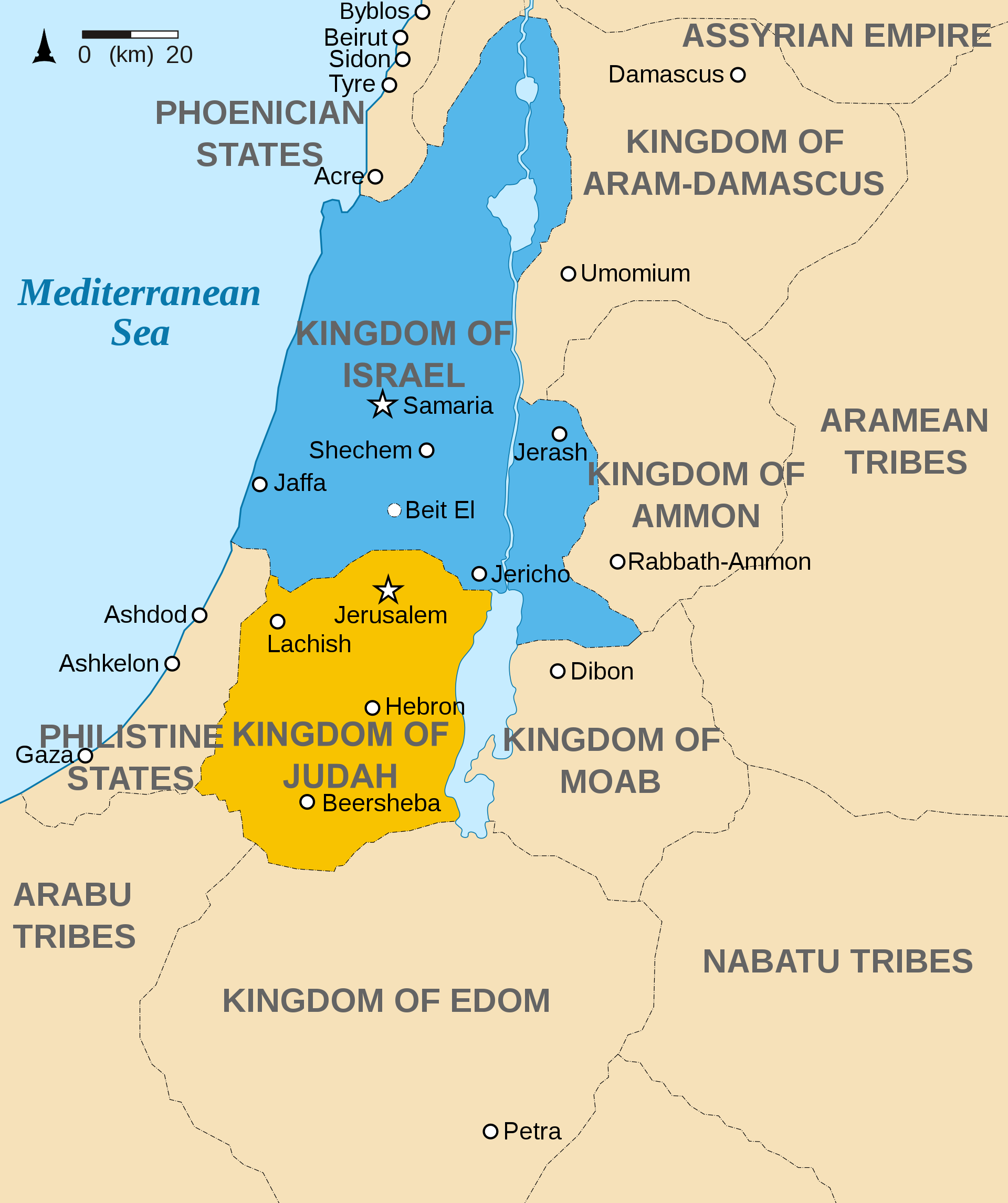
The Divided Kingdom & Key Locations
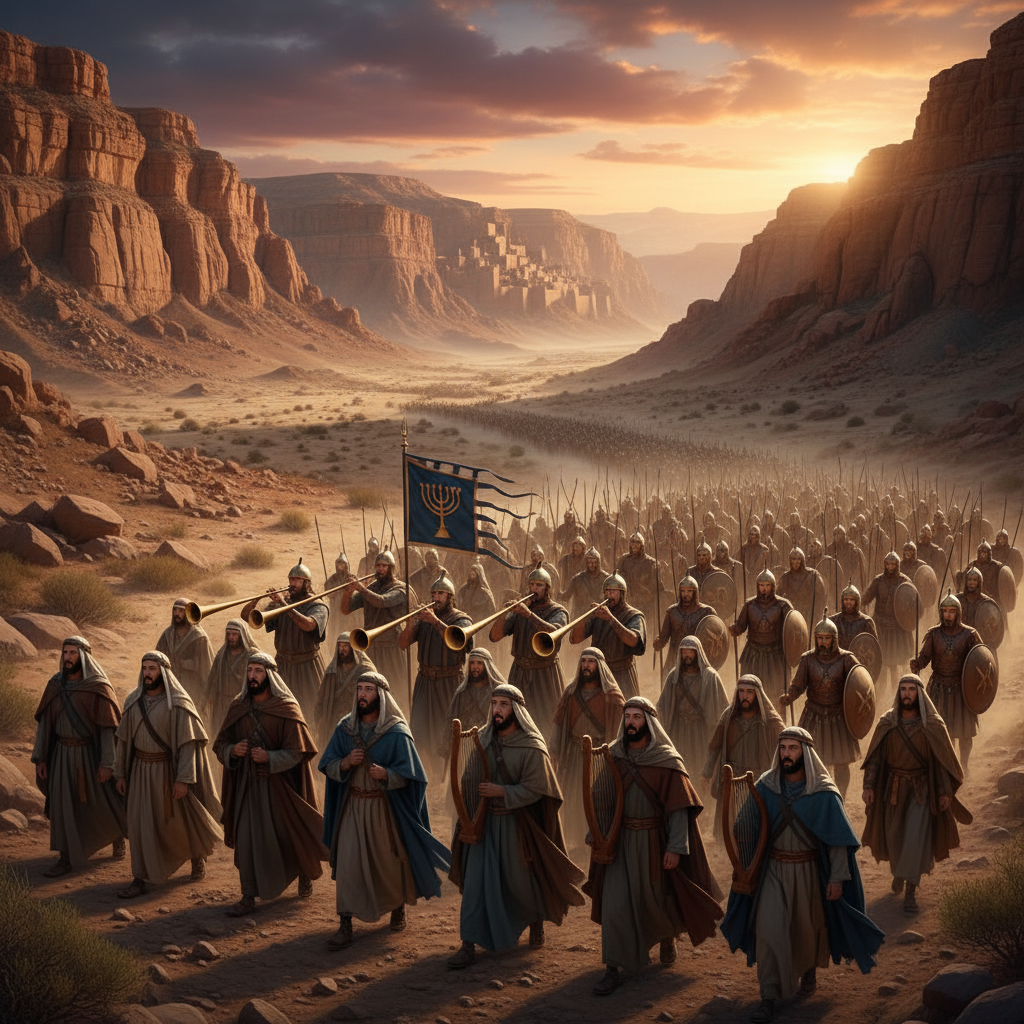
<strong>Key Locations (2 Chr 17-20):</strong><br><br><strong>Jerusalem:</strong> Capital of Judah.<br><strong>Ramoth-Gilead:</strong> Disputed city in the North (Battle with Ahab).<br><strong>En Gedi:</strong> Where the invading alliance (Moab/Ammon) gathered.<br><strong>Desert of Tekoa:</strong> Where Judah marched out singing.
1. Faithful Leadership
"The LORD was with Jehoshaphat because in his early years he walked in the ways his father David had followed. He did not consult the Baals but sought the God of his father and followed his commands." — 2 Chronicles 17:3-4 (NIV)
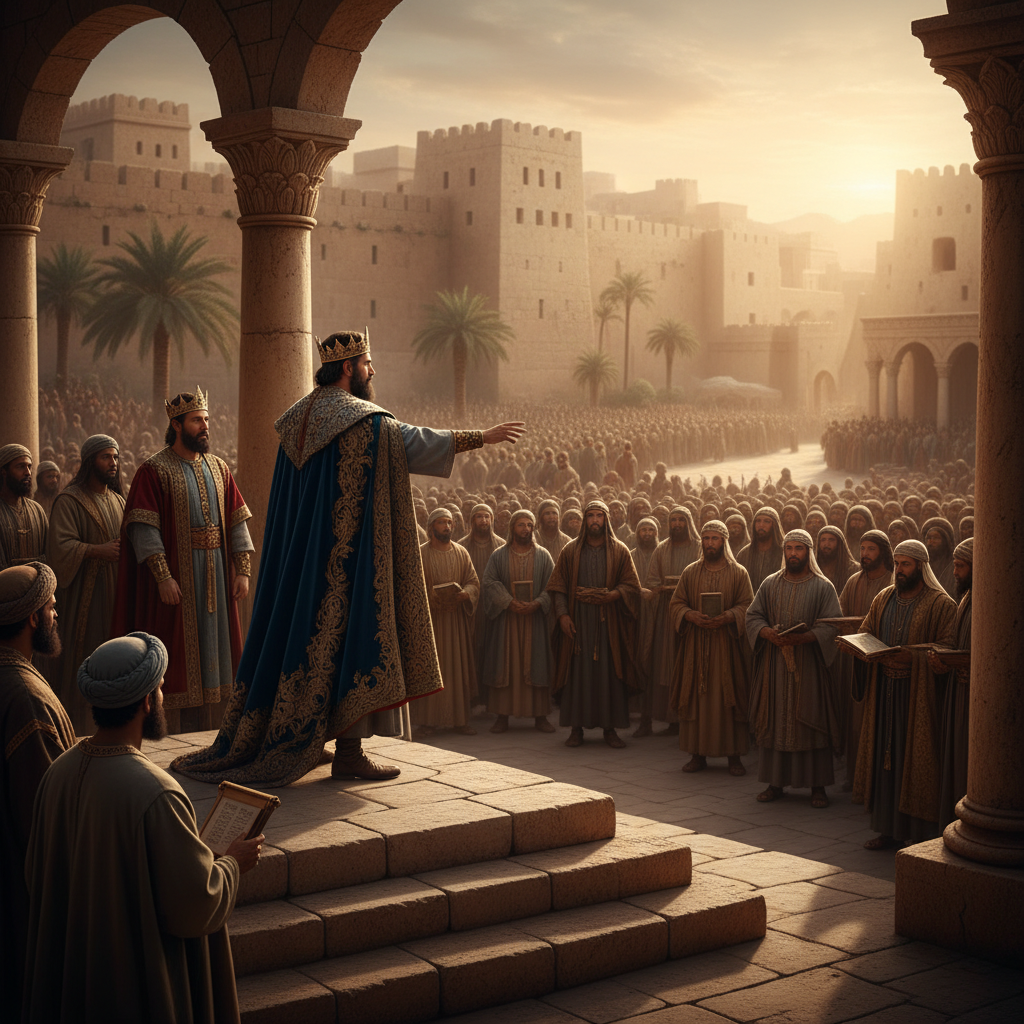
Jehoshaphat began by walking in his father David's ways, removing idols, and sending teachers to instruct Judah in God's law, bringing peace and prosperity.
2. Seeking God in Crisis (2 Chronicles 20)
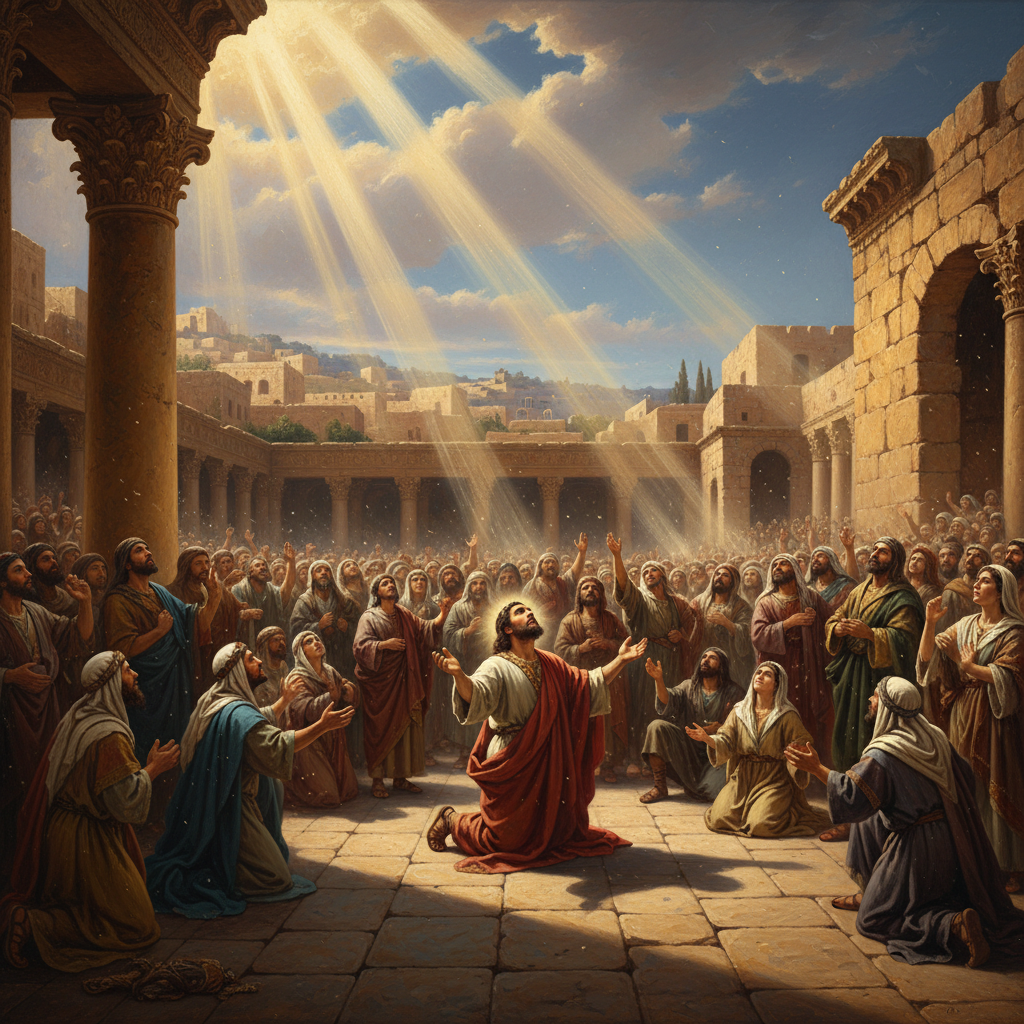
When faced with a massive invasion, Jehoshaphat prayed, acknowledging God's sovereignty, recalling His promises, and professing dependence on Him.<br><br>"We do not know what to do, but our eyes are on you."
3. Worship as a Weapon
"Give thanks to the LORD, for his love endures forever."
He placed singers and musicians at the front of his army, who praised God, leading the enemies to destroy each other before Judah even fought.
4. The Danger of Compromise
"Bad company corrupts good character." (1 Corinthians 15:33)
His alliance with Ahab, the wicked king of Israel, led to participation in a war God disapproved of. This serves as a warning against forming friendships that corrupt faith.
5. God's Deliverance
The story emphasizes that God delivers those who trust Him, giving them rest and victory when they rely on Him rather than their own strength.
Bible Study: Observation
1. In 2 Chronicles 17, what specific steps did Jehoshaphat take to strengthen the kingdom securely and spiritually?<br><br>2. Read 2 Chronicles 20:3-12. How did Jehoshaphat react immediately after hearing about the vast army approaching?
Bible Study: Interpretation
3. Why was God displeased with Jehoshaphat's alliance with Ahab (Ch. 18)? What does this suggest about the relationship between political pragmatism and spiritual integrity?<br><br>4. What is the significance of appointing singers to lead the army (c.f. Ch. 20:21)? What does this teach us about the role of praise in spiritual warfare?
Bible Study: Application
5. Jehoshaphat said, "We do not know what to do, but our eyes are on you." In what areas of your life do you currently feel overwhelmed, and what would it look like to fix your eyes on God in that situation?<br><br>6. Are there any "alliances" (habits, relationships, influences) in your life that might be compromising your walk with the Lord, similar to the Ahab alliance?
- bible-study
- king-jehoshaphat
- 2-chronicles
- israel-history
- christian-leadership
- spiritual-warfare
- scripture-analysis