

Made byBobr AI

Catholicism and End of Life Care: Spiritual Care Guide

Explore Catholic beliefs, rituals, and customs regarding death and afterlife. A guide for healthcare providers on supporting Catholic patients and families.

#catholicism#end-of-life-care#spiritual-care#palliative-care#healthcare-training#cultural-competence#nursing-education
Watch
Pitch
Subject: End of Life Care
Catholicism
& End of Life Care
A Cultural & Spiritual Care Presentation
End of Life Care | Group Presentation
Presented by: Sarah Jenkins, Michael Chen, & David Ross
Made byBobr AI
Overview
What We'll Cover Today
1.
🕊️ Beliefs About Death & the Afterlife
2.
✝️ Rituals & Practices Around Death
3.
🙏 Roles of Family & Community
4.
💛 After-Death Care & Customs
5.
👩‍⚕️ How CCAs Can Support
6.
💡 Special Considerations & Activity
End of Life Care | Group Presentation
Made byBobr AI
Criterion 1
Beliefs About Death & the Afterlife
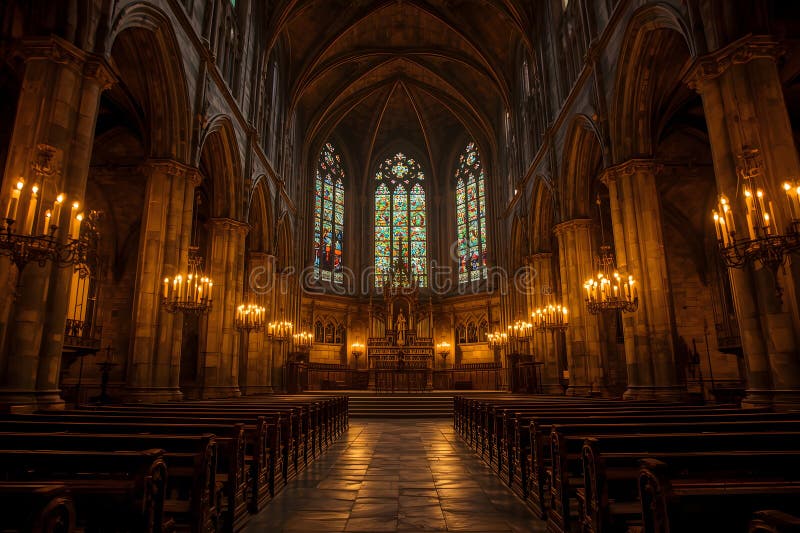
Death is not the end — it is a transition to eternal life
Catholics believe in the Holy Trinity: Father, Son & Holy Spirit
The soul lives on after physical death
Three possible destinations: Heaven, Purgatory, or Hell
Purgatory: a place of purification before entering Heaven
The body is sacred — created in the image of God (Imago Dei)
Resurrection of the body is a core belief (based on Jesus's resurrection)
Death is seen as returning to God — "going home"
Suffering can be spiritually meaningful — united with Christ's suffering
End of Life Care | Group Presentation
Made byBobr AI
Criterion 2

Rituals & Practices Around Death

Last Rites / Anointing of the Sick

Sacrament given to the seriously ill or dying. A priest anoints with holy oil and prays for healing or peaceful death.

Viaticum

Final reception of Holy Communion given to someone near death as "food for the journey."

Apostolic Pardon

A special blessing and indulgence given by the priest at the time of death.

Rosary & Prayer Vigil

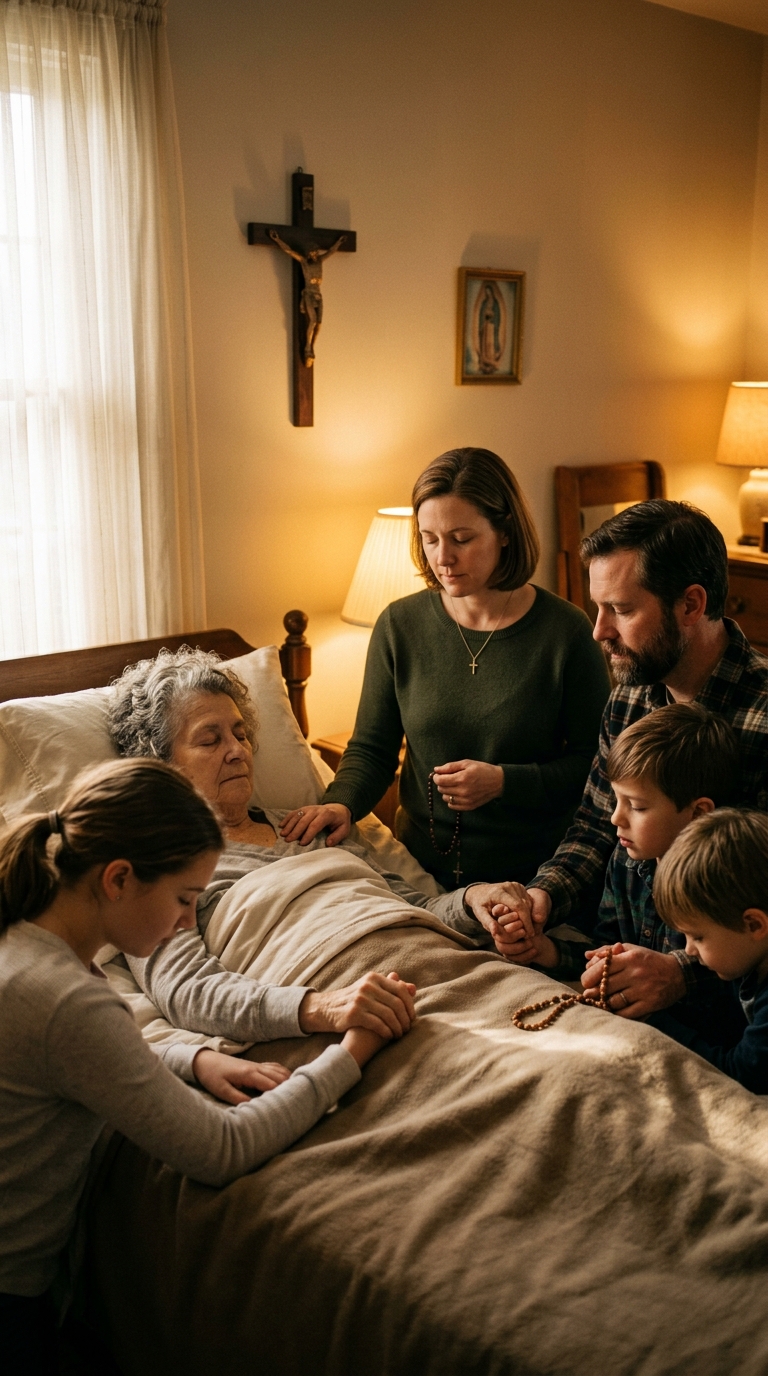
Family and friends gather to pray the Rosary beside the dying or deceased.

Funeral Mass

A Catholic Mass celebrated for the deceased. Includes scripture readings, Eucharist, and prayers.

Wake / Visitation

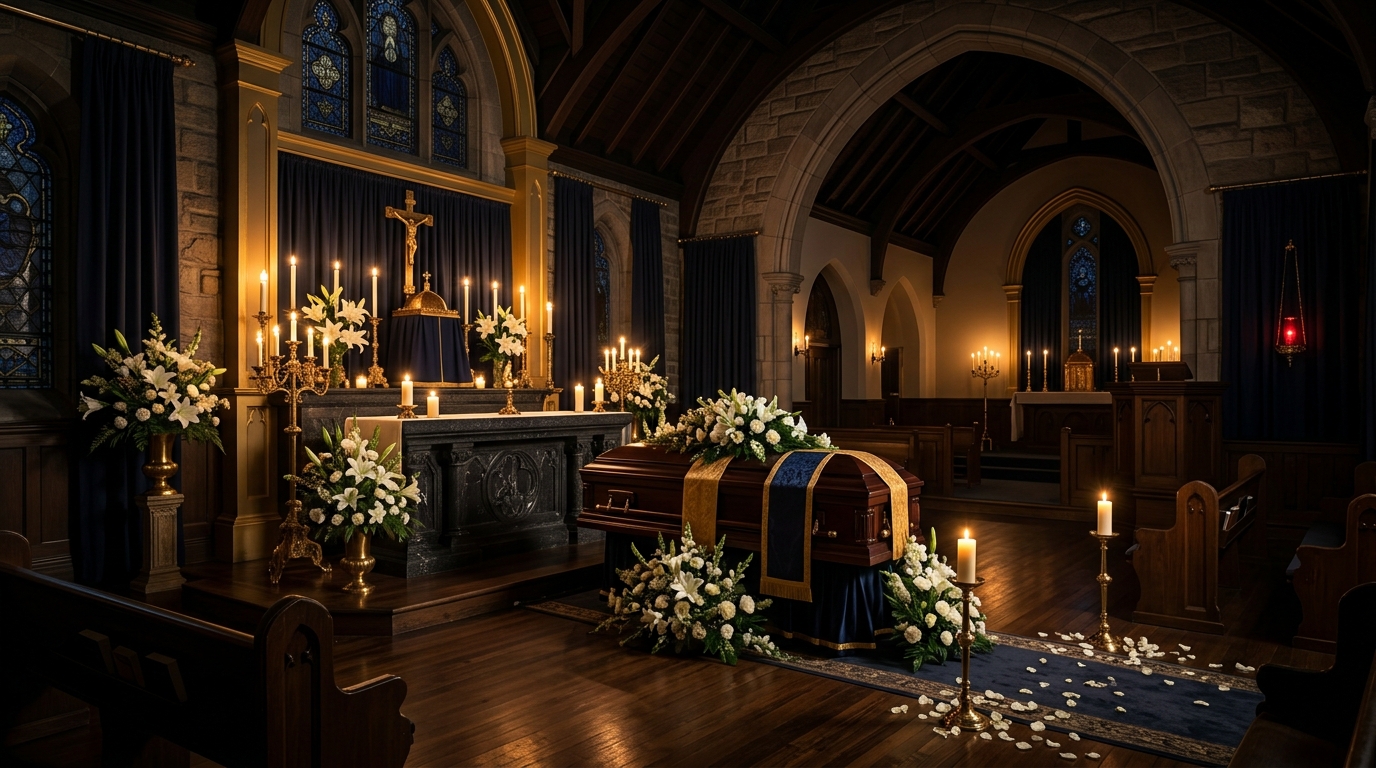
The night before burial, family and friends gather to pay respects, pray, and support each other.

End of Life Care | Group Presentation
Made byBobr AI
Criterion 3
Roles of Family & Community
👨‍👩‍👧 FAMILY ROLES:
Family is expected to be present at the bedside — it is a sacred duty
Praying together (Rosary, Psalms, personal prayers) is very important
Family may request a priest for Last Rites — urgent if death is near
Decisions about life support may involve family consensus
Emotional and spiritual comfort provided by loved ones
COMMUNITY & CHURCH ROLES:
The parish community rallies around the dying and bereaved
Priest visits are expected and deeply meaningful
Fellow parishioners bring meals, offer support, attend the funeral Mass
Deacons, ministers, and volunteers may also provide spiritual care
Community prayer (novenas, masses offered for the deceased) is common
End of Life Care | Group Presentation
Made byBobr AI
End of Life Care | Group Presentation
Criterion 4
After-Death Care & Customs

Who Provides Care?

Healthcare providers (nurses, CCAs) may perform post-mortem care
The body is treated with utmost respect and dignity
Family may wish to be present during body preparation
Prayers may be said over the body before it is moved
A priest or deacon may be called to bless the body
Funeral home (Catholic-affiliated preferred) handles the body

Special Catholic Customs

Preparation: The body is dressed in dignified clothing, sometimes with a rosary.
Burial vs Cremation: Cremation is permitted (since 1963), but burial remains preferred.
Resting Place: Ashes must be kept together and ideally buried in consecrated ground.
The Wake: A vigil is held — candles, flowers, and prayers surround the body.
Memorial Masses: Masses are offered for the soul of the deceased.
All Souls' Day: November 2nd — Catholics pray collectively for all the dead.
Made byBobr AI
Criterion 5
How CCAs Can Support
Before, During & After Death
🕊️
BEFORE DEATH
  • Ask about spiritual/religious needs upon admission
  • Ensure priest/chaplain visits are arranged
  • Facilitate Last Rites — contact priest urgently if requested
  • Allow rosary beads, crucifixes, holy water, religious items at bedside
  • Respect prayer time — do not interrupt
  • Speak gently and compassionately
  • Involve family in care decisions
🙏
DURING DEATH
  • Allow family to be present — do not rush them
  • Maintain a quiet, peaceful, respectful environment
  • Support the family emotionally
  • Avoid unnecessary noise or intrusions
  • Allow a priest to be present if possible
  • Treat the moment with reverence
✝️
AFTER DEATH
  • Handle the body with dignity and gentleness
  • Allow family time with the deceased before moving the body
  • Leave rosary beads or religious items with the body if family wishes
  • Notify chaplain or priest for final blessing
  • Support grieving family members
  • Document and respect funeral wishes
End of Life Care | Group Presentation
Made byBobr AI
Criterion 6
Misconceptions & Group Activity
❌ Common Misconceptions
"Catholics don't talk about death."
Truth: Catholics are encouraged to prepare spiritually for death — it is called a "Good Death."
"Cremation is forbidden in Catholicism."
Truth: Cremation is allowed since 1963, but the ashes must be treated with respect and buried.
"Catholics rely only on God — they don't want medical care."
Truth: Catholics value medical care but may refuse extraordinary/disproportionate means that only prolong dying.
🎯 Group Activity: Scenario Cards
What Would You Do?
In small groups, read the care scenario below and discuss how a CCA should respond:
"Maria, 82, is a devout Catholic in her final hours. She is asking for a priest, her rosary beads are missing, and her family is upset that visitors are being turned away. As the CCA on duty — what do you do? What are your priorities?"
Discuss: What cultural and spiritual needs are present? How do you advocate for Maria?
End of Life Care | Group Presentation
Made byBobr AI
Key Takeaways
✝️ Catholics view death as a sacred transition to eternal life
🙏 Spiritual rituals (Last Rites, Rosary, Funeral Mass) are deeply important
👨‍👩‍👧 Family and community play a central role in care and mourning
💛 CCAs can make a profound difference by respecting these beliefs
"How we care for the dying is a measure of how we value life itself."
Thank you for listening — Questions & Discussion Welcome
End of Life Care | Group Presentation
Made byBobr AI
Bobr AI

DESIGNER-MADE
PRESENTATION,
GENERATED FROM
YOUR PROMPT

Create your own professional slide deck with real images, data charts, and unique design in under a minute.

Generate For Free

Catholicism and End of Life Care: Spiritual Care Guide

Explore Catholic beliefs, rituals, and customs regarding death and afterlife. A guide for healthcare providers on supporting Catholic patients and families.

Catholicism

& End of Life Care

A Cultural & Spiritual Care Presentation

End of Life Care | Group Presentation

Presented by: Sarah Jenkins, Michael Chen, & David Ross

Subject: End of Life Care

Overview

What We'll Cover Today

🕊️ Beliefs About Death & the Afterlife

✝️ Rituals & Practices Around Death

🙏 Roles of Family & Community

💛 After-Death Care & Customs

👩‍⚕️ How CCAs Can Support

💡 Special Considerations & Activity

End of Life Care | Group Presentation

Criterion 1

Beliefs About Death & the Afterlife

Death is not the end — it is a transition to eternal life

Catholics believe in the Holy Trinity: Father, Son & Holy Spirit

The soul lives on after physical death

Three possible destinations: Heaven, Purgatory, or Hell

Purgatory: a place of purification before entering Heaven

The body is sacred — created in the image of God (Imago Dei)

Resurrection of the body is a core belief (based on Jesus's resurrection)

Death is seen as returning to God — "going home"

Suffering can be spiritually meaningful — united with Christ's suffering

End of Life Care | Group Presentation

Criterion 2

Rituals & Practices Around Death

Last Rites / Anointing of the Sick

Sacrament given to the seriously ill or dying. A priest anoints with holy oil and prays for healing or peaceful death.

Viaticum

Final reception of Holy Communion given to someone near death as "food for the journey."

Apostolic Pardon

A special blessing and indulgence given by the priest at the time of death.

Rosary & Prayer Vigil

Family and friends gather to pray the Rosary beside the dying or deceased.

Funeral Mass

A Catholic Mass celebrated for the deceased. Includes scripture readings, Eucharist, and prayers.

Wake / Visitation

The night before burial, family and friends gather to pay respects, pray, and support each other.

End of Life Care | Group Presentation

Criterion 3

Roles of Family & Community

👨‍👩‍👧

FAMILY ROLES:

Family is expected to be present at the bedside — it is a sacred duty

Praying together (Rosary, Psalms, personal prayers) is very important

Family may request a priest for Last Rites — urgent if death is near

Decisions about life support may involve family consensus

Emotional and spiritual comfort provided by loved ones

COMMUNITY & CHURCH ROLES:

The parish community rallies around the dying and bereaved

Priest visits are expected and deeply meaningful

Fellow parishioners bring meals, offer support, attend the funeral Mass

Deacons, ministers, and volunteers may also provide spiritual care

Community prayer (novenas, masses offered for the deceased) is common

End of Life Care | Group Presentation

Criterion 4

After-Death Care & Customs

End of Life Care | Group Presentation

Who Provides Care?

Special Catholic Customs

Healthcare providers (nurses, CCAs) may perform post-mortem care

The body is treated with utmost respect and dignity

Family may wish to be present during body preparation

Prayers may be said over the body before it is moved

A priest or deacon may be called to bless the body

Funeral home (Catholic-affiliated preferred) handles the body

The body is dressed in dignified clothing, sometimes with a rosary.

Cremation is permitted (since 1963), but burial remains preferred.

Ashes must be kept together and ideally buried in consecrated ground.

A vigil is held — candles, flowers, and prayers surround the body.

Masses are offered for the soul of the deceased.

November 2nd — Catholics pray collectively for all the dead.

Criterion 5

How CCAs Can Support

Before, During & After Death

BEFORE DEATH

DURING DEATH

AFTER DEATH

End of Life Care | Group Presentation

Criterion 6

Misconceptions & Group Activity

Common Misconceptions

Catholics don't talk about death.

Catholics are encouraged to prepare spiritually for death — it is called a "Good Death."

Cremation is forbidden in Catholicism.

Cremation is allowed since 1963, but the ashes must be treated with respect and buried.

Catholics rely only on God — they don't want medical care.

Catholics value medical care but may refuse extraordinary/disproportionate means that only prolong dying.

Group Activity: Scenario Cards

What Would You Do?

In small groups, read the care scenario below and discuss how a CCA should respond:

Maria, 82, is a devout Catholic in her final hours. She is asking for a priest, her rosary beads are missing, and her family is upset that visitors are being turned away. As the CCA on duty — what do you do? What are your priorities?

What cultural and spiritual needs are present? How do you advocate for Maria?

End of Life Care | Group Presentation

Key Takeaways

✝️ Catholics view death as a sacred transition to eternal life

🙏 Spiritual rituals (Last Rites, Rosary, Funeral Mass) are deeply important

👨‍👩‍👧 Family and community play a central role in care and mourning

💛 CCAs can make a profound difference by respecting these beliefs

How we care for the dying is a measure of how we value life itself.

Thank you for listening — Questions & Discussion Welcome

End of Life Care | Group Presentation

  • catholicism
  • end-of-life-care
  • spiritual-care
  • palliative-care
  • healthcare-training
  • cultural-competence
  • nursing-education