







Made byBobr AI

Reducing Food Waste in Fast Food: Impact and Solutions

Explore strategies to tackle food waste in fast food. Learn about demand forecasting, batch cooking, and donation programs to improve sustainability.

#food-waste#fast-food-industry#sustainability#operational-efficiency#restaurant-management#demand-forecasting
Watch
Pitch
Fast Food Waste Background

Food Waste in Fast Food

The Problem, The Impact & The Solutions

A Research & Strategy Overview
Fast Food Industry Analysis
Made byBobr AI
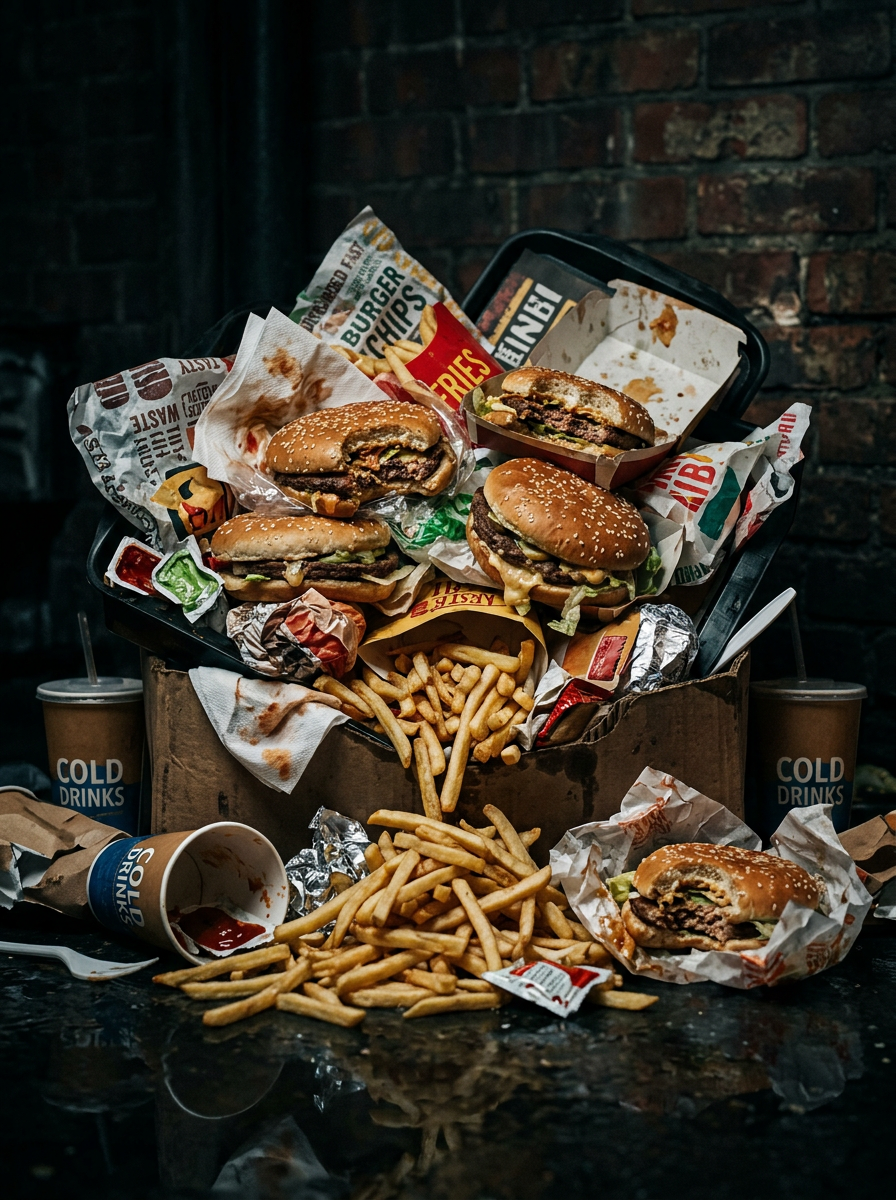
Discarded Fast Food Imagery
SLIDE 02

The Problem

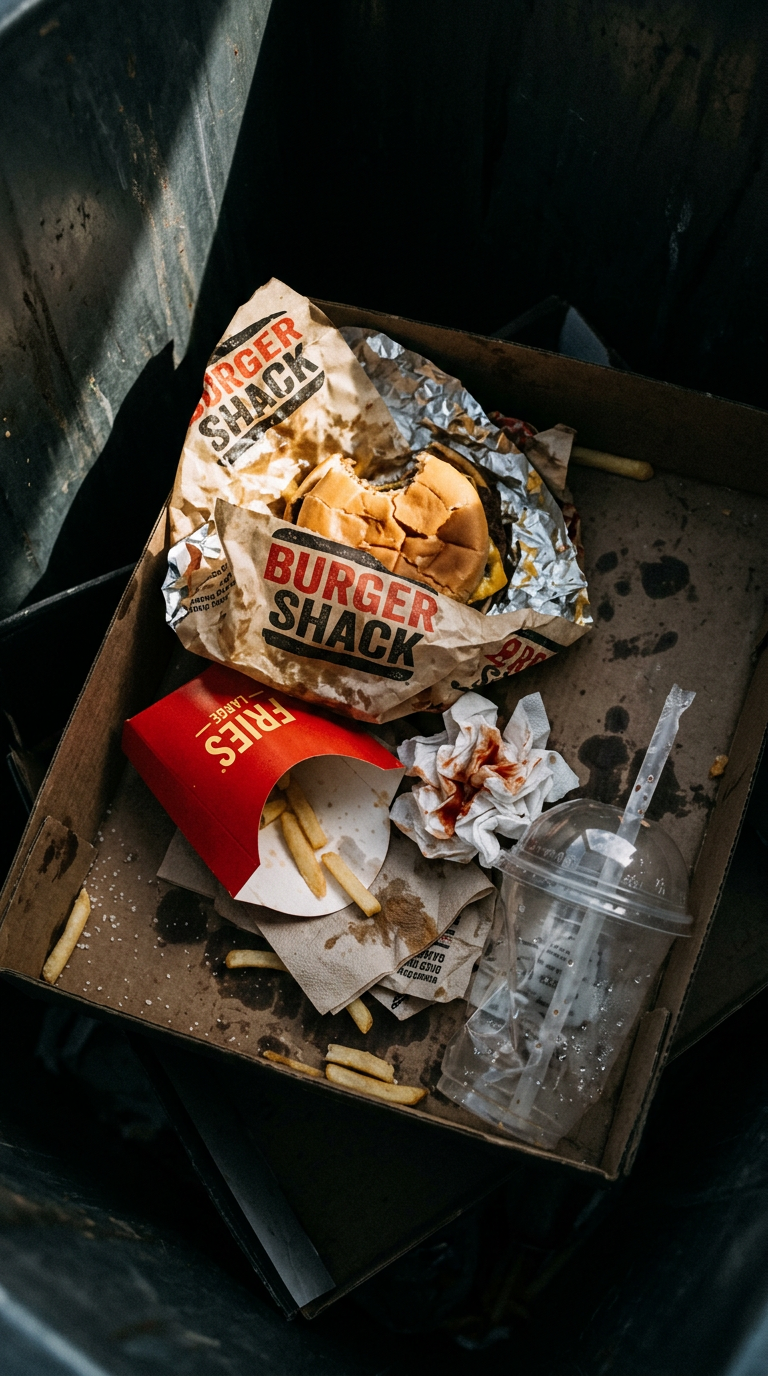
What Food Waste Looks Like in Fast Food

Food waste is edible food that is thrown away instead of eaten or reused safely.

Unsold prepared foods (burgers, fries, chicken) that sit too long and must be discarded

Expired ingredients (lettuce, buns, sauces) that spoil before use

Overcooked items or incorrect orders that cannot be served

This problem is common in busy city locations, where demand changes quickly

Fast Food Industry Analysis
Made byBobr AI
SLIDE 03

Why It Happens

Speed, Demand, and Uncertainty

Fast food businesses are built around quick service and short wait times. Restaurants often prepare extra food in advance to prevent long lines.

Customer demand changes by:

Time of day (breakfast, lunch, late-night)
Weather and traffic patterns
Local events and school schedules

More menu choices increase the chance of overproduction and mistakes.

Demand Infographic
Fast Food Industry Analysis
Made byBobr AI
SLIDE 04

Public Health & Community Impact

Food Insecurity

Edible food is discarded instead of redirected to those in need.

Missed Community Support

Safe packaged food that could be donated is thrown away.

Sanitation Pressure

Extra waste increases pressure on local sanitation systems.

Food Safety Rules

Donations must follow strict food safety rules to protect public health.

Fast Food Industry Analysis
Made byBobr AI
SLIDE 05

Business Impact

Money Lost and Efficiency Problems

$
Every item thrown away is money paid but never recovered.
Direct financial losses on food that is never sold
Labor costs for items made and discarded
Extra cost of remaking incorrect orders
Over-ordering due to poor inventory planning
Food Cost
Labor
Over-ordering
Reorders
Reducing waste improves profits and operational efficiency.
Fast Food Industry Analysis
Made byBobr AI
SLIDE 06

Environmental Impact

Landfills, Methane, and Resource Waste

Food Discarded
Sent to Landfill
Produces Methane
Climate Damage

Water

Used to grow and produce ingredients

Energy

Used for transport, refrigeration, and cooking

Land

Used in agriculture and fertilizer production

Reducing food waste supports climate and conservation goals.

Fast Food Industry Analysis
Made byBobr AI
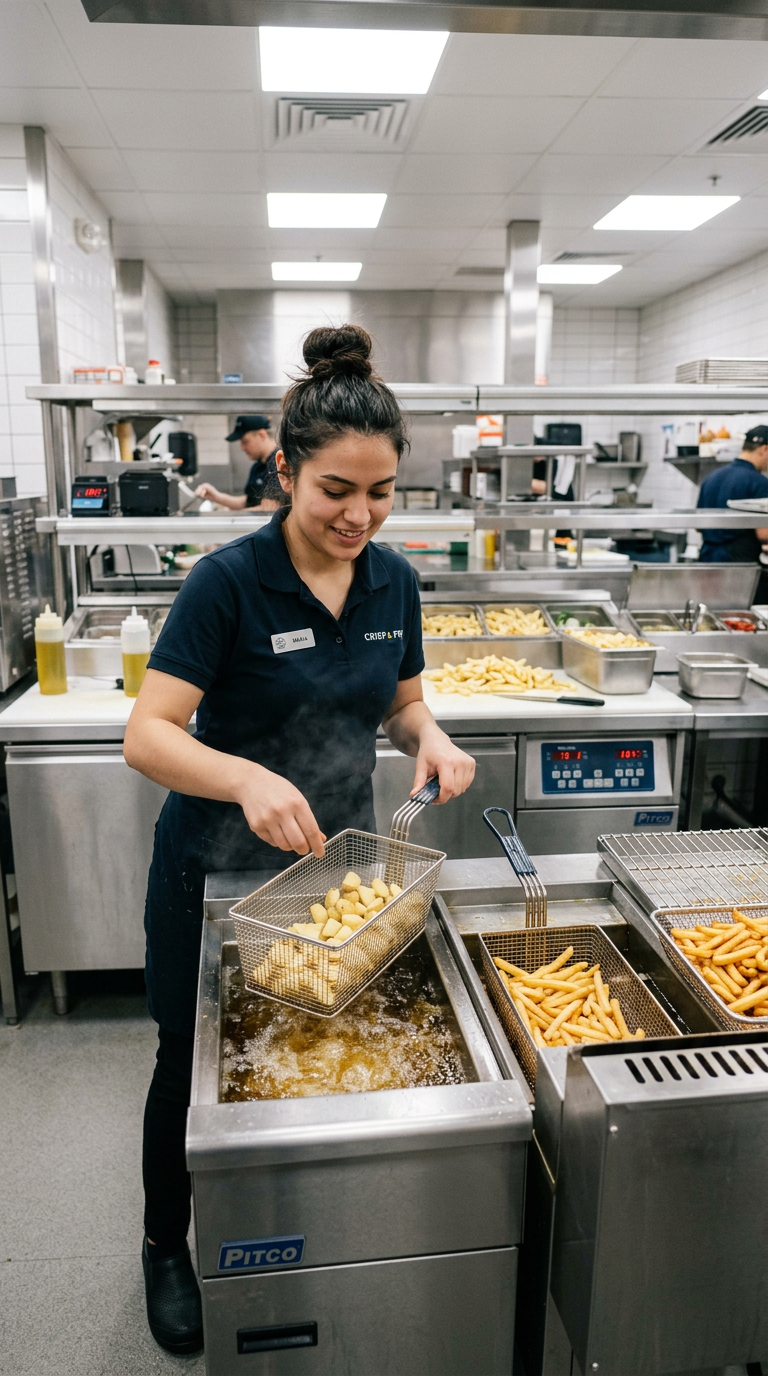
Fast Food Cooking Scene
SLIDE 07 — SOLUTION 1

Cook Smaller Batches More Often

Strategy #1

1
Cook smaller batches, especially fries and high-waste items
2
Cook more frequently during busy times
3
Reduce cooking during slower periods
Benefits
Less food sitting too long
Improved freshness
Less waste overall
Requires careful timing and strong teamwork to maintain fast service.
Fast Food Industry Analysis
Made byBobr AI
SLIDE 08 — SOLUTION 2

Use Data to Predict Busy Times

Strategy #2: Demand Forecasting

Restaurants can use past sales data to forecast demand and prepare the right amount of food.

📊
Hour-by-hour sales trends
understand peak and slow hours
📅
Day-of-week patterns
adjust prep by day
🌦️
Seasonal changes and local events
adapt to external factors
Better forecasting → smarter prep → less waste.

Sales by Hour

100 75 50 25 0 8AM 10AM 12PM 2PM 4PM 6PM 8PM
Actual Sales
Predicted Demand
Fast Food Industry Analysis
Made byBobr AI
SLIDE 09 — SOLUTION 3

Donation & Staff Training

Strategy #3

Donation

Donation Program

Donate safe, packaged leftover food to local food banks or community partners
Follow storage, labeling, and temperature rules
Training

Staff Training

Train employees to reduce overcooking and follow portion guides
Avoid order mistakes through better processes
Build routines for tracking waste and adjusting production
Together, donation programs and trained staff create a culture of waste reduction.
Fast Food Industry Analysis
Made byBobr AI
SLIDE 10

Measuring Success

How Progress Is Tracked

🗑️

Food Discarded

Tracked by weight or item count

🤝

Food Donated

Items or pounds given to partners

💰

Food Cost Changes

Monitored over time for savings

⏱️

Wait Time

Maintained to protect service quality

Order Accuracy

Measured to reduce remakes

Waste Logs
Inventory Reports
Donation Records
Fast Food Industry Analysis
Made byBobr AI
SLIDE 11

Challenges & Next Steps

Common Challenges

  • Food safety regulations and strict handling requirements
  • Time and consistency needed for staff training
  • Franchise or company approval for donation programs
  • Donation logistics: storage space and pickup schedules

Practical Next Steps

  1. 1 Identify the most wasted items
  2. 2 Pilot smaller-batch cooking during one shift
  3. 3 Improve demand forecasting routines
  4. 4 Build a safe donation partnership
Small changes today lead to measurable impact tomorrow.
Fast Food Industry Analysis
Made byBobr AI
Bobr AI

DESIGNER-MADE
PRESENTATION,
GENERATED FROM
YOUR PROMPT

Create your own professional slide deck with real images, data charts, and unique design in under a minute.

Generate For Free

Reducing Food Waste in Fast Food: Impact and Solutions

Explore strategies to tackle food waste in fast food. Learn about demand forecasting, batch cooking, and donation programs to improve sustainability.

Food Waste in Fast Food

The Problem, The Impact & The Solutions

A Research & Strategy Overview

Fast Food Industry Analysis

SLIDE 02

The Problem

What Food Waste Looks Like in Fast Food

Food waste is edible food that is thrown away instead of eaten or reused safely.

Unsold prepared foods (burgers, fries, chicken) that sit too long and must be discarded

Expired ingredients (lettuce, buns, sauces) that spoil before use

Overcooked items or incorrect orders that cannot be served

This problem is common in busy city locations, where demand changes quickly

Fast Food Industry Analysis

SLIDE 03

Why It Happens

Speed, Demand, and Uncertainty

Fast food businesses are built around quick service and short wait times. Restaurants often prepare extra food in advance to prevent long lines.

Customer demand changes by:

Time of day (breakfast, lunch, late-night)

Weather and traffic patterns

Local events and school schedules

More menu choices increase the chance of overproduction and mistakes.

Fast Food Industry Analysis

SLIDE 04

Public Health & Community Impact

Food Insecurity

Edible food is discarded instead of redirected to those in need.

Missed Community Support

Safe packaged food that could be donated is thrown away.

Sanitation Pressure

Extra waste increases pressure on local sanitation systems.

Food Safety Rules

Donations must follow strict food safety rules to protect public health.

Fast Food Industry Analysis

SLIDE 05

Business Impact

Money Lost and Efficiency Problems

Every item thrown away is money paid but never recovered.

Direct financial losses on food that is never sold

Labor costs for items made and discarded

Extra cost of remaking incorrect orders

Over-ordering due to poor inventory planning

Food Cost

Labor

Over-ordering

Reorders

Reducing waste improves profits and operational efficiency.

Fast Food Industry Analysis

SLIDE 06

Environmental Impact

Landfills, Methane, and Resource Waste

Reducing food waste supports climate and conservation goals.

Fast Food Industry Analysis

SLIDE 07 — SOLUTION 1

Cook Smaller Batches More Often

Strategy #1

Cook smaller batches, especially fries and high-waste items

Cook more frequently during busy times

Reduce cooking during slower periods

Less food sitting too long

Improved freshness

Less waste overall

Requires careful timing and strong teamwork to maintain fast service.

Fast Food Industry Analysis

Use Data to Predict Busy Times

Strategy #2: Demand Forecasting

SLIDE 08 — SOLUTION 2

Restaurants can use past sales data to forecast demand and prepare the right amount of food.

Hour-by-hour sales trends

understand peak and slow hours

Day-of-week patterns

adjust prep by day

Seasonal changes and local events

adapt to external factors

Better forecasting → smarter prep → less waste.

Sales by Hour

Fast Food Industry Analysis

SLIDE 09 — SOLUTION 3

Donation & Staff Training

Strategy #3

Donation Program

Donate safe, packaged leftover food to local food banks or community partners

Follow storage, labeling, and temperature rules

Staff Training

Train employees to reduce overcooking and follow portion guides

Avoid order mistakes through better processes

Build routines for tracking waste and adjusting production

Together, donation programs and trained staff create a culture of waste reduction.

Fast Food Industry Analysis

SLIDE 10

Measuring Success

How Progress Is Tracked

🗑️

Food Discarded

Tracked by weight or item count

🤝

Food Donated

Items or pounds given to partners

💰

Food Cost Changes

Monitored over time for savings

⏱️

Wait Time

Maintained to protect service quality

Order Accuracy

Measured to reduce remakes

Waste Logs

Inventory Reports

Donation Records

Fast Food Industry Analysis

SLIDE 11

Challenges & Next Steps

Common Challenges

Practical Next Steps

Food safety regulations and strict handling requirements

Time and consistency needed for staff training

Franchise or company approval for donation programs

Donation logistics: storage space and pickup schedules

Identify the most wasted items

Pilot smaller-batch cooking during one shift

Improve demand forecasting routines

Build a safe donation partnership

Small changes today lead to measurable impact tomorrow.

Fast Food Industry Analysis

  • food-waste
  • fast-food-industry
  • sustainability
  • operational-efficiency
  • restaurant-management
  • demand-forecasting