







Made byBobr AI

Evolution of Transmission and Analog Signals in Networks

Explore the history and technology of transmission signals, from the Titanic and ARPANET to modern modulation and fiber optic efficiency.

#networking#analog-signals#telecommunications#fiber-optics#arpanet#sigint#modulation#technology-history
Watch
Pitch

TRANSMISSION SIGNALS

From Analog Origins to High-Speed Networks

Made byBobr AI

Transmission Signals: The Backbone

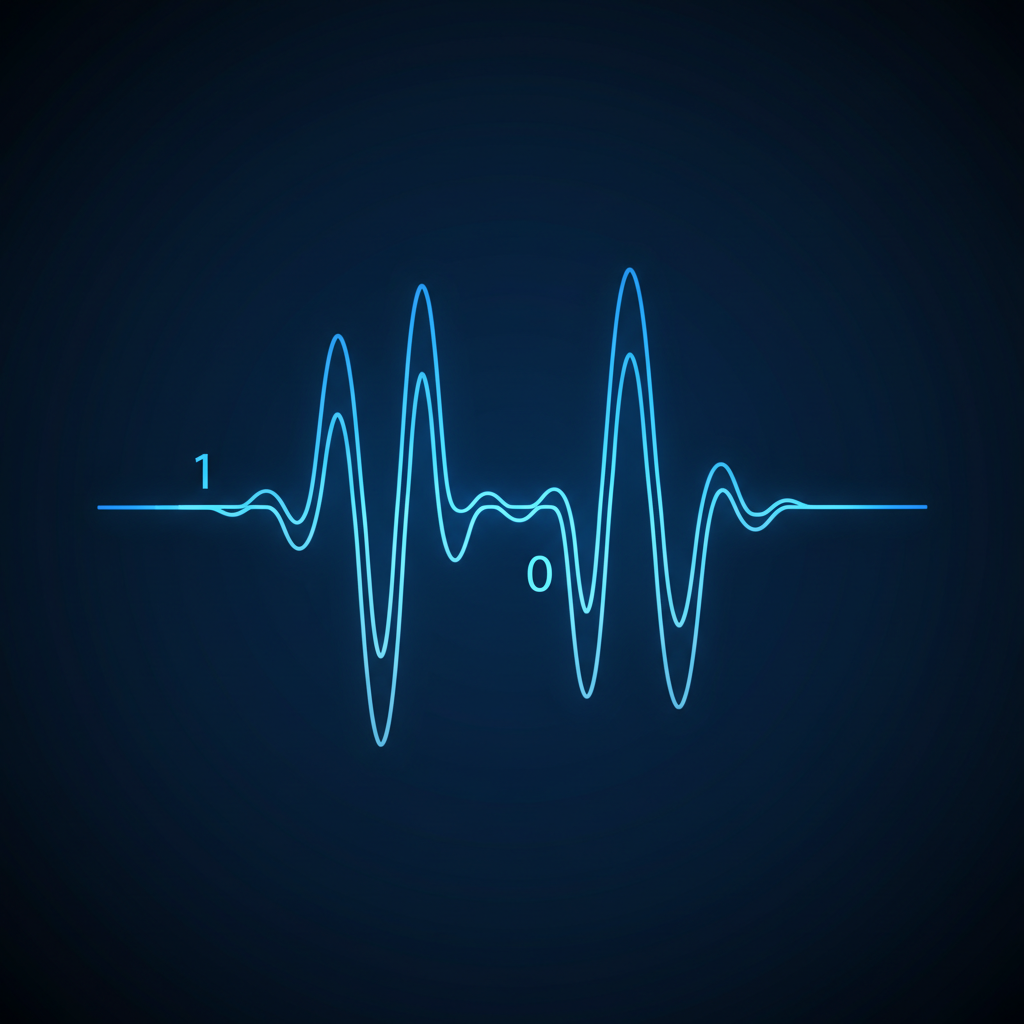
Transmission signals form the backbone of computer networks, carrying data as electrical, optical, or radio waves. These signals encode binary information—bits of 0s and 1s—using modulation techniques like amplitude, frequency, or phase shifts to traverse cables, fiber optics, or wireless channels. Reliable protocols ensure accuracy and speed despite noise and interference.

Made byBobr AI

Analog Signals Defined

Continuous Waveforms

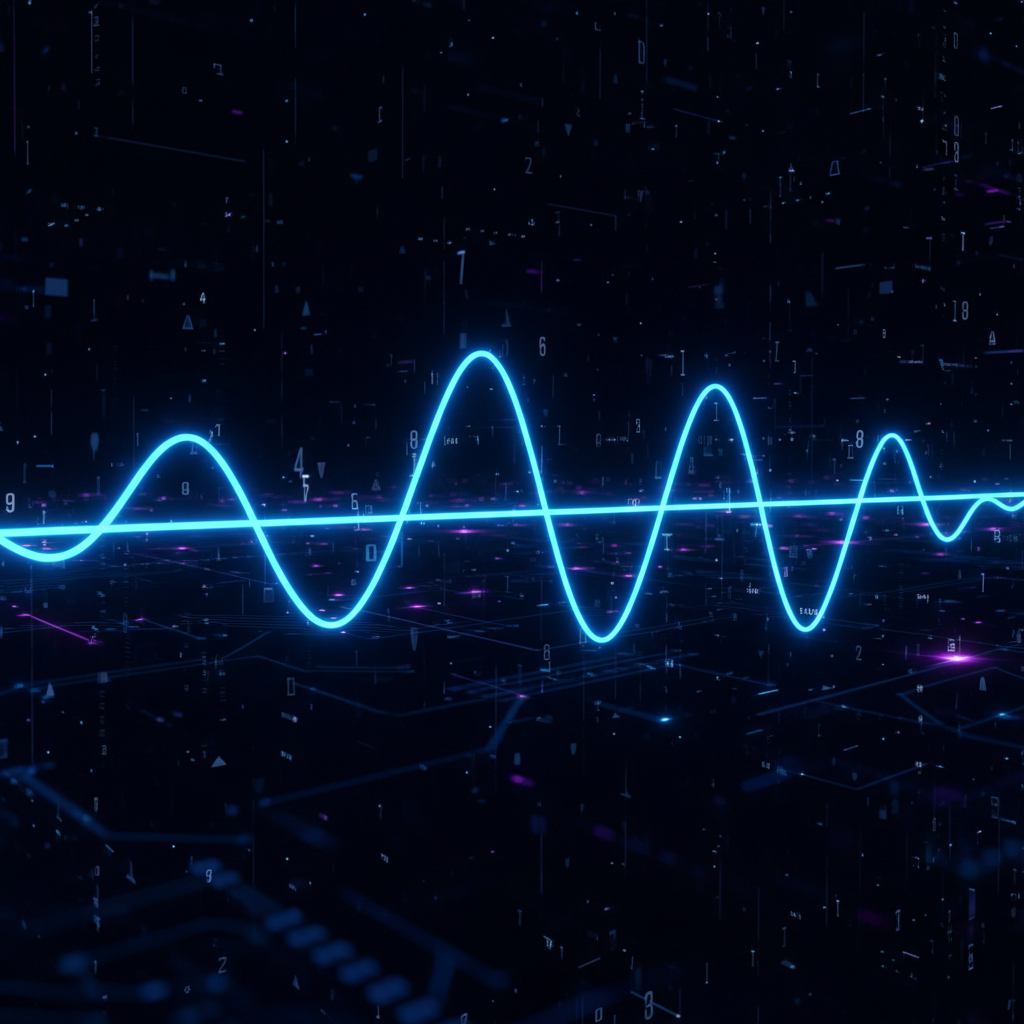
Analog signals vary smoothly over time, representing real-world phenomena like sound, light, or voltage with infinite values between amplitudes.

Key Characteristics

Defined by Amplitude (strength), Frequency (cycles/sec), and Phase. They are inherently prone to noise, distortion, and degradation.

Early Applications

Used in the Titanic's wireless Morse code, telephony, and radio. Required modulation for reliable long-distance network comms.

Made byBobr AI

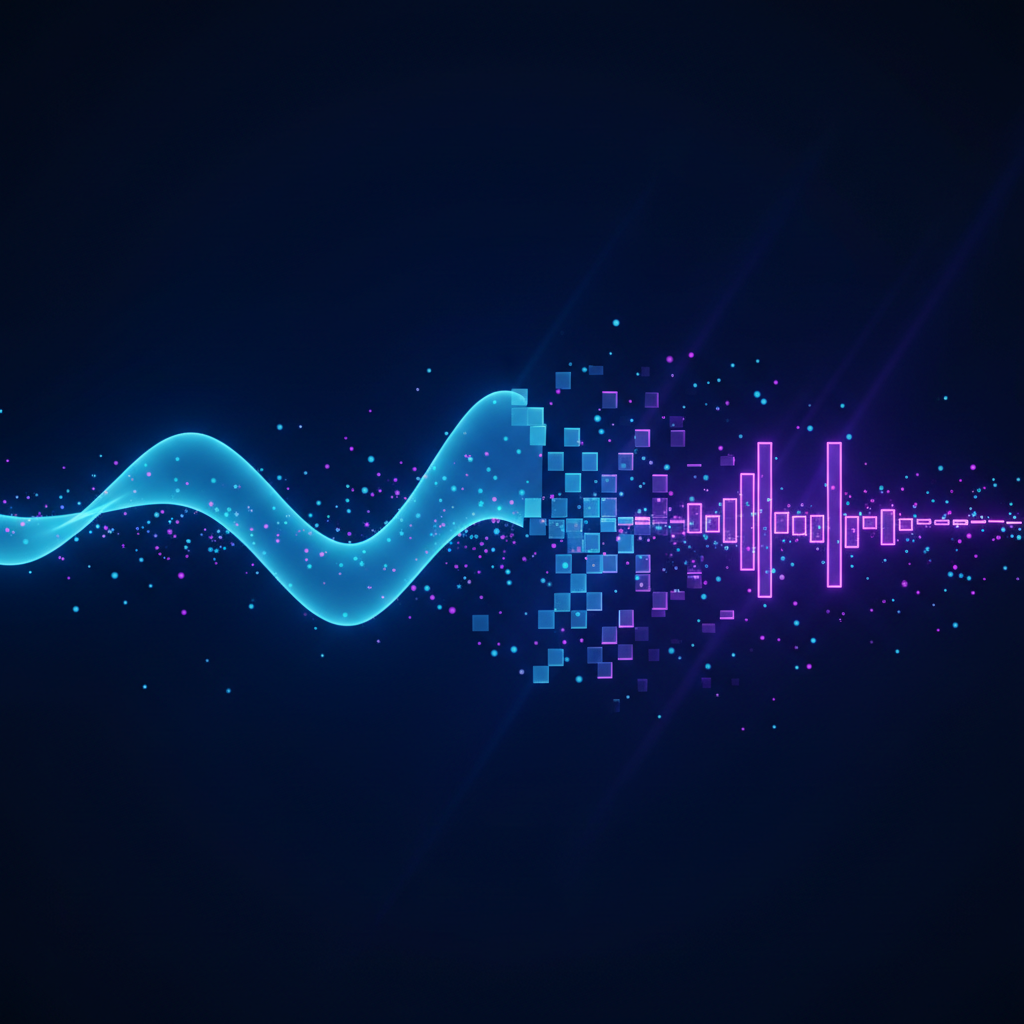
From Waves to Bits

Made byBobr AI

The Need for Networks: Titanic

On the Titanic, a computer network could have prioritized and shared iceberg warnings automatically between ships and shore. The lack of such a network led to missed messages and delayed coordination. A modern network would have enabled instant synchronized data sharing to speed up rescue operations.

Made byBobr AI

Cold War Resilience: ARPANET

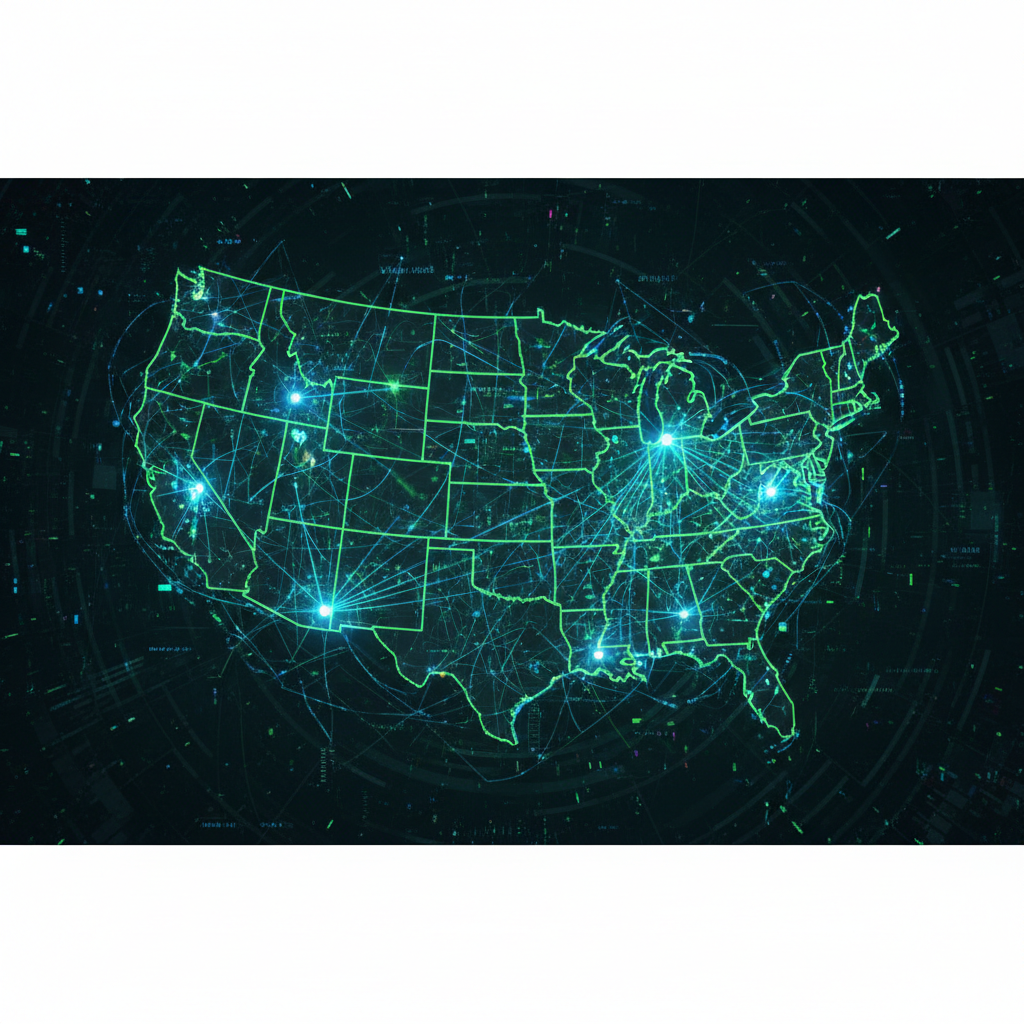
During the Cold War, centralized command structures were vulnerable. US computer networks like ARPANET introduced the concept of decentralized, packet-switched networking. This enabled resilient command communication that could survive attacks on individual bases, ensuring the signal always found a path.

Made byBobr AI

Strategic Advantage: SIGINT

US signals-intelligence networks revolutionized warfare by rapidly transmitting intercepted communications to analysts. This real-time data processing improved early warnings about missiles, radar signatures, and troop movements, effectively shrinking vast geographical distances through high-speed data transmission.

Made byBobr AI

Modulation Techniques

AMPLITUDE SHIFT (ASK)
Data is encoded by varying the strength (amplitude) of the carrier wave. Simple but susceptible to noise.
FREQUENCY SHIFT (FSK)
Data is represented by changes in frequency. Higher reliability and commonly used in early modems.
PHASE SHIFT (PSK)
Data alters the phase of the wave. Highly efficient and used in modern Wi-Fi and Bluetooth standards.
Made byBobr AI

Signal Efficiency: Attenuation Rates

Signal loss (attenuation) is a critical factor in network design. Fiber optics demonstrate vastly superior performance with minimal loss (0.2 dB/km) compared to traditional copper twisted pair (20 dB/km) and coaxial cables, allowing for transmission over much greater distances without amplification.

Chart
Made byBobr AI
"From the slow clicks of the telegraph to the speed of light in fiber optics, our ability to transmit signals defines the pace of human evolution."
The Future of Connectivity
Made byBobr AI
Bobr AI

DESIGNER-MADE
PRESENTATION,
GENERATED FROM
YOUR PROMPT

Create your own professional slide deck with real images, data charts, and unique design in under a minute.

Generate For Free

Evolution of Transmission and Analog Signals in Networks

Explore the history and technology of transmission signals, from the Titanic and ARPANET to modern modulation and fiber optic efficiency.

TRANSMISSION SIGNALS

From Analog Origins to High-Speed Networks

Transmission Signals: The Backbone

Transmission signals form the backbone of computer networks, carrying data as electrical, optical, or radio waves. These signals encode binary information—bits of 0s and 1s—using modulation techniques like amplitude, frequency, or phase shifts to traverse cables, fiber optics, or wireless channels. Reliable protocols ensure accuracy and speed despite noise and interference.

Analog Signals Defined

Continuous Waveforms

Analog signals vary smoothly over time, representing real-world phenomena like sound, light, or voltage with infinite values between amplitudes.

Key Characteristics

Defined by Amplitude (strength), Frequency (cycles/sec), and Phase. They are inherently prone to noise, distortion, and degradation.

Early Applications

Used in the Titanic's wireless Morse code, telephony, and radio. Required modulation for reliable long-distance network comms.

From Waves to Bits

The Need for Networks: Titanic

On the Titanic, a computer network could have prioritized and shared iceberg warnings automatically between ships and shore. The lack of such a network led to missed messages and delayed coordination. A modern network would have enabled instant synchronized data sharing to speed up rescue operations.

Cold War Resilience: ARPANET

During the Cold War, centralized command structures were vulnerable. US computer networks like ARPANET introduced the concept of decentralized, packet-switched networking. This enabled resilient command communication that could survive attacks on individual bases, ensuring the signal always found a path.

Strategic Advantage: SIGINT

US signals-intelligence networks revolutionized warfare by rapidly transmitting intercepted communications to analysts. This real-time data processing improved early warnings about missiles, radar signatures, and troop movements, effectively shrinking vast geographical distances through high-speed data transmission.

Modulation Techniques

AMPLITUDE SHIFT (ASK)<br><span style='font-size:20px; color:#ccc'>Data is encoded by varying the strength (amplitude) of the carrier wave. Simple but susceptible to noise.</span>

FREQUENCY SHIFT (FSK)<br><span style='font-size:20px; color:#ccc'>Data is represented by changes in frequency. Higher reliability and commonly used in early modems.</span>

PHASE SHIFT (PSK)<br><span style='font-size:20px; color:#ccc'>Data alters the phase of the wave. Highly efficient and used in modern Wi-Fi and Bluetooth standards.</span>

Signal Efficiency: Attenuation Rates

Signal loss (attenuation) is a critical factor in network design. Fiber optics demonstrate vastly superior performance with minimal loss (0.2 dB/km) compared to traditional copper twisted pair (20 dB/km) and coaxial cables, allowing for transmission over much greater distances without amplification.

From the slow clicks of the telegraph to the speed of light in fiber optics, our ability to transmit signals defines the pace of human evolution.

The Future of Connectivity

  • networking
  • analog-signals
  • telecommunications
  • fiber-optics
  • arpanet
  • sigint
  • modulation
  • technology-history