

Keynes vs Friedman: Economic Theories & Market History
Explore the differences between Keynesian and Monetarist economics, plus a look at historical bubbles like Tulip Mania and the 2008 financial crisis.
04
04 — Economic Theories
This section compares two economists with completely different views on how economies should be managed.
Keynesian Economics
Free Market Theory
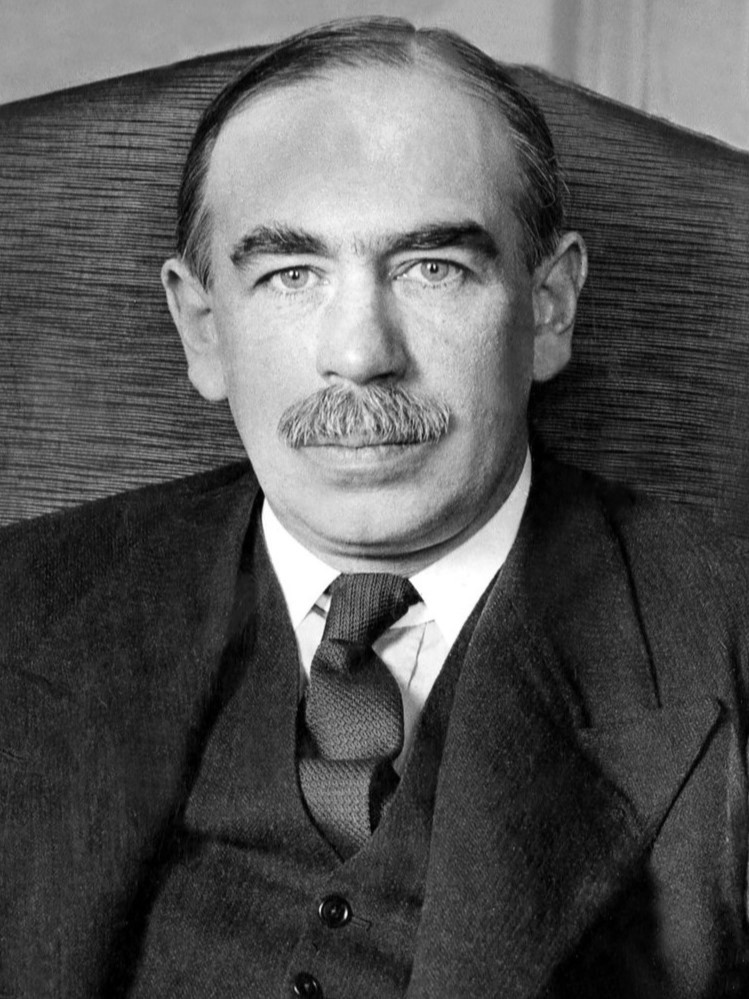
John Maynard Keynes
John Maynard Keynes
Born in 1883 in England
Studied at Cambridge University
Believed governments should increase spending during economic slowdowns
His ideas shaped modern fiscal policy and are still used today
Government Spending
The government should step in when the economy slows down.
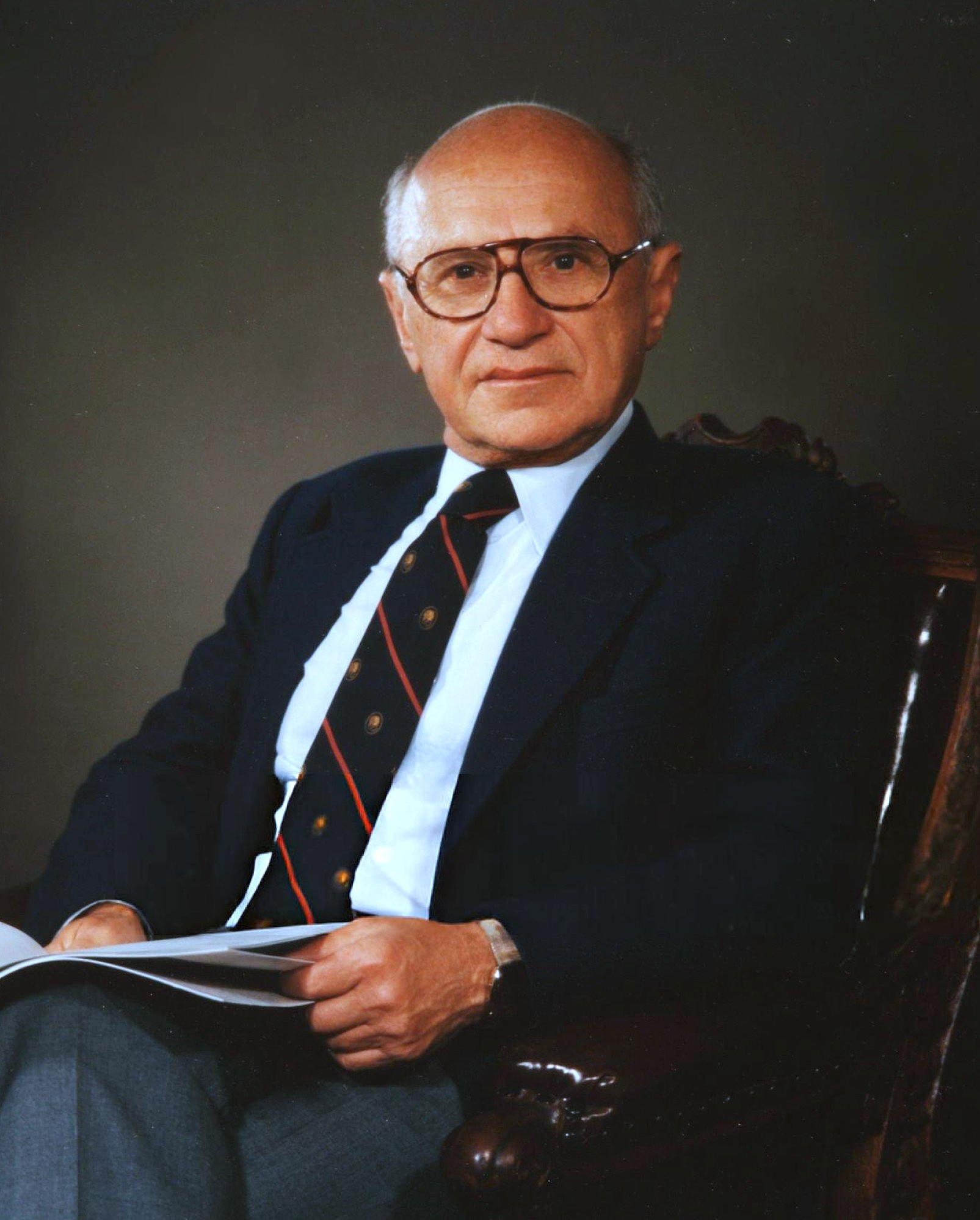
Milton Friedman
Milton Friedman
Born in 1912 in the United States
Studied economics at Rutgers and Chicago
Believed free markets should control the economy with minimal government involvement
Focused on controlling money supply to manage inflation
Free Market & Monetary Policy
Inflation is always and everywhere a monetary phenomenon.
Keynes vs Friedman
Keynes
Supports government spending
Focuses on fiscal policy
Used during recessions
Friedman
Supports free market
Focuses on monetary policy
Less government control
Two completely different approaches to managing an economy
Tulip Mania
📍 Netherlands | 🕐 1630s
CAUSES
Speculation increased
Prices rose rapidly
WHAT HAPPENED
Prices became extremely high
Market suddenly crashed
RESULTS
People lost money
Early example of an economic bubble
06
2008 Financial Crisis
📍 Global | 🕐 2008
CAUSES
Risky mortgage lending
Too much confidence in housing
WHAT HAPPENED
Housing market collapsed
Banks failed
Markets dropped
RESULTS
Global recession
Job losses
Stricter financial regulation
- economics
- fiscal-policy
- monetary-policy
- keynesian
- friedman
- financial-crisis
- economic-history