


Made byBobr AI

Puerto Rican Aesthetics: Transgenerational Style & Identity

Explore the evolution of Puerto Rican style from 1950s rural casitas and salsa culture to contemporary reggaeton and digital spectacle.

#puerto-rico#cultural-history#decolonial-aesthetics#art-history#visual-essay#bad-bunny#salsa#heritage

From Porch to Screen: The Evolution of Puerto Rican Generational Aesthetics

A Visual Essay on Style, Identity, and Decolonial Perception across Three Generations

Visual Essay | March 2026

Curated by the Digital Decolonial Archive

Made byBobr AI
INTRODUCTION
02

About This Visual Essay

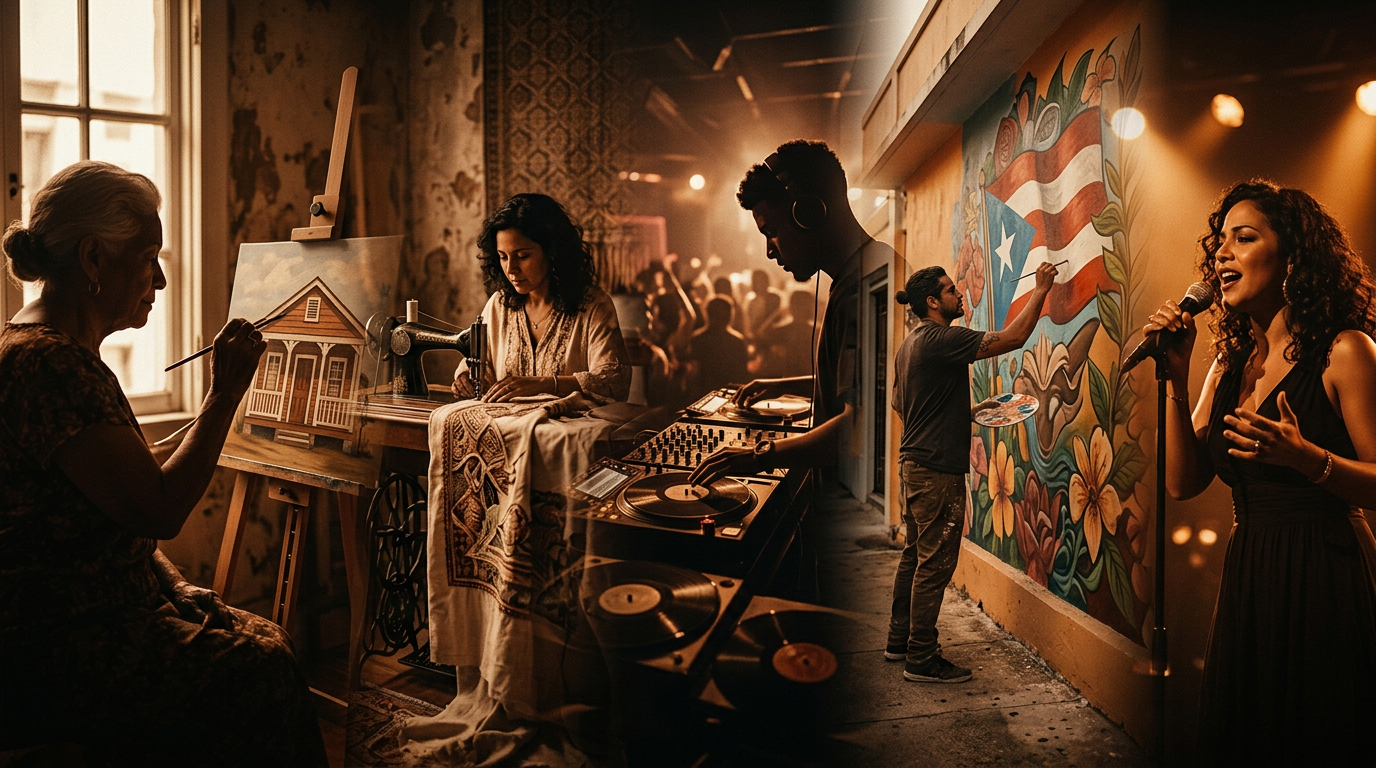
This visual essay examines the profound aesthetic shifts across three Puerto Rican generations — from the handcrafted, sun-drenched resourcefulness of the 1950s and 1960s, through the hybrid cultural negotiations of the 1970s–1990s, to the media-saturated spectacle of the contemporary moment. It asks: What does it mean to make beauty from necessity? How does style become survival? And how does faith shape what each generation sees as real?

All images are credited to their respective sources. This essay draws on decolonial aesthetics, sensory anthropology, and cultural memory.

Made byBobr AI

Three Generations, Three Aesthetics

Generation I — 1950s–60s

The Low-Tech Aesthetic

Resourcefulness as Beauty

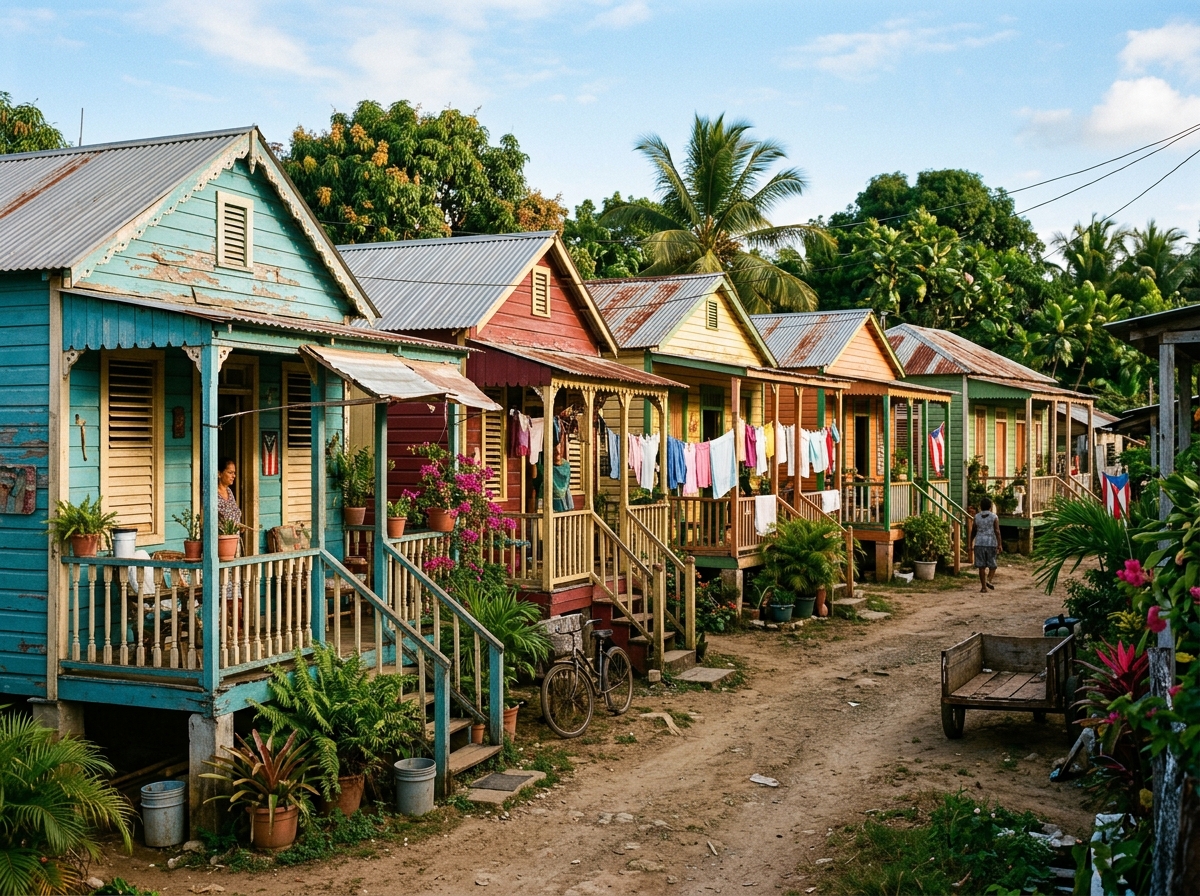
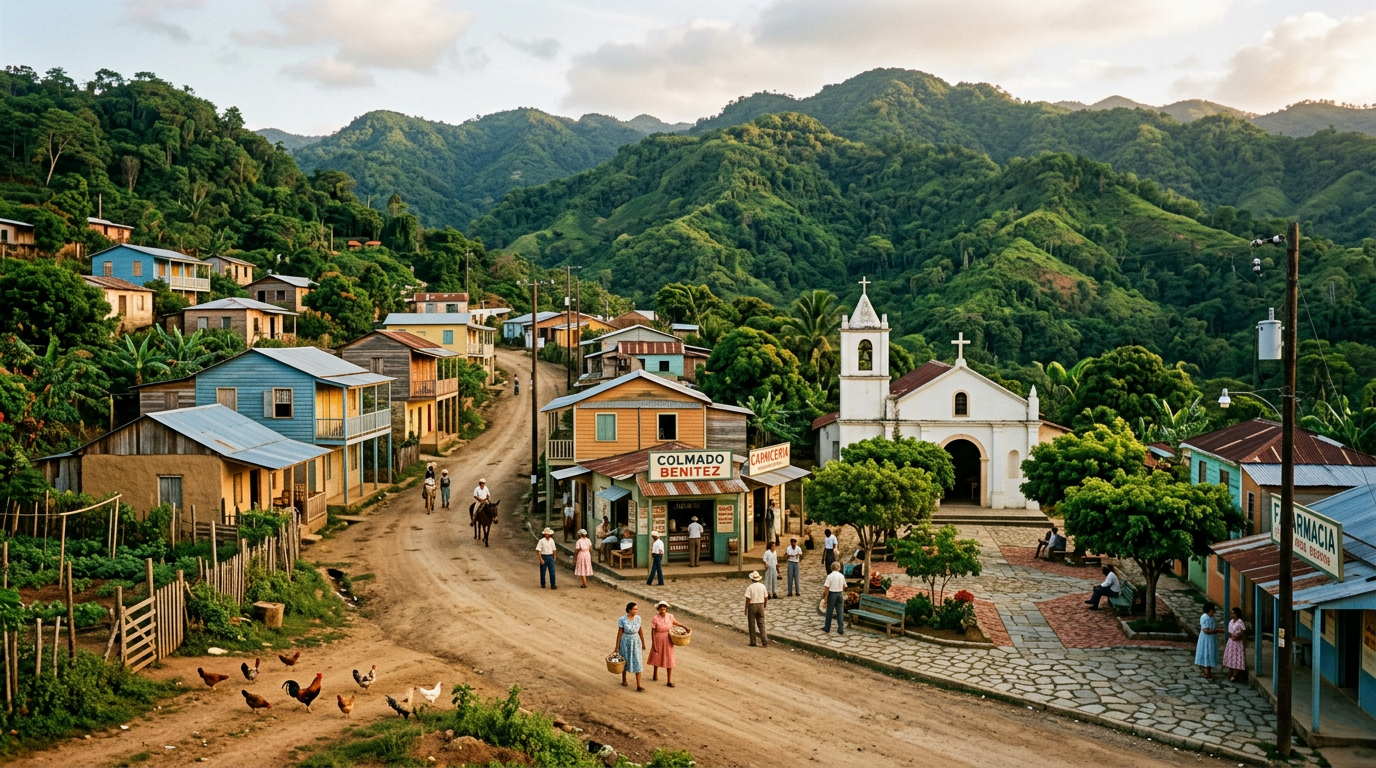
A period defined by rural migration and the ingenious use of available materials. Traditional wooden casitas were adorned in bright hues to express beauty amidst economic scarcity.

Generation II — 1970s–90s

The Hybrid Transition

Urban Identity & Fusion

This period witnessed a vibrant cultural blending as communities settled in urban diasporas like New York. The bold, rhythmic energy of salsa and vivid street fashion shaped a new hybrid visual language.

Generation III — 2000s–present

The Spectacle

Maximalism & Digital Era

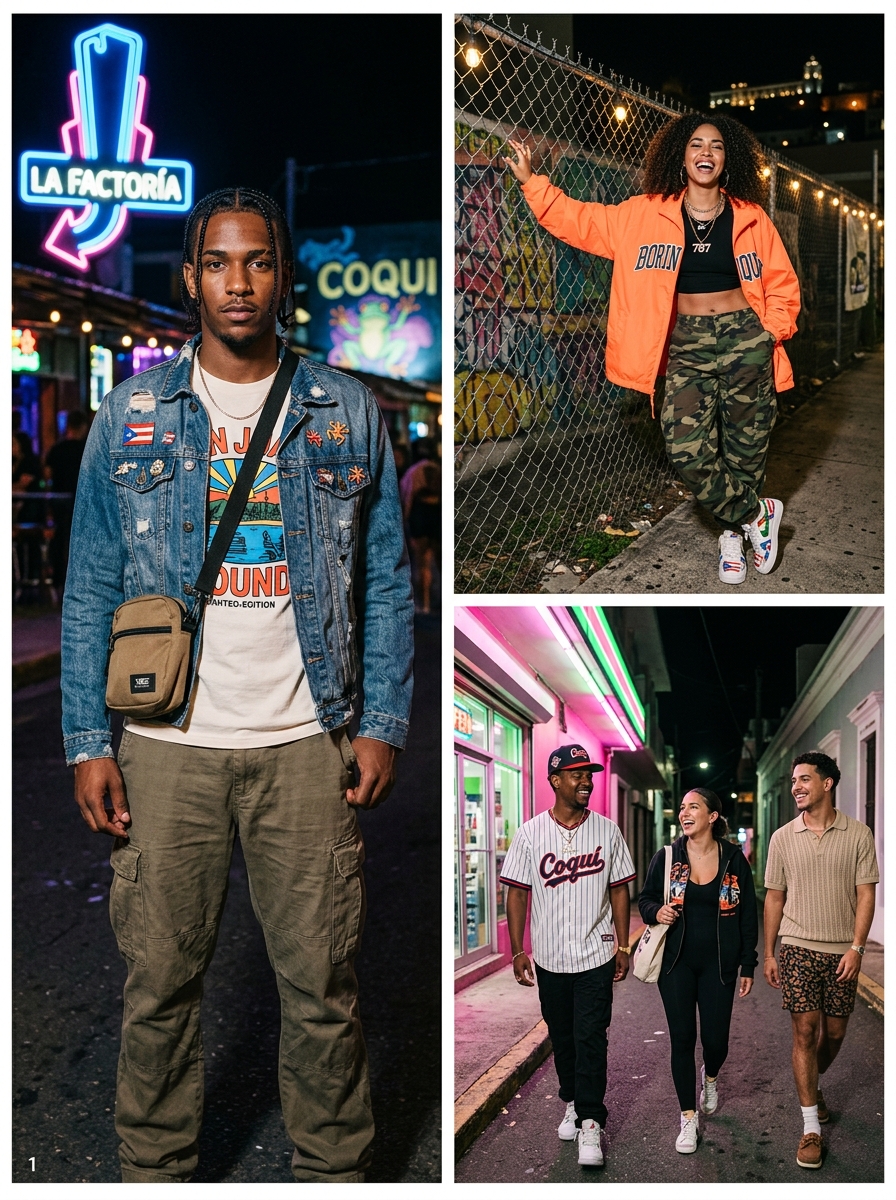
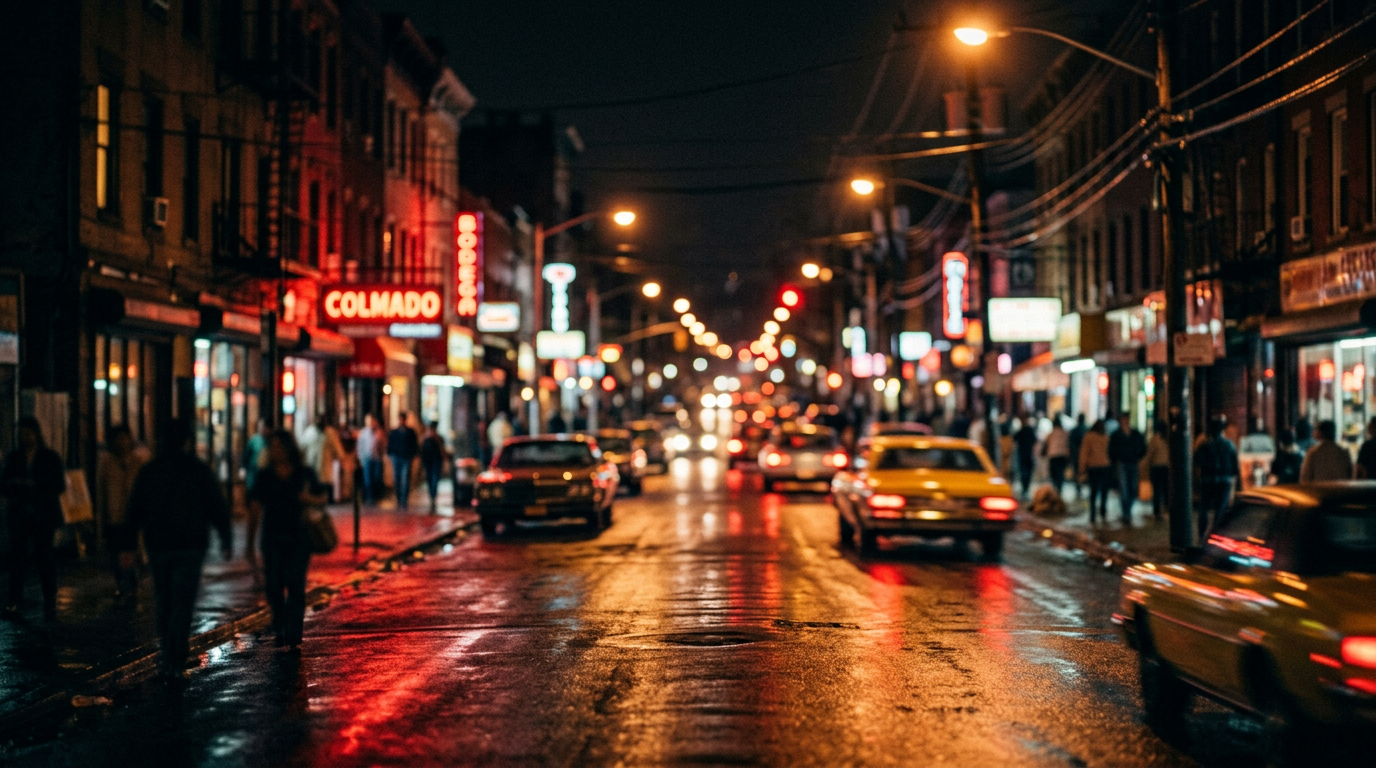
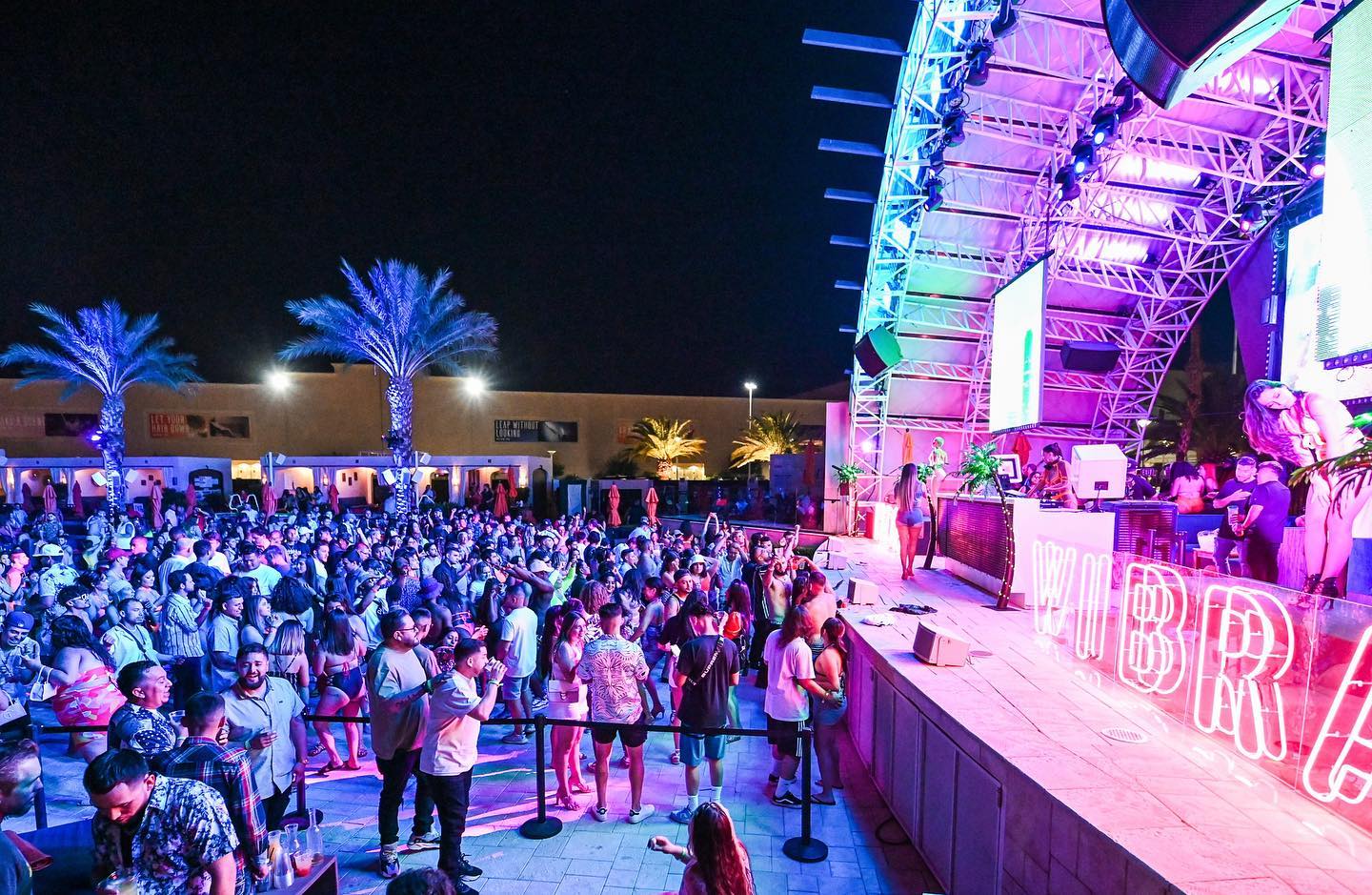
Driven by the global explosion of reggaeton and social platforms, this era embraces hyper-visibility and maximalism. Neon lighting and vibrant aesthetics dominate contemporary urban expression.

03

Made byBobr AI
04

Art as 'Making Special': A Theoretical Frame

Art, in the broadest anthropological sense, is the act of 'making special' — of elevating the ordinary into the significant. For Puerto Ricans across generations, this impulse was never a luxury. It was a mode of survival, dignity, and resistance. The painted porch, the sequined costume, the curated Instagram feed — all are forms of making the everyday extraordinary.

Concept: Ellen Dissanayake, Homo Aestheticus (1992)

Made byBobr AI

What Is Decolonial Aesthetics?

"To decolonize aesthetics is to insist that beauty was never the property of Europe."

Decolonial aesthetics — as theorized by Walter Mignolo, Aníbal Quijano, and Nelson Maldonado-Torres — challenges the idea that Western European norms define what is beautiful, valuable, or worth preserving. It recovers the sensory worlds of colonized peoples: their colors, textures, sounds, smells, and spiritual realities, as legitimate and profound aesthetic systems.

Theoretical framework: Mignolo, Quijano, Maldonado-Torres.

05
Made byBobr AI

PART I

The Low-Tech Aesthetic

Generation of the 1950s–1960s

From the mountain to the porch: beauty built with hands, paint, and faith.

06

Made byBobr AI

NO. 07

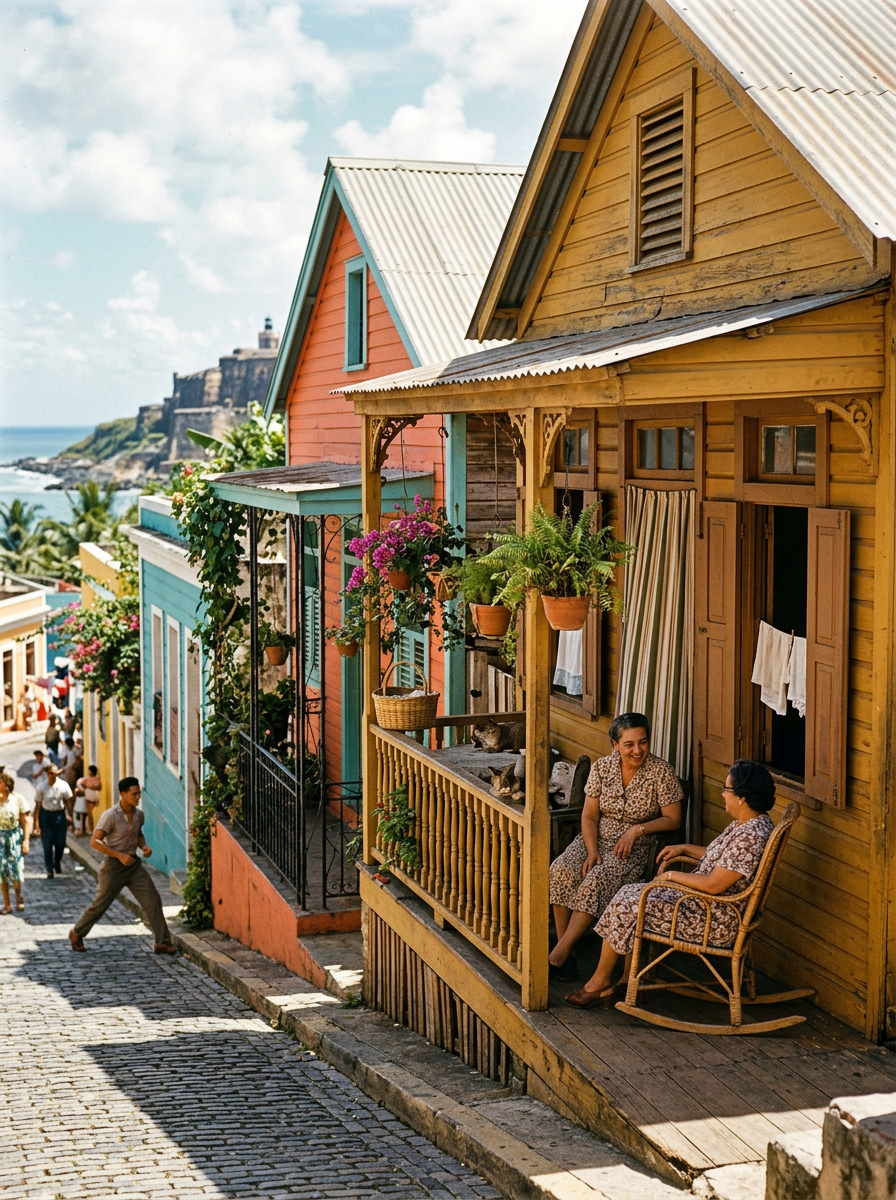
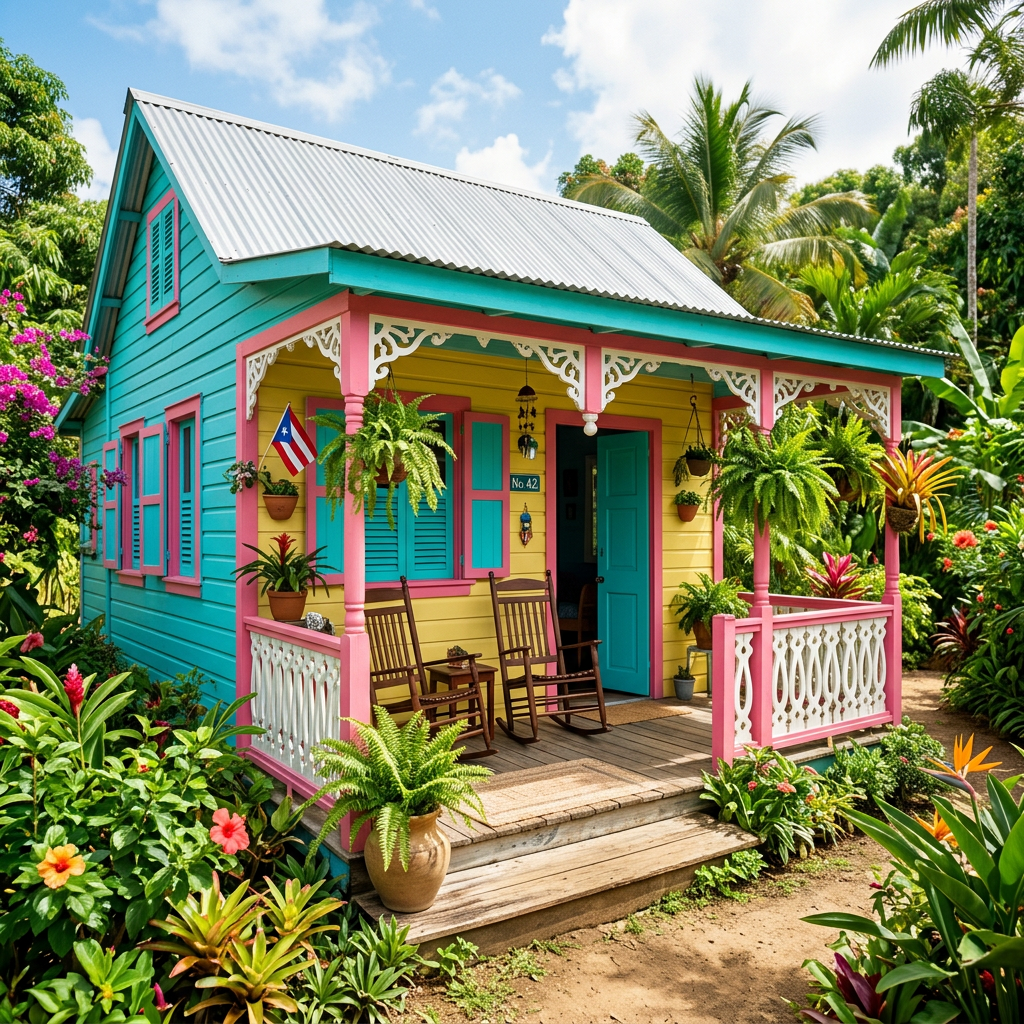
Photo: Colorful houses in La Perla, San Juan, Puerto Rico. Photographer: Various / Creative Commons.

The Casita: Architecture of Dignity

The wooden casita was not merely a dwelling — it was a canvas. Puerto Rican families of the 1950s painted their homes in colors that defied poverty: electric blue, sunflower yellow, flamingo pink. The act of painting was the act of declaring: we are here, we are beautiful, we matter. These colors spoke to a sensory world of resistance and pride.

Made byBobr AI

The Sensory World of the Barrio

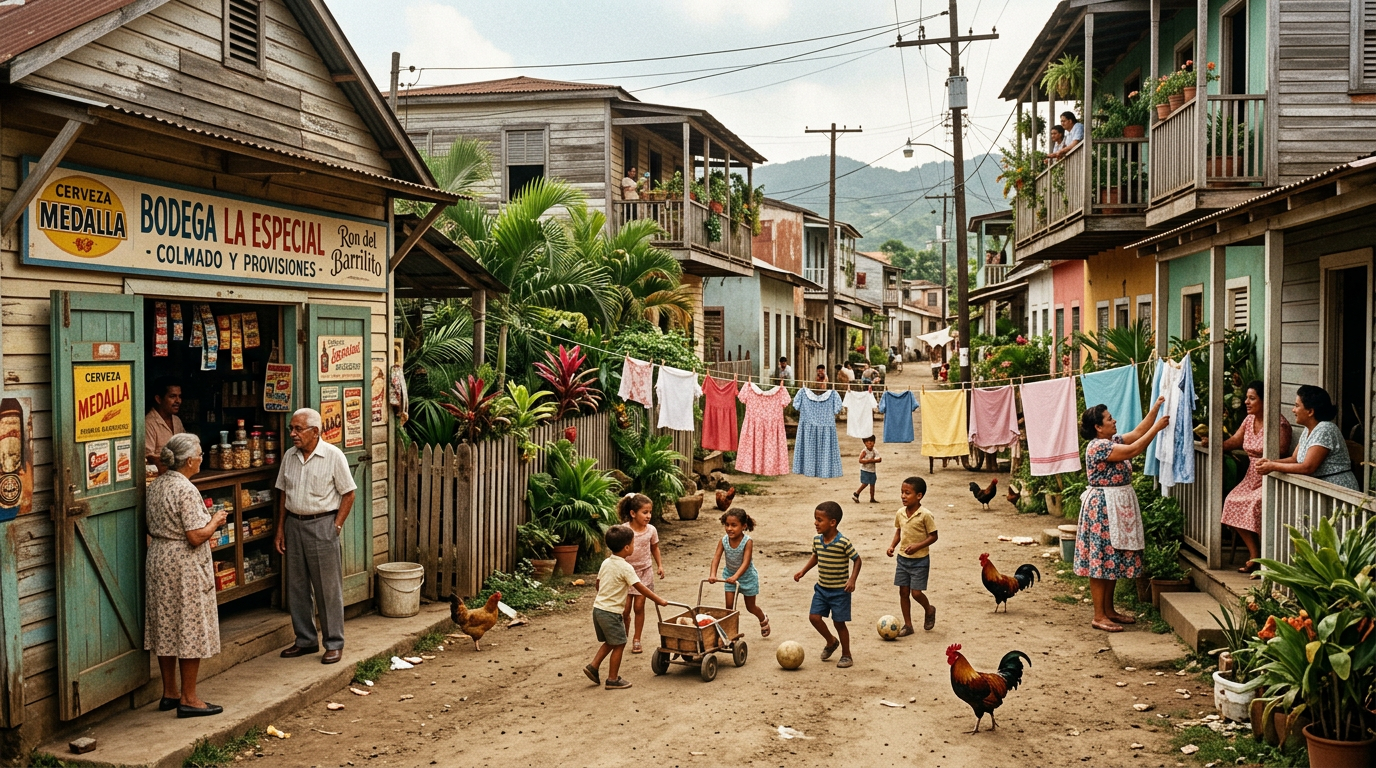
The barrio was a total sensory environment. The smell of sofrito frying. The sound of a neighbor's radio playing bolero. The rough texture of concrete blocks and smooth painted wood. The taste of guava pastelillo from the bakery. These were not mere backdrops — they were the aesthetic fabric of daily life, as richly designed as any gallery.

Image reference: Archive photographs of Puerto Rican barrios, c. 1950s–60s. Source: Library of Congress / El Mundo archive.

08
Made byBobr AI
09

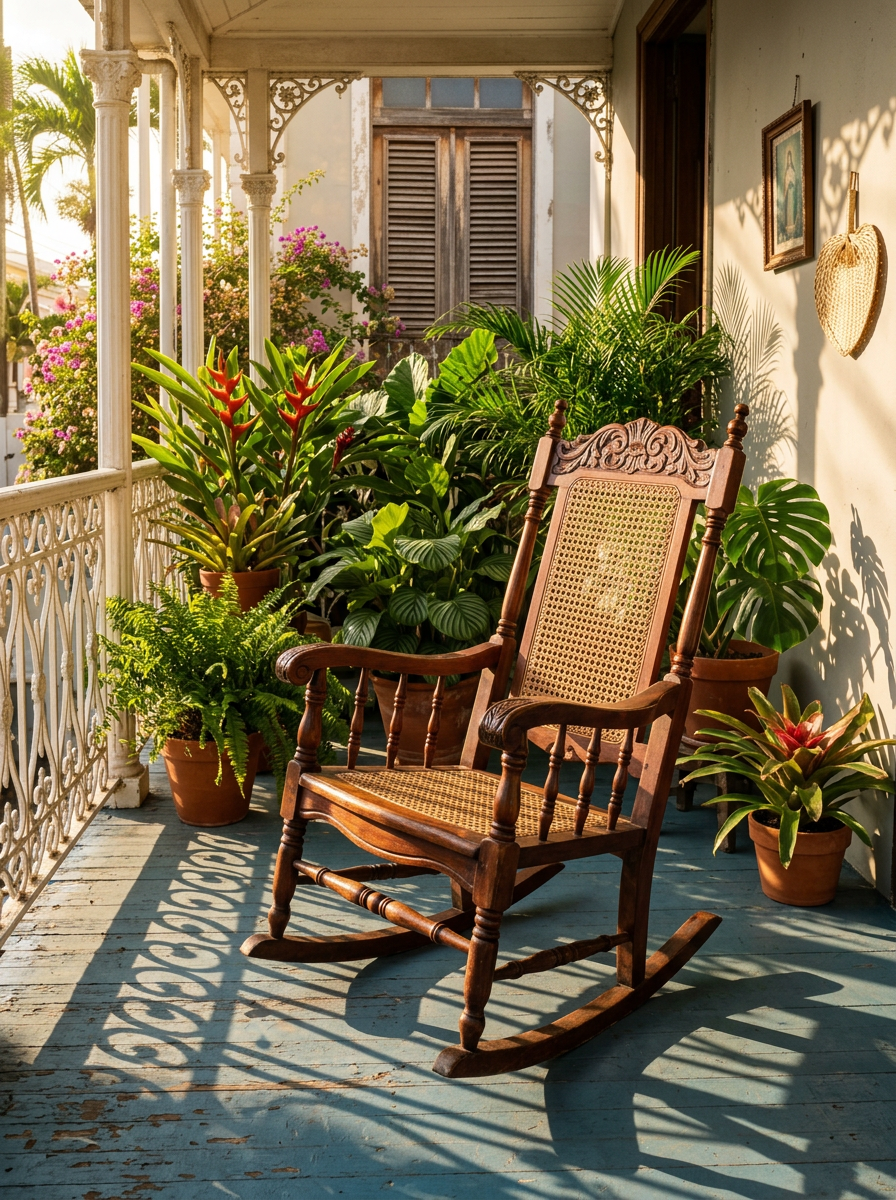
The Rocking Chair:
A Philosophy of Rest

The mecedora — the rocking chair — is one of Puerto Rico's most iconic aesthetic objects. To sit in it was to enter a rhythm: forward and back, past and present, effort and rest.

On the porch (el balcón), families watched the world, received neighbors, and performed the daily ritual of being seen and seeing. The porch was a stage, and every generation had its role.

Aesthetic Artifact

The mecedora as aesthetic and social technology. Photo reference: Puerto Rican vernacular architecture archive.

Made byBobr AI

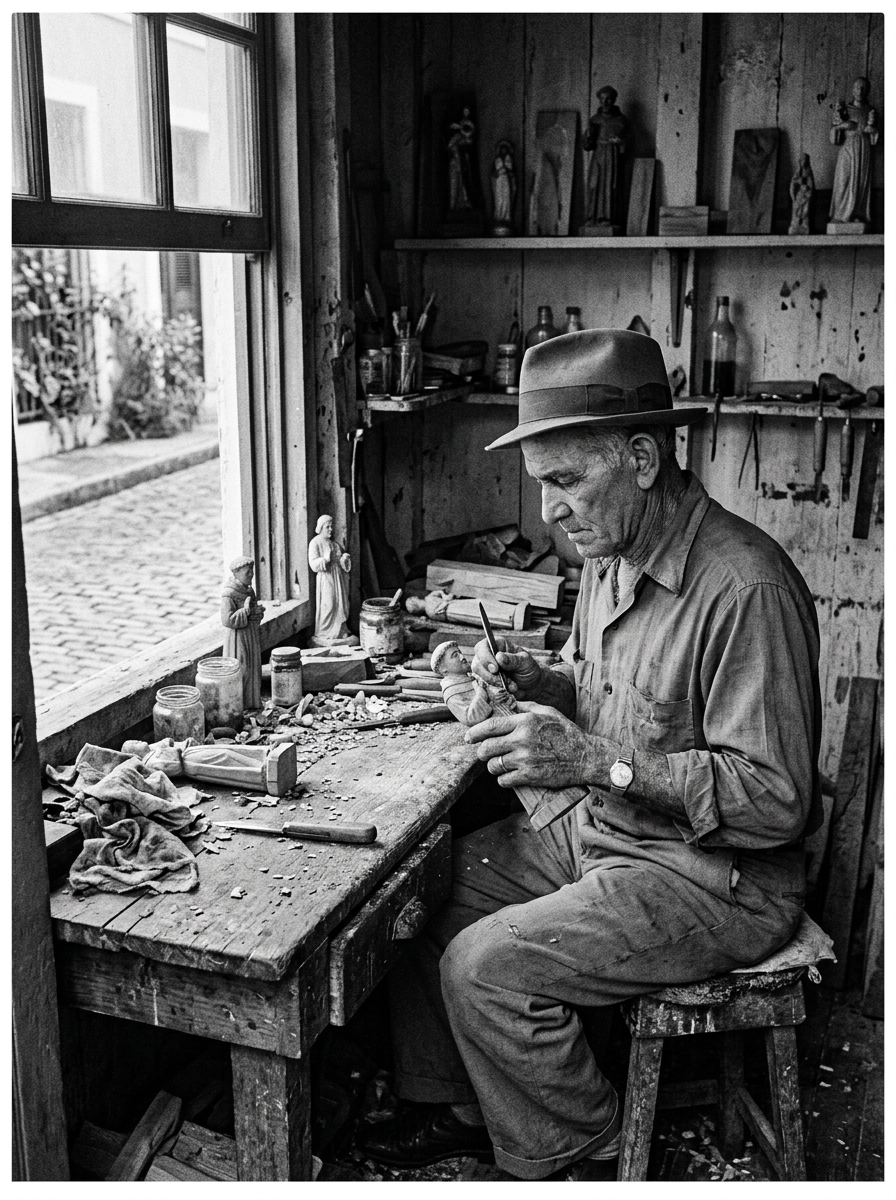
Image: Puerto Rican artisan crafts. Photo credit: Jack Delano / Library of Congress, c. 1941–1946.

Handmade Culture: Craftsmanship as Aesthetic Identity

Before mass production reached the island's interior, beauty was made by hand. The santero carved wooden religious figures (santos de palo) with a penknife and faith. The mask maker built vejigantes from papier-mâché and bold paint for Carnival. The lacera wove fine mundillo lace for christening gowns. Each object was made special — imbued with labor, meaning, and love — in the most literal expression of art's deepest purpose.

Aesthetic Identity

10

Made byBobr AI

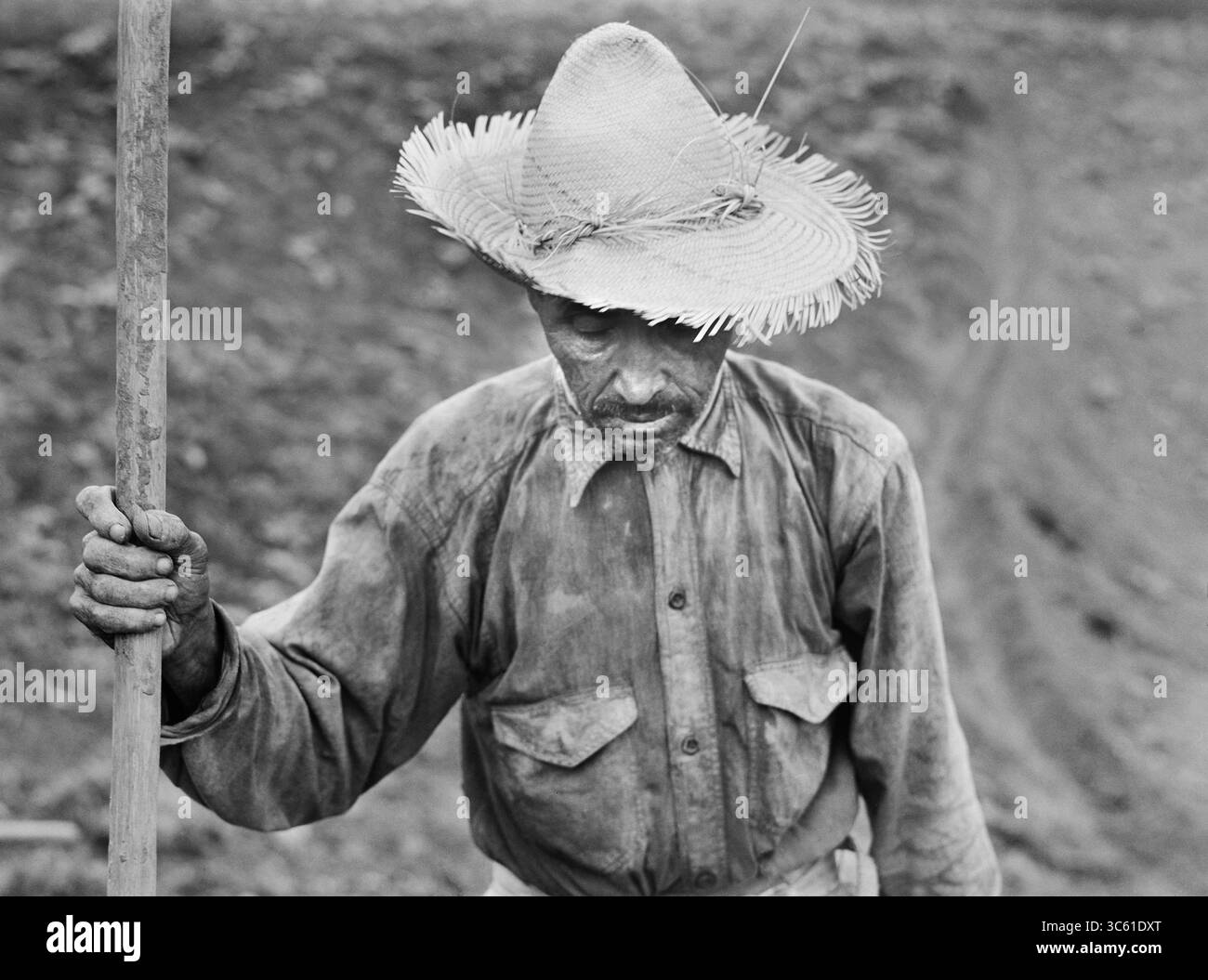
Photo: Jack Delano, Farm Security Administration / Office of War Information, Library of Congress.

Jack Delano's Puerto Rico

Seeing the Island Through a Stranger's Lens

The politics of the photographic gaze is an ongoing negotiation between the observer and the observed. As we examine the colonial archive, we are continually forced to ask: who has the right to look, who is framed by the lens, and who ultimately controls the distribution of the image? Photographs like those of Delano operate at a critical intersection—simultaneously functioning as ethnographic records of an imperial territory and as profound, intimate testaments to the humanity that defies such categorization.

Photographer Jack Delano documented Puerto Rican life for the Farm Security Administration from 1941 onward. His images, originally tools of American colonial documentation, were reclaimed by Puerto Ricans as mirrors of their own beauty and dignity — an early act of decolonial re-seeing.

11

Made byBobr AI

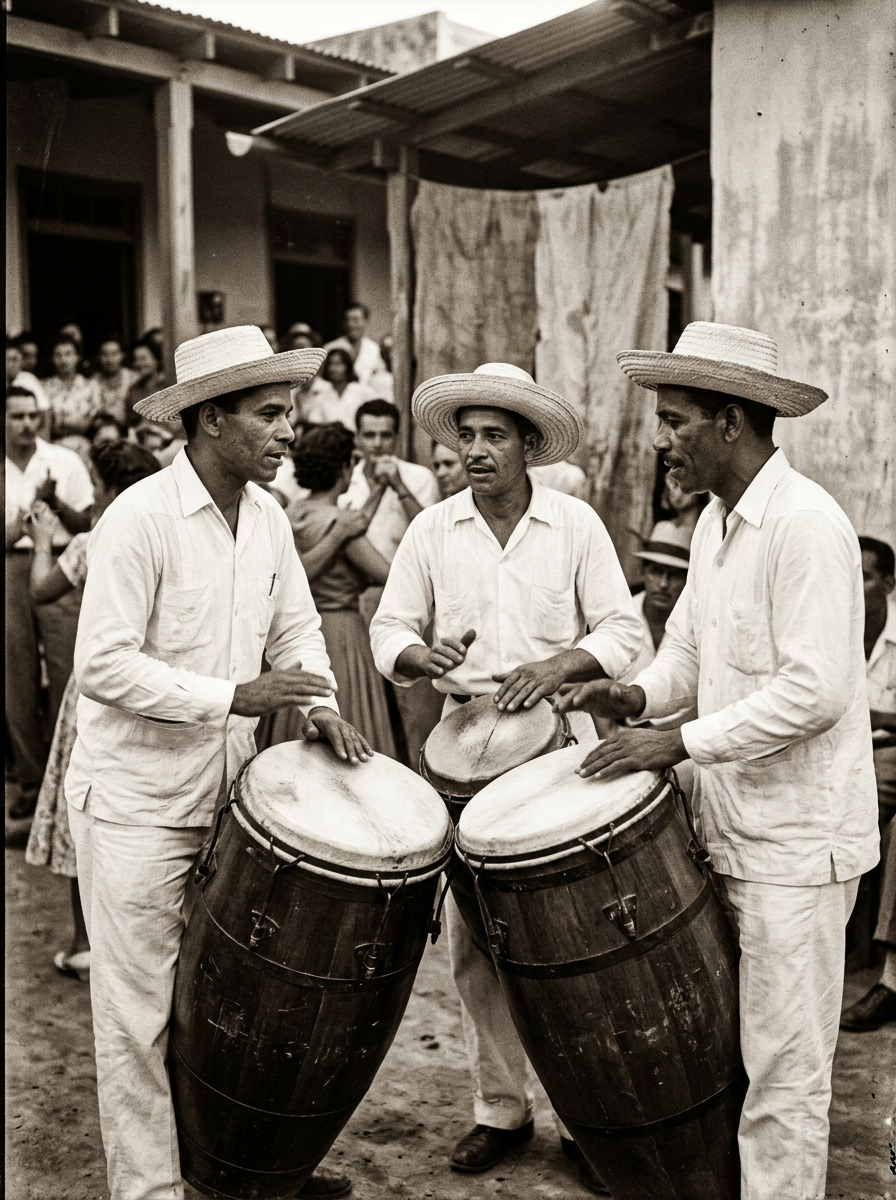
Image: Bomba dancers and musicians, Loíza, Puerto Rico. Photo credit: Various ethnographic archives / Library of Congress.

The Sound of the First Generation: Bolero and Bomba

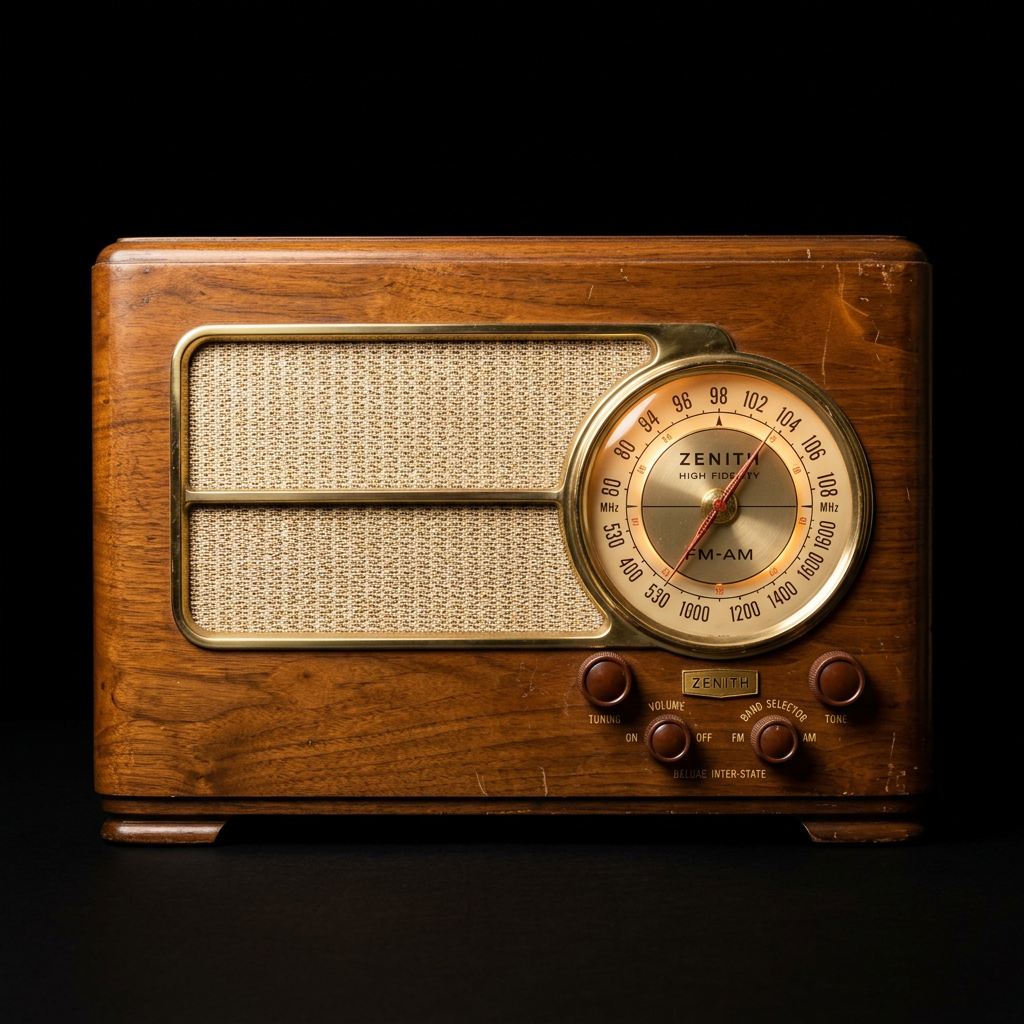
Sound was the wallpaper of this generation's world. The bolero — romantic, melancholic, ornate — narrated longing and love. The bomba and plena carried African memory in their rhythms, beaten into the present from bodies that refused to forget. Radio was the internet of the 1950s: a single receiver in the parlor that brought the world into the wooden house. Music was not entertainment — it was identity.

12
Made byBobr AI

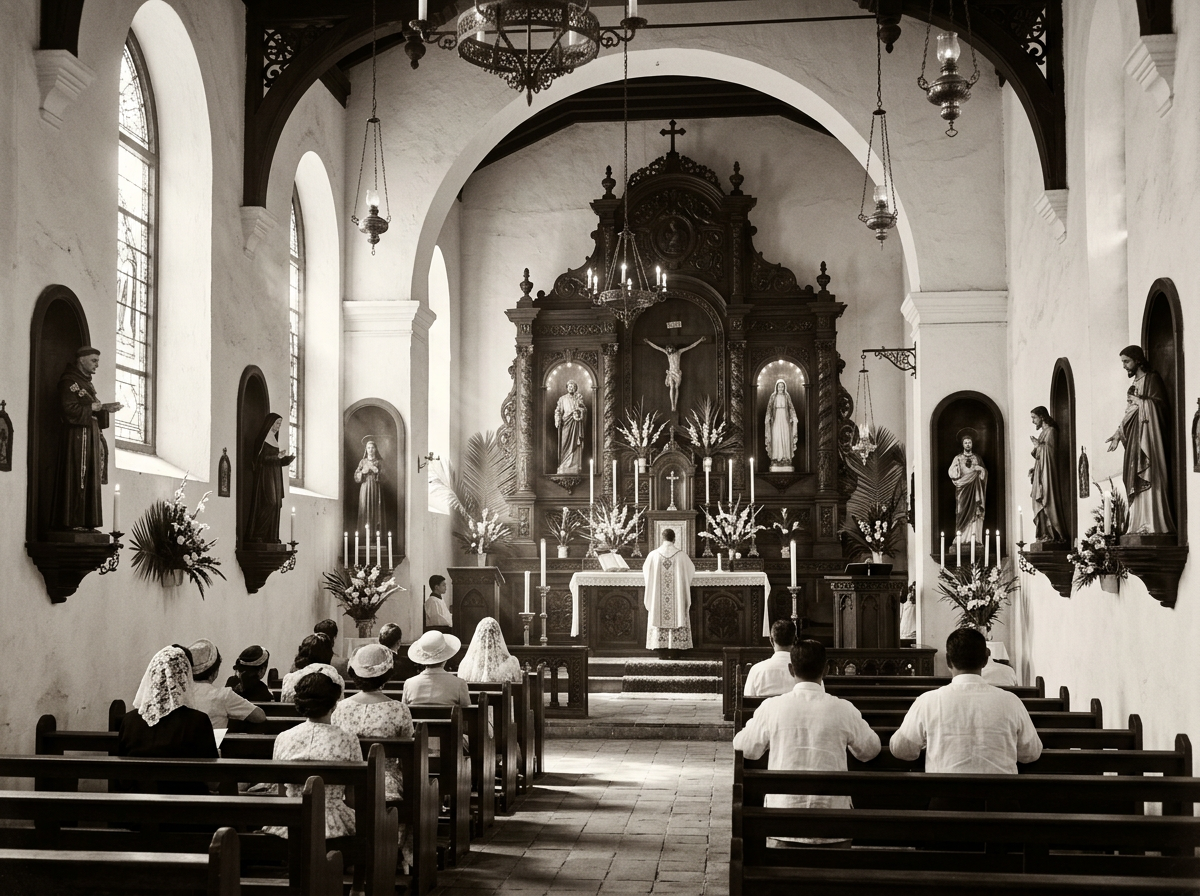
Faith and Sight: The Sacred Visual World

For the first generation, the Catholic church was the center of visual culture. The gilded retablo, the painted statue of la Virgen de Guadalupe or the Virgin of Providence (La Monserrate), the elaborate processional banners — these were the art gallery, the theater, and the cinema all in one. Faith organized the visual world: it said what was sacred, what was beautiful, and what was worth making special.

Notes & Context

Image: Interior of a Puerto Rican parish church, c. 1950s. Photo credit: Historical Archive of the Archdiocese of San Juan / Creative Commons.

13

Made byBobr AI
14

Vejigante Masks: Carnival as Collective Art

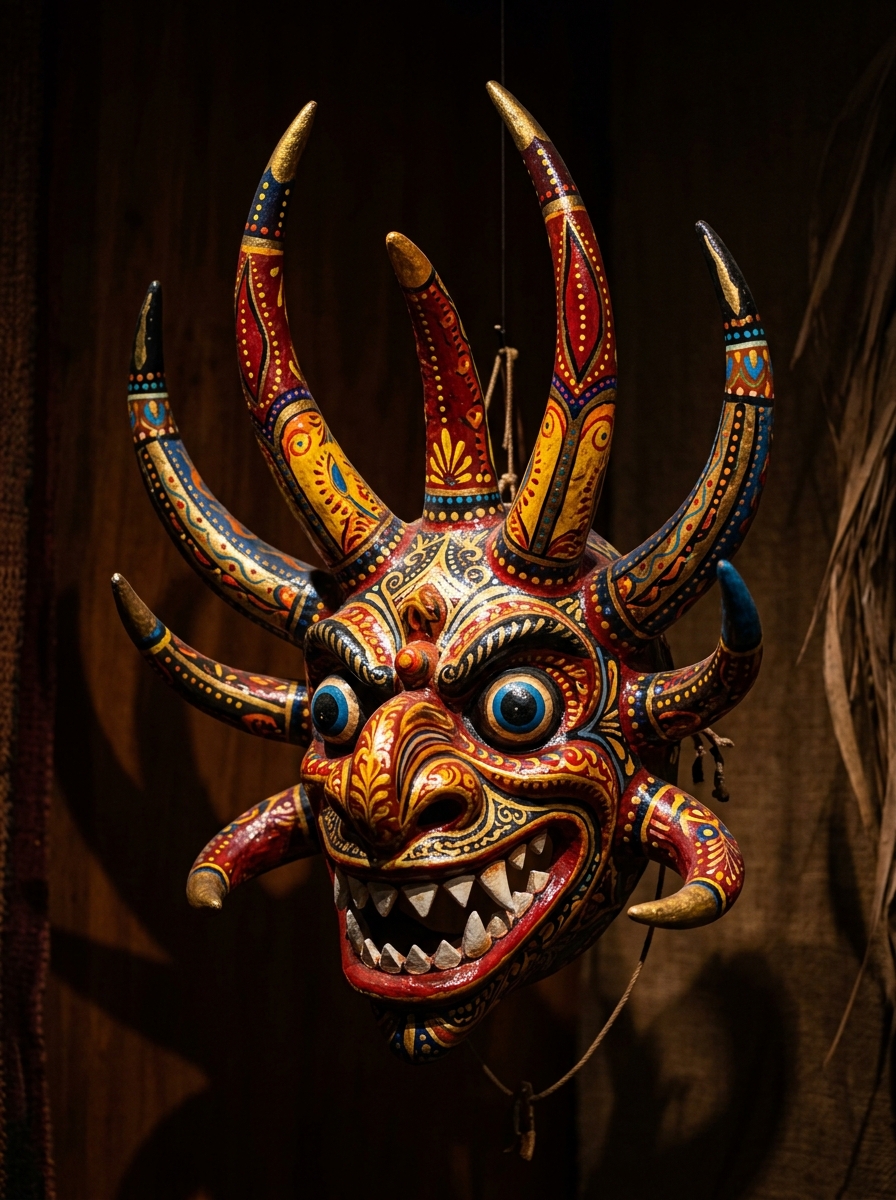
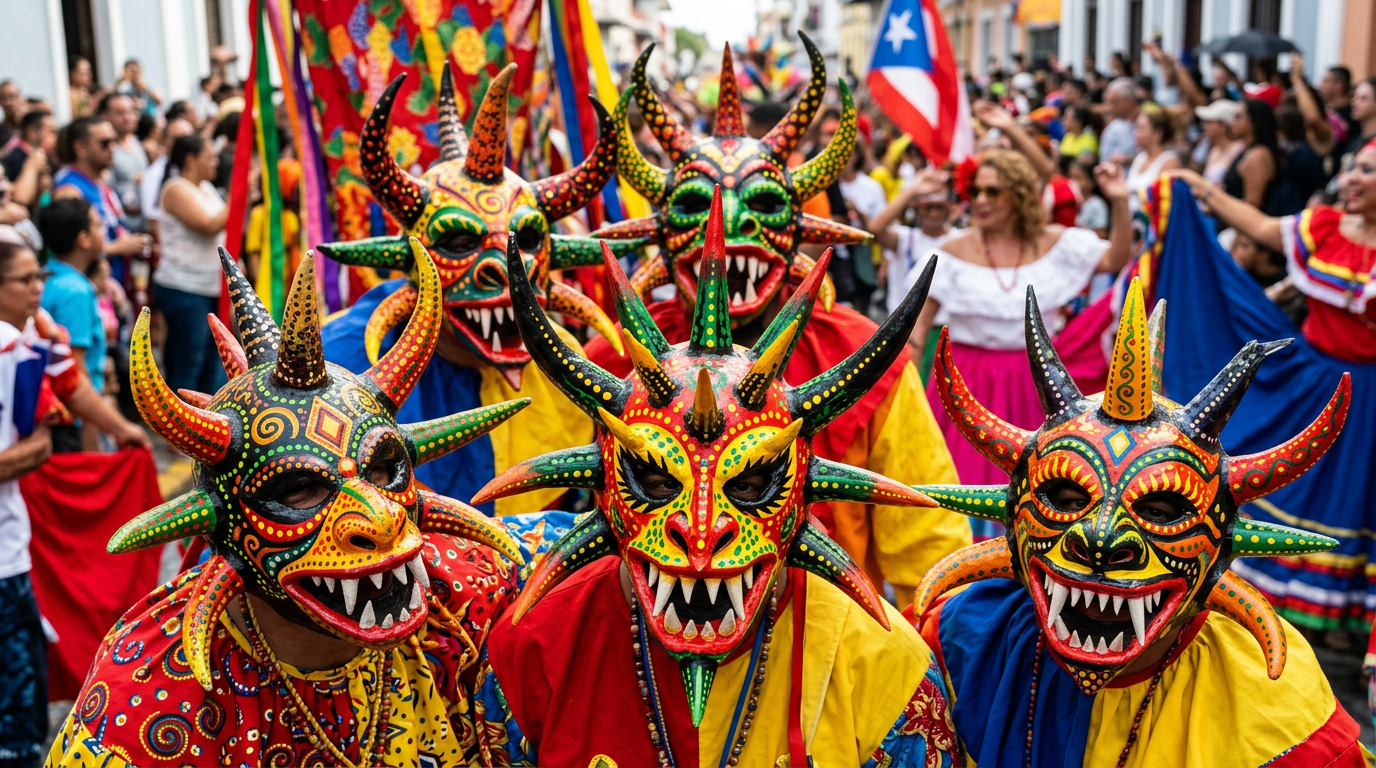
The vejigante mask is perhaps Puerto Rico's most recognizable aesthetic object. Made from papier-mâché (in Ponce) or coconut shells (in Loíza), painted in explosive color, studded with dozens of horns — they are an act of collective artmaking that collapses the boundary between the sacred and the carnivalesque. To wear the mask is to become something beyond yourself. To make it is to transform garbage and glue into transcendence.

Image: Vejigante masks, Ponce Carnival, Puerto Rico. Photo credit: Various / Creative Commons / Getty Images.

Made byBobr AI

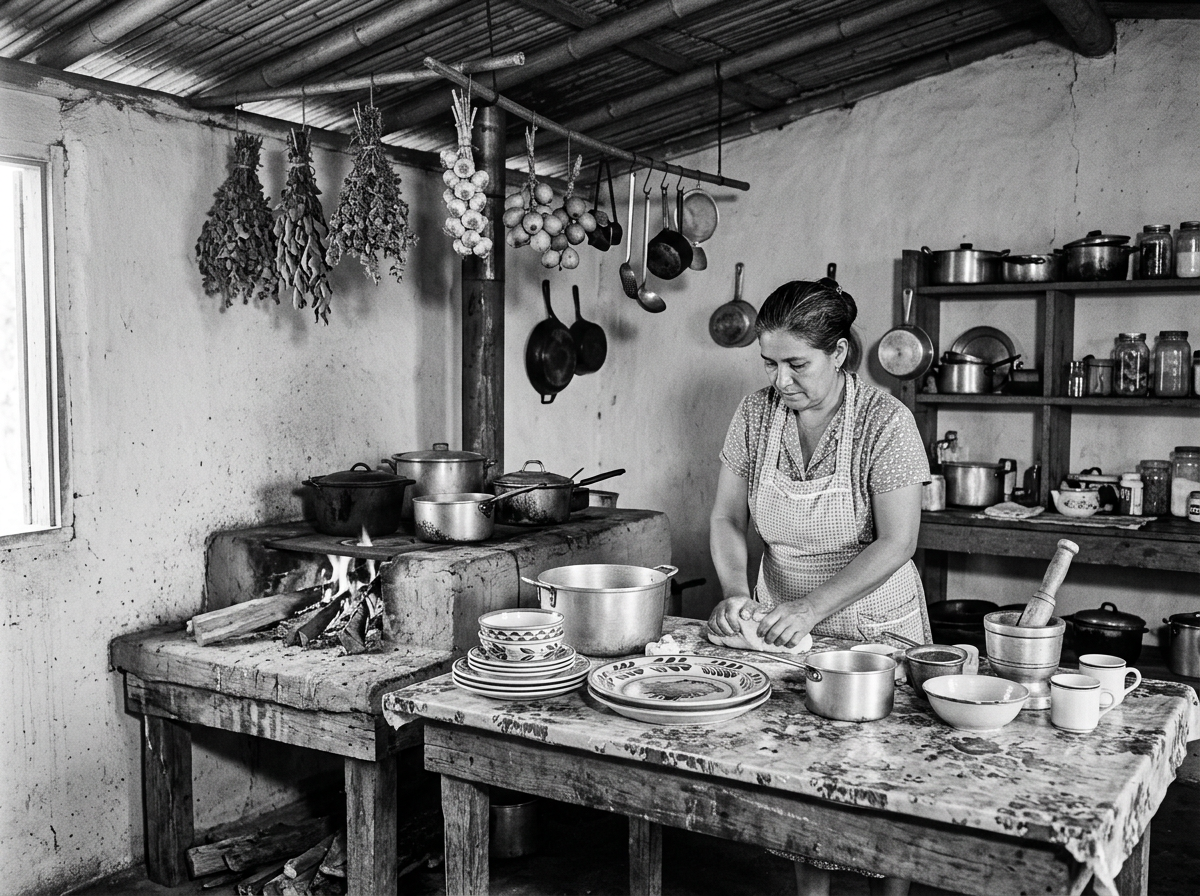
Image: Puerto Rican rural kitchen interior, c. 1950s. Photo credit: Jack Delano / Library of Congress.

The Aesthetics of Scarcity: Making Do as Making Beautiful

Scarcity was the mother of Puerto Rican aesthetic invention. With limited resources, families cultivated an art of ingenious substitution: concrete blocks painted to look like marble, plastic flowers arranged with the care of a florist, oilcloth printed with roses covering a rough table.

This was not imitation — it was transformation. The aesthetic impulse did not wait for wealth; it worked with what was at hand, insisting on beauty as a human right.

15
Made byBobr AI

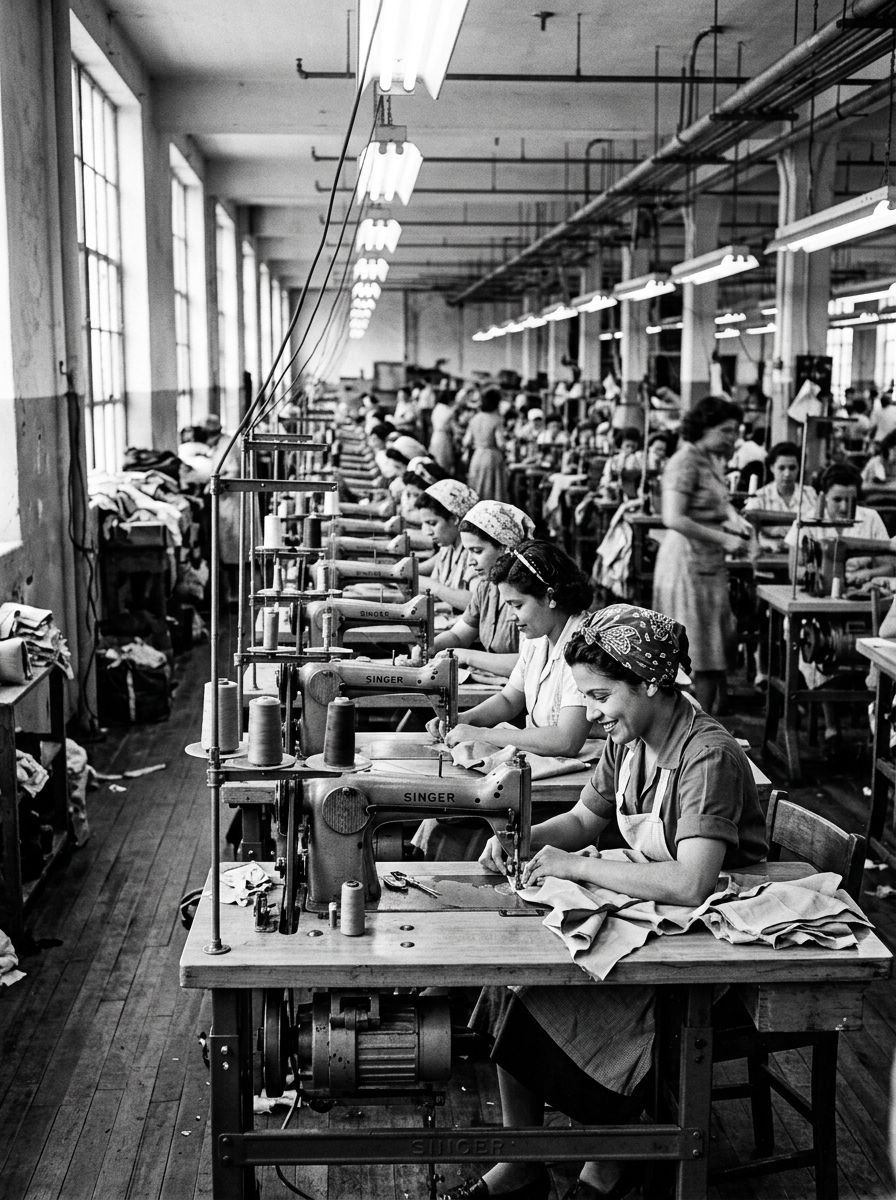
Image: Factory workers, Puerto Rico, c. 1950s. Photo credit: Puerto Rican Planning Board Archive / Library of Congress.

Historical Perspective

Operation Bootstrap and the Aesthetics of Modernization

Operation Bootstrap (1948–1965) industrialized Puerto Rico at breathtaking speed, transforming a rural agricultural island into a manufacturing economy. With factories came wages, with wages came consumer goods, and with consumer goods came a new aesthetic: the plastic chair instead of the wooden rocker, the fluorescent light instead of the kerosene lamp, the concrete block instead of the wooden casita. Modernization was experienced as a visual and sensory revolution — not always welcomed.

SLIDE
16
Made byBobr AI

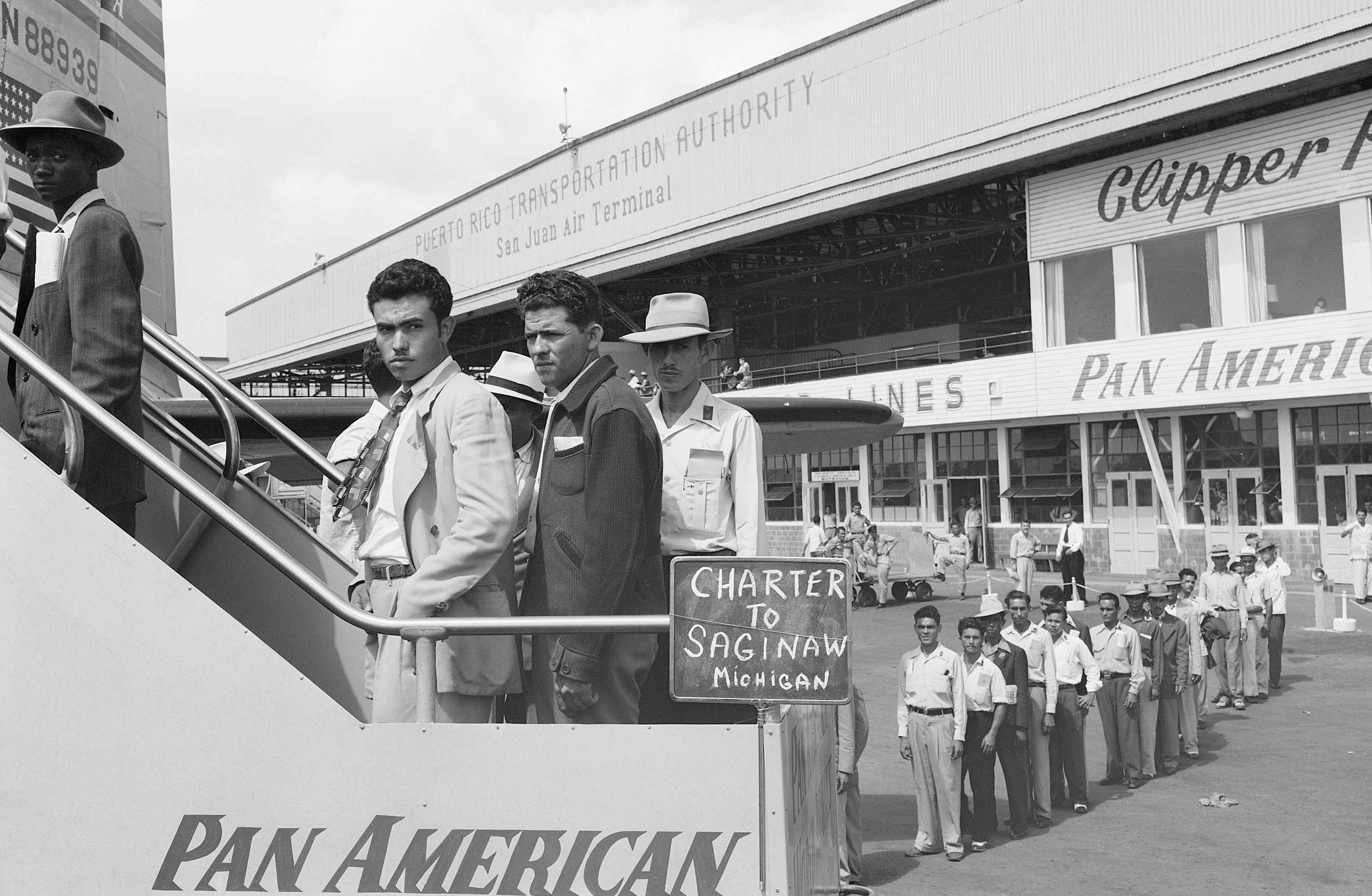
Image: Puerto Rican migrants, New York, c. 1950s. Photo credit: Various / New York Daily News Archive / Getty Images.

Slide 17

The Great Migration: Aesthetics in Transit

Between 1945 and 1965, nearly a third of Puerto Rico's population migrated to New York City. They carried their aesthetics with them: the bright colors, the saints on the mantle, the music, the food. In the cold gray of the South Bronx and East Harlem (El Barrio), these aesthetics became assertions of identity — a refusal to disappear into the American melting pot. The suitcase was packed not just with clothes, but with a visual and sensory world.

Made byBobr AI

Image: East Harlem (El Barrio), New York City, c. 1960s. Photo credit: Various / New York Public Library Digital Collections.

18

El Barrio: Transplanting the Aesthetic

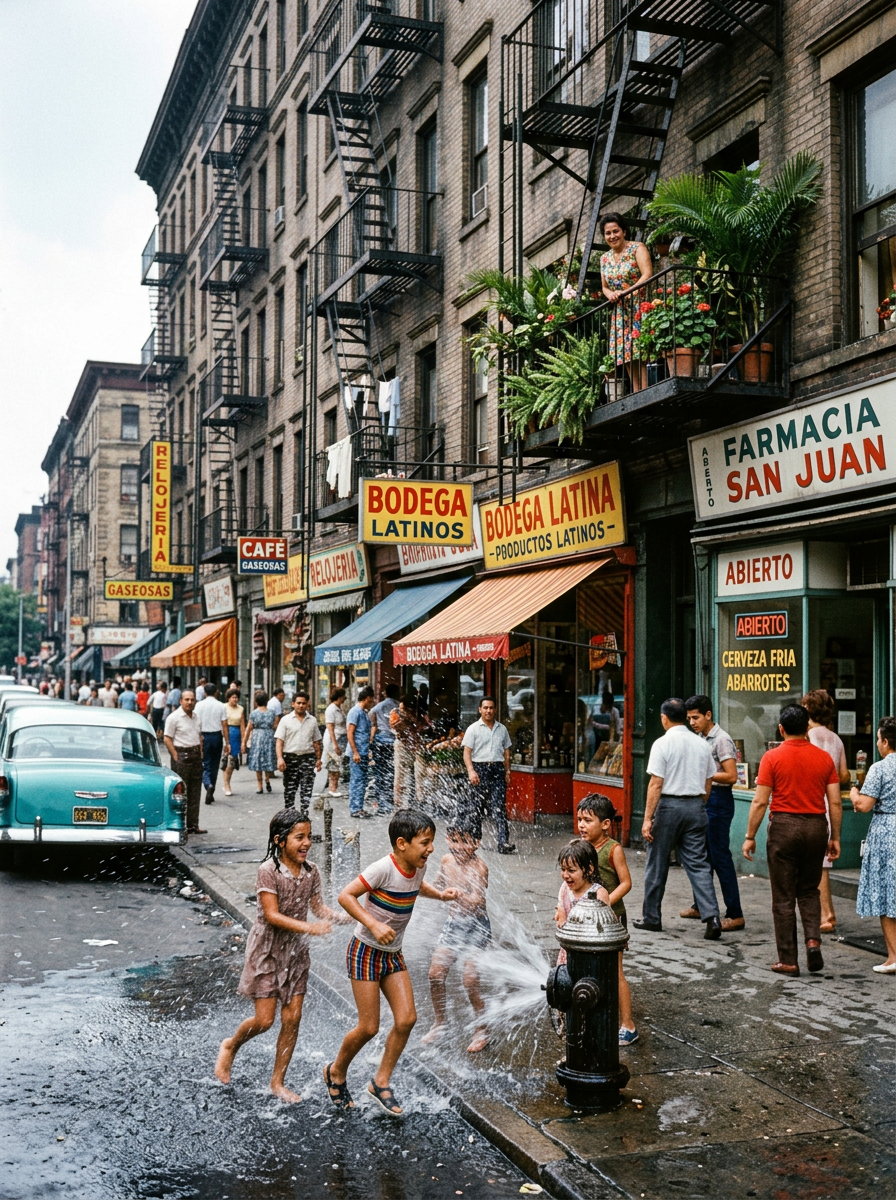
In New York's El Barrio, Puerto Ricans did something remarkable: they repainted the gray city in the colors of the island. They grew plants on fire escapes. They painted murals on brick walls. They cooked sofrito in tenement apartments, filling hallways with the smell of home. The aesthetic was not abandoned — it was transplanted, adapted, and hybridized. El Barrio became a living laboratory of diasporic aesthetics.

Made byBobr AI

Part II

The Hybrid Transition

Generation of the 1970s–1990s

Between two worlds: the island and the mainland, tradition and innovation, Spanish and English.

19

Made byBobr AI

Salsa: The Aesthetic of the In-Between

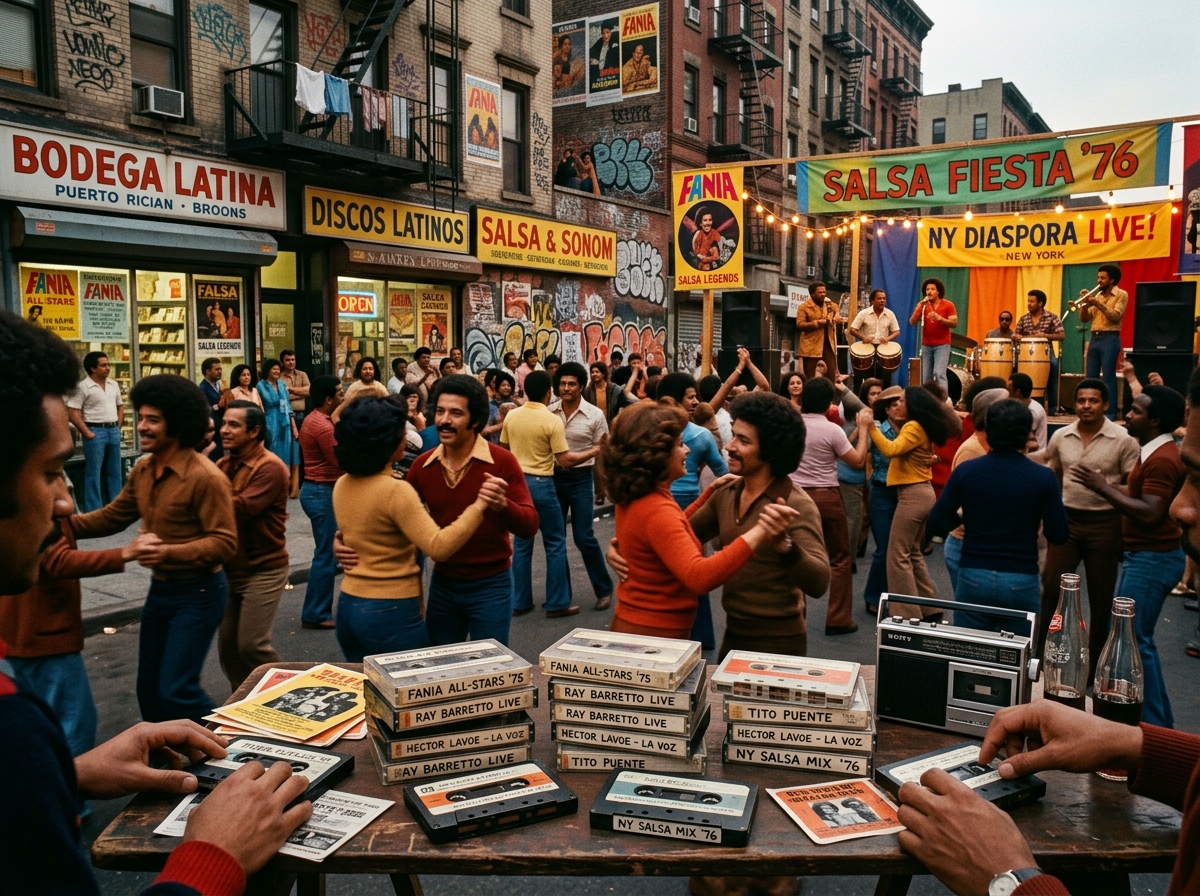
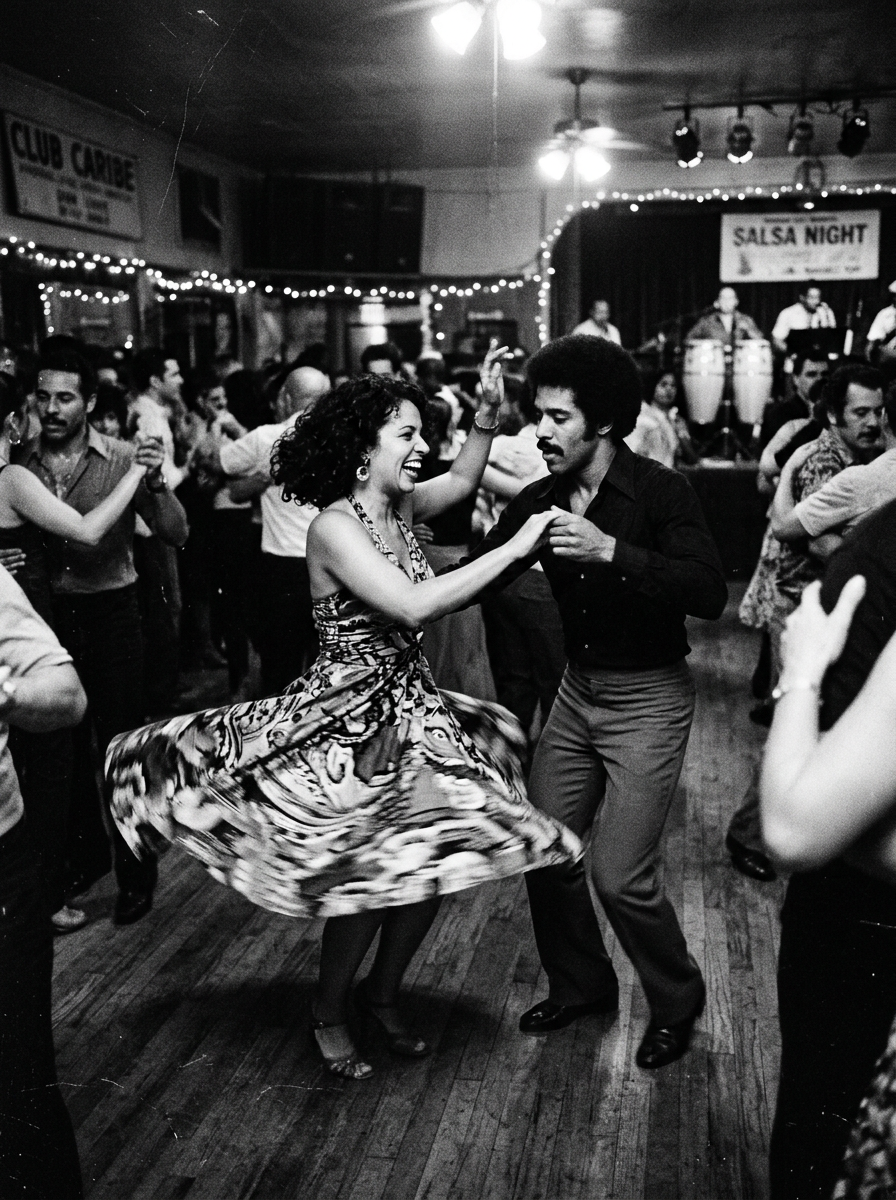
Salsa was not born in Puerto Rico, but Puerto Ricans made it their own. Forged in the crucible of New York in the late 1960s and 1970s, salsa fused Cuban son, Puerto Rican rhythms, jazz, and urban urgency into a new aesthetic form. It was the sound of the in-between: too Caribbean for America, too American for the island. Its aesthetic was excess — orchestras of 15 musicians, elaborate arrangements, passionate vocals — a sensory overload that insisted on joy in the face of displacement.

Image: Salsa dancers at a New York ballroom, c. 1970s. Photo credit: Various / El Diario archive / Getty Images.

20

Made byBobr AI

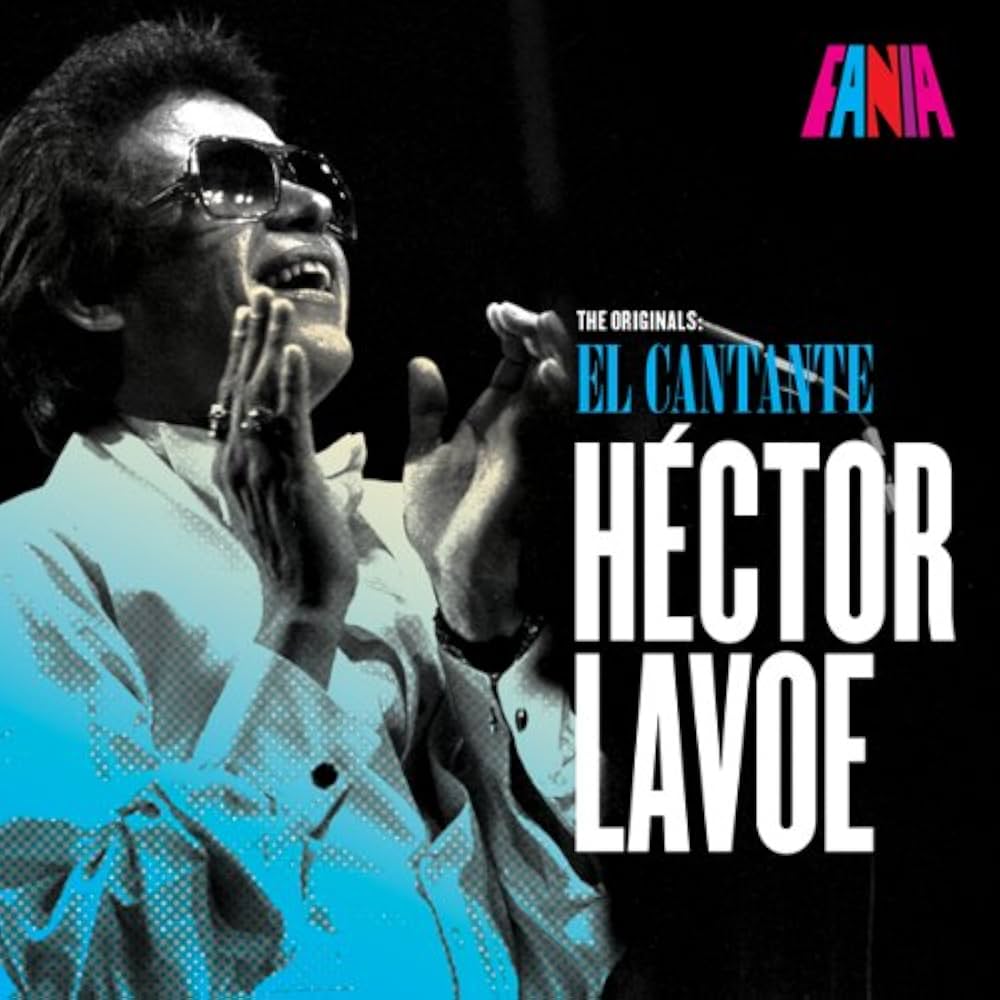
Image: Héctor Lavoe performing, c. 1970s. Photo credit: Various / Fania Records archive.

Héctor Lavoe: The Voice of a Generation's Soul

Héctor Lavoe was the aesthetic conscience of a generation. His voice — simultaneously joyful and heartbroken, comedic and tragic — embodied the emotional reality of the Puerto Rican diaspora experience. He sang about home, loss, love, and hardship with an extravagance that was itself an aesthetic act. To listen to Lavoe was to feel the entire weight and beauty of a displaced people's longing compressed into three minutes of salsa.

21
Made byBobr AI

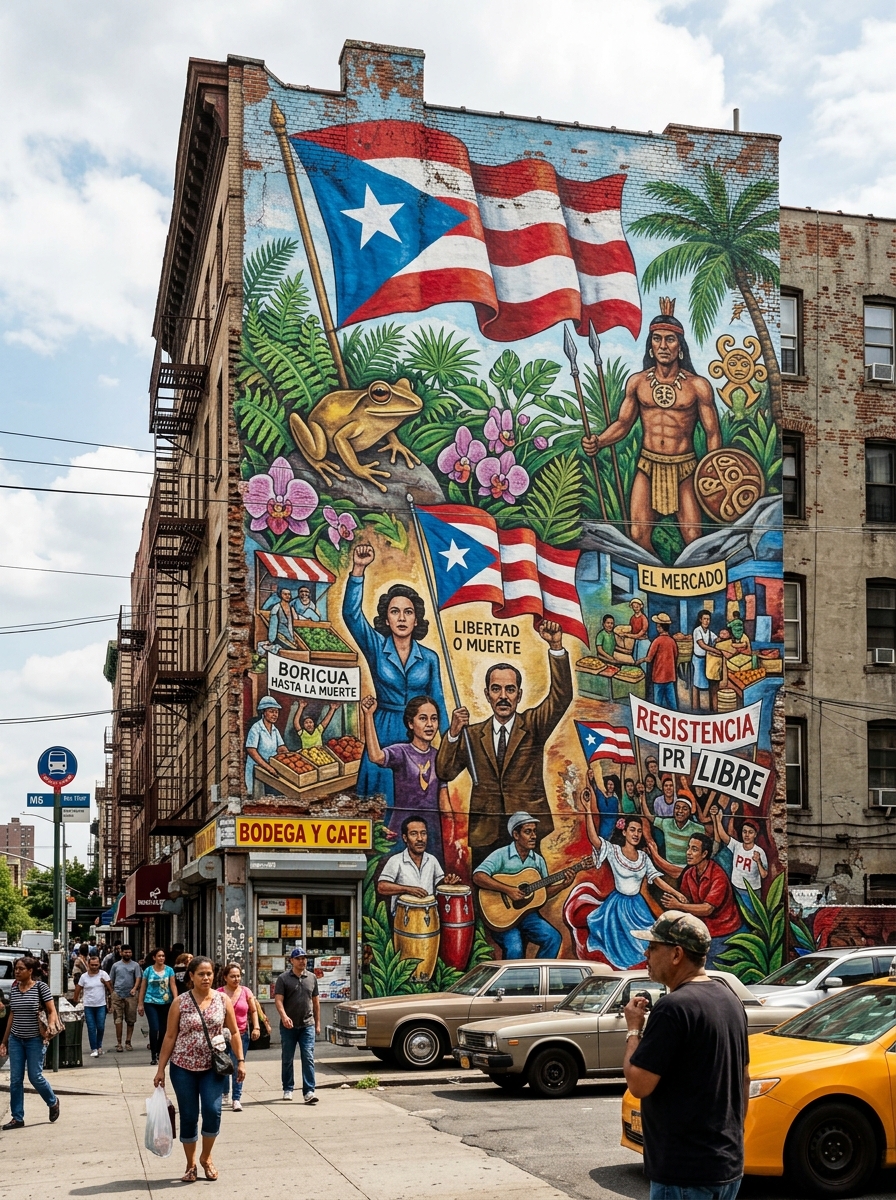
The Mural Movement: Walls as Decolonial Canvas

Beginning in the late 1960s, Puerto Rican artists took the walls of their neighborhoods as their canvas. Murals — inspired by the Mexican muralist tradition and the political energy of the Young Lords — turned crumbling urban infrastructure into galleries of cultural pride. The mural spoke what could not be quietly said: we have a history, a flag, a beauty of our own. The wall was a declaration of aesthetic sovereignty.

Image: Puerto Rican community mural, New York or Chicago. Photo credit: Various / Centro de Estudios Puertorriqueños archive.

22

Made byBobr AI
23

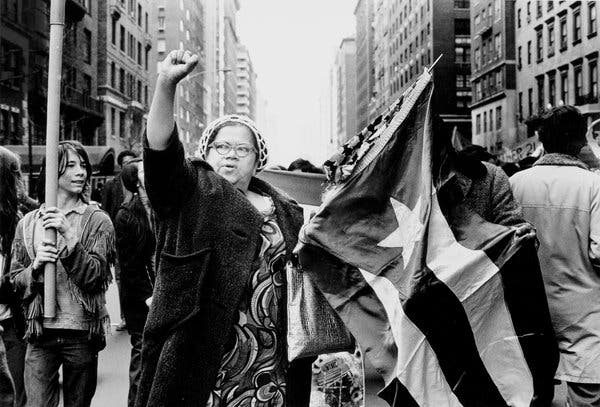
The Young Lords: Politics as Aesthetic Act

The Young Lords understood that aesthetics and politics are inseparable. Their purple berets, their disciplined uniforms, their bold newspaper layouts, their murals and posters — all were carefully designed to project power, dignity, and cultural pride. They turned political action into performance, protest into spectacle, the street into a stage. In doing so, they anticipated the media-savvy activism of later generations.

Image: Young Lords rally, New York City, c. 1969–1972. Photo credit: Hiram Maristany / Centro de Estudios Puertorriqueños, Hunter College, CUNY.

Made byBobr AI
24

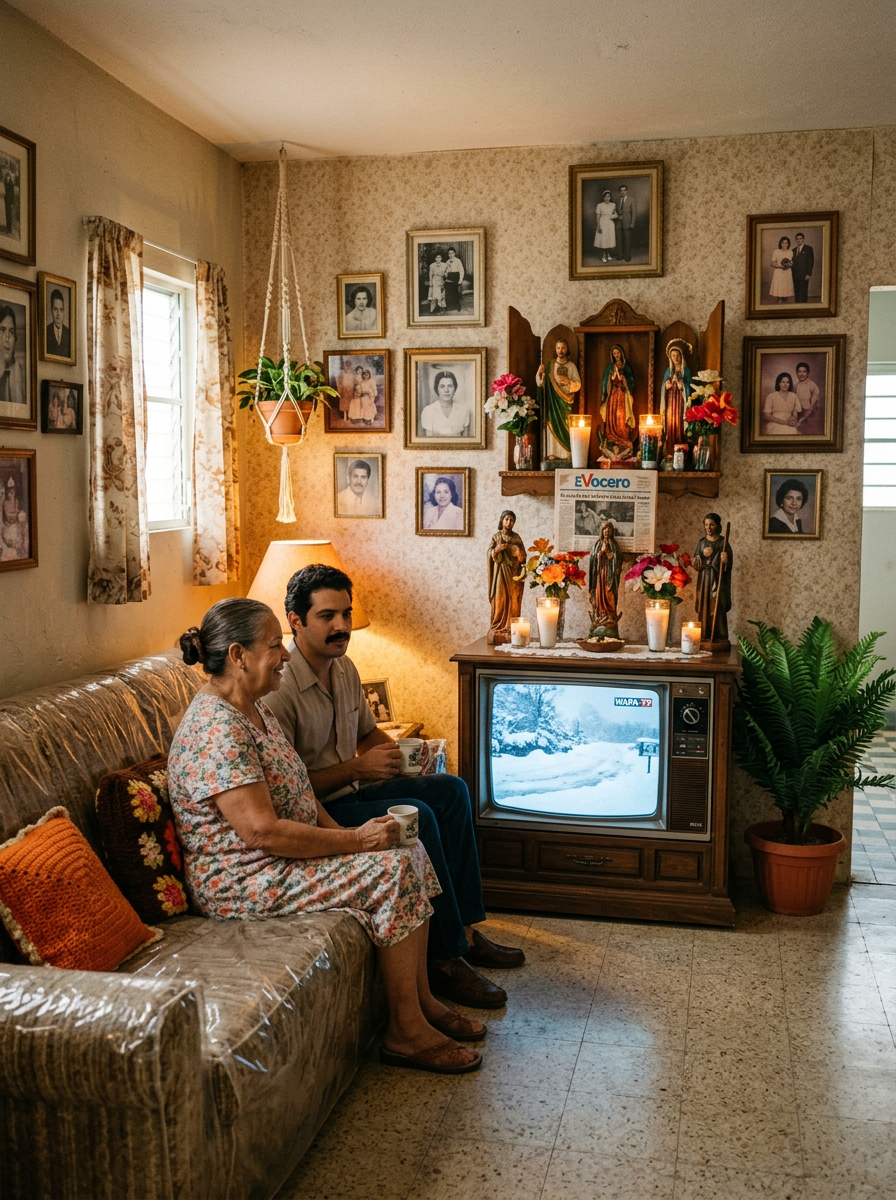
Image: Puerto Rican living room with television, c. 1970s. Photo credit: Various / Documentary photography archives.

The Television Generation: A New Sensory World

Television transformed the sensory world of this generation. For the first time, images came from outside the community — from Hollywood, from American network studios — defining standards of beauty that excluded Puerto Rican faces and aesthetics. Yet the community adapted: santos shared the shelf with TV Guides; telenovelas imported from Venezuela and Mexico mixed with American sitcoms. The living room became a battleground of aesthetic values.

Made byBobr AI
25

Image: Puerto Rican quinceañera and social photography, c. 1970s–80s. Photo credit: Community and family archives.

Fashion and the Body as Cultural Text

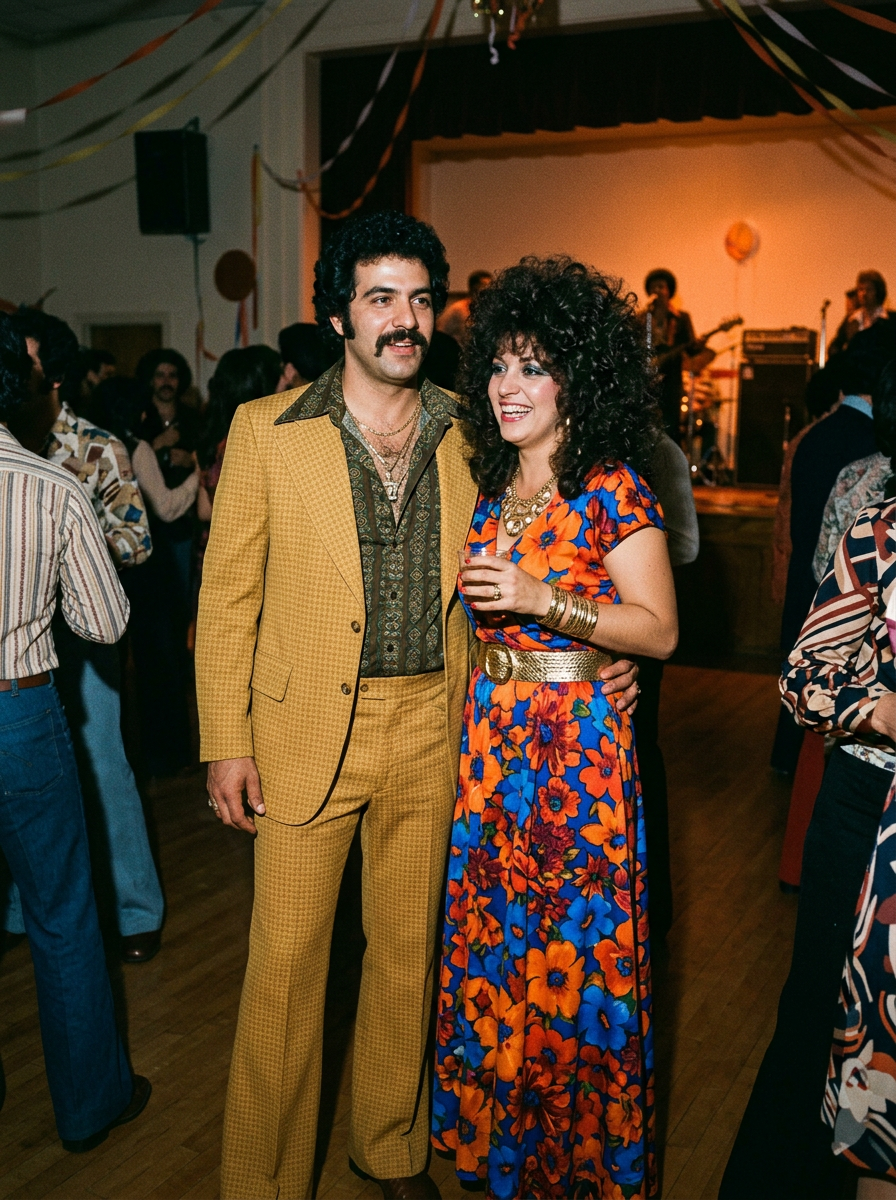
For this generation, the body was the primary aesthetic medium. Dress was an elaborate system of cultural communication: the gold chain (cadena) announced prosperity; the elaborate perm announced femininity; the sharp crease in the trousers announced dignity.

Fashion was read within the community as a text — speaking class, origin, aspiration, and identity simultaneously. To be well-dressed was a moral as much as an aesthetic achievement.

Made byBobr AI

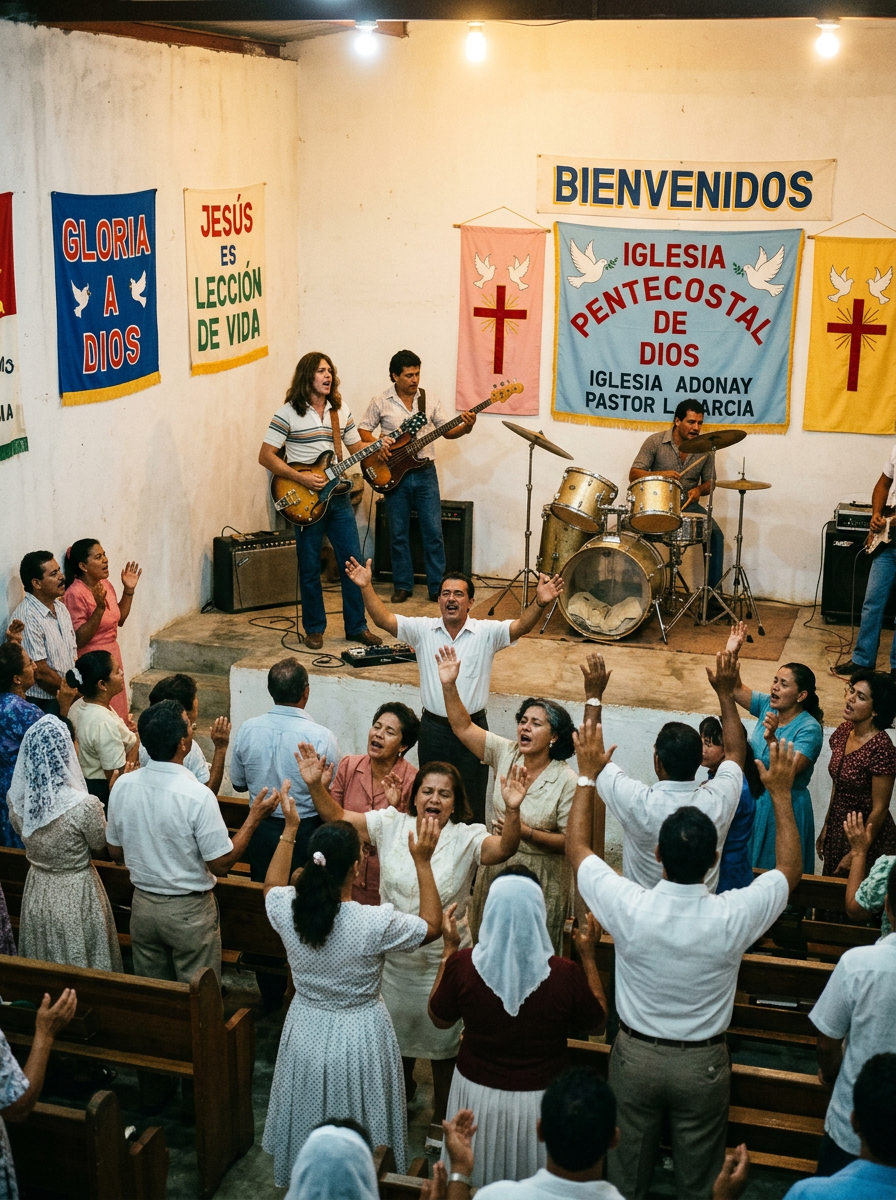
Image: Evangelical worship service, Puerto Rico, c. 1980s. Photo credit: Various / Religious documentary archives.

Evangelicalism and the Shifting Sacred Aesthetic

The 1970s and 1980s brought a significant shift in Puerto Rico's religious landscape: the growth of Pentecostal and evangelical Christianity. This transformation had profound aesthetic consequences.

The ornate Catholic visual world — gilded altars, painted saints, processional candles — gave way to a new aesthetic of simplicity and spiritual electricity. The new sacred was not about beauty of form but beauty of experience: the ecstatic moment of worship, the healing miracle, the born-again body transformed.

26

Made byBobr AI
27

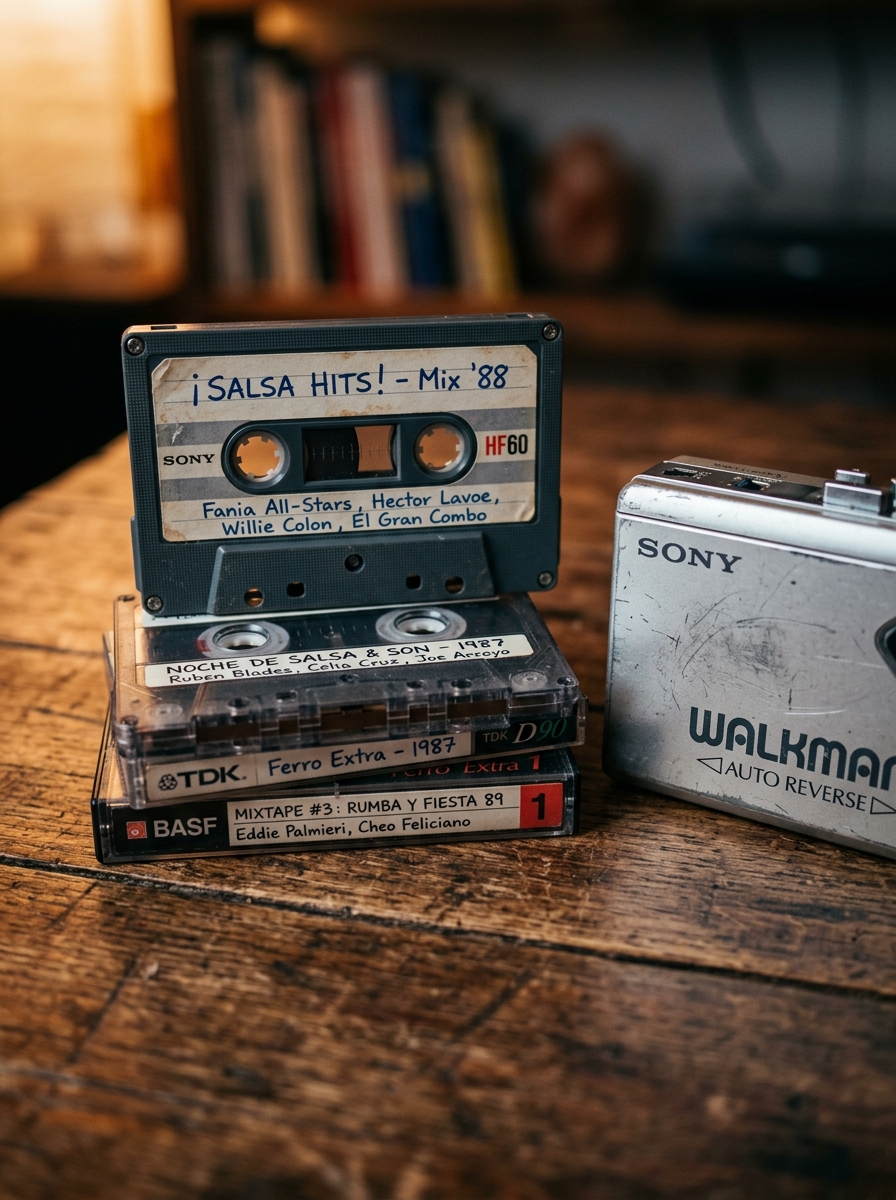
Image: Cassette tapes and Walkman, c. 1980s. Photo credit: Vintage consumer electronics archives / Creative Commons.

Audio Artifacts

The Cassette Tape: Portable Aesthetic Identity

The cassette tape was the aesthetic democracy of the 1970s–80s. For the first time, music could be carried in a pocket — you could take your identity with you anywhere. The Puerto Rican kid on the New York subway with headphones on, listening to Rubén Blades or Celia Cruz, was performing an act of cultural self-preservation. The mixtape was curation; the boom box was broadcast. Sound became a portable homeland.

Made byBobr AI

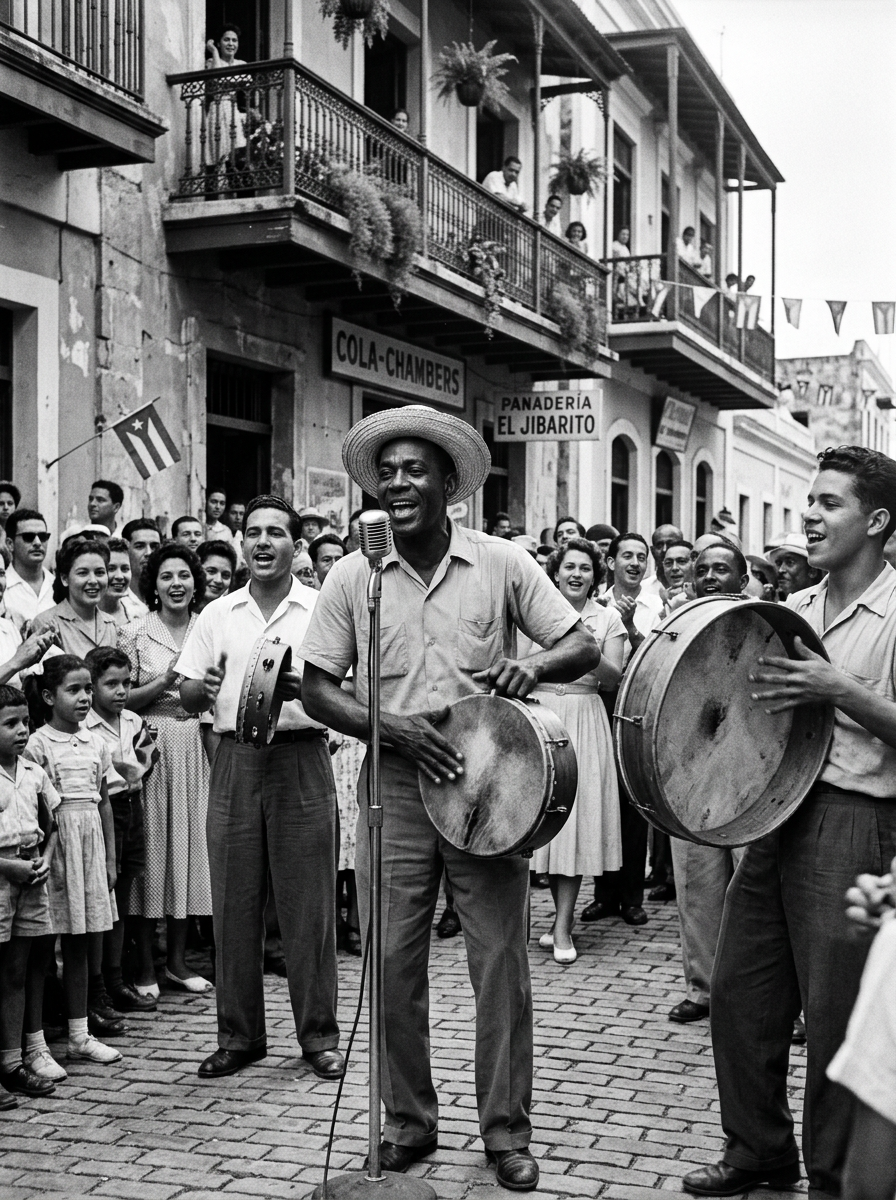
Image: Plena musicians, Puerto Rico. Photo credit: Various / Institute of Puerto Rican Culture archive.

Plena and Protest: Music as Political Aesthetic

The plena — Puerto Rico's own popular music of African and Spanish heritage — was the newspaper of the poor. Each song reported on current events, scandals, hurricanes, and injustices with sharp humor and driving rhythm.

For the second generation, plena was revived as an act of cultural nationalism: a reclamation of African-Puerto Rican aesthetic roots against both American cultural imperialism and the elitism of classical music. To play plena was to insist on a history that colonial education tried to erase.

28

Made byBobr AI
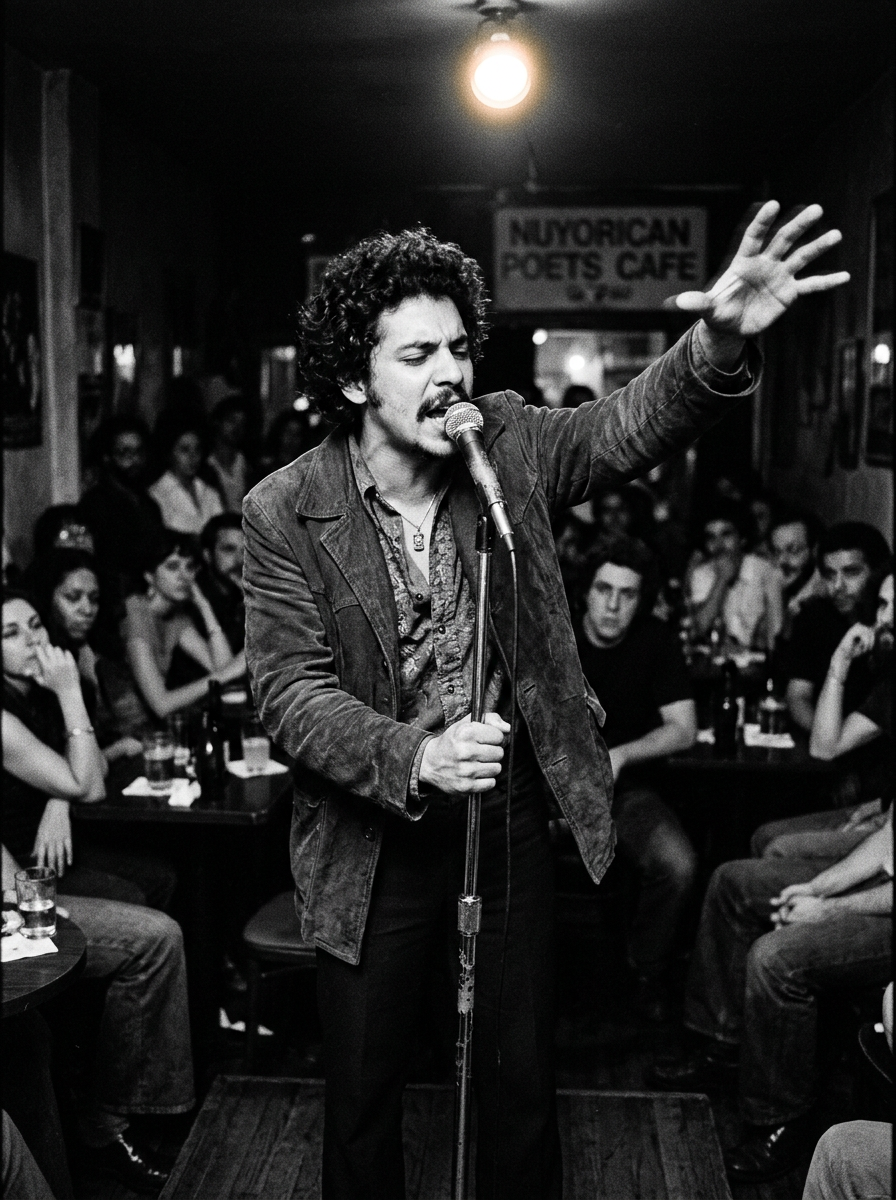
1973
Nuyorican Poet

Image: Nuyorican Poets Cafe, New York City, c. 1970s–80s. Photo credit: Various / Nuyorican Poets Cafe archive.

Nuyorican Poetry

The Word as Aesthetic Weapon

The Nuyorican Poets Cafe — founded in 1973 by Miguel Piñero and Miguel Algarín — became the crucible of a new Puerto Rican literary aesthetic. Poets like Pedro Pietri, Sandra María Esteves, and Miguel Piñero wrote in Spanglish, mixing English and Spanish in a language that belonged to neither nation fully.

The poem was a weapon, a prayer, a love letter, and a protest. The body was the instrument: poetry was performed, not read — it was sound, rhythm, and presence.

29

Made byBobr AI

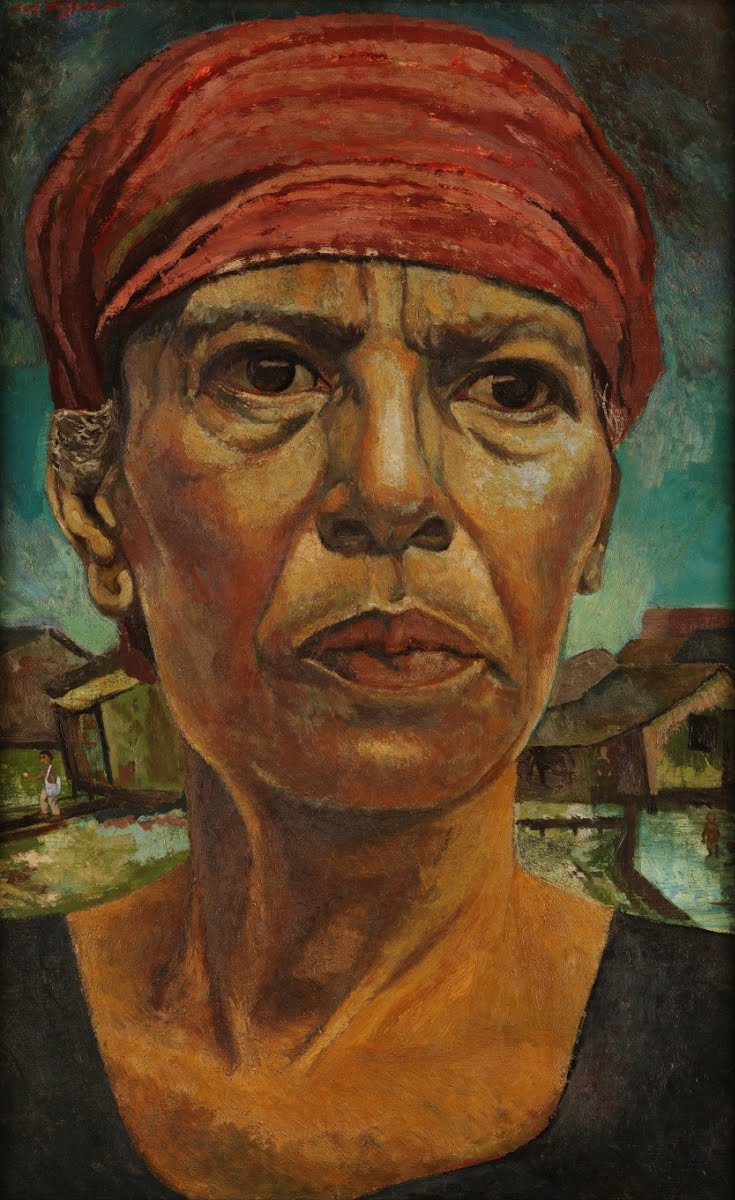
Image: 'Goyita' (1953) by Rafael Tufiño. Collection: Instituto de Cultura Puertorriqueña. Photo credit: ICP / Public domain.

Rafael Tufiño: Painting the People

Rafael Tufiño (1922–2008) was the painter of Puerto Rico's people. Trained in Mexico City under the influence of the muralists, he returned to the island to paint the faces of the poor, the workers, the mothers, and the children — in bold, warm colors that celebrated rather than pitied.

His work insisted that the Puerto Rican body and face were worthy of high art. Tufiño's aesthetics bridged the generations: rooted in the first generation's lived reality, produced during the second generation's cultural awakening.

30

Made byBobr AI

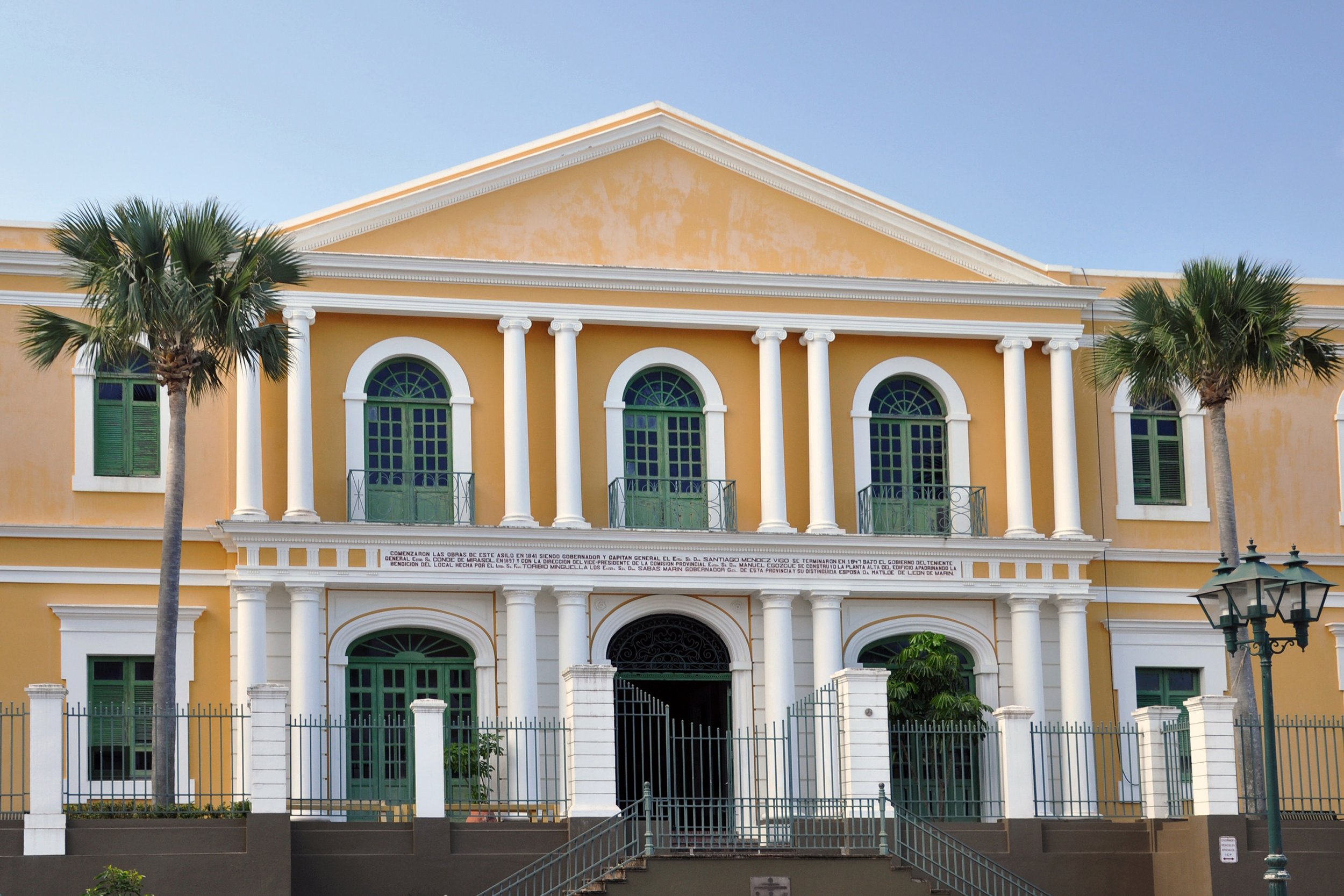
Image: Instituto de Cultura Puertorriqueña, Old San Juan. Photo credit: Various / ICP archive.

The Instituto de Cultura Puertorriqueña:
Institutionalizing Aesthetics

Founded in 1955, the Instituto de Cultura Puertorriqueña became the official guardian of the island's aesthetic identity. Under the leadership of Ricardo Alegría, it codified and promoted Puerto Rican crafts, music, literature, and visual art — at once preserving genuine tradition and inevitably constructing an 'official' version of Puerto Ricanness.

The ICP's aesthetic was selective: it favored the Hispanic and indigenous (Taíno) heritage while sometimes marginalizing the African. Decolonial artists would later contest this selective memory.

31

Made byBobr AI

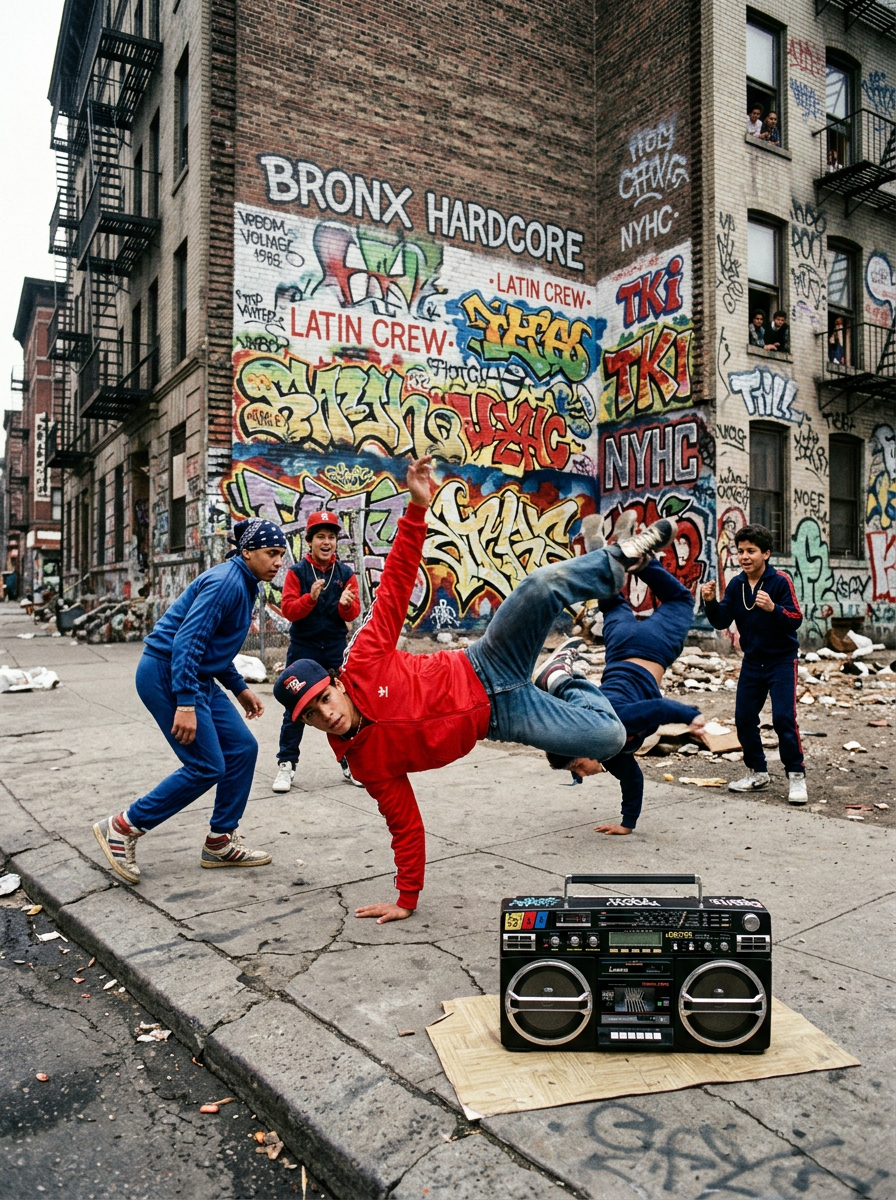
Image: Breakdancers, South Bronx, New York, c. 1980s. Photo credit: Various / New York Daily News / Getty Images.

Cultural Emergence

Hip-Hop Arrives: The Sound of a New Aesthetic

When hip-hop emerged from the South Bronx in the mid-1970s, Puerto Ricans were not just witnesses — they were architects. Puerto Rican youth were among the original breakers, DJs, and graffiti writers who built hip-hop culture. The aesthetics of hip-hop — bold color, kinetic movement, verbal dexterity, visual maximalism — resonated deeply with Puerto Rican cultural values. Hip-hop became the new porch: the place where the community gathered, performed, competed, and made itself visible to the world.

32
Made byBobr AI
33

Part III

The Spectacle

Generation of the 2000s–Present

From the porch to the screen: when every body becomes a broadcast.

Made byBobr AI

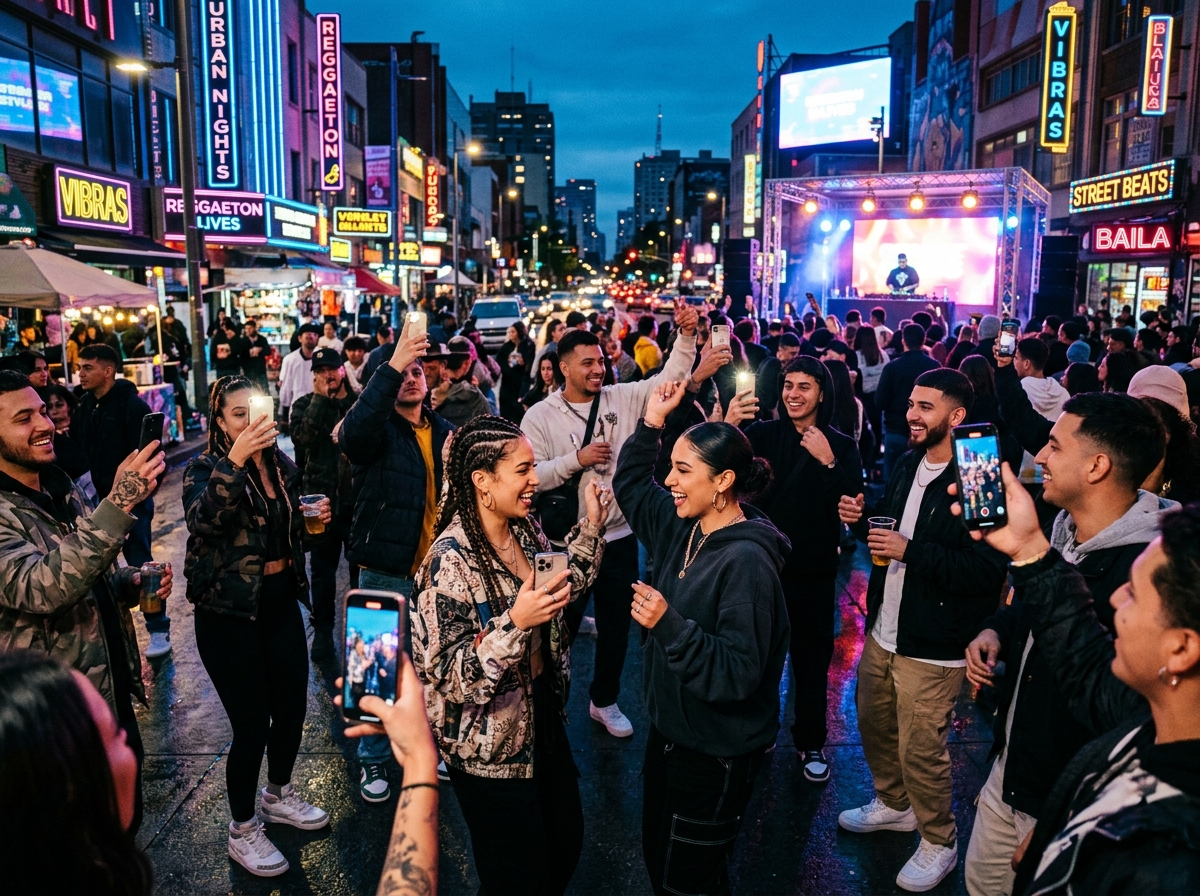
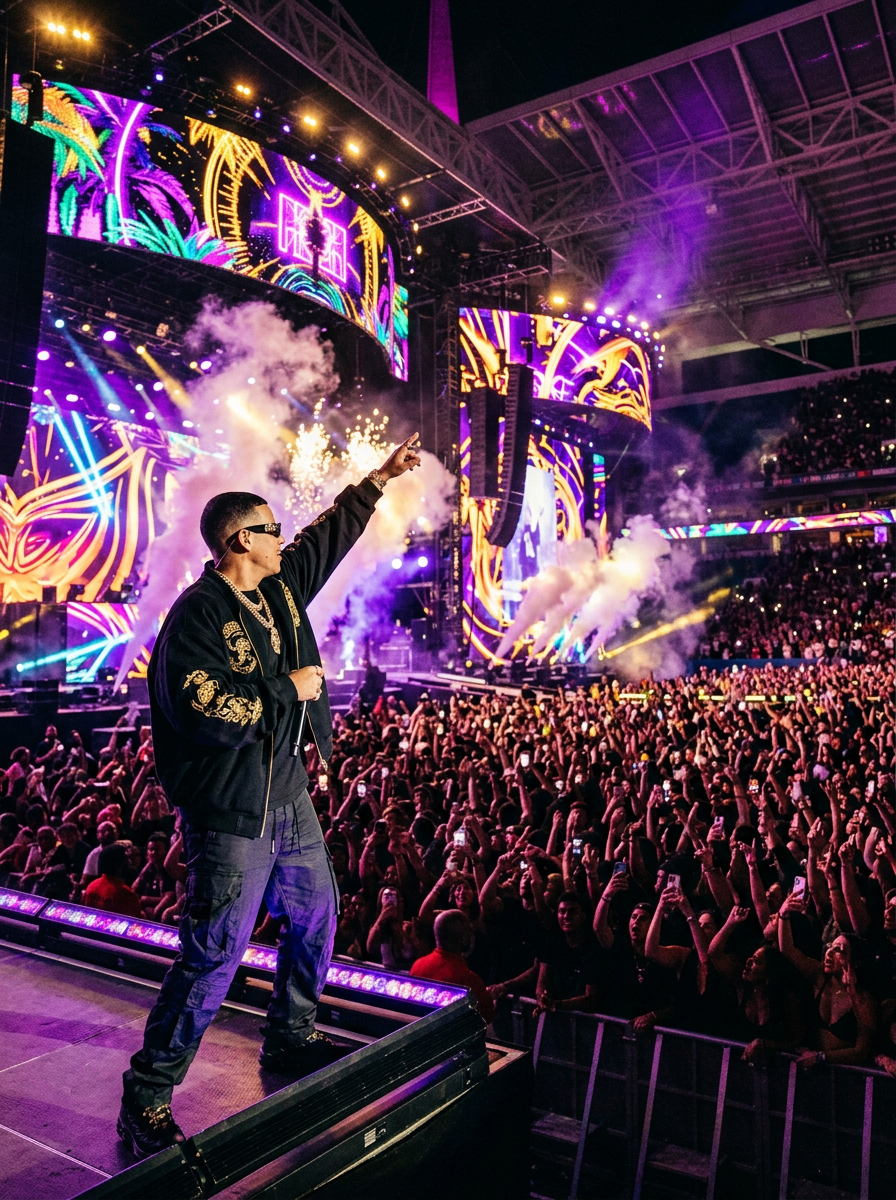
Image: Reggaeton concert production, Puerto Rico. Photo credit: Various / Getty Images.

34

Reggaeton: The Sound of the Spectacle

Reggaeton — born in Panama and Puerto Rico in the 1990s — became the defining aesthetic of the third generation. Its sound was maximalist: 808 bass drums, synthesized melodies, rapid-fire lyrics, explicit imagery. Its visual culture was equally extreme: designer brands, luxury cars, tropical excess. Reggaeton turned Puerto Rican street culture into global spectacle. By the 2010s, Bad Bunny had made it the most-streamed music genre on earth — a triumph of aesthetic colonialism reversed.

Made byBobr AI

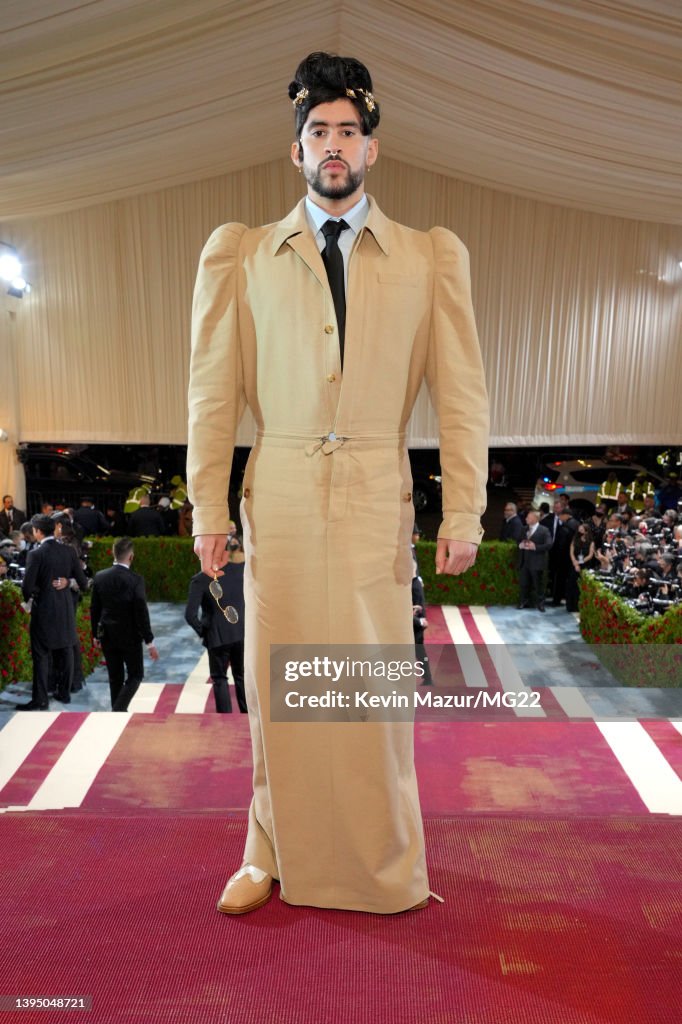
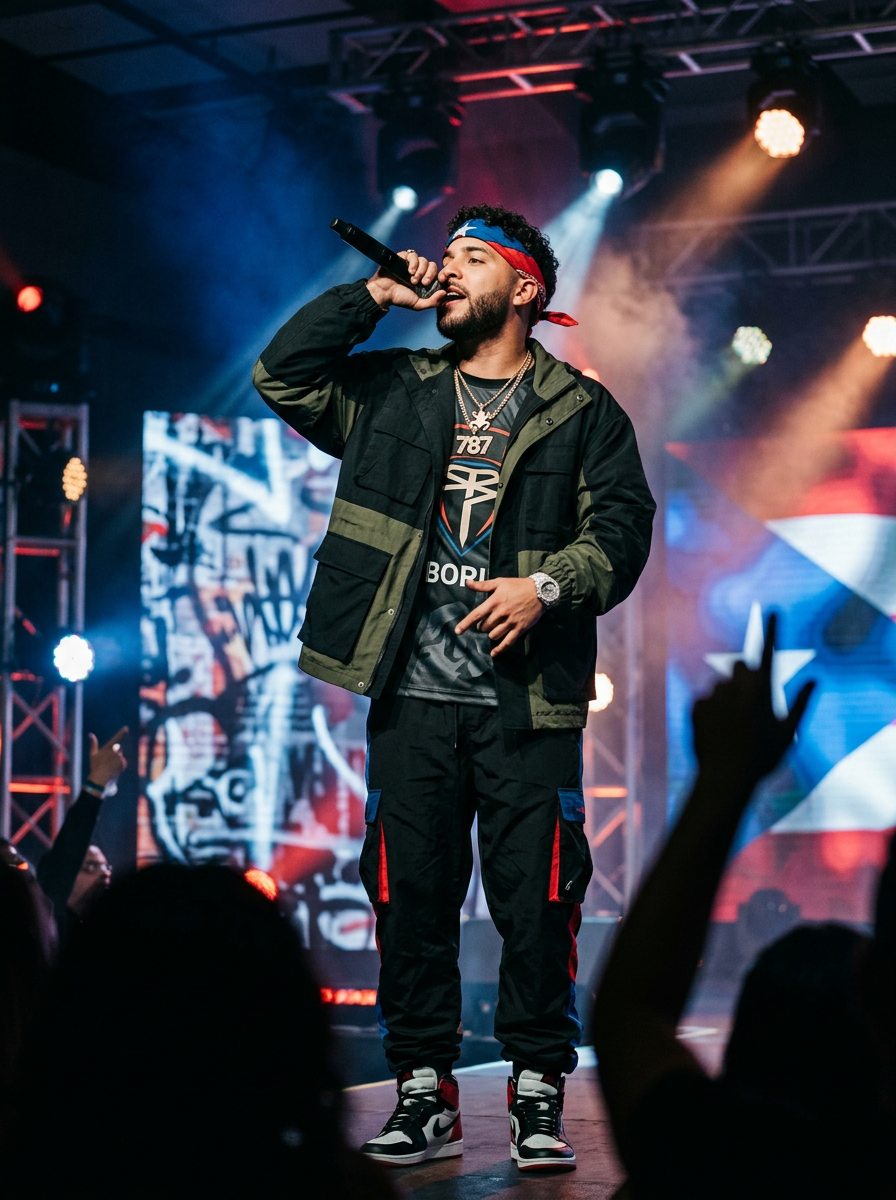
Bad Bunny: Aesthetic Revolution

Bad Bunny is arguably the most consequential Puerto Rican cultural figure of the 21st century. Born in Vega Baja, raised on reggaeton and trap, he exploded into global consciousness not just through music but through a radical aesthetic vision: gender-fluid fashion, unapologetic Spanglish, visible Puerto Rican identity on the world's largest stages. He wore skirts to basketball games. He painted his nails on billboards. He sang about Puerto Rican politics on global television. His body became a decolonial aesthetic statement.

Image: Bad Bunny. Photo credit: Various press and concert photography / Getty Images.

35

Made byBobr AI

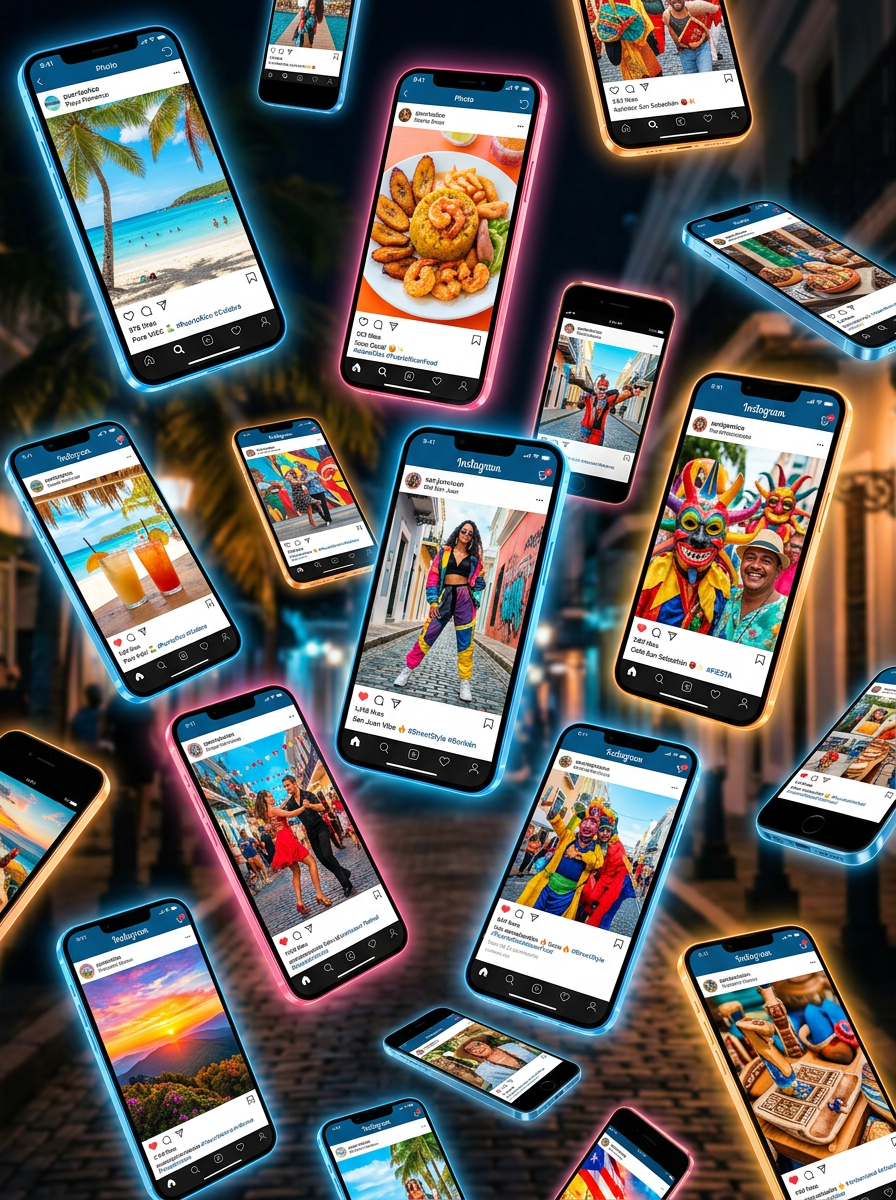
Image: Social media lifestyle photography, Puerto Rico. Photo credit: Various Instagram creators / user-generated content.

Digital Aesthetic

The Instagram Generation: Curating the Self

Social media transformed the aesthetic logic of self-presentation. For the third generation, identity is constructed through images shared on screens — carefully curated, filtered, hashtagged. Instagram, TikTok, and Snapchat became the new porch: the place of being seen. Yet unlike the porch, the audience is global and anonymous. The pressure to make oneself visually spectacular is continuous and relentless. The everyday must now be 'content' — an endless performance of making special.

36

Made byBobr AI
Visual Essay

Hispanic Hip-Hop in the Mainland:
Code-Switching as Aesthetic

The Puerto Rican contribution to American hip-hop is vast and underacknowledged. From DJ Charlie Chase of the Cold Crush Brothers to Big Pun, Fat Joe, and Anuel AA, Puerto Rican artists navigated the aesthetic demands of two cultures simultaneously — a practice called 'code-switching' that is itself an art form. To speak English with an accent on a hip-hop record was an act of aesthetic courage. To rap about abuela's cooking in the same verse as the block was to collapse categories that American culture insisted must stay separate.

Image: Latino hip-hop performance. Photo credit: Various / Getty Images.

37

Made byBobr AI

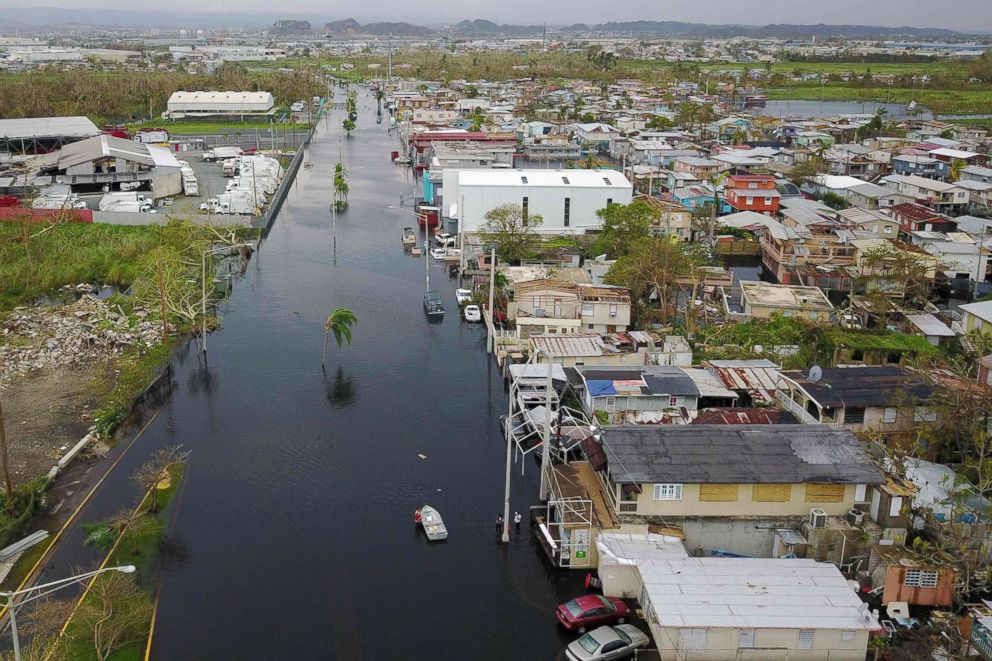
Image: Hurricane María aftermath and community response, Puerto Rico, 2017. Photo credit: Various / Ricardo Arduengo / AFP / Getty Images.

Hurricane María and the Aesthetics of Disaster

When Hurricane María destroyed Puerto Rico in September 2017, it also generated a profound aesthetic moment. Amid catastrophe, Puerto Ricans responded with extraordinary creativity: murals painted on destroyed walls, community kitchens feeding thousands, viral social media images that told a story the American media ignored. The hashtag #PuertoRico became a decolonial act. The image of Puerto Ricans throwing paper towels by Trump became a political aesthetic of humiliation. Against it, the community asserted its dignity.

38
Made byBobr AI

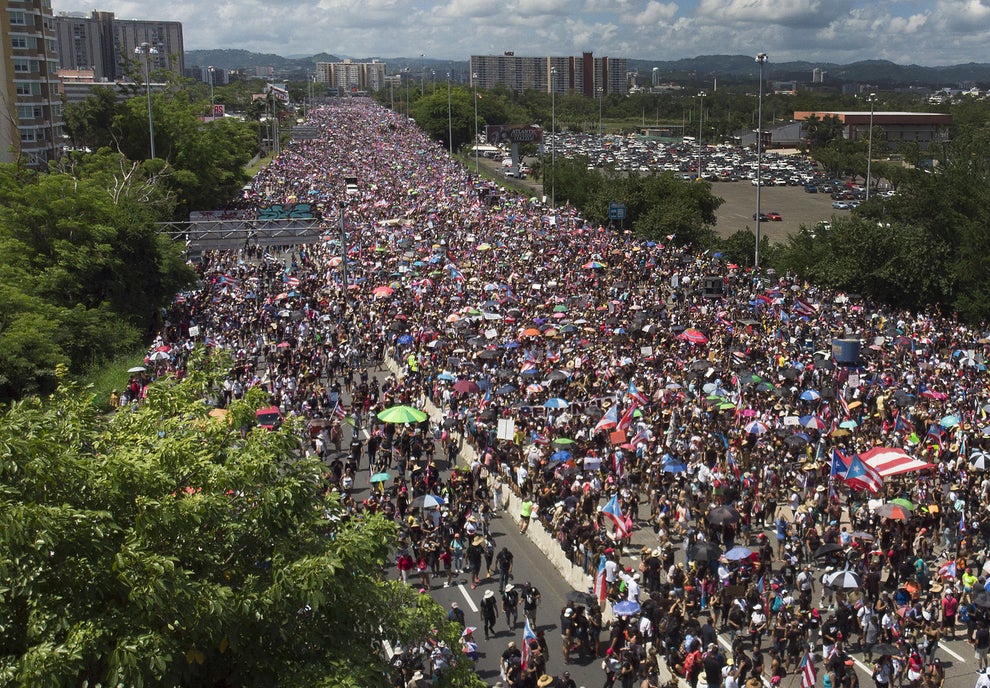
The Summer 2019 Protests: Aesthetic of the Uprising

In July 2019, Puerto Ricans forced the resignation of Governor Ricardo Rosselló through two weeks of unprecedented mass protest. What was remarkable was the aesthetic of the uprising: it was a party. People danced. They dressed in costume. They sang reggaeton. They made art in real time on the streets. This was decolonial aesthetics in action: refusing the script of humble petition, instead performing power, joy, and creativity as resistance.

Image: Summer 2019 protests, San Juan, Puerto Rico. Photo credit: Various / Dennis Rivera / NurPhoto / Getty Images.

39

Made byBobr AI
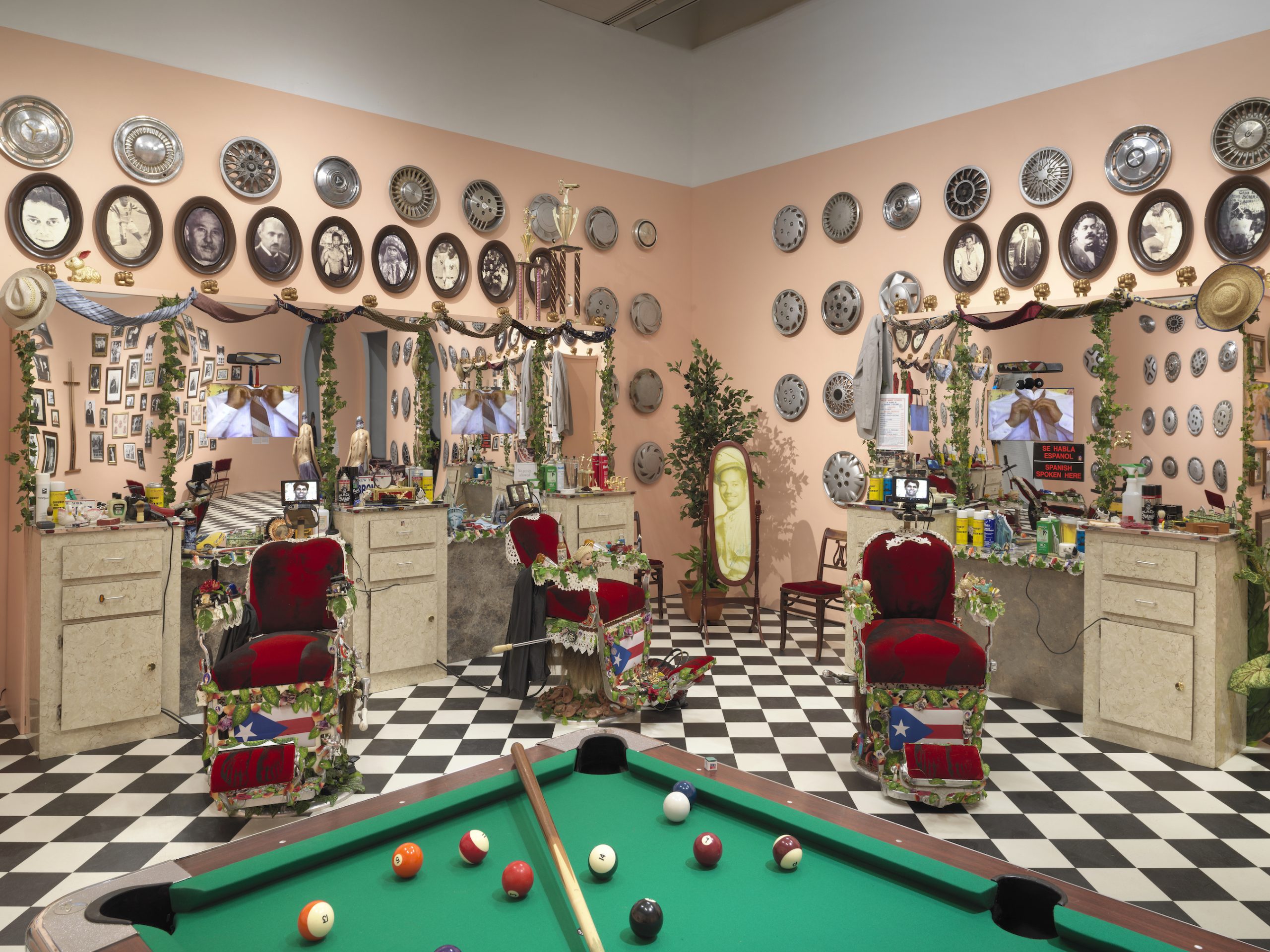
Installation View

Image: 'No Cogió Na'' installation by Pepón Osorio. Photo credit: Pepón Osorio / Ronald Feldman Fine Arts, New York.

Contemporary Puerto Rican Visual Art: Beyond the Colony

Contemporary Puerto Rican visual artists — Arnaldo Roche Rabell, Pepón Osorio, Antonio Martorell, Diógenes Ballester — work at the intersection of personal experience, collective memory, and political critique. Roche Rabell frottages living bodies against canvas, making portraits of skin and pressure. Pepón Osorio fills gallery spaces with hypercharged Puerto Rican domestic aesthetics — elaborately decorated bedroom sets, casitas filled with objects. Both insist that Puerto Rican aesthetic experience is complex enough to sustain the most serious artistic attention.

40
Made byBobr AI

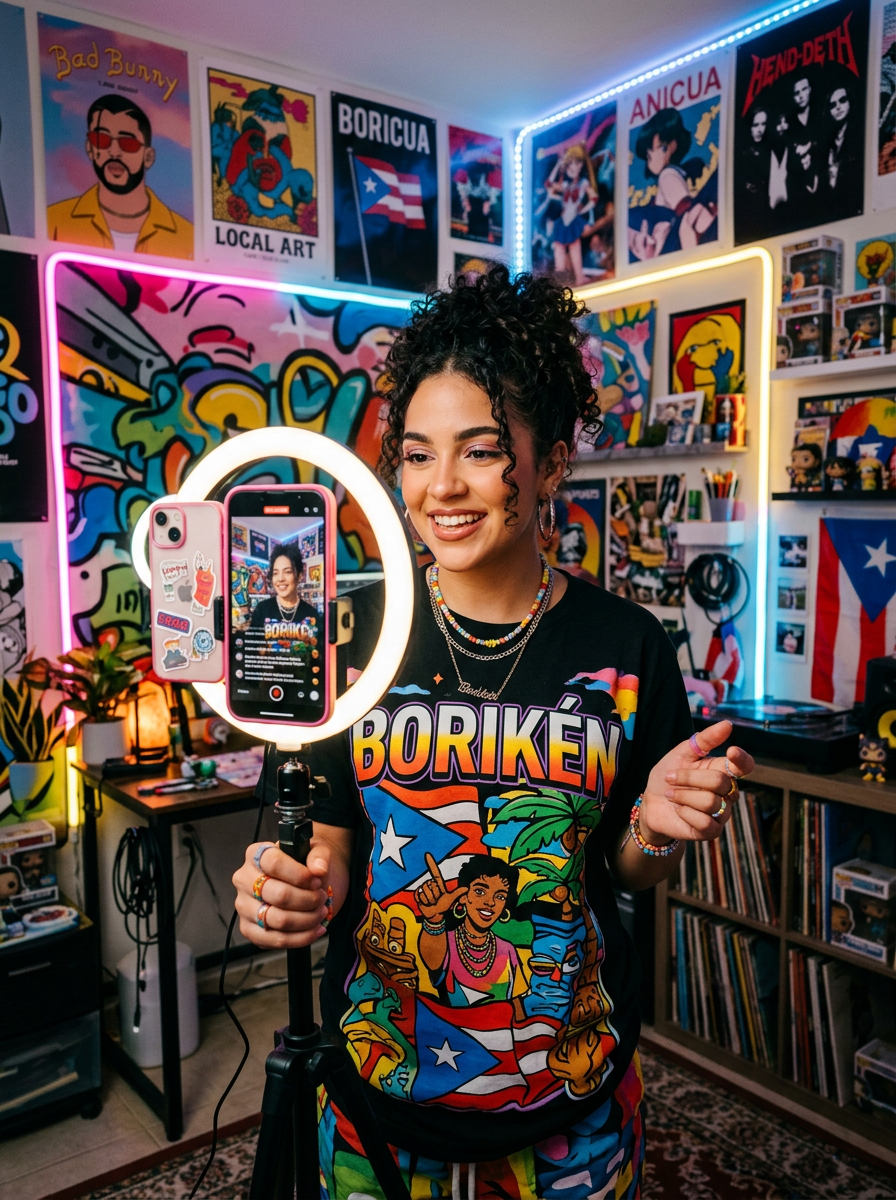
The Screen as Stage: TikTok, YouTube, and the New Performance

TikTok and YouTube have given the third generation something unprecedented: a global stage accessible from a bedroom in Bayamón or the Bronx. The result is a new aesthetic of the intimate spectacular — small, personal, often funny, but always performed.

Puerto Rican youth create content that blends the island's traditional humor (vacilón), music, food culture, and political commentary for global audiences. The porch conversation has become a viral video. The community gossip has become a podcast.

Image: Puerto Rican content creator filming for social media. Photo credit: Various / user-generated content / Getty Images.

41
Made byBobr AI

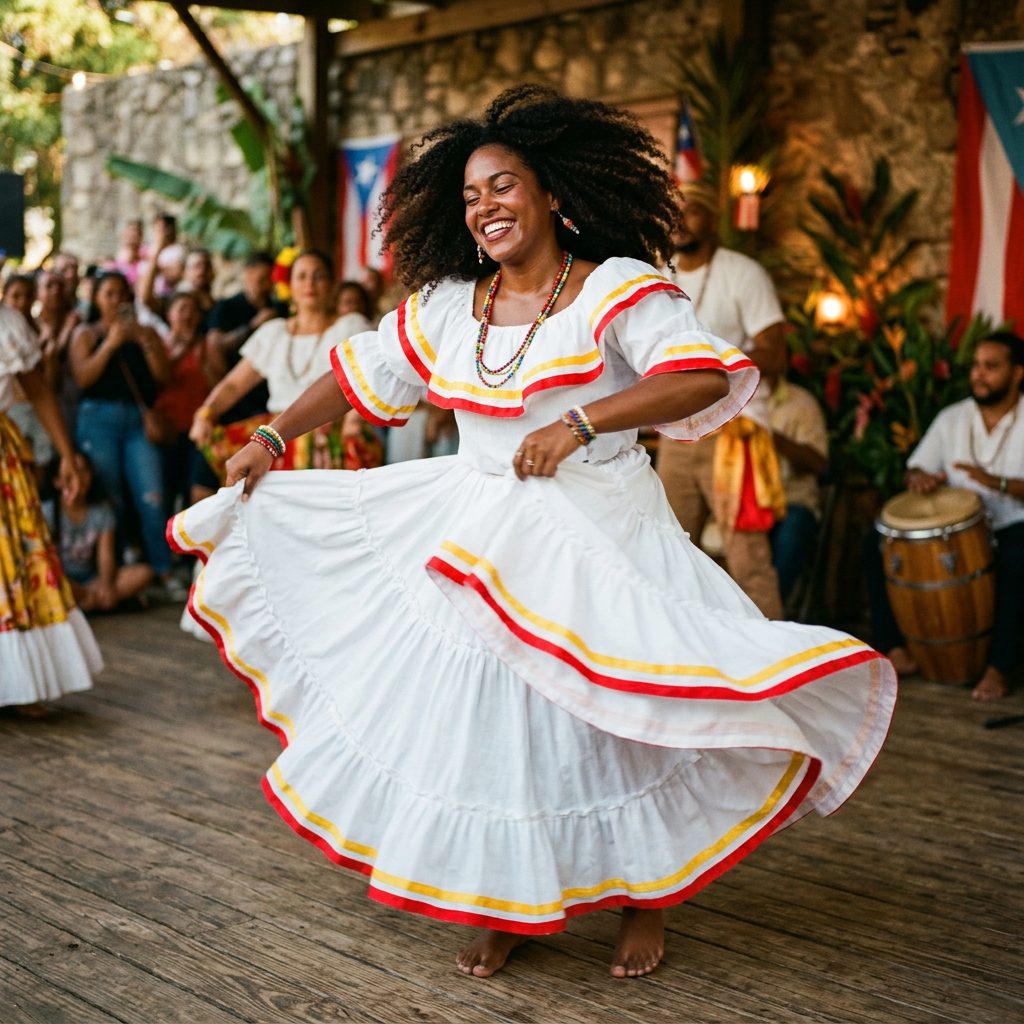
Image: Afro-Puerto Rican bomba dancer, Loíza, Puerto Rico. Photo credit: Various / Carlos Giusti / AP / Getty Images.

Afro-Puerto Rican Aesthetics: Recovering What Was Erased

For generations, Puerto Rican national identity was constructed around a myth of racial harmony ('la gran familia puertorriqueña') that suppressed the acknowledgment of anti-Black racism. Afro-Puerto Rican aesthetics — natural hair, bomba music and dress, the traditions of Loíza, the African-derived spiritual practices — were marginalized within the official cultural narrative. The third generation's social justice movements have insisted on their recovery: to affirm African Puerto Rican beauty is a decolonial act.

42
Made byBobr AI

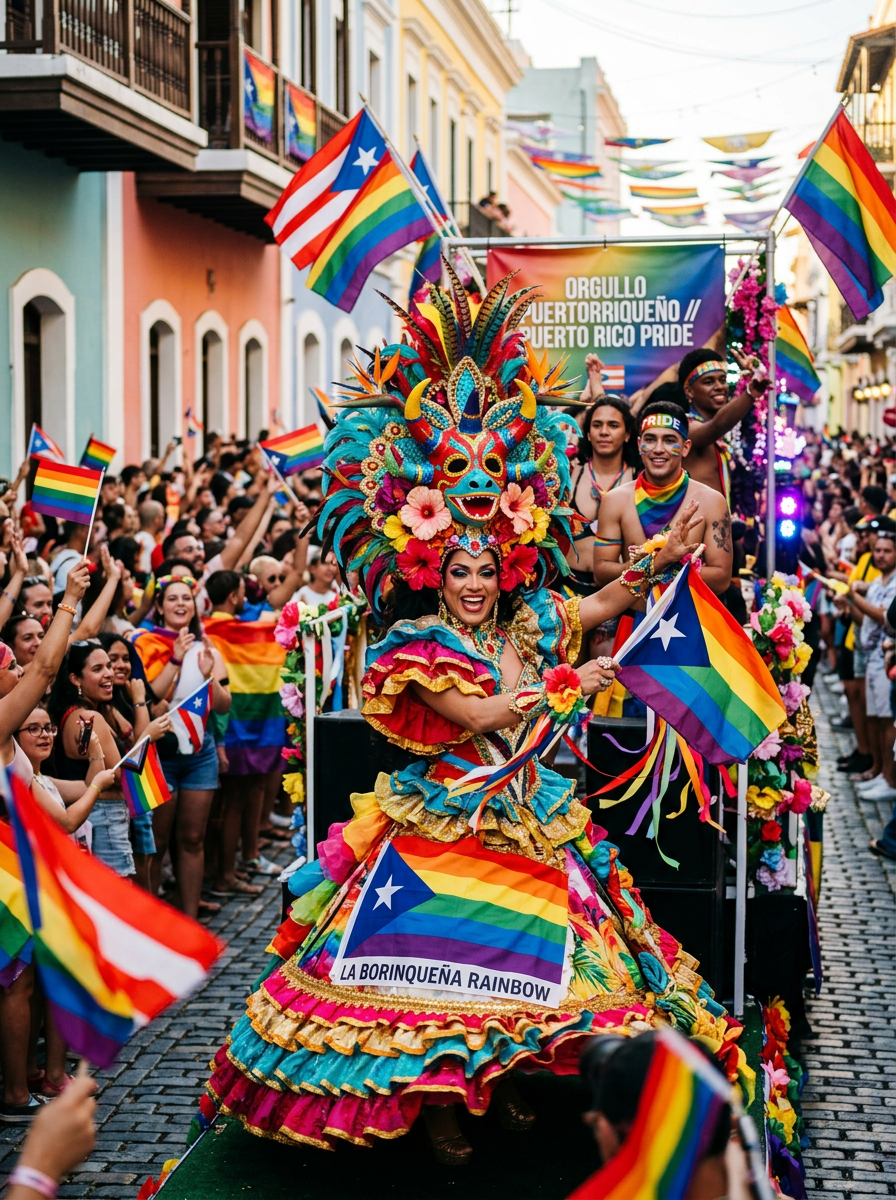
Image: Puerto Rican LGBTQ+ Pride celebration. Photo credit: Various / Getty Images / Community photography.

Queer Puerto Rican Aesthetics: Flipping the Script

Puerto Rican queer aesthetics represent one of the most dynamic decolonial artistic interventions of the contemporary moment. Drag artists, queer musicians, and LGBTQ+ activists have taken the island's rich visual vocabulary — the vejigante mask, the carnival costume, the religious icon — and queered them: transforming symbols of cultural tradition into vehicles of personal liberation. This is 'making special' in its most radical form: using the materials of one's own culture to imagine a freer self.

43
Made byBobr AI

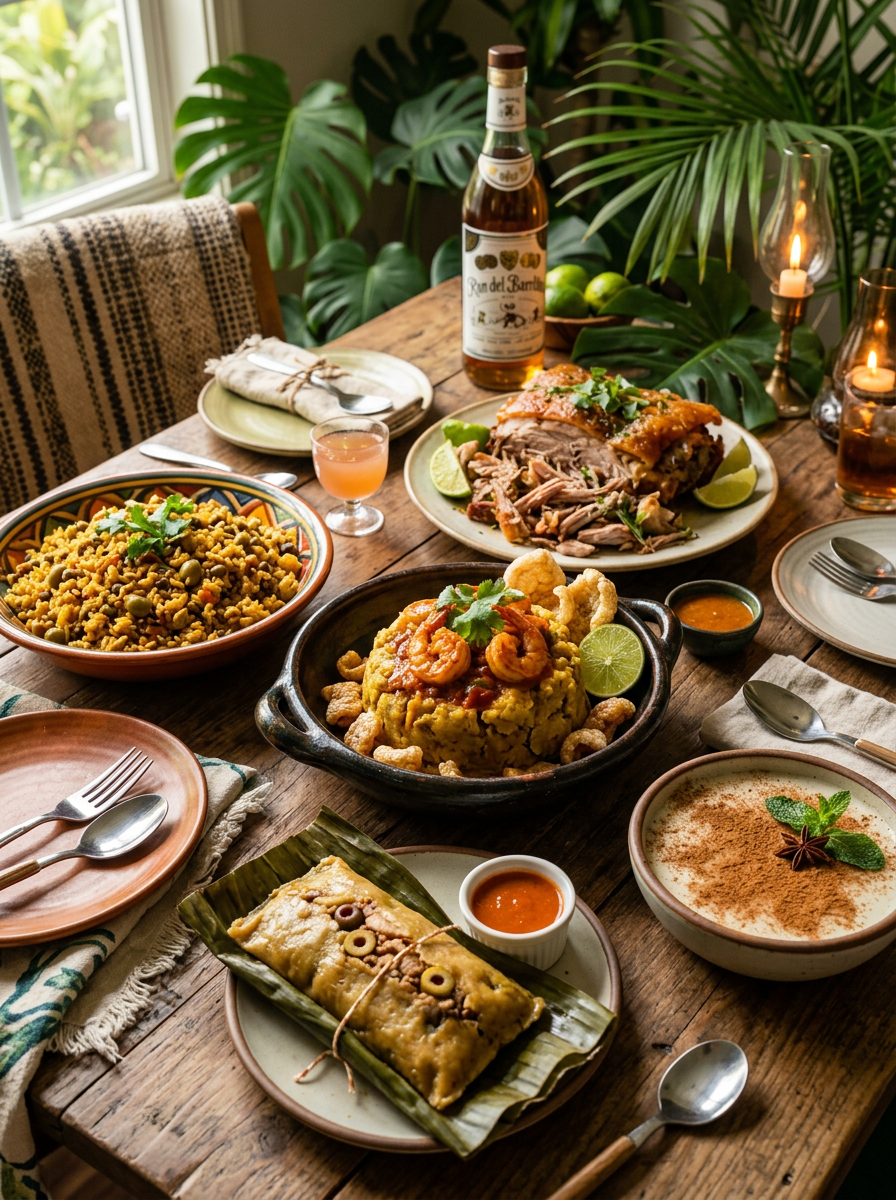
Image: Puerto Rican criollo cuisine. Photo credit: Various food photography / Getty Images / Restaurant press images.

Slide 44

The Food Aesthetic: From Survival to Sensation

"

Puerto Rican food has undergone a remarkable aesthetic revaluation across generations. For the first generation, food was primarily sustenance and love — grandmother's sofrito made from scratch, the smell of habichuelas simmering. For the second, it was nostalgia and identity — the Puerto Rican restaurant in New York as cultural embassy. For the third, food has become media content, fine dining inspiration, and aesthetic identity: chefs like José Enrique and Natalia Vallejo have elevated criollo cuisine to international critical acclaim.

Made byBobr AI

Part IV

Making Special

Everyday Survival as Cultural Signature

To make beauty from necessity is the oldest and most radical human act.

45

Made byBobr AI

Dissanayake's Theory Applied: Puerto Rico as Case Study

ordinary
to make special
made
special

Puerto Rican Examples

Painted Casita
Vejigante Mask
Salsa Music
Mural
Selfie

Ellen Dissanayake argues that art is not the province of genius or institutions — it is a universal human behavior. To 'make special' is to mark something as different from the ordinary through extra attention, labor, skill, or ceremony. Across three generations of Puerto Rican culture, this impulse appears in radically different forms — but the underlying drive is identical: to declare that this moment, this object, this body, this life matters. Puerto Rico offers a living case study of art's deepest evolutionary purpose.

Theoretical source: Ellen Dissanayake, Homo Aestheticus: Where Art Comes From and Why (1992), University of Washington Press.
46
Made byBobr AI
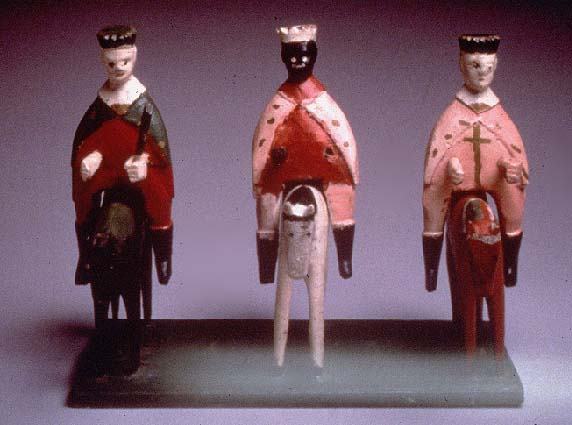
Santos de Palo

Image: Puerto Rican santos de palo. Photo credit: Collection of the Smithsonian Center for Latino Initiatives / Institute of Puerto Rican Culture.

The Santos de Palo: Wooden Saints as Making Special

The Puerto Rican santo de palo (carved wooden saint) is perhaps the purest example of Dissanayake's making special in the island's tradition. Made from local wood by self-taught santeros with penknives and faith, they are formally rough but spiritually powerful. Every imperfect brushstroke is an act of devotion. Every saint placed on a home altar is an act of consecrating that domestic space as sacred. The santo transforms the ordinary wooden shelf into a site of divine presence.

47

Made byBobr AI

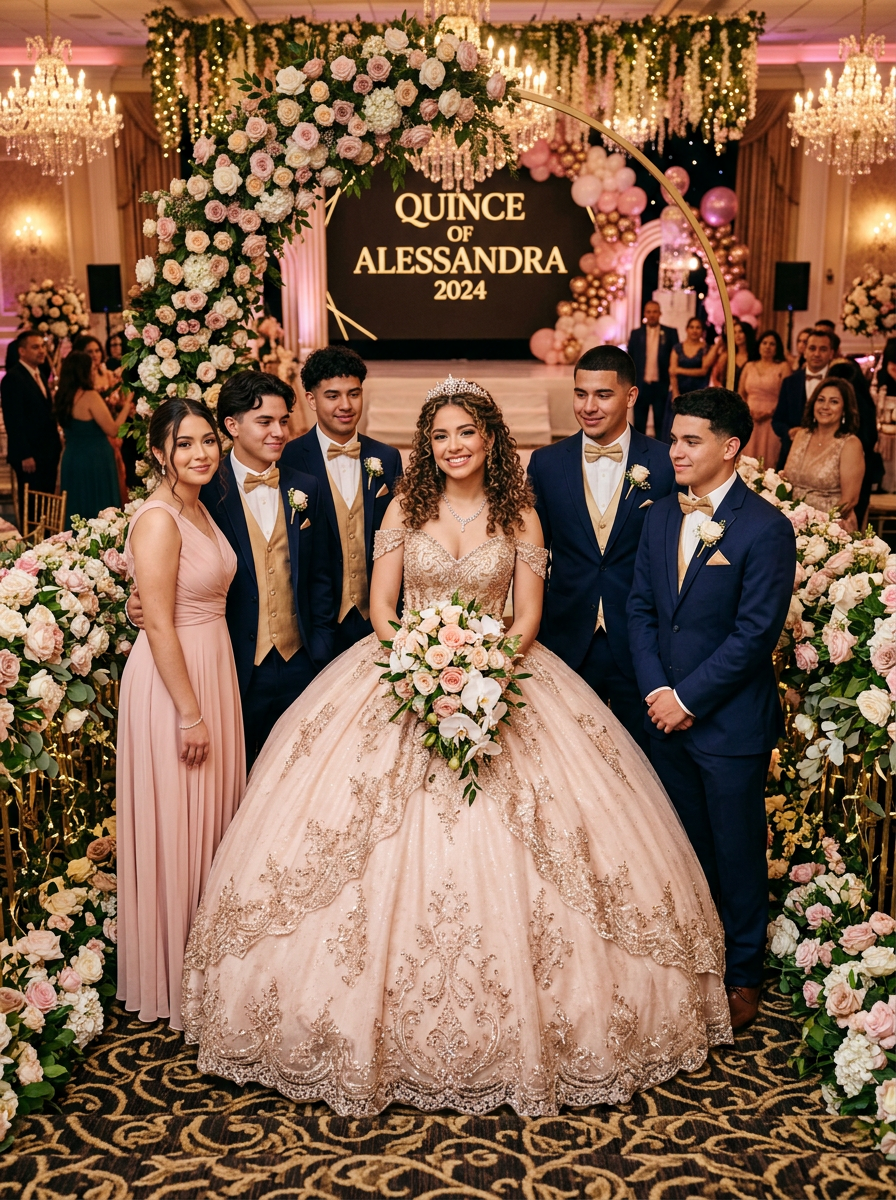
Image: Puerto Rican quinceañera celebration. Photo credit: Various / family and event photography archives.

The Quinceañera: Ritual as Aesthetic Event

The quinceañera is a masterwork of collective making special. Every element is deliberate and ceremonial: the dress chosen months in advance, the tiara placed by the father, the last doll symbolizing childhood's end, the waltz rehearsed for weeks. For families of modest means, the quinceañera often requires sacrifice — yet it is offered without hesitation. The ritual insists that this girl, this moment, this transition deserves the full weight of beauty. It is art as love made visible.

48

Made byBobr AI
49

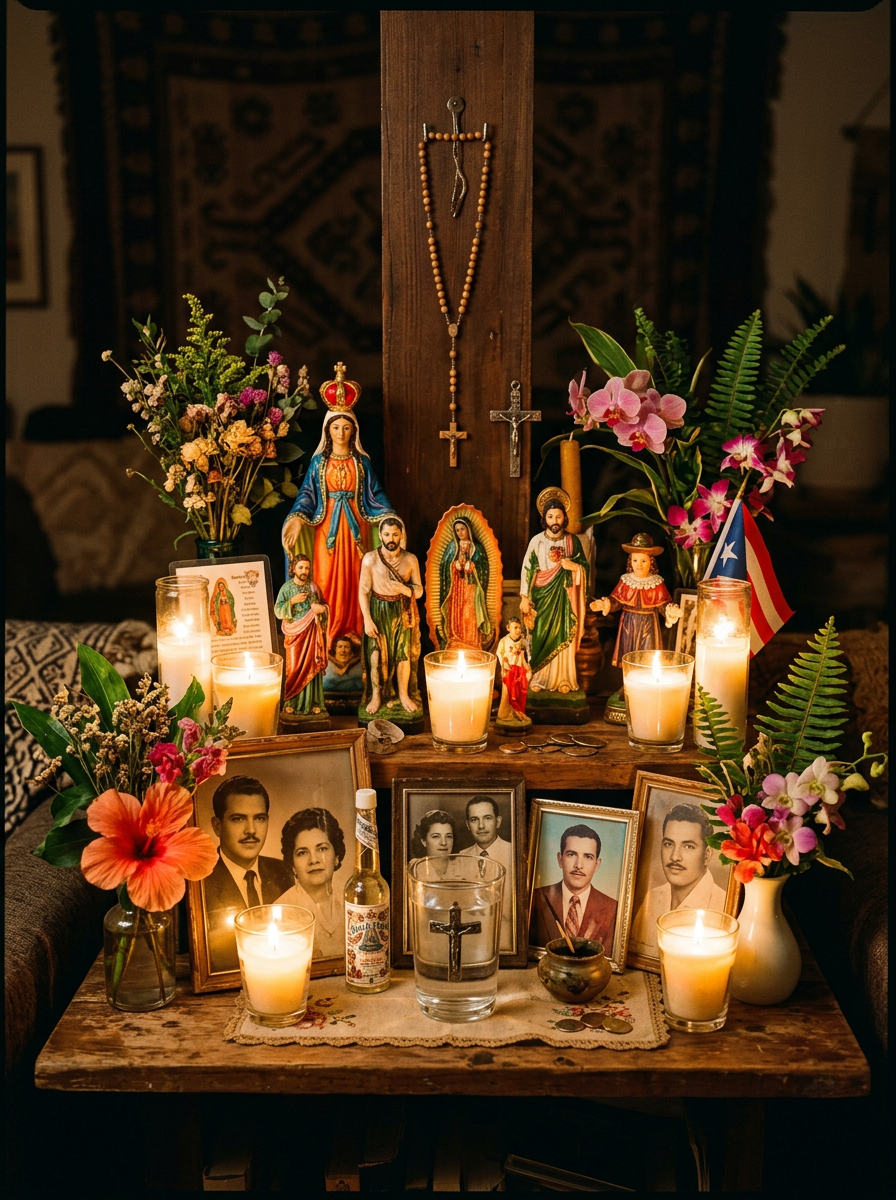
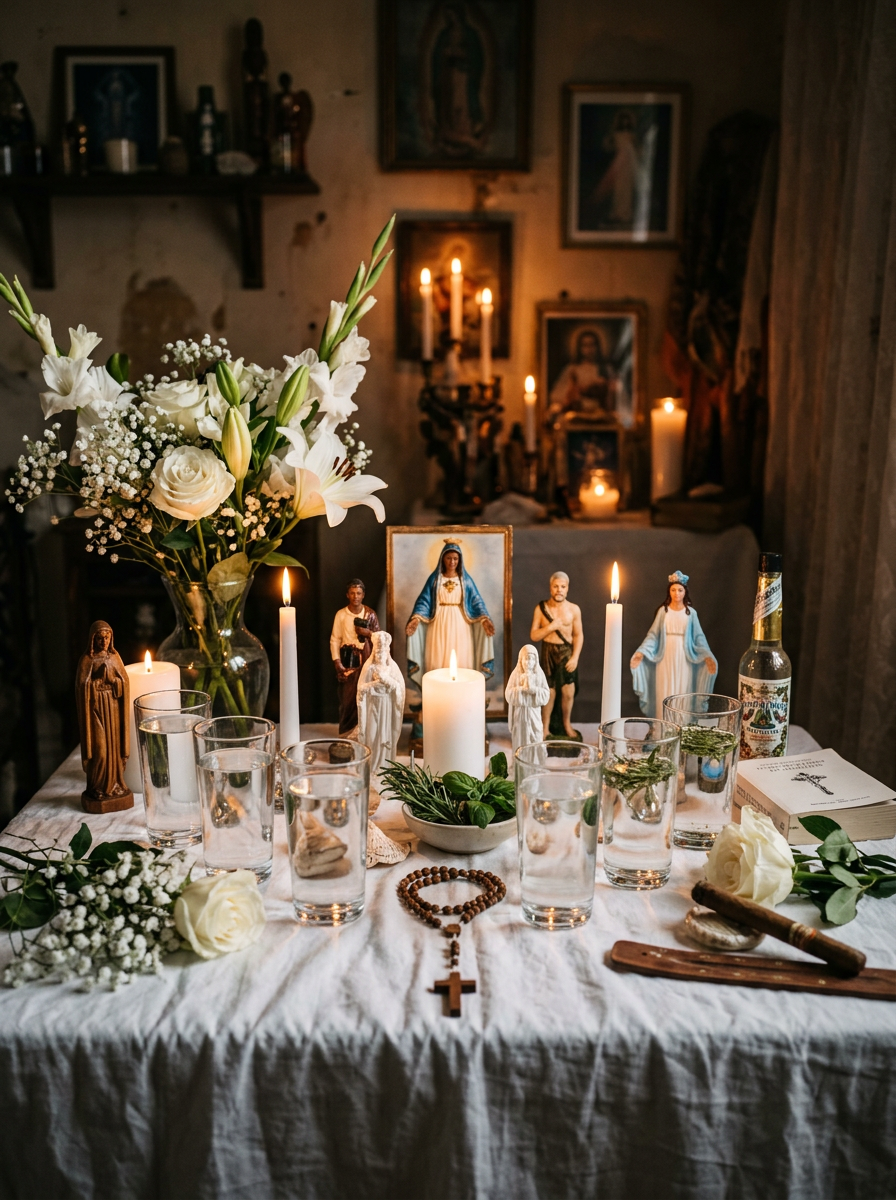
Image: Puerto Rican home altar. Photo credit: Various / Documentary photography / Getty Images.

The Altar: Domestic Sacred Space as Installation Art

The Puerto Rican home altar — the altarcito — is a form of installation art that is remade constantly throughout the year. It is an aesthetic collaboration between the living and the dead, the sacred and the domestic. Its arrangement follows no formal rules except devotion: what feels right, what the saint seems to want, what grandmother taught. The altarcito makes the home corner into a threshold between worlds — the most intimate act of making special.

Made byBobr AI
50

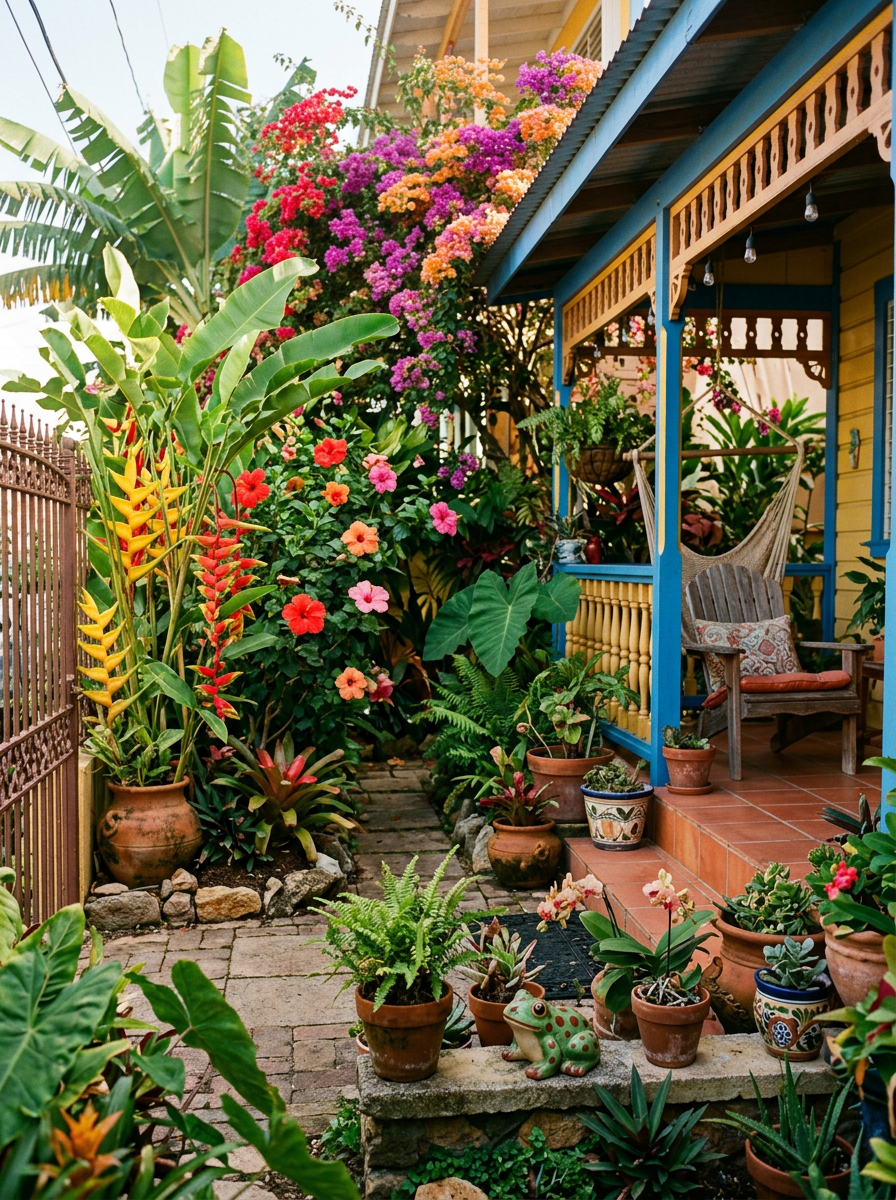
The Garden: Cultivating Beauty as Resistance

To plant a garden in Puerto Rico — especially in conditions of poverty — is an aesthetic and political act. The plants are chosen for beauty and use: some heal, some feed, some smell divine, some attract hummingbirds.

The garden extends the self into the world: this is my beauty, maintained daily. For the first generation, the garden was also continuous with African and Taíno relationships to the land — a form of cultural memory growing in the soil of the present.

Image: Puerto Rican tropical garden. Photo credit: Various / Creative Commons.

Made byBobr AI

Part V

Decolonial Aesthetics

The Perceiver and the Perceived

"Who decides what is beautiful? Whose gaze defines the real?"

51

Made byBobr AI

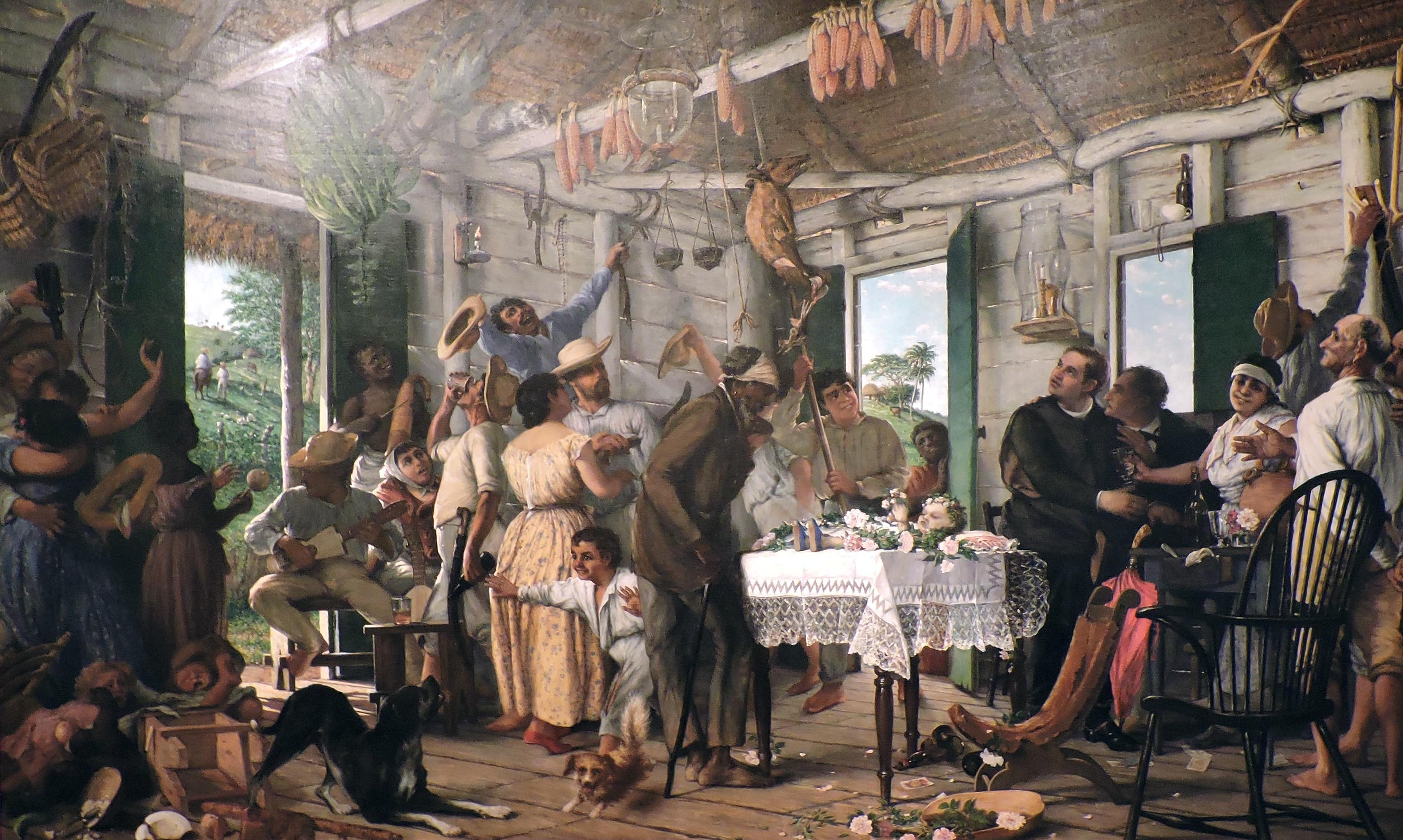
Image: 19th century travel illustration of Puerto Rico. Source: Library of Congress / Public domain.

The Colonial Gaze: How Empires See Their Colonies

From the Spanish conquest to American military photographs, Puerto Rico has been seen — and depicted — through the eyes of its colonizers. The colonial gaze defines the native as primitive, picturesque, or exotic: never complex, never the subject, always the object. This gaze shaped what was collected in museums, what appeared in textbooks, what was considered art. Decolonial aesthetics begins with the recognition that this gaze is not neutral — it is a form of power, and it can be refused.

52

Made byBobr AI

Aníbal Quijano (1928–2018)

Theoretical Framework

Aníbal Quijano and the Coloniality of Power

Aníbal Quijano's concept of the 'coloniality of power' argues that colonialism did not end with political independence — it continued through the organization of knowledge, beauty, and value. In the aesthetic realm, this means that European standards of beauty, composition, harmony, and artistic value were imposed as universal when they were in fact provincial. Puerto Rican aesthetics — bright colors, rhythmic excess, sensory density — were measured against European classical norms and found 'garish,' 'loud,' 'primitive.' Decolonial aesthetics refuses this measurement.

Theoretical source: Aníbal Quijano, 'Coloniality of Power, Eurocentrism, and Latin America,' Nepantla (2000).

53
Made byBobr AI
The Decolonial Turn

Walter Mignolo and the Decolonial Option

Walter Mignolo argues that decoloniality is not merely a political project but an epistemic and aesthetic one: a wholesale questioning of the categories through which we organize knowledge and experience. For aesthetics, the 'decolonial option' means refusing the divide between 'art' (high culture, European forms) and 'craft' (low culture, indigenous and popular forms).

It means asking: who decided that oil painting is art and vejigante-making is craft? Whose economic and racial interests did that distinction serve? And what happens to our understanding of beauty when we refuse it?

Theoretical source: Walter Mignolo, Local Histories / Global Designs (2000), Princeton University Press.

54
Made byBobr AI
55

Image: Puerto Rican self-portraiture and representation. Photo credit: Various / artist collections.

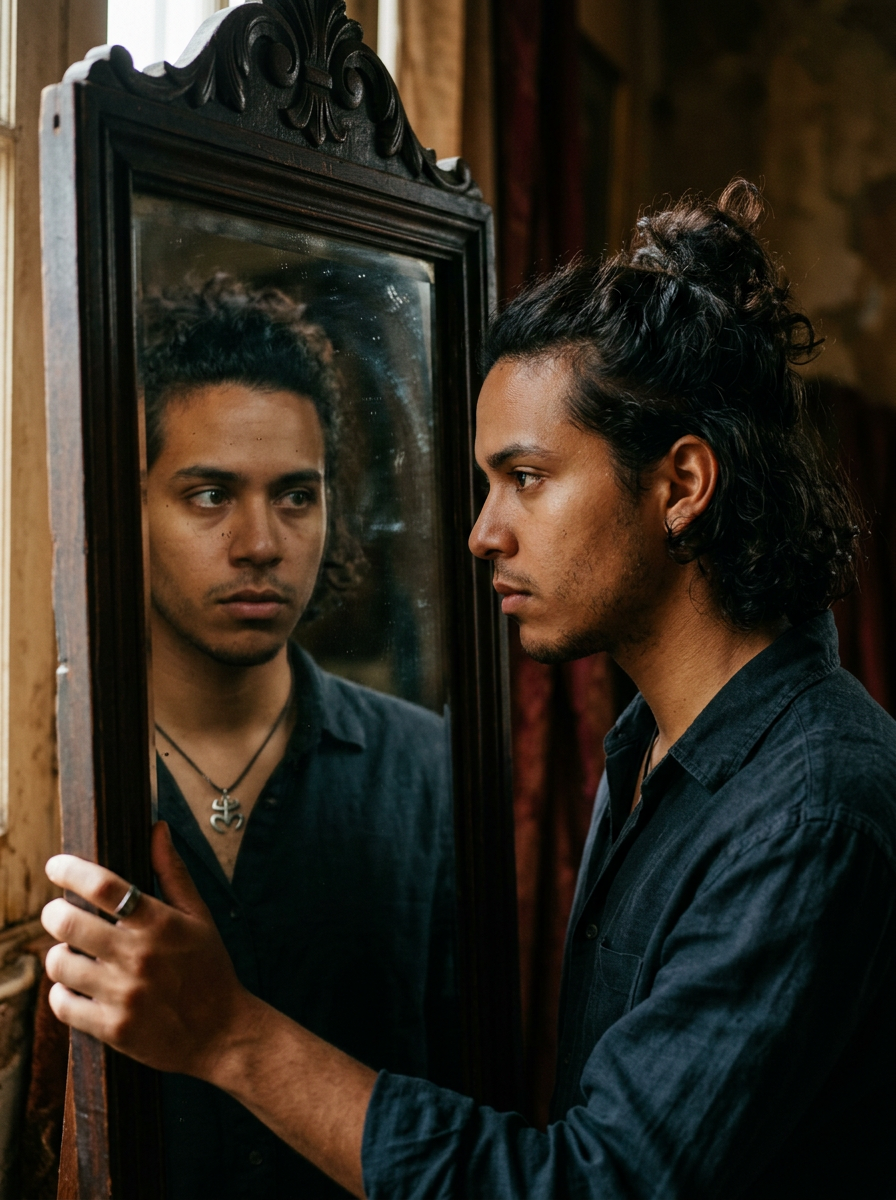
Seeing Yourself in the Mirror: Representation and Self-Perception

The question of who controls the image of Puerto Rico is not merely aesthetic — it is existential. For generations, Puerto Ricans were seen through American eyes as either exotic servants (West Side Story), dangerous criminals (crime statistics), or pitiable disaster victims. Against these images, Puerto Rican artists and cultural producers have insisted on the right of self-representation: to see themselves as they know themselves to be.

Made byBobr AI

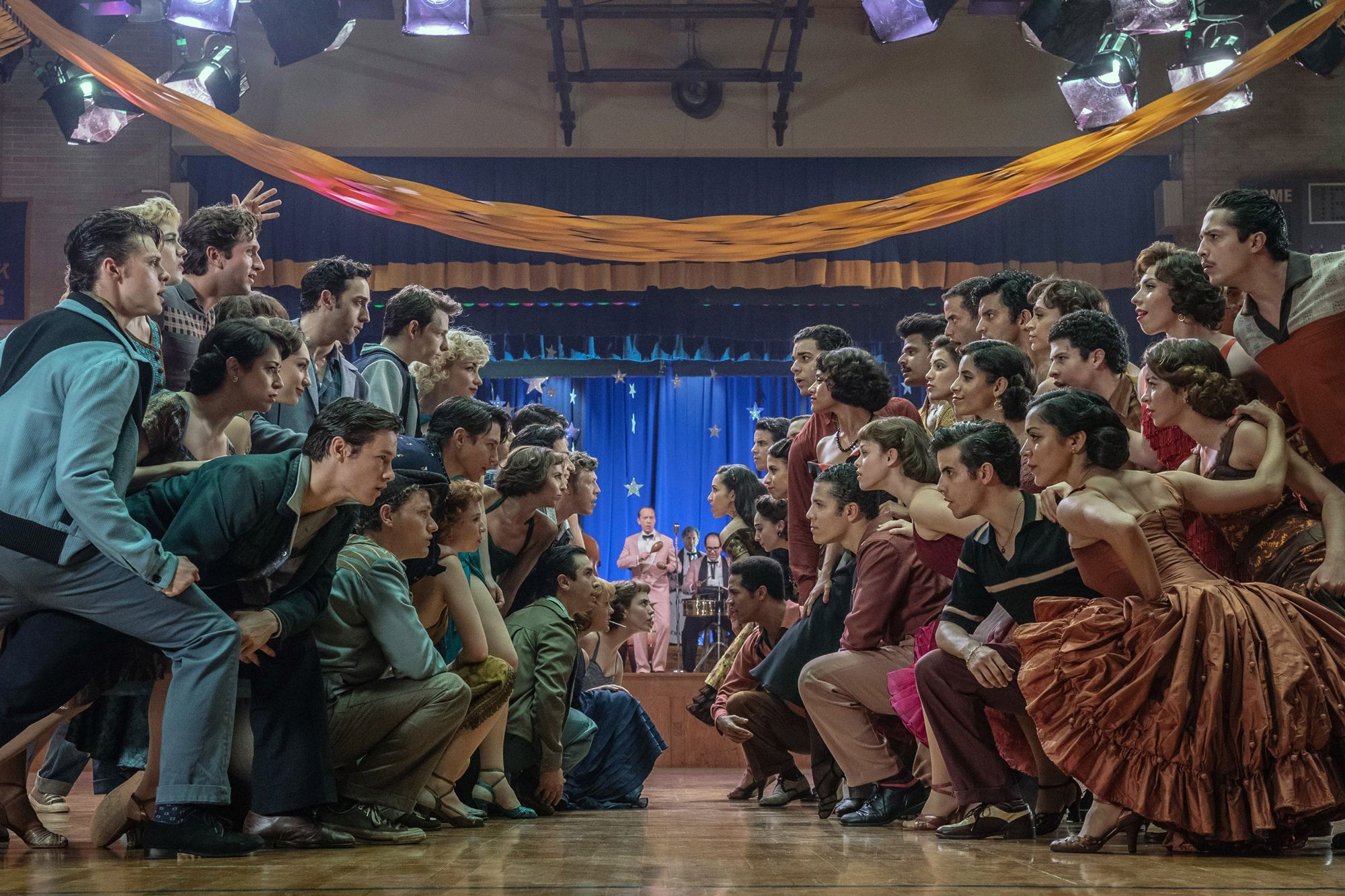
West Side Story and the Colonial Gaze in Cinema

West Side Story — first as Broadway musical (1957), then film (1961), then Spielberg remake (2021) — is perhaps the most globally influential aesthetic representation of Puerto Ricans in American culture. Its Puerto Rican characters are vibrant and passionate, but they exist primarily as the 'other' against which American identity is defined. The 1961 film used non-Puerto Rican actors in brownface; the 2021 version cast actual Latinos. This evolution itself tells the story of six decades of shifting power in the aesthetics of representation.

Image: West Side Story (1961 / 2021). Photo credit: United Artists / Mirisch Corporation / 20th Century Studios.

56
Made byBobr AI

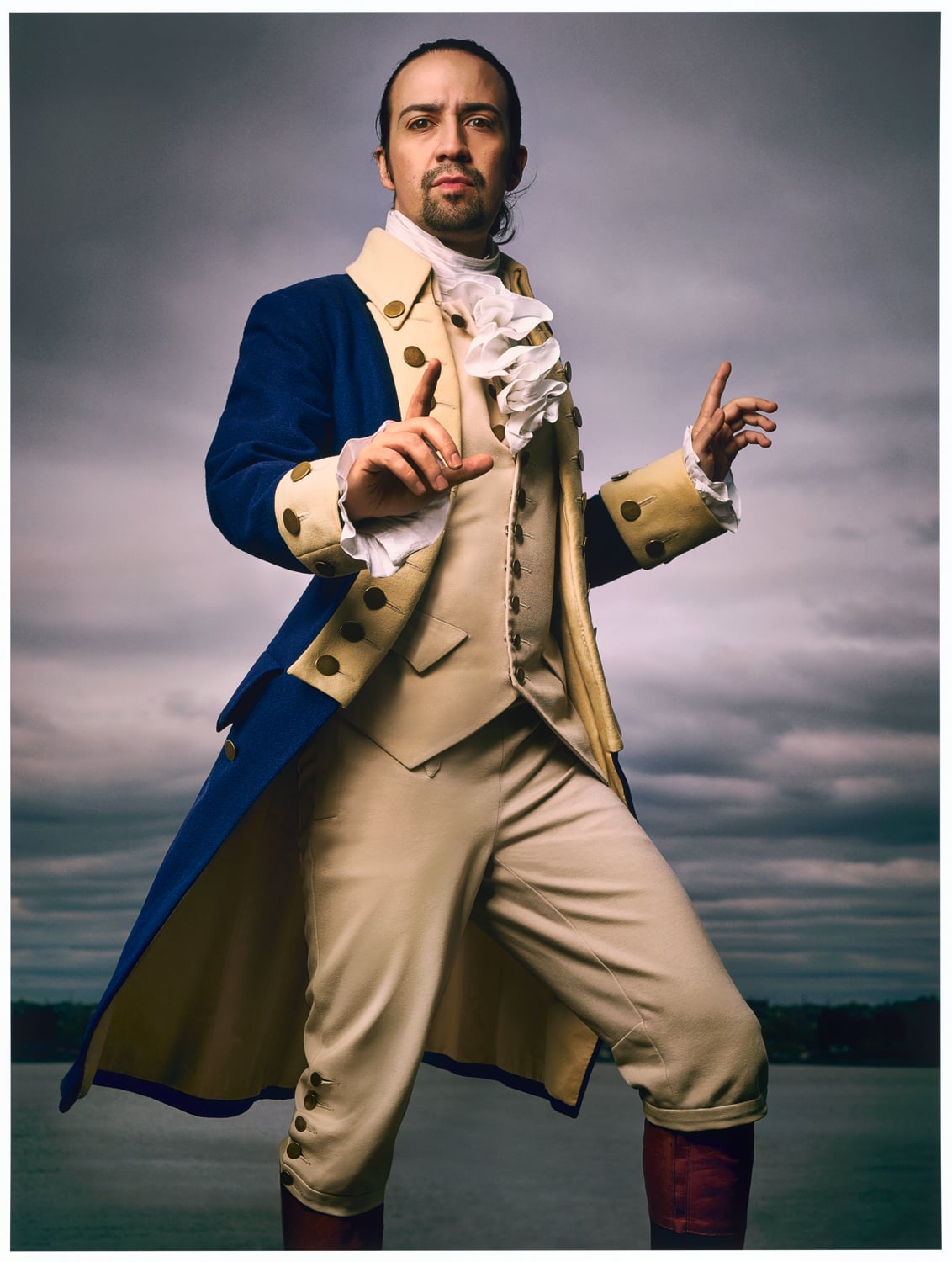
Image: Lin-Manuel Miranda. Photo credit: Various press photography / Getty Images.

Lin-Manuel Miranda and the Aesthetics of Reclamation

Lin-Manuel Miranda — born in New York to Puerto Rican parents from Vega Alta — represents the most commercially successful instance of Puerto Rican aesthetic self-assertion in American cultural history. Hamilton reclaimed the American founding narrative through Black and Latino bodies and hip-hop music: a decolonial aesthetic act of the highest order. In the Heights celebrated Washington Heights' Dominican-Puerto Rican community as worthy of musical theater. Miranda's work insists that Latino aesthetics are not supplementary to American culture — they are constitutive of it.

57

Made byBobr AI

Part VI

Faith, Reality, and the Sacred

Religious Vision across Three Generations

In the beginning was the Word — and in Puerto Rico, the Word was sung, carved, painted, and danced.

58
Made byBobr AI

59

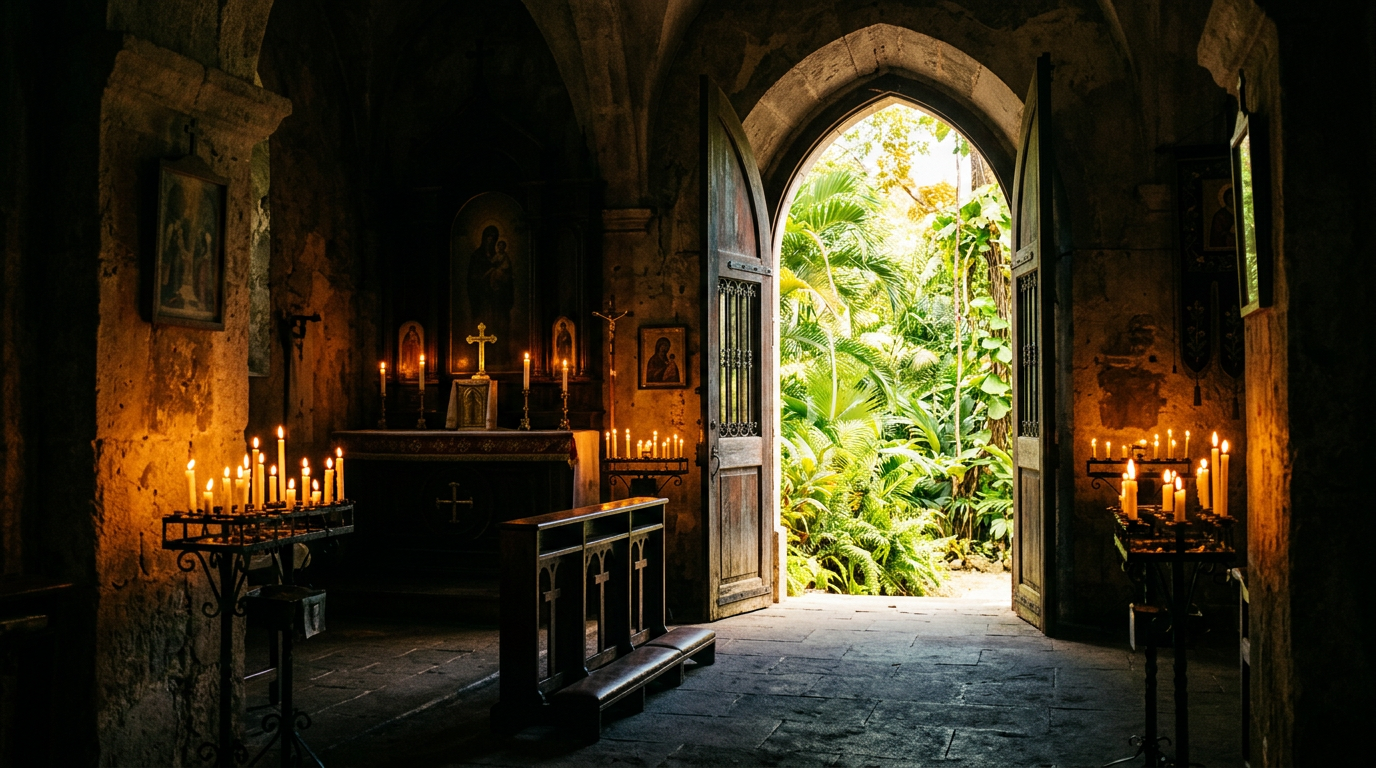
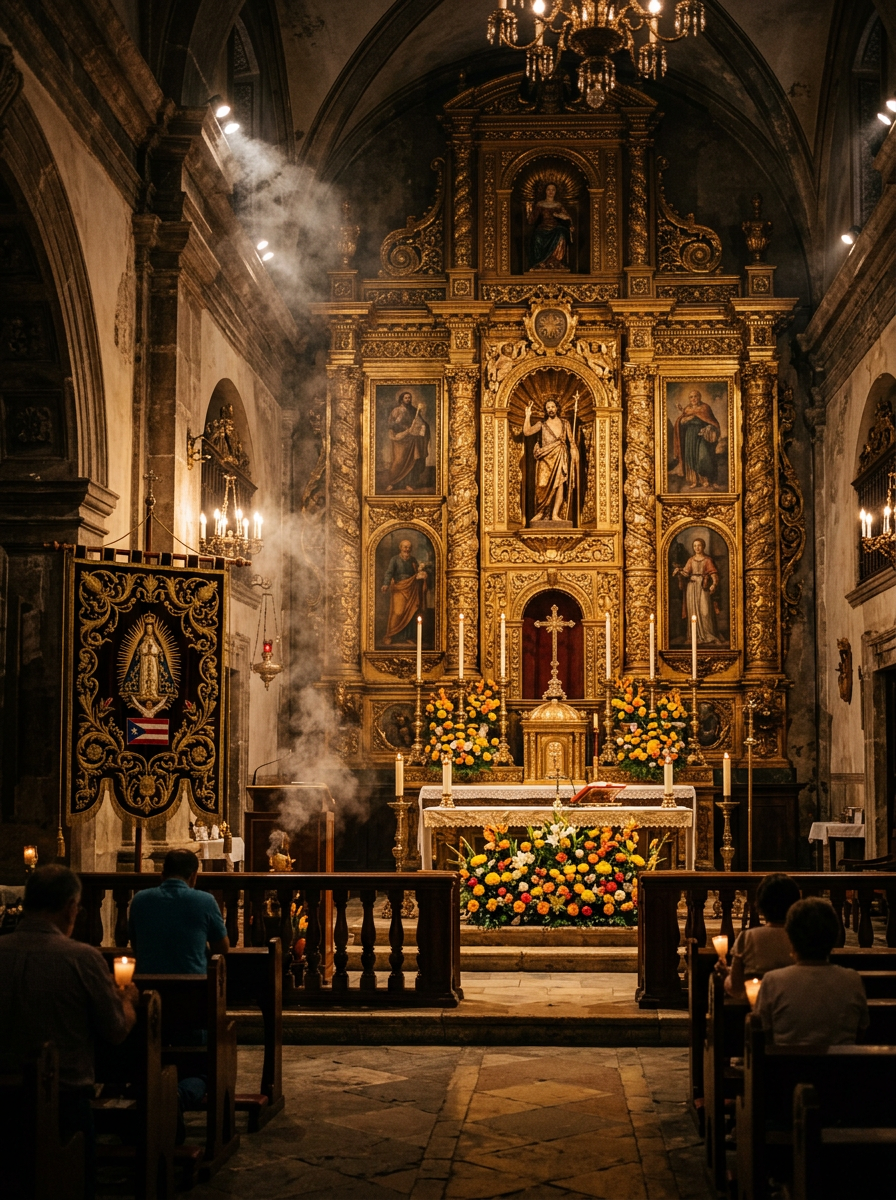
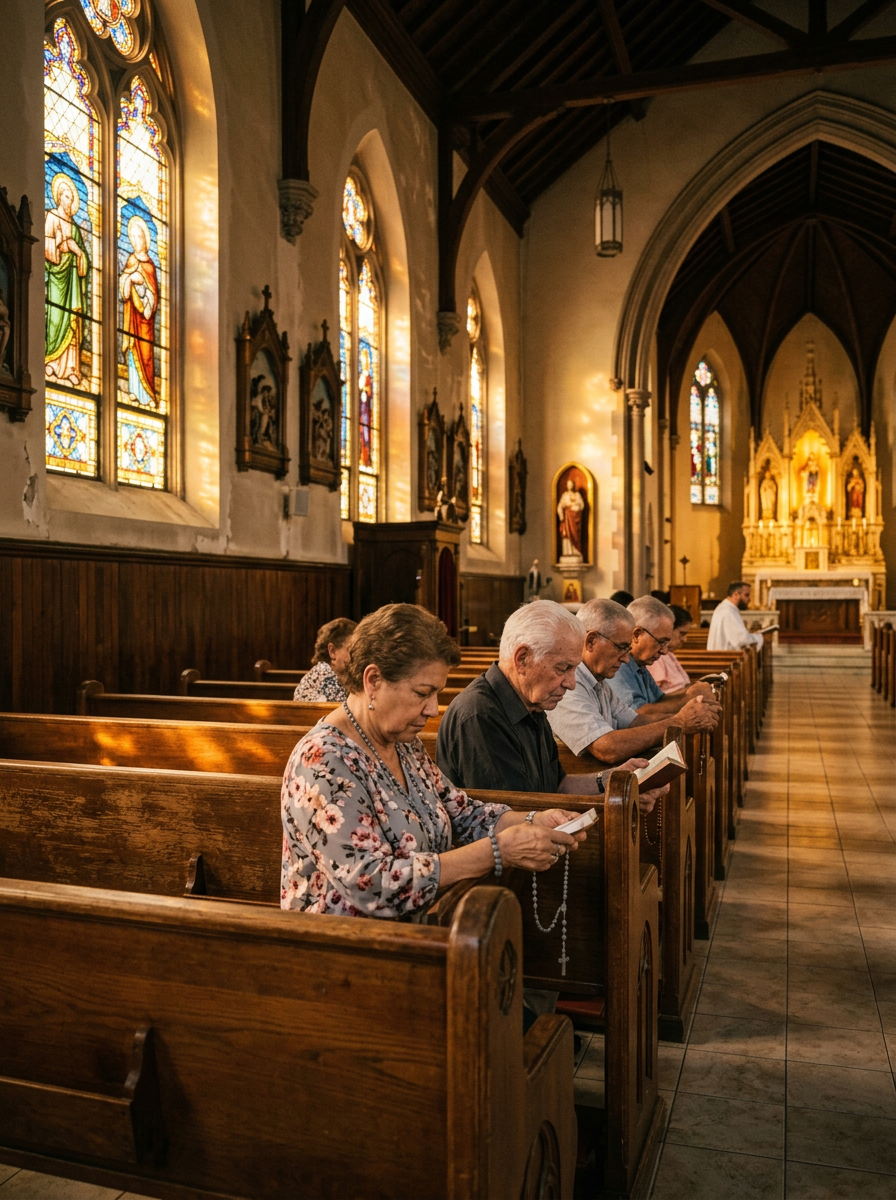
Catholic Visual Culture: The Aesthetic of the Sacred in the First Generation

For the first generation, Catholicism was not merely a religion — it was a total aesthetic system. The church provided the most elaborate visual experience in a world otherwise defined by scarcity.

Gilded altarpieces, painted plaster saints, embroidered vestments, the incense smoke curling upward, the sound of the organ or the choir — all composed a sensory world of transcendence.

"The church told you: beauty exists, the sacred is real, and your suffering is witnessed by a God who is beautiful."

Image: Catedral de San Juan Bautista, Puerto Rico. Photo credit: Various / Creative Commons.

Made byBobr AI

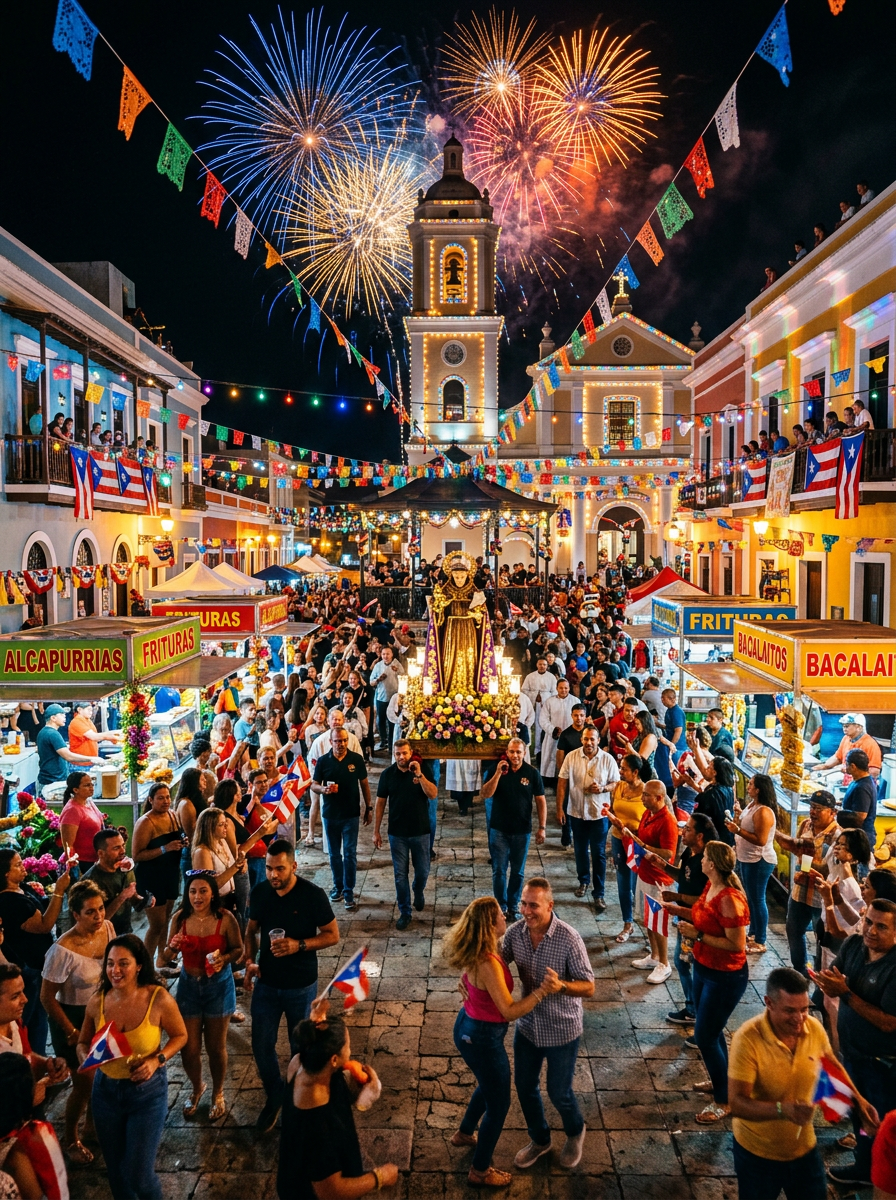
Image: Fiesta patronal, Puerto Rico. Photo credit: Various / Puerto Rico Tourism Company / Getty Images.

Fiesta Patronal: The Saint's Day as Total Artwork

Every Puerto Rican municipality celebrates the feast day of its patron saint with a fiesta patronal that lasts several days. This is Puerto Rico's most enduring and complete aesthetic form: it integrates music, dance, religious ceremony, food, visual decoration, theater, and community participation into a single event. The entire town becomes a stage; every citizen is simultaneously performer and audience. The fiesta patronal is the original Puerto Rican spectacle — the model that all subsequent generations would secularize and amplify.

60

Made byBobr AI

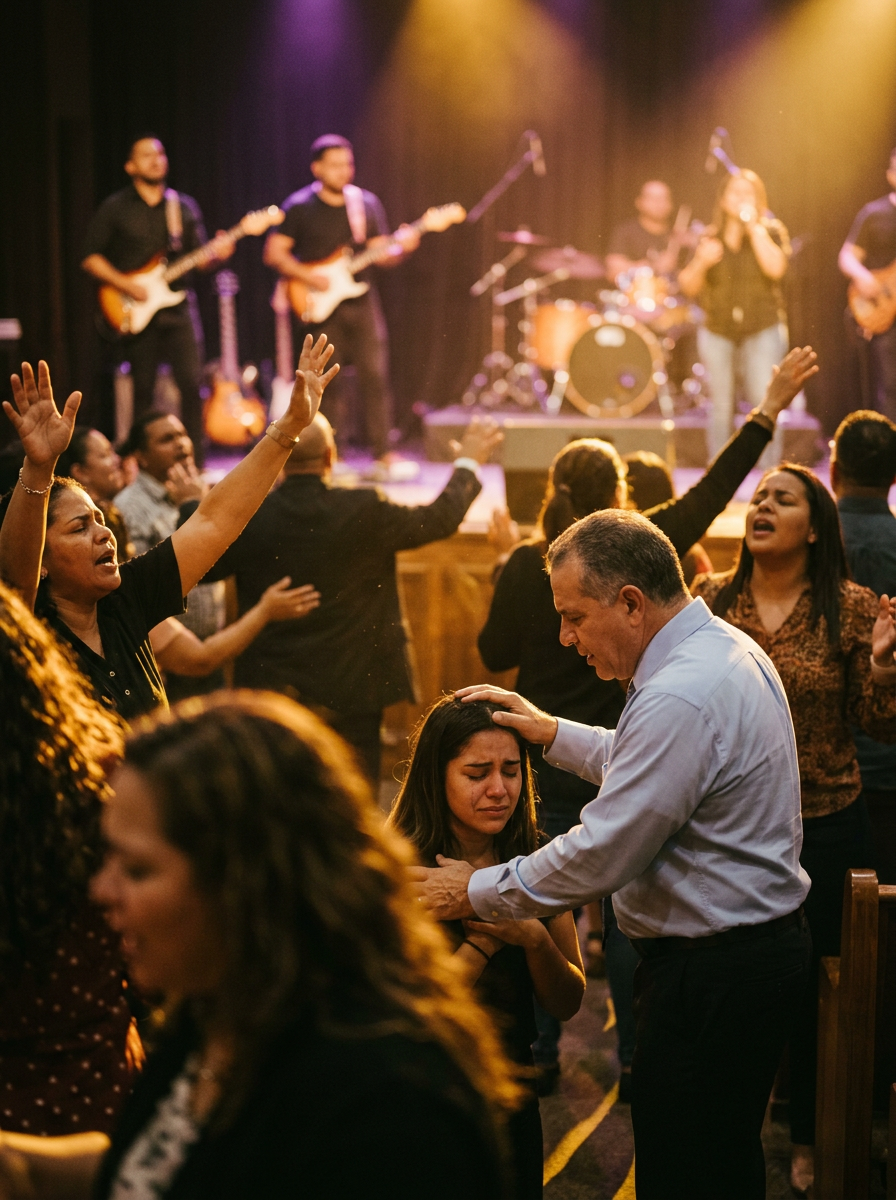
Image: Pentecostal worship service, Puerto Rico. Photo credit: Various / religious documentary archives.

Pentecostalism and the Aesthetic of Direct Experience

The shift from Catholic to Pentecostal and evangelical Christianity in Puerto Rico — accelerating through the second and third generations — was also an aesthetic shift. Where Catholicism offered mediated beauty (through icons, ritual, hierarchy), Pentecostalism offered direct experience: the immediate encounter with the Holy Spirit, available to the poor and uneducated without priestly mediation. Its aesthetic was kinetic and sonic — the rhythm of worship, the testimony, the miracle — rather than visual. The body in worship was itself the beautiful object.

61

Made byBobr AI
Image: Puerto Rican espiritismo materials. Photo credit: Various / Anthropological and documentary archives.
Spiritual Undercurrents

Santería and Espiritismo: The Hidden Aesthetic of the Spirit World

Beneath the official Catholic aesthetics of Puerto Rico runs a deeper, older current: espiritismo (spiritism, derived from Allan Kardec but thoroughly tropicalized) and elements of African-derived Lucumí/Santería religion.

These traditions have their own rich aesthetic systems — the colors of the orishas, the beaded necklaces (elekes), the ritual foods, the elaborate altars. For many Puerto Ricans across all three generations, these spiritual aesthetics exist quietly alongside (or beneath) Christianity — a syncretic sensory world that colonial authorities could never fully suppress.
62
Made byBobr AI

Faith in the Third Generation:
From Pew to Screen

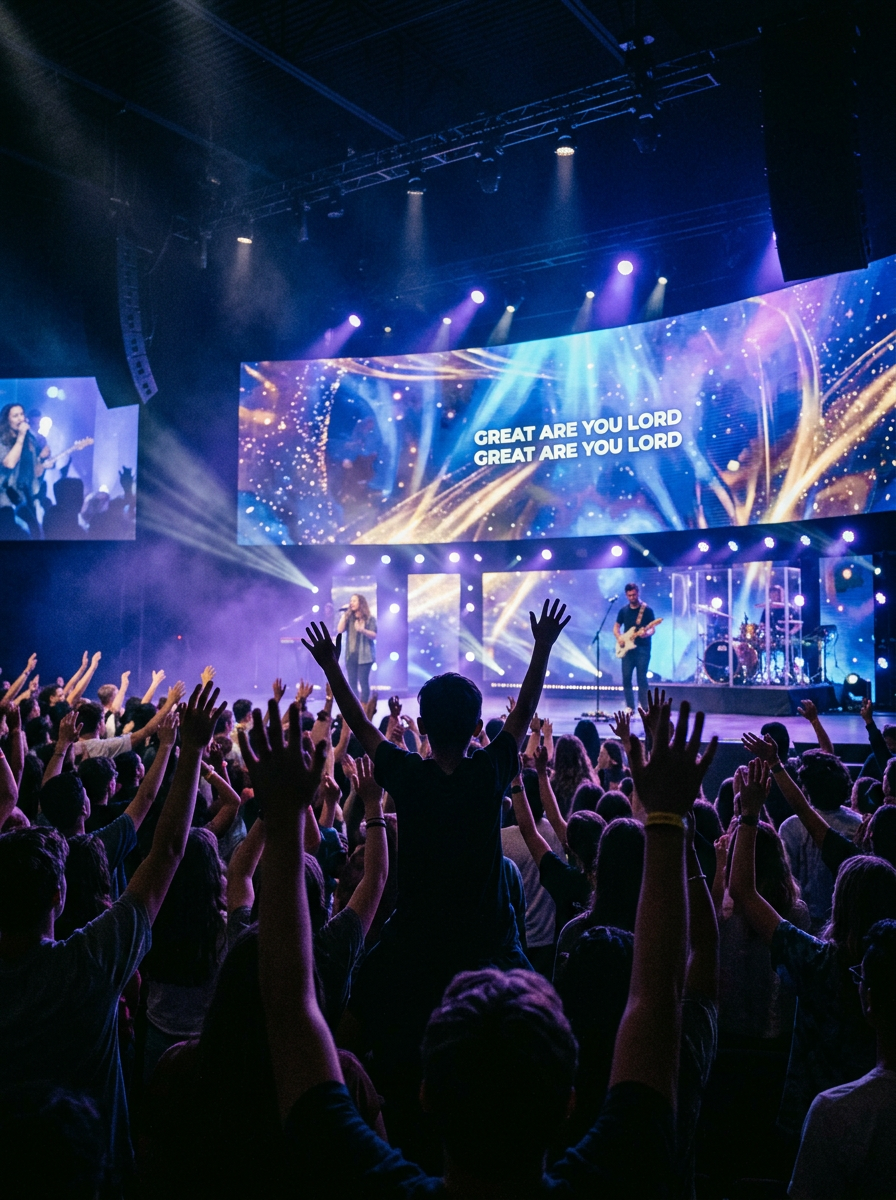
For the third generation, faith itself has undergone an aesthetic transformation. Megachurches with professional lighting, worship music indistinguishable from pop, livestreamed sermons, pastors with Instagram followings of millions — the aesthetics of secular media have fully colonized the sacred. Yet this cuts both ways: faith has also colonized media culture. Bad Bunny thanks God at award shows. Reggaeton artists get neck tattoos of the Virgin. Decolonial theology insists that God looks like the people — and in Puerto Rico, that means God speaks Spanish and dances.

63

Image: Contemporary faith and media in Puerto Rico. Photo credit: Various / Getty Images.

Made byBobr AI

Conclusion: The Thread That Runs Through

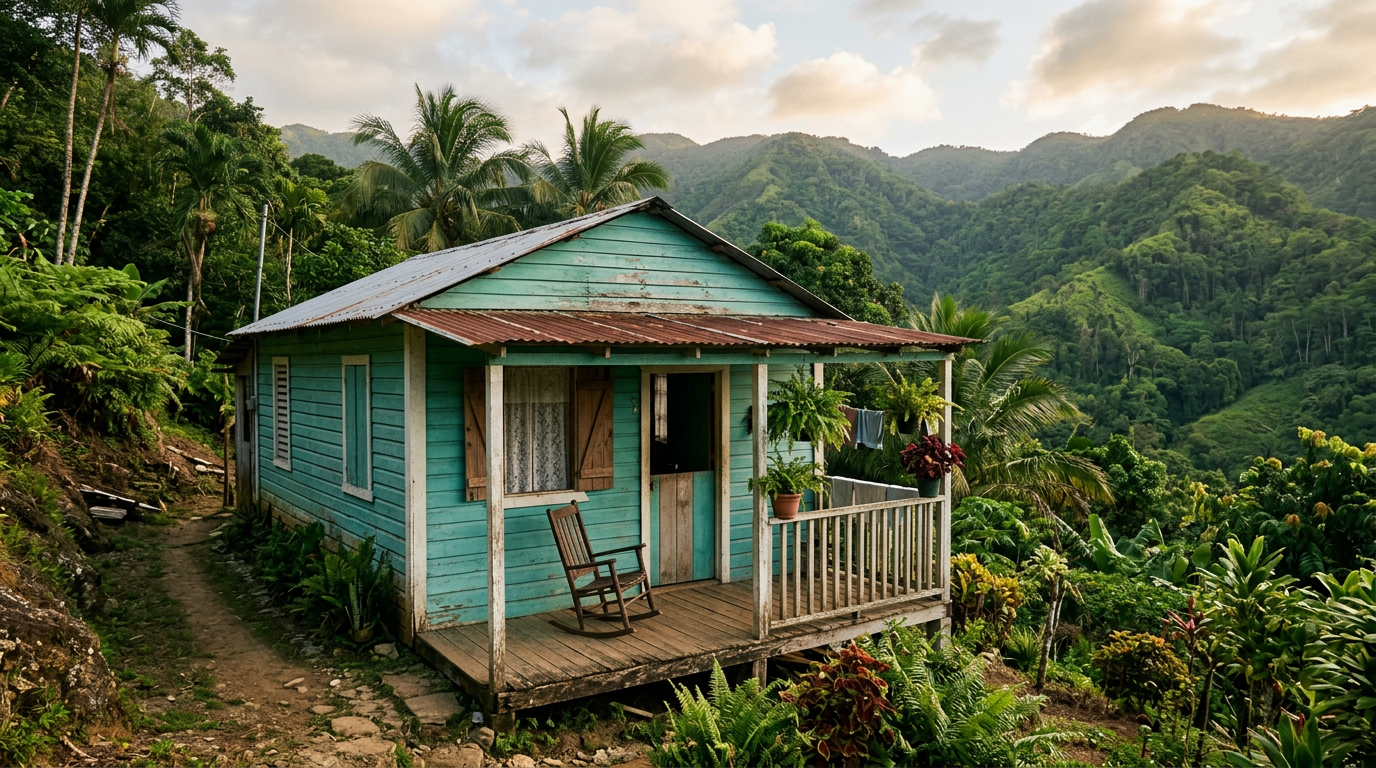
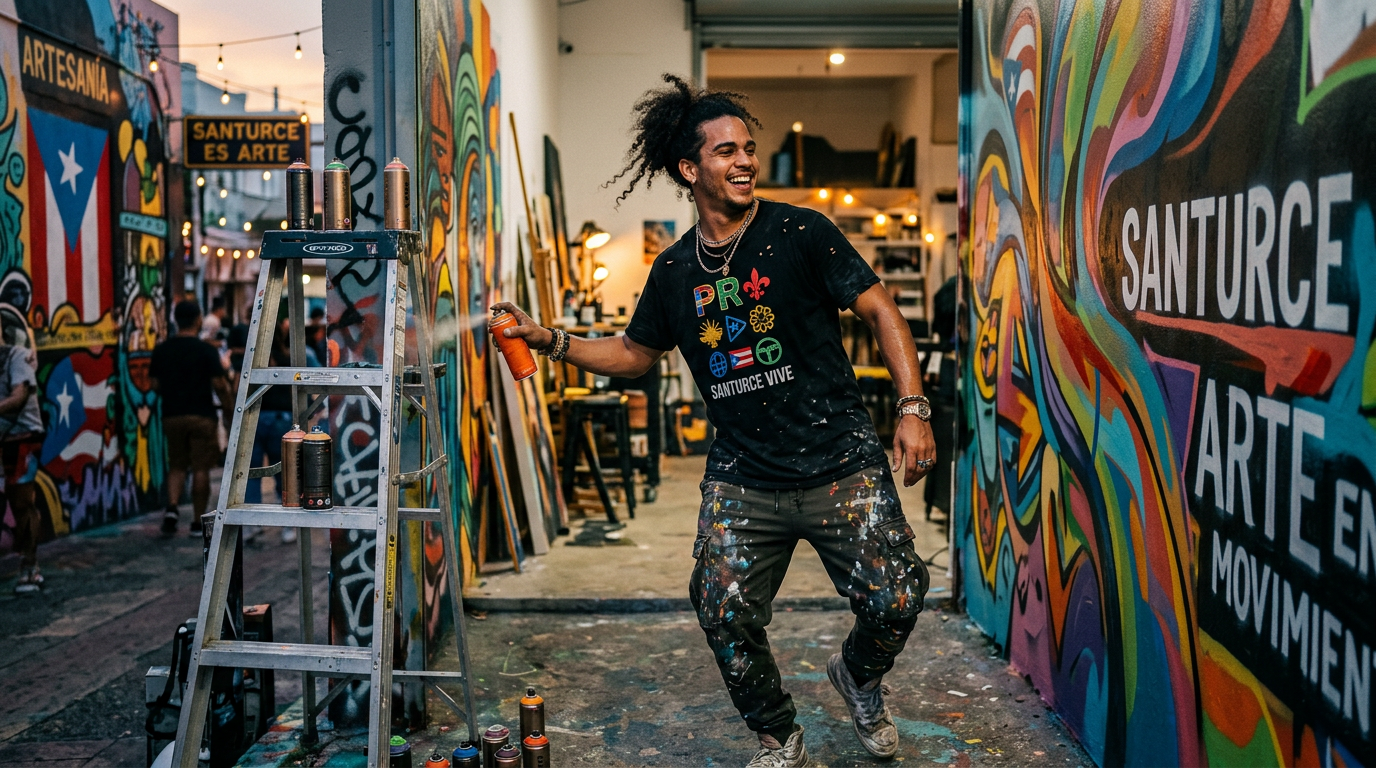
What unites the grandmother painting her casita turquoise in the 1950s mountains of Utuado, the activist painting a mural in the South Bronx in 1972, and the young artist going viral on TikTok from Santurce today?

The same impulse: to insist that this life — this body, this community, this culture — is worth the effort of beauty. Art, in all its forms, makes the claim that we are here, we matter, and we are not finished yet.

That is the thread. It does not break.

Visual Essay: 'From Porch to Screen — The Evolution of Puerto Rican Generational Aesthetics.' March 2026.

64

Made byBobr AI

Bibliography

Selected Bibliography and Further Reading

Dissanayake, Ellen. Homo Aestheticus: Where Art Comes From and Why. University of Washington Press, 1992.

Quijano, Aníbal. 'Coloniality of Power, Eurocentrism, and Latin America.' Nepantla, 2000.

Mignolo, Walter. Local Histories / Global Designs. Princeton University Press, 2000.

Maldonado-Torres, Nelson. Against War. Duke University Press, 2008.

Grosfoguel, Ramón. Colonial Subjects. University of California Press, 2003.

Duany, Jorge. The Puerto Rican Nation on the Move. UNC Press, 2002.

Flores, Juan. From Bomba to Hip-Hop. Columbia University Press, 2000.

Noel, Urayoán. In Visible Movement: Nuyorican Poetry. University of Iowa Press, 2014.

Alegría, Ricardo. History of the Indians of Puerto Rico. ICP, 1969.

Rivera, Raquel Z. New York Ricans from the Hip Hop Zone. Palgrave Macmillan, 2003.

From Porch to Screen: The Evolution of Puerto Rican Generational Aesthetics

65

Made byBobr AI

From Porch to Screen

The Evolution of Puerto Rican Generational Aesthetics

A Visual Essay

All historical images are credited to their respective sources as noted in individual slide captions. Images are used for educational and scholarly purposes under fair use principles. This visual essay was produced as an academic and artistic work. March 2026.

66

Made byBobr AI
Bobr AI

DESIGNER-MADE
PRESENTATION,
GENERATED FROM
YOUR PROMPT

Create your own professional slide deck with real images, data charts, and unique design in under a minute.

Generate For Free

Puerto Rican Aesthetics: Transgenerational Style & Identity

Explore the evolution of Puerto Rican style from 1950s rural casitas and salsa culture to contemporary reggaeton and digital spectacle.

From Porch to Screen: The Evolution of Puerto Rican Generational Aesthetics

A Visual Essay on Style, Identity, and Decolonial Perception across Three Generations

Visual Essay | March 2026

Curated by the Digital Decolonial Archive

INTRODUCTION

02

About This Visual Essay

This visual essay examines the profound aesthetic shifts across three Puerto Rican generations — from the handcrafted, sun-drenched resourcefulness of the 1950s and 1960s, through the hybrid cultural negotiations of the 1970s–1990s, to the media-saturated spectacle of the contemporary moment. It asks: What does it mean to make beauty from necessity? How does style become survival? And how does faith shape what each generation sees as real?

All images are credited to their respective sources. This essay draws on decolonial aesthetics, sensory anthropology, and cultural memory.

Three Generations, Three Aesthetics

03

Generation I — 1950s–60s

The Low-Tech Aesthetic

Resourcefulness as Beauty

A period defined by rural migration and the ingenious use of available materials. Traditional wooden casitas were adorned in bright hues to express beauty amidst economic scarcity.

Generation II — 1970s–90s

The Hybrid Transition

Urban Identity & Fusion

This period witnessed a vibrant cultural blending as communities settled in urban diasporas like New York. The bold, rhythmic energy of salsa and vivid street fashion shaped a new hybrid visual language.

Generation III — 2000s–present

The Spectacle

Maximalism & Digital Era

Driven by the global explosion of reggaeton and social platforms, this era embraces hyper-visibility and maximalism. Neon lighting and vibrant aesthetics dominate contemporary urban expression.

Art as 'Making Special': A Theoretical Frame

Art, in the broadest anthropological sense, is the act of 'making special' — of elevating the ordinary into the significant. For Puerto Ricans across generations, this impulse was never a luxury. It was a mode of survival, dignity, and resistance. The painted porch, the sequined costume, the curated Instagram feed — all are forms of making the everyday extraordinary.

Concept: Ellen Dissanayake, Homo Aestheticus (1992)

04

What Is Decolonial Aesthetics?

"To decolonize aesthetics is to insist that beauty was never the property of Europe."

Decolonial aesthetics — as theorized by Walter Mignolo, Aníbal Quijano, and Nelson Maldonado-Torres — challenges the idea that Western European norms define what is beautiful, valuable, or worth preserving. It recovers the sensory worlds of colonized peoples: their colors, textures, sounds, smells, and spiritual realities, as legitimate and profound aesthetic systems.

Theoretical framework: Mignolo, Quijano, Maldonado-Torres.

05

PART I

The Low-Tech Aesthetic

Generation of the 1950s–1960s

From the mountain to the porch: beauty built with hands, paint, and faith.

06

The Casita: Architecture of Dignity

The wooden casita was not merely a dwelling — it was a canvas. Puerto Rican families of the 1950s painted their homes in colors that defied poverty: electric blue, sunflower yellow, flamingo pink. The act of painting was the act of declaring: we are here, we are beautiful, we matter. These colors spoke to a sensory world of resistance and pride.

Photo: Colorful houses in La Perla, San Juan, Puerto Rico. Photographer: Various / Creative Commons.

07

The Sensory World of the Barrio

The barrio was a total sensory environment. The smell of sofrito frying. The sound of a neighbor's radio playing bolero. The rough texture of concrete blocks and smooth painted wood. The taste of guava pastelillo from the bakery. These were not mere backdrops — they were the aesthetic fabric of daily life, as richly designed as any gallery.

Image reference: Archive photographs of Puerto Rican barrios, c. 1950s–60s. Source: Library of Congress / El Mundo archive.

08

09

The Rocking Chair:<br>A Philosophy of Rest

The mecedora — the rocking chair — is one of Puerto Rico's most iconic aesthetic objects. To sit in it was to enter a rhythm: forward and back, past and present, effort and rest.<br><br>On the porch (<span style="font-style: italic; color: #d8a47f;">el balcón</span>), families watched the world, received neighbors, and performed the daily ritual of being seen and seeing. The porch was a stage, and every generation had its role.

Aesthetic Artifact

The mecedora as aesthetic and social technology. Photo reference: Puerto Rican vernacular architecture archive.

Image: Puerto Rican artisan crafts. Photo credit: Jack Delano / Library of Congress, c. 1941–1946.

Handmade Culture: Craftsmanship as Aesthetic Identity

Before mass production reached the island's interior, beauty was made by hand. The santero carved wooden religious figures (santos de palo) with a penknife and faith. The mask maker built vejigantes from papier-mâché and bold paint for Carnival. The lacera wove fine mundillo lace for christening gowns. Each object was made special — imbued with labor, meaning, and love — in the most literal expression of art's deepest purpose.

10

Jack Delano's Puerto Rico

Seeing the Island Through a Stranger's Lens

The politics of the photographic gaze is an ongoing negotiation between the observer and the observed. As we examine the colonial archive, we are continually forced to ask: who has the right to look, who is framed by the lens, and who ultimately controls the distribution of the image? Photographs like those of Delano operate at a critical intersection—simultaneously functioning as ethnographic records of an imperial territory and as profound, intimate testaments to the humanity that defies such categorization.

Photographer Jack Delano documented Puerto Rican life for the Farm Security Administration from 1941 onward. His images, originally tools of American colonial documentation, were reclaimed by Puerto Ricans as mirrors of their own beauty and dignity — an early act of decolonial re-seeing.

Photo: Jack Delano, Farm Security Administration / Office of War Information, Library of Congress.

11

The Sound of the First Generation: Bolero and Bomba

Sound was the wallpaper of this generation's world. The bolero — romantic, melancholic, ornate — narrated longing and love. The bomba and plena carried African memory in their rhythms, beaten into the present from bodies that refused to forget. Radio was the internet of the 1950s: a single receiver in the parlor that brought the world into the wooden house. Music was not entertainment — it was identity.

Image: Bomba dancers and musicians, Loíza, Puerto Rico. Photo credit: Various ethnographic archives / Library of Congress.

12

Faith and Sight: The Sacred Visual World

For the first generation, the Catholic church was the center of visual culture. The gilded retablo, the painted statue of la Virgen de Guadalupe or the Virgin of Providence (La Monserrate), the elaborate processional banners — these were the art gallery, the theater, and the cinema all in one. Faith organized the visual world: it said what was sacred, what was beautiful, and what was worth making special.

Image: Interior of a Puerto Rican parish church, c. 1950s. Photo credit: Historical Archive of the Archdiocese of San Juan / Creative Commons.

13

Vejigante Masks: Carnival as Collective Art

The vejigante mask is perhaps Puerto Rico's most recognizable aesthetic object. Made from papier-mâché (in Ponce) or coconut shells (in Loíza), painted in explosive color, studded with dozens of horns — they are an act of collective artmaking that collapses the boundary between the sacred and the carnivalesque. To wear the mask is to become something beyond yourself. To make it is to transform garbage and glue into transcendence.

Image: Vejigante masks, Ponce Carnival, Puerto Rico. Photo credit: Various / Creative Commons / Getty Images.

14

The Aesthetics of Scarcity: Making Do as Making Beautiful

Image: Puerto Rican rural kitchen interior, c. 1950s. Photo credit: Jack Delano / Library of Congress.

15

Operation Bootstrap and the Aesthetics of Modernization

Operation Bootstrap (1948–1965) industrialized Puerto Rico at breathtaking speed, transforming a rural agricultural island into a manufacturing economy. With factories came wages, with wages came consumer goods, and with consumer goods came a new aesthetic: the plastic chair instead of the wooden rocker, the fluorescent light instead of the kerosene lamp, the concrete block instead of the wooden casita. Modernization was experienced as a visual and sensory revolution — not always welcomed.

Image: Factory workers, Puerto Rico, c. 1950s. Photo credit: Puerto Rican Planning Board Archive / Library of Congress.

16

The Great Migration: Aesthetics in Transit

Between 1945 and 1965, nearly a third of Puerto Rico's population migrated to New York City. They carried their aesthetics with them: the bright colors, the saints on the mantle, the music, the food. In the cold gray of the South Bronx and East Harlem (El Barrio), these aesthetics became assertions of identity — a refusal to disappear into the American melting pot. The suitcase was packed not just with clothes, but with a visual and sensory world.

Image: Puerto Rican migrants, New York, c. 1950s. Photo credit: Various / New York Daily News Archive / Getty Images.

17

El Barrio: Transplanting the Aesthetic

In New York's El Barrio, Puerto Ricans did something remarkable: they repainted the gray city in the colors of the island. They grew plants on fire escapes. They painted murals on brick walls. They cooked sofrito in tenement apartments, filling hallways with the smell of home. The aesthetic was not abandoned — it was transplanted, adapted, and hybridized. El Barrio became a living laboratory of diasporic aesthetics.

Image: East Harlem (El Barrio), New York City, c. 1960s. Photo credit: Various / New York Public Library Digital Collections.

18

Part II

The Hybrid Transition

Generation of the 1970s–1990s

Between two worlds: the island and the mainland, tradition and innovation, Spanish and English.

19

Salsa: The Aesthetic of the In-Between

Salsa was not born in Puerto Rico, but Puerto Ricans made it their own. Forged in the crucible of New York in the late 1960s and 1970s, salsa fused Cuban son, Puerto Rican rhythms, jazz, and urban urgency into a new aesthetic form. It was the sound of the in-between: too Caribbean for America, too American for the island. Its aesthetic was excess — orchestras of 15 musicians, elaborate arrangements, passionate vocals — a sensory overload that insisted on joy in the face of displacement.

Image: Salsa dancers at a New York ballroom, c. 1970s. Photo credit: Various / El Diario archive / Getty Images.

20

Image: Héctor Lavoe performing, c. 1970s. Photo credit: Various / Fania Records archive.

Héctor Lavoe: The Voice of a Generation's Soul

Héctor Lavoe was the aesthetic conscience of a generation. His voice — simultaneously joyful and heartbroken, comedic and tragic — embodied the emotional reality of the Puerto Rican diaspora experience. He sang about home, loss, love, and hardship with an extravagance that was itself an aesthetic act. To listen to Lavoe was to feel the entire weight and beauty of a displaced people's longing compressed into three minutes of salsa.

21

The Mural Movement: Walls as Decolonial Canvas

Beginning in the late 1960s, Puerto Rican artists took the walls of their neighborhoods as their canvas. Murals — inspired by the Mexican muralist tradition and the political energy of the Young Lords — turned crumbling urban infrastructure into galleries of cultural pride. The mural spoke what could not be quietly said: we have a history, a flag, a beauty of our own. The wall was a declaration of aesthetic sovereignty.

Image: Puerto Rican community mural, New York or Chicago. Photo credit: Various / Centro de Estudios Puertorriqueños archive.

22

The Young Lords: Politics as Aesthetic Act

The Young Lords understood that aesthetics and politics are inseparable. Their purple berets, their disciplined uniforms, their bold newspaper layouts, their murals and posters — all were carefully designed to project power, dignity, and cultural pride. They turned political action into performance, protest into spectacle, the street into a stage. In doing so, they anticipated the media-savvy activism of later generations.

Image: Young Lords rally, New York City, c. 1969–1972. Photo credit: Hiram Maristany / Centro de Estudios Puertorriqueños, Hunter College, CUNY.

23

24

The Television Generation: A New Sensory World

Television transformed the sensory world of this generation. For the first time, images came from outside the community — from Hollywood, from American network studios — defining standards of beauty that excluded Puerto Rican faces and aesthetics. Yet the community adapted: santos shared the shelf with TV Guides; telenovelas imported from Venezuela and Mexico mixed with American sitcoms. The living room became a battleground of aesthetic values.

Image: Puerto Rican living room with television, c. 1970s. Photo credit: Various / Documentary photography archives.

Fashion and the Body as Cultural Text

For this generation, the body was the primary aesthetic medium. Dress was an elaborate system of cultural communication: the gold chain (cadena) announced prosperity; the elaborate perm announced femininity; the sharp crease in the trousers announced dignity.

Fashion was read within the community as a text — speaking class, origin, aspiration, and identity simultaneously. To be well-dressed was a moral as much as an aesthetic achievement.

Image: Puerto Rican quinceañera and social photography, c. 1970s–80s. Photo credit: Community and family archives.

25

Image: Evangelical worship service, Puerto Rico, c. 1980s. Photo credit: Various / Religious documentary archives.

Evangelicalism and the Shifting Sacred Aesthetic

The 1970s and 1980s brought a significant shift in Puerto Rico's religious landscape: the growth of Pentecostal and evangelical Christianity. This transformation had profound aesthetic consequences.

The ornate Catholic visual world — gilded altars, painted saints, processional candles — gave way to a new aesthetic of simplicity and spiritual electricity. The new sacred was not about beauty of form but beauty of experience: the ecstatic moment of worship, the healing miracle, the born-again body transformed.

26

27

Image: Cassette tapes and Walkman, c. 1980s. Photo credit: Vintage consumer electronics archives / Creative Commons.

The Cassette Tape: Portable Aesthetic Identity

The cassette tape was the aesthetic democracy of the 1970s–80s. For the first time, music could be carried in a pocket — you could take your identity with you anywhere. The Puerto Rican kid on the New York subway with headphones on, listening to Rubén Blades or Celia Cruz, was performing an act of cultural self-preservation. The mixtape was curation; the boom box was broadcast. Sound became a portable homeland.

Plena and Protest: Music as Political Aesthetic

The plena — Puerto Rico's own popular music of African and Spanish heritage — was the newspaper of the poor. Each song reported on current events, scandals, hurricanes, and injustices with sharp humor and driving rhythm.

For the second generation, plena was revived as an act of cultural nationalism: a reclamation of African-Puerto Rican aesthetic roots against both American cultural imperialism and the elitism of classical music. To play plena was to insist on a history that colonial education tried to erase.

Image: Plena musicians, Puerto Rico. Photo credit: Various / Institute of Puerto Rican Culture archive.

28

Image: Nuyorican Poets Cafe, New York City, c. 1970s–80s. Photo credit: Various / Nuyorican Poets Cafe archive.

Nuyorican Poetry

The Word as Aesthetic Weapon

The Nuyorican Poets Cafe — founded in 1973 by Miguel Piñero and Miguel Algarín — became the crucible of a new Puerto Rican literary aesthetic. Poets like Pedro Pietri, Sandra María Esteves, and Miguel Piñero wrote in Spanglish, mixing English and Spanish in a language that belonged to neither nation fully.

The poem was a weapon, a prayer, a love letter, and a protest. The body was the instrument: poetry was performed, not read — it was sound, rhythm, and presence.

29

Rafael Tufiño: Painting the People

Rafael Tufiño (1922–2008) was the painter of Puerto Rico's people. Trained in Mexico City under the influence of the muralists, he returned to the island to paint the faces of the poor, the workers, the mothers, and the children — in bold, warm colors that celebrated rather than pitied.

His work insisted that the Puerto Rican body and face were worthy of high art. Tufiño's aesthetics bridged the generations: rooted in the first generation's lived reality, produced during the second generation's cultural awakening.

Image: 'Goyita' (1953) by Rafael Tufiño. Collection: Instituto de Cultura Puertorriqueña. Photo credit: ICP / Public domain.

30

Image: Instituto de Cultura Puertorriqueña, Old San Juan. Photo credit: Various / ICP archive.

The Instituto de Cultura Puertorriqueña:

Institutionalizing Aesthetics

Founded in 1955, the Instituto de Cultura Puertorriqueña became the official guardian of the island's aesthetic identity. Under the leadership of Ricardo Alegría, it codified and promoted Puerto Rican crafts, music, literature, and visual art — at once preserving genuine tradition and inevitably constructing an 'official' version of Puerto Ricanness.

The ICP's aesthetic was selective: it favored the Hispanic and indigenous (Taíno) heritage while sometimes marginalizing the African. Decolonial artists would later contest this selective memory.

31

Image: Breakdancers, South Bronx, New York, c. 1980s. Photo credit: Various / New York Daily News / Getty Images.

Hip-Hop Arrives: The Sound of a New Aesthetic

When hip-hop emerged from the South Bronx in the mid-1970s, Puerto Ricans were not just witnesses — they were architects. Puerto Rican youth were among the original breakers, DJs, and graffiti writers who built hip-hop culture. The aesthetics of hip-hop — bold color, kinetic movement, verbal dexterity, visual maximalism — resonated deeply with Puerto Rican cultural values. Hip-hop became the new porch: the place where the community gathered, performed, competed, and made itself visible to the world.

32

Part III

The Spectacle

Generation of the 2000s–Present

From the porch to the screen: when every body becomes a broadcast.

33

Reggaeton: The Sound of the Spectacle

Reggaeton — born in Panama and Puerto Rico in the 1990s — became the defining aesthetic of the third generation. Its sound was maximalist: 808 bass drums, synthesized melodies, rapid-fire lyrics, explicit imagery. Its visual culture was equally extreme: designer brands, luxury cars, tropical excess. Reggaeton turned Puerto Rican street culture into global spectacle. By the 2010s, Bad Bunny had made it the most-streamed music genre on earth — a triumph of aesthetic colonialism reversed.

Image: Reggaeton concert production, Puerto Rico. Photo credit: Various / Getty Images.

34

Bad Bunny: Aesthetic Revolution

Bad Bunny is arguably the most consequential Puerto Rican cultural figure of the 21st century. Born in Vega Baja, raised on reggaeton and trap, he exploded into global consciousness not just through music but through a radical aesthetic vision: gender-fluid fashion, unapologetic Spanglish, visible Puerto Rican identity on the world's largest stages. He wore skirts to basketball games. He painted his nails on billboards. He sang about Puerto Rican politics on global television. His body became a decolonial aesthetic statement.

Image: Bad Bunny. Photo credit: Various press and concert photography / Getty Images.

35

The Instagram Generation: Curating the Self

Social media transformed the aesthetic logic of self-presentation. For the third generation, identity is constructed through images shared on screens — carefully curated, filtered, hashtagged. Instagram, TikTok, and Snapchat became the new porch: the place of being seen. Yet unlike the porch, the audience is global and anonymous. The pressure to make oneself visually spectacular is continuous and relentless. The everyday must now be 'content' — an endless performance of making special.

Image: Social media lifestyle photography, Puerto Rico. Photo credit: Various Instagram creators / user-generated content.

36

The Puerto Rican contribution to American hip-hop is vast and underacknowledged. From DJ Charlie Chase of the Cold Crush Brothers to Big Pun, Fat Joe, and Anuel AA, Puerto Rican artists navigated the aesthetic demands of two cultures simultaneously — a practice called 'code-switching' that is itself an art form. To speak English with an accent on a hip-hop record was an act of aesthetic courage. To rap about abuela's cooking in the same verse as the block was to collapse categories that American culture insisted must stay separate.

Image: Latino hip-hop performance. Photo credit: Various / Getty Images.

37

Image: Hurricane María aftermath and community response, Puerto Rico, 2017. Photo credit: Various / Ricardo Arduengo / AFP / Getty Images.

Hurricane María and the Aesthetics of Disaster

When Hurricane María destroyed Puerto Rico in September 2017, it also generated a profound aesthetic moment. Amid catastrophe, Puerto Ricans responded with extraordinary creativity: murals painted on destroyed walls, community kitchens feeding thousands, viral social media images that told a story the American media ignored. The hashtag #PuertoRico became a decolonial act. The image of Puerto Ricans throwing paper towels by Trump became a political aesthetic of humiliation. Against it, the community asserted its dignity.

38

The Summer 2019 Protests: Aesthetic of the Uprising

In July 2019, Puerto Ricans forced the resignation of Governor Ricardo Rosselló through two weeks of unprecedented mass protest. What was remarkable was the aesthetic of the uprising: it was a party. People danced. They dressed in costume. They sang reggaeton. They made art in real time on the streets. This was decolonial aesthetics in action: refusing the script of humble petition, instead performing power, joy, and creativity as resistance.

Image: Summer 2019 protests, San Juan, Puerto Rico. Photo credit: Various / Dennis Rivera / NurPhoto / Getty Images.

39

Contemporary Puerto Rican Visual Art: Beyond the Colony

Contemporary Puerto Rican visual artists — Arnaldo Roche Rabell, Pepón Osorio, Antonio Martorell, Diógenes Ballester — work at the intersection of personal experience, collective memory, and political critique. Roche Rabell frottages living bodies against canvas, making portraits of skin and pressure. Pepón Osorio fills gallery spaces with hypercharged Puerto Rican domestic aesthetics — elaborately decorated bedroom sets, casitas filled with objects. Both insist that Puerto Rican aesthetic experience is complex enough to sustain the most serious artistic attention.

Image: 'No Cogió Na'' installation by Pepón Osorio. Photo credit: Pepón Osorio / Ronald Feldman Fine Arts, New York.

40

The Screen as Stage: TikTok, YouTube, and the New Performance

TikTok and YouTube have given the third generation something unprecedented: a global stage accessible from a bedroom in Bayamón or the Bronx. The result is a new aesthetic of the intimate spectacular — small, personal, often funny, but always performed.

Puerto Rican youth create content that blends the island's traditional humor (vacilón), music, food culture, and political commentary for global audiences. The porch conversation has become a viral video. The community gossip has become a podcast.

Image: Puerto Rican content creator filming for social media. Photo credit: Various / user-generated content / Getty Images.

41

Afro-Puerto Rican Aesthetics: Recovering What Was Erased

For generations, Puerto Rican national identity was constructed around a myth of racial harmony ('la gran familia puertorriqueña') that suppressed the acknowledgment of anti-Black racism. Afro-Puerto Rican aesthetics — natural hair, bomba music and dress, the traditions of Loíza, the African-derived spiritual practices — were marginalized within the official cultural narrative. The third generation's social justice movements have insisted on their recovery: to affirm African Puerto Rican beauty is a decolonial act.

Image: Afro-Puerto Rican bomba dancer, Loíza, Puerto Rico. Photo credit: Various / Carlos Giusti / AP / Getty Images.

42

Queer Puerto Rican Aesthetics: Flipping the Script

Puerto Rican queer aesthetics represent one of the most dynamic decolonial artistic interventions of the contemporary moment. Drag artists, queer musicians, and LGBTQ+ activists have taken the island's rich visual vocabulary — the vejigante mask, the carnival costume, the religious icon — and queered them: transforming symbols of cultural tradition into vehicles of personal liberation. This is 'making special' in its most radical form: using the materials of one's own culture to imagine a freer self.

Image: Puerto Rican LGBTQ+ Pride celebration. Photo credit: Various / Getty Images / Community photography.

43

Image: Puerto Rican criollo cuisine. Photo credit: Various food photography / Getty Images / Restaurant press images.

44

The Food Aesthetic: From Survival to Sensation

Puerto Rican food has undergone a remarkable aesthetic revaluation across generations. For the first generation, food was primarily sustenance and love — grandmother's sofrito made from scratch, the smell of habichuelas simmering. For the second, it was nostalgia and identity — the Puerto Rican restaurant in New York as cultural embassy. For the third, food has become media content, fine dining inspiration, and aesthetic identity: chefs like José Enrique and Natalia Vallejo have elevated criollo cuisine to international critical acclaim.

Part IV

Making Special

Everyday Survival as Cultural Signature

To make beauty from necessity is the oldest and most radical human act.

45

Dissanayake's Theory Applied: Puerto Rico as Case Study

Ellen Dissanayake argues that art is not the province of genius or institutions — it is a universal human behavior. To 'make special' is to mark something as different from the ordinary through extra attention, labor, skill, or ceremony. Across three generations of Puerto Rican culture, this impulse appears in radically different forms — but the underlying drive is identical: to declare that this moment, this object, this body, this life matters. Puerto Rico offers a living case study of art's deepest evolutionary purpose.

Theoretical source: Ellen Dissanayake, Homo Aestheticus: Where Art Comes From and Why (1992), University of Washington Press.

46

The Santos de Palo: Wooden Saints as Making Special

The Puerto Rican santo de palo (carved wooden saint) is perhaps the purest example of Dissanayake's making special in the island's tradition. Made from local wood by self-taught santeros with penknives and faith, they are formally rough but spiritually powerful. Every imperfect brushstroke is an act of devotion. Every saint placed on a home altar is an act of consecrating that domestic space as sacred. The santo transforms the ordinary wooden shelf into a site of divine presence.

Image: Puerto Rican santos de palo. Photo credit: Collection of the Smithsonian Center for Latino Initiatives / Institute of Puerto Rican Culture.

47

The Quinceañera: Ritual as Aesthetic Event

The quinceañera is a masterwork of collective making special. Every element is deliberate and ceremonial: the dress chosen months in advance, the tiara placed by the father, the last doll symbolizing childhood's end, the waltz rehearsed for weeks. For families of modest means, the quinceañera often requires sacrifice — yet it is offered without hesitation. The ritual insists that this girl, this moment, this transition deserves the full weight of beauty. It is art as love made visible.

Image: Puerto Rican quinceañera celebration. Photo credit: Various / family and event photography archives.

48

The Altar: Domestic Sacred Space as Installation Art

The Puerto Rican home altar — the altarcito — is a form of installation art that is remade constantly throughout the year. It is an aesthetic collaboration between the living and the dead, the sacred and the domestic. Its arrangement follows no formal rules except devotion: what feels right, what the saint seems to want, what grandmother taught. The altarcito makes the home corner into a threshold between worlds — the most intimate act of making special.

Image: Puerto Rican home altar. Photo credit: Various / Documentary photography / Getty Images.

49

The Garden: Cultivating Beauty as Resistance

To plant a garden in Puerto Rico — especially in conditions of poverty — is an aesthetic and political act. The plants are chosen for beauty and use: some heal, some feed, some smell divine, some attract hummingbirds.

The garden extends the self into the world: this is my beauty, maintained daily. For the first generation, the garden was also continuous with African and Taíno relationships to the land — a form of cultural memory growing in the soil of the present.

Image: Puerto Rican tropical garden. Photo credit: Various / Creative Commons.

50

Part V

Decolonial Aesthetics

The Perceiver and the Perceived

"Who decides what is beautiful? Whose gaze defines the real?"

51

Image: 19th century travel illustration of Puerto Rico. Source: Library of Congress / Public domain.

The Colonial Gaze: How Empires See Their Colonies

From the Spanish conquest to American military photographs, Puerto Rico has been seen — and depicted — through the eyes of its colonizers. The colonial gaze defines the native as primitive, picturesque, or exotic: never complex, never the subject, always the object. This gaze shaped what was collected in museums, what appeared in textbooks, what was considered art. Decolonial aesthetics begins with the recognition that this gaze is not neutral — it is a form of power, and it can be refused.

52

Aníbal Quijano and the Coloniality of Power

Aníbal Quijano's concept of the 'coloniality of power' argues that colonialism did not end with political independence — it continued through the organization of knowledge, beauty, and value. In the aesthetic realm, this means that European standards of beauty, composition, harmony, and artistic value were imposed as universal when they were in fact provincial. Puerto Rican aesthetics — bright colors, rhythmic excess, sensory density — were measured against European classical norms and found 'garish,' 'loud,' 'primitive.' Decolonial aesthetics refuses this measurement.

Theoretical source: Aníbal Quijano, 'Coloniality of Power, Eurocentrism, and Latin America,' Nepantla (2000).

53

Walter Mignolo and the Decolonial Option

Walter Mignolo argues that decoloniality is not merely a political project but an epistemic and aesthetic one: a wholesale questioning of the categories through which we organize knowledge and experience. For aesthetics, the 'decolonial option' means refusing the divide between 'art' (high culture, European forms) and 'craft' (low culture, indigenous and popular forms).

It means asking: who decided that oil painting is art and vejigante-making is craft? Whose economic and racial interests did that distinction serve? And what happens to our understanding of beauty when we refuse it?

Theoretical source: Walter Mignolo, Local Histories / Global Designs (2000), Princeton University Press.

54

Seeing Yourself in the Mirror: Representation and Self-Perception

The question of who controls the image of Puerto Rico is not merely aesthetic — it is existential. For generations, Puerto Ricans were seen through American eyes as either exotic servants (West Side Story), dangerous criminals (crime statistics), or pitiable disaster victims. Against these images, Puerto Rican artists and cultural producers have insisted on the right of self-representation: to see themselves as they know themselves to be.

Image: Puerto Rican self-portraiture and representation. Photo credit: Various / artist collections.

55

West Side Story and the Colonial Gaze in Cinema

West Side Story — first as Broadway musical (1957), then film (1961), then Spielberg remake (2021) — is perhaps the most globally influential aesthetic representation of Puerto Ricans in American culture. Its Puerto Rican characters are vibrant and passionate, but they exist primarily as the 'other' against which American identity is defined. The 1961 film used non-Puerto Rican actors in brownface; the 2021 version cast actual Latinos. This evolution itself tells the story of six decades of shifting power in the aesthetics of representation.

Image: West Side Story (1961 / 2021). Photo credit: United Artists / Mirisch Corporation / 20th Century Studios.

56

Lin-Manuel Miranda and the Aesthetics of Reclamation

Image: Lin-Manuel Miranda. Photo credit: Various press photography / Getty Images.

57

Part VI

Faith, Reality, and the Sacred

Religious Vision across Three Generations

In the beginning was the Word — and in Puerto Rico, the Word was sung, carved, painted, and danced.

58

Catholic Visual Culture: The Aesthetic of the Sacred in the First Generation

For the first generation, Catholicism was not merely a religion — it was a total aesthetic system. The church provided the most elaborate visual experience in a world otherwise defined by scarcity.

Gilded altarpieces, painted plaster saints, embroidered vestments, the incense smoke curling upward, the sound of the organ or the choir — all composed a sensory world of transcendence.

"The church told you: beauty exists, the sacred is real, and your suffering is witnessed by a God who is beautiful."

Image: Catedral de San Juan Bautista, Puerto Rico. Photo credit: Various / Creative Commons.

59

Fiesta Patronal: The Saint's Day as Total Artwork

Every Puerto Rican municipality celebrates the feast day of its patron saint with a fiesta patronal that lasts several days. This is Puerto Rico's most enduring and complete aesthetic form: it integrates music, dance, religious ceremony, food, visual decoration, theater, and community participation into a single event. The entire town becomes a stage; every citizen is simultaneously performer and audience. The fiesta patronal is the original Puerto Rican spectacle — the model that all subsequent generations would secularize and amplify.

Image: Fiesta patronal, Puerto Rico. Photo credit: Various / Puerto Rico Tourism Company / Getty Images.

60

Pentecostalism and the Aesthetic of Direct Experience

The shift from Catholic to Pentecostal and evangelical Christianity in Puerto Rico — accelerating through the second and third generations — was also an aesthetic shift. Where Catholicism offered mediated beauty (through icons, ritual, hierarchy), Pentecostalism offered direct experience: the immediate encounter with the Holy Spirit, available to the poor and uneducated without priestly mediation. Its aesthetic was kinetic and sonic — the rhythm of worship, the testimony, the miracle — rather than visual. The body in worship was itself the beautiful object.

Image: Pentecostal worship service, Puerto Rico. Photo credit: Various / religious documentary archives.

61

Santería and Espiritismo: The Hidden Aesthetic of the Spirit World

Beneath the official Catholic aesthetics of Puerto Rico runs a deeper, older current: <span style="color: #d8a47f; font-style: italic;">espiritismo</span> (spiritism, derived from Allan Kardec but thoroughly tropicalized) and elements of African-derived Lucumí/Santería religion.<br><br>These traditions have their own rich aesthetic systems — the colors of the orishas, the beaded necklaces (elekes), the ritual foods, the elaborate altars. For many Puerto Ricans across all three generations, these spiritual aesthetics exist quietly alongside (or beneath) Christianity — a syncretic sensory world that colonial authorities could never fully suppress.

Image: Puerto Rican espiritismo materials. Photo credit: Various / Anthropological and documentary archives.

62

Faith in the Third Generation:<br/>From Pew to Screen

For the third generation, faith itself has undergone an aesthetic transformation. Megachurches with professional lighting, worship music indistinguishable from pop, livestreamed sermons, pastors with Instagram followings of millions — the aesthetics of secular media have fully colonized the sacred. Yet this cuts both ways: faith has also colonized media culture. Bad Bunny thanks God at award shows. Reggaeton artists get neck tattoos of the Virgin. Decolonial theology insists that God looks like the people — and in Puerto Rico, that means God speaks Spanish and dances.

Image: Contemporary faith and media in Puerto Rico. Photo credit: Various / Getty Images.

63

Conclusion: The Thread That Runs Through

What unites the grandmother painting her casita turquoise in the 1950s mountains of Utuado, the activist painting a mural in the South Bronx in 1972, and the young artist going viral on TikTok from Santurce today?

The same impulse: to insist that this life — this body, this community, this culture — is worth the effort of beauty. Art, in all its forms, makes the claim that we are here, we matter, and we are not finished yet.

That is the thread. It does not break.

Visual Essay: 'From Porch to Screen — The Evolution of Puerto Rican Generational Aesthetics.' March 2026.

64

Bibliography

Selected Bibliography and Further Reading

65

From Porch to Screen: The Evolution of Puerto Rican Generational Aesthetics

Dissanayake, Ellen. Homo Aestheticus: Where Art Comes From and Why. University of Washington Press, 1992.

Quijano, Aníbal. 'Coloniality of Power, Eurocentrism, and Latin America.' Nepantla, 2000.

Mignolo, Walter. Local Histories / Global Designs. Princeton University Press, 2000.

Maldonado-Torres, Nelson. Against War. Duke University Press, 2008.

Grosfoguel, Ramón. Colonial Subjects. University of California Press, 2003.

Duany, Jorge. The Puerto Rican Nation on the Move. UNC Press, 2002.

Flores, Juan. From Bomba to Hip-Hop. Columbia University Press, 2000.

Noel, Urayoán. In Visible Movement: Nuyorican Poetry. University of Iowa Press, 2014.

Alegría, Ricardo. History of the Indians of Puerto Rico. ICP, 1969.

Rivera, Raquel Z. New York Ricans from the Hip Hop Zone. Palgrave Macmillan, 2003.

From Porch to Screen

The Evolution of Puerto Rican Generational Aesthetics

A Visual Essay

All historical images are credited to their respective sources as noted in individual slide captions. Images are used for educational and scholarly purposes under fair use principles. This visual essay was produced as an academic and artistic work. March 2026.

66

  • puerto-rico
  • cultural-history
  • decolonial-aesthetics
  • art-history
  • visual-essay
  • bad-bunny
  • salsa
  • heritage