
Made byBobr AI

Understanding Exothermic and Endothermic Reactions

Explore the science of energy transfer in chemistry. Learn about exothermic and endothermic reactions with real-world examples like hand warmers and cold packs.

#chemistry#science-education#exothermic-reactions#endothermic-reactions#chemical-energy#thermodynamics#classroom-activity
Watch
Pitch

Exothermic & Endothermic Reactions

Energy Transfer in Chemical Reactions

🔥 Exothermic
❄️ Endothermic
Made byBobr AI
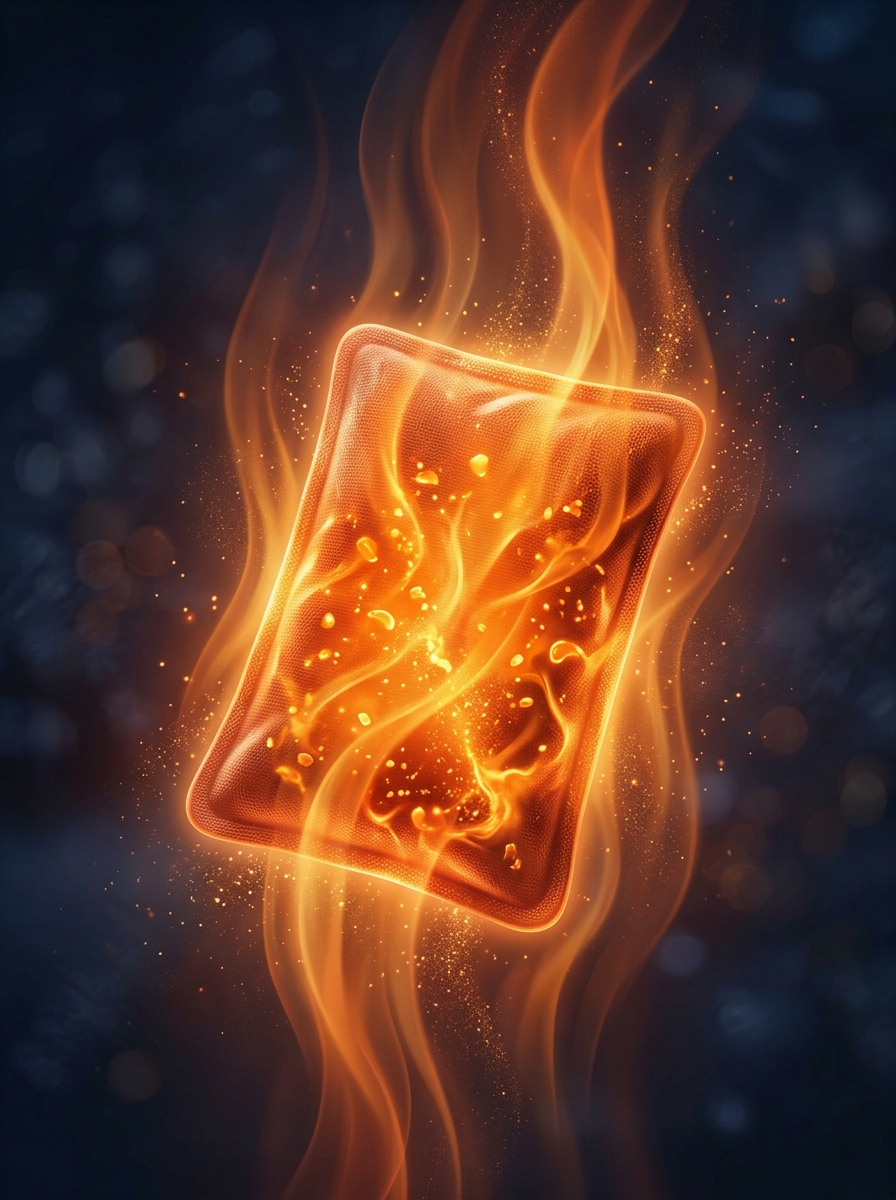
🔥 Exothermic Reaction — Hand Warmer
4Fe + 3O2 → 2Fe2O3 + heat
Iron reacts with oxygen
Bonds form → energy released
Heat leaves system → feels warm
Made byBobr AI

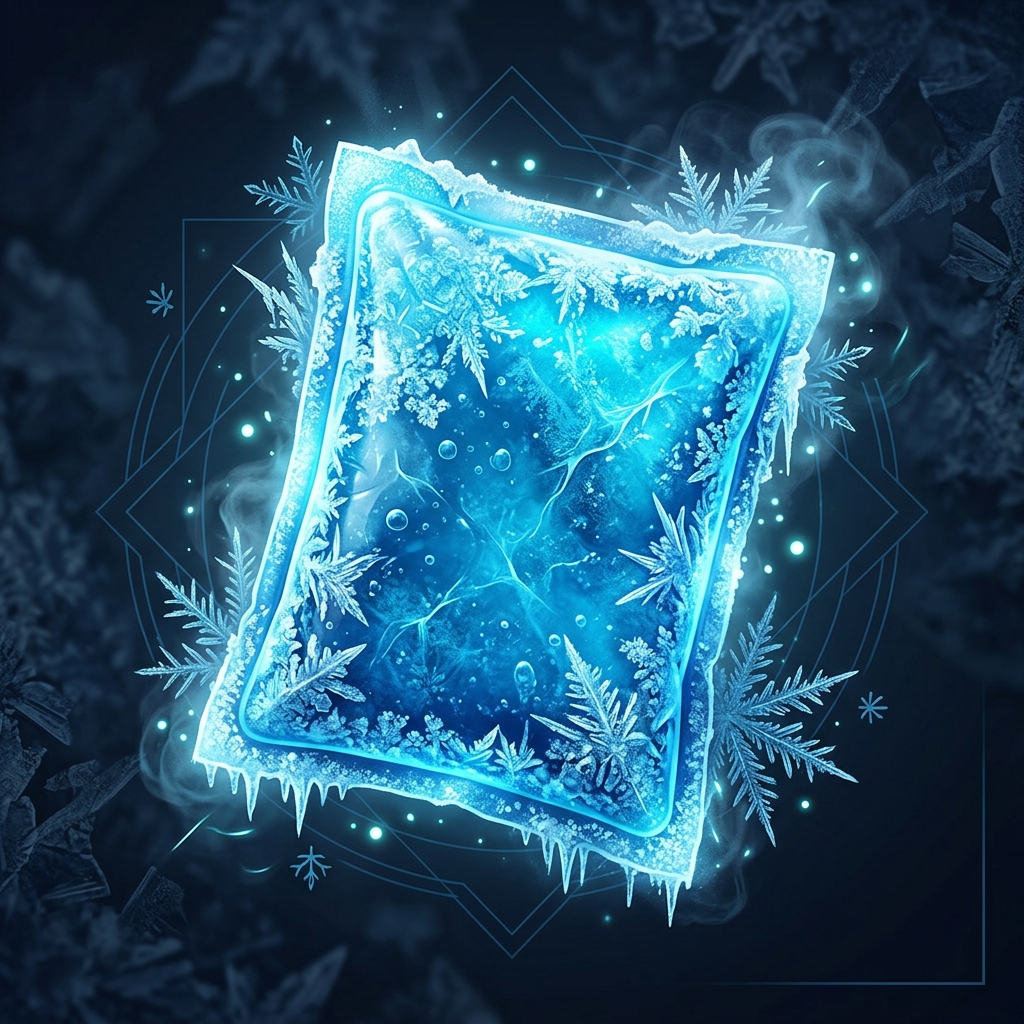
❄️ Endothermic Reaction — Cold Pack

NH₄NO₃(s) → NH₄⁺(aq) + NO₃⁻(aq)
Solid dissolves into ions
Bonds break → energy required
Heat absorbed from surroundings → feels cold
Made byBobr AI

🧠 Anchor Rule — How to Remember

🌡️ ⬆️ 🔥
🌡️ Temperature RISES
EXOTHERMIC
Energy OUT of system
🌡️ ⬇️ ❄️
🌡️ Temperature DROPS
ENDOTHERMIC
Energy INTO the system
Temperature change tells you the direction of energy flow.
Made byBobr AI
🟡 ACTIVITY 1: Hot vs. Cold Packs
(15 minutes)
🔥 Hand Warmer
Process
Oxidation of Iron (Fe)
Effect
Releases heat (exothermic)
Equation
4Fe + 3O₂ → 2Fe₂O₃ + heat
❄️ Cold Pack
Process
Dissolving NH₄NO₃
Effect
Absorbs heat (endothermic)
Equation
NH₄NO₃(s) → NH₄⁺(aq) + NO₃⁻(aq)
🧪 Materials per group of 2–3: 1 instant cold pack (ammonium nitrate) + 1 hand warmer (iron oxidation)
Made byBobr AI
Activity 1 — Discussion Questions
Is heat entering or leaving your hand?
Hint: Touch the pack — which direction does energy flow?
1
Which pack is exothermic? Which is endothermic?
Hint: Think about temperature change direction.
2
What's physically happening inside each pack?
Hand Warmer: Oxidation of Fe → heat released
Cold Pack: NH₄NO₃ dissolves → heat absorbed
3
Pack Process Energy Direction
Hand Warmer Oxidation of Fe Releases heat (Exothermic)
Cold Pack Dissolving NH₄NO₃ Absorbs heat (Endothermic)
Made byBobr AI
🌡️ ACTIVITY 2: Thermometer Lab
(20 minutes)
🔥 Setup A — Exothermic
Materials
• 50 mL water
• 10 g calcium chloride (CaCl₂)
• Thermometer & Cup
Chemical Equation
CaCl₂(s) → Ca²⁺(aq) + 2Cl⁻(aq) + heat
Why Exothermic?
Dissolving releases energy → temperature rises 📈
❄️ Setup B — Endothermic
Materials
• 50 mL vinegar
• 5 g baking soda (NaHCO₃)
• Thermometer & Cup
Chemical Equation
NaHCO₃ + CH₃COOH → CO₂ + H₂O + CH₃COONa
Why Endothermic?
Net energy absorbed → temperature drops 📉
🌡️ Observe and record temperature before and after mixing!
Made byBobr AI
⚡ Key Takeaways
🔥 Exothermic
Bonds FORM Energy RELEASED
Temperature RISES
Examples: Hand Warmer, CaCl₂ dissolving
❄️ Endothermic
Bonds BREAK Energy ABSORBED
Temperature DROPS
Examples: Cold Pack, Baking soda + vinegar
🧠 The Anchor Rule
Temp ↑ Energy OUT Exothermic
Temp ↓ Energy IN Endothermic
🔑 Reactions Matter
Energy transfer drives chemistry, biology, and our everyday lives.
💡 Think About It:
Body heat, cooking, cold packs, hand warmers!
Made byBobr AI
Bobr AI

DESIGNER-MADE
PRESENTATION,
GENERATED FROM
YOUR PROMPT

Create your own professional slide deck with real images, data charts, and unique design in under a minute.

Generate For Free

Understanding Exothermic and Endothermic Reactions

Explore the science of energy transfer in chemistry. Learn about exothermic and endothermic reactions with real-world examples like hand warmers and cold packs.

Exothermic & Endothermic Reactions

Energy Transfer in Chemical Reactions

🔥 Exothermic

❄️ Endothermic

🔥 Exothermic Reaction — Hand Warmer

heat

Iron reacts with oxygen

Bonds form → energy released

Heat leaves system → feels warm

❄️ Endothermic Reaction — Cold Pack

NH₄NO₃(s) → NH₄⁺(aq) + NO₃⁻(aq)

Solid dissolves into ions

Bonds break → energy required

Heat absorbed from surroundings → feels cold

🧠 Anchor Rule — How to Remember

Temperature change tells you the direction of energy flow.

🌡️ ⬆️ 🔥

🌡️ ⬇️ ❄️

Temperature RISES

EXOTHERMIC

Energy OUT of system

Temperature DROPS

ENDOTHERMIC

Energy INTO the system

🟡 ACTIVITY 1: Hot vs. Cold Packs

(15 minutes)

🔥 Hand Warmer

Oxidation of Iron (Fe)

Releases heat (exothermic)

4Fe + 3O₂ → 2Fe₂O₃ + heat

❄️ Cold Pack

Dissolving NH₄NO₃

Absorbs heat (endothermic)

NH₄NO₃(s) → NH₄⁺(aq) + NO₃⁻(aq)

Materials per group of 2–3: 1 instant cold pack (ammonium nitrate) + 1 hand warmer (iron oxidation)

Activity 1 — Discussion Questions

Is heat entering or leaving your hand?

Hint: Touch the pack — which direction does energy flow?

Which pack is exothermic? Which is endothermic?

Hint: Think about temperature change direction.

What's physically happening inside each pack?

Hand Warmer:

Oxidation of Fe → heat released

Cold Pack:

NH₄NO₃ dissolves → heat absorbed

Pack

Process

Energy Direction

Hand Warmer

Oxidation of Fe

Releases heat (Exothermic)

Cold Pack

Dissolving NH₄NO₃

Absorbs heat (Endothermic)

🌡️ ACTIVITY 2: Thermometer Lab

(20 minutes)

Setup A — Exothermic

CaCl₂(s) → Ca²⁺(aq) + 2Cl⁻(aq) + heat

Setup B — Endothermic

NaHCO₃ + CH₃COOH → CO₂ + H₂O + CH₃COONa

Observe and record temperature before and after mixing!

⚡ Key Takeaways

Exothermic

Bonds <strong>FORM</strong> <span style="color:#6B7C93; margin:0 10px;">→</span> Energy <strong>RELEASED</strong>

Temperature <strong>RISES</strong> <span style="color: #FF9500; margin-left:8px; font-weight:800;">↑</span>

Hand Warmer, CaCl₂ dissolving

Endothermic

Bonds <strong>BREAK</strong> <span style="color:#6B7C93; margin:0 10px;">→</span> Energy <strong>ABSORBED</strong>

Temperature <strong>DROPS</strong> <span style="color: #6CD4FF; margin-left:8px; font-weight:800;">↓</span>

Cold Pack, Baking soda + vinegar

The Anchor Rule

Exothermic

Endothermic

Reactions Matter

Energy transfer drives chemistry, biology, and our everyday lives.

Body heat, cooking, cold packs, hand warmers!

  • chemistry
  • science-education
  • exothermic-reactions
  • endothermic-reactions
  • chemical-energy
  • thermodynamics
  • classroom-activity
Understanding Exothermic and Endothermic Reactions | Bobr AI