




















Japanese vs. American Manner and Cultural Differences
Explore the key differences in daily customs, manners, and communication styles between Japan and the United States for better cross-cultural awareness.
Differences in Manners and Daily Customs between Japan and the United States
Student Name: [Your Name]
Course: Cross-Cultural Communication
Date: May 11, 2026
Introduction
Why this topic?
Cultural differences shape how we communicate and interact every day.
Personal connection
Experience with both Japanese and American cultures inspired this research.
Core idea
Cultural differences profoundly affect communication, relationships, and daily life.
Research Method
Two participants were interviewed for this study
Both formal and informal interview methods were used
manners and daily customs
Part of a cross-cultural communication course project
Differences in Manners
Japan
United States
Quiet behavior in public spaces
Indirect, considerate communication
Strong awareness of others' feelings
Direct and expressive communication
Friendly interaction with strangers
Open self-expression encouraged
Differences in Daily Customs
Japan
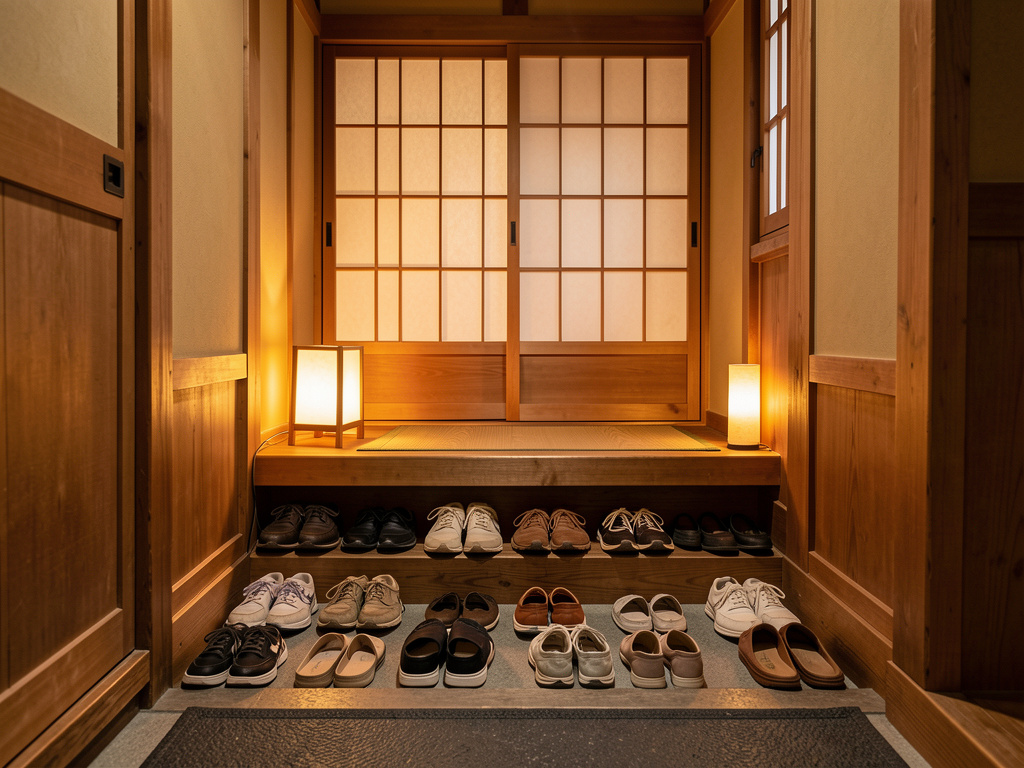
Removing shoes before entering home
Strong emphasis on punctuality
Meaningful gift-giving culture
United States
Wearing shoes indoors is common
More flexible approach to time
Casual, relaxed lifestyle
Interview Findings
Participants noticed clear differences in communication style between Japan and the U.S.
Japanese culture was perceived as more group-oriented and harmonious.
American culture was viewed as more open, expressive, and individualistic.
* Full responses discussed orally during presentation.
Cultural Analysis
🌸 Harmony
Japanese culture prioritizes group harmony and social cohesion.
🙇 Respect
Deep respect for hierarchy, elders, and social norms in Japan.
🗽 Individualism
American culture emphasizes personal identity and independence.
🕊️ Personal Freedom
Freedom of self-expression is a core value in the United States.
Cultural values shape how people behave, communicate, and relate to one another.
Conclusion
This project revealed meaningful cultural differences between Japan and the United States in manners and daily customs.
Understanding these differences is essential for respectful and effective cross-cultural communication.
Cross-cultural awareness helps bridge gaps and build stronger human connections.
Thank You
Questions?
- cross-cultural-communication
- japan-culture
- us-culture
- etiquette
- sociology
- cultural-diversity
- education