





Ancient Chinese Philosophy: Power and Happiness Guide
Explore the Hundred Schools of Thought including Confucianism, Daoism, and Legalism to find balance, power, and happiness through ancient wisdom.
Ancient Wisdom: Power & Happiness
The Hundred Schools of Thought in Ancient China
Chaos Breeds Wisdom
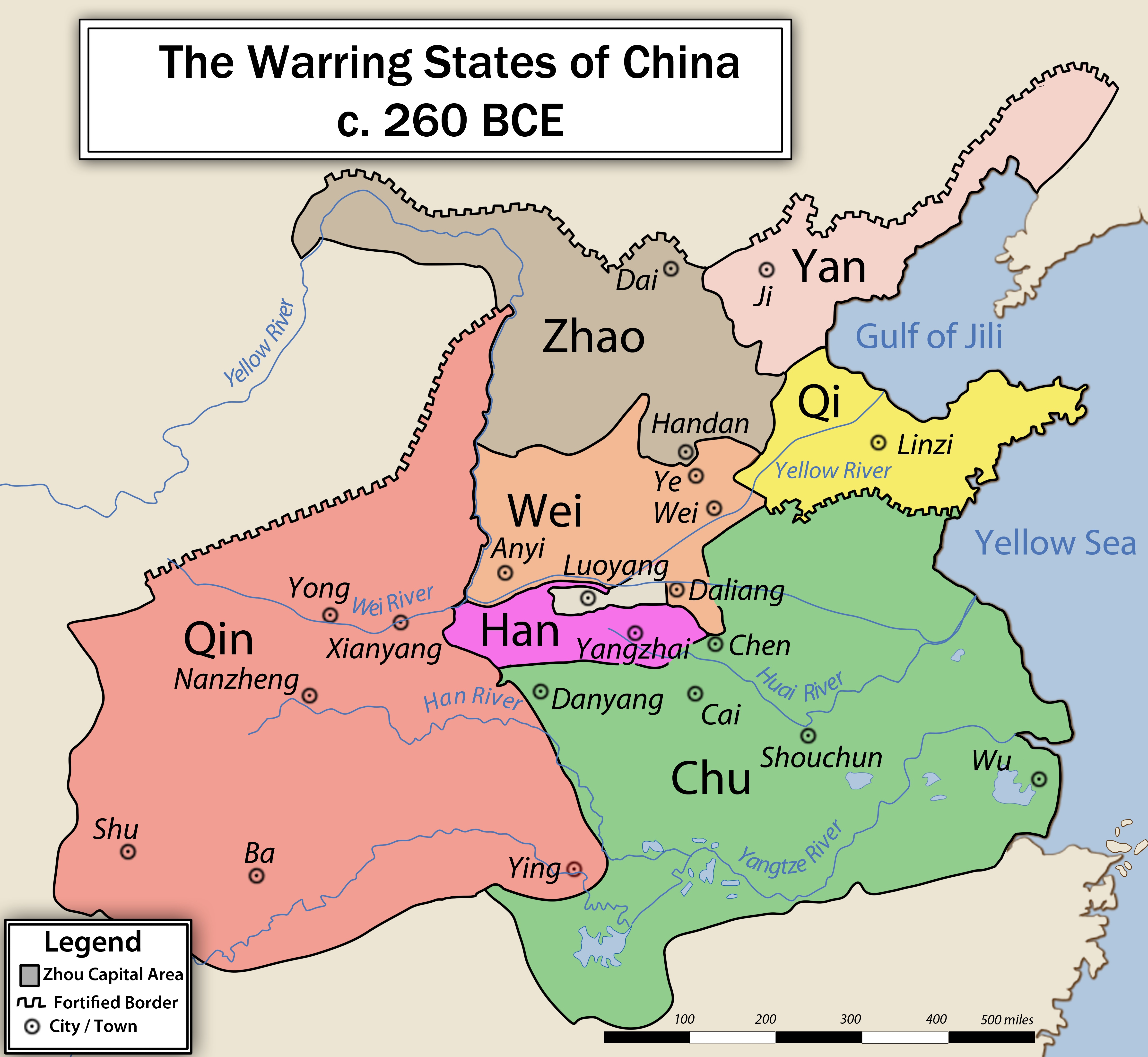
Philosophy often emerges from crisis. The 'Hundred Schools of Thought' flourished during a time of fragmentation and war. As the Zhou dynasty declined, thinkers sought ways to restore order, secure power, and find harmony in a broken world.
Key Historical Periods (BCE)
770 BCE – 221 BCE: Over five centuries of intellectual explosion triggered by political instability.
The Four Major Schools
Confucianism: Order, Ritual, Hierarchy
Daoism: Nature, Flow, Wu Wei (Non-action)
Mohism: Universal Love, Meritocracy
Legalism: Strict Law, State Power
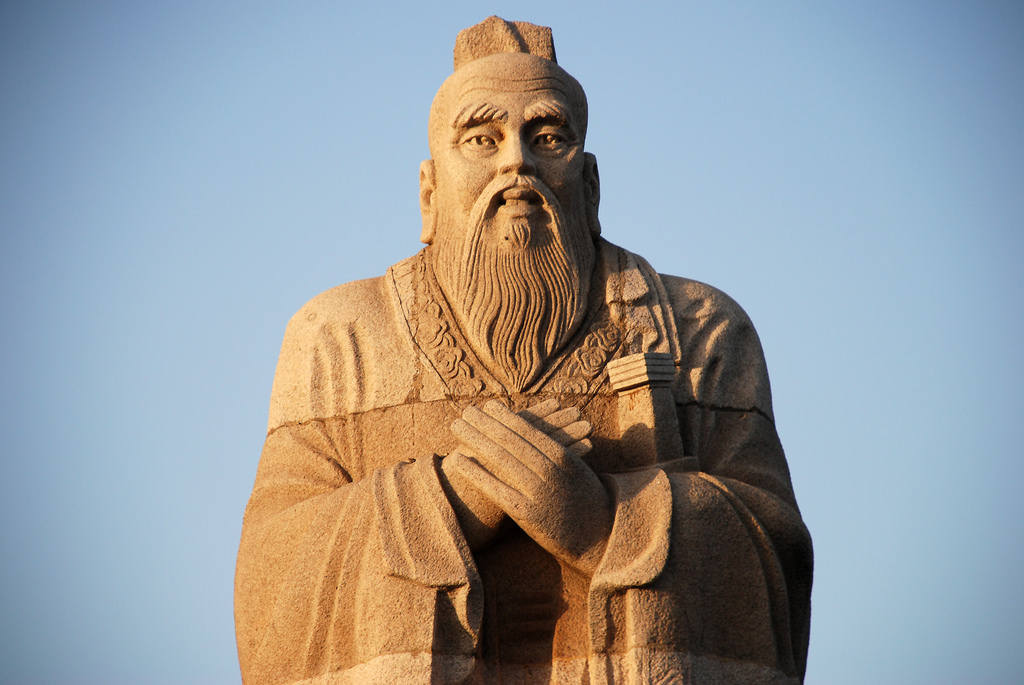
Confucius (551–479 BCE)
"Let the prince be a prince, the minister, a minister; the father, a father; the son, a son."
Power comes from social harmony and knowing your role. The 'Rectification of Names' suggests that happiness is found in fulfilling your duties to others.
The Debate on Human Nature
Mencius: Humans are inherently GOOD. Power is cultivated by nurturing this innate seed.
Xunzi: Human nature is unformed (or 'BAD'). Goodness is a result of conscious training and ritual.
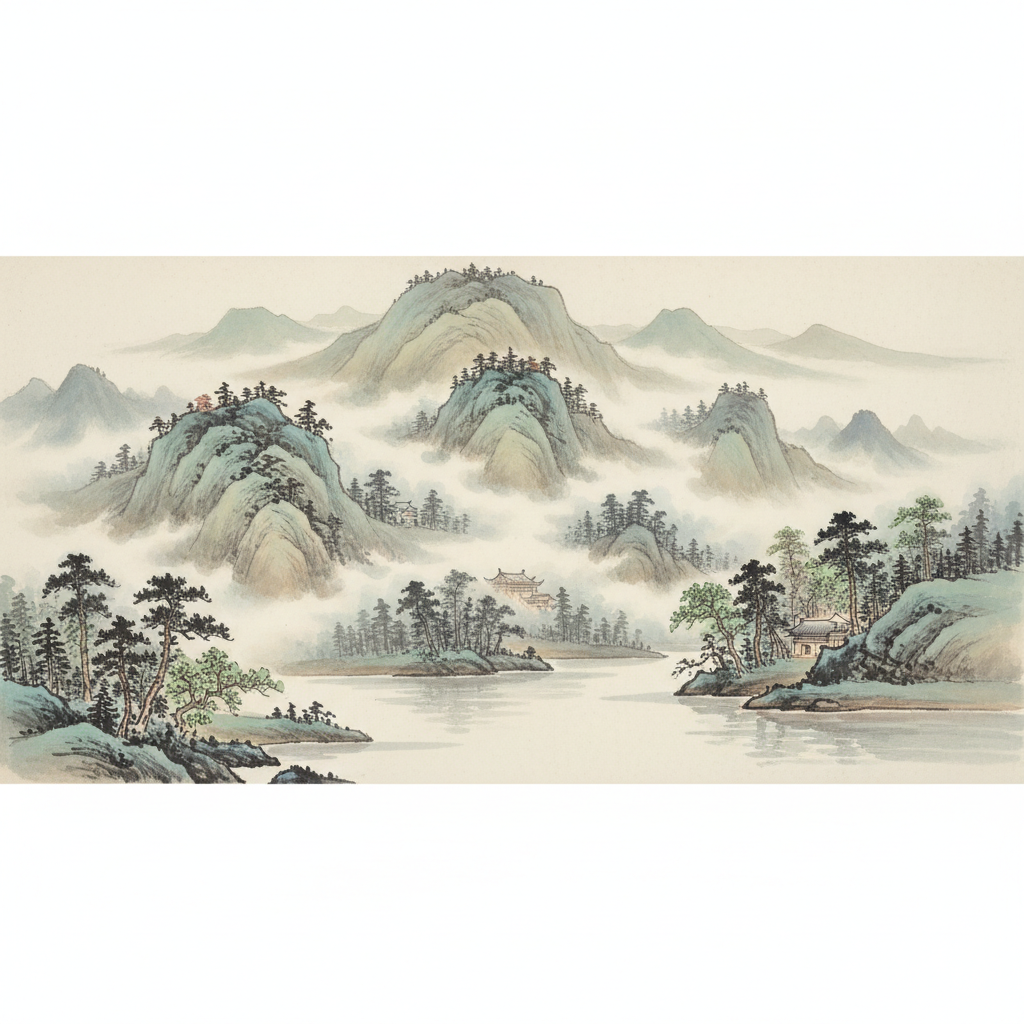
Reflections in Ink
The visual arts of ancient China were deeply intertwined with its philosophy. Landscape paintings (shan shui) emphasized the vastness of nature and the balance of yin and yang, mirroring the search for harmony in a chaotic world.
Daoism: Power in Yielding
Often associated with Laozi and the 'Tao Te Ching'. The concept of Wu Wei (non-action) teaches that true power comes not from force, but from alignment with the flow of nature—like water wearing away stone.
Legalism: Centralized Power
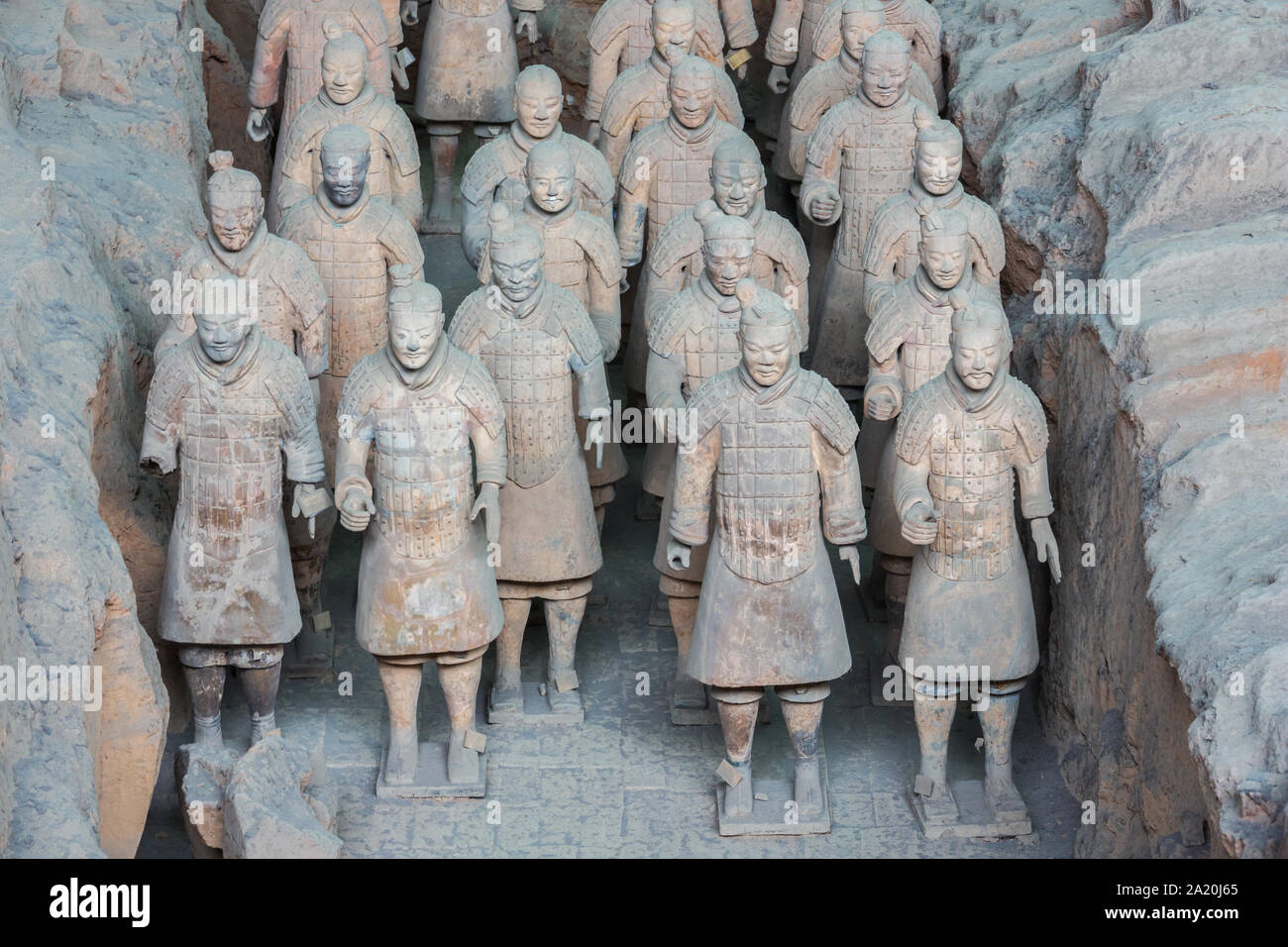
In contrast to Confucian morality, Legalists believed people motivated by self-interest required strict laws and punishments. This philosophy helped the Qin dynasty unify China, proving that strict structure creates a different kind of strength.
The Han Synthesis
During the Han Dynasty (206 BCE–220 CE), scholars like Dong Zhongshu blended these schools. Confucianism managed the state; Daoism managed the body and spirit. This balance stabilized China for millennia.
Your Power & Happiness
Confucianism: Find power in responsibility and relationships.
Daoism: Find happiness by accepting change and letting go.
Wisdom is knowing when to stand firm (Confucian) and when to flow (Daoist).
- ancient-china
- philosophy
- confucianism
- daoism
- history
- legalism
- wisdom