



Made byBobr AI

Atopic Dermatitis: Clinical Overview and Management Guide

A comprehensive guide to eczema for medical professionals covering pathophysiology, age-based presentation, triggers, and pharmacological treatment ladders.

#atopic-dermatitis#eczema#dermatology#medical-education#skin-disease#clinical-protocols#pediatrics
Watch
Pitch
For Medical Students & Clinicians

Atopic Dermatitis (Eczema): Clinical Overview

Pathophysiology, Diagnosis, and Management Protocols

Made byBobr AI

Prevalence: A Global Burden

Atopic Dermatitis is the most common chronic inflammatory skin disease, predominantly affecting the pediatric population.

Chart
60% of cases develop within the first year of life.
Associated with the 'Atopic March': Eczema → Food Allergy → Asthma → Rhinitis.
Made byBobr AI

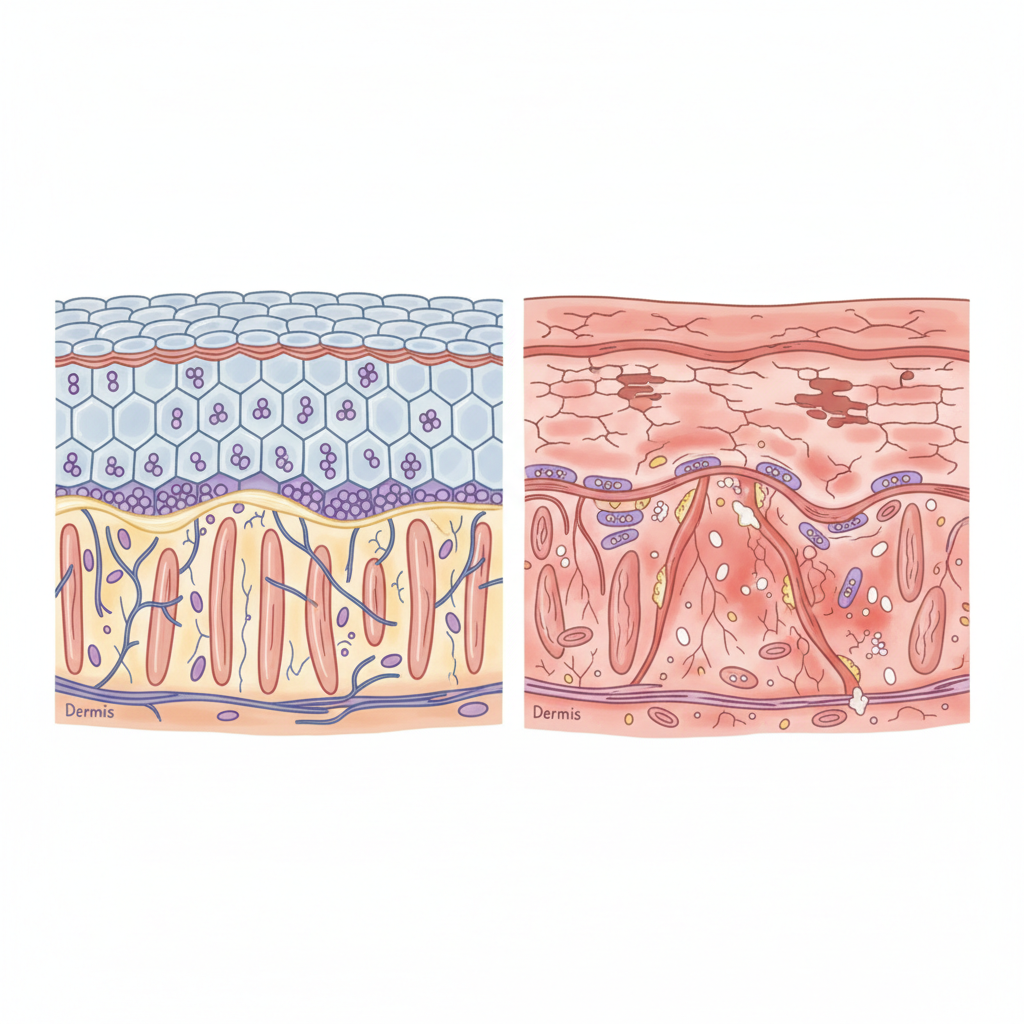
Pathophysiology: The Barrier Defect

  • Filaggrin Mutation: Loss of structural protein leading to defective stratum corneum.
  • Transepidermal Water Loss (TEWL): Increased moisture evaporation causes xerosis.
  • Immune Dysregulation: Th2 pathway dominance (IL-4, IL-13) drives inflammation.
Made byBobr AI

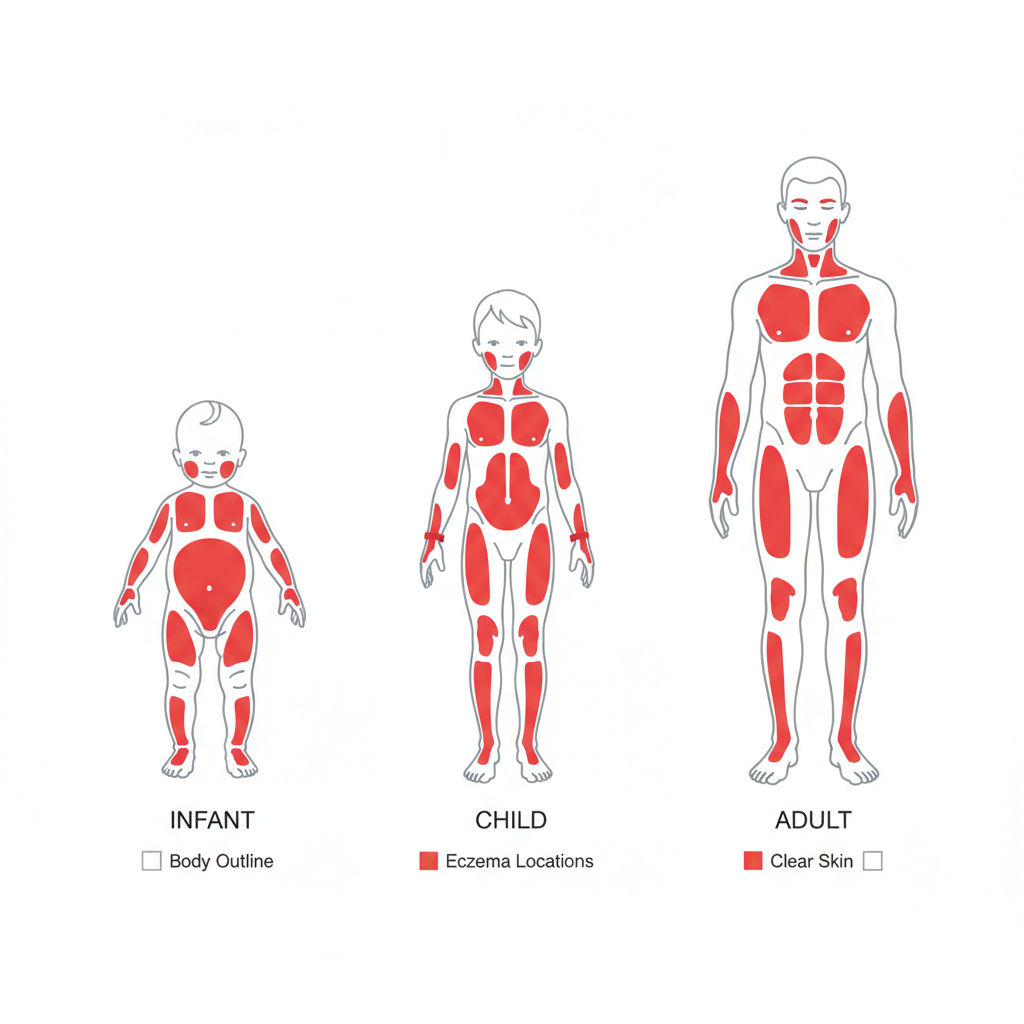
Clinical Presentation by Age

Infants

Extensor surfaces, face (cheeks), and scalp. Diaper area usually spared.

Children

Flexural folds (antecubital/popliteal fossae), neck, wrists.

Adults

Flexural areas, hands, face (eyelids), and nipples. Lichenification is common.

Made byBobr AI

Common Triggers & Exacerbating Factors

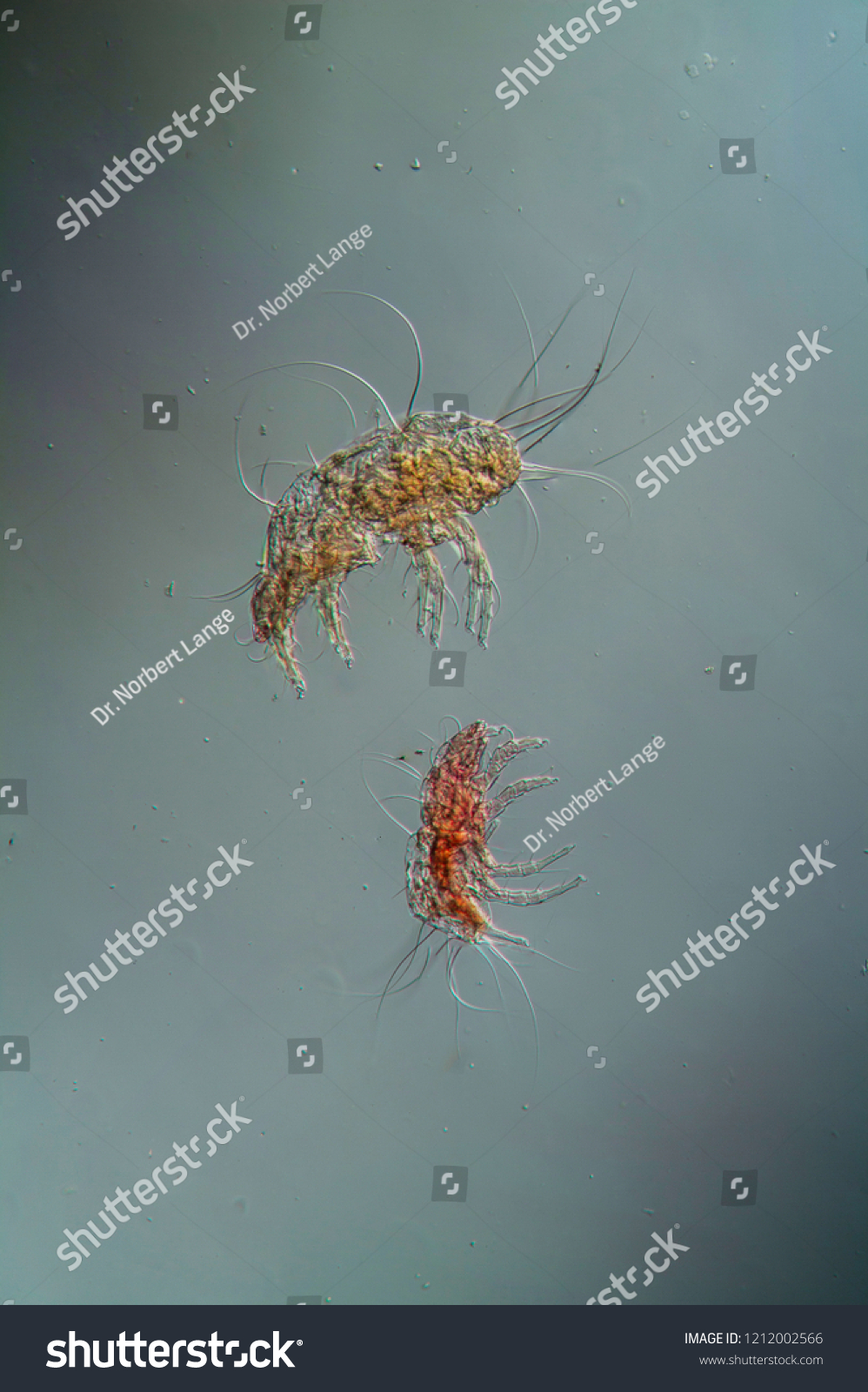
Aeroallergens: Dust mites, pet dander, pollens.

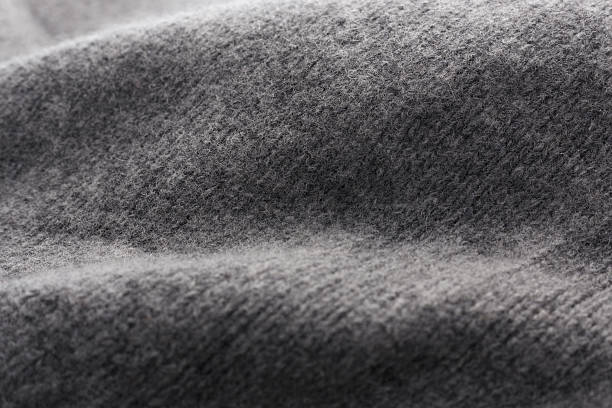
Irritants: Wool, synthetic fabrics, harsh soaps, detergents.

Psychological: Stress and anxiety (triggers neuro-immune flare).

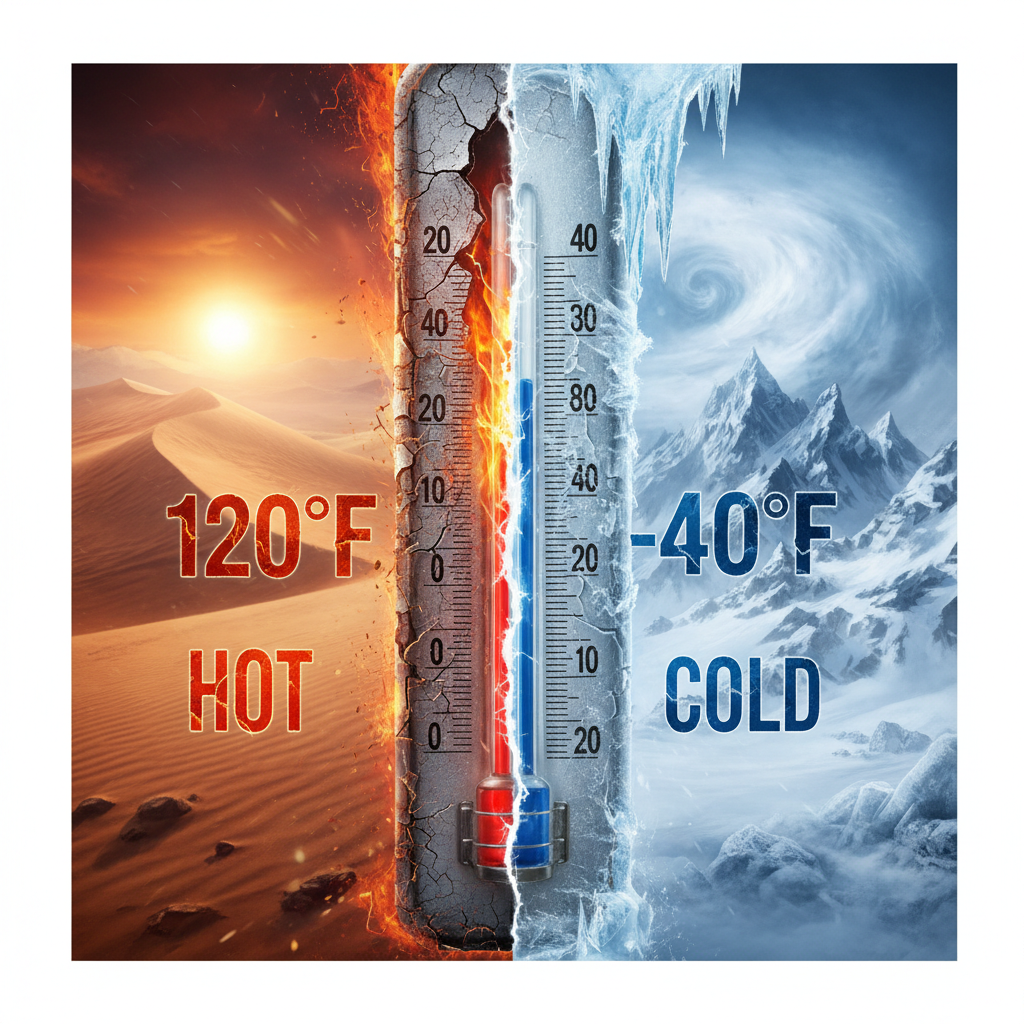
Environment: Extreme heat, humidity shifts, or dry cold air.

Made byBobr AI

Daily Management: The Foundation

Aggressive Emollients

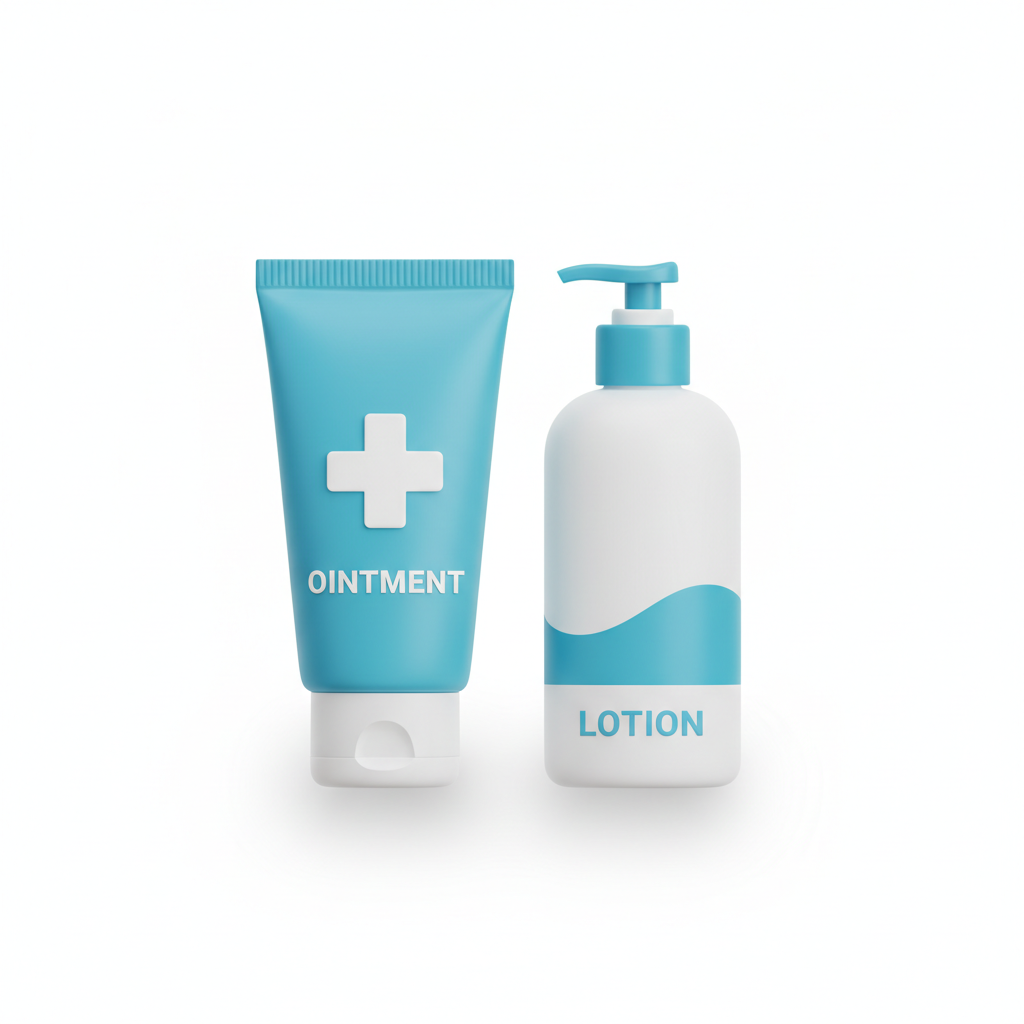
Apply thick creams/ointments (not lotions) at least twice daily. 'Soak and seal' method immediately after bathing.

Bathing Routine

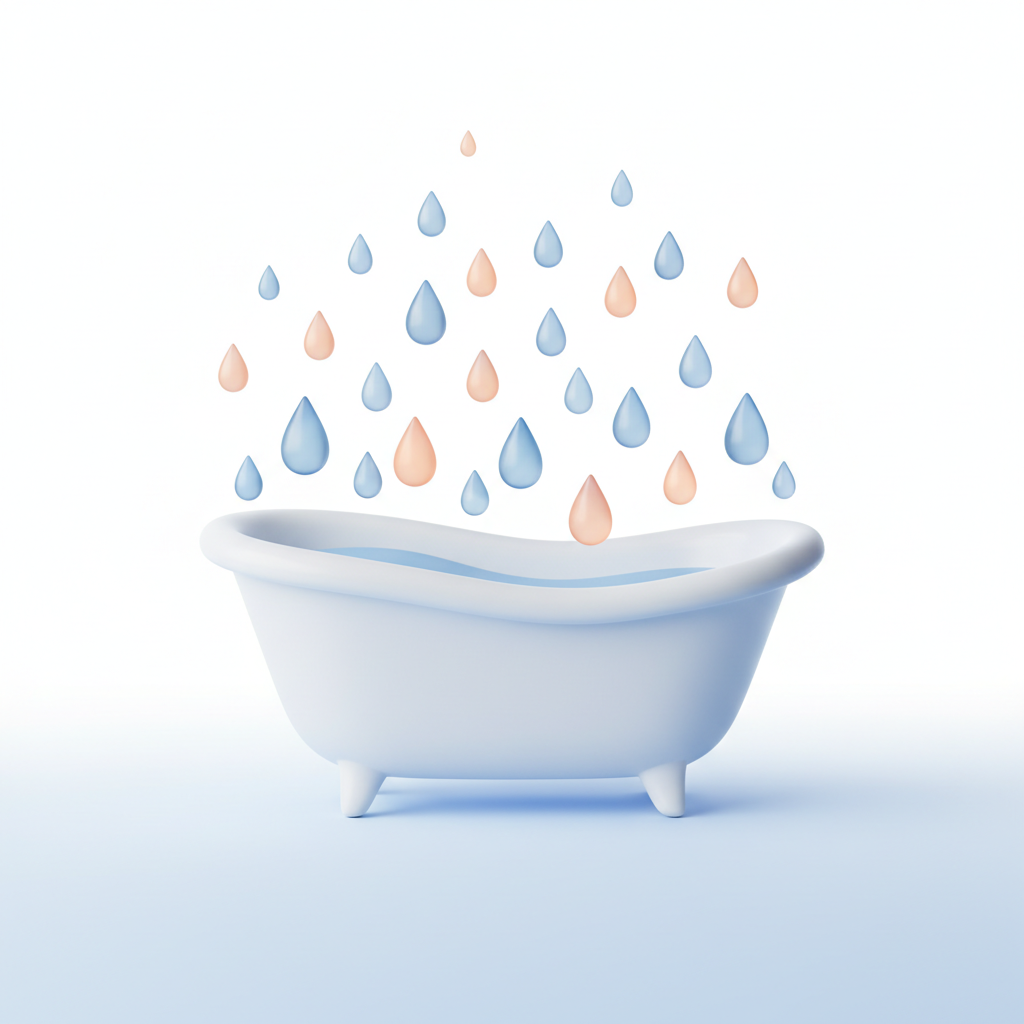
Short (5-10 min), warm (not hot) baths. Use soap-free cleansers. Avoid scrubbing.

Made byBobr AI

Pharmacological Management Ladder

Severe/Refractory

High-potency TCS (short term). Phototherapy. Systemics: Dupilumab (Biologic), JAK Inhibitors, Cyclosporine.

Moderate Disease

Medium-potency TCS (e.g., Triamcinolone). TCIs (Tacrolimus) for steroid-sparing. Proactive (weekend) therapy.

Mild Disease

Low-potency TCS (e.g., Hydrocortisone 1-2.5%) for face/folds. Reactive therapy.

Made byBobr AI

Topical Corticosteroid Potency (USA Classification)

Class Common Agents
Class I (Super Potent) Clobetasol propionate 0.05%
Class II-III (High Potency) Betamethasone dipropionate 0.05%, Fluocinonide
Class IV-V (Mid Potency) Triamcinolone acetonide 0.1%
Class VI-VII (Low Potency) Desonide 0.05%, Hydrocortisone 1-2.5%

Proper Dosing (FTU)

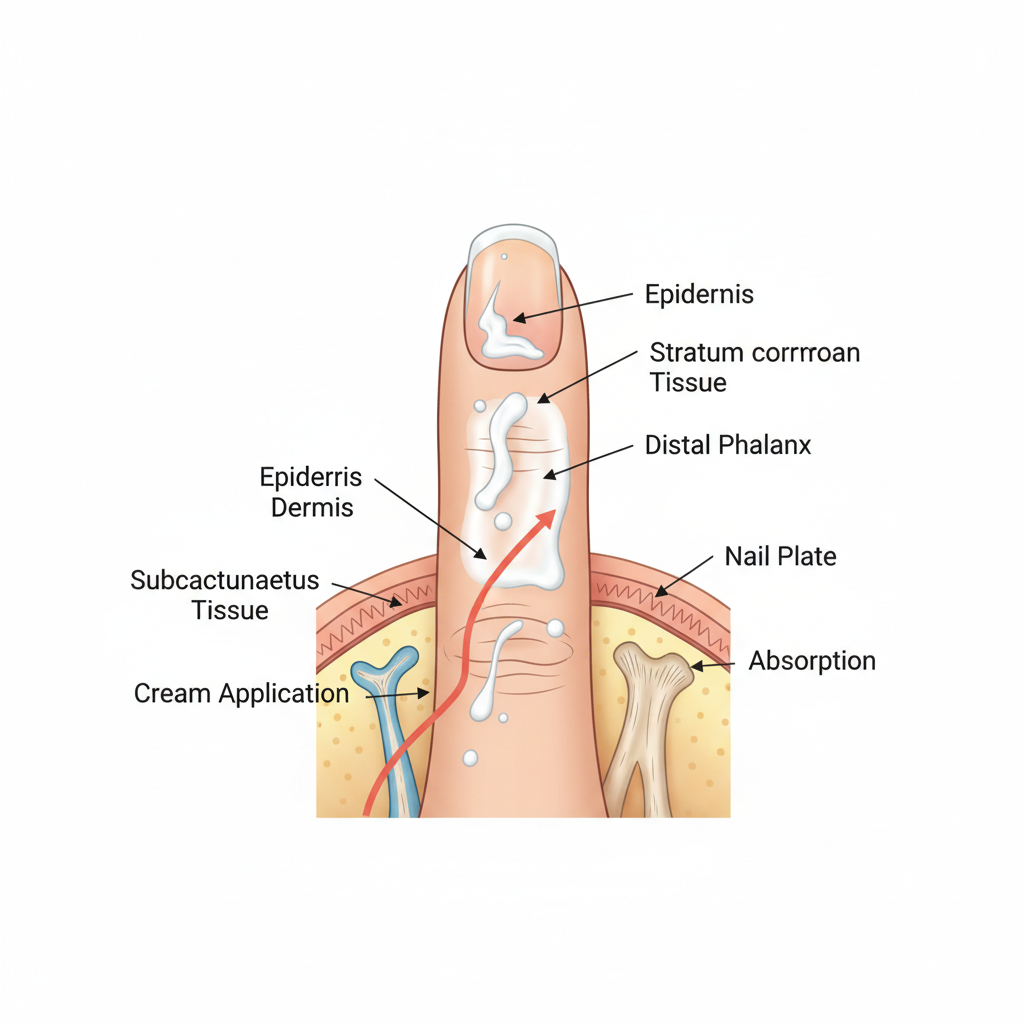
Dosing Rule: 1 Fingertip Unit (FTU) = ~0.5g = treats area of 2 adult palms.

Made byBobr AI

Red Flags & Complications

1. Infection (S. aureus)

Weeping, honey-colored crusts (Impetiginization), pustules. Requires topical mupirocin or systemic antibiotics.

2. Eczema Herpeticum

EMERGENCY. Disseminated HSV infection. Monomorphic punched-out erosions, vesicles. Requires immediate Acyclovir.

Made byBobr AI

Clinical Takeaways

  • Education is Key: Demonstrate 'Squeaky' vs 'Greasy' moisturizer application to parents.
  • Steroid Phobia: Address barely; undertreatment leads to chronic lichenification.
  • Maintenance: Proactive intermittent biologic/TCS use prevents relapse effectively.
Made byBobr AI
Bobr AI

DESIGNER-MADE
PRESENTATION,
GENERATED FROM
YOUR PROMPT

Create your own professional slide deck with real images, data charts, and unique design in under a minute.

Generate For Free

Atopic Dermatitis: Clinical Overview and Management Guide

A comprehensive guide to eczema for medical professionals covering pathophysiology, age-based presentation, triggers, and pharmacological treatment ladders.

Atopic Dermatitis (Eczema): Clinical Overview

Pathophysiology, Diagnosis, and Management Protocols

For Medical Students & Clinicians

Prevalence: A Global Burden

Atopic Dermatitis is the most common chronic inflammatory skin disease, predominantly affecting the pediatric population.

60% of cases develop within the first year of life.

Associated with the 'Atopic March': Eczema → Food Allergy → Asthma → Rhinitis.

Pathophysiology: The Barrier Defect

Filaggrin Mutation: Loss of structural protein leading to defective stratum corneum.

Transepidermal Water Loss (TEWL): Increased moisture evaporation causes xerosis.

Immune Dysregulation: Th2 pathway dominance (IL-4, IL-13) drives inflammation.

Clinical Presentation by Age

Infants

Extensor surfaces, face (cheeks), and scalp. Diaper area usually spared.

Children

Flexural folds (antecubital/popliteal fossae), neck, wrists.

Adults

Flexural areas, hands, face (eyelids), and nipples. Lichenification is common.

Common Triggers & Exacerbating Factors

Aeroallergens: Dust mites, pet dander, pollens.

Irritants: Wool, synthetic fabrics, harsh soaps, detergents.

Psychological: Stress and anxiety (triggers neuro-immune flare).

Environment: Extreme heat, humidity shifts, or dry cold air.

Daily Management: The Foundation

Aggressive Emollients

Apply thick creams/ointments (not lotions) at least twice daily. 'Soak and seal' method immediately after bathing.

Bathing Routine

Short (5-10 min), warm (not hot) baths. Use soap-free cleansers. Avoid scrubbing.

Pharmacological Management Ladder

Mild Disease

Low-potency TCS (e.g., Hydrocortisone 1-2.5%) for face/folds. Reactive therapy.

Moderate Disease

Medium-potency TCS (e.g., Triamcinolone). TCIs (Tacrolimus) for steroid-sparing. Proactive (weekend) therapy.

Severe/Refractory

High-potency TCS (short term). Phototherapy. Systemics: Dupilumab (Biologic), JAK Inhibitors, Cyclosporine.

Topical Corticosteroid Potency (USA Classification)

Class I (Super Potent)

Clobetasol propionate 0.05%

Class II-III (High Potency)

Betamethasone dipropionate 0.05%, Fluocinonide

Class IV-V (Mid Potency)

Triamcinolone acetonide 0.1%

Class VI-VII (Low Potency)

Desonide 0.05%, Hydrocortisone 1-2.5%

Dosing Rule: 1 Fingertip Unit (FTU) = ~0.5g = treats area of 2 adult palms.

Red Flags & Complications

1. Infection (S. aureus)

Weeping, honey-colored crusts (Impetiginization), pustules. Requires topical mupirocin or systemic antibiotics.

2. Eczema Herpeticum

EMERGENCY. Disseminated HSV infection. Monomorphic punched-out erosions, vesicles. Requires immediate Acyclovir.

Clinical Takeaways

Education is Key: Demonstrate 'Squeaky' vs 'Greasy' moisturizer application to parents.

Steroid Phobia: Address barely; undertreatment leads to chronic lichenification.

Maintenance: Proactive intermittent biologic/TCS use prevents relapse effectively.

  • atopic-dermatitis
  • eczema
  • dermatology
  • medical-education
  • skin-disease
  • clinical-protocols
  • pediatrics