

Why Ultra-Processed Foods Persist in Western Europe
Explore a Multi-Level Perspective (MLP) case study on why ultra-processed foods (UPFs) remain dominant in diets despite health and sustainability concerns.
Explaining the Persistence of Ultra-Processed Foods in Western European Diets
Ultra-processed foods (UPFs) dominate Western European diets
Strong health & sustainability concerns
Yet: no fundamental dietary transformation
Case Study: Stability & Lock-in Analysis
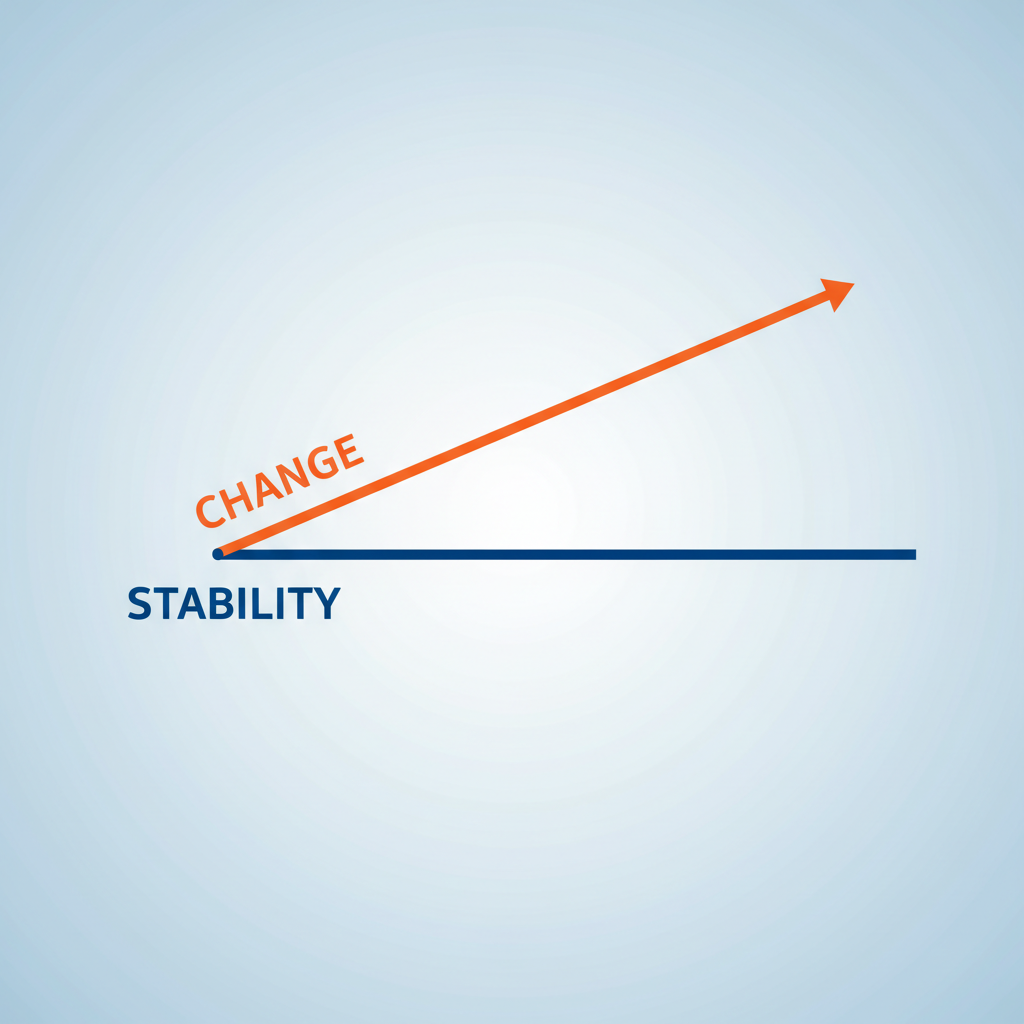
Type of Change Studied: Transformation vs. Reality
Observed Outcome: STABILITY / LOCK-IN
Expected Transformation: UPF-dominated diets → Fresh & minimally processed diets
Current Reality: Regime persists under pressure despite landscape shocks
Case Boundaries and Variables
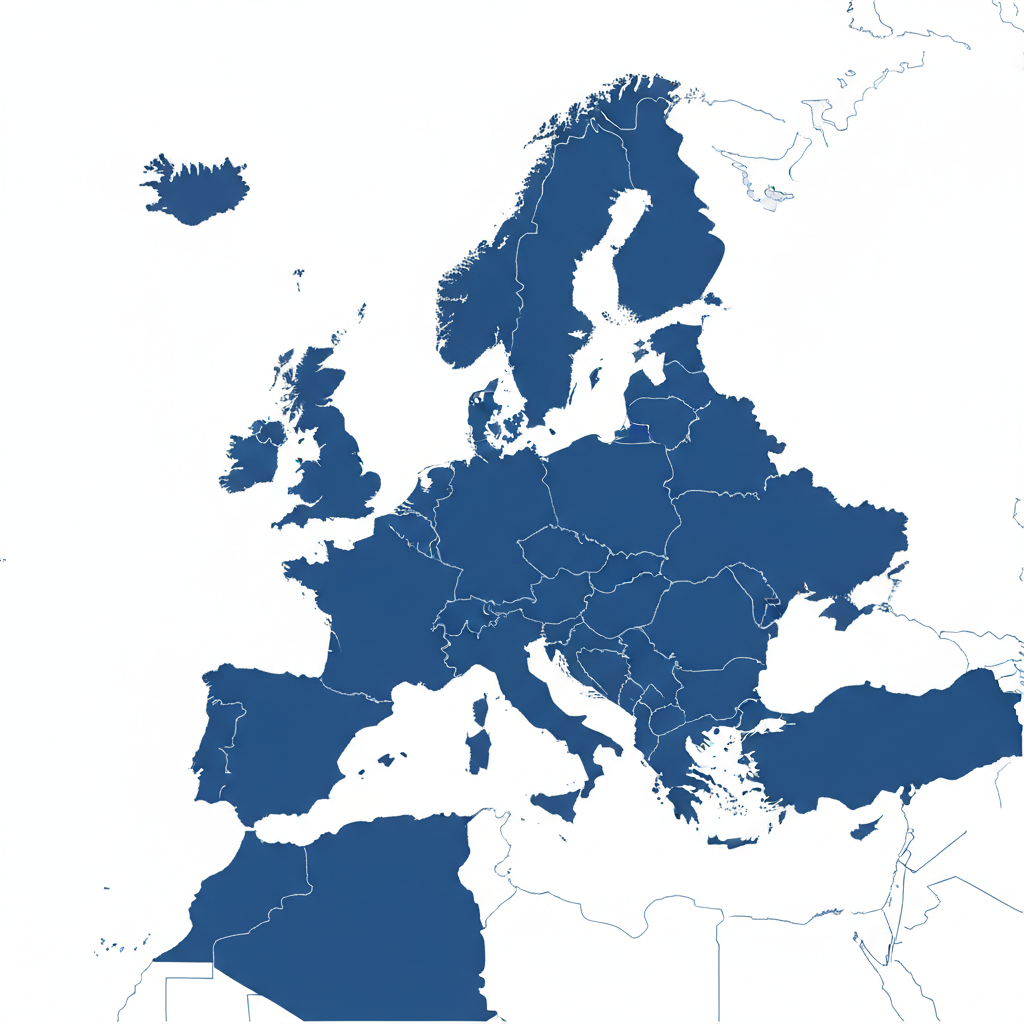
Geography: Western Europe
System focus: Food consumption
Product category: Ultra-processed foods (NOVA 4)
Timeframe: ~2000–2024
Dependent Variable (Y): Persistence of UPFs in diets
Independent Variables (X): Regime lock-in mechanisms, weak alternatives, insufficient landscape pressure
Analytical Framework: Multi-Level Perspective (MLP)
Used as a transition heuristic (El Bilali, 2020)
Landscape
Health evidence, sustainability discourse
Regime
Food industry, retail structures, convenience norms
Niches
Fresh food initiatives, dietary guidelines
Research Questions & Initial Insights
Why do ultra-processed foods remain dominant in Western European diets despite increasing health and sustainability pressures?
• How do niche–regime–landscape interactions explain this stability?
• Under what conditions could a more transformative dietary shift have occurred?
• What would alternative pathways imply for health, sustainability, and equity?
UPFs form a highly stabilised regime
Landscape pressure is fragmented and weak
Alternatives fail to destabilise the system
- ultra-processed-foods
- food-systems
- western-europe
- nutrition-policy
- sustainable-diets
- academic-case-study
- food-regime
- nova-classification