





Made byBobr AI

الماضي والمضارع في اللهجة الإماراتية: قواعد وأمثلة

دليل شامل لتعلم قواعد الماضي والمضارع في اللهجة الإماراتية لغير الناطقين بها، مع أمثلة عملية ومفردات ثقافية.

#emirati-dialect#learn-arabic#dubai-culture#arabic-grammar#language-learning#uae#past-tense#present-tense
Watch
Pitch

الماضي والمضارع في اللهجة الإماراتية

Past & Present Tenses in Emirati Dialect For Non-Native Learners

Cinematic shot of traditional Emirati coffee pot (Dallah) and cups on sand dunes at sunset, blurred modern Dubai skyline in background, warm golden lighting, high quality photography
Made byBobr AI

Dialect vs. Standard Arabic (Fusha)

  • Simplicity: Case endings (I'rab) are dropped.
  • Pronunciation: The letter 'Qaf' (ق) often becomes 'G' (g as in go) or 'J'.
  • Vocabulary: Rooted in Bedouin heritage but evolving with modern life.
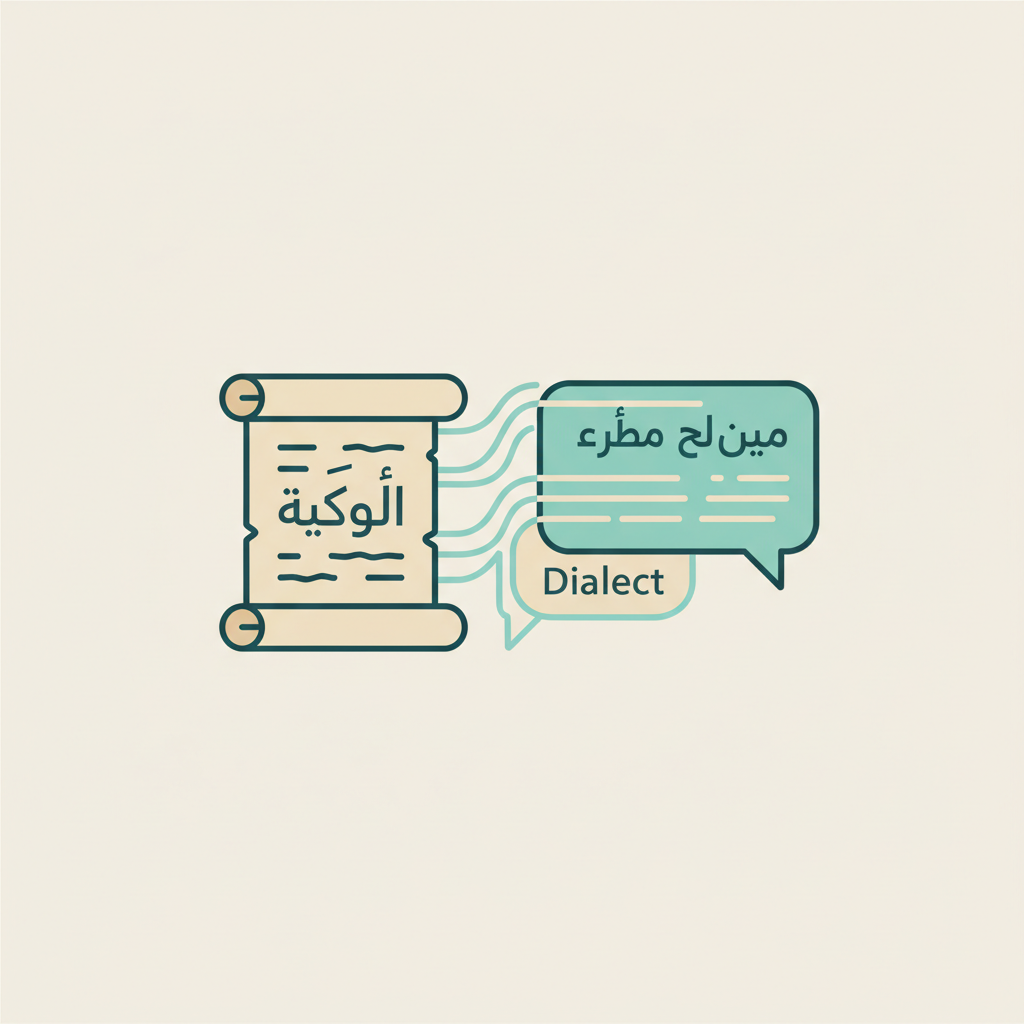
Minimalist vector illustration showing a transition from an old scroll (Fusha) to a modern smartphone chat bubble (Dialect), flat design, beige and teal colors
Made byBobr AI

The Past Tense (الماضي)

Root Verb + Suffix (Pronoun ending). Similar to Fusha but often shorter.

I went = Ana Sirt (أنا سِرت)
He said = Hwa Gal (هو قال)
She ate = Hiya Kalet (هي كَلت)
Illustration of footprints in the sand leading away, symbolizing the past actions, soft warm colors
Made byBobr AI

The Present Tense (المضارع)

Prefix System: أ (A), ت (T), ي (Y), ن (N)

🗣️ I speak = Armis (أرمِس)
🪑 We sit = Nyallis (نيَلِس) *Note: J becomes Y often
🚶 He goes = Yasir (يسير)
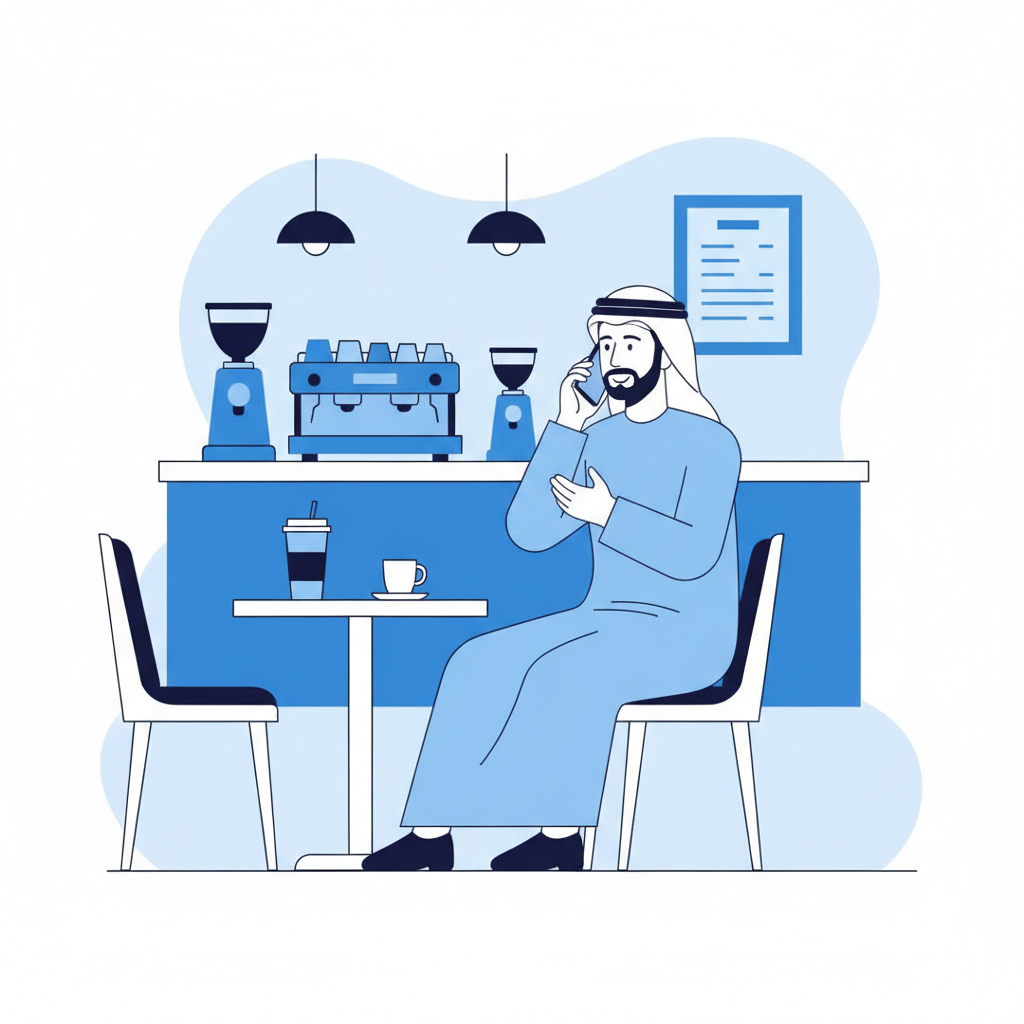
A modern Emirati man talking on a mobile phone in a coffee shop, vector illustration, flat style, blue and white tones
Made byBobr AI

The Magic "B-" (بـ) Prefix

Adding 'B-' before the present verb indicates future intent or strong determination.

Standard

Normal: Asir (I go) -> as a habit

Future/Intent

With B: Ba-sir (بَسير) -> I am going / I will go

Made byBobr AI

Negation: Saying "No" (النفي)

"Ma" (ما) - The General No

Ma sirt (I didn't go) / Ma araf (I don't know)

"Mool" (مول) - Never / Not at all

Mool ma ahib (I absolutely don't like...)

Iconic hand gesture for stop or refusal, minimal line art, bold lines
Made byBobr AI

Important Question Words

❓ Sho? (شو) = What?
📍 Wen? (وين) = Where?
💡 Lesh / Ashannah? (ليش/عشانه) = Why?
⏰ Mata? (متى) = When?
🛠️ Sha-gayel / Kef? (شقايل) = How?
3D large question mark in gold texture floating in a clean white space, high quality render
Made byBobr AI

Cultural Gem: Ahid (أحيد)

Meaning:
Means: "I remember from the past."

"Ahid al-farij gabel..." (I remember the neighborhood before...)

Used frequently by elders when storytelling about the pre-oil era.

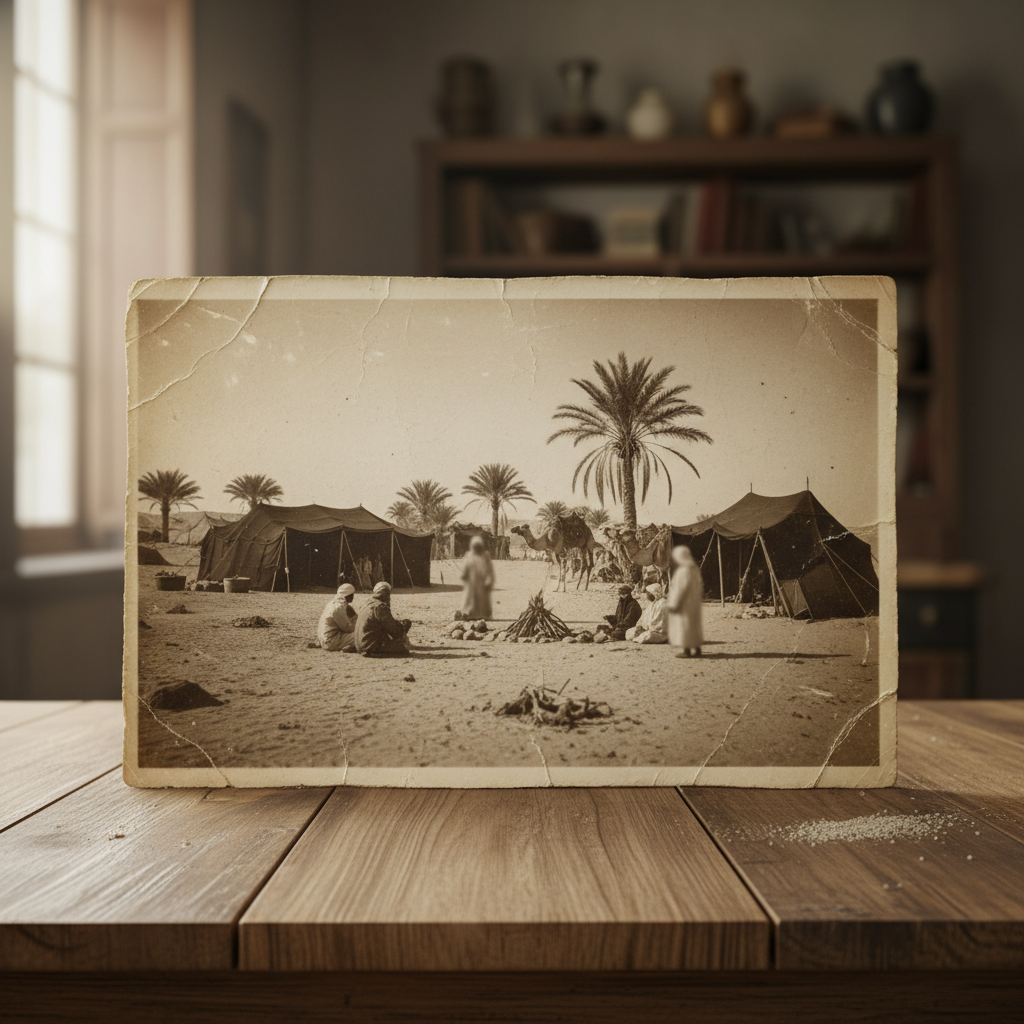
Old faded photograph of Bedouin life in the desert placed on a wooden table, nostalgic atmosphere
Made byBobr AI

Essential Uncommon Verbs

Yay (ياي)

Coming (Active Participle used as present continuous)

Yaroom (يروم)

Can / Be able to (Equivalent to Yastati' in Fusha)

Tamma (تم)

Stayed / Remained (also used to say 'Done/Okay')

Flat icon set representing 'Movement', 'Strength/Ability', and 'Checkmark/Done', minimalist style
Made byBobr AI

Dialogue: Meeting a Friend

A: وين سرت البارحة؟ (Wen sirt al-bareha?)

Where did you go yesterday?

B: سرت العزبة ويّا الأهل. (Sirt al-ezba wayya al-ahal)

I went to the farm/chalet with the family.

A: زين والله، شو سويتوا؟ (Zein wallah, sho sawweto?)

Nice, what did you do?

Illustration of two friends (one in Kandoora, one in shirt) laughing and drinking coffee, conversational atmosphere
Made byBobr AI
Bobr AI

DESIGNER-MADE
PRESENTATION,
GENERATED FROM
YOUR PROMPT

Create your own professional slide deck with real images, data charts, and unique design in under a minute.

Generate For Free

الماضي والمضارع في اللهجة الإماراتية: قواعد وأمثلة

دليل شامل لتعلم قواعد الماضي والمضارع في اللهجة الإماراتية لغير الناطقين بها، مع أمثلة عملية ومفردات ثقافية.

الماضي والمضارع في اللهجة الإماراتية

Past & Present Tenses in Emirati Dialect For Non-Native Learners

Dialect vs. Standard Arabic (Fusha)

Simplicity: Case endings (I'rab) are dropped.

Pronunciation: The letter 'Qaf' (ق) often becomes 'G' (g as in go) or 'J'.

Vocabulary: Rooted in Bedouin heritage but evolving with modern life.

The Past Tense (الماضي)

Root Verb + Suffix (Pronoun ending). Similar to Fusha but often shorter.

I went = Ana Sirt (أنا سِرت)

He said = Hwa Gal (هو قال)

She ate = Hiya Kalet (هي كَلت)

The Present Tense (المضارع)

Prefix System: أ (A), ت (T), ي (Y), ن (N)

I speak = Armis (أرمِس)

We sit = Nyallis (نيَلِس) *Note: J becomes Y often

He goes = Yasir (يسير)

The Magic "B-" (بـ) Prefix

Adding 'B-' before the present verb indicates future intent or strong determination.

Normal: Asir (I go) -> as a habit

With B: Ba-sir (بَسير) -> I am going / I will go

Negation: Saying "No" (النفي)

"Ma" (ما) - The General No

Ma sirt (I didn't go) / Ma araf (I don't know)

"Mool" (مول) - Never / Not at all

Mool ma ahib (I absolutely don't like...)

Important Question Words

Sho? (شو) = What?

Wen? (وين) = Where?

Lesh / Ashannah? (ليش/عشانه) = Why?

Mata? (متى) = When?

Sha-gayel / Kef? (شقايل) = How?

Cultural Gem: Ahid (أحيد)

Means: "I remember from the past."

"Ahid al-farij gabel..." (I remember the neighborhood before...)

Used frequently by elders when storytelling about the pre-oil era.

Essential Uncommon Verbs

Yay (ياي)

Coming (Active Participle used as present continuous)

Yaroom (يروم)

Can / Be able to (Equivalent to Yastati' in Fusha)

Tamma (تم)

Stayed / Remained (also used to say 'Done/Okay')

Dialogue: Meeting a Friend

A: وين سرت البارحة؟ (Wen sirt al-bareha?)

Where did you go yesterday?

B: سرت العزبة ويّا الأهل. (Sirt al-ezba wayya al-ahal)

I went to the farm/chalet with the family.

A: زين والله، شو سويتوا؟ (Zein wallah, sho sawweto?)

Nice, what did you do?

  • emirati-dialect
  • learn-arabic
  • dubai-culture
  • arabic-grammar
  • language-learning
  • uae
  • past-tense
  • present-tense