



Foundations of HSE Systems: Building a Safer Workplace
Explore the key components of Health, Safety, & Environment (HSE) systems, including risk assessment, leadership, and field applications in industrial sectors.
Health, Safety, & Environment (HSE)
Foundations for a Safer Future
What is HSE?
Health
Protecting bodies and minds from illness (e.g., fumes, noise, stress).
Safety
Preventing immediate physical injuries (e.g., falls, cuts, crashes).
Environment
Minimizing ecological footprint (e.g., waste, spills, emissions).
The Benefit: Training vs. Incidents
Reduced accident rates save lives and money.
Improved morale: Workers feel valued.
1. Policy & Leadership
Safety starts at the top. A strong HSE Policy sets the rules, but Leadership Commitment drives the culture. It's not just a signed paper; it's managers wearing the same PPE as the workers.
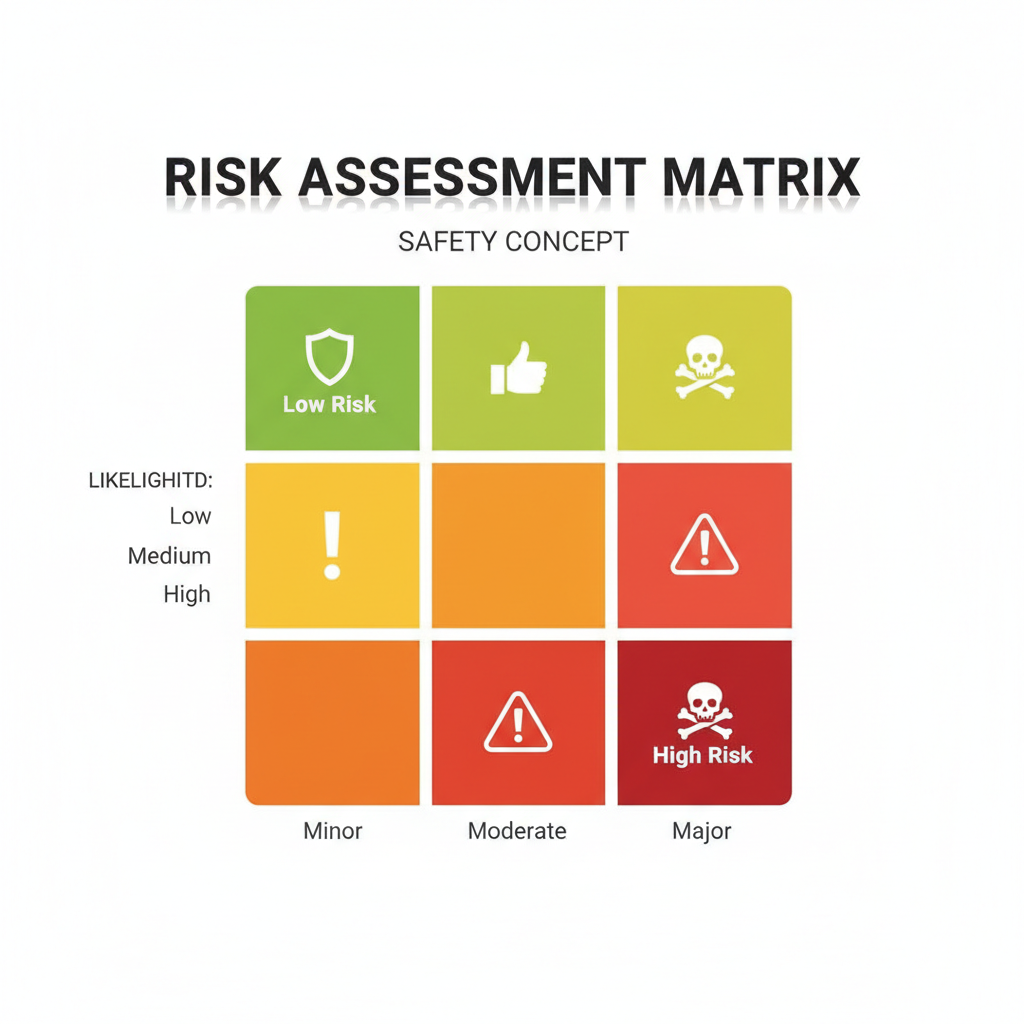
2. Risk Assessment
Identify Hazards
Evaluate Risks
Implement Controls
Field Application: Construction
• Working at Heights (Falls) • Moving Machinery • Falling Objects
• Harnesses & Guardrails • High-vis Vests & Hard Hats • Exclusion Zones
Field Application: Logistics & Warehousing
• Forklift Collisions • Manual Handling (Back Injury) • Slips, Trips, and Falls
• Dedicated Walkways • Lifting Training (Ergonomics) • Clear Floor Policy
3. Incident Reporting
"Near misses" are free lessons. Reporting minor incidents creates data that prevents major accidents.
4. Emergency Preparedness
When prevention fails, preparation saves lives.
Evacuation Plans
Muster Points
First Aid & Equipment
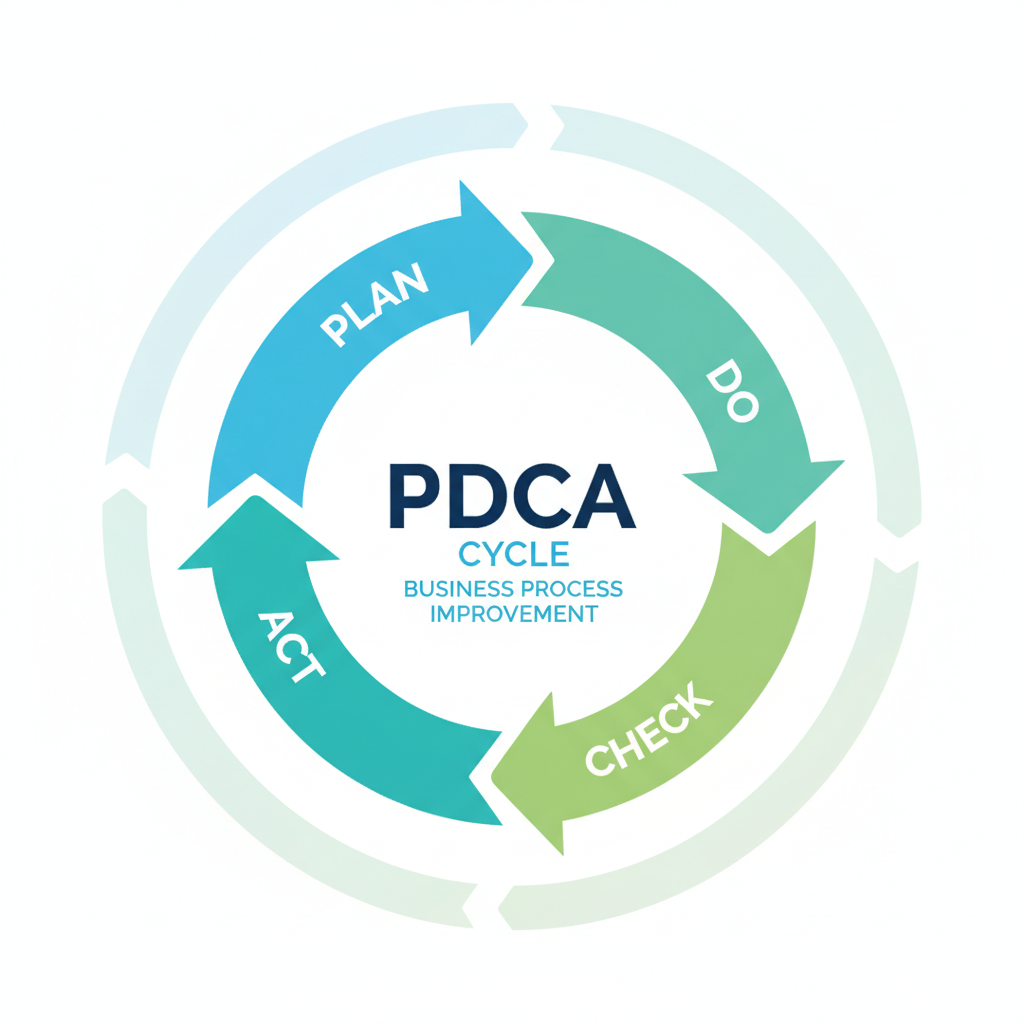
Continuous Improvement
The PDCA Cycle
HSE systems are not static. We Plan (set policy), Do (implement), Check (audit/inspect), and Act (correct and improve).
Safety is Everyone's Responsibility
1. Know the risks.
2. Follow the controls.
3. Speak up.
- hse-management
- workplace-safety
- risk-assessment
- occupational-health
- safety-leadership
- pdca-cycle
- industrial-safety