






Made byBobr AI

Grant Management in Remote Communities: Operational Insights

Learn effective strategies for servicing grants in deep remote communities, including adaptive compliance, seasonal constraints, and infrastructure needs.

#community-grants#remote-delivery#niaa#grant-compliance#project-management#government-operations#indigenous-communities
Watch
Pitch
NIAA SECONDMENT BRIEF

Operational Brief: Servicing Grants in Deep Remote Communities

Insights from an APS 5 Secondment to the NIAA | Lessons Learned & Fieldwork Perspectives

Made byBobr AI

Context: The Rhythm Shift

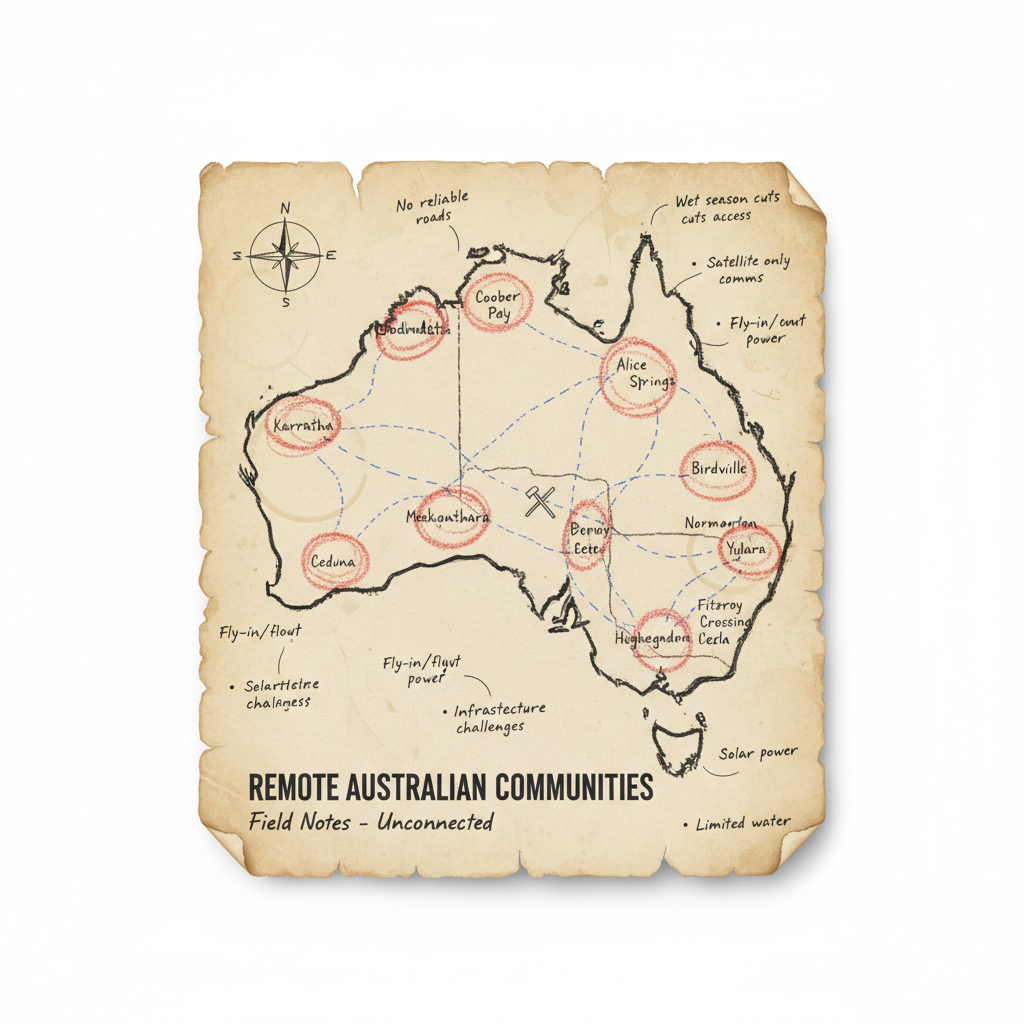
Coming from a policy processing role, the transition to on-ground delivery in deep remote communities was a distinct cultural and operational shift. The biggest realization wasn't about non-compliance; it was that remote delivery operates on a completely different rhythm.

  • Things that look straightforward in Canberra take longer due to weather, cultural obligations, and infrastructure.
  • Lack of 'buy-in' is often actually a lack of capacity or support, not resistance.
Made byBobr AI

Operational Pacing: Mobilisation Reality

Mobilisation tasks—hiring, approvals, materials—take significantly longer in remote settings. Trying to force metro-style timeframes results in perceived failure before the project really begins.

Chart
Made byBobr AI

Timelines & Seasonal Constraints

Seasons dictate delivery. The 'Wet Season' can cut off access for months.
Cultural calendars are as rigid as financial years. 'Sorry Business' and ceremonies take precedence.
Solution: Build float into the schedule early rather than managing via extensions later.
Made byBobr AI

Infrastructure as the Critical Path

In metro grants, we assume power and connectivity exist. In deep remote, they are often the project blockers.

Basic Utilities

Water, power, and road access directly dictate if a project can start.

Small Fixes

A minor electrical upgrade or pump fix can unlock an entire 12-month program.

Made byBobr AI
Case Study

Real Scenario: The 'Stalled' Kitchen

A nutrition program was flagged 'at risk' for 6 months due to non-delivery. The paperwork suggested a staffing failure.

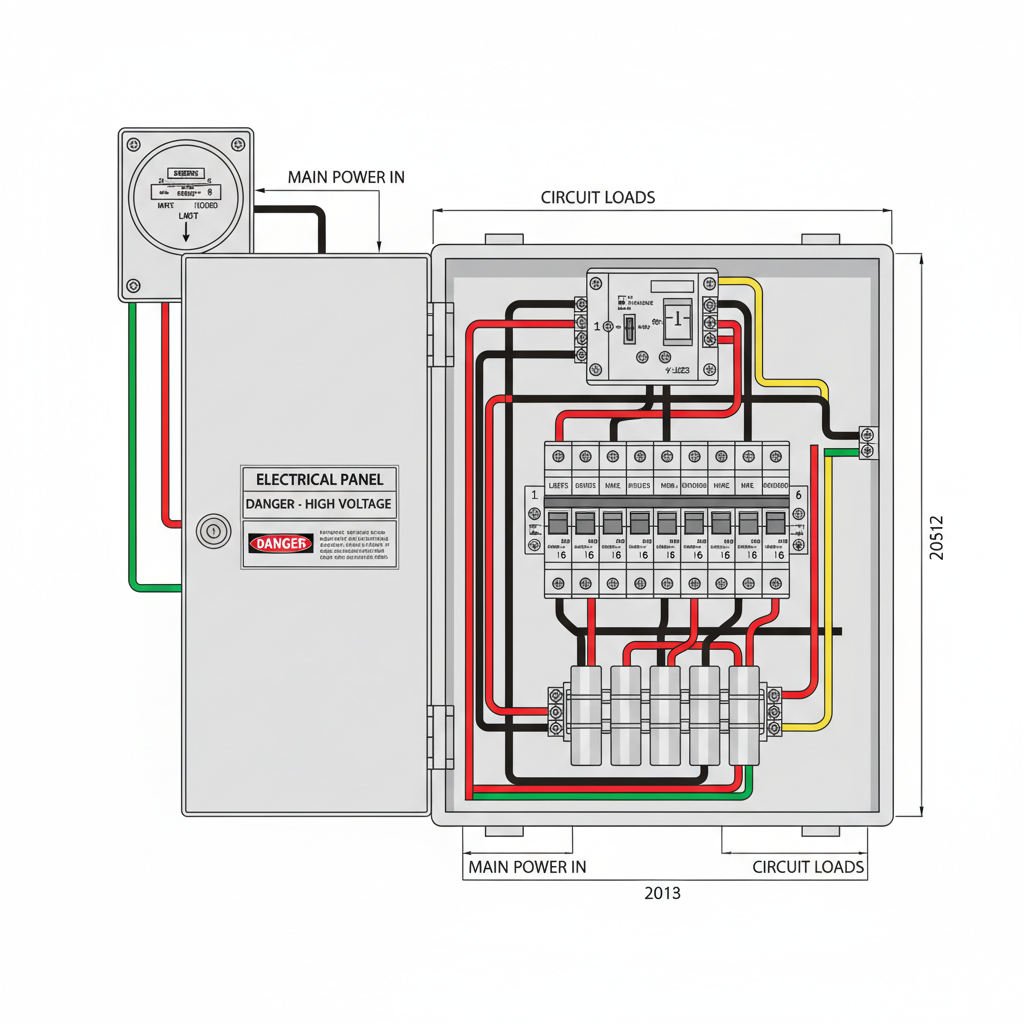
THE REALITY: The community kitchen had a faulty switchboard. They couldn't run the commercial ovens safely. A $2,000 electrical fix—categorized as 'capital works' and initially rejected—was stalling a $200k program. Once approved, the program launched in two weeks.

Lesson: Validate proper infrastructure before judging performance.

Made byBobr AI

Adaptive Compliance

It is not about lowering standards; it is about making compliance achievable.

Challenges: Standard reporting templates assume office capacity, reliable internet, and dedicated admin staff.

Solutions: • Accept photo/video evidence. • Fund dedicated admin support lines. • Use simplified, tick-box templates. • Verbal reporting followed by agent notes.

Made byBobr AI

Data & Monitoring Reliability

Limited connectivity renders complex online portals ineffective. Low-tech methods often yield higher data accuracy.

Chart
Made byBobr AI

Tools That Actually Help

01.

Staged Funding Schedules

Break release points: Mobilisation → Delivery → Wrap-up. Don't release delivery funds until mobilisation is verified.

02.

Low-Bandwidth Kits

SMS-based reporting flows or paper forms that can be photographed and sent when signal is available.

03.

Readiness Checklist

Simple audit of physical infrastructure (power/water) before contract signature to prevent inevitable delays.

Made byBobr AI

Relationships & Networks

Local Connectors are Essential

They manage expectations and troubleshoot locally. Without them, you are flying blind.

Cross-Agency Collaboration

Bring capital, finance, and digital inclusion teams in early. Silos create delays.

SES Backing

Leadership support for practical, variance-based decisions is crucial for momentum.

Made byBobr AI

Key Recommendations for FAMs

1. Build realistic timelines that reflect seasons and remote pacing.

2. Adopt adaptive compliance—keep the integrity, change the method.

3. Treat infrastructure checks as part of delivery, not an afterthought.

4. Support partners directly with admin help and simplified templates.

5. Use mixed monitoring methods—don't rely solely on online systems.

6. Invest heavily in relationships to reduce rework and build trust.

Made byBobr AI
Bobr AI

DESIGNER-MADE
PRESENTATION,
GENERATED FROM
YOUR PROMPT

Create your own professional slide deck with real images, data charts, and unique design in under a minute.

Generate For Free

Grant Management in Remote Communities: Operational Insights

Learn effective strategies for servicing grants in deep remote communities, including adaptive compliance, seasonal constraints, and infrastructure needs.

Operational Brief: Servicing Grants in Deep Remote Communities

Insights from an APS 5 Secondment to the NIAA | Lessons Learned & Fieldwork Perspectives

Context: The Rhythm Shift

Coming from a policy processing role, the transition to on-ground delivery in deep remote communities was a distinct cultural and operational shift. The biggest realization wasn't about non-compliance; it was that remote delivery operates on a completely different rhythm.

Things that look straightforward in Canberra take longer due to weather, cultural obligations, and infrastructure.

Lack of 'buy-in' is often actually a lack of capacity or support, not resistance.

Operational Pacing: Mobilisation Reality

Mobilisation tasks—hiring, approvals, materials—take significantly longer in remote settings. Trying to force metro-style timeframes results in perceived failure before the project really begins.

Timelines & Seasonal Constraints

Seasons dictate delivery. The 'Wet Season' can cut off access for months.

Cultural calendars are as rigid as financial years. 'Sorry Business' and ceremonies take precedence.

Solution: Build float into the schedule early rather than managing via extensions later.

Infrastructure as the Critical Path

In metro grants, we assume power and connectivity exist. In deep remote, they are often the project blockers.

Basic Utilities

Water, power, and road access directly dictate if a project can start.

Small Fixes

A minor electrical upgrade or pump fix can unlock an entire 12-month program.

Real Scenario: The 'Stalled' Kitchen

A nutrition program was flagged 'at risk' for 6 months due to non-delivery. The paperwork suggested a staffing failure.

THE REALITY: The community kitchen had a faulty switchboard. They couldn't run the commercial ovens safely. A $2,000 electrical fix—categorized as 'capital works' and initially rejected—was stalling a $200k program. Once approved, the program launched in two weeks.

Lesson: Validate proper infrastructure before judging performance.

Adaptive Compliance

It is not about lowering standards; it is about making compliance achievable.

Challenges: Standard reporting templates assume office capacity, reliable internet, and dedicated admin staff.

Solutions: • Accept photo/video evidence. • Fund dedicated admin support lines. • Use simplified, tick-box templates. • Verbal reporting followed by agent notes.

Data & Monitoring Reliability

Limited connectivity renders complex online portals ineffective. Low-tech methods often yield higher data accuracy.

Tools That Actually Help

Staged Funding Schedules

Break release points: Mobilisation → Delivery → Wrap-up. Don't release delivery funds until mobilisation is verified.

Low-Bandwidth Kits

SMS-based reporting flows or paper forms that can be photographed and sent when signal is available.

Readiness Checklist

Simple audit of physical infrastructure (power/water) before contract signature to prevent inevitable delays.

Relationships & Networks

Local Connectors are Essential

They manage expectations and troubleshoot locally. Without them, you are flying blind.

Cross-Agency Collaboration

Bring capital, finance, and digital inclusion teams in early. Silos create delays.

SES Backing

Leadership support for practical, variance-based decisions is crucial for momentum.

Key Recommendations for FAMs

Build realistic timelines that reflect seasons and remote pacing.

Adopt adaptive compliance—keep the integrity, change the method.

Treat infrastructure checks as part of delivery, not an afterthought.

Support partners directly with admin help and simplified templates.

Use mixed monitoring methods—don't rely solely on online systems.

Invest heavily in relationships to reduce rework and build trust.

  • community-grants
  • remote-delivery
  • niaa
  • grant-compliance
  • project-management
  • government-operations
  • indigenous-communities