






Made byBobr AI

Introduction to Youth Theatre for Ages 14–18

Explore the benefits of youth theatre, including acting pillars, singing for musical theatre, and professional audition tips for high school students.

#youth-theatre#acting-tips#musical-theatre#audition-prep#performing-arts#drama-education#soft-skills
Watch
Pitch

Step Into the Spotlight

An Introduction to Youth Theatre (Ages 14–18)

Made byBobr AI

What is Youth Theatre?

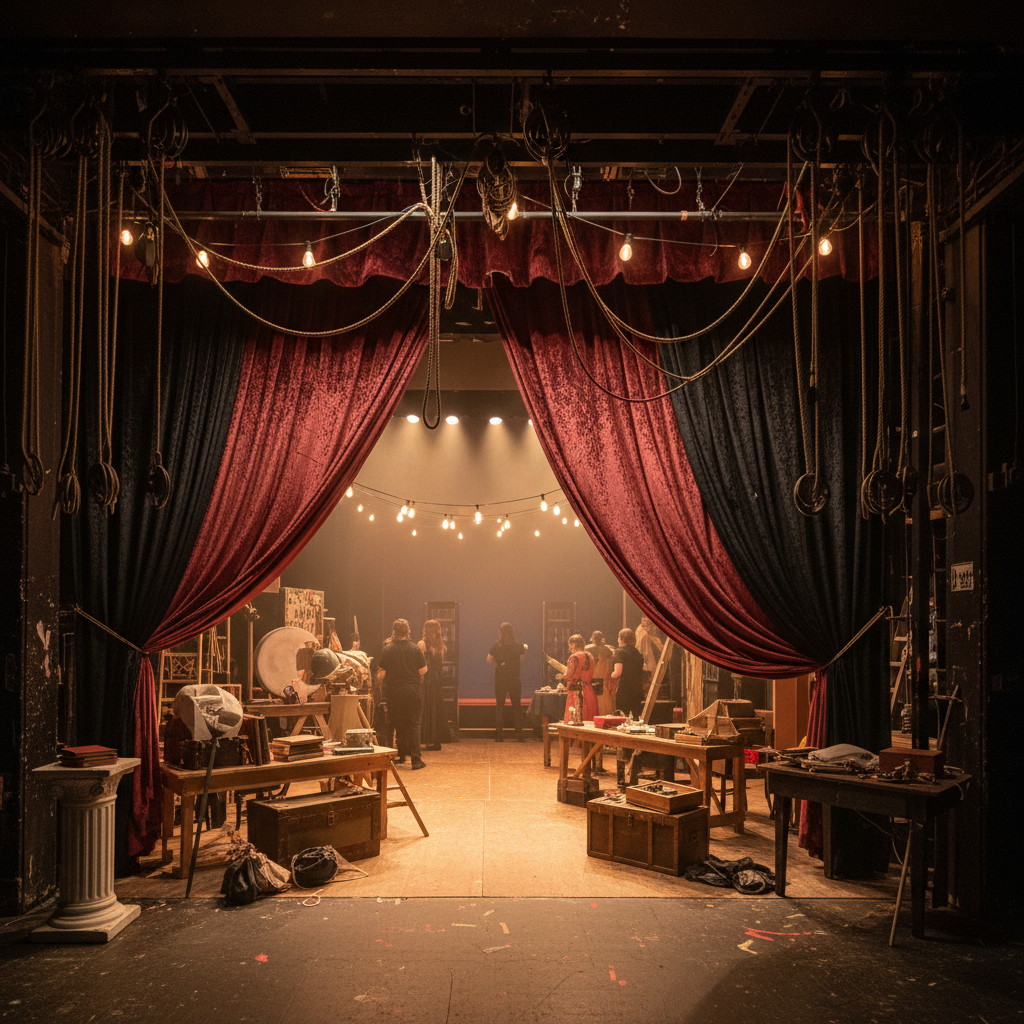
It is more than just 'putting on a play.' For students aged 14–18, youth theatre is a collaborative laboratory for storytelling, discipline, and empathy. It bridges the gap between creative play and professional discipline.

Made byBobr AI

The 'Hidden' Benefits

Theatre isn't just about fame. Surveys of theatre students highlight massive growth in soft skills compared to non-arts peers.

Chart
Made byBobr AI

Pillar 1: Acting

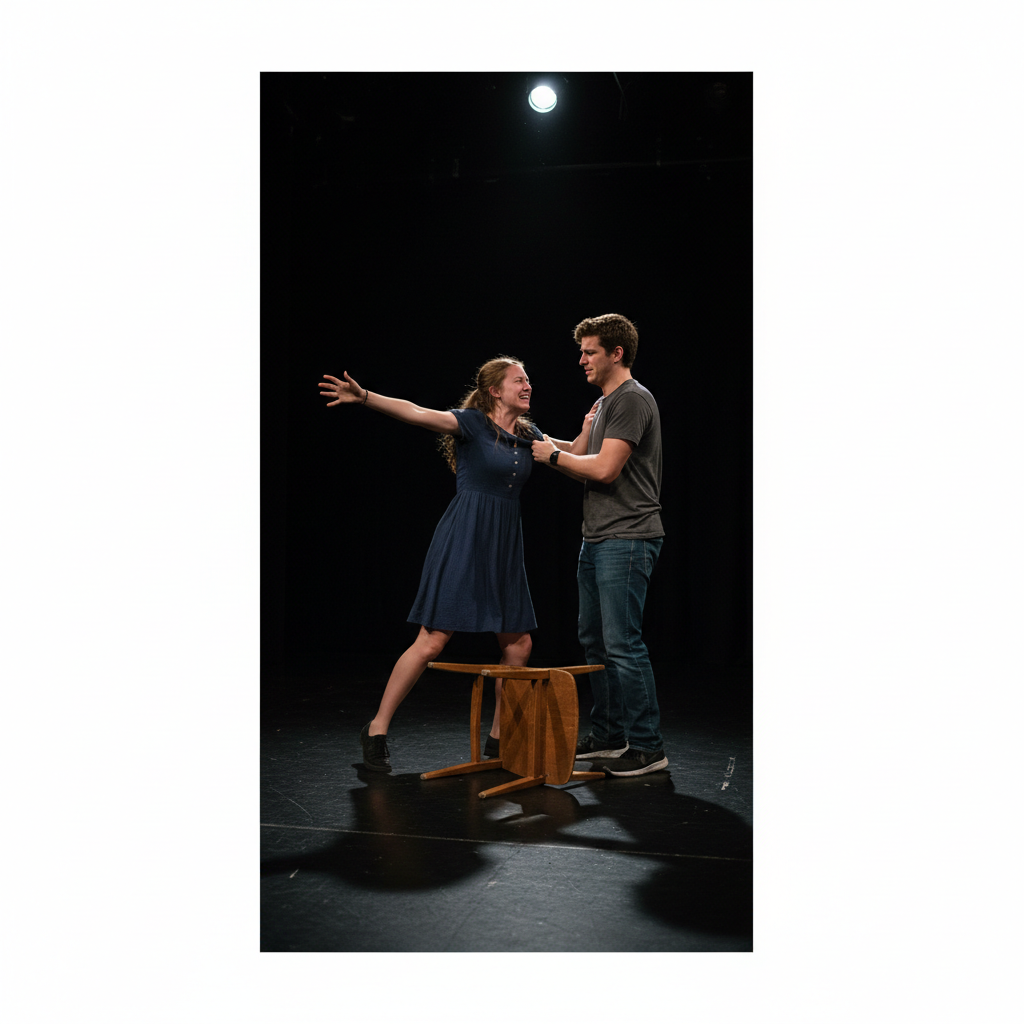
  • 🎭 Don't 'pretend'—be real under imaginary circumstances.
  • 🎯 Focus on your OBJECTIVE: What does your character want?
Made byBobr AI

Pillar 2: Singing

Storytelling Through Song

In musical theatre, we sing when the emotion becomes too strong to speak. It is not just about hitting the high note; it is about advancing the plot with your voice.

Made byBobr AI

Pillar 3: Auditioning

"The audition IS the job."

Made byBobr AI

In The Room

🎵 Prepare your '16-bar cut' (roughly 30-45 seconds of a song best showing your range).
🗣️ Slating: State your name and piece clearly. Confidence > Perfection.
Made byBobr AI

The Reality of Production

Audience members only see the final show. Actors know that 90% of the work happens before the curtain rises.

Chart
Made byBobr AI

Embrace the 'NO'

You won't get every part. Each audition is practice for the next one. Resilience is the actor's most important muscle.

Made byBobr AI

Break a Leg!

Whether on stage or backstage, there is a place for you in the theatre.

Made byBobr AI
Bobr AI

DESIGNER-MADE
PRESENTATION,
GENERATED FROM
YOUR PROMPT

Create your own professional slide deck with real images, data charts, and unique design in under a minute.

Generate For Free

Introduction to Youth Theatre for Ages 14–18

Explore the benefits of youth theatre, including acting pillars, singing for musical theatre, and professional audition tips for high school students.

Step Into the Spotlight

An Introduction to Youth Theatre (Ages 14–18)

What is Youth Theatre?

It is more than just 'putting on a play.' For students aged 14–18, youth theatre is a collaborative laboratory for storytelling, discipline, and empathy. It bridges the gap between creative play and professional discipline.

The 'Hidden' Benefits

Theatre isn't just about fame. Surveys of theatre students highlight massive growth in soft skills compared to non-arts peers.

Pillar 1: Acting

Don't 'pretend'—be real under imaginary circumstances.

Focus on your OBJECTIVE: What does your character want?

Pillar 2: Singing

Storytelling Through Song

In musical theatre, we sing when the emotion becomes too strong to speak. It is not just about hitting the high note; it is about advancing the plot with your voice.

Pillar 3: Auditioning

"The audition IS the job."

In The Room

Prepare your '16-bar cut' (roughly 30-45 seconds of a song best showing your range).

Slating: State your name and piece clearly. Confidence > Perfection.

The Reality of Production

Audience members only see the final show. Actors know that 90% of the work happens before the curtain rises.

Embrace the 'NO'

You won't get every part. Each audition is practice for the next one. Resilience is the actor's most important muscle.

Break a Leg!

Whether on stage or backstage, there is a place for you in the theatre.

  • youth-theatre
  • acting-tips
  • musical-theatre
  • audition-prep
  • performing-arts
  • drama-education
  • soft-skills