
History and Secrets of Chichén Itzá: The Maya Civilization
Explore the mystery of Chichén Itzá. Learn about Maya agriculture, astronomy, social hierarchy, and the daily rituals of this ancient civilization.
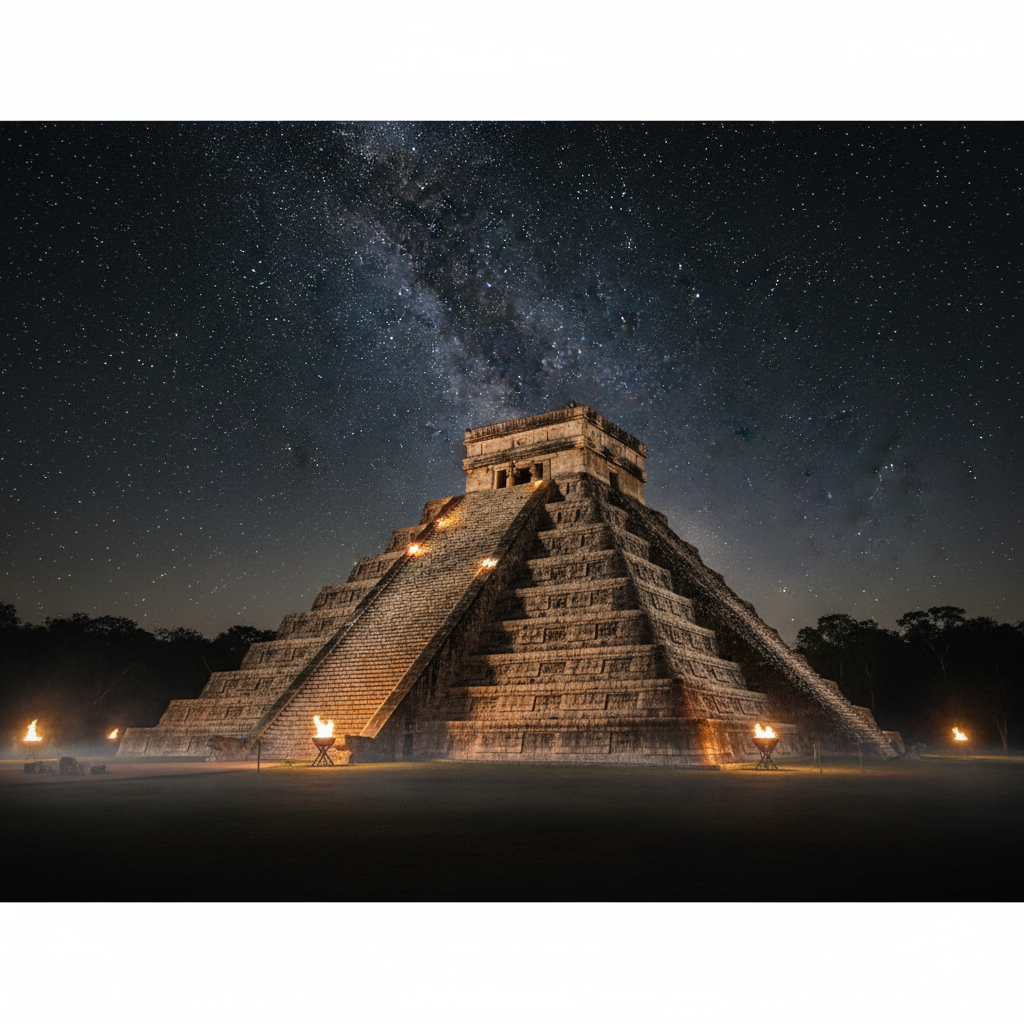
Chichén Itzá: Empire of the Night
Unveiling the mystery of the Maya Civilization through Stone and Starlight
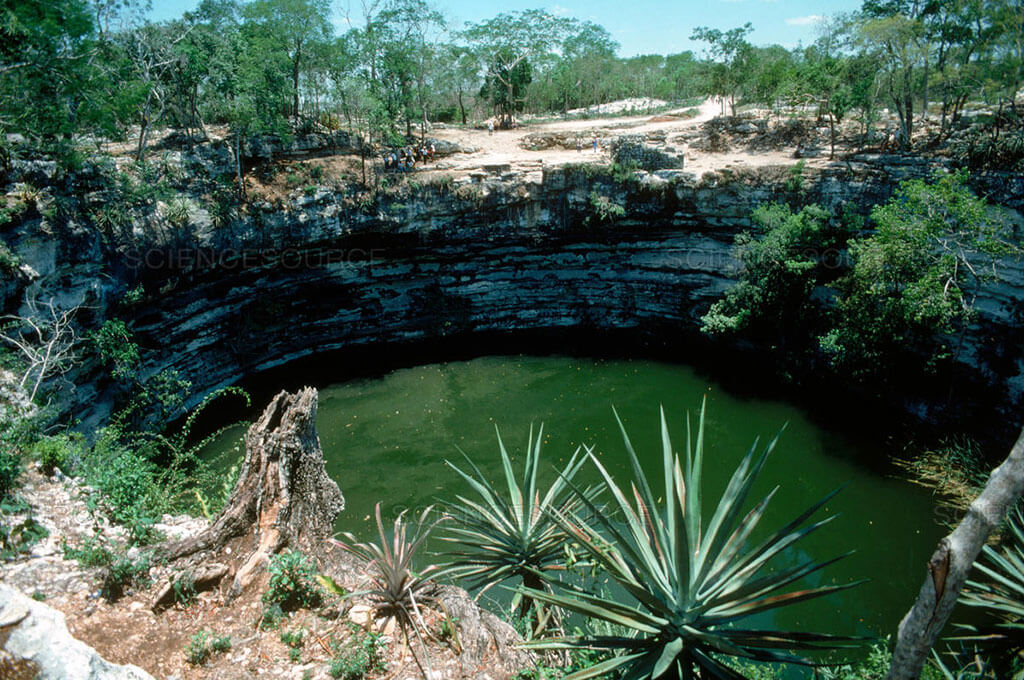
Settlement: The Sacred Water
In the arid northern Yucatán, there are no surface rivers. Chichén Itzá was founded here specifically for its access to deep natural sinkholes called Cenotes. These served as the sole source of freshwater and occupied a central role in their spiritual life as portals to the underworld (Xibalba).
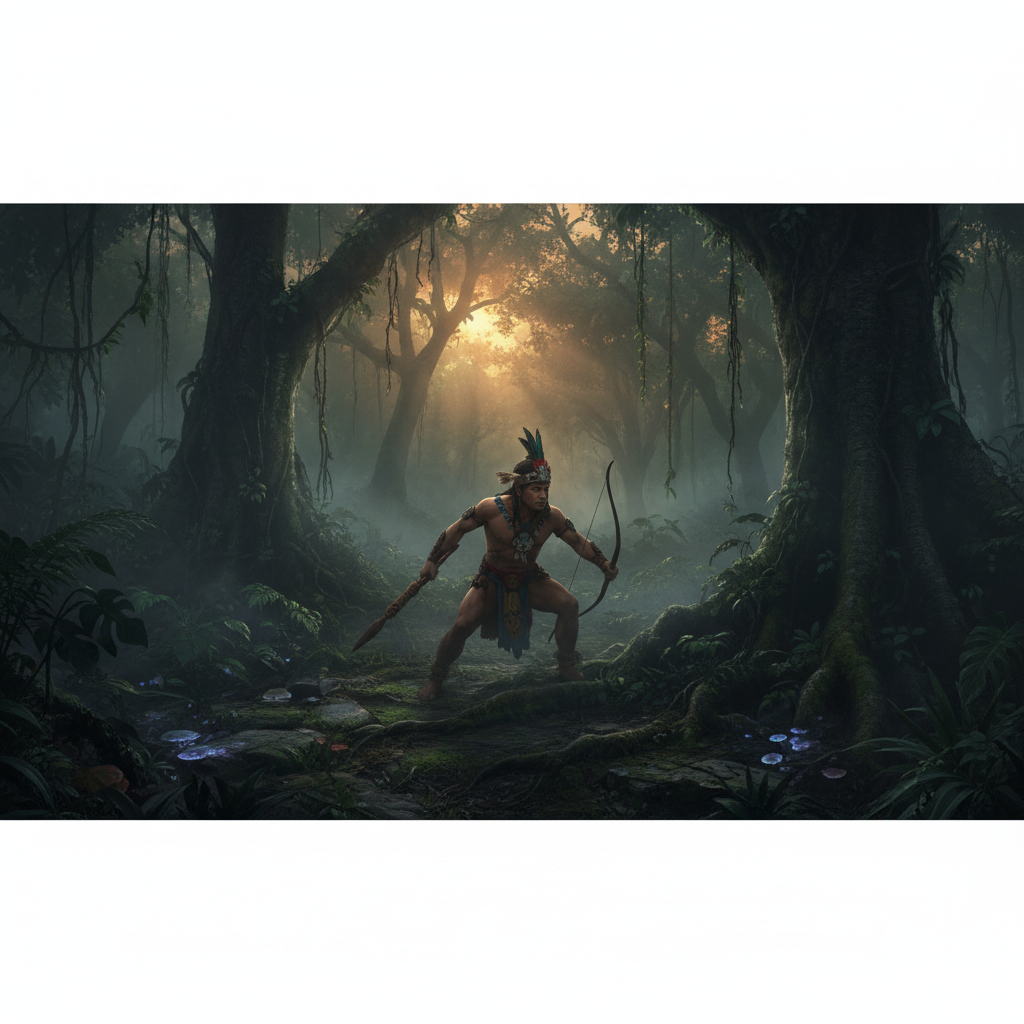
Hunter-Gatherer Origins
Before the great stone cities, the Maya ancestors roamed the dense tropical forests.
Survival depended on hunting deer, tapir, and wild turkey, and gathering fruits and tubers.
This deep knowledge of the jungle's resources allowed them to eventually settle and domesticate plants.
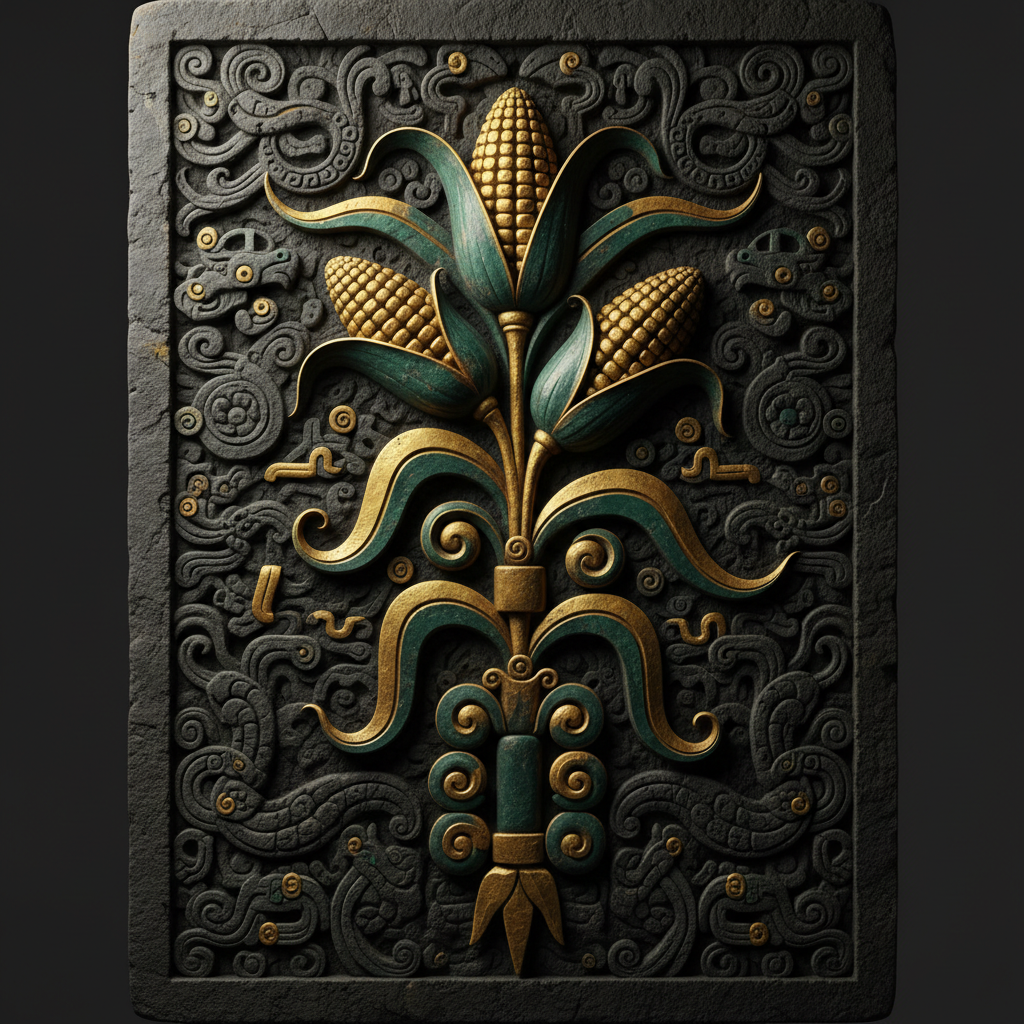
Crops: The Three Sisters
The transition to a stationary society was driven by the domestication of three key crops that worked in symbiosis:
1. Maize (Corn): The caloric backbone of their diet.<br>2. Beans: Climbed the corn stalks and fixed nitrogen in the soil.<br>3. Squash: Provided ground cover to retain moisture.
Agricultural Society
To support the massive population of Chichén Itzá, the Maya utilized Milpa (slash-and-burn) farming and complex irrigation. Maize was not just food—it was sacred. The surplus allowed for specialization in trades, leading to the rise of complex society.
Collective Learning
Chichén Itzá was a hub of intellectual exchange. Through collective learning, they achieved:
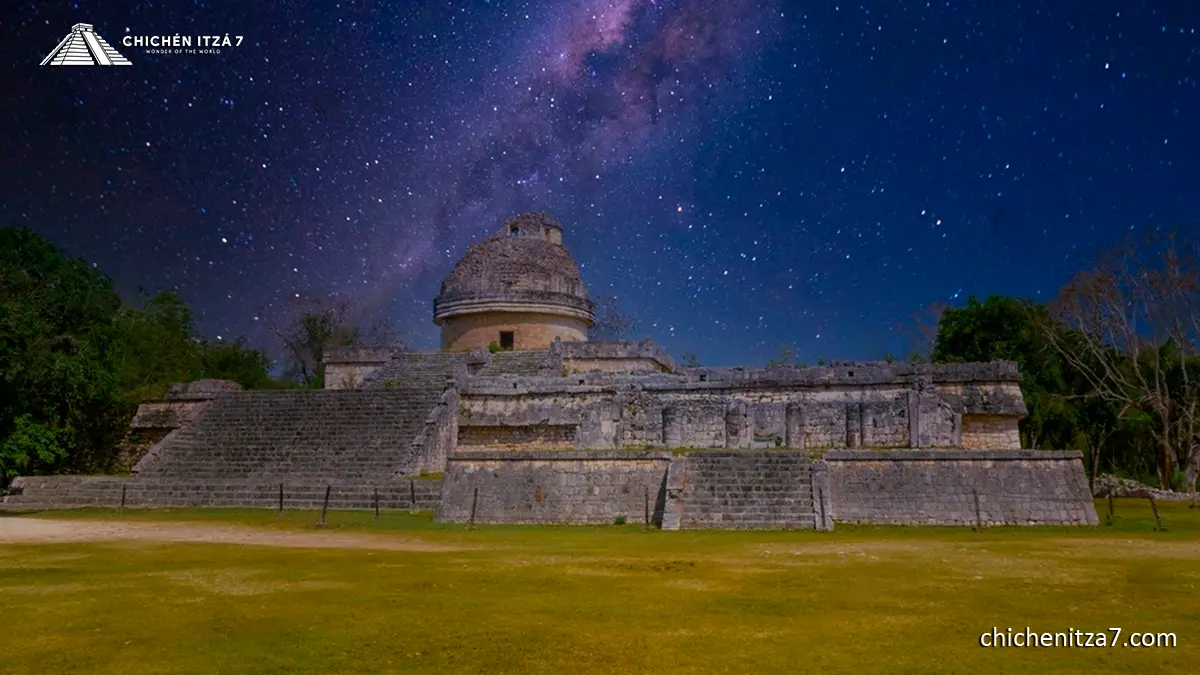
• Astronomy: El Caracol observatory tracked Venus with extreme precision.<br>• Mathematics: A base-20 system and the concept of Zero.<br>• Writing: A complex hieroglyphic script preserving history.
Civilization: The Urban Peak
By 1000 CE, Chichén Itzá was a cosmopolitan powerhouse. It fused Maya traditions with Toltec influences from central Mexico. The city was meticulously planned with sacbeob (white roads) connecting temples, markets, and neighborhoods, creating a thriving urban center of power and commerce.
The Social Hierarchy
Life in Chichén Itzá was strictly hierarchical. The vast majority were farmers who supported the elite. The Halach Uinic (ruler) and priesthood controlled the knowledge, rituals, and administration.
Daily Life & Rituals
The Ball Game
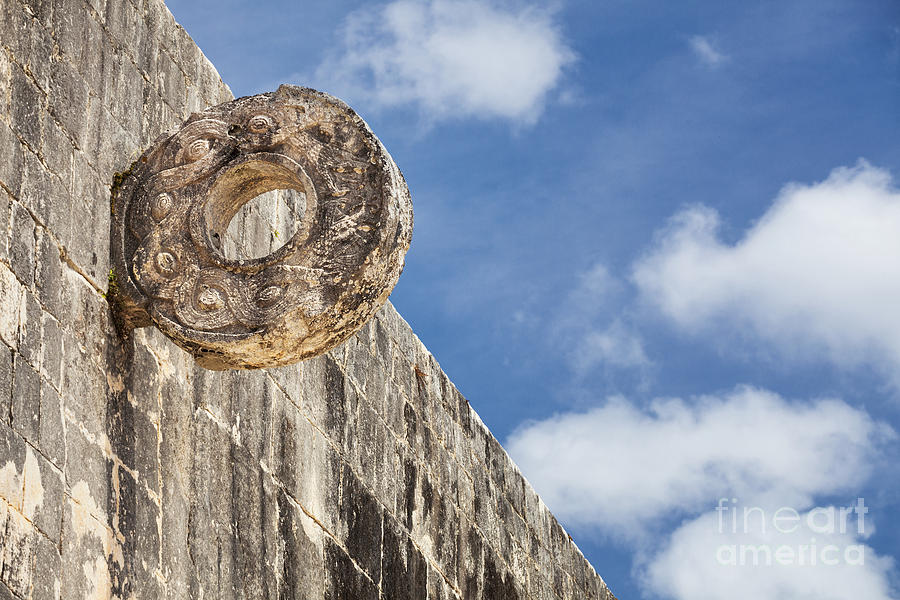
The Great Ball Court hosted 'Pok-ta-pok'. It was more than sport; it was a cosmic battle where the losers were often sacrificed to appease the gods.
Marketplace
The central market saw traders from as far as Central Mexico exchanging gold, jade, obsidian, and salt, highlighting their complex economy.
The Fading Light
Around 1200 CE, Chichén Itzá fell into decline, likely due to political conflict and drought. The people dispersed, but their architectural and scientific legacy remains—a testament to a civilization that mapped the stars from the darkness of the jungle.
- chichen-itza
- maya-civilization
- ancient-history
- yucatán
- archaeology
- pre-columbian
- mexico-history
- educational