


Engaging Reading Strategies for Kindergarten Workshops
Discover effective literacy strategies for kindergarteners, including the reading workshop rhythm, phonics in motion, and building reading stamina.
Wiggly Readers, Mighty Minds
Engaging Reading Strategies for the Kindergarten Workshop
The 10:00 AM Reality
Meet 'Alex'. He has endless energy, a short attention span, and loves dinosaurs. During reading time, he builds towers with books instead of reading them. How do we turn Alex's energy into literacy engagement without stifling his spirit?
The Workshop Rhythm
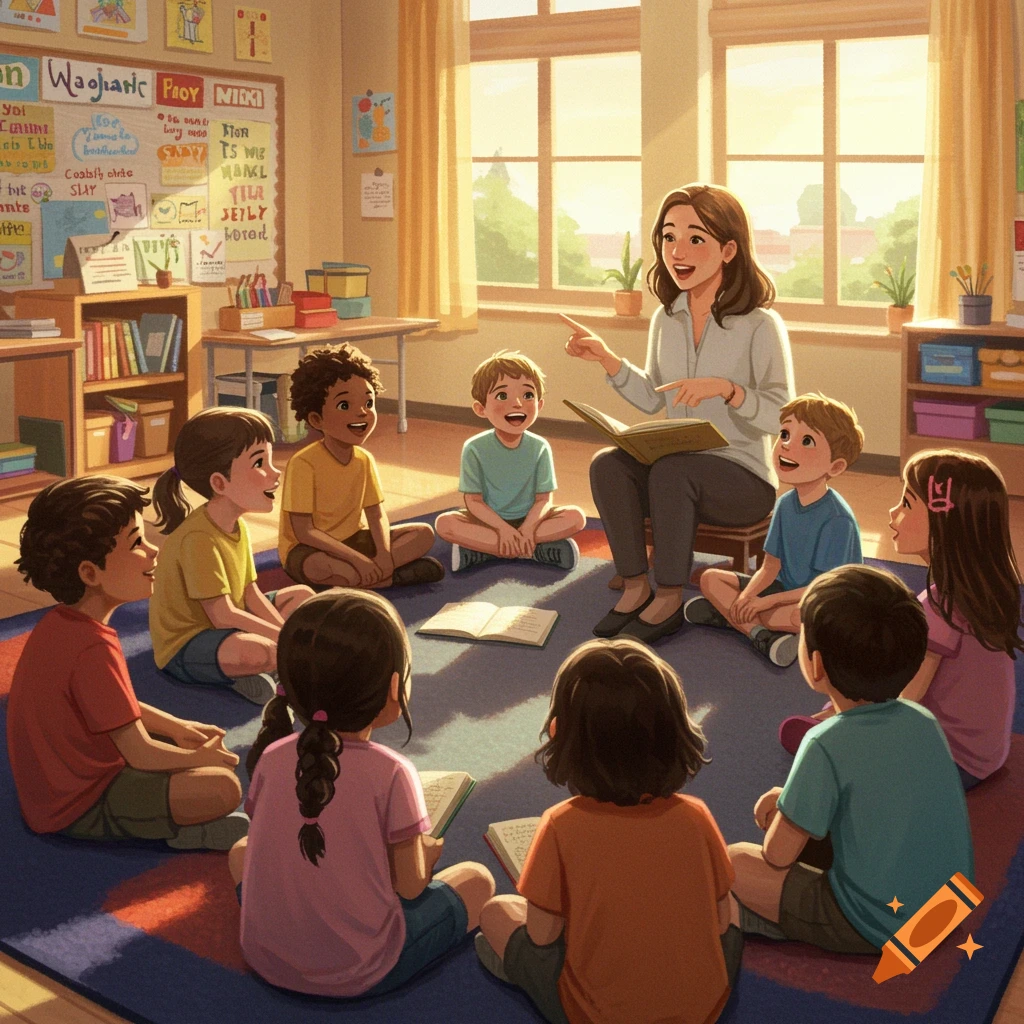
Mini-Lesson
10-15 Mins: Explicit instruction, modeled thinking, shared reading.
Work Time
30 Mins: Independent reading, partner reading, table centers, 1:1 conferencing.
Closing Share
5 Mins: Celebrating a strategy used, updating the anchor chart.
The Mini-Lesson: Hook, Teach, Active Try
Use a puppet or 'mystery bag' to introduce the concept.<br>Model the struggle: 'Watch me get stuck on this word...'<br>Active Engagement: 'Turn and tell your partner what I just did.'
Phonics in Motion
Five-year-olds need to MOVE to remember. Move away from worksheets.
Phonics Dance
Assign an action to every letter sound (e.g., 'S like a snake slithering').
Sensory Writing
Shaving cream, sand trays, or 'sky writing' with whole arms.
Stamina Growth: The 'Just Right' Challenge
We track class stamina on a visual thermometer. Active choice vs forced sitting drastically alters engagement.
Redefining 'Reading'
Many Kinders say 'I can't read.' We must teach them the 3 ways to read a book so they feel successful immediately.
1. Read the Pictures
2. Read the Words
3. Retell the Story
Conferencing: The Secret Sauce
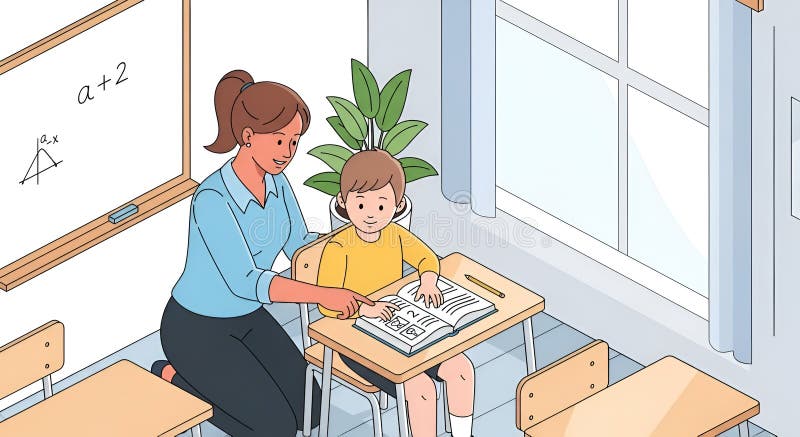
Keep it fast (3 mins max) and positive.
RESEARCH: Ask 'What are you working on?' Observe.
COMPLIMENT: Naming a specific good behavior is powerful reinforcement.
TEACH: One tiny tip. 'Next time, try using your pointer finger.'
Comprehension Connectors
Story Role Play
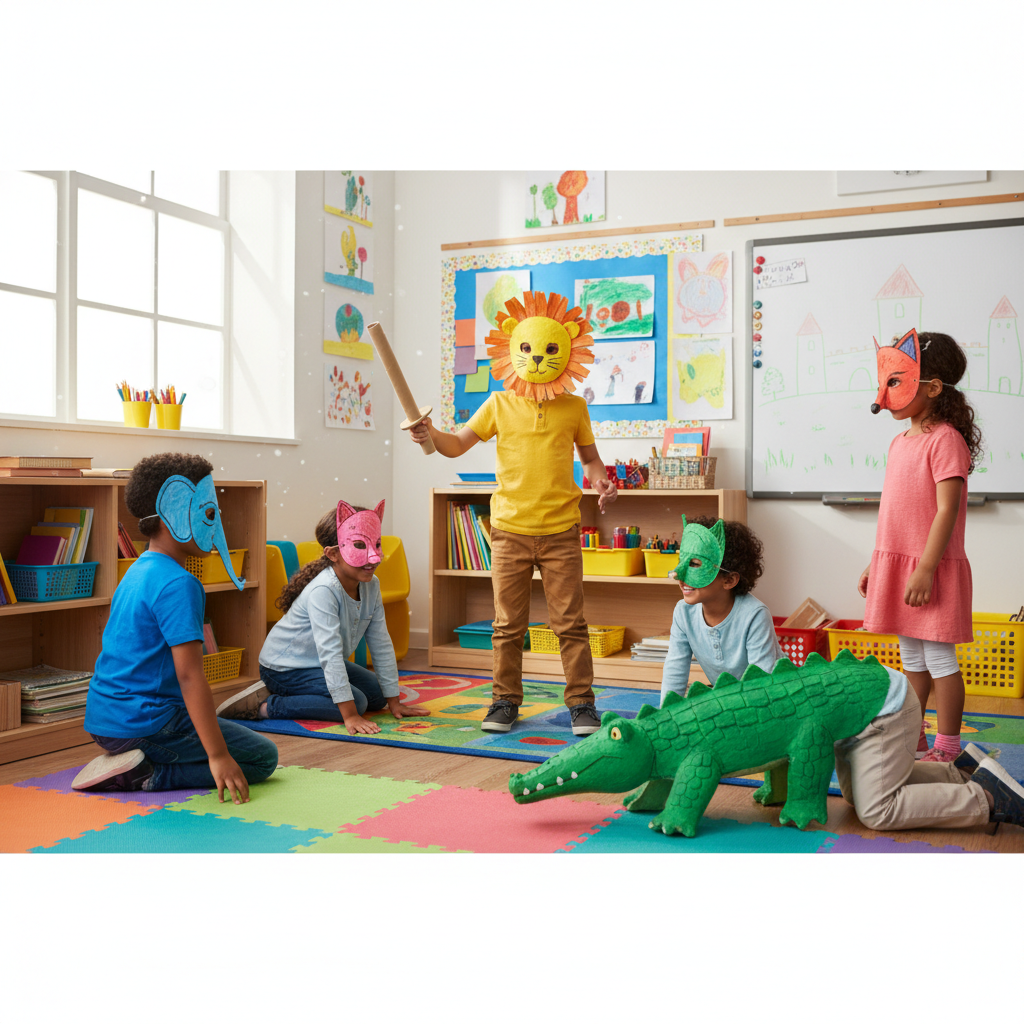
Create a 'Retell Center' with simple props (masks, stick puppets) for the book of the week. Kids act it out to understand sequence.
Sticky Note Thinking
Even non-writers can draw a quick symbol (smiley face, question mark) on a sticky note to mark a favorite or confusing part.
Building Lifelong Readers
It starts with joy.
When we combine routine with play, and tracking with celebration, we don't just teach reading skills—we teach children to be readers.
- kindergarten-literacy
- reading-workshop
- teaching-resources
- early-childhood-education
- literacy-strategies
- classroom-management