
Gulliver's Travels Analysis: Satire and Society in 18th Century
Explore Jonathan Swift's Gulliver's Travels. Learn about the satire of Lilliput, political allegories, and the themes behind this classic literary work.
Gulliver's Travels
Satire, Scale, and Society in the 18th Century
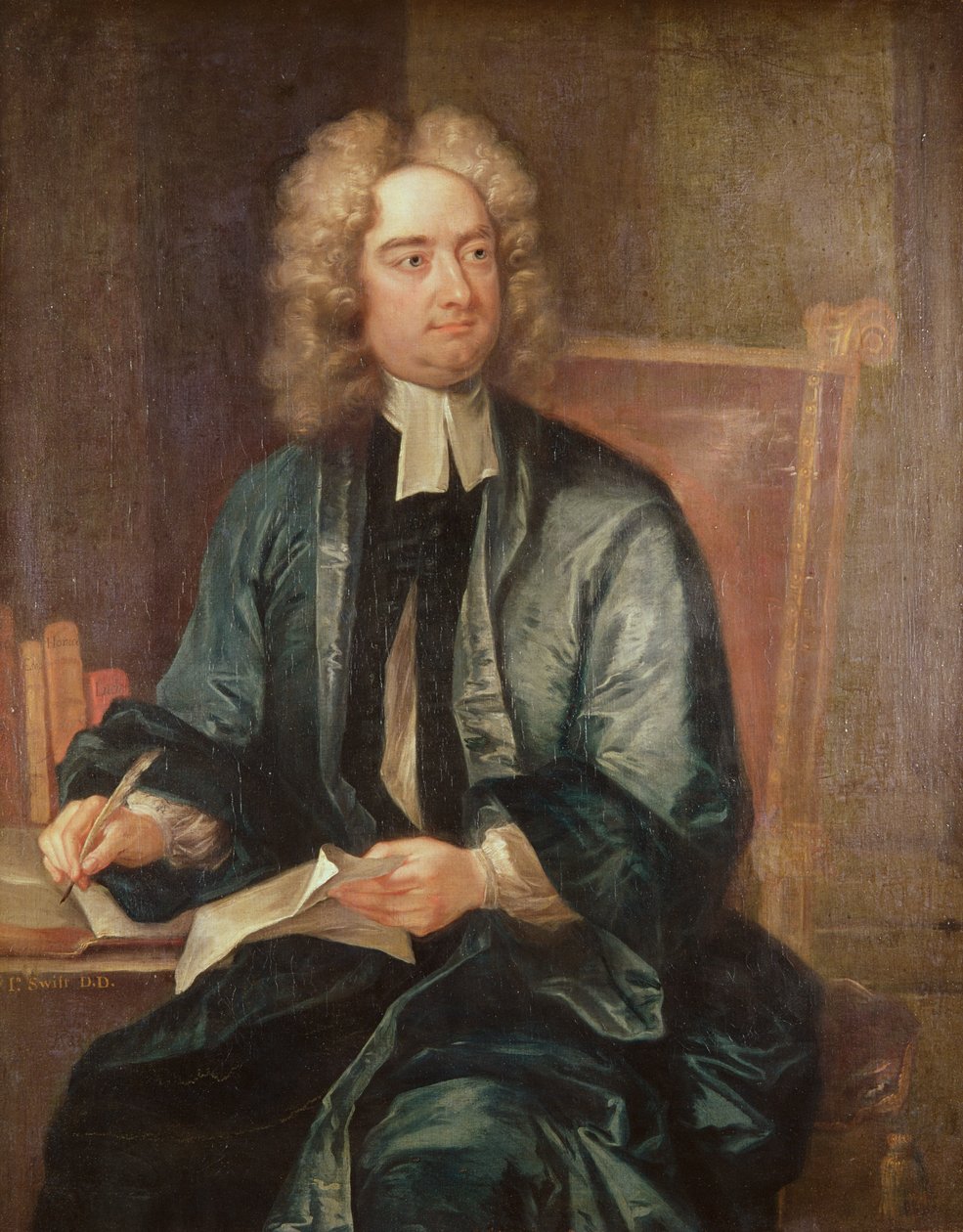
The Man Behind the Satire: Jonathan Swift
Born in Dublin, Ireland (1667), Swift was a clergyman and a brilliant satirist who used humor to criticize politics and religion.
He wrote Gulliver's Travels in 1726, not as a children's book, but to 'vex the world rather than divert it.'
More Than Just a Fairy Tale
Common Misconception: Many adaptations treat it as a cute adventure story for children about a giant and tiny people.
Literary Reality: It is a dark, complex satire. Swift uses the strange lands Gulliver visits to mock the stupidity of real European culture, science, and government.
Part I: A Voyage to Lilliput
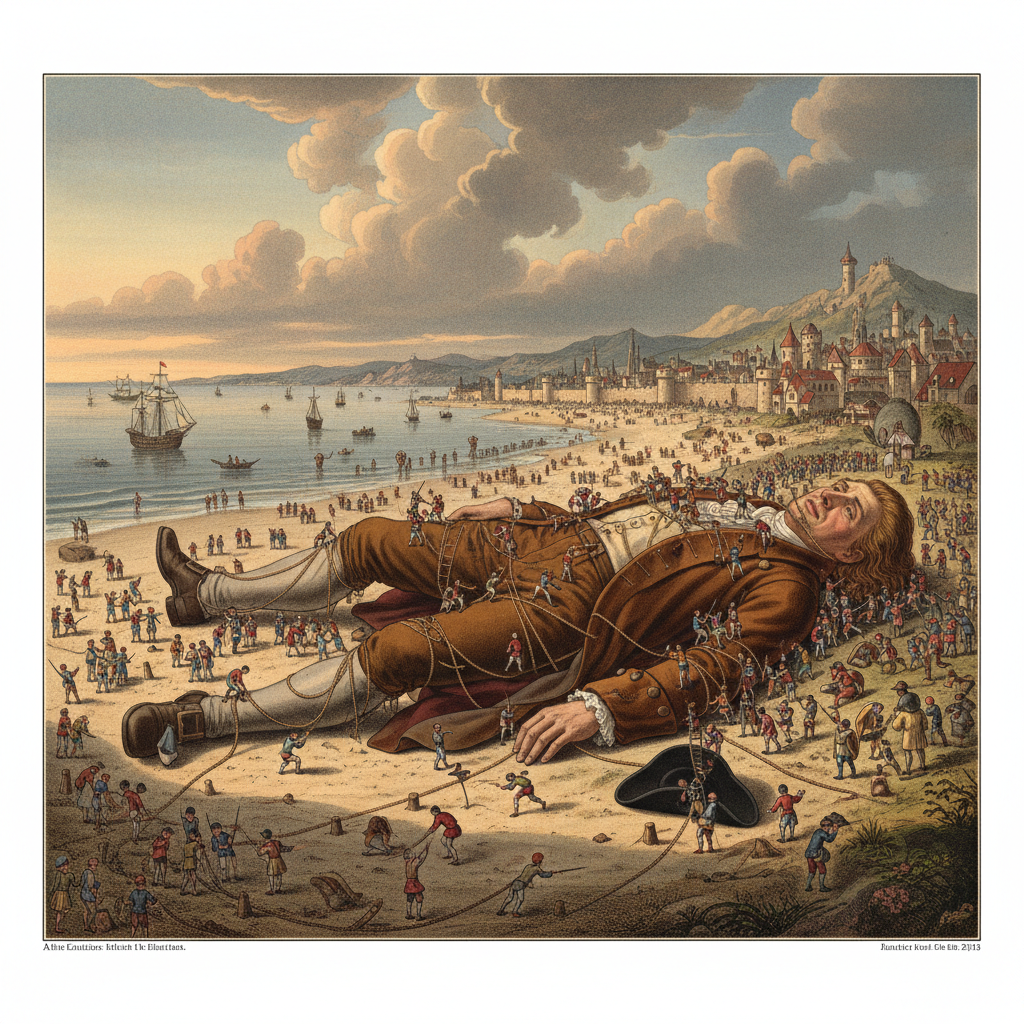
Gulliver, a ship's surgeon, is shipwrecked and washes ashore on an unknown island.
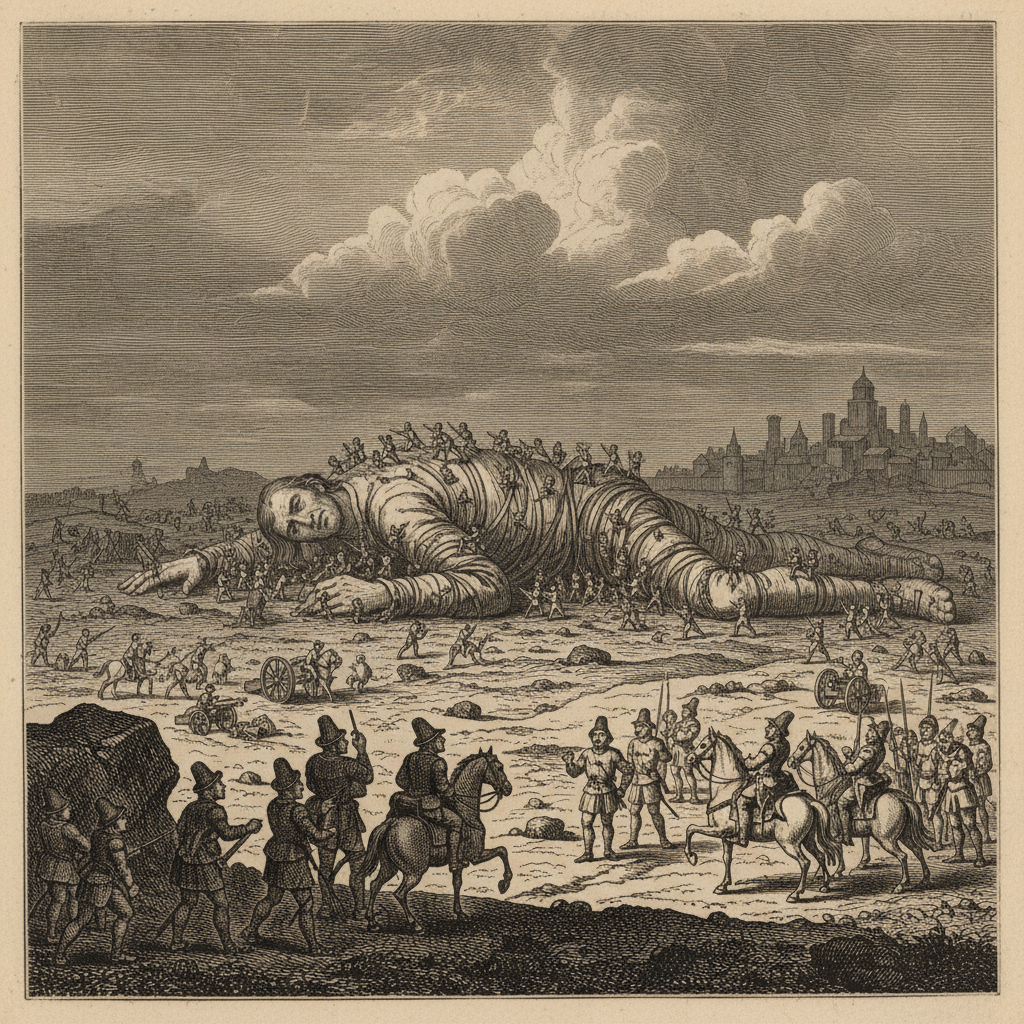
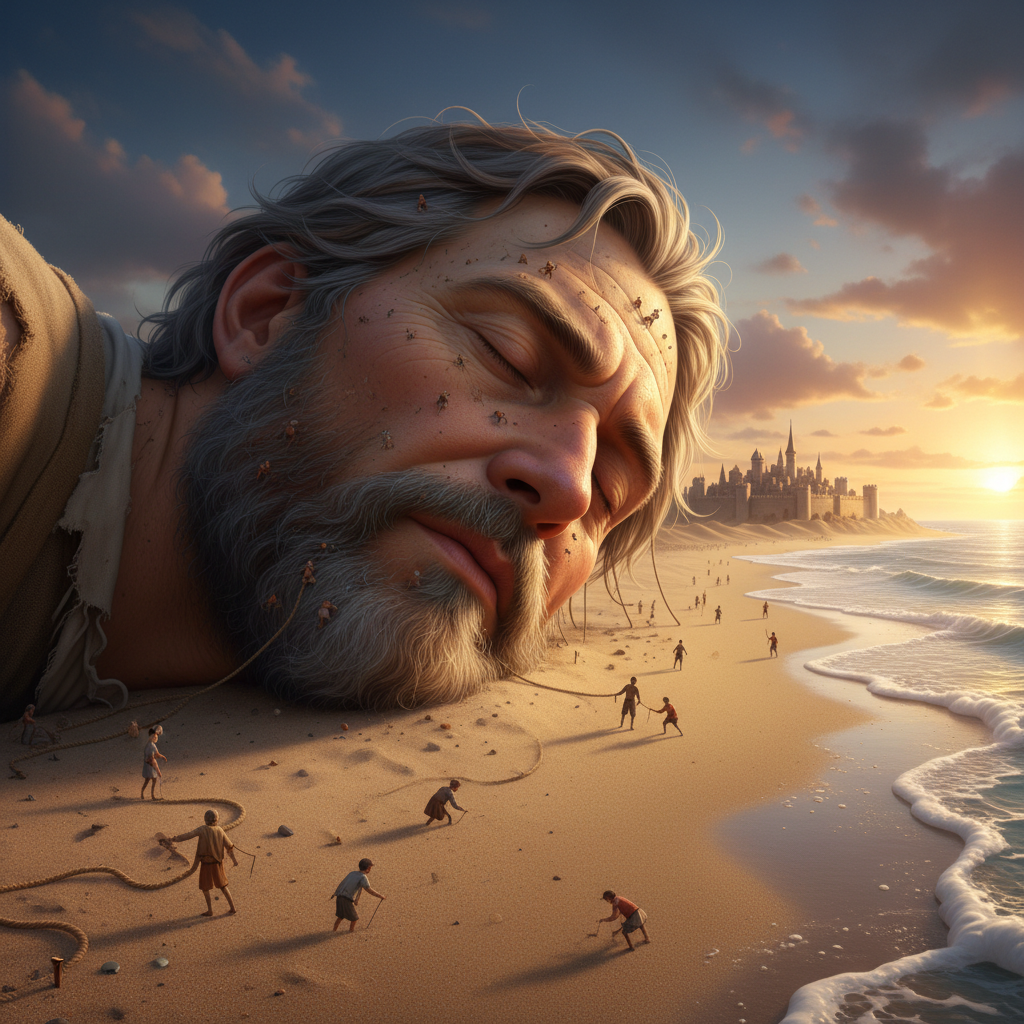
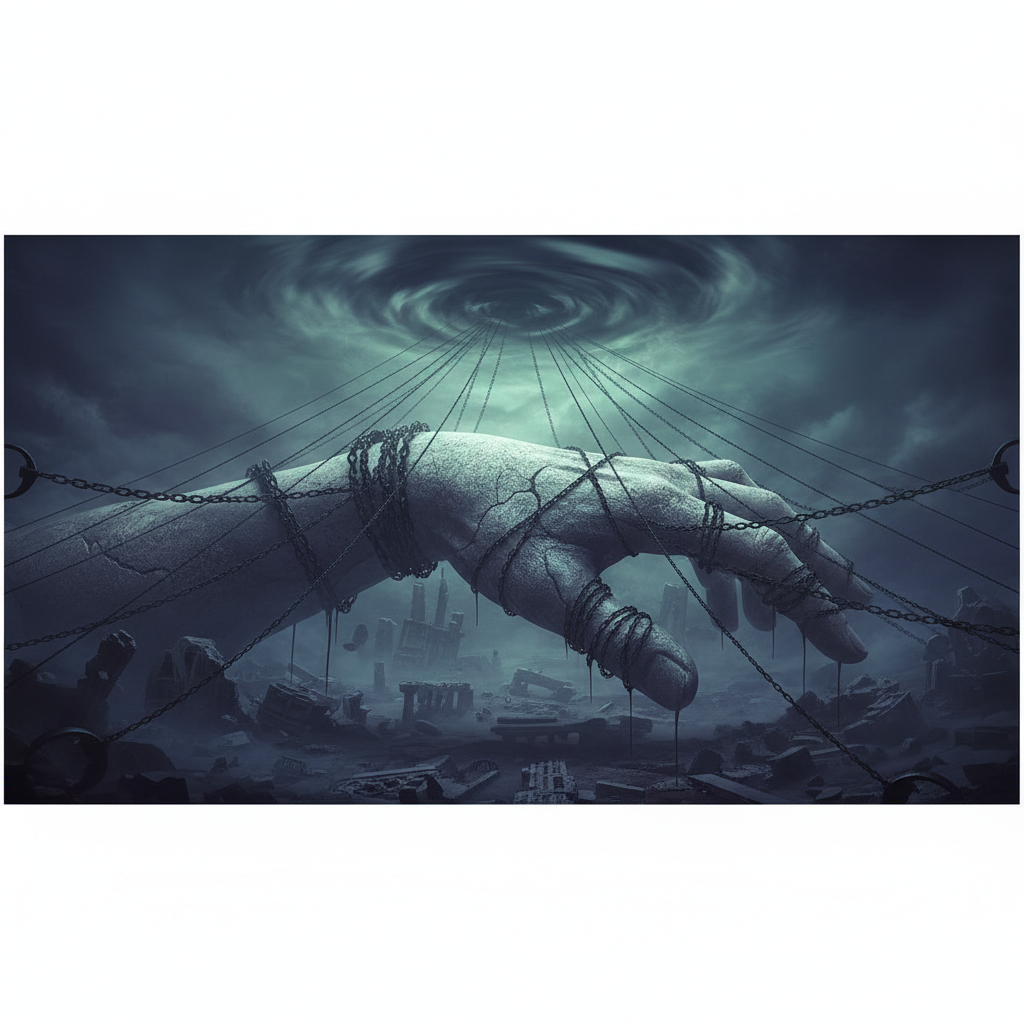
He wakes up unable to move, realizing he is tied down by thousands of tiny threads.
The Mathematics of Scale (1:12 Ratio)
Swift was obsessed with mathematical accuracy. In Lilliput, everything is exactly 1/12th the size of our world. Later, in Brobdingnag (Land of Giants), everything is 12x larger.
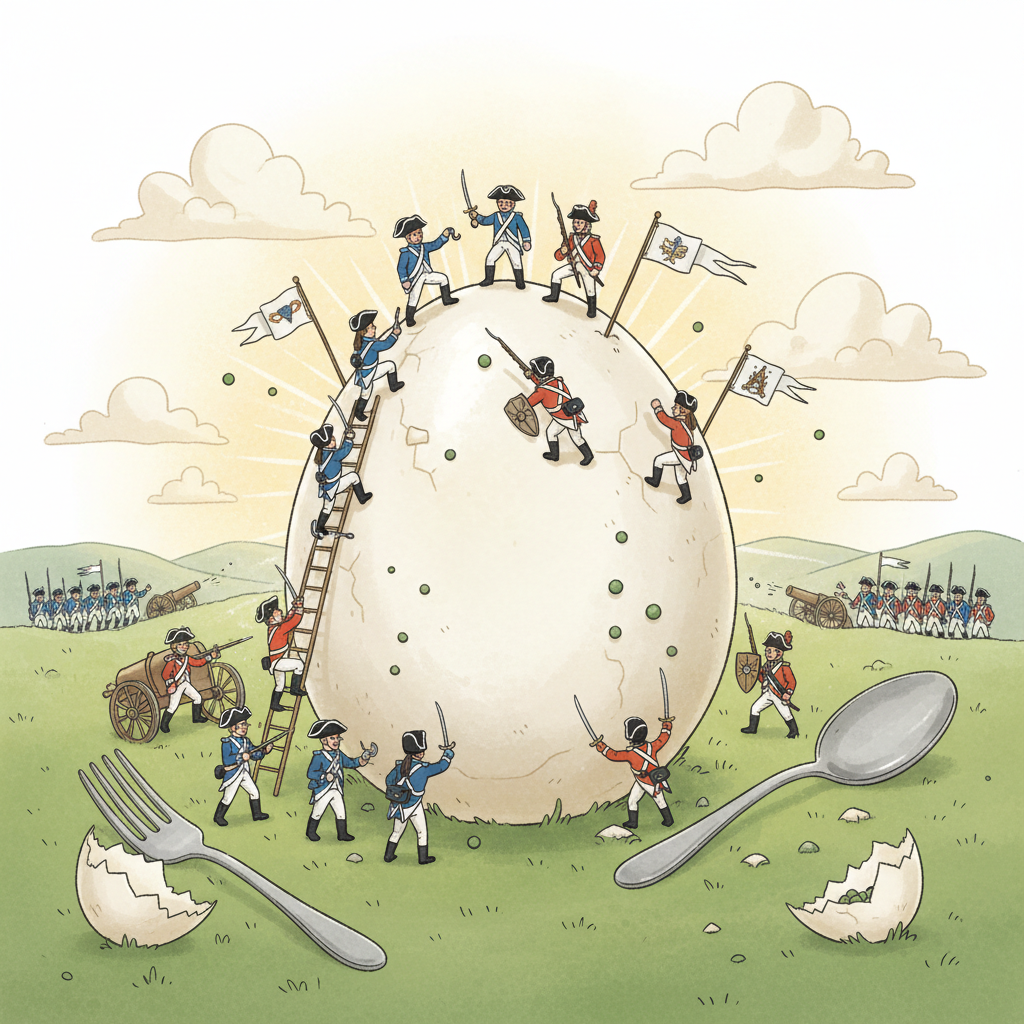
Satire: Big-Endians vs. Little-Endians
Lilliput is at war with their neighbors over the 'correct' way to crack a boiled egg: from the big end or the little end.
REAL MEANING: Swift is mocking the religious wars between Catholics and Protestants. He shows how trivial and silly these deadly conflicts look to an outsider.
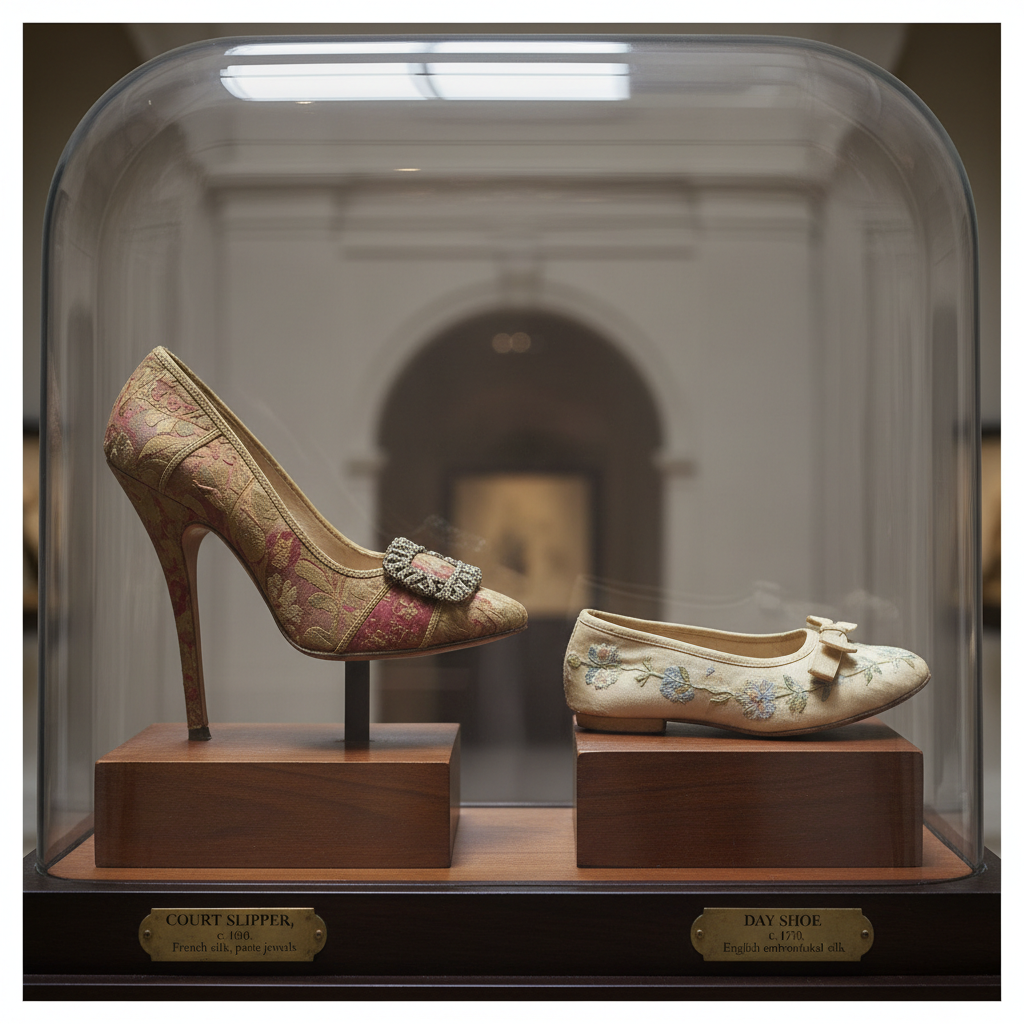
Satire: High Heels vs. Low Heels
Politics in Lilliput are divided by shoe heel height. The Emperor only appoints 'Low Heels' to office, while the 'High Heels' complain they are oppressed.
REAL MEANING: A direct jab at the Whigs and Tories (political parties) of England. Swift suggests their differences are merely cosmetic.
Core Theme: The Abuse of Power
Despite their tiny size, the Lilliputians are petty, cruel, and obsessed with war.
Gulliver starts as a prisoner, then a weapon of war, and finally flees when they plan to blind him.
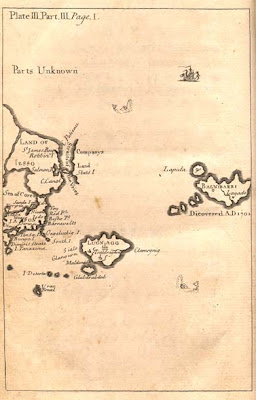
Beyond Lilliput: The Other Voyages
Brobdingnag: Land of Giants where Gulliver is the 'pet'.
Laputa: A flying island of useless scientists and abstract thinkers.
Houyhnhnms: Intelligent horses who rule over savage humans (Yahoos).
Why It Still Matters
Language: The word 'Lilliputian' is still used today to describe something tiny or petty.
Perspective: It teaches us that our customs might seem ridiculous to others.
Satire: It paved the way for modern political comedy, from cartoons to SNL.
- gulliver's travels
- jonathan swift
- literary satire
- 18th century literature
- lilliput
- political allegory
- british literature