





Made byBobr AI

Mastering the Business Project Life Cycle: Guide & Strategies

Learn the 5 phases of project management and compare Waterfall, Agile, and Hybrid models with real-world case studies to ensure business project success.

#project-management#agile-methodology#waterfall-model#scrum#project-life-cycle#business-strategy#hybrid-pm
Watch
Pitch

Project Life Cycle Management

Navigating Success from Initiation to Closure in Business Projects

Made byBobr AI

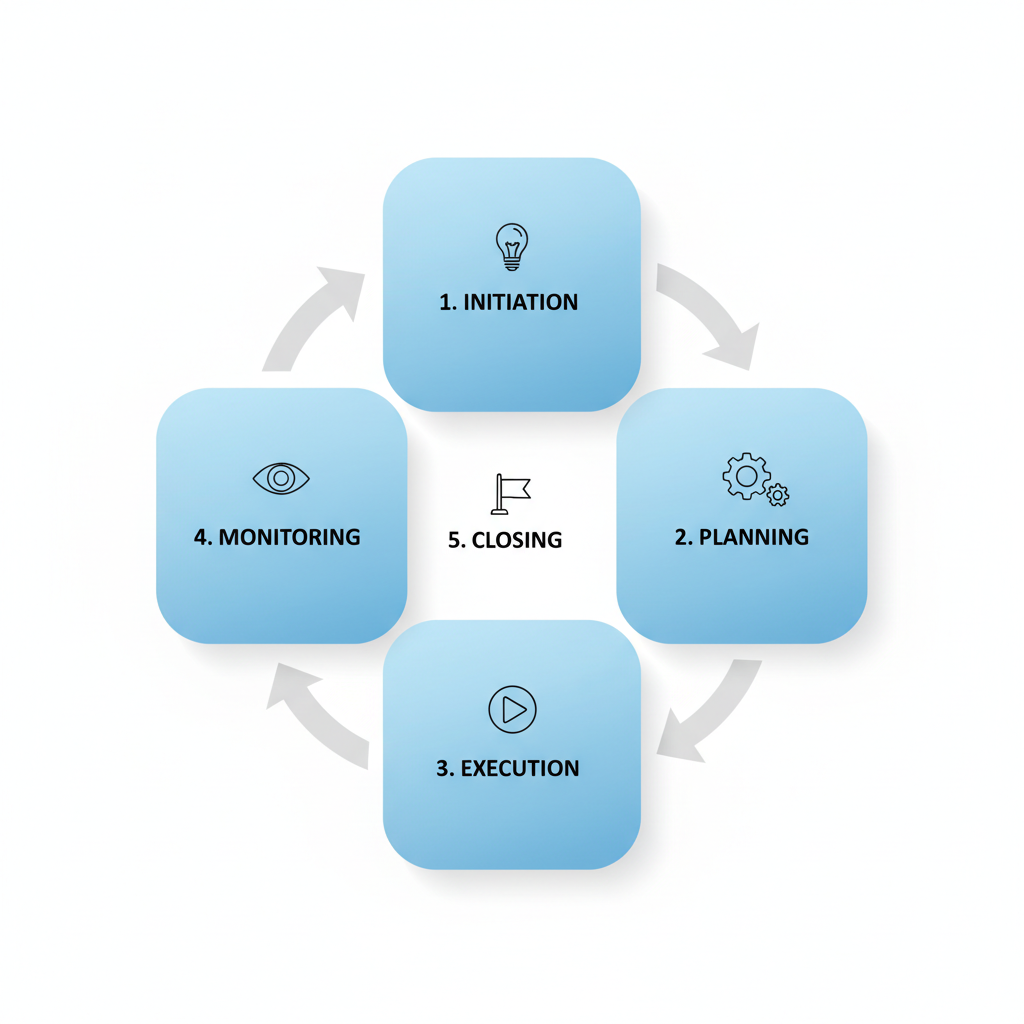
The 5 Phases of Project Management

  • Initiation: Defining the project at a broad level.
  • Planning: Developing a roadmap for everyone to follow.
  • Execution & Monitoring: Building the deliverables and tracking progress.
  • Closing: Finalizing work, handover, and retrospective.
Made byBobr AI

Phase 1: Initiation

Validating the creation of the project. This phase focuses on the 'Why' behind the effort.

Business Case: Justification for the investment (ROI, Strategic Fit).
Project Charter: Formal authorization of the project and Project Manager.
Key Stakeholders: Identifying who is impacted and their expectations.
Example: A manufacturing firm initiates a 'Process Improvement' project to reduce waste by 15%.
Made byBobr AI

Phase 2: Planning

Establishing the total scope, defining objectives, and plotting the course.

  • Scope Management Plan (WBS)
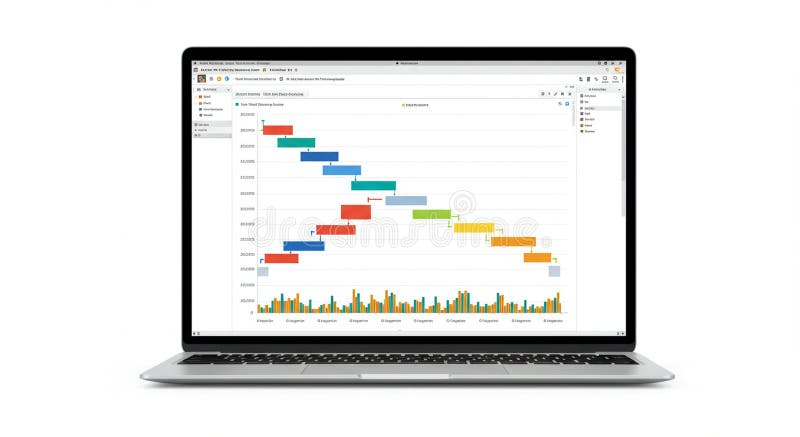
  • Schedule (Gantt Charts, Milestones)
  • Budget & Resource Allocation
  • Risk Assessment & Mitigation
Made byBobr AI

Phase 3: Execution

The 'Doing' phase where the plan is put into motion and deliverables are produced.

Team Management:
Team Management: Leading diverse cross-functional teams.
Quality Assurance:
Quality Assurance: Ensuring deliverables meet standards.
Communication:
Stakeholder Communication: Keeping the business informed.
Made byBobr AI

Phase 4: Monitoring - Earned Value Analysis

Tracking project health by comparing Planned Value (PV) vs. Actual Cost (AC) and Earned Value (EV). A divergence indicates risk.

Chart

Critical Variance

Insight: Identify variances early. In this example, the project is Over Budget (AC > EV) and Behind Schedule (EV < PV).

Made byBobr AI

Phase 5: Closing

Formal Project Closure Checklist

  • Deliverable Handover: Transfer ownership to operations/client.
  • Final Acceptance: Obtain formal sign-off.
  • Lessons Learned: Document what went well and what didn't.
  • Resource Release: Reassign team members and close contracts.
Made byBobr AI

Methodology Comparison: Choosing the Right Path

Waterfall (Predictive)

Sequential phases. Requirements defined upfront. Best for fixed scope projects (e.g., Construction).

Agile (Iterative)

Cyclical/Sprint-based. Evolving requirements. Best for discovering solutions (e.g., Software Development).

Hybrid

Mix of both. Fixed deadline/budget but iterative execution. Best for complex business rollouts.

Made byBobr AI

Focus: Agile & Scrum in Action

Moving from linear planning to continuous value delivery.

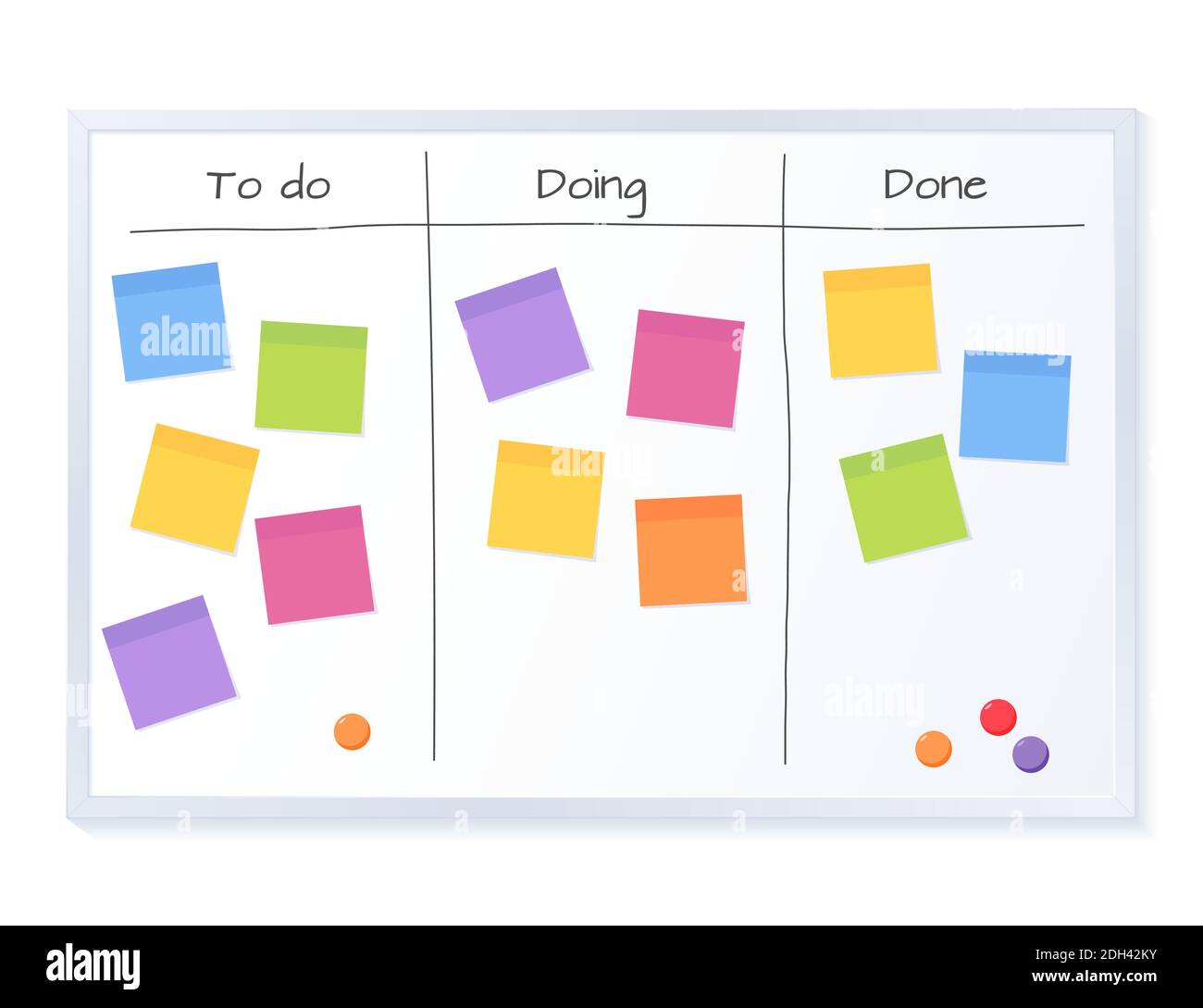
Sprints: The Sprint: Work is broken into 2-4 week cycles aimed at a 'Shippable Product Increment'.

Roles: Key Roles: Product Owner (Value), Scrum Master (Process), Development Team (Delivery).

Context: Software Implementation Projects requiring rapid user feedback.
Made byBobr AI

The Hybrid Model: Best of Both Worlds

Case Study: New Product Launch

Where we use Waterfall:

Waterfall for Hardware/Marketing: tooling setup and ad buying require fixed lead times and sequential dependencies.

Where we use Agile:

Agile for Software/Features: The companion app is developed in sprints to adapt to user beta testing.

Made byBobr AI

Application Matrix: Strategy by Project Type

Project Type
Recommended Strategy
Reasoning
Construction / Infrastructure
Waterfall (Predictive)
High cost of change, physical constraints.
Software Implementation
Agile / Iterative
High uncertainty, need for user feedback loops.
Organization/Process Change
Hybrid (Incremental)
Requires strict training schedule (Waterfall) but adaptive adoption monitoring (Agile).
Made byBobr AI

Key Takeaways

★ Structure matters: Every project follows a lifecycle, whether linear or cyclic.

★ Adapt to Context: Choose Waterfall, Agile, or Hybrid based on scope clarity and risk tolerance.

★ Focus on Value: The goal isn't just following the process, but delivering business results.

Made byBobr AI
Bobr AI

DESIGNER-MADE
PRESENTATION,
GENERATED FROM
YOUR PROMPT

Create your own professional slide deck with real images, data charts, and unique design in under a minute.

Generate For Free

Mastering the Business Project Life Cycle: Guide & Strategies

Learn the 5 phases of project management and compare Waterfall, Agile, and Hybrid models with real-world case studies to ensure business project success.

Project Life Cycle Management

Navigating Success from Initiation to Closure in Business Projects

The 5 Phases of Project Management

Initiation: Defining the project at a broad level.

Planning: Developing a roadmap for everyone to follow.

Execution & Monitoring: Building the deliverables and tracking progress.

Closing: Finalizing work, handover, and retrospective.

Phase 1: Initiation

Validating the creation of the project. This phase focuses on the 'Why' behind the effort.

Business Case: Justification for the investment (ROI, Strategic Fit).

Project Charter: Formal authorization of the project and Project Manager.

Key Stakeholders: Identifying who is impacted and their expectations.

Example: A manufacturing firm initiates a 'Process Improvement' project to reduce waste by 15%.

Phase 2: Planning

Establishing the total scope, defining objectives, and plotting the course.

Scope Management Plan (WBS)

Schedule (Gantt Charts, Milestones)

Budget & Resource Allocation

Risk Assessment & Mitigation

Phase 3: Execution

The 'Doing' phase where the plan is put into motion and deliverables are produced.

Team Management: Leading diverse cross-functional teams.

Quality Assurance: Ensuring deliverables meet standards.

Stakeholder Communication: Keeping the business informed.

Phase 4: Monitoring - Earned Value Analysis

Tracking project health by comparing Planned Value (PV) vs. Actual Cost (AC) and Earned Value (EV). A divergence indicates risk.

Insight: Identify variances early. In this example, the project is Over Budget (AC > EV) and Behind Schedule (EV < PV).

Phase 5: Closing

Formal Project Closure Checklist

Deliverable Handover: Transfer ownership to operations/client.

Final Acceptance: Obtain formal sign-off.

Lessons Learned: Document what went well and what didn't.

Resource Release: Reassign team members and close contracts.

Methodology Comparison: Choosing the Right Path

Waterfall (Predictive)

Sequential phases. Requirements defined upfront. Best for fixed scope projects (e.g., Construction).

Agile (Iterative)

Cyclical/Sprint-based. Evolving requirements. Best for discovering solutions (e.g., Software Development).

Hybrid

Mix of both. Fixed deadline/budget but iterative execution. Best for complex business rollouts.

Focus: Agile & Scrum in Action

Moving from linear planning to continuous value delivery.

The Sprint: Work is broken into 2-4 week cycles aimed at a 'Shippable Product Increment'.

Key Roles: Product Owner (Value), Scrum Master (Process), Development Team (Delivery).

Context: Software Implementation Projects requiring rapid user feedback.

The Hybrid Model: Best of Both Worlds

Case Study: New Product Launch

Waterfall for Hardware/Marketing: tooling setup and ad buying require fixed lead times and sequential dependencies.

Agile for Software/Features: The companion app is developed in sprints to adapt to user beta testing.

Application Matrix: Strategy by Project Type

Construction / Infrastructure

Waterfall (Predictive)

High cost of change, physical constraints.

Software Implementation

Agile / Iterative

High uncertainty, need for user feedback loops.

Organization/Process Change

Hybrid (Incremental)

Requires strict training schedule (Waterfall) but adaptive adoption monitoring (Agile).

Key Takeaways

Structure matters: Every project follows a lifecycle, whether linear or cyclic.

Adapt to Context: Choose Waterfall, Agile, or Hybrid based on scope clarity and risk tolerance.

Focus on Value: The goal isn't just following the process, but delivering business results.

  • project-management
  • agile-methodology
  • waterfall-model
  • scrum
  • project-life-cycle
  • business-strategy
  • hybrid-pm