










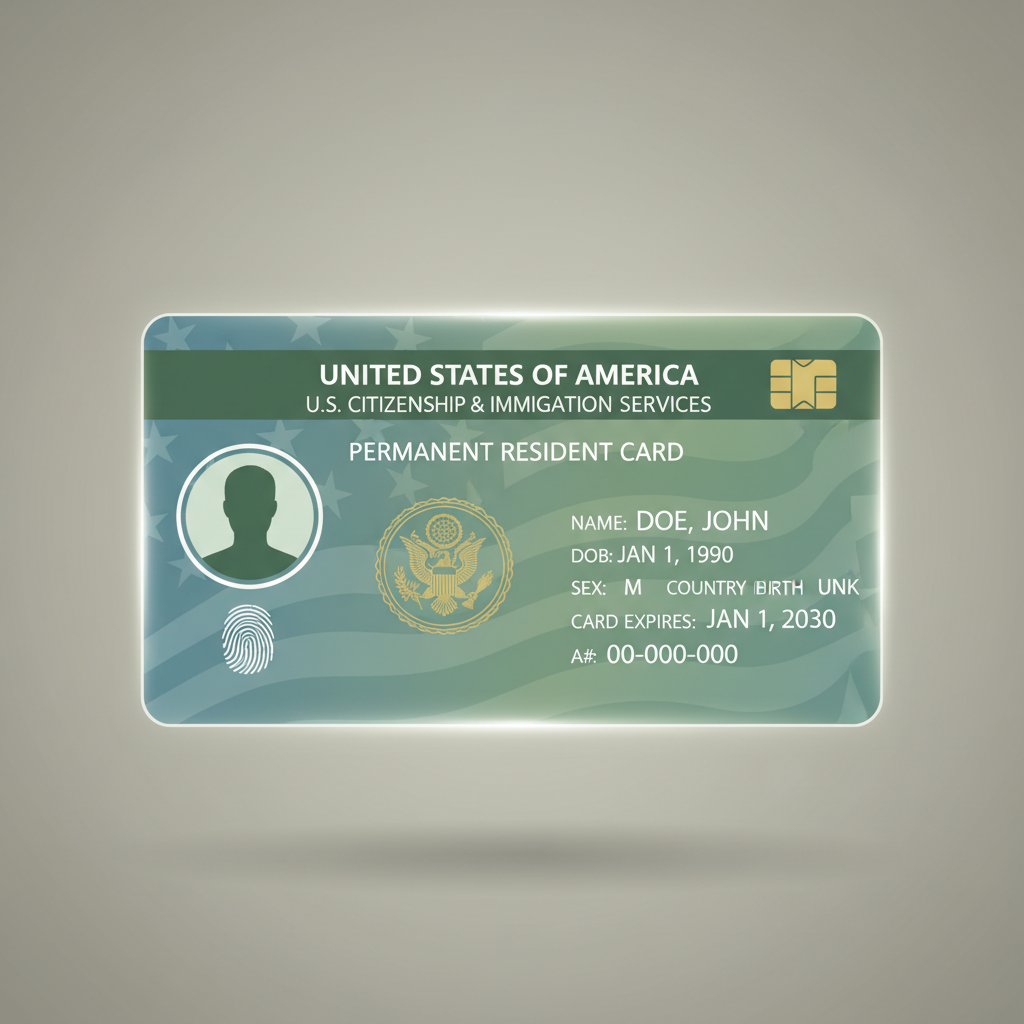




Immigration Removal Proceedings Rights & Procedures Guide
Learn about US immigration removal proceedings, including Notice to Appear (NTA), asylum relief, bond hearings, and cancellation of removal procedures.
Removal Proceedings: Basic Concept, Procedures, and Reliefs
A 'Know Your Immigration Rights' Seminar
Presented by Attorney Shiva Khanal, Esq. Law Office of Shiva Khanal, PC
Organized by FALDEF (Filipino American Legal Defense and Education Fund)
Seminar Topics
Definition of Removal Proceedings
Who is subject to Removal
Immigration Court & Its Role
Notice to Appear (NTA)
Detention & Bond Hearings
Master & Individual Hearings
Burden of Proof & Rights
Reliefs: Asylum, Citation, Appeals
Legal Disclaimer
The information provided in this presentation is for general informational purposes only and does not constitute legal advice. Immigration laws are complex and subject to change.
Attendance at this seminar does not create an attorney-client relationship between you and FALDEF or the Law Office of Shiva Khanal, PC. For advice on your specific legal issue, please consult with a qualified immigration attorney.
What are Removal Proceedings?
Removal proceedings are administrative hearings conducted before an Immigration Judge to determine whether a non-citizen may remain in the United States or must be deported.
Key Distinction: It is civil/administrative in nature, not criminal, though the consequences are severe.
Who Can Be Placed in Removal Proceedings?
Undocumented Entrants: Individuals who entered without inspection.
Visa Overstays: Individuals who entered legally but remained past their visa expiration.
Legal Permanent Residents (Green Card Holders): Can be removed for certain criminal convictions or fraud.
Visa Violators: Working without authorization or violating student visa terms.
Immigration Court & Its Role
Executive Office for Immigration Review (EOIR): A division of the Department of Justice (DOJ), independent of DHS/ICE.
The Immigration Judge (IJ): Acts as the neutral arbiter. They preside over hearings and issue decisions.
ICE Counsel: Represents the Department of Homeland Security (DHS) and acts as the prosecutor seeking removal.
Notice to Appear (NTA)
The NTA (Form I-862) is the charging document that officially starts removal proceedings.
Allegations of Fact (e.g., country of citizenship, entry date).
Charges of Removability (the specific legal reason for deportation).
CRITICAL: You must provide the court with your current address. Failure to receive notice can lead to deportation in your absence.
Detention & Bond Hearing
Immigration detention is civil, not criminal. However, ICE may detain you during proceedings.
Bond Eligibility
To get a bond, you must prove you are NOT a 'Flight Risk' and NOT a 'Danger to the Community'.
Mandatory Detention
Certain criminal convictions often require mandatory detention without bond.
Types of Hearings
1. Master Calendar Hearing
• A short, preliminary hearing. • Respondent pleads to charges (Admit/Deny). • Scheduling of future dates.
2. Individual Hearing (Merits)
• The 'Trial' phase. • Presentation of evidence and witness testimony. • Court interprets evidence. • Final decision by the Judge.
Burden of Proof
DHS (The Government) must prove by 'clear and convincing evidence' that you are foreign-born and deportable.
YOU (The Respondent) have the burden to prove eligibility for any relief (e.g., Asylum, Cancellation) generally by a 'preponderance of the evidence'.
Your Rights in Removal Proceedings
Right to Counsel: You may have an attorney, but at no expense to the government (you must pay or find pro bono).
Right to Examine Evidence: You can see the evidence ICE has against you.
Right to Cross-Examine: You can question witnesses brought by the government.
Right to an Interpreter: The court must provide one in your language.
Forms of Relief from Removal
Even if ICE proves you are deportable, you may apply for relief to stay in the U.S.
• Asylum & Withholding
• Cancellation of Removal
• Adjustment of Status
• Voluntary Departure
Asylum, Withholding, & CAT
ASYLUM: For those who fear persecution based on race, religion, nationality, membership in a particular social group, or political opinion. Must usually be filed within 1 year of entry.
WITHHOLDING OF REMOVAL: Similar to asylum but requires a higher standard of proof (>50%). Mandatory if eligible, but offers fewer benefits (no Green Card path).
CAT (Convention Against Torture): Protection if it is 'more likely than not' you would be tortured by or with the consent of the government.
LPR Cancellation of Removal
For Legal Permanent Residents (Green Card Holders)
1. Lawfully admitted for permanent residence for at least 5 years.
2. Resided in the U.S. continuously for 7 years after any lawful admission.
3. Not convicted of an Aggravated Felony.
Non-LPR Cancellation of Removal
For Undocumented Individuals (Non-LPR 42b)
1. Continuous physical presence in the U.S. for at least 10 years.
2. Good Moral Character during that period.
3. 'Exceptional and Extremely Unusual Hardship' to a qualifying relative (USC or LPR spouse, parent, or child).
Voluntary Departure
A grant allowing you to leave the U.S. at your own expense within a specified time.
Benefit: You avoid a formal 'Removal Order' and the 10-year bar to re-entry associated with it.
Condition: You must have the means (passport + money) to depart immediately.
Adjustment of Status (AOS)
If you are eligible for a Green Card (e.g., through marriage to a U.S. Citizen), you may be able to 'Adjust Status' before the judge.
Form I-130 (Family Petition) usually needs to be approved first.
The Judge can grant you Lawful Permanent Resident status right in the courtroom.
Appeals and Motions
Board of Immigration Appeals (BIA): If the Judge orders removal, you have 30 days to appeal to the BIA.
Federal Circuit Court: If the BIA denies, you may petition the Federal Court of Appeals.
Motions to Reopen/Reconsider: Very strict deadlines regarding new evidence or legal errors.
Practical Tips for Respondents
NEVER miss a hearing. You will be ordered removed 'In Absentia'.
Always update your address with the court (Form EOIR-33) within 5 days of moving.
Be honest and open with your attorney.
Start gathering evidence (tax records, letters, birth certificates) early.
Q&A & Contact Information
Attorney Shiva Khanal, Esq.
Law Office of Shiva Khanal, PC
Thank you for attending this FALDEF seminar.
260 West 35th Street Suite 202 New York, NY 10001 Phone: 646-669-7202
- immigration-law
- deportation-defense
- asylum
- legal-rights
- removal-proceedings
- know-your-rights