






Made byBobr AI

Dividend Investing Guide: Passive Income & Long-Term Wealth

Learn the basics of dividend investing, how compounding works, and strategies to build a portfolio for passive income and financial growth.

#dividend-investing#passive-income#stock-market#investing-for-beginners#financial-planning#wealth-building#drip
Watch
Pitch

Unlocking the Power of Dividends

A Guide to Passive Income and Long-Term Wealth

minimalist abstract 3d illustration of a golden coin transforming into a growing tree, white background, soft lighting, financial growth concept
Made byBobr AI

What Are Dividends?

A dividend is a distribution of a portion of a company's earnings, decided by the board of directors, to a class of its shareholders.

  • Profit Sharing: It's your 'thank you' for owning the stock.
  • Cash Flow: Usually paid in cash directly to your brokerage account.
  • Frequency: Most US companies pay quarterly (4 times a year).
minimalist illustration of a corporate building with water pipes flowing gold coins into waiting hands, simple vector style
Made byBobr AI

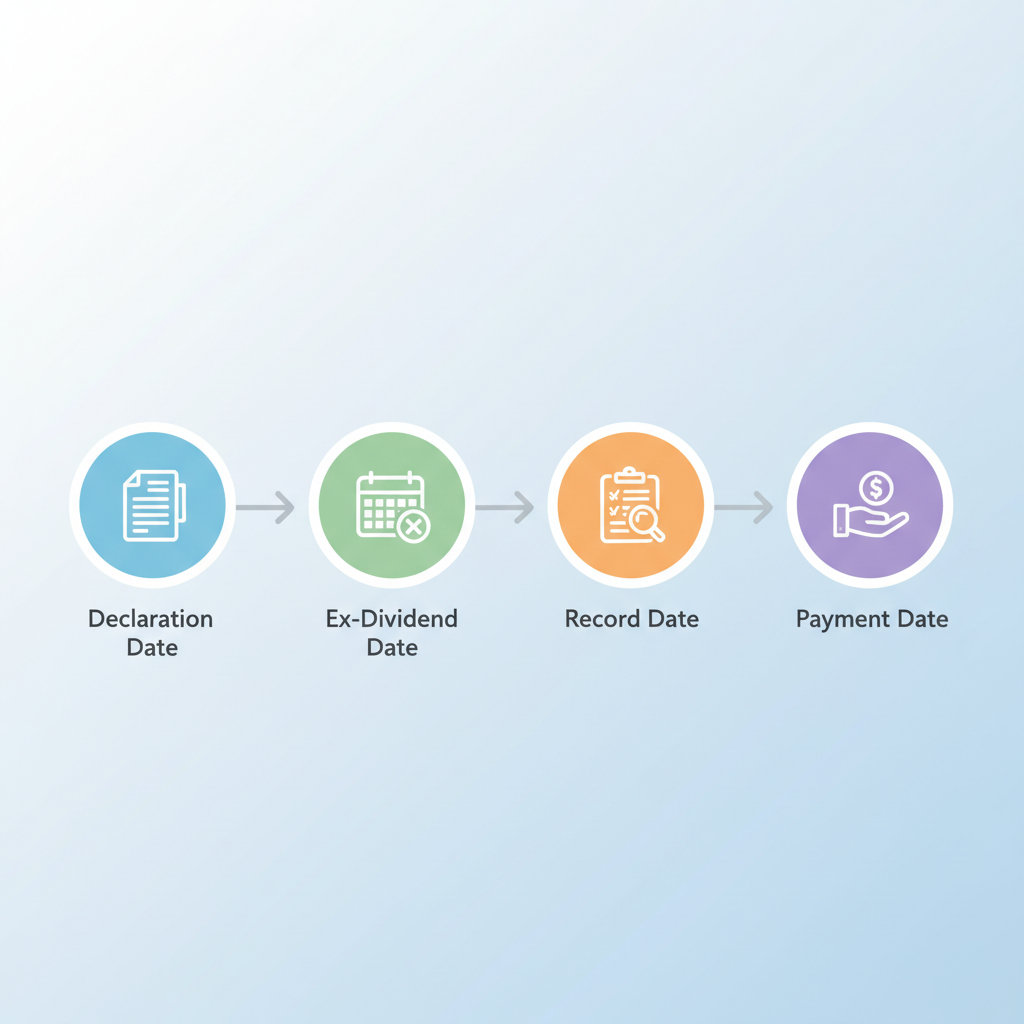
How Dividends Work: The Timeline

infographic style timeline illustration showing four steps: Declaration Date, Ex-Dividend Date, Record Date, Payment Date. Clean modern icons.

1. Declaration Date: Company announces the dividend amount.

2. Ex-Dividend Date: Cut-off date. Buy before this date to get paid.

3. Payment Date: Cash hits your account.

Made byBobr AI

The Power of Dividends: Compounding

This chart illustrates how reinvesting dividends (DRIP) accelerates growth compared to relying on price appreciation alone.

Einstein called compounding the 'Eighth Wonder of the World'.

Chart
Made byBobr AI

Why Invest in Dividends?

True Passive Income

Get paid without having to sell your shares. Rent money from your stocks.

Inflation Hedge

Quality companies increase dividend payouts over time, helping maintain purchasing power.

Lower Volatility

Dividend payers are often established, profitable companies that hold up better in market crashes.

Made byBobr AI

When Should You Invest?

Dividend investing is not just for retirees. It's a strategy for any long-term investor seeking stability.

icon of a sailboat in calm waters symbolizing stability, minimalist flat design blue

Market Uncertainty

When markets are choppy, dividends provide a guaranteed return cushion.

icon of a sapling tree symbolizing early growth, minimalist flat design green

Early Accumulation

Starting young allows 20+ years of reinvestment compounding to build a massive income engine.

Made byBobr AI

Dividend Funds vs. Growth Funds

Dividend Funds

• Focus: Current Income
• Companies: Mature, Stable (e.g., Utilities, Consumer Staples)
• Risk: Lower volatility
• ROI Source: Yield + Moderate Growth

Growth Funds

• Focus: Capital Appreciation
• Companies: Innovative, Expanding (e.g., Tech, Biotech)
• Risk: Higher volatility
• ROI Source: Price Increase (often 0% Yield)

Made byBobr AI
3d render of a tax form with a magnifying glass and a percentage symbol, clean white background, business style

Important: Tax Implications

Since you are investing in a Taxable Brokerage Account:

Qualified Dividends

Taxed at lower Capital Gains rates (0%, 15%, or 20%). Most US stocks fall here if held for >60 days.

Ordinary Dividends

Taxed at your regular Income Tax bracket (up to 37%). Applies to REITs and some ETFs.

Made byBobr AI

Strategy: How to Start

1. Prioritize Quality

Look for 'Dividend Aristocrats' (companies increasing dividends for 25+ years). Avoid yield traps (yields > 8%).

2. Diversify

Don't just buy one stock. Consider a Dividend ETF (e.g., VIG, SCHD) for instant diversification.

3. Turn on DRIP

Enable 'Dividend Reinvestment Plan' in your brokerage settings to automate compounding.

Made byBobr AI

Key Takeaways

  • Dividends provide predictable cash flow and reduce portfolio risk.
  • Reinvesting dividends is the key to exponential compounding growth.
  • Balance dividend stocks with growth stocks based on your timeline and goals.
minimalist illustration of a fully grown tree with golden fruit, symbolizing wealth maturity
Made byBobr AI
Bobr AI

DESIGNER-MADE
PRESENTATION,
GENERATED FROM
YOUR PROMPT

Create your own professional slide deck with real images, data charts, and unique design in under a minute.

Generate For Free

Dividend Investing Guide: Passive Income & Long-Term Wealth

Learn the basics of dividend investing, how compounding works, and strategies to build a portfolio for passive income and financial growth.

Unlocking the Power of Dividends

A Guide to Passive Income and Long-Term Wealth

What Are Dividends?

A dividend is a distribution of a portion of a company's earnings, decided by the board of directors, to a class of its shareholders.

Profit Sharing: It's your 'thank you' for owning the stock.

Cash Flow: Usually paid in cash directly to your brokerage account.

Frequency: Most US companies pay quarterly (4 times a year).

How Dividends Work: The Timeline

1. Declaration Date: Company announces the dividend amount.

2. Ex-Dividend Date: Cut-off date. Buy before this date to get paid.

3. Payment Date: Cash hits your account.

The Power of Dividends: Compounding

This chart illustrates how reinvesting dividends (DRIP) accelerates growth compared to relying on price appreciation alone.

Why Invest in Dividends?

True Passive Income

Get paid without having to sell your shares. Rent money from your stocks.

Inflation Hedge

Quality companies increase dividend payouts over time, helping maintain purchasing power.

Lower Volatility

Dividend payers are often established, profitable companies that hold up better in market crashes.

When Should You Invest?

Dividend investing is not just for retirees. It's a strategy for any long-term investor seeking stability.

Market Uncertainty

When markets are choppy, dividends provide a guaranteed return cushion.

Early Accumulation

Starting young allows 20+ years of reinvestment compounding to build a massive income engine.

Dividend Funds vs. Growth Funds

Dividend Funds

• Focus: Current Income<br>• Companies: Mature, Stable (e.g., Utilities, Consumer Staples)<br>• Risk: Lower volatility<br>• ROI Source: Yield + Moderate Growth

Growth Funds

• Focus: Capital Appreciation<br>• Companies: Innovative, Expanding (e.g., Tech, Biotech)<br>• Risk: Higher volatility<br>• ROI Source: Price Increase (often 0% Yield)

Important: Tax Implications

Since you are investing in a Taxable Brokerage Account:

Qualified Dividends

Taxed at lower Capital Gains rates (0%, 15%, or 20%). Most US stocks fall here if held for >60 days.

Ordinary Dividends

Taxed at your regular Income Tax bracket (up to 37%). Applies to REITs and some ETFs.

Strategy: How to Start

1. Prioritize Quality

Look for 'Dividend Aristocrats' (companies increasing dividends for 25+ years). Avoid yield traps (yields > 8%).

2. Diversify

Don't just buy one stock. Consider a Dividend ETF (e.g., VIG, SCHD) for instant diversification.

3. Turn on DRIP

Enable 'Dividend Reinvestment Plan' in your brokerage settings to automate compounding.

Key Takeaways

Dividends provide predictable cash flow and reduce portfolio risk.

Reinvesting dividends is the key to exponential compounding growth.

Balance dividend stocks with growth stocks based on your timeline and goals.

  • dividend-investing
  • passive-income
  • stock-market
  • investing-for-beginners
  • financial-planning
  • wealth-building
  • drip