

Evo-Devo and the Evolution of Social Behavior | Bobr.ai
Learn about the genomic basis of social behavior, the Genetic Toolkit hypothesis, and the Ovarian Ground Plan in social insects like Apis mellifera.
Evo-Devo and the Evolution of Social Behavior
Discussion of Toth & Robinson (2009)
Advanced Evolutionary Biology | Spring 2026
Defining the Scope: Evo-Devo Beyond Morphology
Traditional Evo-Devo focuses on the evolution of physical forms (morphology) via developmental changes.
Toth & Robinson (2009) extend this to behavior, treating behavior as a 'phenotype' molded by gene regulation.
The 'Genetic Toolkit' Hypothesis
Conservation of Function: Evolution rarely invents new genes for new behaviors. Instead, it co-opts existing pathways.
Analogy: Using the same set of building blocks (genes for reproduction, metabolism) to construct a new architecture (social caste systems).
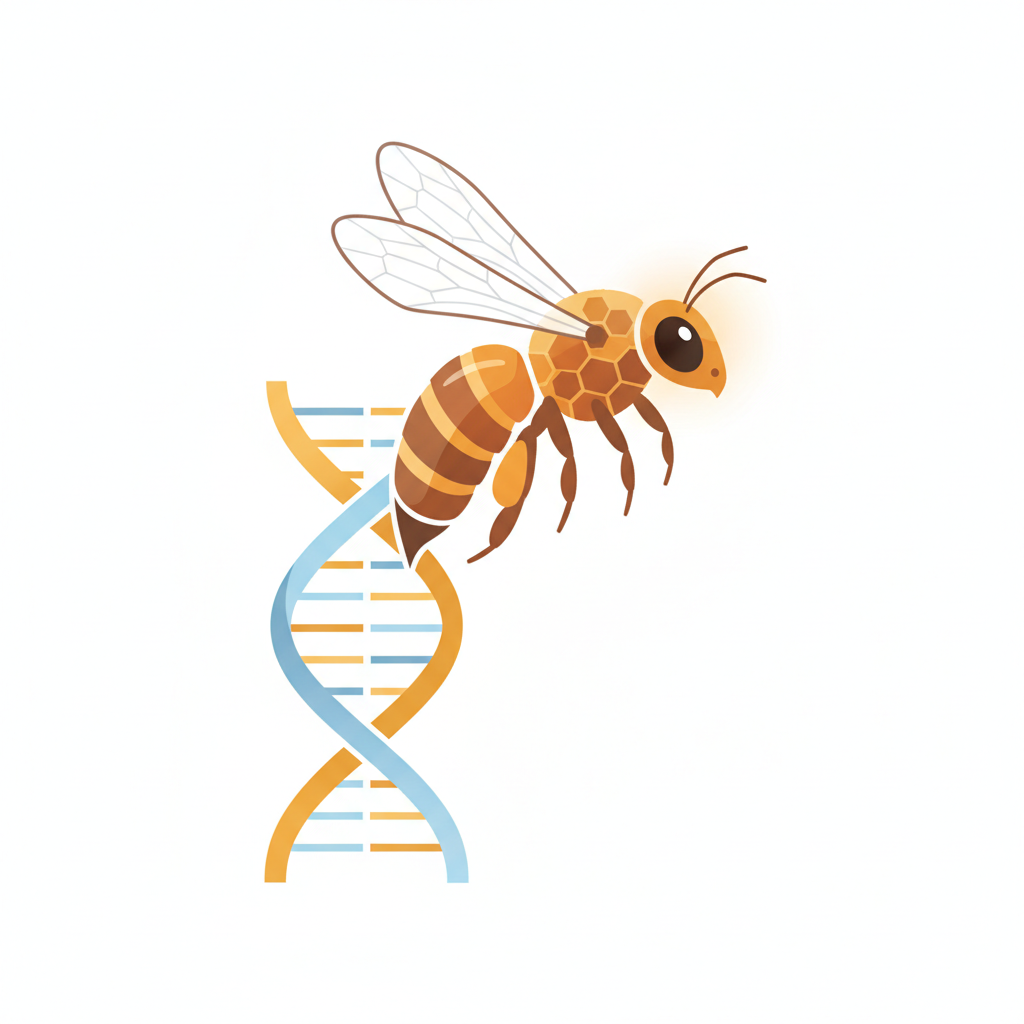
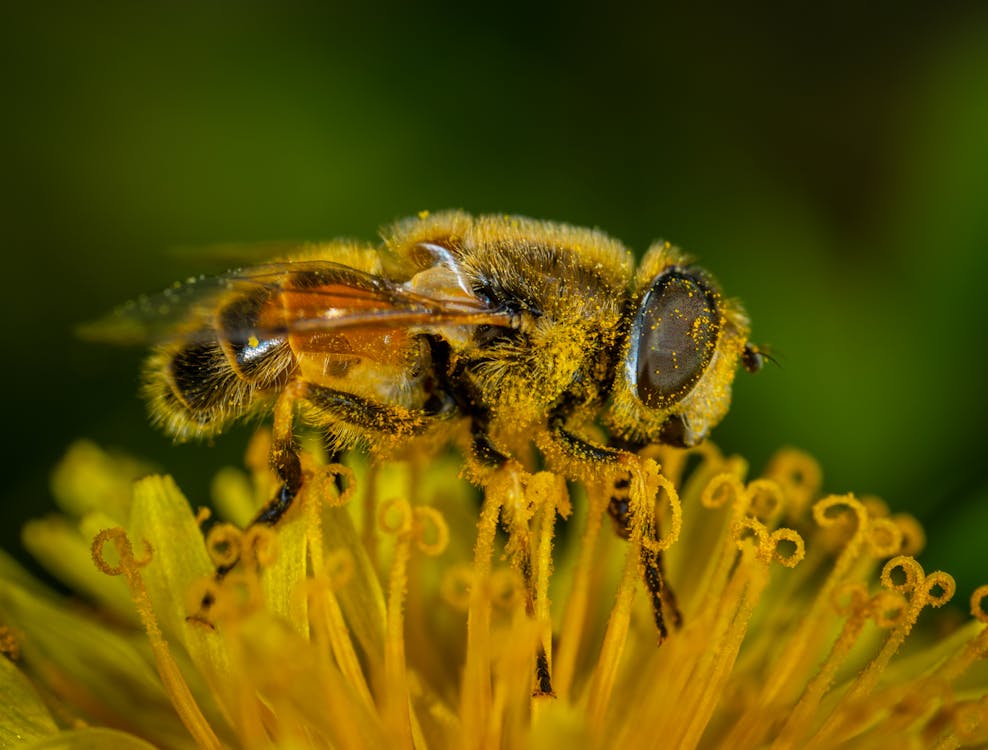
Model System: Apis mellifera
Social insects offer distinct advantages for studying the genomic basis of behavior:
Phenotypic Plasticity: One genotype yields multiple phenotypes (Queen vs. Worker).
Sequenced Genome: High homology with vertebrates.
Heterochrony: Timing is Everything
Temporal Polyethism: Division of labor in workers is based on age. Changes in the timing of physiological development drive behavioral shifts.
The Ovarian Ground Plan Hypothesis
Ancestral (Solitary)
Reproductive and foraging phases are linked. Ovaries active = Foraging suppressed.
Derived (Social)
Uncoupling of pathways: Queens specialize in reproduction; Workers specialize in foraging. The 'foraging' gene set is permanently activated in sterile workers.
Insulin Signaling & Caste Determination
Nutritional intake triggers developmental switches involving insulin/TOR signaling pathways.
High Nutrition (Royal Jelly)
Elevated Insulin/TOR Signaling
Increased JH Synthesis
QUEEN PHENOTYPE
Deep Conservation: Invertebrates vs. Vertebrates
Toth & Robinson highlight that while precise genes differ, the functional molecular pathways for social behavior are remarkably similar across phyla.
Reward Systems: Dopamine/Octopamine involvement in social bonding.
Metabolism: Insulin signaling regulating state-dependent behavior.
Reproduction: Gonadotropins vs. Juvenile Hormone.
Critical Analysis
Strength: Interdisciplinary
Successfully bridges the gap between molecular genetics and behavioral ecology.
Limitation: Candidate Gene Bias
Early 2009 focus relied heavily on known candidate genes rather than unbiased whole-transcriptome approaches available today.
Class Discussion
1. Does the 'Genetic Toolkit' imply a constraint on the myriad ways sociality could evolve?
2. How might epigenetics explain the "rapid" behavioral shifts seen in worker bees (e.g., reverting from forager to nurse)?
3. Can we apply the Ovarian Ground Plan concept to social vertebrates, or is it unique to insects?
- evolutionary-biology
- evo-devo
- apiculture
- genomics
- social-behavior
- biology-lecture
- academic