
Educational Guide: Creating a Preschool Calm Down Area for SEL
Learn how to create a calm down area in preschool classrooms to support social-emotional learning, emotional regulation, and inclusive environments.
Social and Emotional Learning
Calm Down Area | Assignment 7 (Module 7)
Student: Uzochi Favour Emmanuel (ID: 12105)<br>Instructor: Amritpal Kaur Langri, RECE<br>Institution: Toronto Academy of Education<br>Due Date: January 15, 2026
What Is a Calm Down Area?
A designated space for emotional regulation
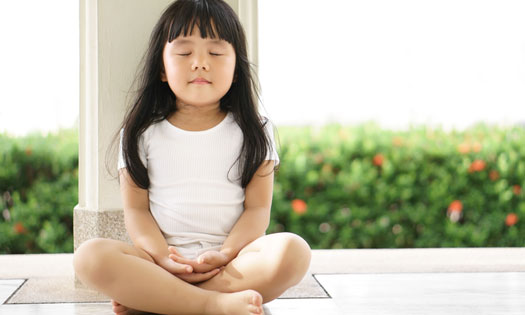
Supports mindfulness and self-control
Safe, non-punitive environment
Used voluntarily by children
Benefits of the Calm Down Area
Promotes emotional regulation
Reduces classroom disruptions
Supports trauma-informed practice
Improves classroom climate
Skills Children Learn
• Self-awareness (naming feelings)<br><br>• Self-management (coping strategies)<br><br>• Executive functioning (pause and reflect)<br><br>• Confidence and independence
Equipment in the Calm Down Area
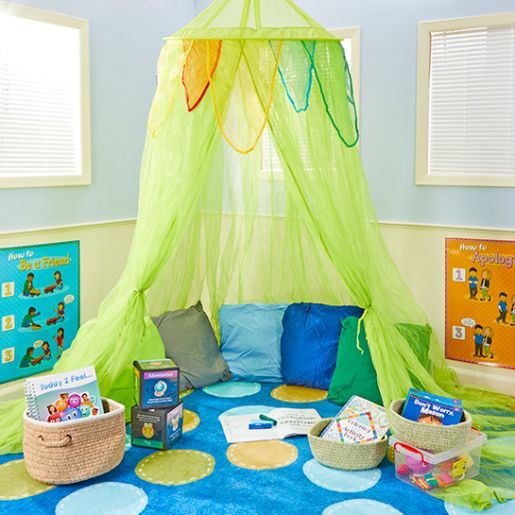
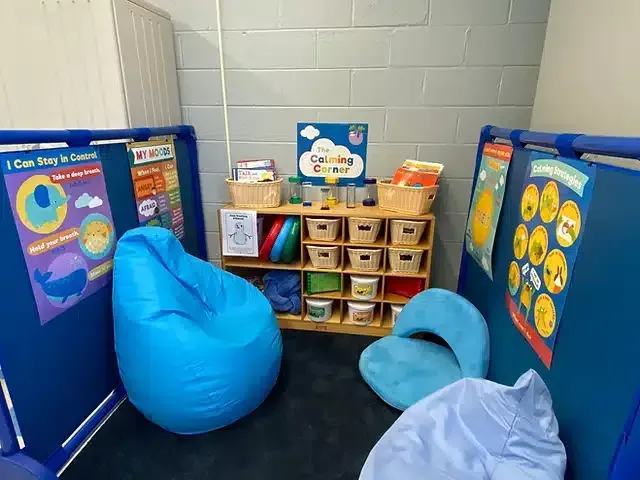
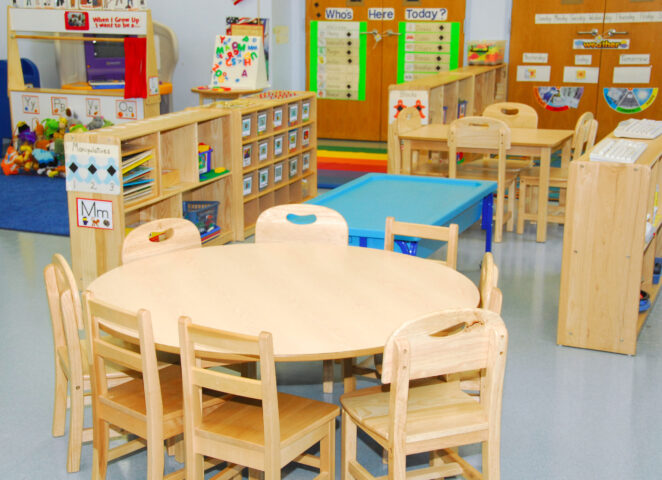
Soft seating (beanbags, floor cushions)
Low shelf for materials
Small table or clipboard
Rug or canopy to define space
Materials & Resources
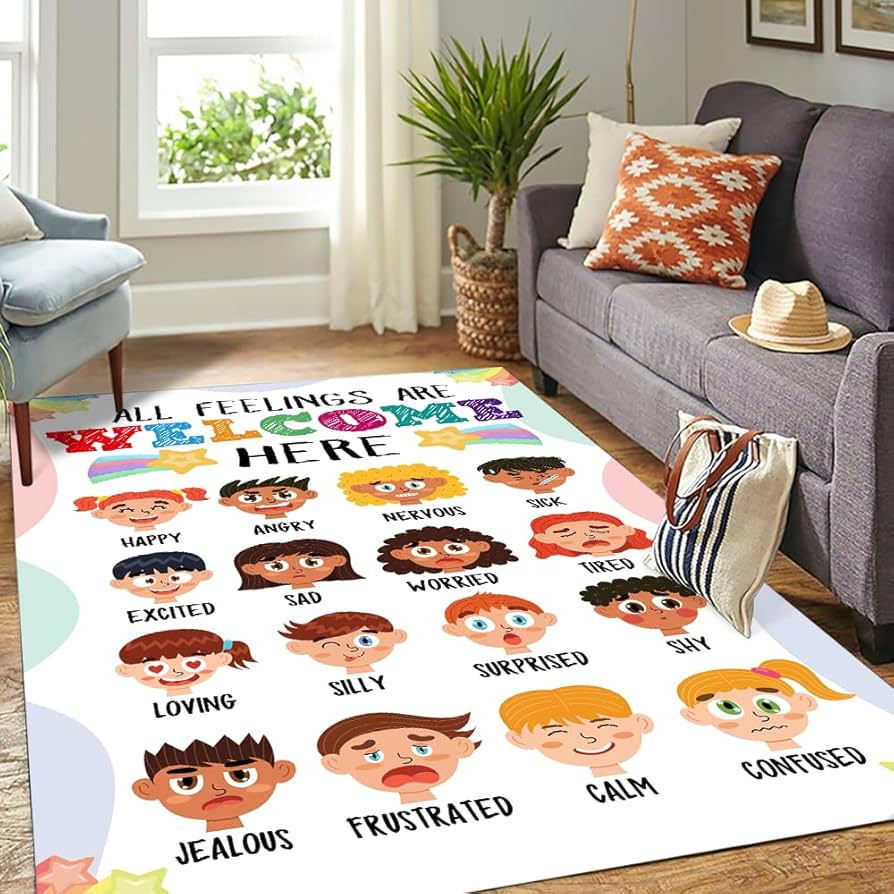
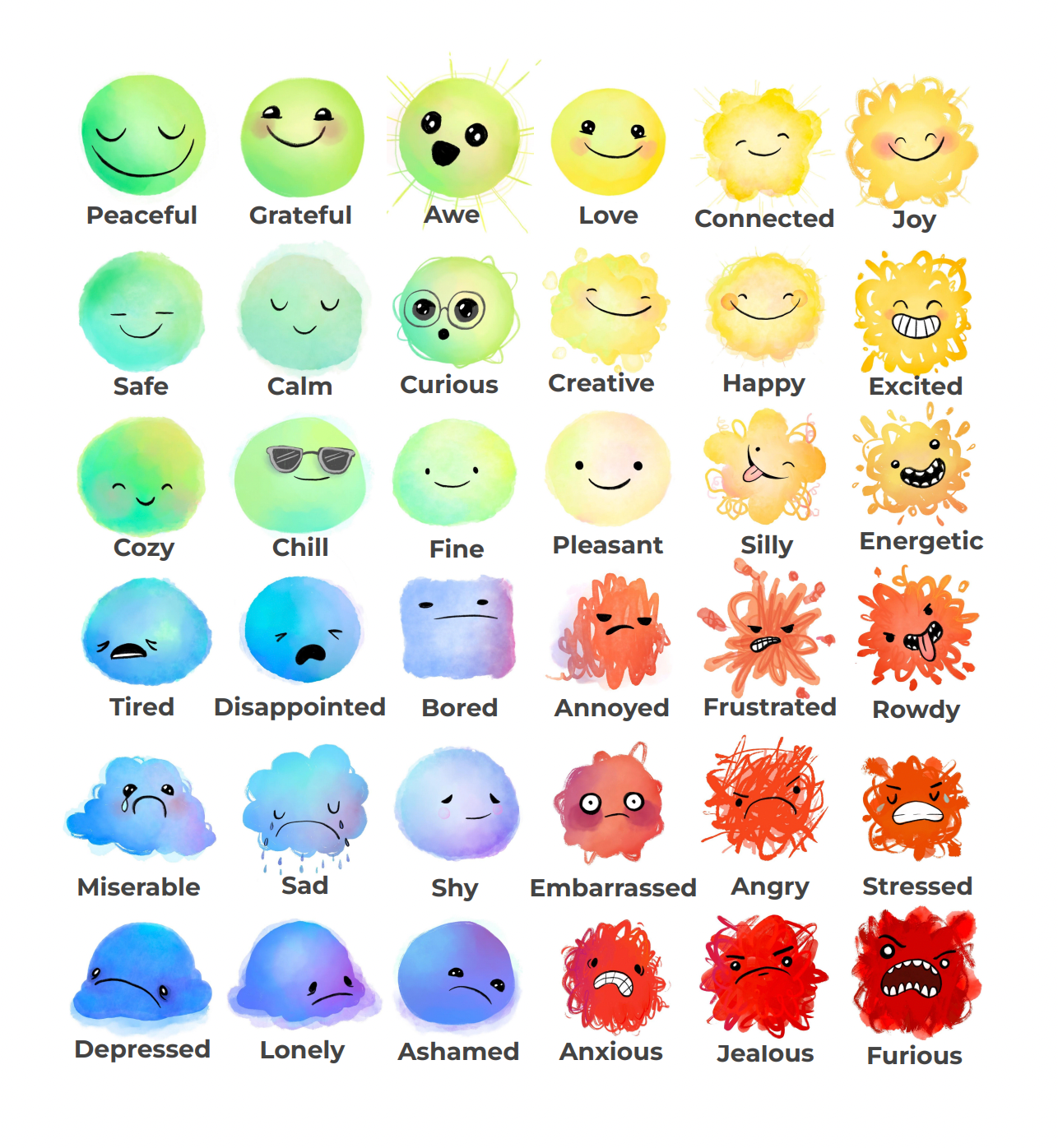
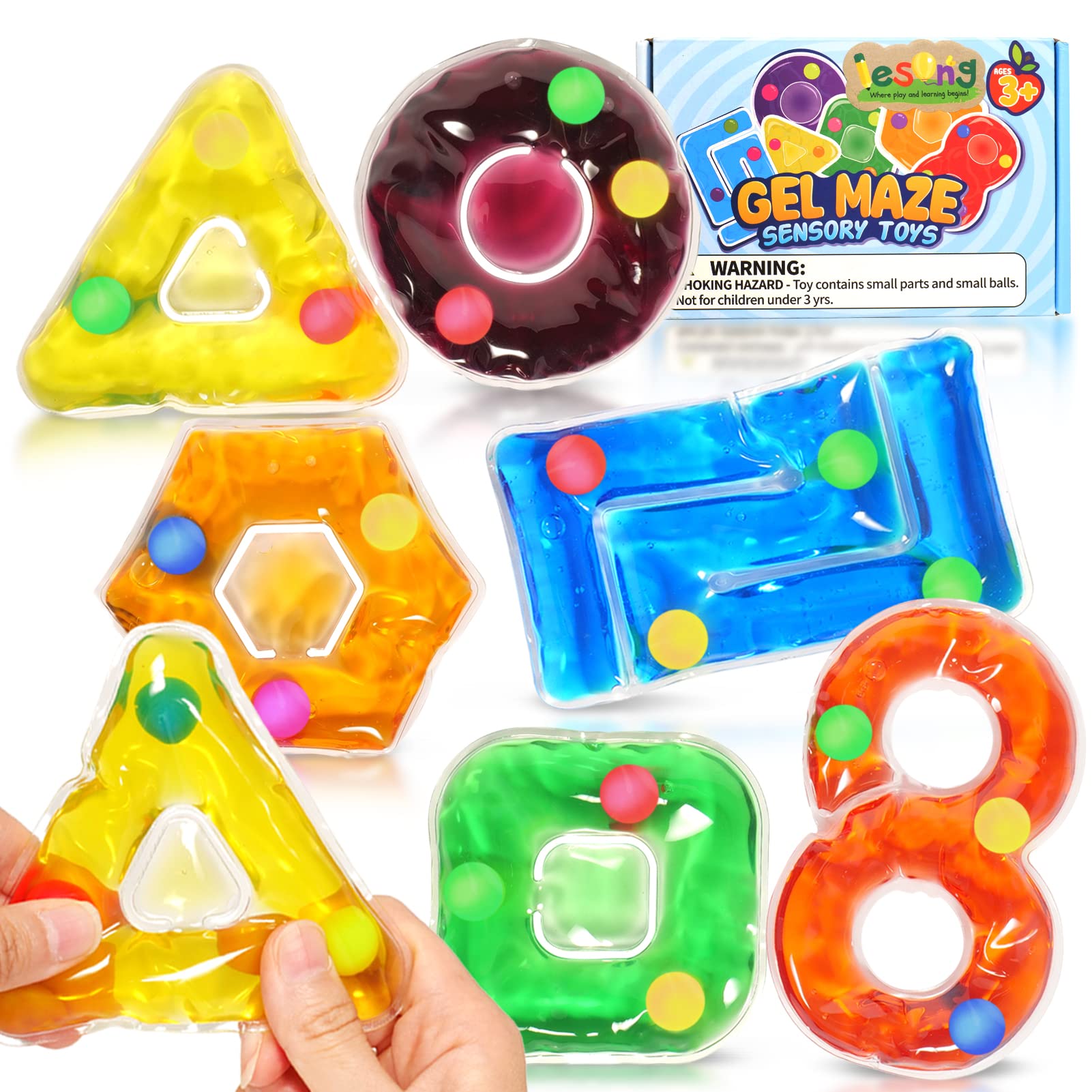
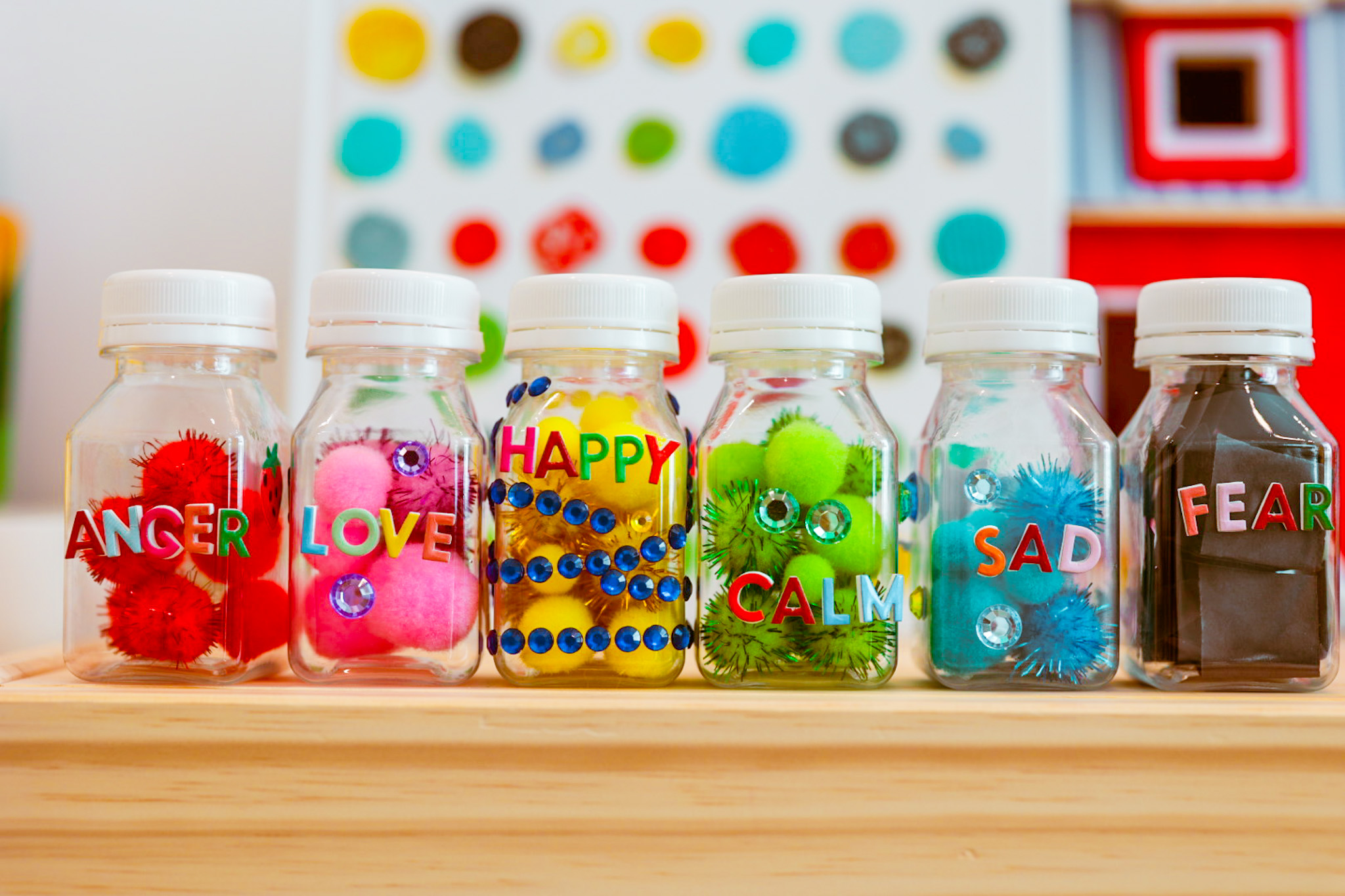
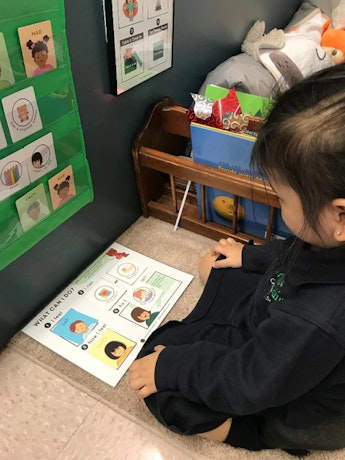
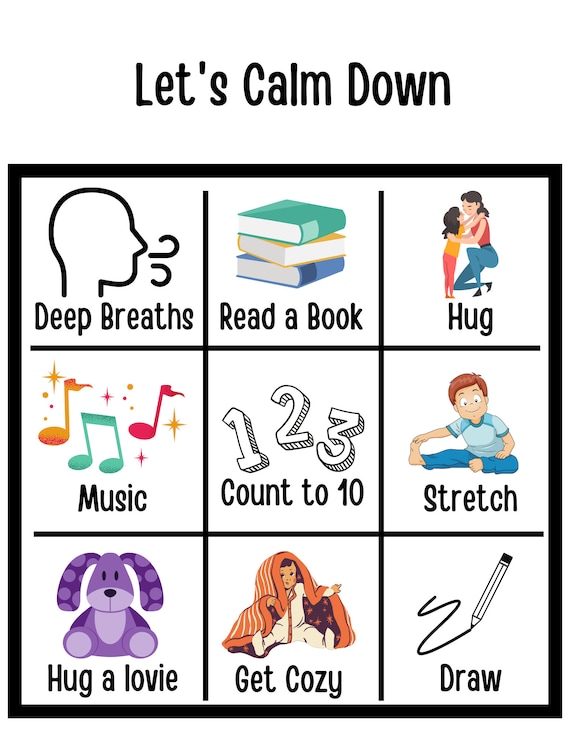
• Emotion charts and calm-down posters<br><br>• Fidget toys and sensory tools<br><br>• Visual timers<br><br>• Calm-down strategy cards
Books & Mindfulness Tools
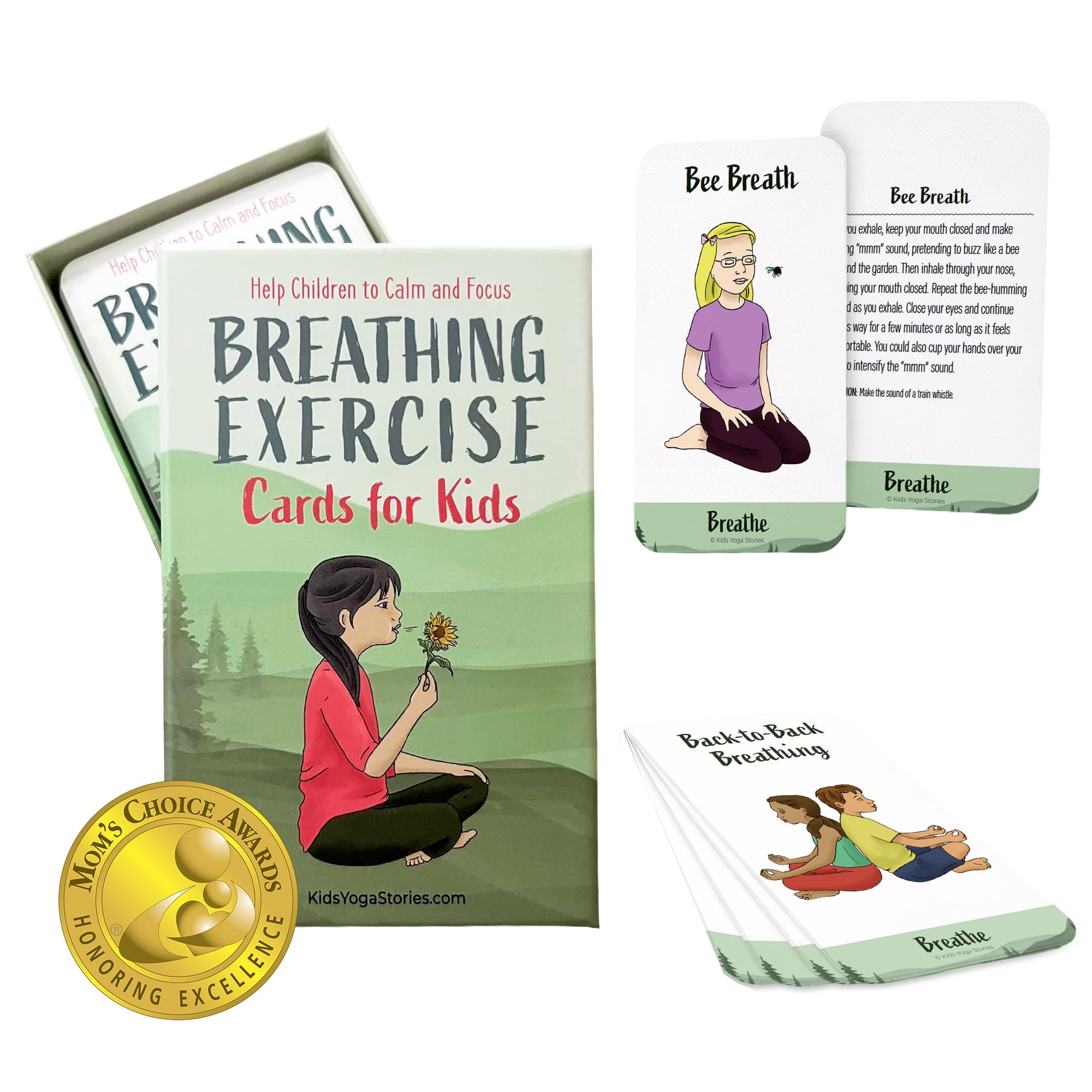
📚 <strong>Books:</strong><br>- The Color Monster (Llenas)<br>- When Sophie Gets Angry (Bang)<br><br>🧘 <strong>Tools:</strong><br>- Glitter jars<br>- Breathing cards<br>- Noise-canceling headphones
Developmental Skills Supported
🌱 <strong>Social-emotional learning (SEL)</strong><br><br>🗣️ <strong>Language development</strong><br><br>👐 <strong>Sensory-motor integration</strong><br><br>🧠 <strong>Metacognition and reflection</strong>
Why Create This Area?
Prevents emotional escalation
Encourages inclusion and belonging
Supports trauma-informed classrooms
Maximizes instructional time
Introducing the Calm Down Area
1. <strong>Explain purpose:</strong> A safe place to feel better.<br><br>2. <strong>Model appropriate use:</strong> Show how to breathe and relax.<br><br>3. <strong>Role-play:</strong> act out different emotions.<br><br>4. <strong>Emphasize:</strong> It is NOT a punishment.
Classroom Rules & Routines
1️⃣ One child at a time<br><br>2️⃣ Set a timer (3–5 minutes)<br><br>3️⃣ Choose a tool calmly<br><br>4️⃣ Rejoin class when ready
Adjustments for Special Needs
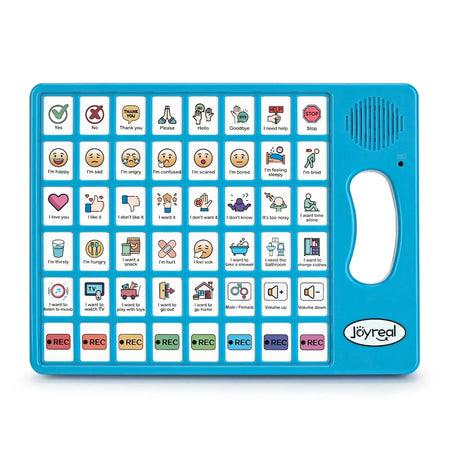
<strong>Autism:</strong> Clear visuals, weighted tools, low sensory input.<br><br><strong>ADHD:</strong> Movement seating, short visual timers.<br><br><strong>Anxiety:</strong> Predictability, soft lighting, comfort objects.<br><br><strong>Communication:</strong> AAC boards and emotion cards.
Safety Precautions
Adult visibility at all times (no hidden spots)
Anchored shelves and rounded furniture
Regular cleaning and hygiene protocols
No choking hazards or sharp objects
References
Action for Healthy Kids. (n.d.). Calm down corner ideas for kids.<br>ASCD. (2019). Creating the safe and calm classroom.<br>Bang, M. (2000). When Sophie gets angry—really, really angry. Scholastic.<br>Conscious Discipline. (n.d.). Active calming center.<br>Edutopia. (2022). Incorporating the calming corner into station rotation.<br>Hennepin County. (n.d.). Calm spaces in elementary schools.<br>Llenas, A. (2012). The color monster. Little, Brown.
Mental Health Center Kids. (2023). Research on classroom calming corners.<br>Pocket of Preschool. (n.d.). Safe place or cozy corner for little learners.<br>Progressive Pediatric Therapy. (n.d.). Creating a sensory calming corner.<br>Starr Commonwealth. (2018). Calming corners.<br>The OT Toolbox. (n.d.). Calm down corner ideas and tips.<br>WestEd. (2022). Calming spaces in schools and classrooms.
- social-emotional-learning
- preschool-education
- classroom-management
- early-childhood-education
- sel-strategies
- emotional-regulation
- special-needs-education