





Social and Emotional Learning: Designing a Calm Down Area
Learn how to implement a Calm Down Corner for emotional regulation in the classroom, including benefits, setup tools, and strategies for special needs.
Social and Emotional Learning: Calm Down Area
Module 7 - Assignment 7
Student Name: Uzochi Favour Emmanuel<br>ID: 12105<br>Instructor: Amritpal Kaur Langri, RECE<br>Institution: Toronto Academy of Education<br>Due Date: Jan 15, 2026
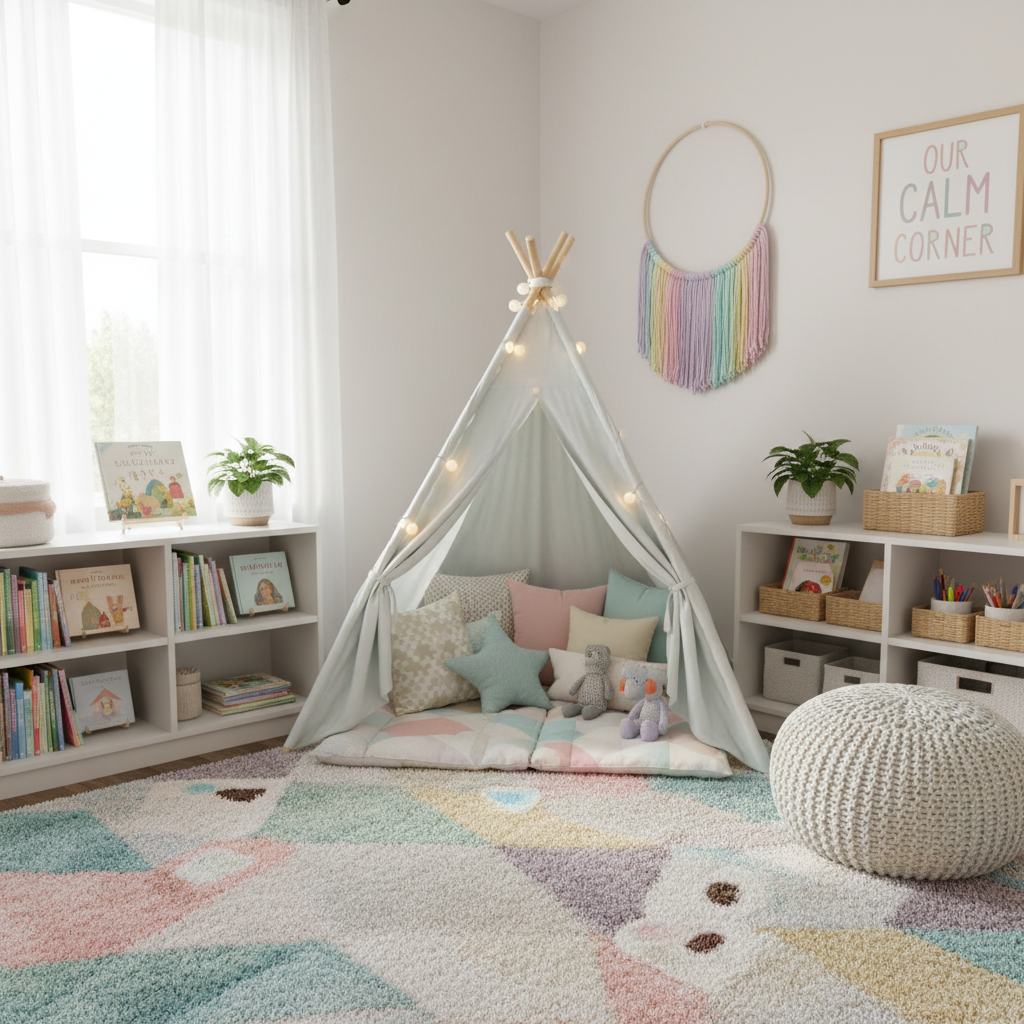
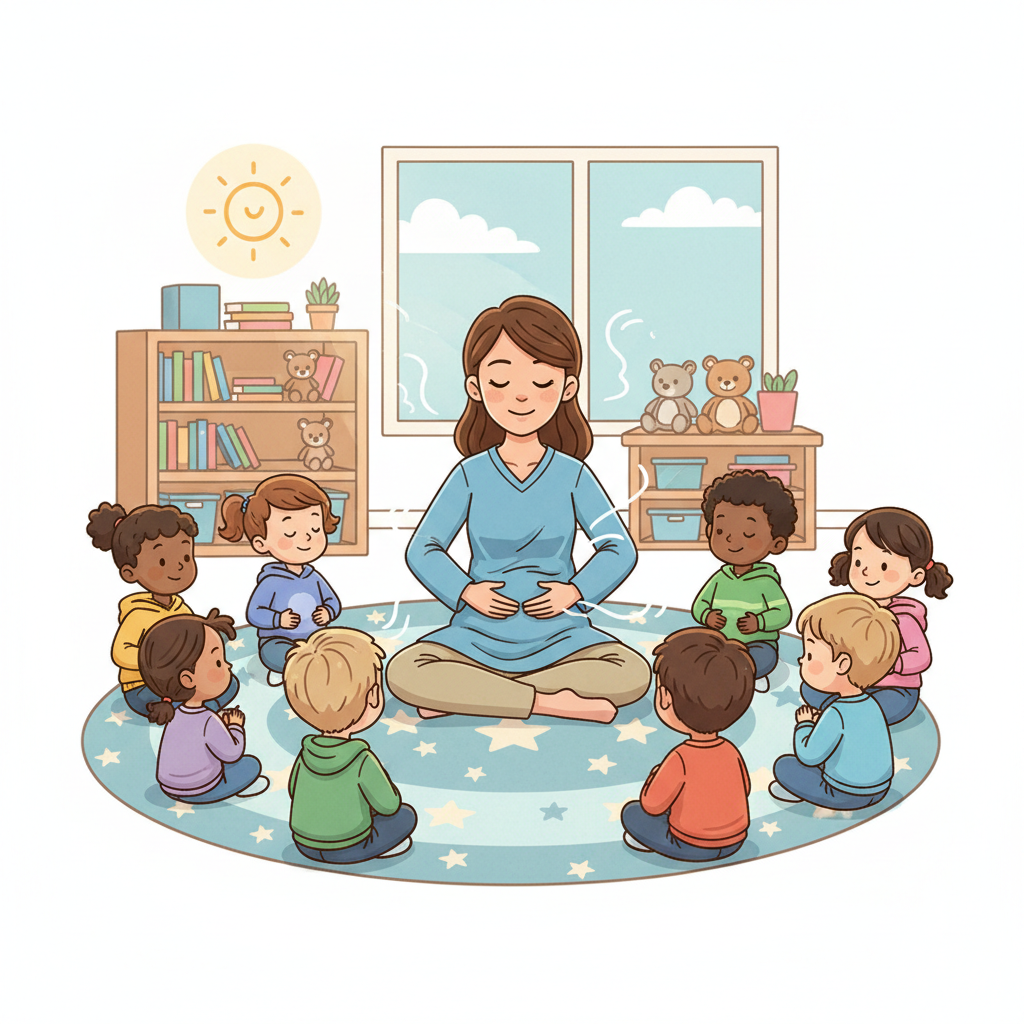
What Is a Calm Down Corner?
A designated, student-accessible space within the classroom specifically designed for emotional regulation and mindfulness practice.
Not a punishment or timeout area.
A safe place to identify feelings.
Aim is to return to learning ready to engage.
How It Works: Purpose & Process
Voluntary Use
Students choose to visit or follow an agreed-upon plan. It empowers student agency.
Brief Visits
Timed breaks (typically 3-5 mins) guided by visuals and tools.
Supportive
Adult monitoring with positive language. Not an isolation booth.
Benefits: What Children Learn
Self-Awareness
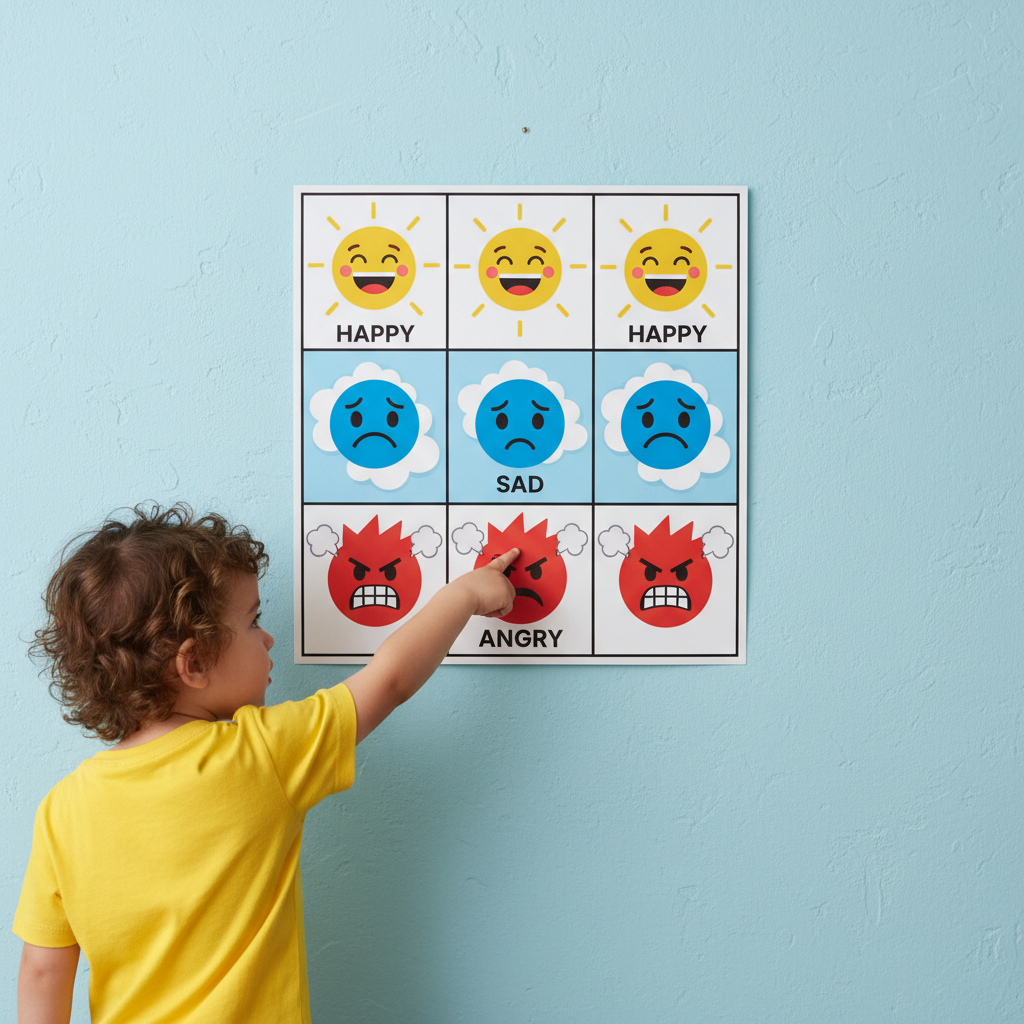
Identifying and naming emotions using visuals and vocabulary (e.g., 'I feel frustrated').
Self-Management
Practicing breathing techniques, grounding exercises, and using tools to cope with stress.
Deeper Developmental Impact
Executive Function
Developing skills like pausing, inhibition, planning next steps, and using timers effectively.
Autonomy & Self-Efficacy
Building confidence through independent emotional regulation and successful re-entry.
Trauma-Informed Practice
Providing predictability, safety, and choice to support students with diverse emotional needs.
Equipment & Furniture
Comfort & Privacy
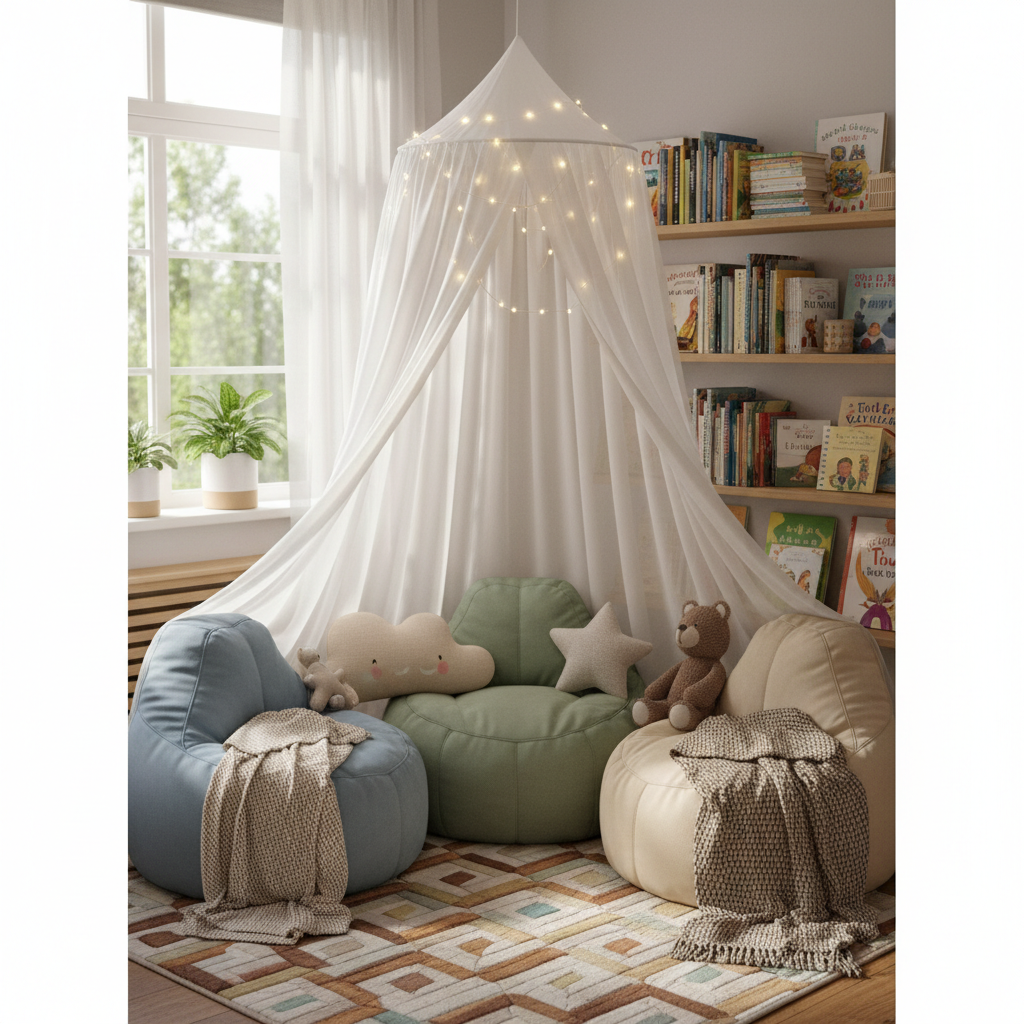
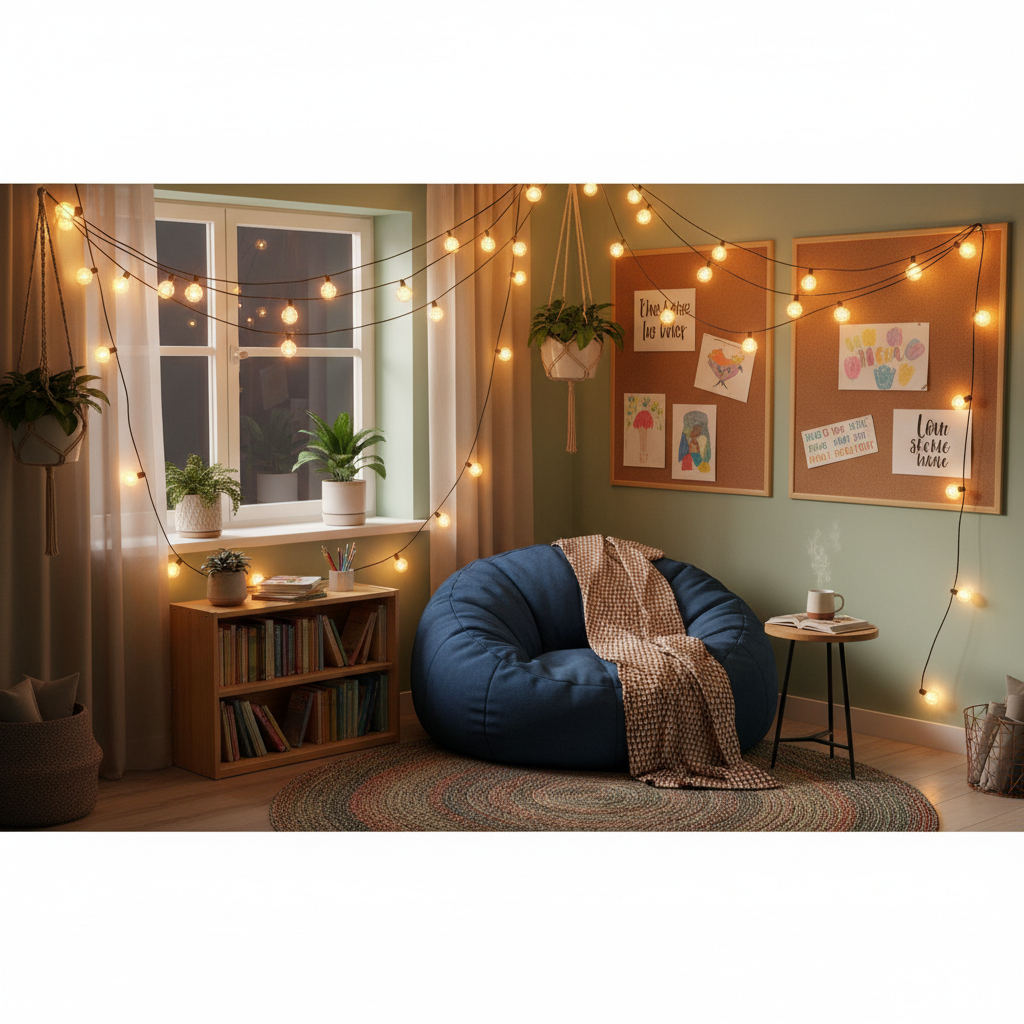
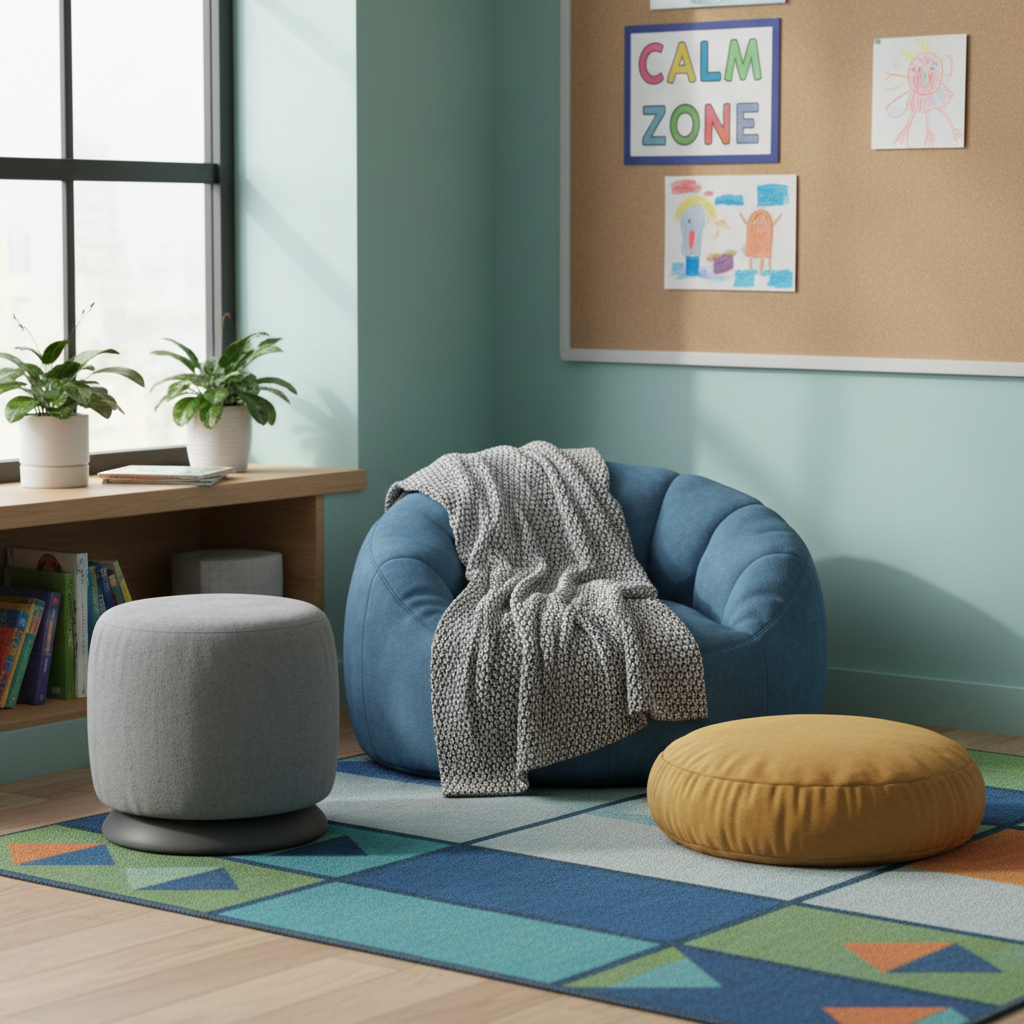
Soft Seating: Floor cushions, beanbags, small couches.
Enclosure: Define space with a rug, canopy, or low bookshelf.
Visibility: Ensure adults can always see in (no hidden corners).
Environment & Storage
Use soft lamps, string lights, or natural light. Avoid harsh fluorescent glare.
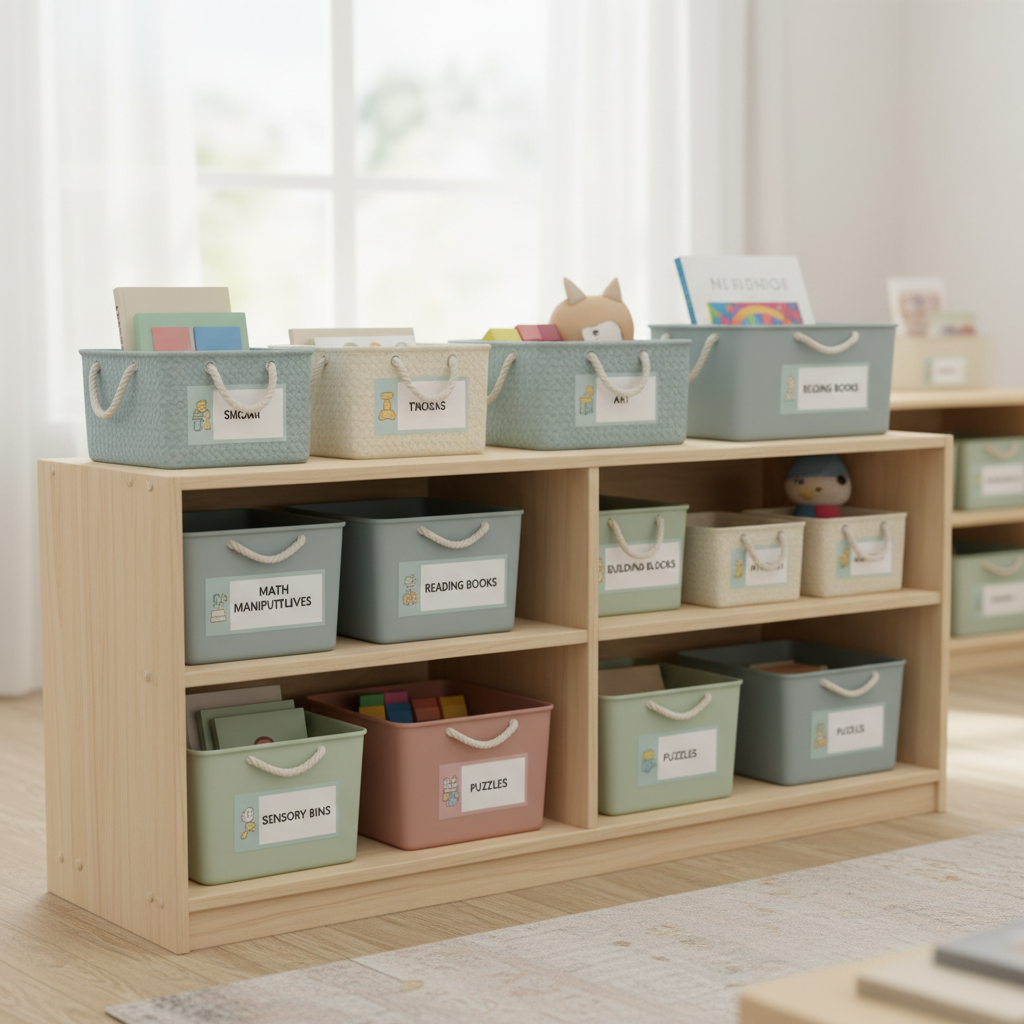
Low shelves with clearly labeled bins for books and sensory tools.
Away from high-traffic zones. Anchor tall furniture; use rounded corners.
Materials & Resources
Visuals & Sensory
• Feelings charts & 'Calm down steps' posters.<br>• Fidget spinners, stress balls, textured squares.<br>• Putty/Kinetic sand (in covered bins).
Mindfulness & Literacy
• Glitter jars, breathing cards, noise-canceling headphones.<br>• Books: <i>The Color Monster</i>, <i>When Sophie Gets Angry</i>.
Management & Implementation
Limit to 5–8 choices at a time to avoid overstimulation.
Rotate items weekly to maintain interest.
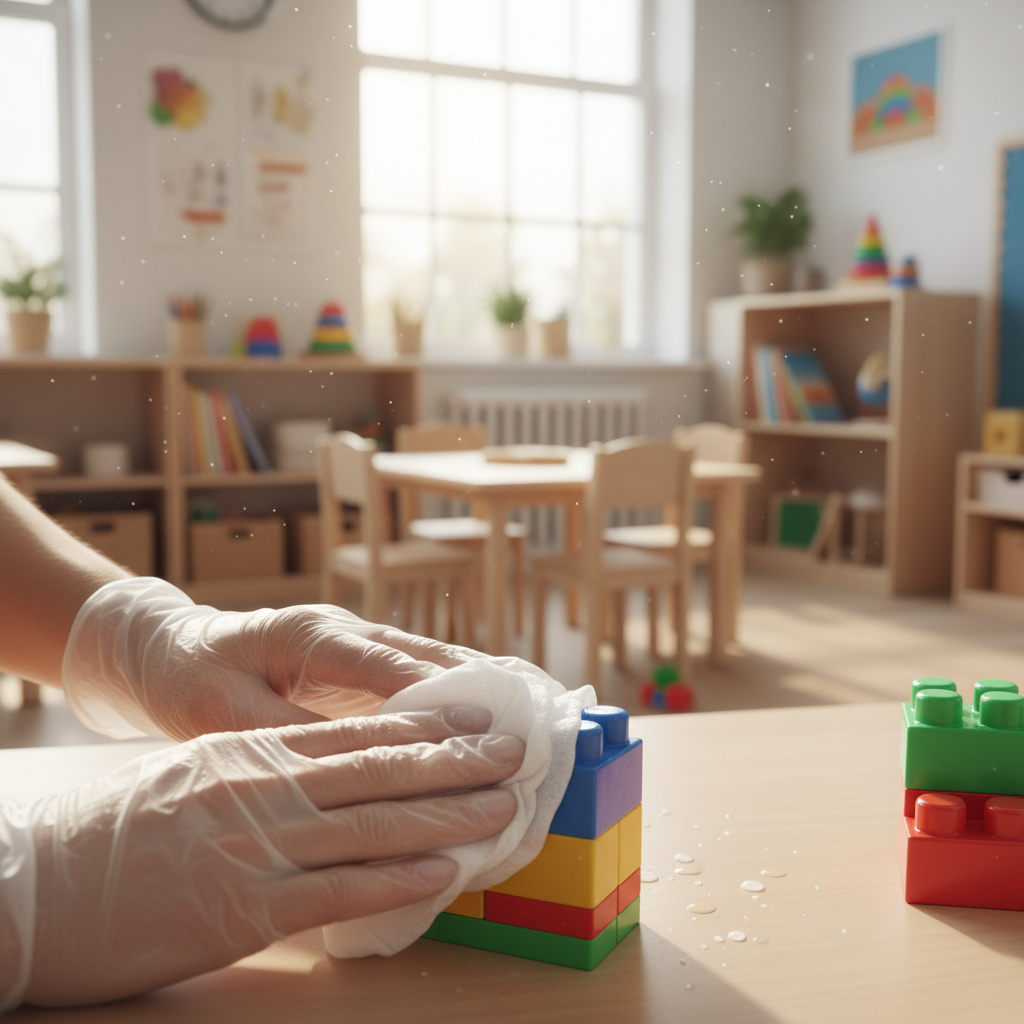
Sanitize materials daily. Use washable covers for pillows.
Maintain line-of-sight. Enforce time limits.
Developmental Skills Explored
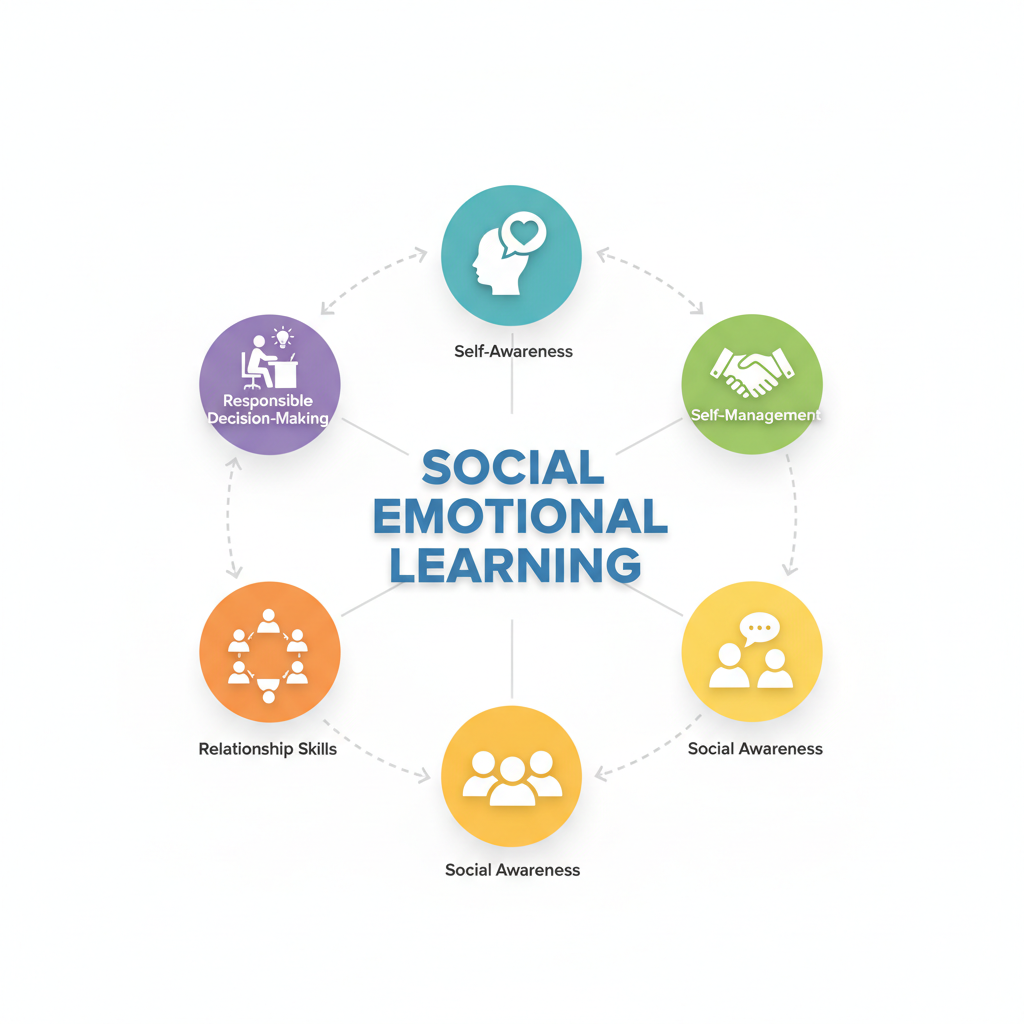
Social & Emotional Learning (SEL): Supports CASEL competencies (self-awareness, relationship skills).
Language & Literacy: Builds vocabulary using sentence stems (e.g., 'I need...') and emotion visuals.
Sensory-Motor Integration: Proprioceptive input via weighted lap pads or texture tools.
Metacognition: Encourages reflection on triggers and success strategies.
Why Create This Area?
Proactive Emotional Support: Preventative tool aligned with MTSS.
Maximizes Instructional Time: Reduces behavioral disruptions.
Inclusive & Normalizing: Destigmatizes emotional responses.
Family Connection: Routines can be mirrored at home.
How to Introduce It
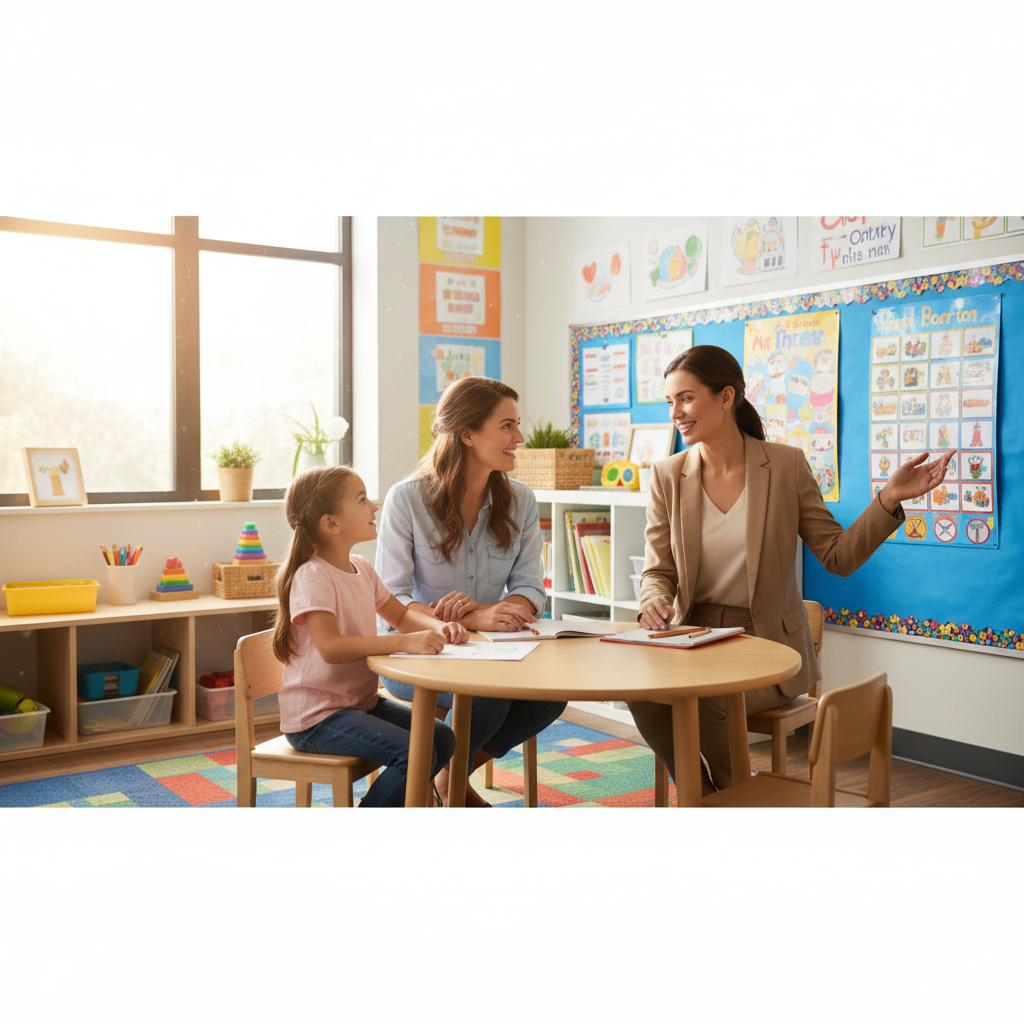
Teach & Model
• Class Lesson: 'A place to clear the clouds.'<br>• Role-Play context: Practice scenarios together.
Establish Routines
• Visual Steps: Enter Quietly → Set Timer → Choose Tool → Rejoin.<br>• Norms: 'One person at a time'.
Adjustments for Special Needs
Autism Spectrum
Reduce visual clutter. Use 'First/Then' visuals and weighted lap pads.
ADHD Support
Movement seating (wobble stools), 'heavy work' tools (putty), short timer intervals.
Anxiety & Trauma
Predictable routines, soft lighting, comfort objects, and non-verbal 'opt-in' signals.
Summary: Formula for Success
Safe Space + Tools + Explicit Instruction + Routines + Monitoring = Success
Proactive SEL Support: Not a timeout, but a skill-building opportunity.
Implementation: Teach all students how and when to use it.
Refine: Track usage and adapt based on student voice.
- sel
- social-emotional-learning
- classroom-management
- emotional-regulation
- teaching-strategies
- trauma-informed-teaching
- special-education
- early-childhood-education