





WebSocket vs REST API: Key Differences & Comparison
Explore the differences between REST and WebSocket protocols. Learn when to use stateless REST APIs vs real-time full-duplex WebSockets for your apps.
WebSocket vs REST API
Learn the Basics of Web Communication
How Do Apps Talk to Servers?
Before diving into the code, it's crucial to understand how modern applications exchange data. The two most common protocols are REST and WebSocket.
What is REST API?
REST: Representational State Transfer
Standard HTTP Protocol (GET, POST, PUT, DELETE)
Stateless: Note context saved between requests
Data usually formatted as JSON
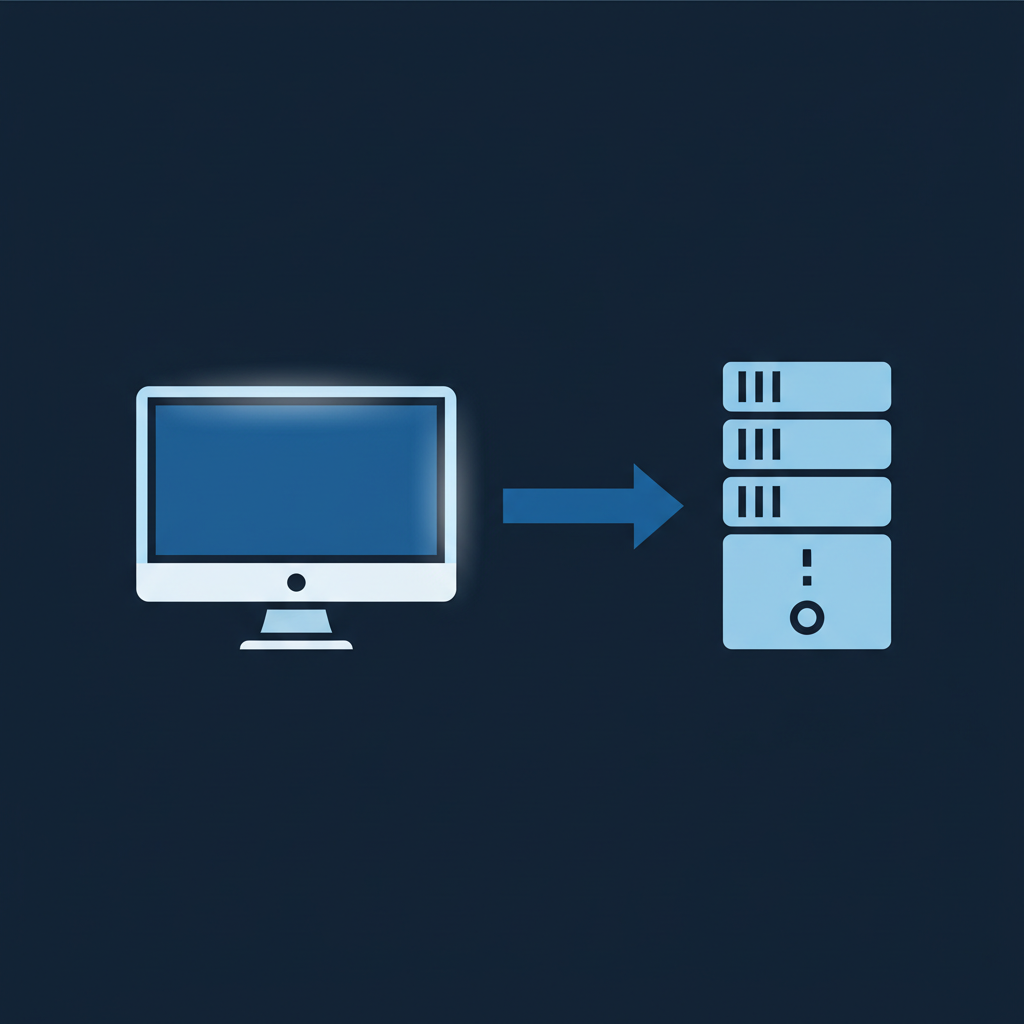
The Request-Response Cycle
In REST, communication is unidirectional. The client must ask for data every single time.
What is WebSocket?
A protocol for full-duplex communication channels
Persistent Connection: Stays open after initial handshake
Real-time: Data flows instantly both ways
Ideal for scenarios requiring low latency
Continuous Connection
Once connected, the line stays open. Server pushes data without waiting for a request.
REST vs WebSocket: Key Differences
REST: Stateless (New request every time)
WS: Stateful (Remembers connection)
REST: Client initiates only
WS: Two-way (Server can push data)
REST: Higher overhead (Headers sent often)
WS: Low overhead after handshake
Protocol Efficiency Comparison
Message overhead significantly differs. REST sends heavy HTTP headers (~800 bytes) with every single request. WebSocket sends tiny frames (~2-8 bytes) after connection.
When to Use REST API
• Loading User Profiles • Submitting Web Forms • Retrieving Search Results • Caching Static Content
When to Use WebSocket
• Live Customer Support Chat • Multiplayer Online Games • Real-time Creating/Co-editing • Live Stock Price Updates
Summary
REST is simple, stateless, and good for general web requests.
WebSocket is persistent, real-time, and efficient for streaming.
Choose based on your app needs: Is it a document (REST) or a conversation (WebSocket)?
- websocket
- rest-api
- web-development
- backend
- networking-protocols
- software-architecture
- real-time-data