








Fukushima Daiichi Disaster: Physics and Impact Summary
Explore the causes, nuclear physics, and environmental impact of the 2011 Fukushima Daiichi disaster, including the science of reactor meltdowns.
THE FUKUSHIMA DAIICHI DISASTER
Nuclear Physics — Student Presentation · April 2026
Overview
March 11, 2011 — magnitude 9.0 earthquake struck Japan
Triggered a massive tsunami, disabling the plant's cooling systems
Three reactor meltdowns — worst nuclear disaster since Chernobyl
Timeline
9.0 Earthquake
14:46 JST
Tsunami Strikes
15:41 JST
Cooling Failure
15:42 JST
Hydrogen Explosions
Mar 12–15
Meltdowns Confirmed
Mar 12–15
Causes
Earthquake
9.0 magnitude
Damaged key infrastructure
Tsunami
14m waves overwhelmed sea wall
Flooded backup generators
Design Failures
Generators placed too low
Insufficient flood protection
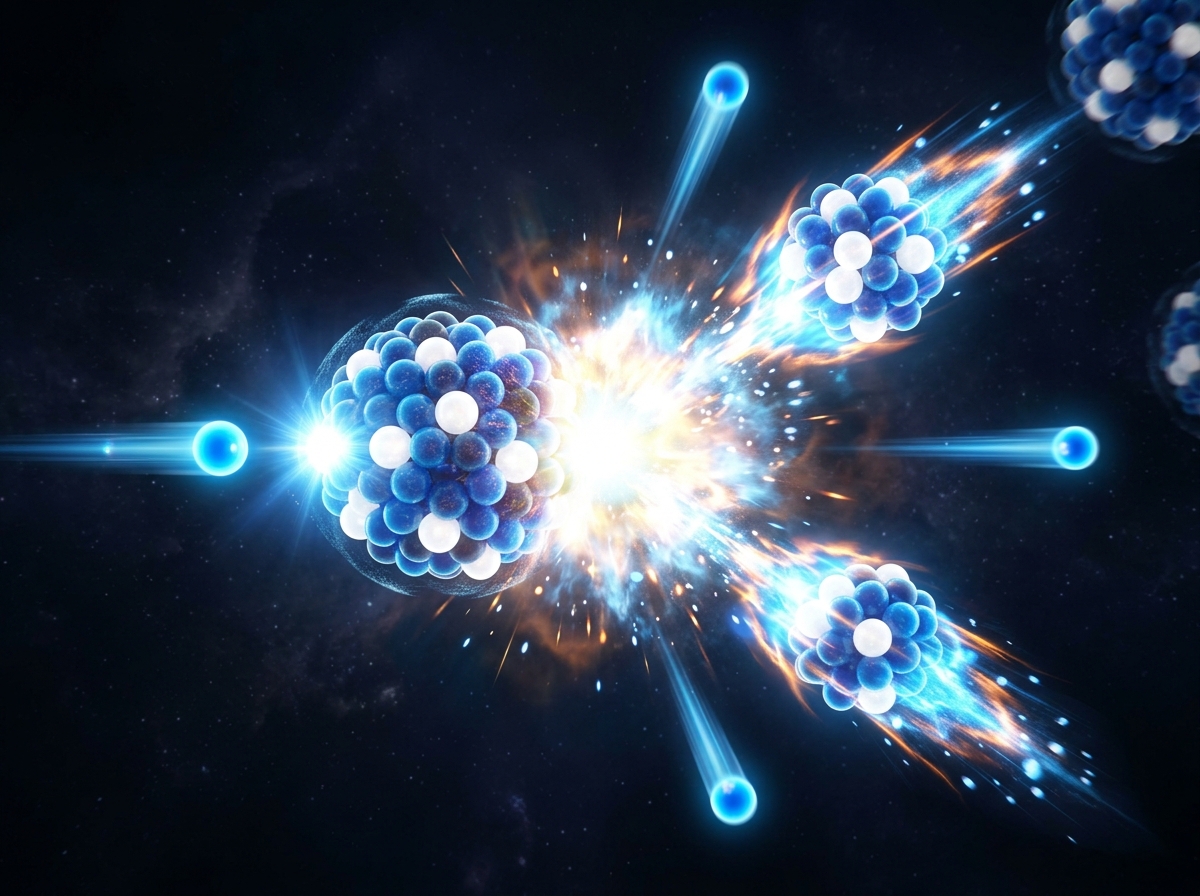
Nuclear Fission
Uranium-235 nucleus absorbs a neutron
Nucleus becomes unstable and splits
Releases enormous heat energy
Produces radioactive fission products
Chain Reaction
One fission triggers multiple new fissions
Reaction multiplies exponentially
Controlled in reactors by control rods
Uncontrolled = catastrophic energy release
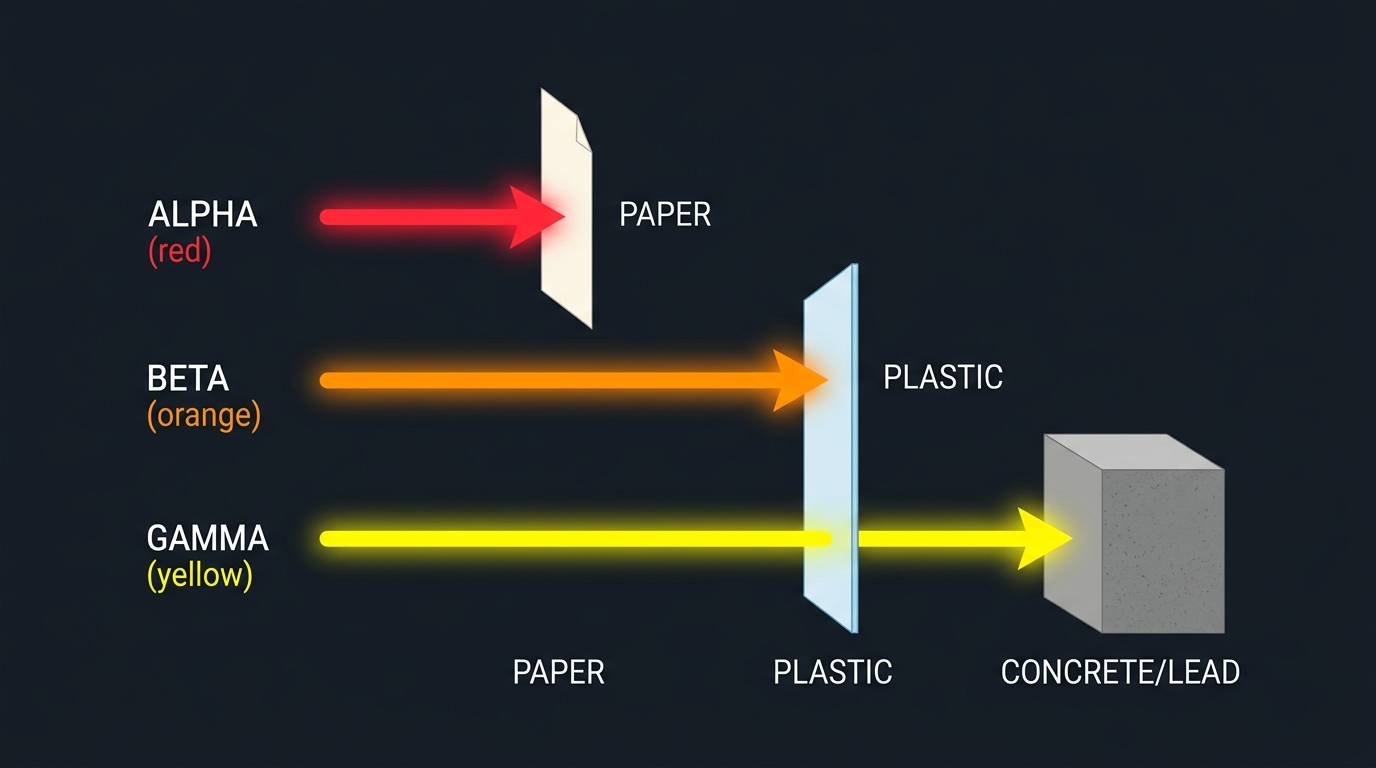
RADIATION TYPES
Alpha (α)
Low penetration — stopped by paper or skin. Most dangerous if inhaled.
Beta (β)
Moderate penetration — stopped by plastic or glass.
Gamma (γ)
High penetration — requires thick lead or concrete to stop.
Cooling Systems
Cooling water prevents reactor core overheating
Fukushima used seawater as emergency coolant
Power loss = pumps fail = catastrophic heat buildup
What Went Wrong
Power Loss
Cooling Failure
Hydrogen Buildup
Explosion
The combination of these failures led to three reactor meltdowns.
Meltdown
BEFORE
AFTER
Fuel rods overheated beyond 1200°C
Zirconium cladding reacted with steam, producing hydrogen
Molten core breached containment structures
Environmental Impact
20km exclusion zone established around the plant
Over 1 million tonnes of contaminated water released into Pacific Ocean
Soil, forests, and marine life contaminated with caesium-137
150,000
people evacuated
2,200+ disaster-related deaths (stress, illness, displacement)
Entire towns abandoned — communities destroyed
Economic Impact
Total Cost
$200 billion+ estimated total cost of disaster
Energy Crisis
All 50 Japanese nuclear reactors shut down post-disaster
Infrastructure Damage
Fukushima plant decommissioning cost alone: $76 billion
Response
01
Cooling
Seawater injected into reactors to prevent further meltdown
02
Evacuation
150,000 residents evacuated from 20km exclusion zone
03
Containment
Reactor buildings sealed; protective sarcophagus structures built
Cleanup & Decommissioning
Present (2026)
Contaminated water treatment ongoing; fuel removal in progress
2041–2051
Full fuel debris removal planned over 30–40 years
Future
Site decontamination and long-term storage solutions
Over 1,000 storage tanks of contaminated water on site
Most expensive nuclear decommissioning in history
Lessons Learned
Stronger international nuclear safety regulations (post-Fukushima IAEA reforms)
Tsunami protection — higher sea walls and flood barriers at coastal plants
Redundant backup power systems to prevent cooling failure
Improved emergency response and evacuation planning
EVALUATION
PROS / POSITIVES
Exposed critical safety gaps in nuclear industry worldwide
Led to major improvements in reactor design globally
Strengthened international cooperation on nuclear safety
CONS / NEGATIVES
Catastrophic environmental and human cost
Undermined public trust in nuclear energy globally
Long-term health and economic consequences still unfolding
Conclusion
The Fukushima disaster was a preventable catastrophe caused by natural disaster compounded by human and design failures.
It reshaped global nuclear safety standards and energy policy for decades to come.
The cleanup and recovery will take 40+ years — a reminder of the long-term responsibility of nuclear power.
Thank you
- fukushima-daiichi
- nuclear-physics
- energy-disaster
- nuclear-meltdown
- radiation-science
- environmental-impact
- student-presentation