








Sacred Ceilings: Art and Architecture in Historic Churches
Explore the divine artistry of sacred ceilings, from the Sistine Chapel to Oude Kerk, and how architecture fosters spiritual contemplation.
Sacred Ceilings
The Art That Makes Architecture Feel Holy
Good evening, and welcome. Today, we invite you to journey with us through the sacred spaces of historic churches — discovering how art and architecture have been crafted to foster awe, contemplation, and a sense of the divine.
Let us begin our exploration of these enduring monuments to faith and community.
Crafting the Divine
Elements of Sacred Space
Every element is designed to elevate the mind and spirit
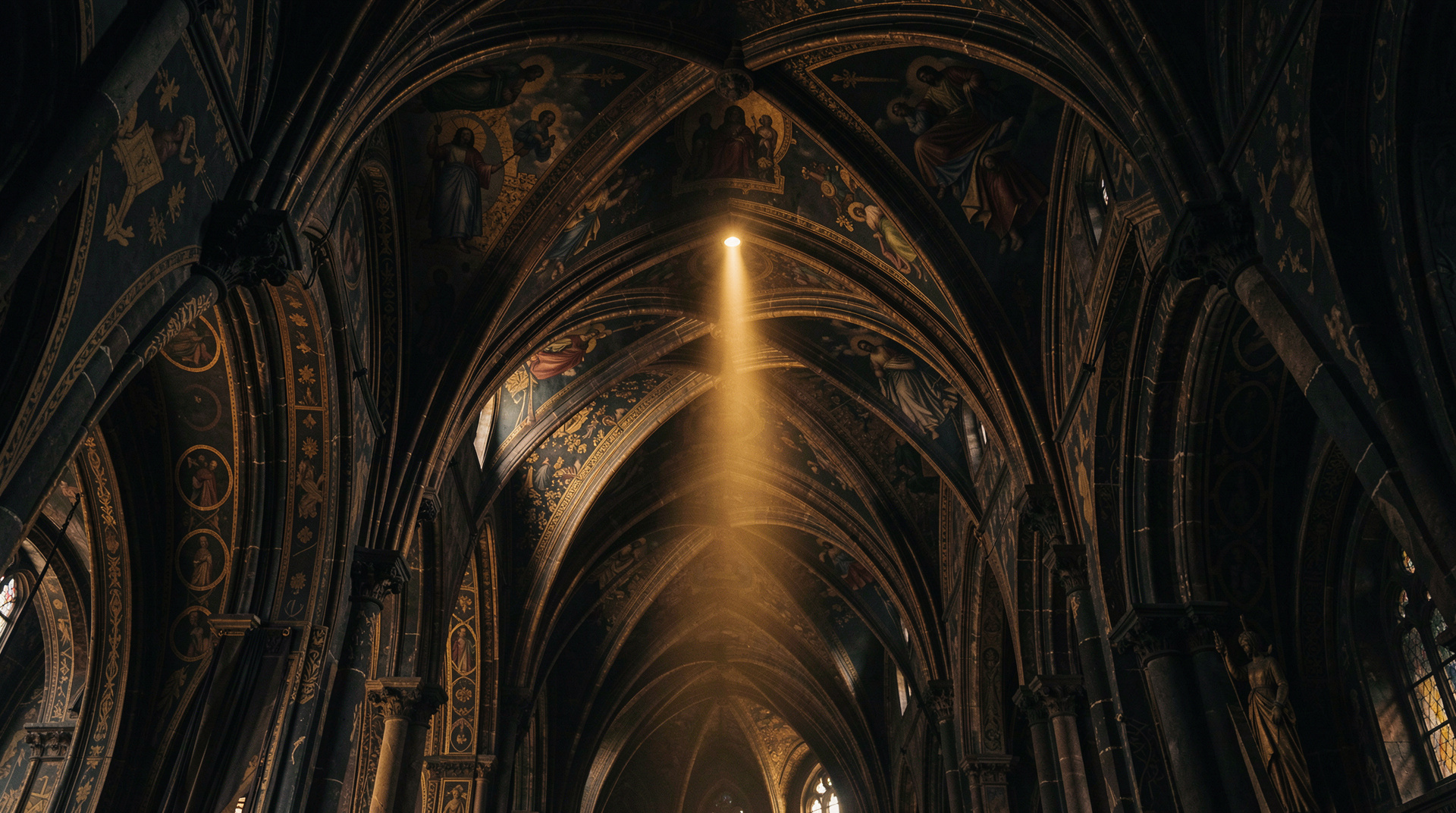
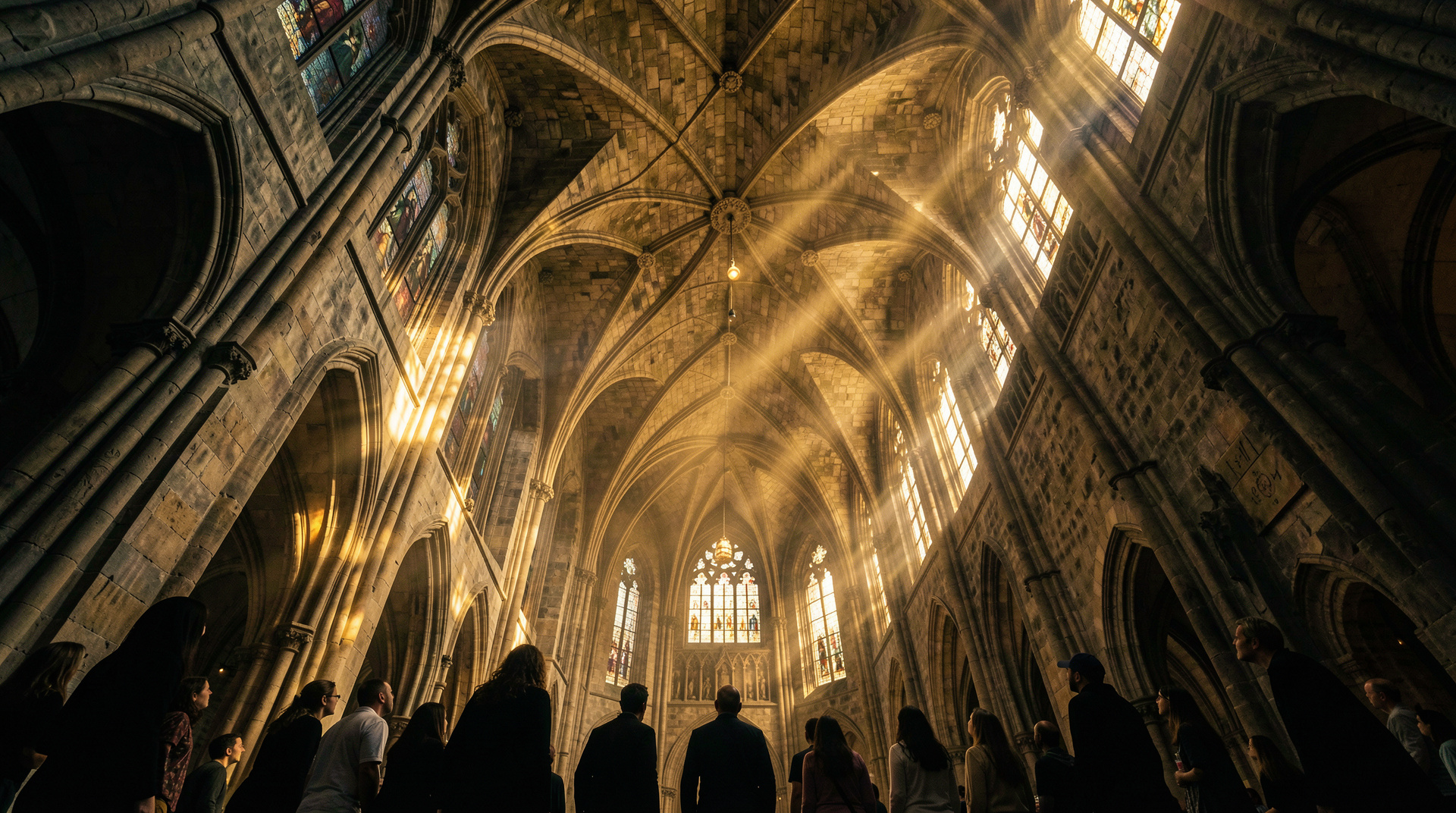
The interplay of architecture, light, and art is intentional
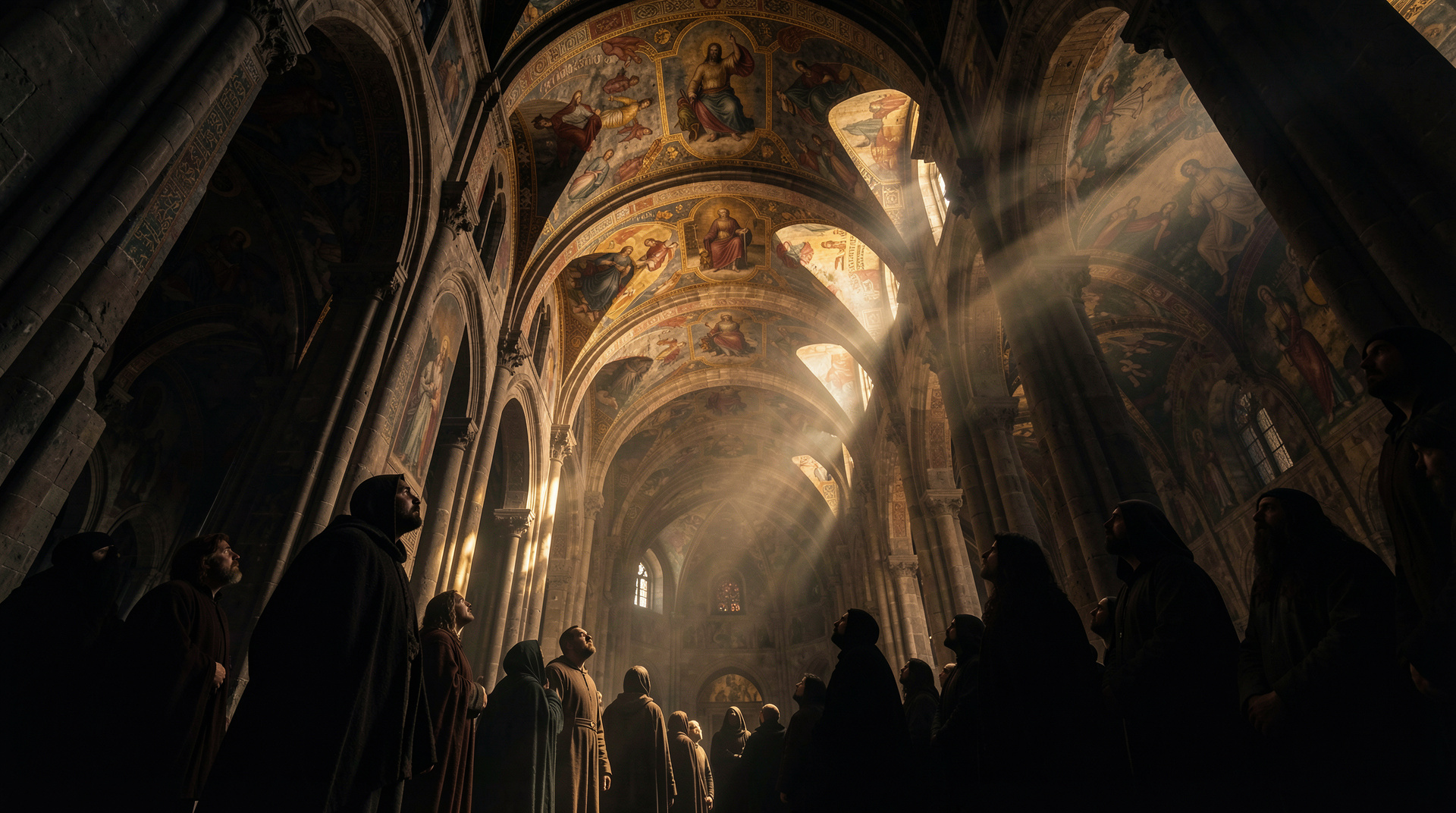
Vaulted ceilings and ethereal imagery guide us from the earthly world toward the threshold of the divine
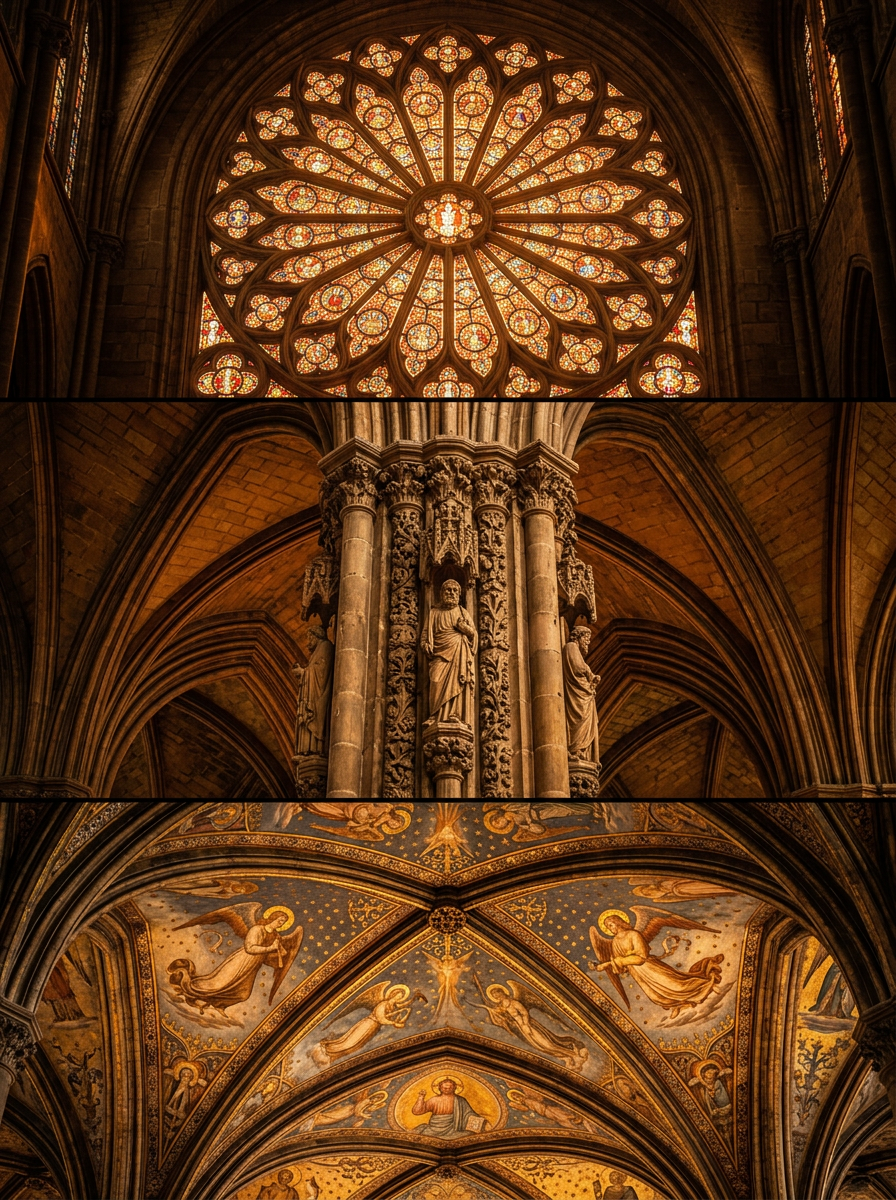
Star motifs and celestial themes remind us of the heavens above, encouraging reflection on the eternal
A Sacred Journey
The Church's Spatial Hierarchy
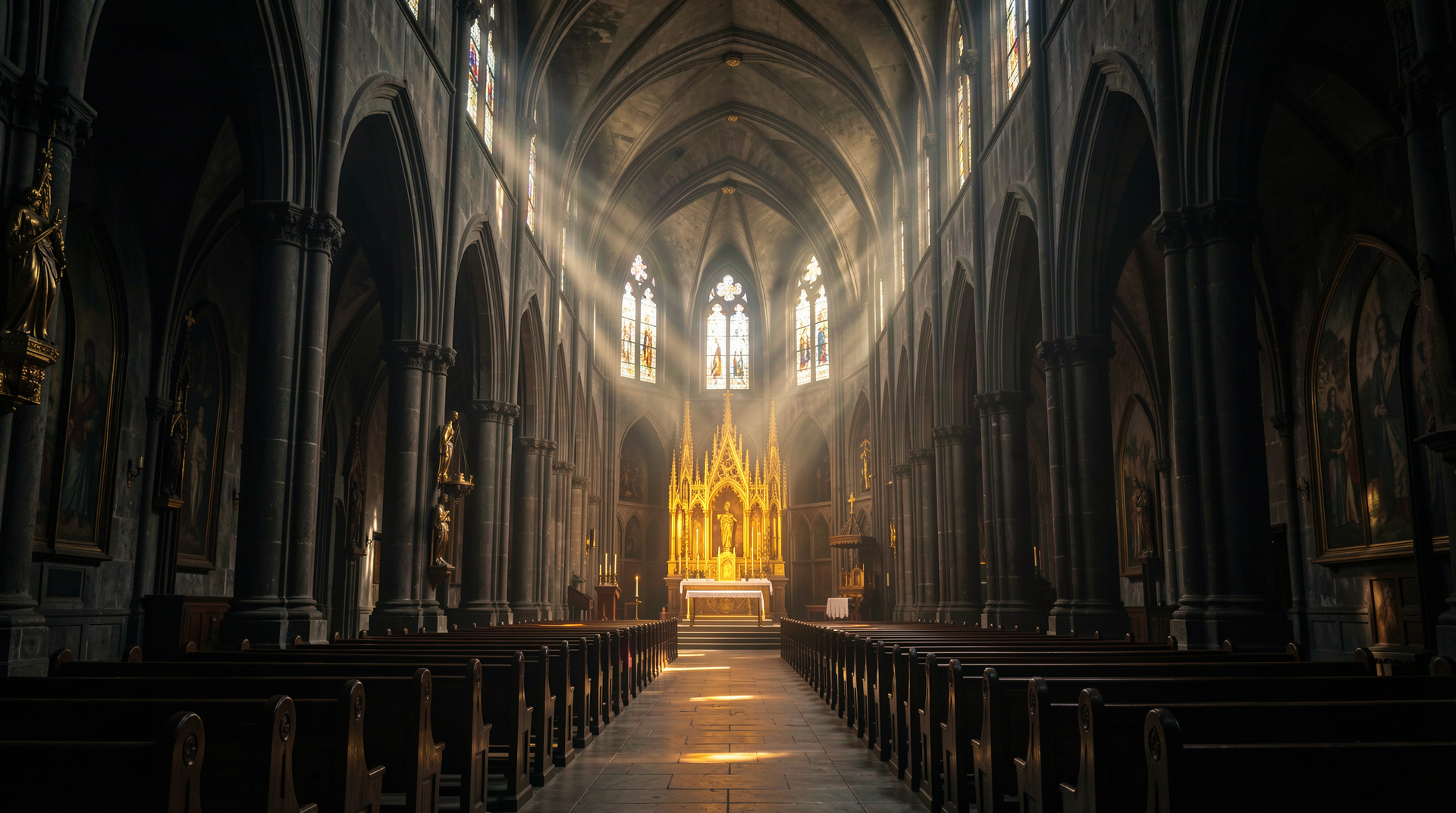
The nave draws the eye forward in a deliberate line to the sanctuary
The sanctuary is elevated — housing the altar, the focal point of spiritual life
Stained glass and ceiling paintings direct our gaze upward
Reinforcing the church's role as a bridge between earth and heaven
Ceilings That Speak
Three Unique Narratives
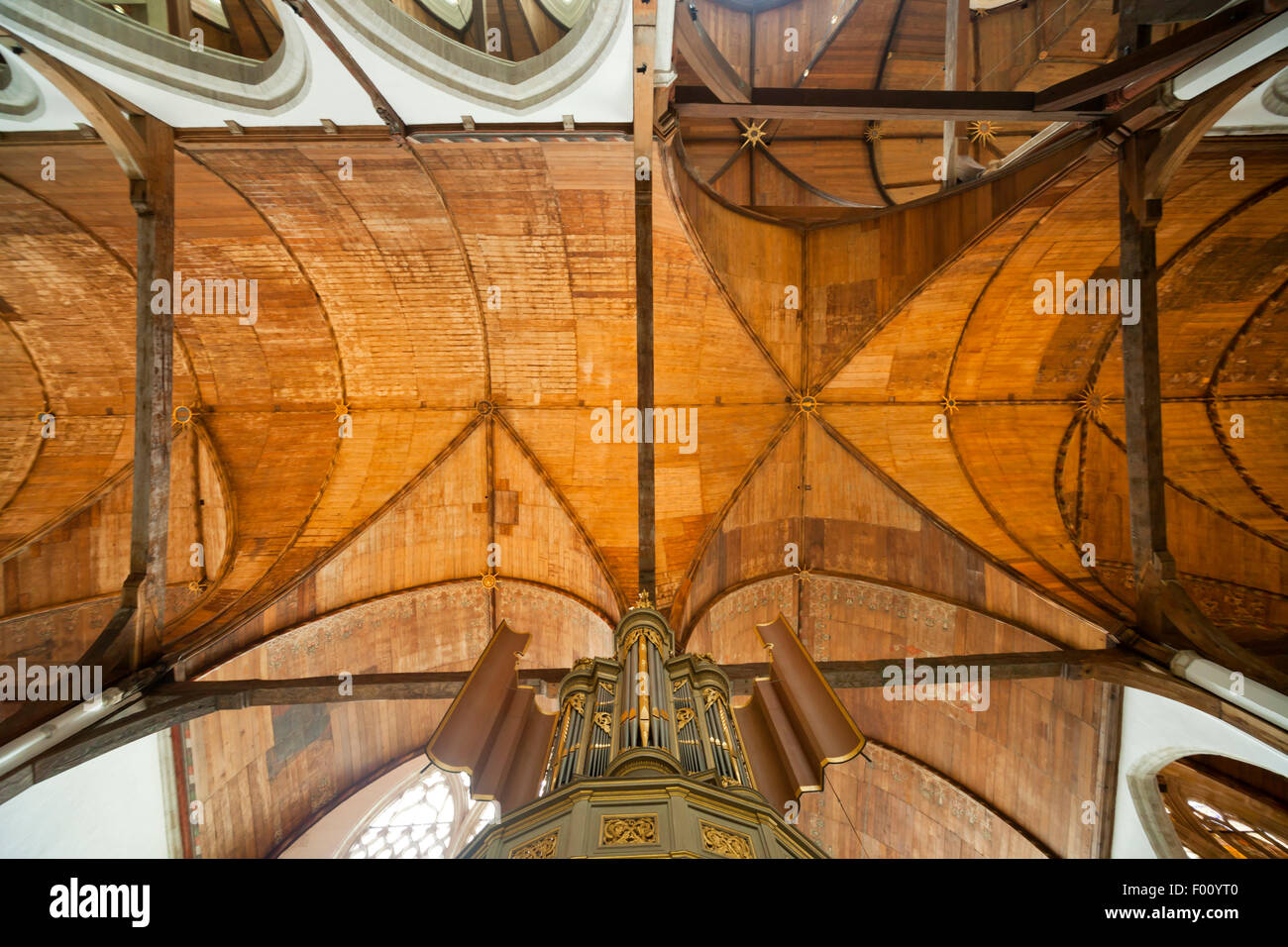
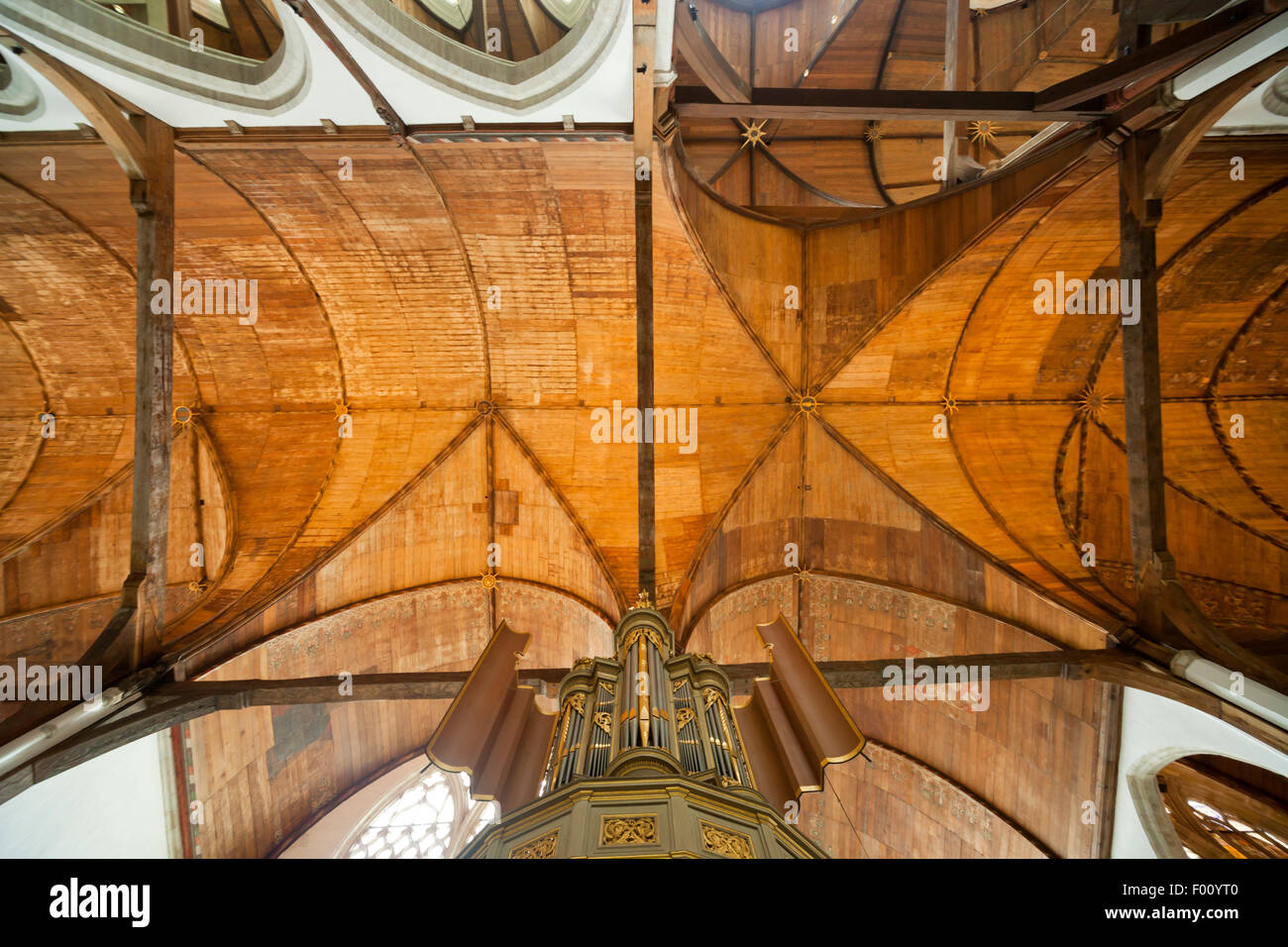
Oude Kerk, Amsterdam
Intimate Wooden Vault
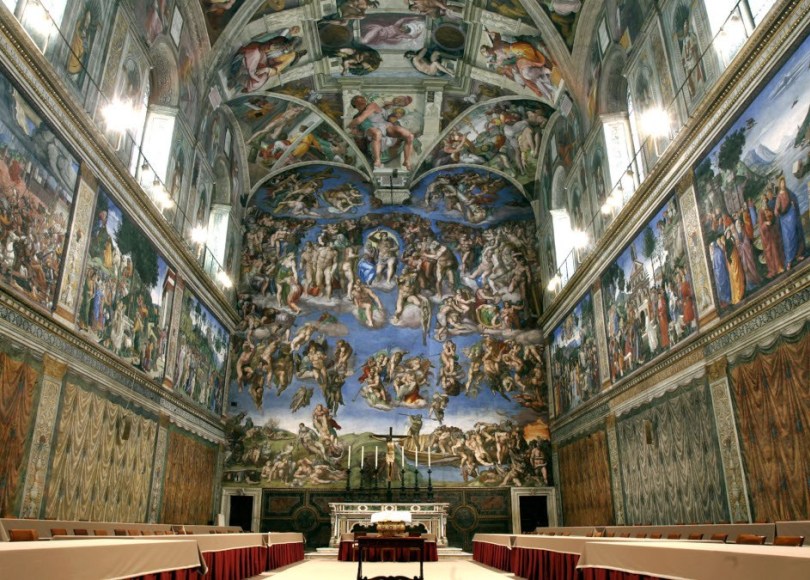
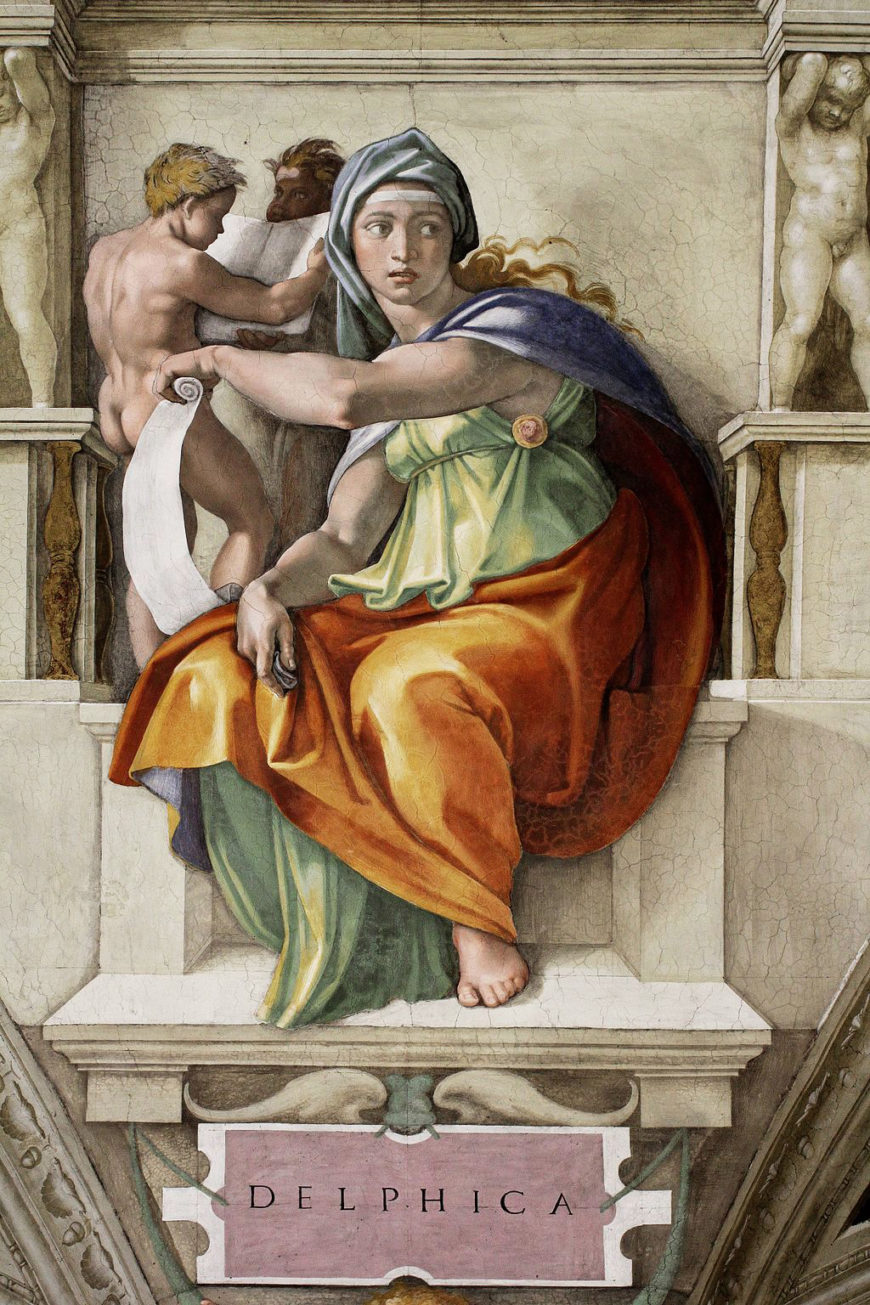
Sistine Chapel, Rome
The Drama of Divine Figures
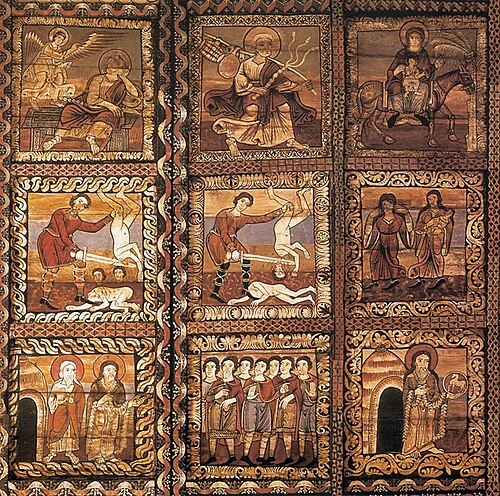
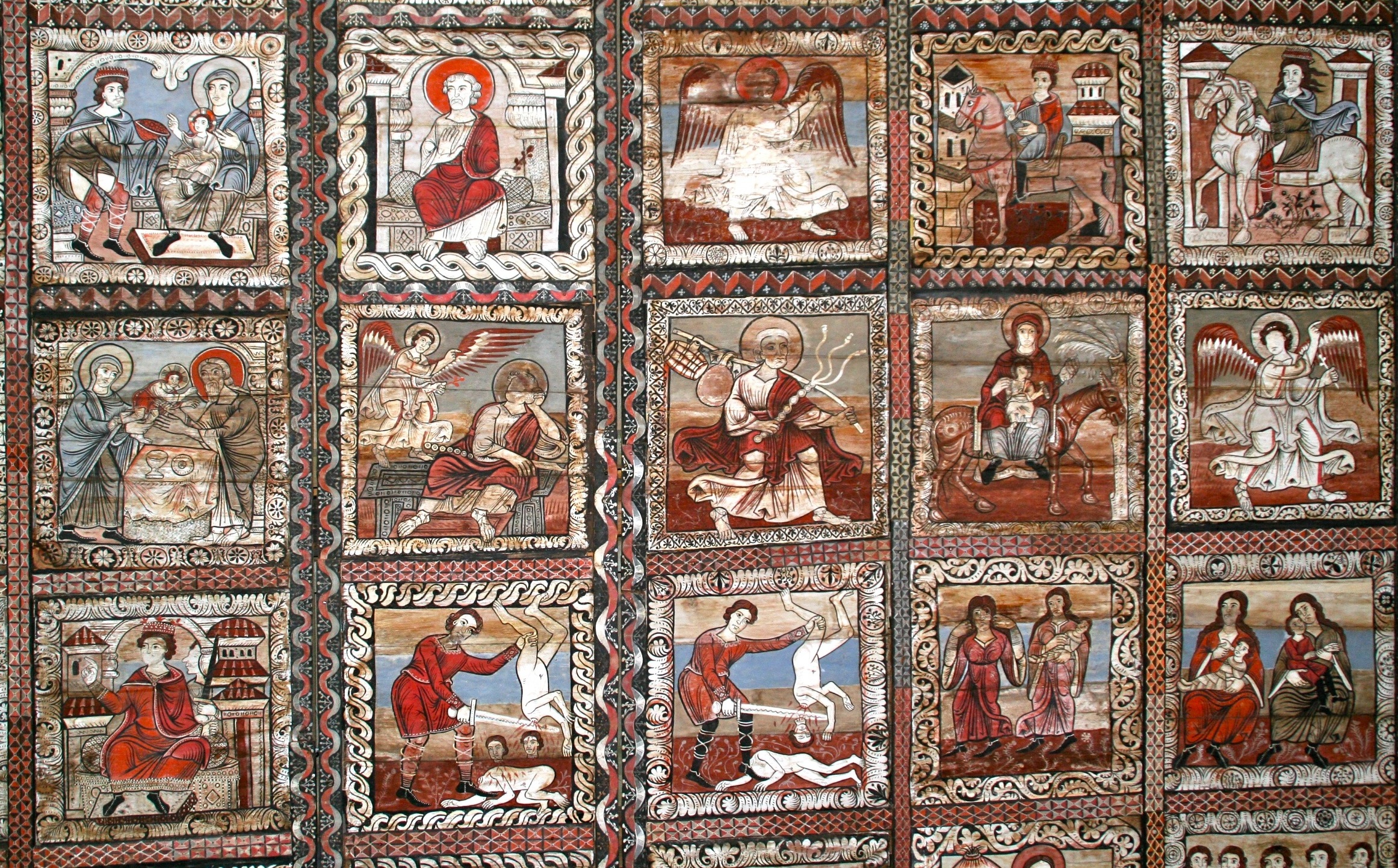
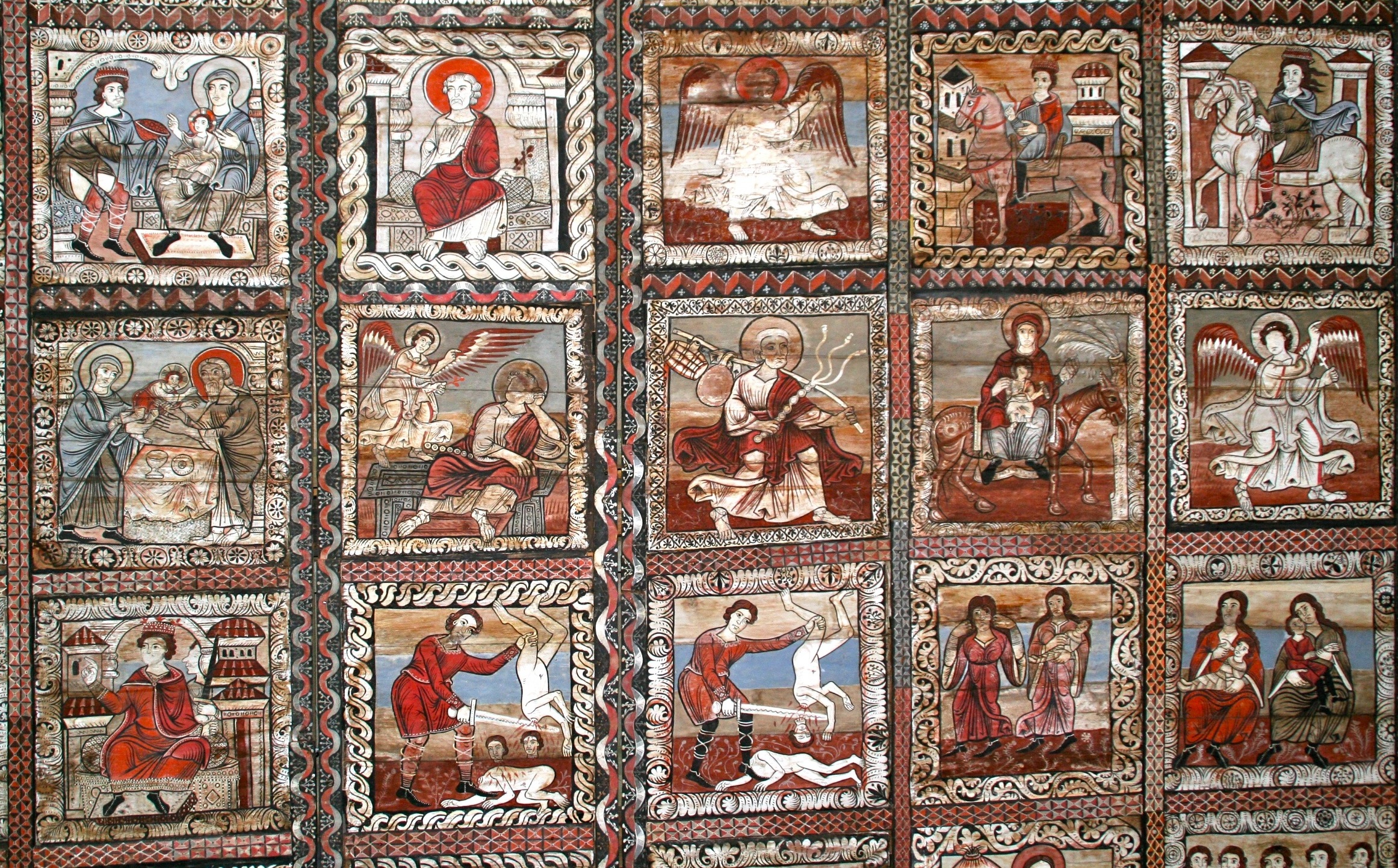
St. Martin's, Zillis
Medieval Grid Narrative
Each ceiling offers a distinct narrative — expressed through material, theme, and atmosphere.
AMSTERDAM · NETHERLANDS
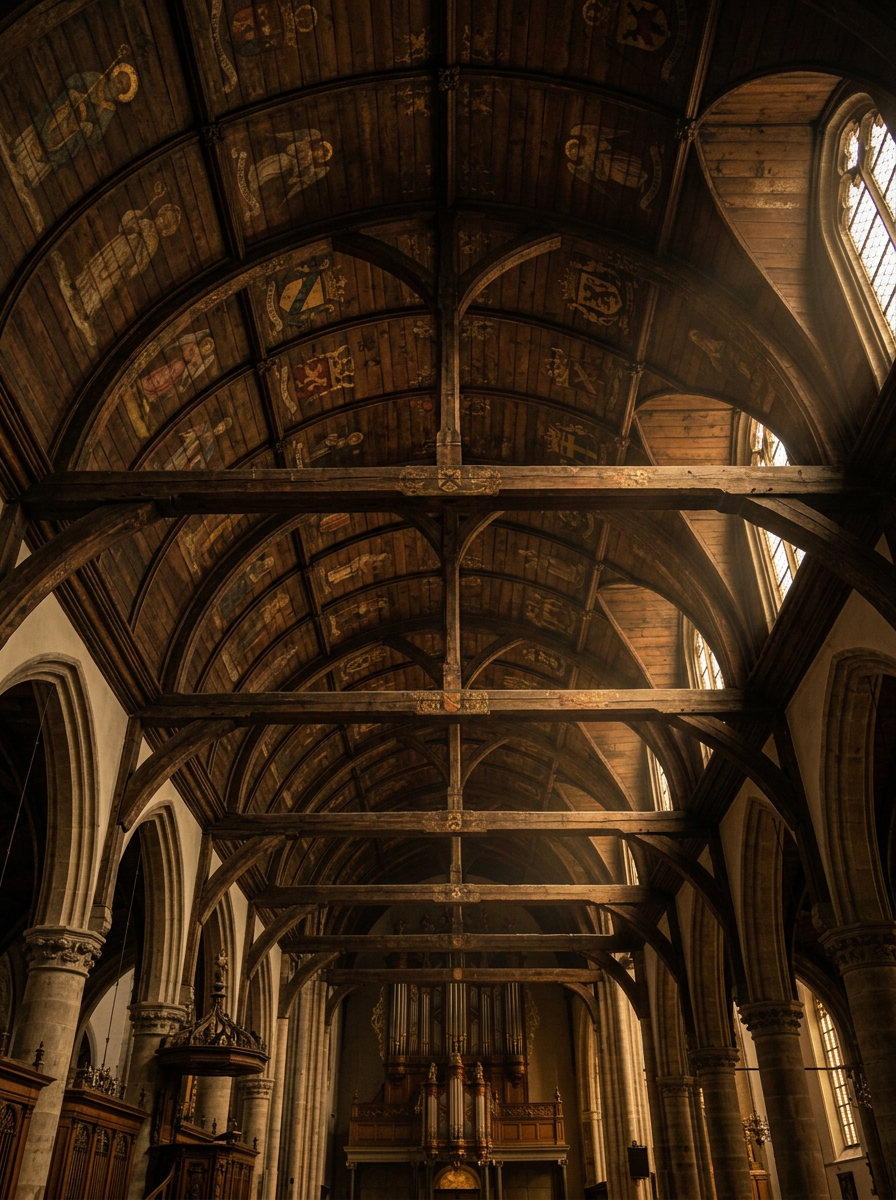
Oude Kerk
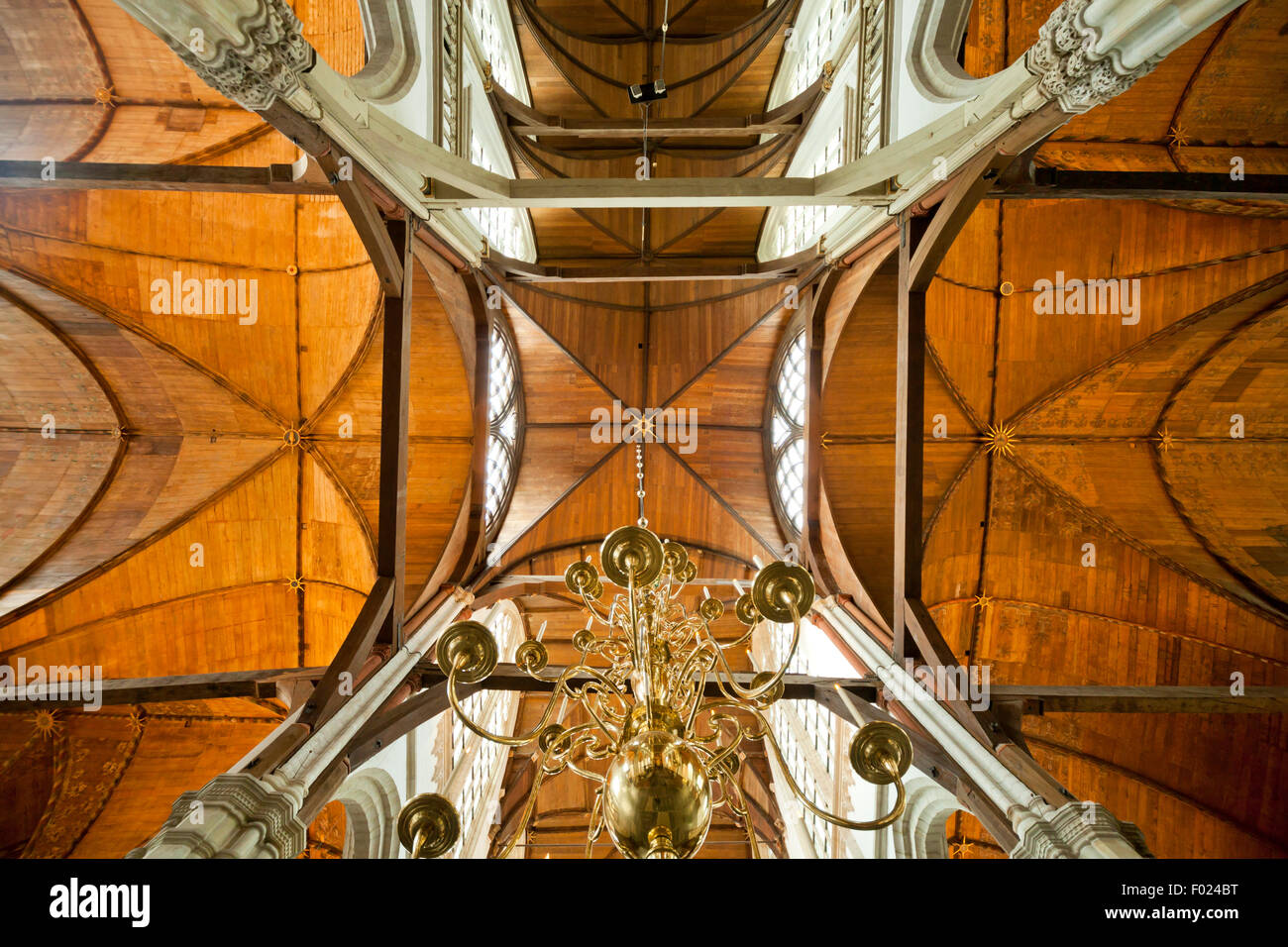
Community Under a Wooden Sky
The ceiling's inverted ship hull cradles the congregation in safety
Painted saints, angels, and local family crests weave together the spiritual and communal
The palette — reds, golds, browns, and blues — creates warm, peaceful ambiance
Grounded in the city's history yet elevated by spiritual quietude
A testament to art that roots the divine firmly within a community
c. 1306
ROME · ITALY
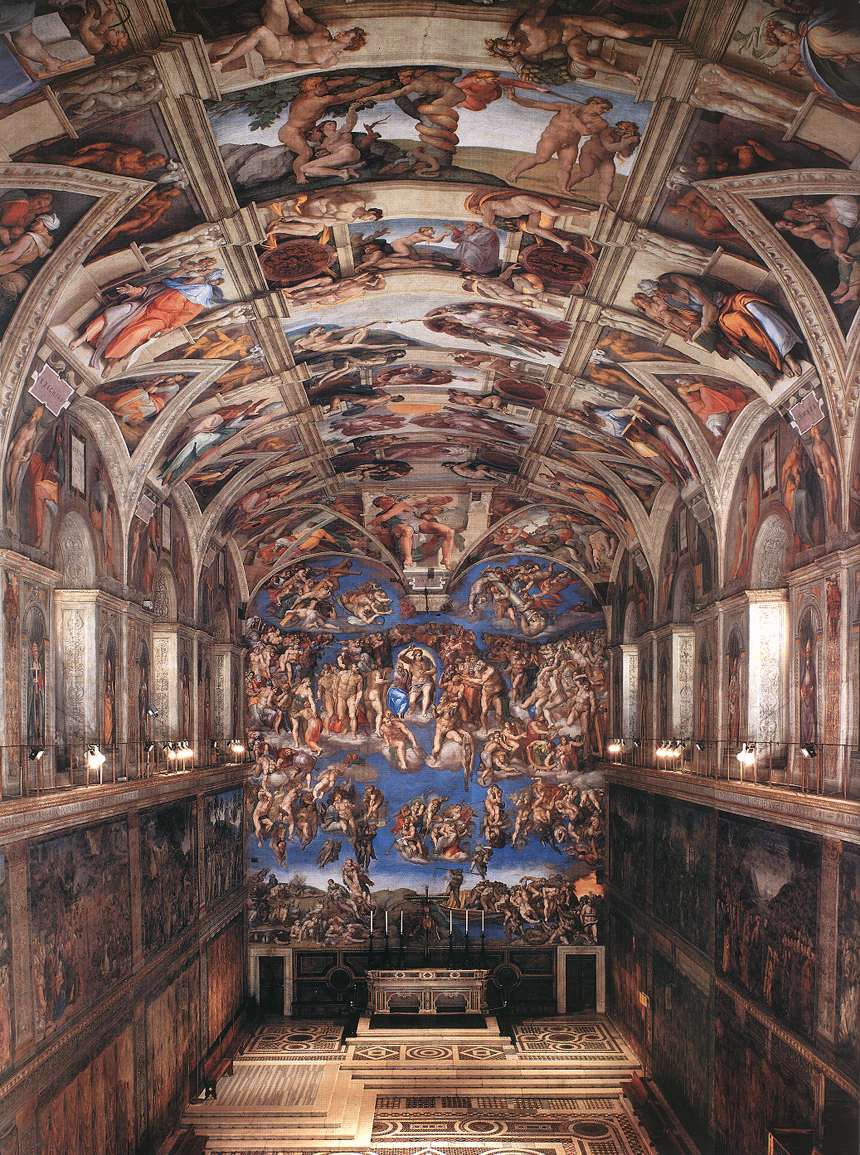
Sistine Chapel
Witnessing Divine Power
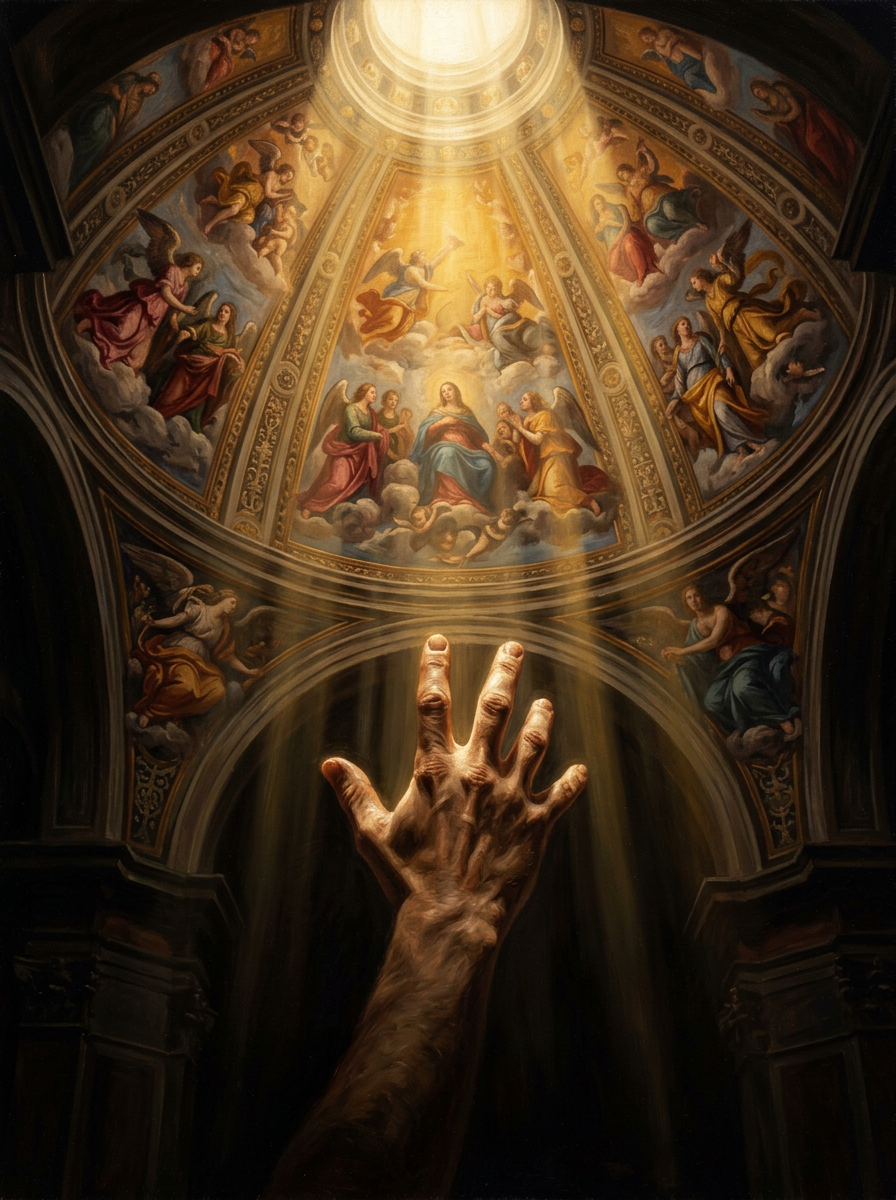
The Sistine Chapel immerses us in the drama and power of Renaissance art
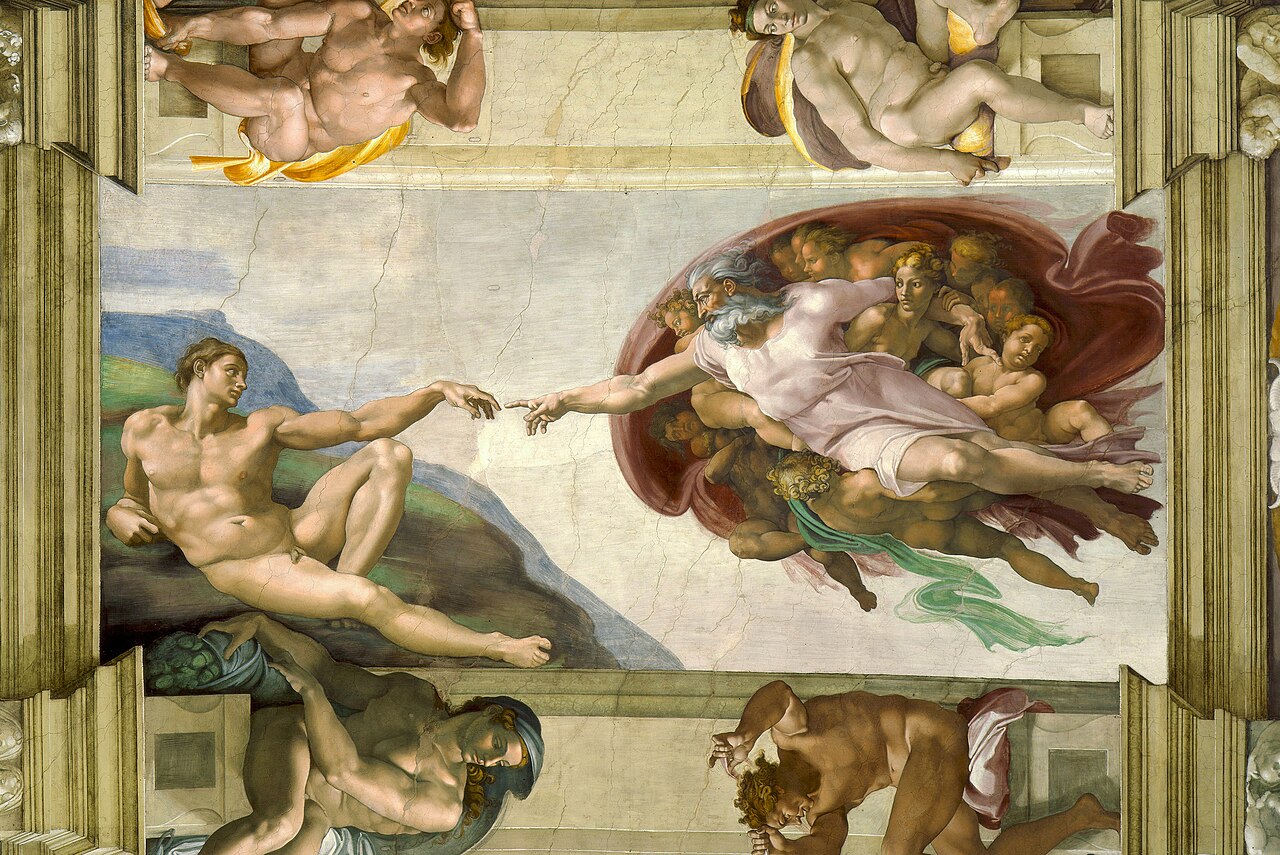
Michelangelo's monumental figures seem to leap from the ceiling
Scenes from Genesis unfold across the vault, culminating in the 'Creation of Adam'
The effect is both theatrical and reverent
An invitation to experience awe in the presence of human genius and divine inspiration
c. 1508–1512
ZILLIS · SWITZERLAND
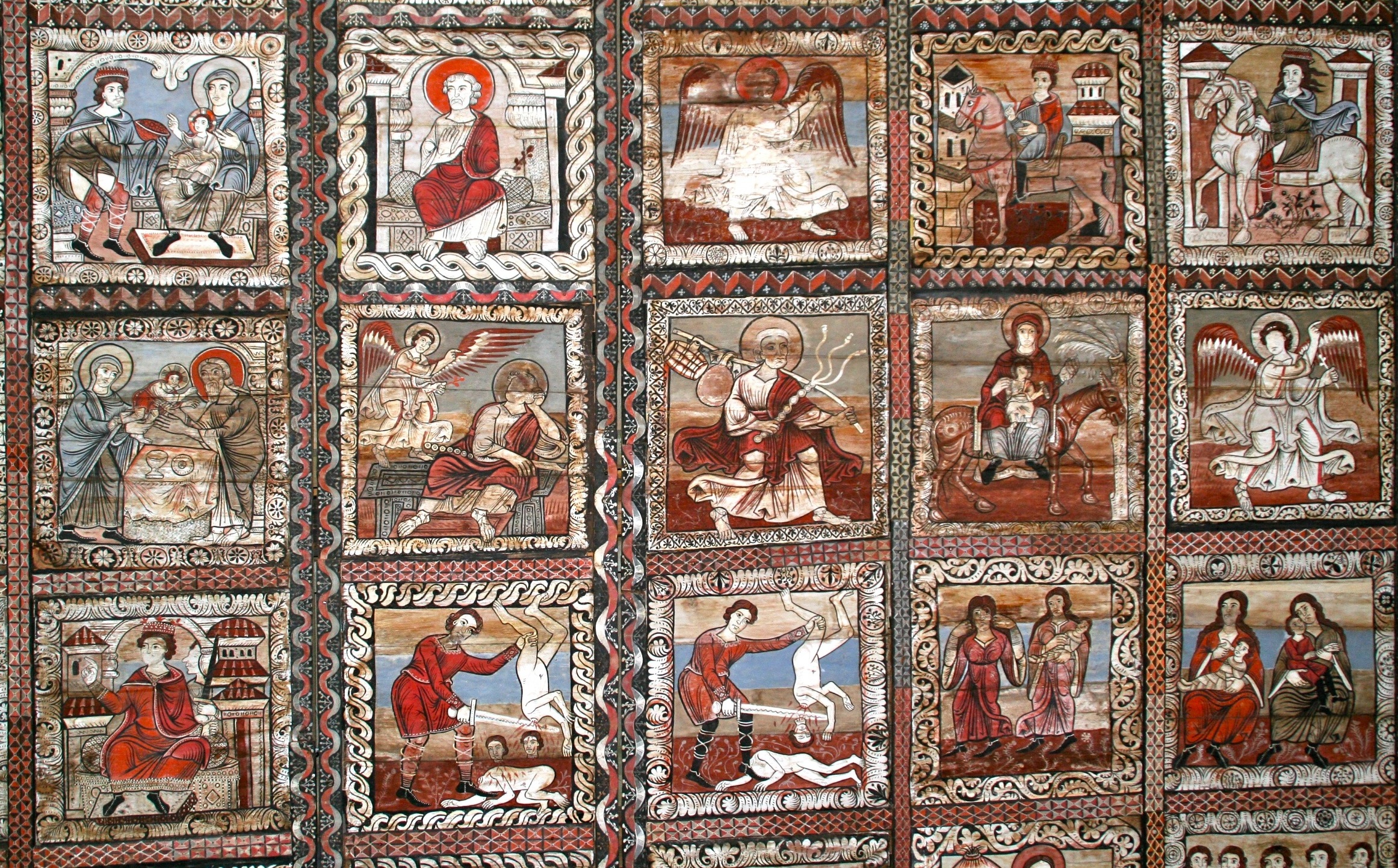
St. Martin's Church
A Medieval Storybook
A rare and intimate glimpse into Romanesque art
153 painted wooden panels tell a visual storybook — from the life of Christ to the legend of St. Martin
Images are clear and direct, accessible to all
Reflecting a time when art served as the universal language of faith
Remarkably preserved — witness medieval spirituality in its original colors and forms
c. 1109–1114
ART AS COMMUNICATION
Bibles for the Illiterate
Reaching Every Soul Through Sacred Images
In an age of widespread illiteracy, art became the principal means of communicating Christian doctrine
Ceilings became 'Bibles for the Illiterate' — readable by every visitor regardless of education
Every painted scene invited the congregation to read the history of salvation through images
These stories bridged the gap between the sacred and the everyday for entire communities
COMPARATIVE STUDY
Sacred Visions
A Comparative Analysis
Oude Kerk
Community & Identity
Gothic Wooden Beams
Local Congregation
The Divine in Daily Life
Sistine Chapel
Authority & Majesty
High Renaissance Fresco
Universal Church
Power of Divine Creation
St. Martin’s
Education & Storytelling
Romanesque Panels
Illiterate Faithful
Faith Made Visible
RESILIENCE THROUGH THE AGES
Enduring Faith
Art Through Time
These ceilings have endured for centuries, surviving religious and political upheaval — each a living witness to faith and the resilience of art.
"Each one stands not merely as a monument to art, but to the unbroken thread of human devotion."
St. Martin's
c. 1109
Nearly 1,000 years intact — the oldest surviving painted ceiling in the Alpine world
Oude Kerk
c. 1306
Survived the Protestant Reformation — its art a bridge between faiths
Sistine Chapel
c. 1508
Withstood centuries of Vatican politics — Michelangelo's vision endures
WHY PAINT CEILINGS?
Reaching for the Heavens
The Purpose of Ceiling Art
For centuries, images were the most immediate way to teach, inspire, and unite entire communities of faith
Through painted ceilings, the invisible — God, heaven, salvation — became visible, tangible, and real
These works offered all people, regardless of status or literacy, an invitation to participate in a story larger than themselves
“To paint a ceiling was to reach for God — and bring heaven within sight of every soul below.”
A Legacy of Wonder
The Enduring Impact
Across Centuries, Beneath Sacred Skies
By removing barriers like literacy, ceiling art fostered a shared visual language and a sense of communal identity.
These sacred spaces allowed each visitor to transcend daily life and feel part of something greater than themselves.
Even now, as we stand beneath these ceilings, we share in the wonder and unity experienced by countless generations before us.
The ceiling still speaks. Are you listening?
- architecture
- art-history
- religious-art
- church-design
- interiors
- sistine-chapel
- history
- culture