




How Stress and Cortisol Impact Weight Gain and Sleep
A clinical guide on the cortisol-craving cycle, how stress drives weight gain, and evidence-based lifestyle prescriptions for better sleep and recovery.
The Hidden Impact of Stress on Your Health
Weight, Sleep & the Path to Recovery
A Guide for Patients & Clinicians | 2026
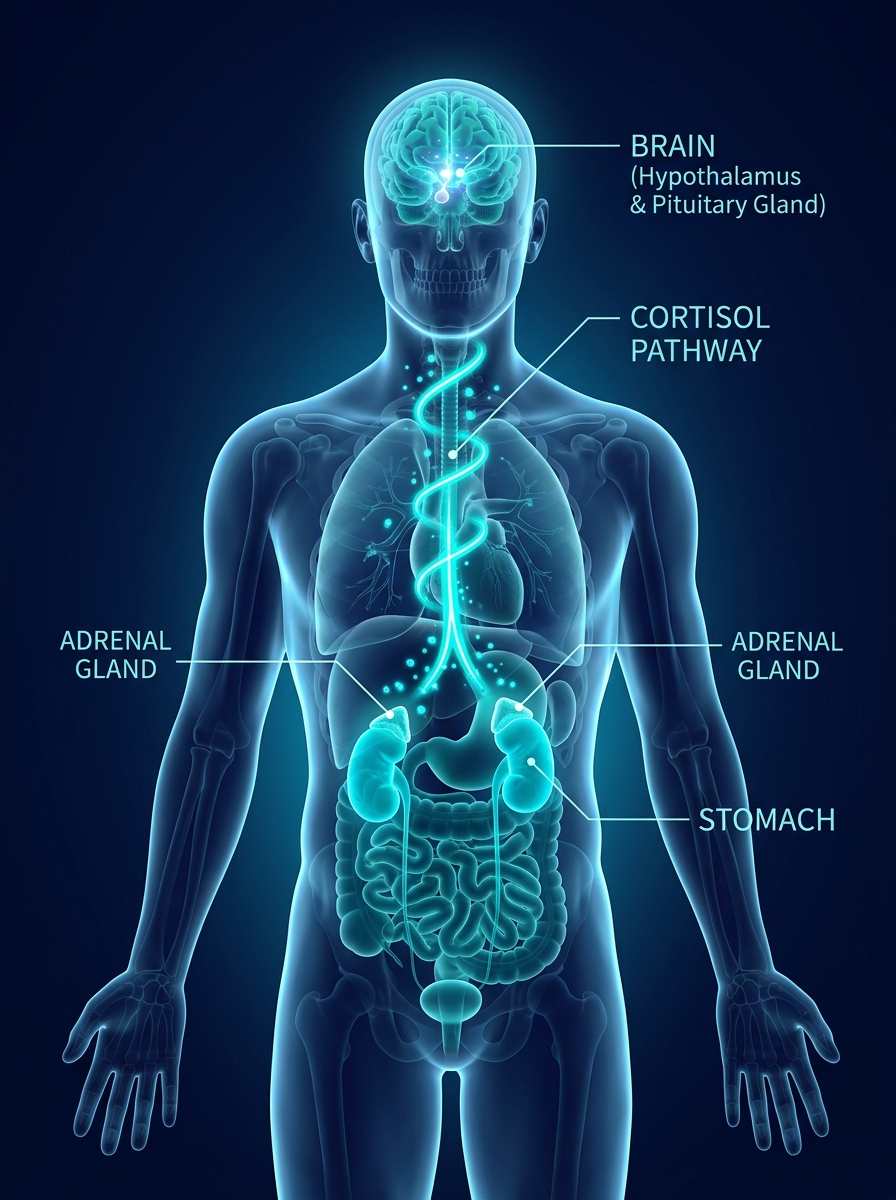
How Stress Triggers Weight Gain
The Cortisol-Craving Cycle
Chronic stress releases cortisol, which increases hunger and cravings for high-fat, high-sugar comfort foods
Cortisol disrupts ghrelin (hunger hormone) and leptin (satiety hormone), weakening the body's "full" signals
Stressed individuals show up to 10x higher insulin spikes when snacking — driving a cycle of more eating
43% of adults experience stress-related weight gain, with fat storing preferentially around the abdomen
43% of adults gain weight due to stress
Emotional snacking is not a willpower issue — it's a hormonal response
What Your Doctor Can Prescribe (Without Medication)
Evidence-based lifestyle prescriptions for stress reduction
Exercise
20–30 min of brisk walking, yoga, or tai chi daily. Lowers cortisol as effectively as some antidepressants.
Mindfulness & Breathing
Mindfulness-Based Stress Reduction (MBSR) and guided breathing exercises. Proven to reduce stress symptoms within 8 weeks.
Diet Adjustments
Shift to a Mediterranean or plant-forward diet. Avoid sugar and caffeine which spike cortisol. Add omega-3s and magnesium-rich foods.
Social Connection
Prescribe regular social activities, therapy sessions, or peer support groups. Isolation amplifies stress.
Relaxation Therapies
Massage therapy, aromatherapy, and music therapy for acute short-term relief.
Lifestyle prescriptions are first-line interventions — before reaching for the prescription pad.
Stress & Sleep: A Dangerous Cycle
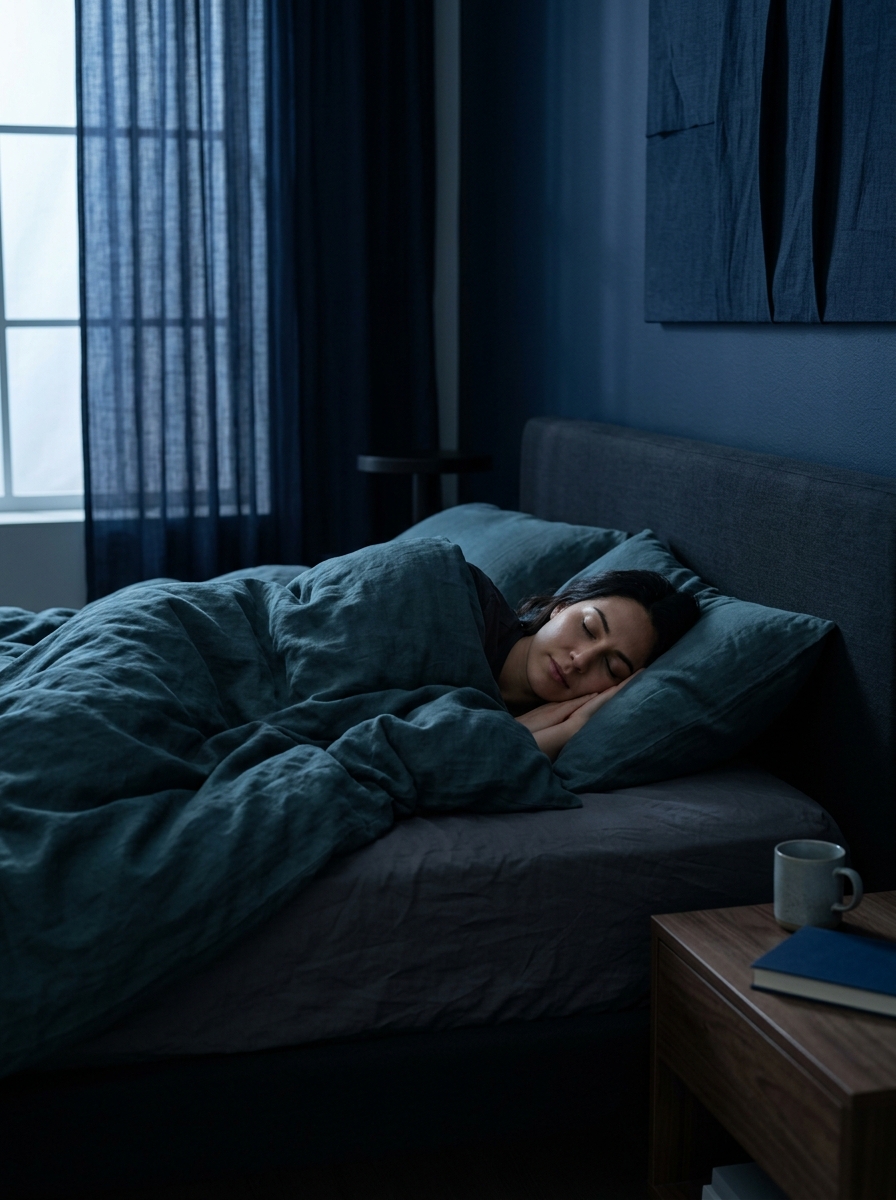
Poor sleep worsens stress. More stress worsens sleep.
74% of Americans report sleep disruption due to stress (2025)
Stress elevates evening cortisol, flattening the circadian rhythm and causing insomnia and fragmented sleep.
Stressed adults average only 6.2 hours of sleep vs. 7.1 hours for low-stress peers.
Poor sleep raises cortisol further the next day — creating a self-reinforcing loop.
Sleep deprivation worsens metabolism, immunity, cognitive function, and emotional regulation.
21–45% of people feel MORE stressed when they haven't slept properly.
Stress
High Cortisol
Poor Sleep
More Stress
Breaking the sleep-stress cycle is one of the most powerful interventions available
Improving Sleep: A Doctor's Action Plan
Evidence-based sleep hygiene recommendations
Consistent Schedule
Same sleep/wake time daily, even on weekends
Wind-Down Routine
Dim lights, no screens 30–60 mins before bed
Limit Caffeine
No caffeine after 2pm; avoid alcohol before bed
Cool Dark Environment
Keep bedroom 16–19°C, blackout curtains
Manage Racing Thoughts
Worry journal + 4-7-8 breathing technique
Morning Light Exposure
10 mins of natural light resets the body clock
Consistent sleep hygiene can reduce stress perception by up to 30% within 4 weeks
- cortisol
- stress-management
- weight-loss
- sleep-hygiene
- lifestyle-medicine
- mental-health
- clinician-guide