


Made byBobr AI

Diabetic Foot Pathway: From Callus to Amputation

A clinical guide for healthcare professionals on diabetic foot management, covering neuropathy, ulcer classification, osteomyelitis, and MDT care.

#diabetes#foot-care#wound-management#podiatry#nursing#diabetic-ulcer#healthcare-education
Watch
Pitch

The Diabetic Foot Pathway:
Callus to Amputation

Understanding the Progression, Prevention & Multidisciplinary Management

For Healthcare Professionals — Nurses, Podiatrists & GPs

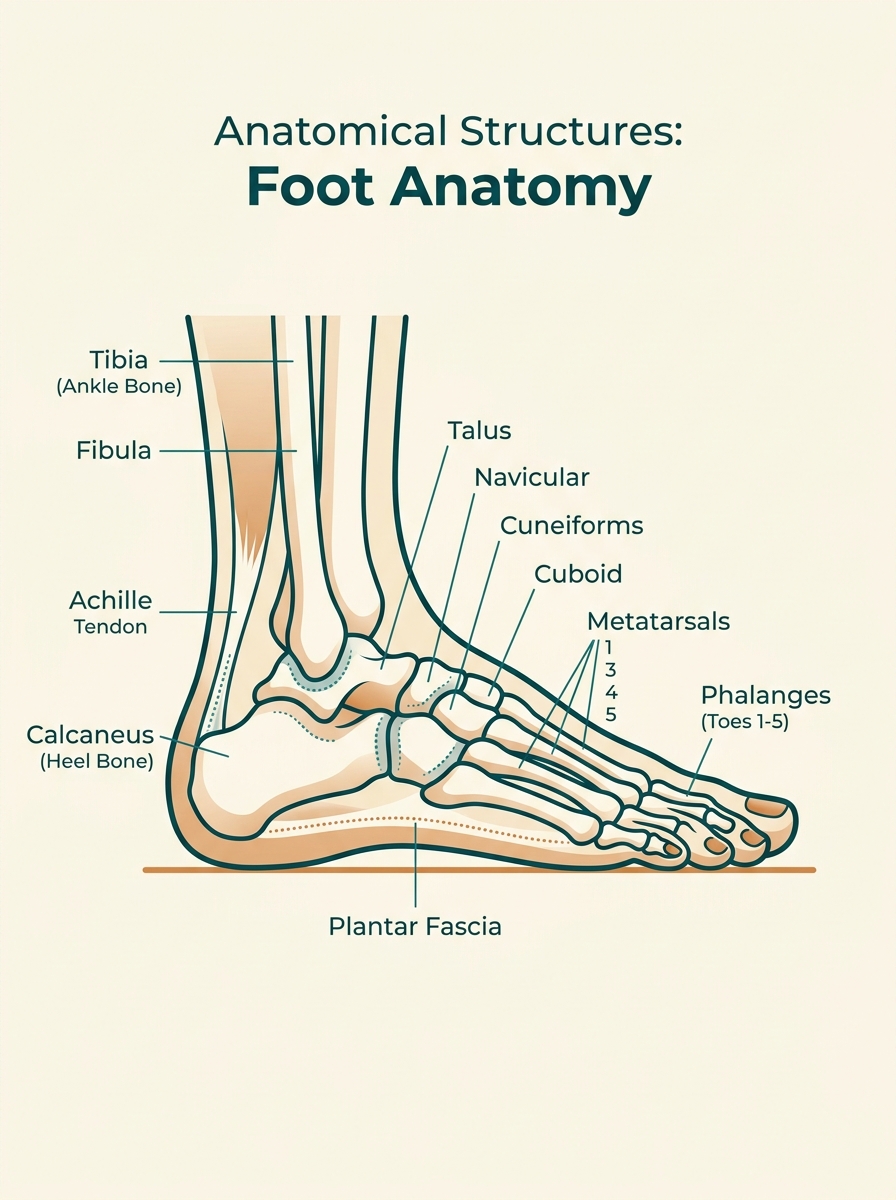
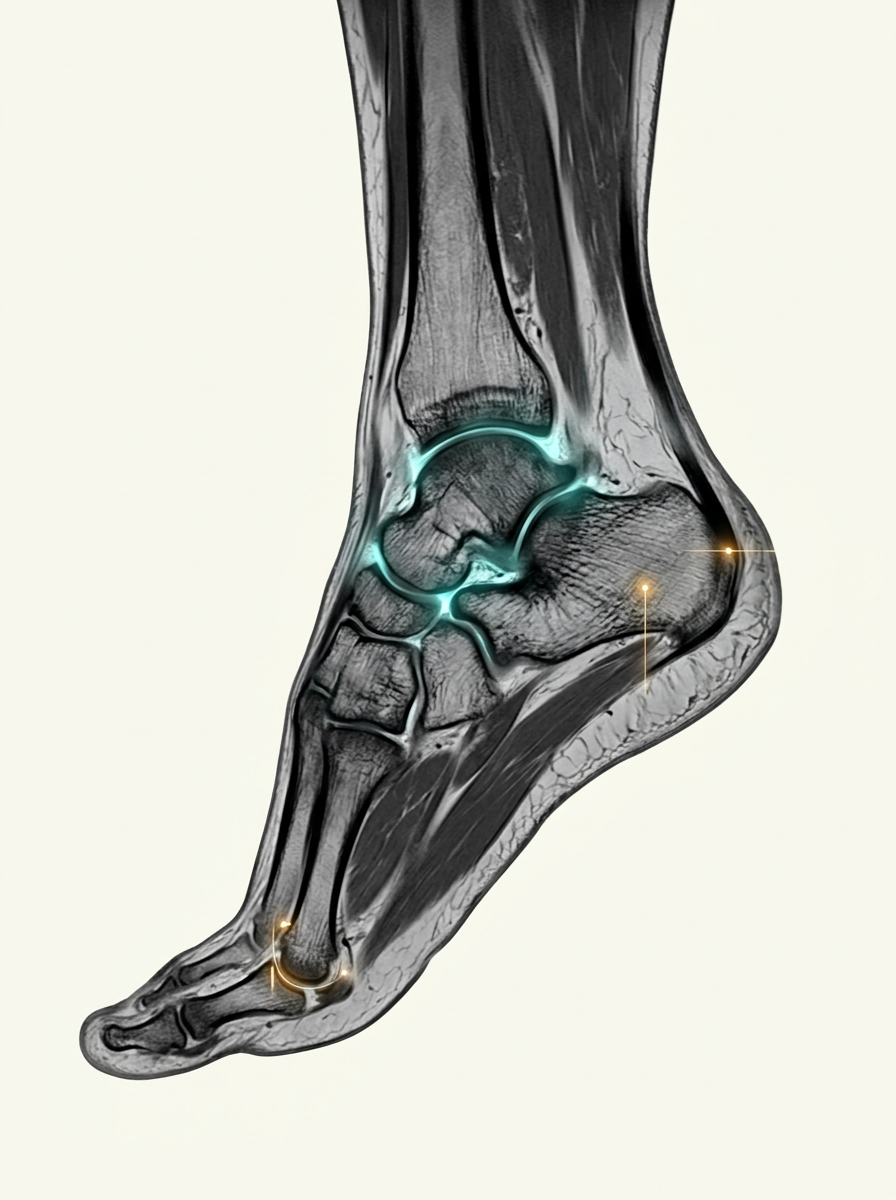
Foot Anatomy Illustration
Made byBobr AI

Understanding the Diabetic Foot

15%

of patients with diabetes will develop a foot ulcer during their lifetime.

85%

of major lower extremity amputations are preceded by a non-healing foot ulcer.

#1

leading cause of non-traumatic lower-extremity amputations globally.

The Core Triad of Risk

Neuropathy
Ischemia
Infection
Foot
Ulcer

The interplay of loss of protective sensation, arterial insufficiency, and susceptibility to infection.

Made byBobr AI

The Pathophysiology: Why Feet Fail in Diabetes

Neuropathy

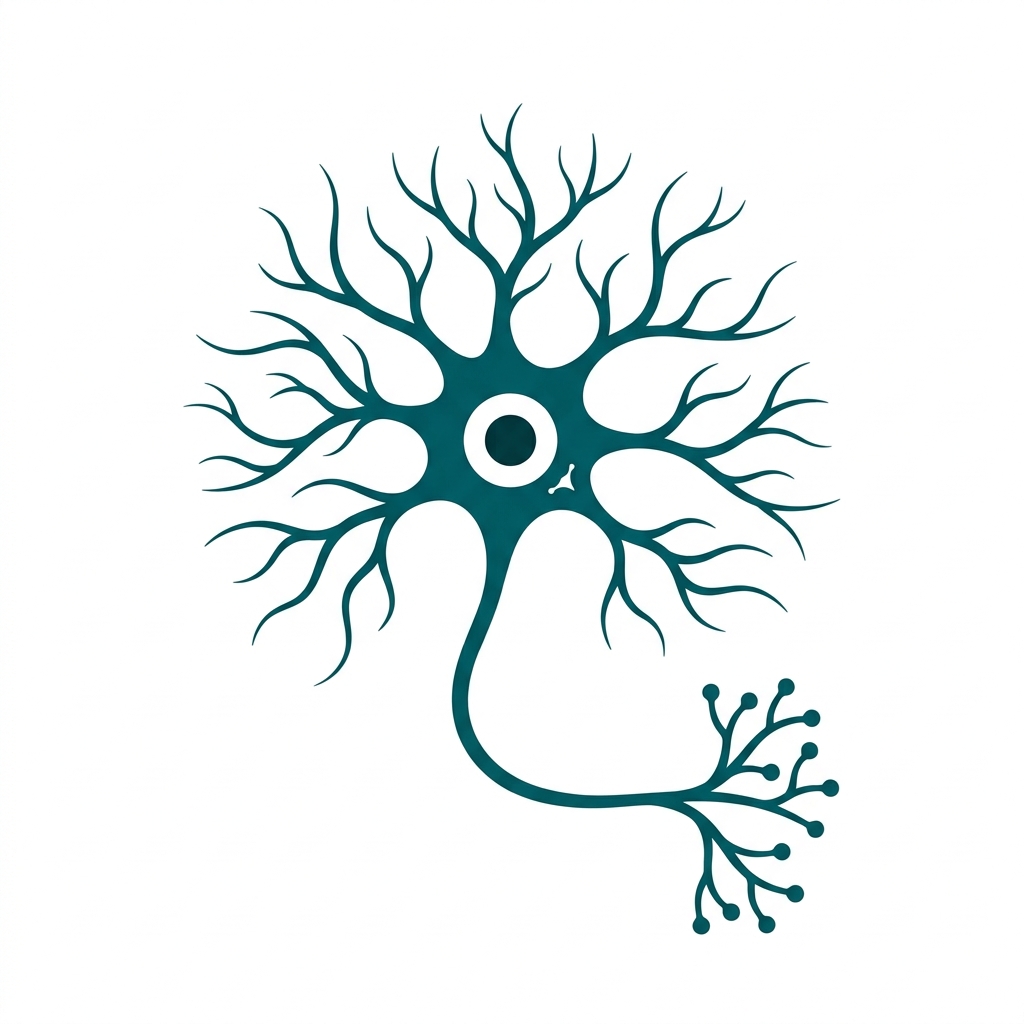
Peripheral Neuropathy

  • Loss of protective sensation (LOPS) masking injury
  • Motor neuropathy causing structural foot deformity
  • Autonomic neuropathy causing dry skin & fissures
Peripheral Arterial Disease

Peripheral Arterial Disease

  • Significantly reduced blood flow to extremities
  • Impaired supply of vital oxygen and nutrients
  • Poor wound healing & increased risk of ischemia
Immunopathy

Immunopathy

  • Impaired neutrophil and phagocytic cell function
  • Poor local inflammatory and infection response
  • Exacerbated risk under uncontrolled hyperglycemia
Made byBobr AI
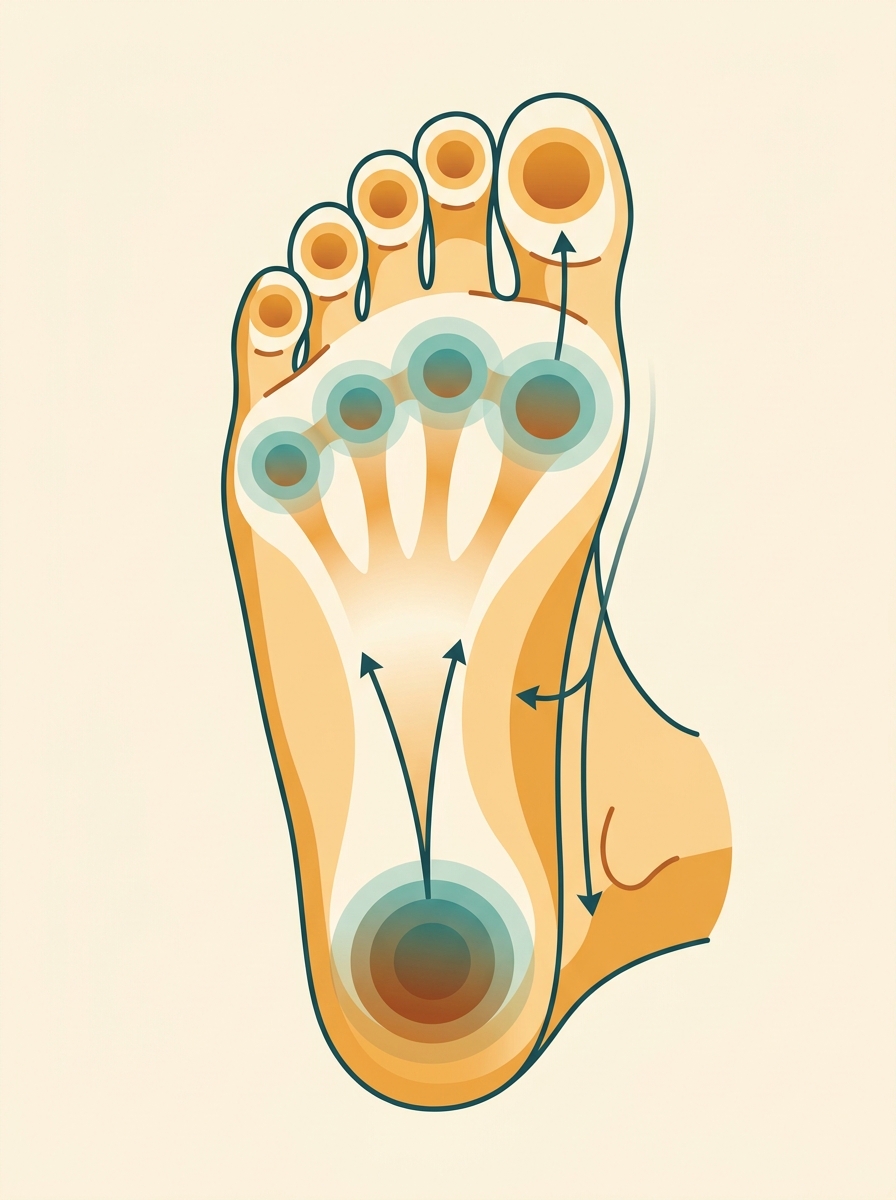
Foot Arch Diagram

Callus: The Starting Point

What is callus?

Thickened skin resulting from repetitive pressure and friction.

Key Locations

Metatarsal heads, the heel, and the toes.

Why it matters in diabetes

  • Masks underlying ulceration
  • Increases plantar pressure by up to 30%
  • Acts as a pre-ulcerative lesion

Clinical Assessment

Inspect feet regularly and ensure prompt professional debridement.

Prevention

Implement optimal offloading and targeted appropriate footwear.

Made byBobr AI

Diabetic Foot Ulcers: Classification & Assessment

Wagner Grade System (0-5)

0

Pre/post
ulcer

1

Superficial
ulcer

2

Deep to tendon
or capsule

3

Deep with
osteomyelitis

4

Partial
gangrene

5

Full foot
gangrene

Key Assessment Pillars

Also see: SINBAD & University of Texas Systems
1

Wound Size

2

Ulcer Depth

3

Infection Signs

4

Vascularity

5

Sensation

Made byBobr AI

Infection in the Diabetic Foot

How Infection Develops

  • Breakdown of the skin barrier (typically via chronic ulceration)
  • Frequently polymicrobial (involving multiple bacterial strains)

Signs of Infection

šŸ’”

Clinical Tip: Patients may lack classic signs (e.g., pain) due to peripheral neuropathy.

  • Look for: localized redness, warmth, swelling, or purulent discharge (pus).
  • A positive probe-to-bone test strongly suggests underlying osteomyelitis.

IDSA / IWGDF Infection Classification

šŸ›”ļø
Uninfected
āž”
āš ļø
Mild
āž”
šŸ„
Moderate
āž”
🚨
Severe
🚩

Red Flags (Require Urgent Referral)

Fever   •   Systemic Sepsis   •   Crepitus   •   Rapidly Spreading Cellulitis

Made byBobr AI
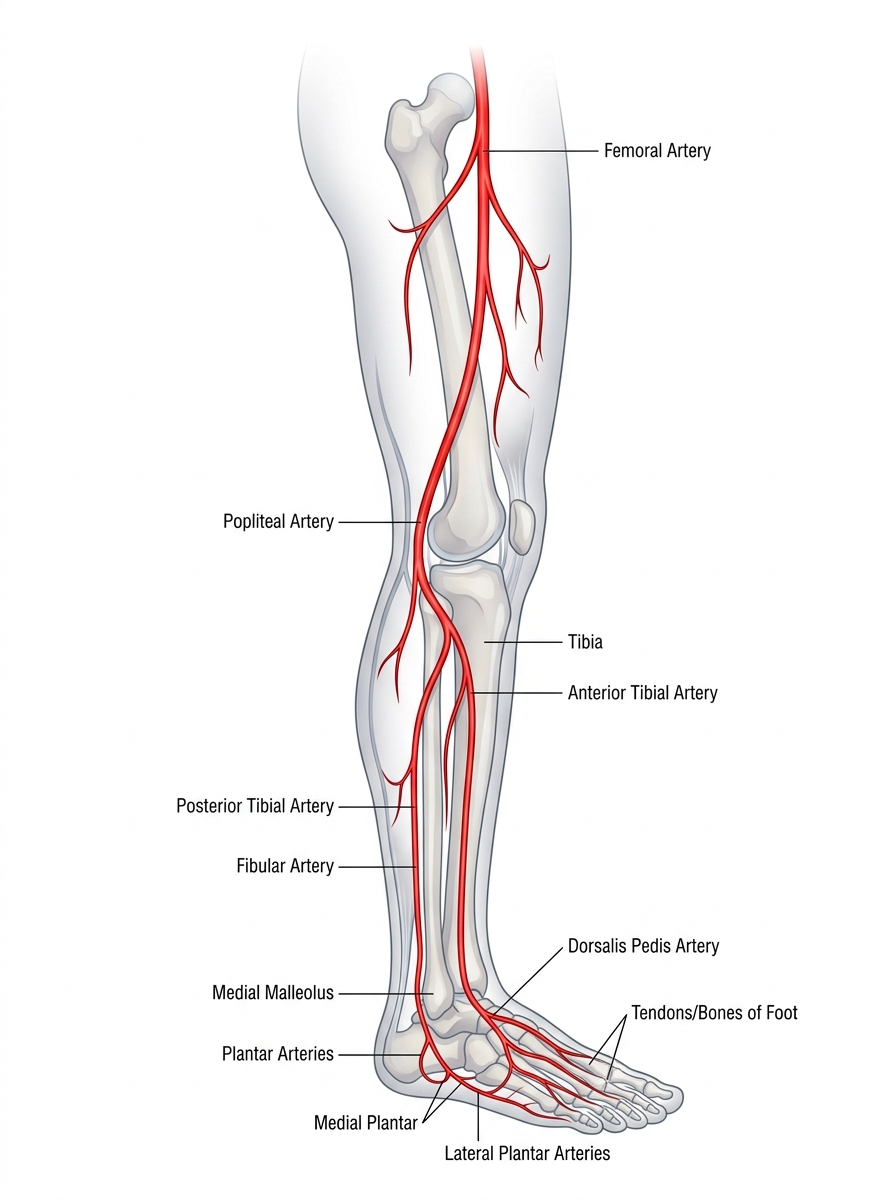
Vascular Assessment Illustration

Vascular Assessment & Ischemia

Timely vascular assessment is crucial in evaluating Diabetic Foot Ulcers (DFU) to determine healing potential and prevent lower extremity amputation.

Key Diagnostic Tests

  • ABPI: Normal >0.9  |  PAD <0.9  |  CLI <0.5
  • Toe Pressures: Often more reliable than ABPI in diabetes
  • Doppler Waveform: Assesses arterial flow characteristics
  • TcPO2: Measures transcutaneous tissue oxygenation

Urgent Vascular Referral

Refer immediately for signs of Critical Limb Ischemia (CLI):

  • Severe rest pain (frequently worsening at night)
  • Tissue loss, necrosis, or frank gangrene
  • Non-healing DFU despite optimal multi-disciplinary care

Ulcer Etiology

Distinguish neuroischemic (combined neuropathy & poor perfusion) from purely neuropathic ulcers to guide therapy.

Revascularization

Surgical options include angioplasty (endovascular) or bypass grafting to restore true blood flow and preserve the limb.

Made byBobr AI
Foot Scan Illustration

Osteomyelitis: Bone Deep

Definition & Mechanism

Bone infection — a limb-threatening complication.
It occurs predominantly via contiguous spread from soft tissue in Diabetic Foot Ulcers.

Diagnosis

  • Probe-to-bone test (sensitivity 89%)
  • Plain X-ray (late changes)
  • MRI (gold standard)
  • Bone biopsy

Treatment Strategy

  • Prolonged antibiotics (6 weeks+)
  • Surgical debridement
  • Possible ray amputation
!

Early diagnosis is critical to avoid major amputation.

Made byBobr AI

The Multidisciplinary
Team Approach

A collaborative, patient-centered model for managing diabetic foot disease covering prevention to surgical intervention.

Core MDT Members

The
Patient
Podiatrist
Debridement, offloading & wound care
Diabetologist
Glycaemic control & systemic management
Vascular Surgeon
Revascularization & tissue perfusion
Orthopaedic Surgeon
Bone/joint intervention & amputation
Infectious Disease
Microbiology & antibiotic stewardship
Wound Care Nurse
Specialist dressings & daily monitoring
Orthotist
Custom footwear & offloading devices
General Practitioner
Care coordination & primary prevention
Made byBobr AI

Amputation: When & Why

Minor Amputation

Levels

Toe, ray, transmetatarsal

Key Indications

•
Uncontrollable infection
•
Critical ischemia
•
Non-healing wound
•
Patient choice

Major Amputation

Levels

Below-knee, above-knee

Surgical Principles

Aim for most distal level possible
Vascular assessment before surgery
Stump healing considerations

Pre & Post-Amputation Care

✦ Psychological Support
✦ Physiotherapy
✦ Prosthetics
✦ Rehabilitation
Made byBobr AI

Prevention: Breaking the Cycle

Regular Screening

Annual foot screening for all diabetic patients, and 3-monthly reviews for those at high risk.

Patient Education

Teaching essential foot care, appropriate footwear choices, and the rule to never walk barefoot.

Glycaemic Control

Maintaining strict HbA1c targets to minimise neuropathy and peripheral vascular complications.

Pressure Offloading

Using total contact casting and therapeutic footwear to safely relieve pressure areas.

Early Referral

Establishing rapid pathways ensuring any new ulcer is seen by specialist podiatry within 24 hours.

Risk Stratification

Categorising patients actively into NICE/IWGDF low, moderate, high, or active disease statuses.

Early detection and prompt action saves limbs and lives.

Made byBobr AI

Key Takeaways

1

Callus is not benign — it signals high pressure and risk of ulceration

2

Neuropathy, ischemia and infection are the triad driving diabetic foot disease

3

Classify every ulcer — Wagner or SINBAD grading guides management

4

Infection can be silent in diabetics — always probe, assess, and image

5

MDT coordination is essential at every stage of the pathway

6

Prevention and early referral are the most powerful tools we have

References: NICE NG19  •  IWGDF Guidelines 2023  •  Diabetes UK

Made byBobr AI
Bobr AI

DESIGNER-MADE
PRESENTATION,
GENERATED FROM
YOUR PROMPT

Create your own professional slide deck with real images, data charts, and unique design in under a minute.

Generate For Free

Diabetic Foot Pathway: From Callus to Amputation

A clinical guide for healthcare professionals on diabetic foot management, covering neuropathy, ulcer classification, osteomyelitis, and MDT care.

The Diabetic Foot Pathway:<br>Callus to Amputation

Understanding the Progression, Prevention & Multidisciplinary Management

For Healthcare Professionals — Nurses, Podiatrists & GPs

Understanding the Diabetic Foot

15%

of patients with diabetes will develop a foot ulcer during their lifetime.

85%

of major lower extremity amputations are preceded by a non-healing foot ulcer.

#1

leading cause of non-traumatic lower-extremity amputations globally.

The Core Triad of Risk

Neuropathy

Ischemia

Infection

Foot<br>Ulcer

The interplay of loss of protective sensation, arterial insufficiency, and susceptibility to infection.

The Pathophysiology: Why Feet Fail in Diabetes

Peripheral Neuropathy

Loss of protective sensation (LOPS) masking injury

Motor neuropathy causing structural foot deformity

Autonomic neuropathy causing dry skin & fissures

Peripheral Arterial Disease

Significantly reduced blood flow to extremities

Impaired supply of vital oxygen and nutrients

Poor wound healing & increased risk of ischemia

Immunopathy

Impaired neutrophil and phagocytic cell function

Poor local inflammatory and infection response

Exacerbated risk under uncontrolled hyperglycemia

Callus: The Starting Point

What is callus?

Thickened skin resulting from repetitive pressure and friction.

Key Locations

Metatarsal heads, the heel, and the toes.

Why it matters in diabetes

Masks underlying ulceration

Increases plantar pressure by up to 30%

Acts as a pre-ulcerative lesion

Clinical Assessment

Inspect feet regularly and ensure prompt professional debridement.

Prevention

Implement optimal offloading and targeted appropriate footwear.

Diabetic Foot Ulcers: Classification & Assessment

Wagner Grade System (0-5)

Pre/post<br>ulcer

Superficial<br>ulcer

Deep to tendon<br>or capsule

Deep with<br>osteomyelitis

Partial<br>gangrene

Full foot<br>gangrene

Key Assessment Pillars

Also see: SINBAD & University of Texas Systems

Wound Size

Ulcer Depth

Infection Signs

Vascularity

Sensation

Infection in the Diabetic Foot

Breakdown of the skin barrier (typically via chronic ulceration)

Frequently polymicrobial (involving multiple bacterial strains)

Clinical Tip: Patients may lack classic signs (e.g., pain) due to peripheral neuropathy.

Look for: localized redness, warmth, swelling, or purulent discharge (pus).

A positive probe-to-bone test strongly suggests underlying osteomyelitis.

Fever &nbsp; • &nbsp; Systemic Sepsis &nbsp; • &nbsp; Crepitus &nbsp; • &nbsp; Rapidly Spreading Cellulitis

Vascular Assessment & Ischemia

Timely vascular assessment is crucial in evaluating Diabetic Foot Ulcers (DFU) to determine healing potential and prevent lower extremity amputation.

Osteomyelitis: Bone Deep

Definition & Mechanism

<b>Bone infection</b> — a limb-threatening complication.<br>It occurs predominantly via <b>contiguous spread</b> from soft tissue in Diabetic Foot Ulcers.

Diagnosis

<ul style='margin: 0; padding-left: 20px;'><li style='margin-bottom: 15px;'><b>Probe-to-bone test</b> <span style='font-size: 22px; color: #D16D54;'>(sensitivity 89%)</span></li><li style='margin-bottom: 15px;'><b>Plain X-ray</b> <span style='font-size: 22px; color: #888888;'>(late changes)</span></li><li style='margin-bottom: 15px;'><b>MRI</b> <span style='font-size: 22px; color: #D16D54;'>(gold standard)</span></li><li style='margin-bottom: 0;'><b>Bone biopsy</b></li></ul>

Treatment Strategy

<ul style='margin: 0; padding-left: 20px;'><li style='margin-bottom: 15px;'><b>Prolonged antibiotics</b> <span style='font-size: 22px; color: #D16D54;'>(6 weeks+)</span></li><li style='margin-bottom: 15px;'><b>Surgical debridement</b></li><li style='margin-bottom: 0;'><b>Possible ray amputation</b></li></ul>

Early diagnosis is critical to avoid major amputation.

The Multidisciplinary<br>Team Approach

A collaborative, patient-centered model for managing diabetic foot disease covering prevention to surgical intervention.

Core MDT Members

Podiatrist

Debridement, offloading & wound care

Diabetologist

Glycaemic control & systemic management

Vascular Surgeon

Revascularization & tissue perfusion

Orthopaedic Surgeon

Bone/joint intervention & amputation

Infectious Disease

Microbiology & antibiotic stewardship

Wound Care Nurse

Specialist dressings & daily monitoring

Orthotist

Custom footwear & offloading devices

General Practitioner

Care coordination & primary prevention

Amputation: When & Why

Minor Amputation

Toe, ray, transmetatarsal

Major Amputation

Below-knee, above-knee

Pre & Post-Amputation Care

Uncontrollable infection

Critical ischemia

Non-healing wound

Patient choice

Aim for most distal level possible

Vascular assessment before surgery

Stump healing considerations

Psychological Support

Physiotherapy

Prosthetics

Rehabilitation

Prevention: Breaking the Cycle

Regular Screening

Annual foot screening for all diabetic patients, and 3-monthly reviews for those at high risk.

Patient Education

Teaching essential foot care, appropriate footwear choices, and the rule to never walk barefoot.

Glycaemic Control

Maintaining strict HbA1c targets to minimise neuropathy and peripheral vascular complications.

Pressure Offloading

Using total contact casting and therapeutic footwear to safely relieve pressure areas.

Early Referral

Establishing rapid pathways ensuring any new ulcer is seen by specialist podiatry within 24 hours.

Risk Stratification

Categorising patients actively into NICE/IWGDF low, moderate, high, or active disease statuses.

Early detection and prompt action saves limbs and lives.

Key Takeaways

<strong style="color: #222222;">Callus is not benign</strong> &mdash; it signals high pressure and risk of ulceration

<strong style="color: #222222;">Neuropathy, ischemia and infection</strong> are the triad driving diabetic foot disease

<strong style="color: #222222;">Classify every ulcer</strong> &mdash; Wagner or SINBAD grading guides management

<strong style="color: #222222;">Infection can be silent</strong> in diabetics &mdash; always probe, assess, and image

<strong style="color: #222222;">MDT coordination is essential</strong> at every stage of the pathway

<strong style="color: #222222;">Prevention and early referral</strong> are the most powerful tools we have

References: <span style="color: #555555; font-weight: 400;">NICE NG19 &nbsp;&bull;&nbsp; IWGDF Guidelines 2023 &nbsp;&bull;&nbsp; Diabetes UK</span>

  • diabetes
  • foot-care
  • wound-management
  • podiatry
  • nursing
  • diabetic-ulcer
  • healthcare-education