






Made byBobr AI

MSRA Revision: Disclosing Serious Communicable Diseases

Expert MSRA UK exam notes on GMC guidance for disclosing communicable diseases, patient consent, public interest, and healthcare worker risks.

#msra#gmc-guidance#medical-ethics#communicable-diseases#professional-dilemmas#uk-medical-exams#sjv-revision

MSRA Revision: Disclosing Info on Serious Communicable Diseases

Key notes based on General Medical Council (GMC) Guidance

Made byBobr AI

Core Principles: When to Disclose

  • 1. CONSENT: Always the starting point. Ask unless unsafe or impracticable.
  • 2. LAW: Must disclose if required by statute (e.g., notifiable diseases) or court order. (Judge/Presiding Officer).
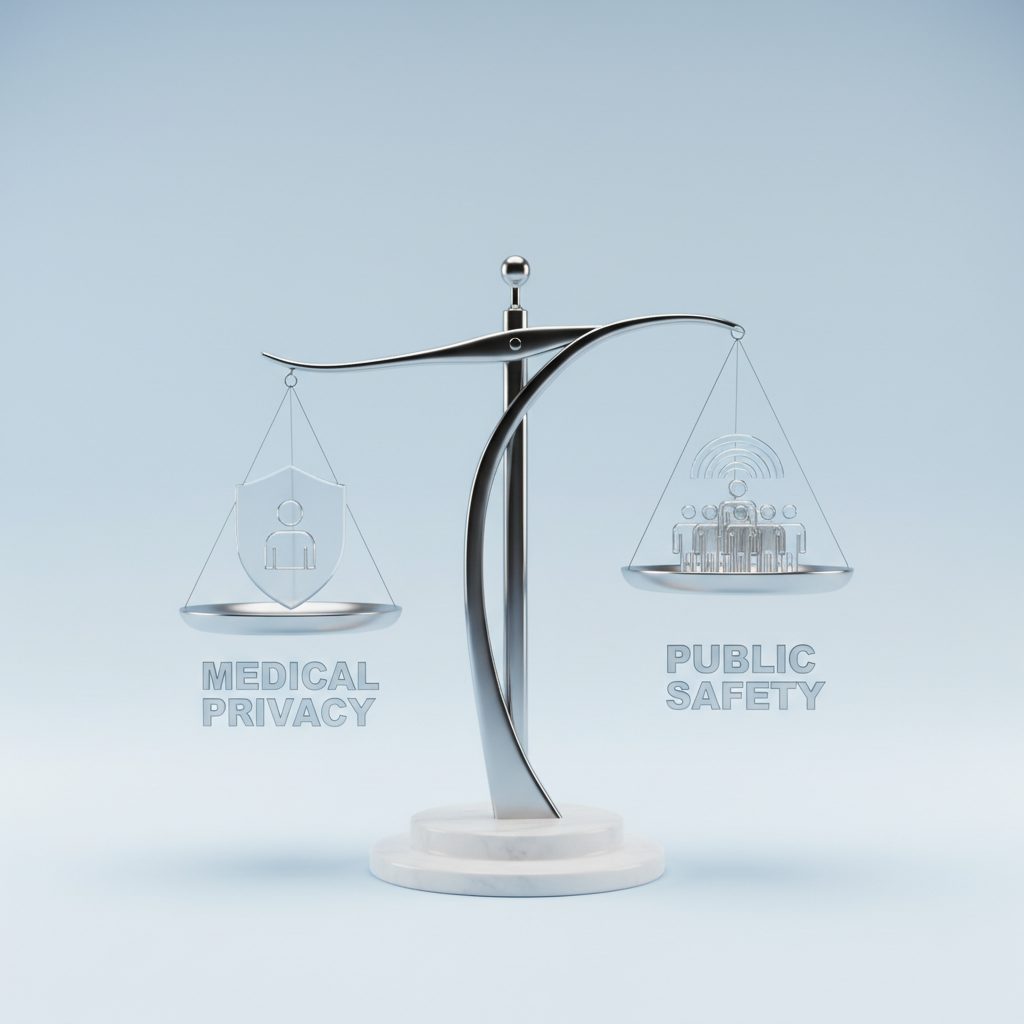
  • 3. PUBLIC INTEREST: Justified if consent refused BUT failure to disclose exposes others to risk of death or serious harm.
Made byBobr AI

Public Interest Disclosures: Step-by-Step

Threshold: Risk is so serious it outweighs patient/public interest in confidentiality.

Procedure: Inform patient BEFORE disclosing (if safe/practicable), even if you intend to disclose without consent.

Key Exception: Do not inform patient if it undermines purpose (e.g., serious crime detection) or puts others at risk.

Made byBobr AI

Risks Posed by Health Care Workers (HCWs)

⚠️ DO NOT: Self-Assessment: You MUST NOT rely on your own assessment of risk to patients.
✅ DO: Action: Consult a suitably qualified colleague. Follow their advice regarding practice changes.
ℹ️ REPORTING: Colleagues: If raising concerns about a colleague with a serious communicable disease, inform them first (if safe/practicable).
Made byBobr AI

Sharing Info Within the Direct Care Team

Most patients understand sharing is needed. If a patient objects:

  • 1. Explain potential consequences to their care.
  • 2. Seek compromise.
  • 3. If refusal puts HCWs at risk: Disclosure WITHOUT consent is unlikely justified if Universal Precautions manage the risk.
Note: HCWs are entitled to protection, but if universal precautions (standard infection control) work, privacy prevails.
Made byBobr AI

Needlestick Injuries & Prophylaxis

1. Immediate: Urgently assess risk (qualified colleague).

2. Consent: Ask source patient for consent to disclose infection status.

3. Refusal/Inability: If patient refuses or cannot consent (unconscious) → Disclose if justified in public interest.

Public Interest Justification: Information is needed for decisions about continuing Post-Exposure Prophylaxis (PEP).
Made byBobr AI

Informing Sexual & Close Contacts

You may disclose to increasing risk contacts IF:

  • A) The person is at risk of infection likely to result in SERIOUS HARM.
  • B) The patient has not informed them and cannot be persuaded to do so.
Process: Tell patient before disclosing (if safe). When notifying the contact, DO NOT disclose the identity of the source patient if practicable.
Made byBobr AI

Children & Safeguarding

Testing children (including vertical transmission risks). Most parents will act to protect children.

SAFEGUARDING TRIGGER:

If parents refuse to allow child to be tested/treated, AND the child is at risk of serious harm...

ACTION: Treat as a safeguarding concern. Follow specific child protection guidance.

Made byBobr AI

Death Certificates

MANDATORY REQUIREMENT

If a serious communicable disease has contributed to the cause of death, you MUST record this on the patient's death certificate.

Made byBobr AI

One-Page Cheat Sheet: MSRA Decision Logic

CONSENT: Always first. Ask unless unsafe.
CONTACT TRACING: Disclose if risk of serious harm + patient refusal. Keep patient anonymous.
HCW RISK: Consult colleague. Don't self-assess. Univ. Precautions usually prevent need to disclose.
NEEDLESTICK: Assess risk. If unconscious/refusal, disclose for PEP decisions.
LAW: Statute/Judge orders override consent.
Made byBobr AI
Bobr AI

DESIGNER-MADE
PRESENTATION,
GENERATED FROM
YOUR PROMPT

Create your own professional slide deck with real images, data charts, and unique design in under a minute.

Generate For Free

MSRA Revision: Disclosing Serious Communicable Diseases

Expert MSRA UK exam notes on GMC guidance for disclosing communicable diseases, patient consent, public interest, and healthcare worker risks.

MSRA Revision: Disclosing Info on Serious Communicable Diseases

Key notes based on General Medical Council (GMC) Guidance

Core Principles: When to Disclose

1. CONSENT: Always the starting point. Ask unless unsafe or impracticable.

2. LAW: Must disclose if required by statute (e.g., notifiable diseases) or court order. (Judge/Presiding Officer).

3. PUBLIC INTEREST: Justified if consent refused BUT failure to disclose exposes others to risk of death or serious harm.

Public Interest Disclosures: Step-by-Step

Threshold: Risk is so serious it outweighs patient/public interest in confidentiality.

Procedure: Inform patient BEFORE disclosing (if safe/practicable), even if you intend to disclose without consent.

Key Exception: Do not inform patient if it undermines purpose (e.g., serious crime detection) or puts others at risk.

Risks Posed by Health Care Workers (HCWs)

Self-Assessment: You MUST NOT rely on your own assessment of risk to patients.

Action: Consult a suitably qualified colleague. Follow their advice regarding practice changes.

Colleagues: If raising concerns about a colleague with a serious communicable disease, inform them first (if safe/practicable).

Sharing Info Within the Direct Care Team

Most patients understand sharing is needed. If a patient objects:

1. Explain potential consequences to their care.

2. Seek compromise.

3. If refusal puts HCWs at risk: Disclosure WITHOUT consent is unlikely justified if Universal Precautions manage the risk.

Note: HCWs are entitled to protection, but if universal precautions (standard infection control) work, privacy prevails.

Needlestick Injuries & Prophylaxis

Immediate: Urgently assess risk (qualified colleague).

Consent: Ask source patient for consent to disclose infection status.

Refusal/Inability: If patient refuses or cannot consent (unconscious) → Disclose if justified in public interest.

Public Interest Justification: Information is needed for decisions about continuing Post-Exposure Prophylaxis (PEP).

Informing Sexual & Close Contacts

You may disclose to increasing risk contacts IF:

A) The person is at risk of infection likely to result in SERIOUS HARM.

B) The patient has not informed them and cannot be persuaded to do so.

Process: Tell patient before disclosing (if safe). When notifying the contact, DO NOT disclose the identity of the source patient if practicable.

Children & Safeguarding

Testing children (including vertical transmission risks). Most parents will act to protect children.

SAFEGUARDING TRIGGER:

If parents refuse to allow child to be tested/treated, AND the child is at risk of serious harm...

ACTION: Treat as a safeguarding concern. Follow specific child protection guidance.

Death Certificates

MANDATORY REQUIREMENT

If a serious communicable disease has contributed to the cause of death, you MUST record this on the patient's death certificate.

One-Page Cheat Sheet: MSRA Decision Logic

CONSENT: Always first. Ask unless unsafe.

CONTACT TRACING: Disclose if risk of serious harm + patient refusal. Keep patient anonymous.

HCW RISK: Consult colleague. Don't self-assess. Univ. Precautions usually prevent need to disclose.

NEEDLESTICK: Assess risk. If unconscious/refusal, disclose for PEP decisions.

LAW: Statute/Judge orders override consent.

  • msra
  • gmc-guidance
  • medical-ethics
  • communicable-diseases
  • professional-dilemmas
  • uk-medical-exams
  • sjv-revision