
BMW N47 & N57 Crankshaft Main Bearing Failure Analysis
Detailed engineering review of BMW N47/N57 diesel engine main bearing failures, including root causes, diagnostic tips, and prevention strategies.
BMW N47 & N57 Crankshaft Main Bearing Failures
Technical Analysis: Root Causes, Engineering Fail Factors, and Mitigation Strategies
Architecture Overview: N47 vs N57
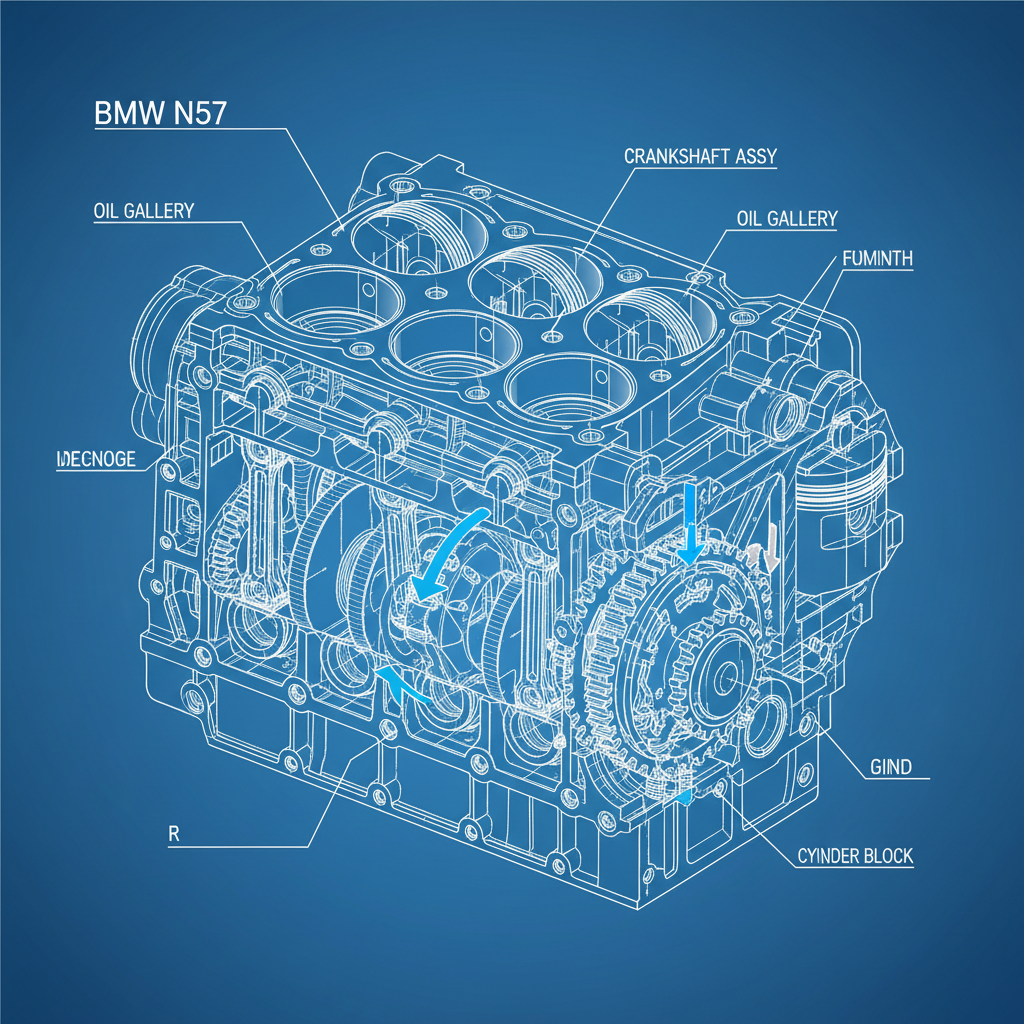
Common Architecture: Modular diesel platform share cylinder dimensions (84mm bore, 90mm stroke) and aluminum deep-skirt block construction.
Rear Timing Chain Assembly: Places significant harmonic load on the rear main journal (Journal #5 for N47, #7 for N57).
Material Disparity: Forged steel crankshaft operating within an aluminum alloy crankcase leads to varying thermal expansion coefficients.
Primary Failure Mode: Spun Main Bearings
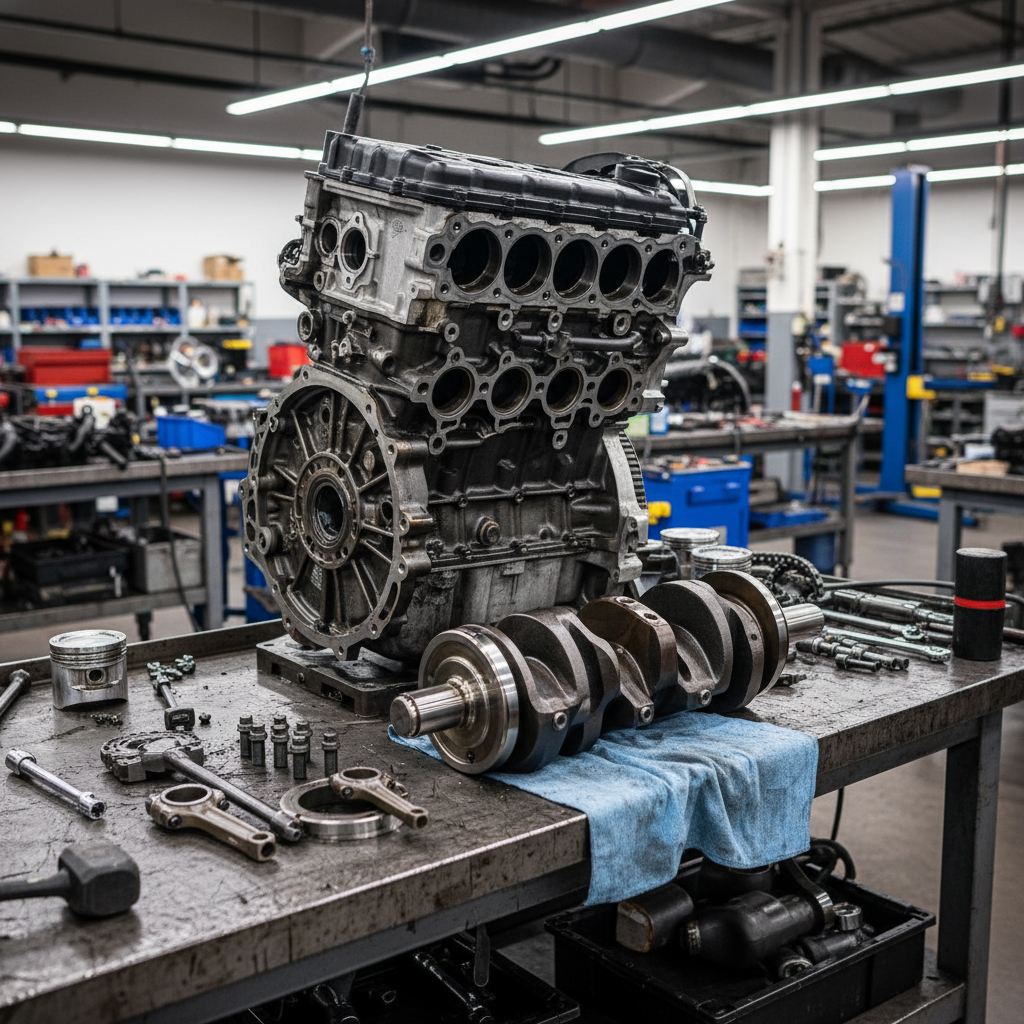
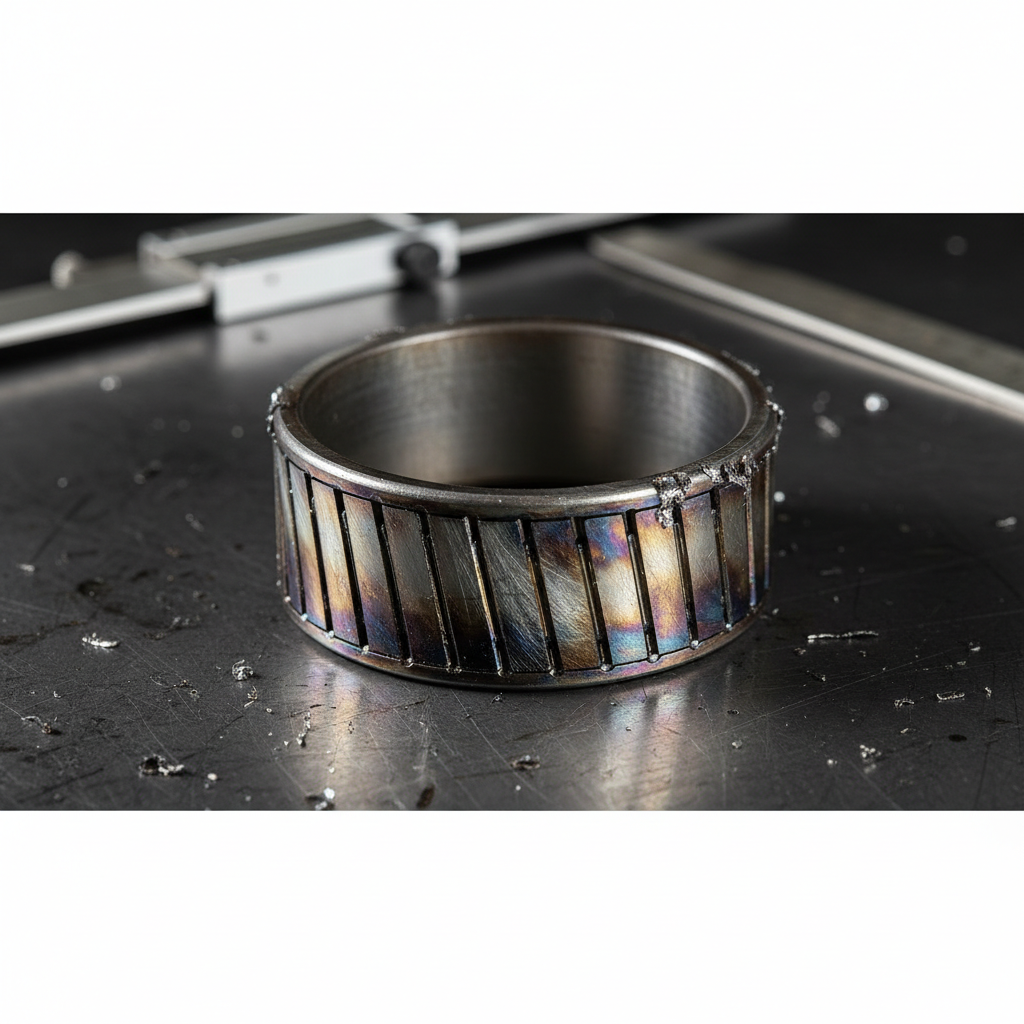
The failure typically begins at crankshaft main bearings (often No. 3 or the rear-most No. 7 in N57 applications). The bearing shell loses hydrodynamic film, welds momentarily to the journal, and shears the locking tab, spinning inside the cap.
Unlike classic rod knock, this failure creates a deep, thudding acoustic signature often misdiagnosed. It results in immediate oil pressure loss to the rest of the galley, catastrophic block web damage, and often renders the engine block unser-viceable due to tunnel distortion.
Impact of Extended Intervals: Viscosity vs. Soot Load
BMW LongLife (LL-04) intervals (~18k miles) often result in excessive soot suspension in diesel oil. Soot acts as an abrasive, increasing wear on bearing overlays.
Torque Load Analysis
The N57 platform spans a massive torque range using identical bearing surface areas. The specific load on the N57S (Triple Turbo) components far exceeds the safety factor found in the single turbo variants. High loads at low RPM cause boundary lubrication conditions instead of hydrodynamic float.
Diagnostic Indicators (Technician Guide)
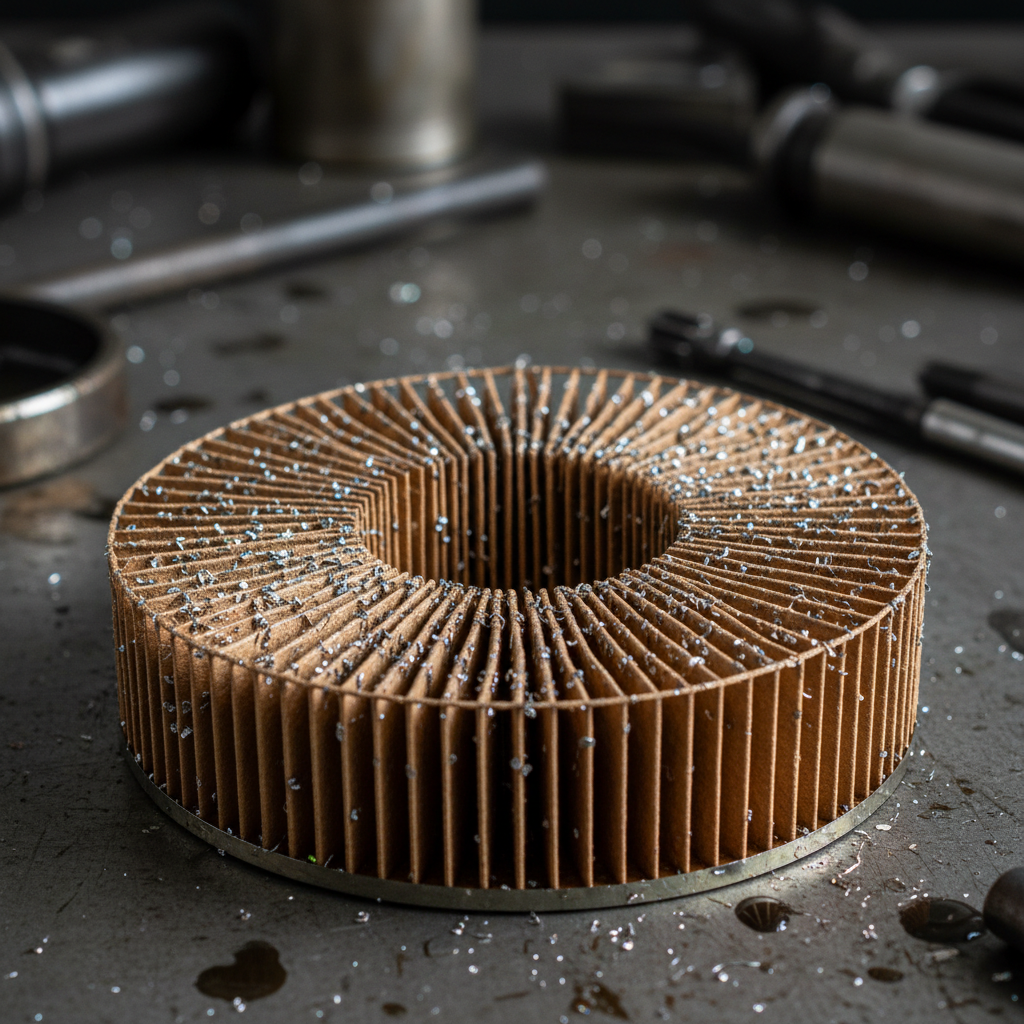
MANDATORY: Cut open oil filter at every service. Presence of non-magnetic copper/lead or magnetic steel shearings indicates early bearing dissolution.
Intermittent 'Low Oil Pressure' warnings at idle (hot engine).
Rhythmic deep knocking from the rear of the engine block (often confused with torque converter or flywheel noise).
Block Distortion & Repair Feasibility
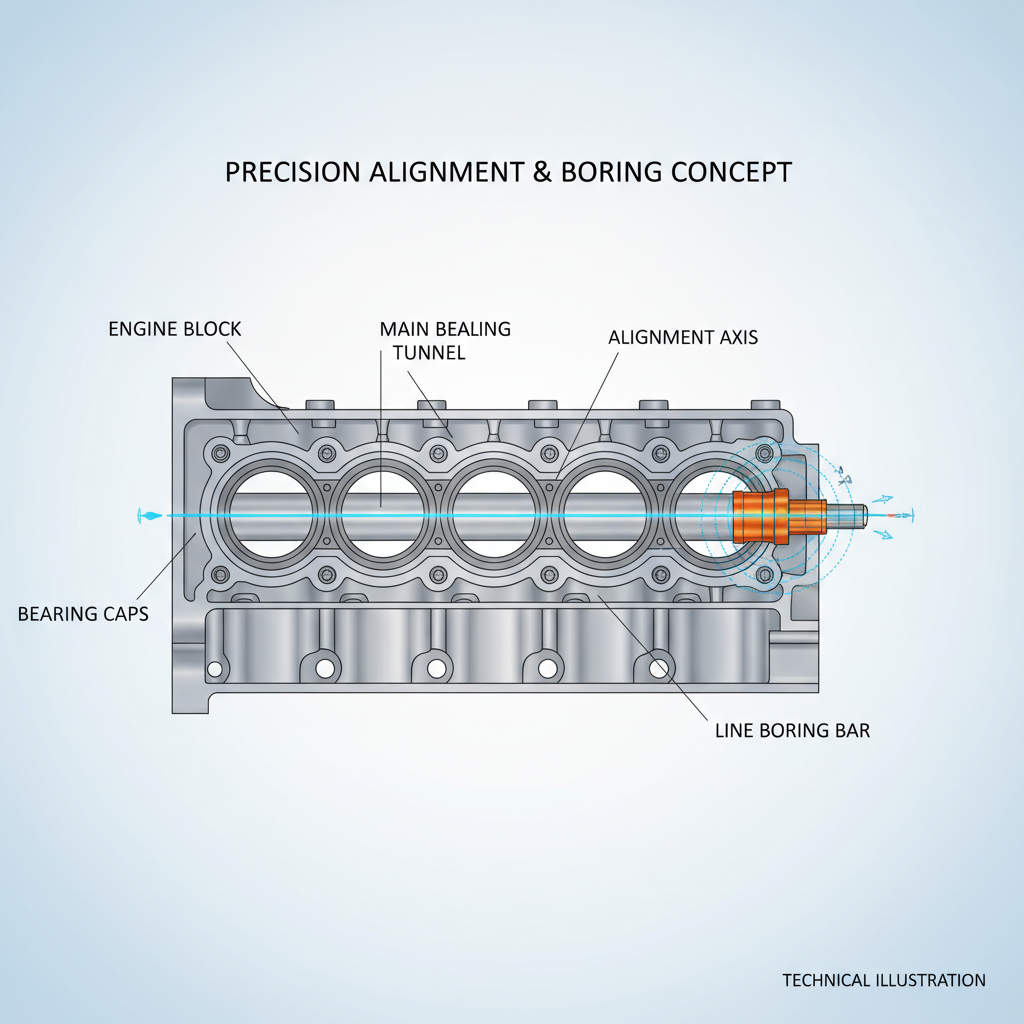
Crucial: Once a main bearing spins in the N57 aluminum block, the main bearing tunnel is usually distorted out of round. Unlike cast iron blocks, the aluminum cap registers often stretch.
Simply polishing the crankshaft and fitting standard bearings will result in repeat failure within 500 miles. Line boring is required but difficult due to fractured-cap design limits.
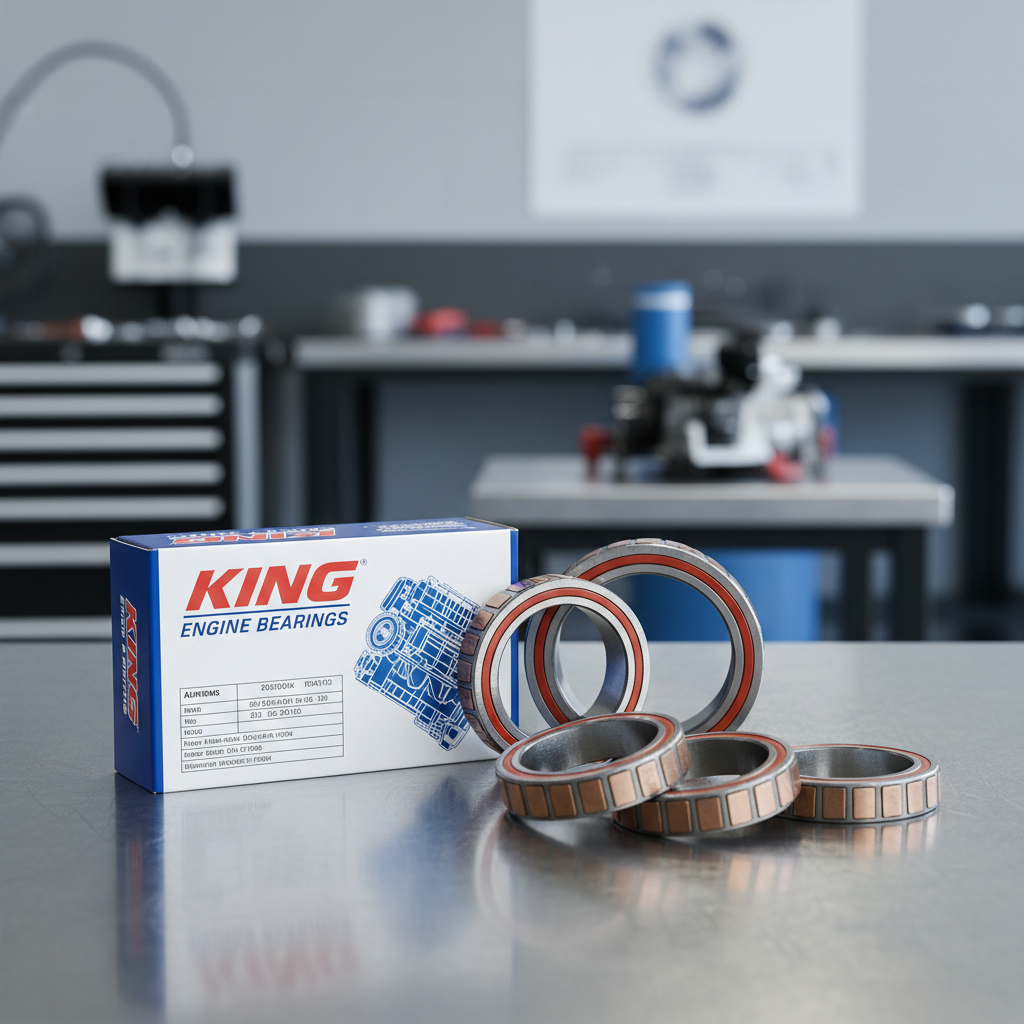
Aftermarket Solutions: King Racing Bearings
Engine builders often switch from OE bi-metal bearings to King Racing (or similar tri-metal) bearings. These offer higher load capacity and improved seizure resistance.
Standardizing clearances: Builders aim for looser clearances (+0.001" extra) when using thicker oils (5W-40) to improve oil flow volume across the journal surface for cooling.
Preventive Owner Guidance
Oil Intervals
Reduce static intervals from 18k miles to 6k-8k miles maximum. Use LL-04 approved 5W-40 for better high-temp shear strength.
Start-Stop System
Code out or manually disable Start-Stop. Frequent restarts occur in boundary lubrication states, accelerating bearing wear.
Warm-Up Protocol
Avoid high torque/boost until oil temperature (not coolant) exceeds 80°C to ensure correct viscosity.
Timing Chain
Listen for chain rustle. Excessive chain slack creates harmonic vibrations transferred directly to the crank.
Summary & Engineering Verdict
The N47/N57 main bearing failure is a compound issue of high specific output (Torque), long OE service intervals (Lubrication), and material differences (Thermoplastics & Alloys).
While crankshaft failures are catastrophic, they are preventable. Preemptive rod/main bearing replacement at 100k miles (especially on N57 40d/50d) is a viable maintenance strategy.
- bmw
- n57
- n47
- engine-repair
- diesel-engines
- crankshaft
- automotive-engineering
- lubrication