
COVID-19 Overview: Timeline, Science, and Global Impact
Explore the history of COVID-19, from its 2019 origins in Wuhan to global vaccination efforts and the long-term social and economic lessons learned.
COVID-19: A Look Back
When it Started, Why it Happened, and What Changed
What is it & When did it start?
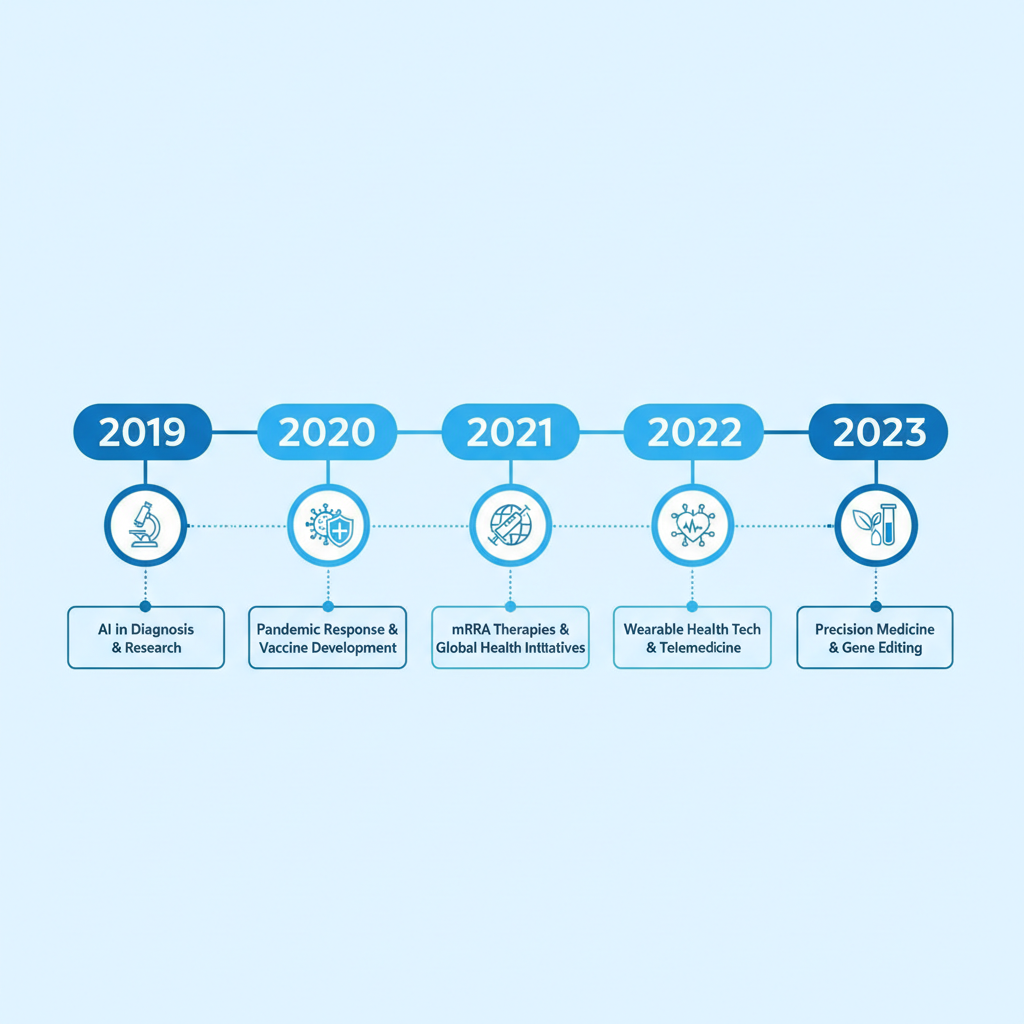
**Timeline:** The first cases of **COVID-19** were identified in Wuhan, China in Dec 2019. The WHO declared it a **Global Pandemic** on March 11, 2020.
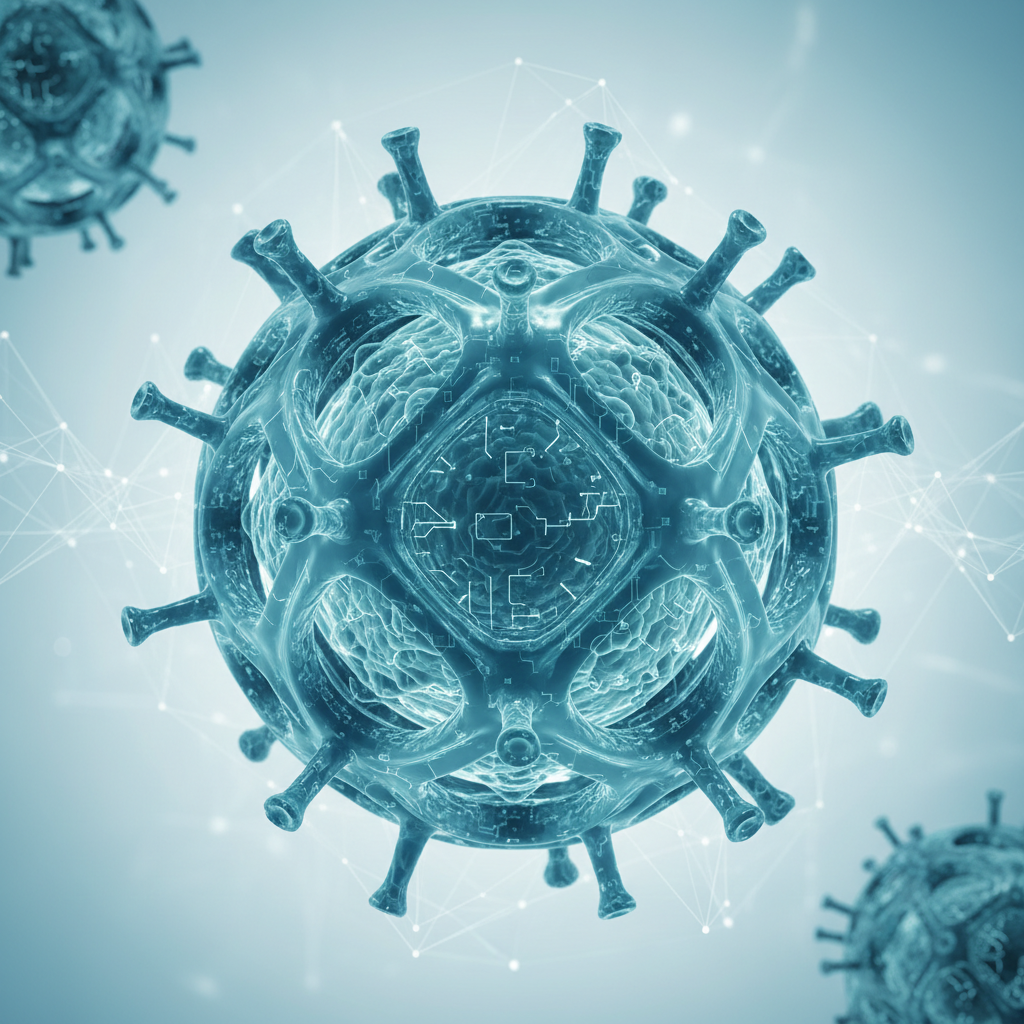
**The Cause:** It is caused by a novel coronavirus named **SARS-CoV-2**. This was a **Zoonotic Spillover** event, meaning it jumped from animals to humans.
The Science: Why it Happened
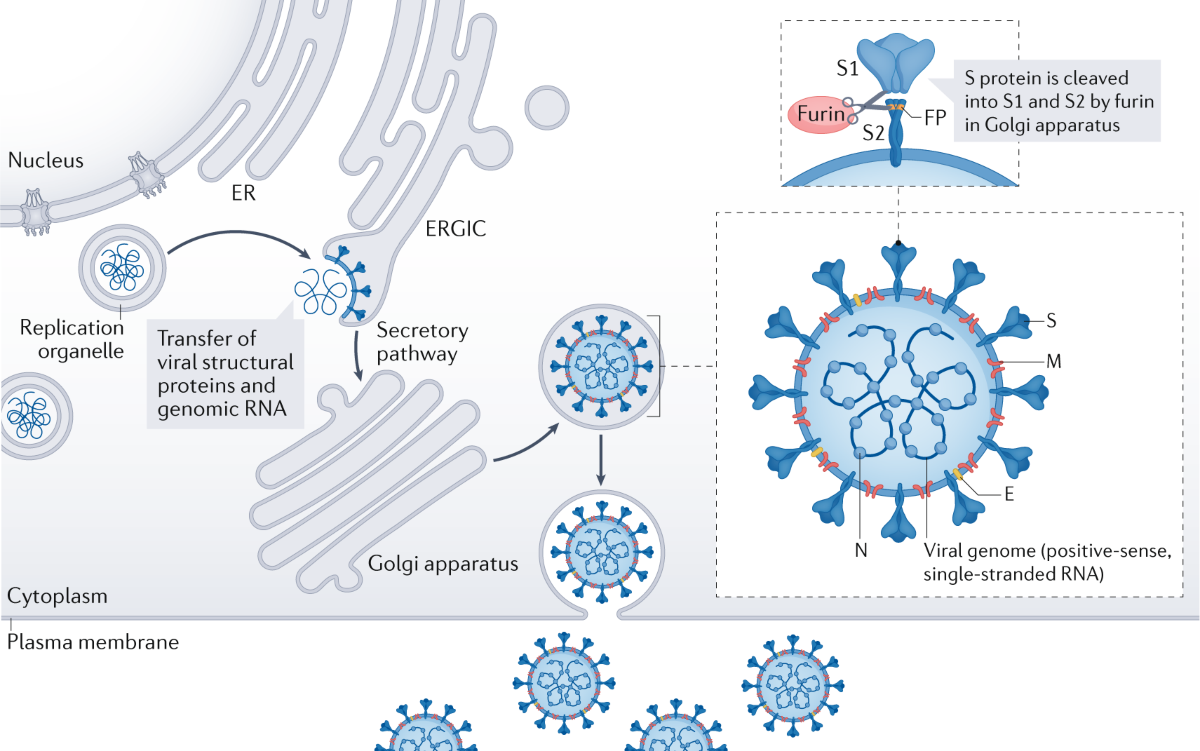
**Transmission:** The virus spreads via **Representative Droplets** and aerosols when people breathe, cough, or sneeze.\n\n**Mechanism:** It uses its **Spike Protein** to attach to receptors (ACE2) on human cells, allowing it to enter and replicate.
Why it Spread So Fast
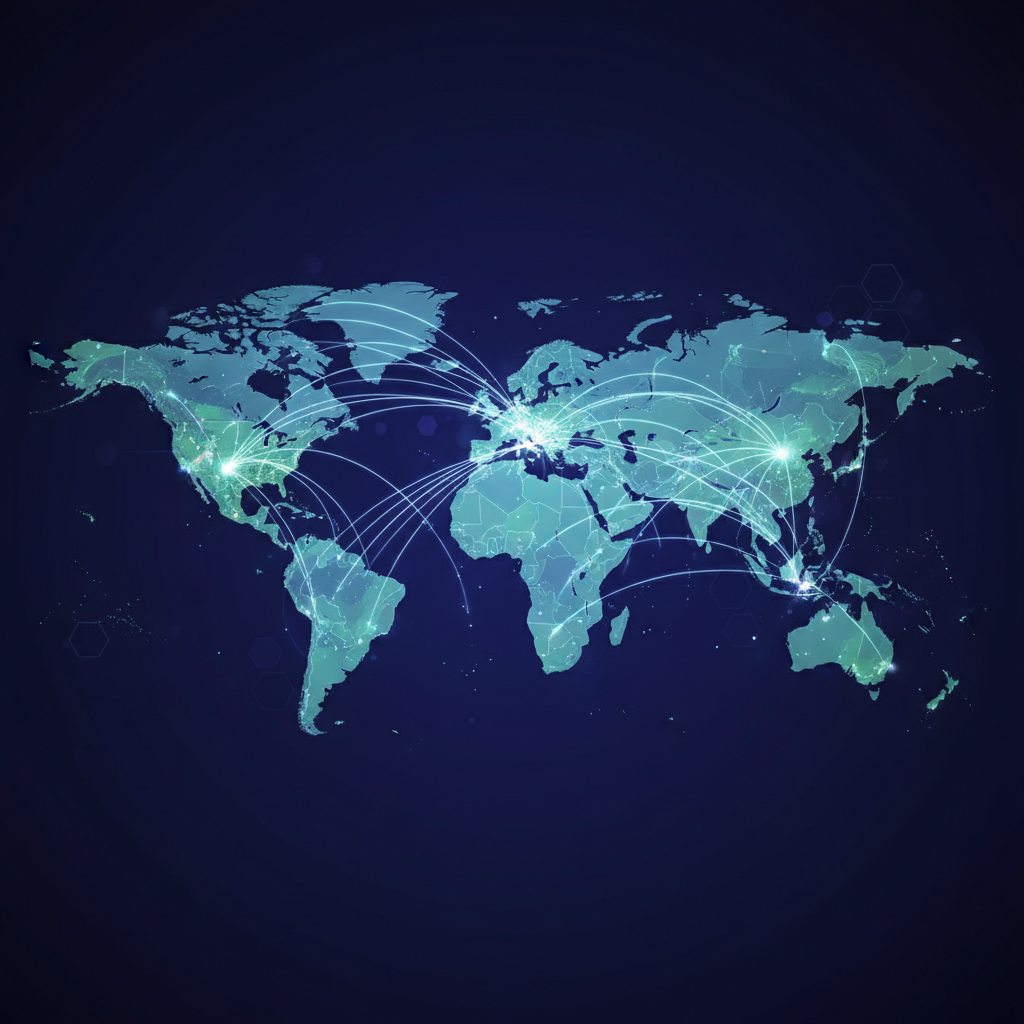
Travel: With so many planes flying every day, the virus reached every continent in just a few months.
**Asymptomatic Transmission:** People infected with SARS-CoV-2 could spread the virus even if they had no symptoms ("silent spreaders").
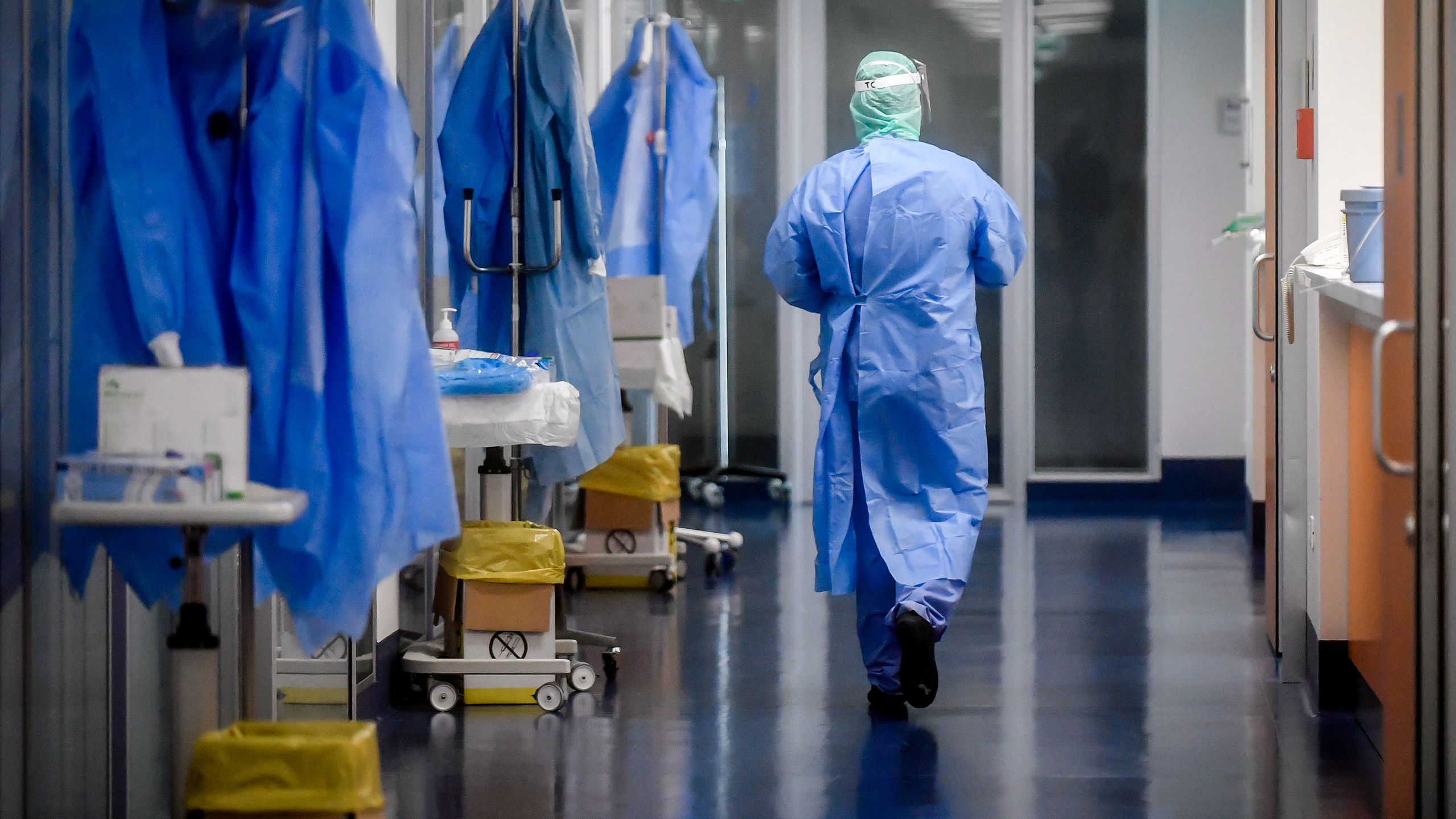
**Preparedness & PPE:** Global shortages of **Personal Protective Equipment (PPE)** left healthcare workers vulnerable initially.
Total Cases Around the World
The number of people who got sick grew very fast, reaching over 770 million by the end of 2023.
The Vaccination Rollout
Vaccines were made faster than ever before. By the end of 2023, about 7 out of 10 people in the world had at least one shot, which saved many lives and stopped people from getting very sick.
Impact on Hospitals
**Healthcare Overwhelm:**\nHospitals faced capacity surges. Many **Elective Surgeries** were postponed to prioritize critical COVID-19 patients.
Stress on Staff: Doctors and nurses were overworked and stressed. There wasn't enough protective gear like masks to keep them safe.
Social & Economic Disruption
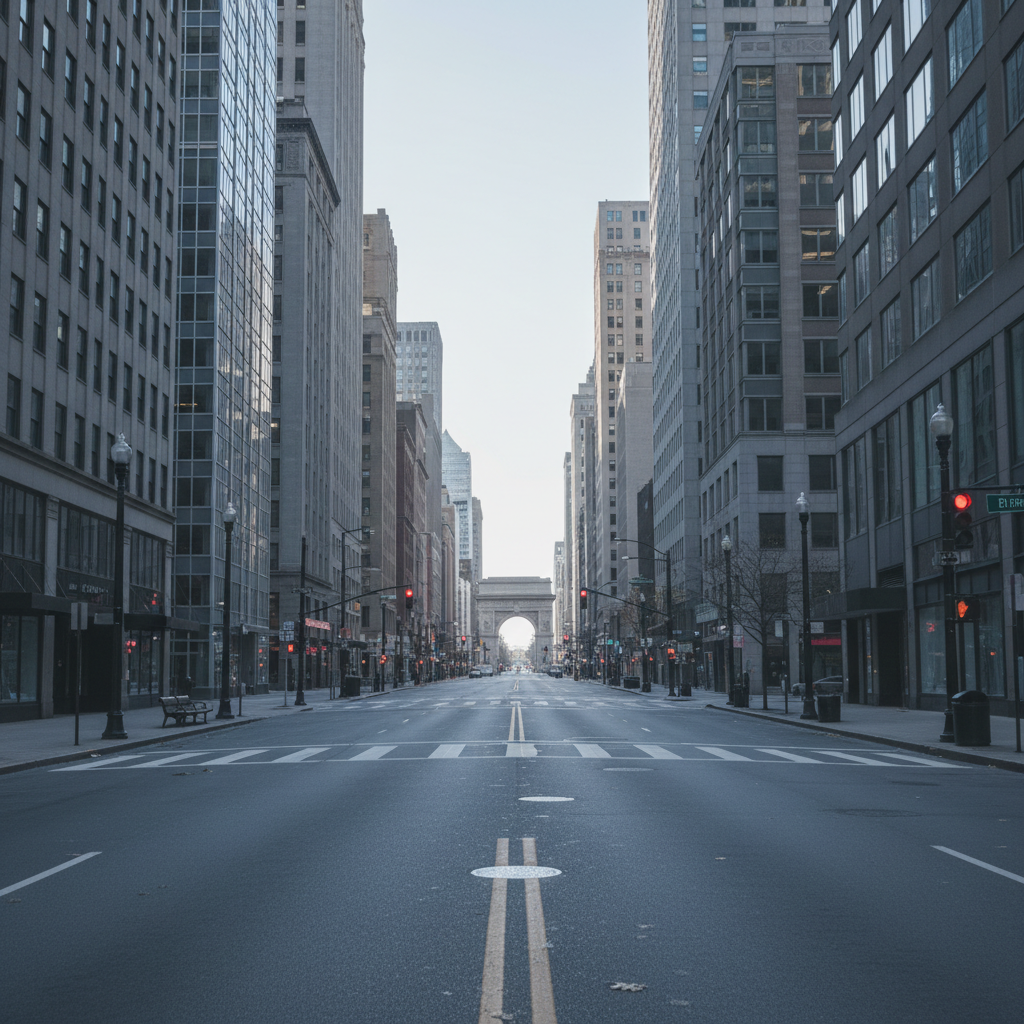
**Lockdowns & Quarantine:** Governments enforced lockdowns to flatten the curve, closing schools and non-essential businesses.
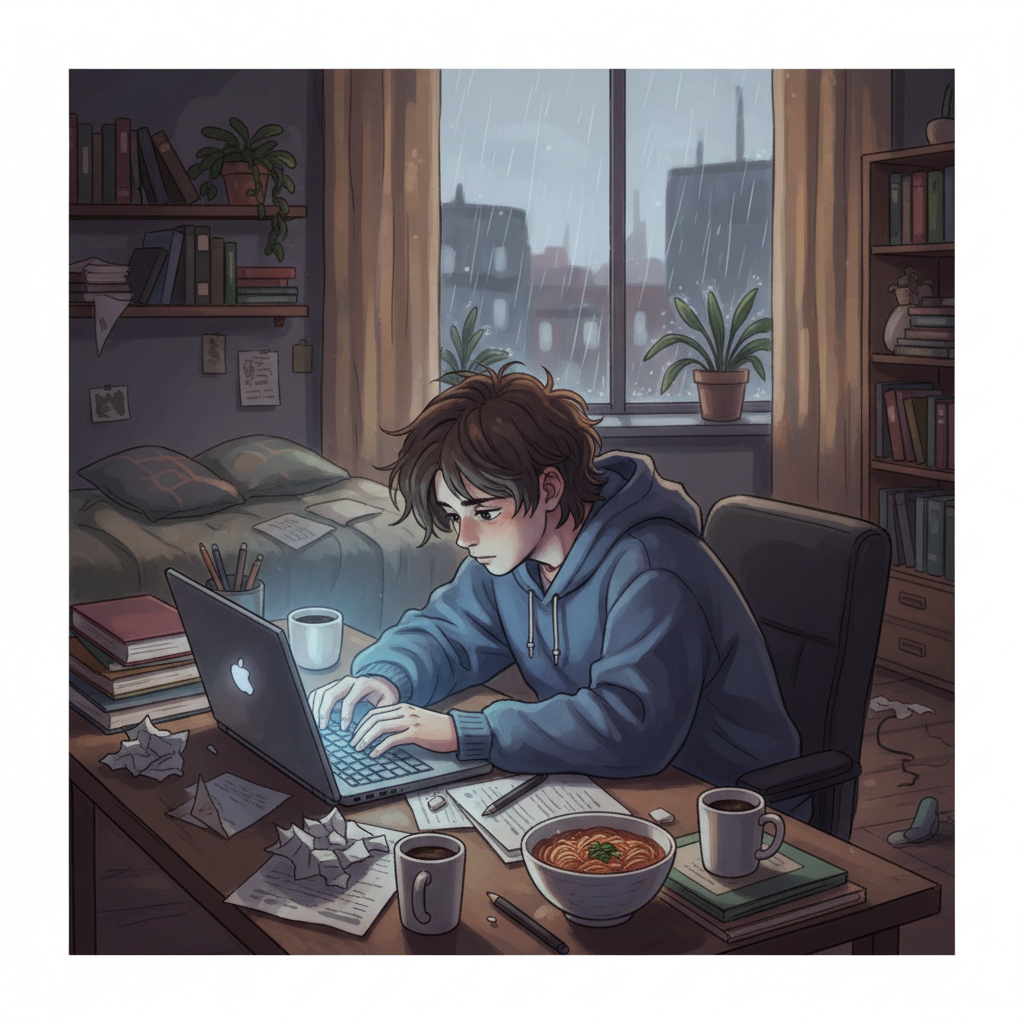
Working Online: Many people started working and learning from home using video calls.
**Supply Chain Disruption:** Global logistics failed, causing shortages of goods (from chips to household items).
Aftermath: Long COVID & Education
Long COVID: Some people (10-20%) stayed sick for a long time, feeling very tired, having trouble thinking ("brain fog"), or having breathing problems.
School Problems: Schools closing meant many students fell behind, especially those who didn't have good internet at home.
Conclusion & Lessons Learned
COVID-19 changed the world and showed us why countries must work together. While it was a very hard time, it also helped scientists make new medicines faster, so we are better prepared for the next time.
- covid-19
- pandemic
- public-health
- sars-cov-2
- vaccination
- global-health
- science-education