






Pets and Technology: Enhancing Well-being and Happiness
Explore how live and robotic pets impact mental health, happiness, and stress levels through scientific analysis of the human-animal bond.
Does Owning a Pet Make People Happier?
An Analysis of Well-being and Human-Animal Interaction
Articles: Perera et al. (2020) & Guay et al. (2020)
Presented by: [Student Name]
Background: The Human-Animal Bond
Historical Connection: The bond between humans and animals spans thousands of years.
Biophilia Hypothesis: Humans have an innate biological tendency to connect with other life forms.
Evolution of Status: Pets are increasingly viewed as distinct 'family members' rather than property or working animals.
Background: Mental Health Challenges
Modern life is associated with high levels of stress, anxiety, and social isolation.
Loneliness is rapidly becoming a major public health issue.
The Need: Critical demand for accessible, low-cost interventions to improve happiness.
Literature Review
Biological Impact
Previous studies indicate that interaction with animals can lower cortisol (stress hormone) levels.
Behavioral Changes
Companion animals are linked to increased physical activity and broader social interaction.
Technological Frontier
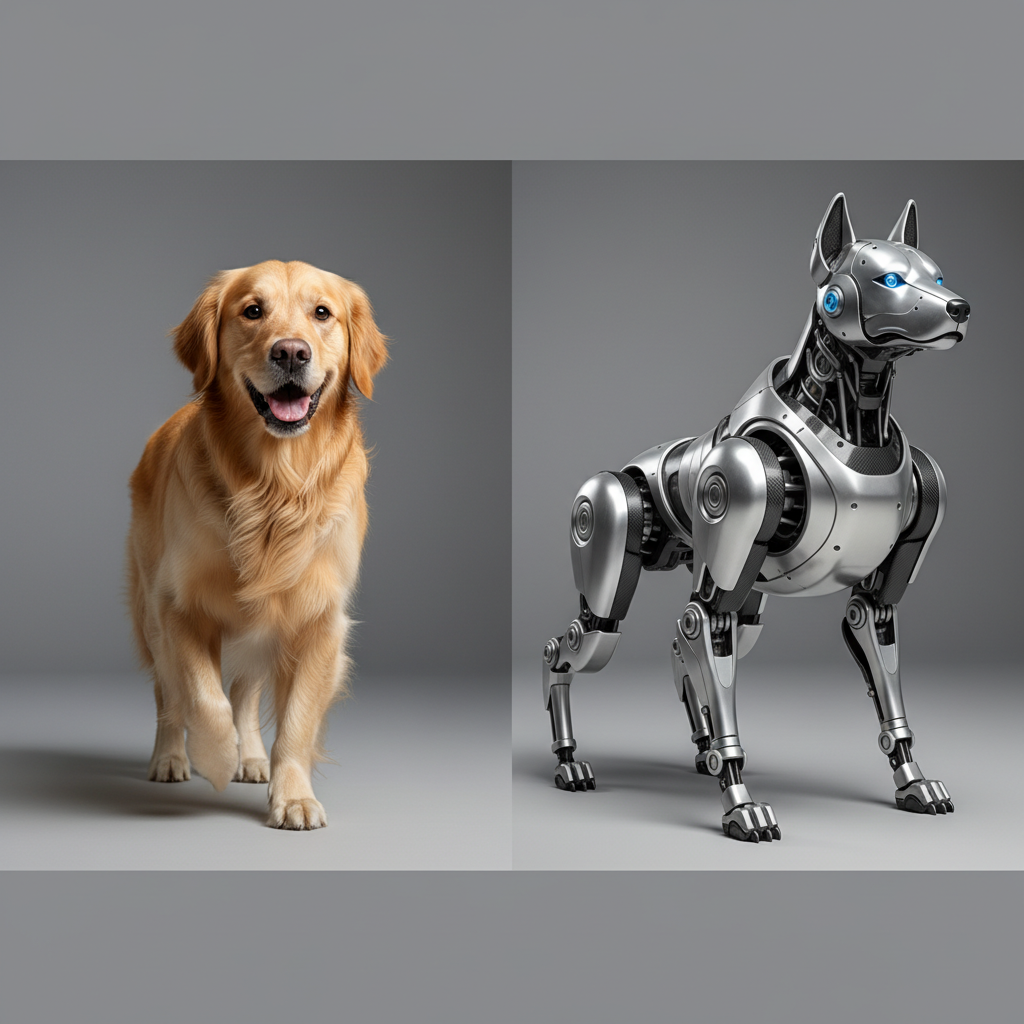
New research explores if robotic pets can mimic these biological and psychological benefits.
Research Questions
Primary Question
Does pet ownership significantly increase subjective happiness and life satisfaction?
Secondary Question
Can artificial/robotic pets provide similar psychological relief as live animals?
Hypotheses
Pet owners will report higher levels of positive affect (happiness) compared to non-owners.
Regular interaction with pets correlates with lower reported loneliness scores.
The presence of a pet acts as a buffer against daily life stressors.
Methods: Participants
Study 1 (Perera et al.)
Quantitative survey of diverse pet owners and non-owners to establish baseline comparisons in the general population.
Study 2 (Guay et al.)
Focus on elderly individuals and students interacting strictly with robotic pets.
Inclusion Criteria: All participants had to interact with their pet/robot for at least 6 months prior to the study.
Methods: Variables & Tools
Independent Variable
Ownership Status (Owner vs. Non-owner)
Dependent Variables
• Happiness Scores • Loneliness Levels • Stress Measurements
Psychometric Tools
Standardized Scales indicating valid measurement (e.g., UCLA Loneliness Scale).
Methods: Procedure
Data Collection
Distribution of questionnaires via online platforms and in-person centers.
Qualitative Interviews
Semi-structured interviews to gather insights into the emotional 'bond' with the pet.
Observation
Recording frequency of social interactions while in the presence of animals.
Results: Impact on Happiness
Positive Affect: Pet owners reported significantly higher scores in day-to-day positive emotions.
Sense of Purpose: Caring for an animal provided structure and a necessary daily routine.
Life Satisfaction: Dog owners specifically showed higher satisfaction correlated with increased outdoor activity.
Results: Stress & Isolation
Emotional Security: Pets serve as 'non-judgmental' listeners, facilitating emotional regulation.
Reduction in Loneliness: Significant decrease in isolation scores for elderly participants living alone.
Stress Buffer: Presence of a pet reduced the perception of stress during difficult life events.
Results: The Role of Technology
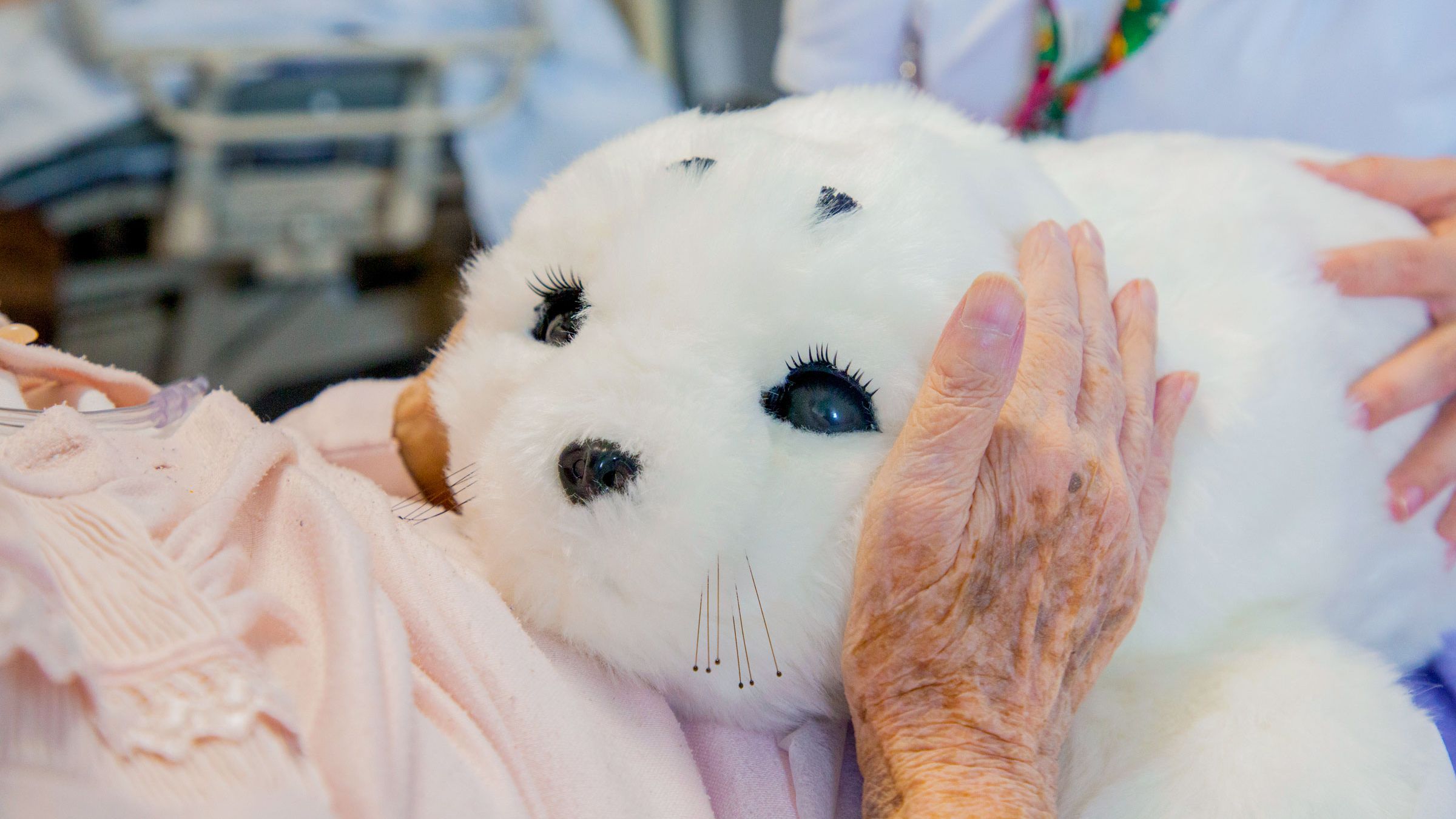
Robotic pets (e.g., AIBO, PARO) successfully reduced anxiety in hospital settings.
Users formed genuine emotional attachments, though reports indicated they were less 'intense' than with live animals.
Application: Ideal for environments where real animals are restricted (nursing homes, ICUs).
Discussion: Why It Works?
Social Catalyst
Pets encourage interactions with other humans (e.g., dog parks).
Oxytocin Release
Physical contact triggers 'cuddle hormones' reducing stress.
Routine & Duty
Caring for a pet provides achievement and daily structure.
Discussion: Limitations
Causality Dilemma
Do happy people choose to get pets, or do pets make people happy?
Economic Burden
The financial cost of veterinary care can sometimes induce stress.
Sample Bias
Studies often recruit people who already have an affinity for animals.
Conclusions
Pet ownership is a powerful tool for enhancing mental health.
Both live and robotic pets have a legitimate place in psychological intervention.
Future public policy should consider making pet ownership more accessible to vulnerable groups.
Discussion & References
Can a robot ever truly replace the soul of a living animal?
Should doctors 'prescribe' pets for loneliness?
Is the happiness of the pet as important as the happiness of the owner?
References: Perera, B.A.S.S., et al. (2020) & Guay, F., et al. (2020).
- mental-health
- pet-ownership
- robotic-pets
- well-being
- human-animal-bond
- psychology
- health-tech