

Made byBobr AI

Digital Scam Awareness: Phishing, Smishing, and Vishing

Learn to identify and prevent common digital scams like phishing, smishing, vishing, and identity theft with our comprehensive cybersecurity guide.

#cybersecurity#scam-awareness#phishing#identity-theft#digital-safety#online-security
Watch
Pitch

Don't Get Played: The Ultimate Scam Guide

Understanding Phishing, Smishing, Vishing, and Identity Theft

Cybersecurity illustration, friendly cartoon style, a shield protecting a smartphone, neon blue and purple color palette, 3d render style, digital art
Made byBobr AI

Wait, What’s a Scam?

A scam is a deceptive scheme used to trick you into giving away your money or personal information. It's like a digital trap.

The Goal: Scammers want your passwords, credit card numbers, or your identity. They play on your emotions—fear, excitement, or curiosity.

A cute cartoon wolf wearing sheep clothing holding a smartphone, vector art, flat design, educational style
Made byBobr AI

Phishing: The Fake Email

Phishing is when scammers send emails pretending to be a legit company (like Netflix, Google, or your school) to steal your login info.

REAL LIFE SCENARIO:

Example: You get an email saying 'Your account is suspended! Click here to verify.' If you click, you go to a fake site that records your password.

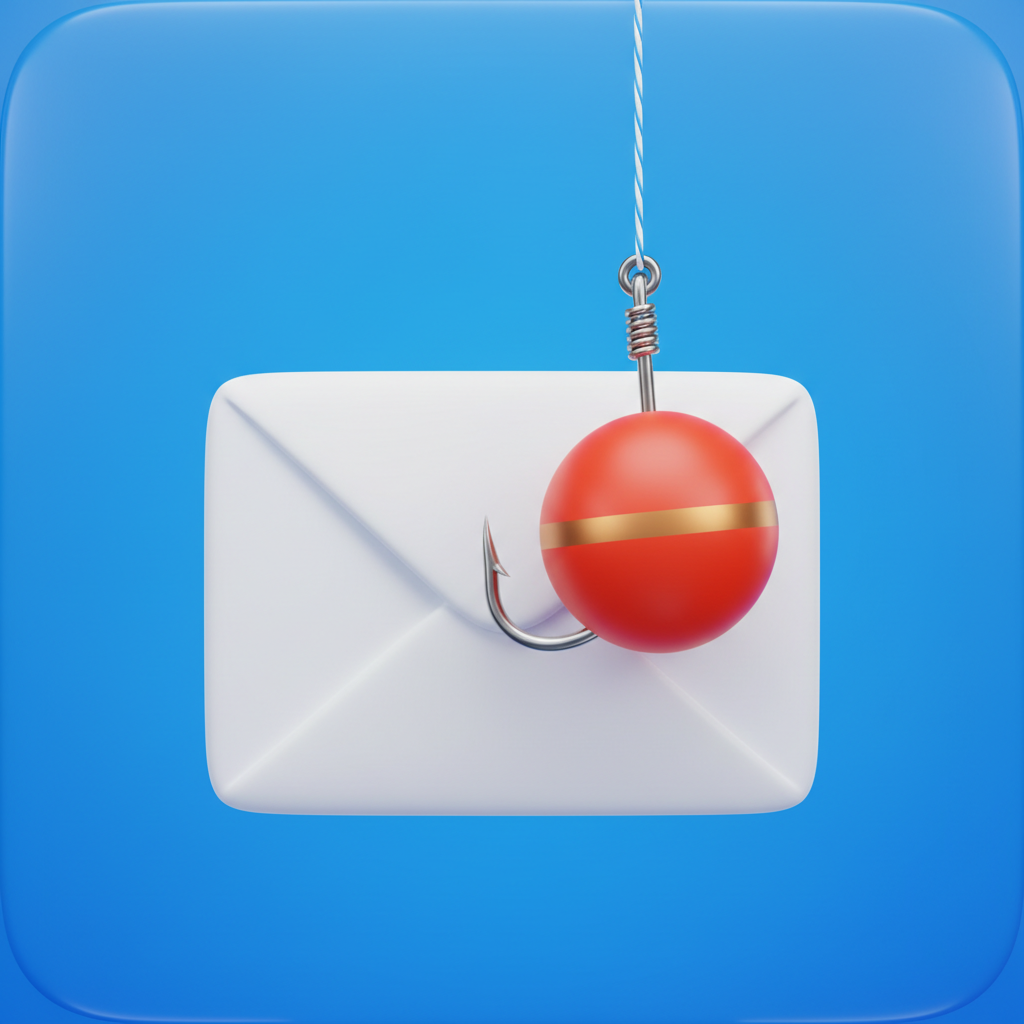
An email envelope with a fishing hook coming out of it, 3d icon style, bright colors, blue background
Made byBobr AI

Smishing: SMS Scamming

Smishing uses text messages (SMS) instead of email. The goal is the same: get you to click a link or reply with info.

Example: 'URGENT: Your package delivery failed. Click http://bad-link.com to reschedule.'

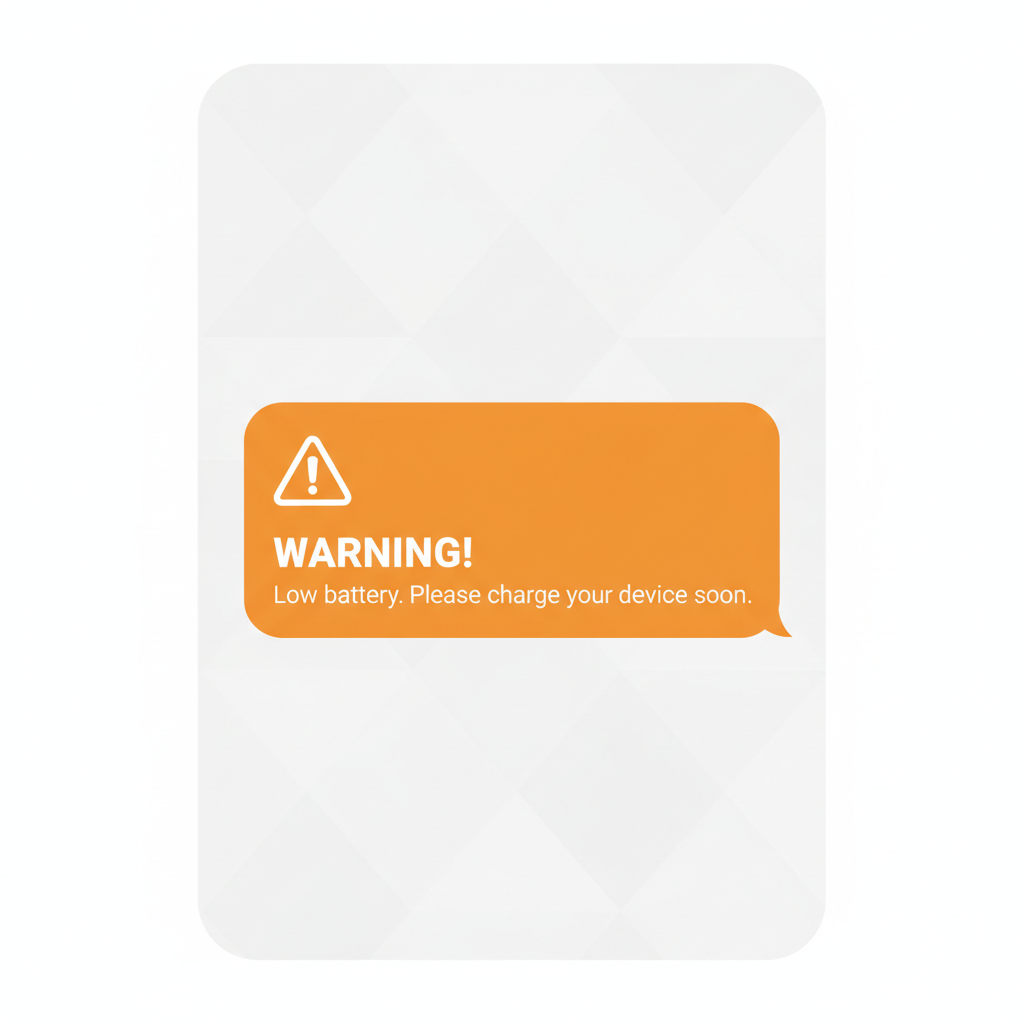
Smartphone screen showing a text message bubble with a warning sign, cartoon style, orange and white theme
Made byBobr AI
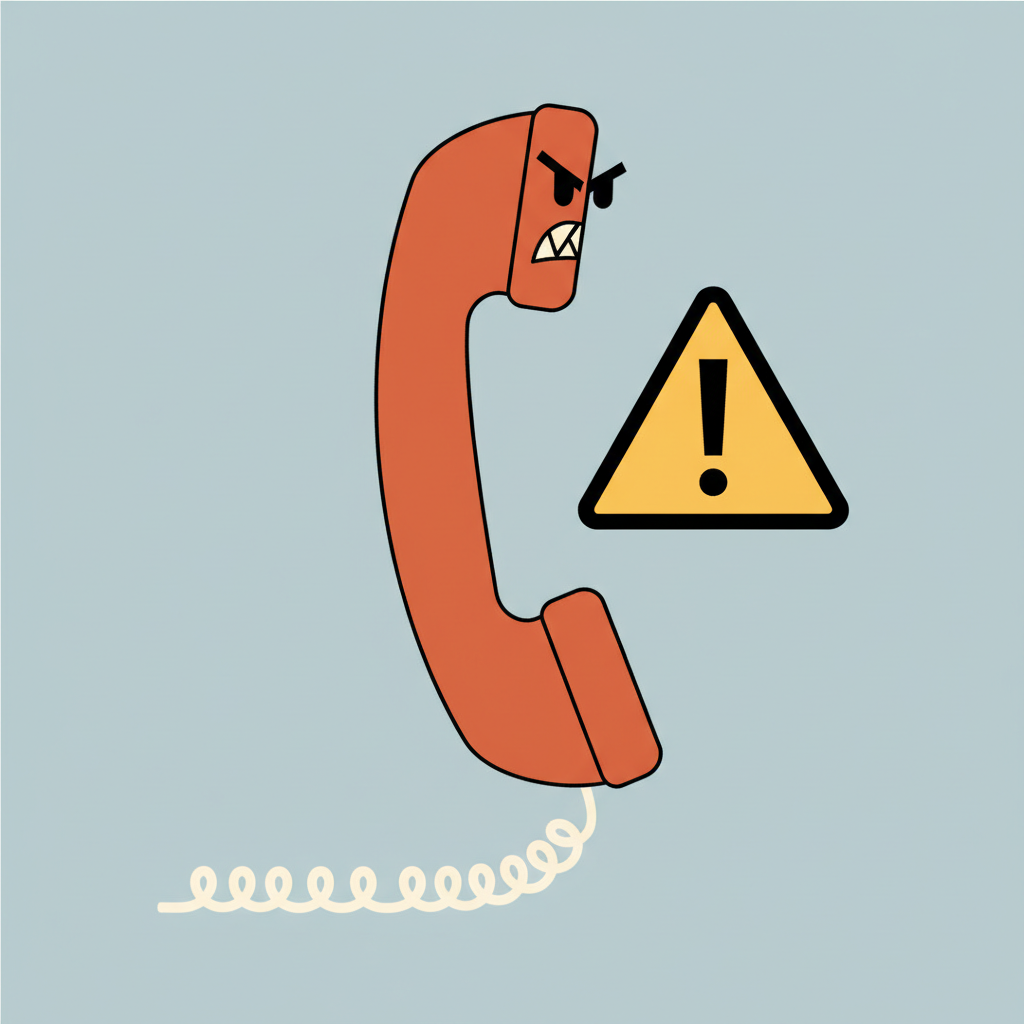
Retro telephone handset with an angry face or warning symbol, vector illustration, minimal style

Vishing: Voice Phishing

Vishing happens over the phone. Scammers use fake caller IDs to look like your bank, the police, or tech support.

Real Life Scenario:

Example: 'This is the IRS (or Police). You owe money. Pay immediately via Gift Cards or you will be arrested.'

Made byBobr AI

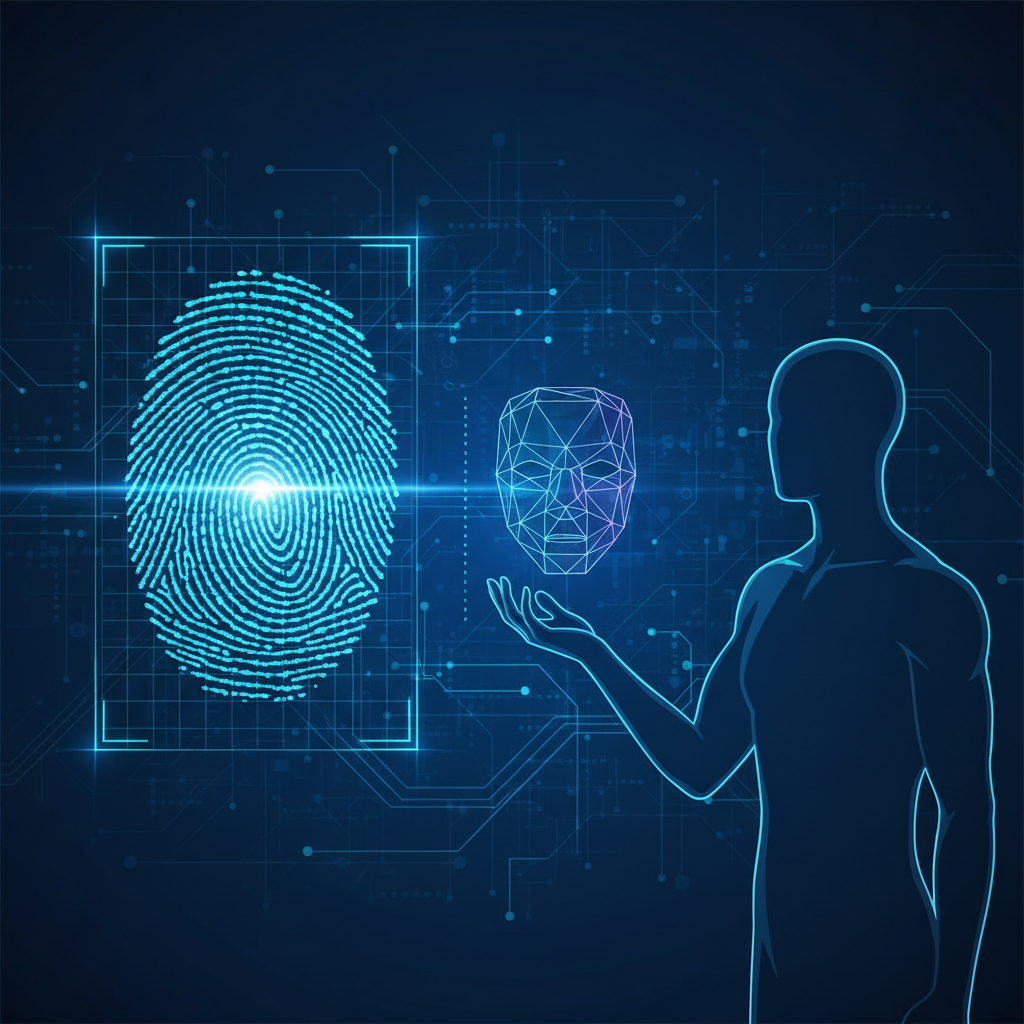
Identity Theft

Identity theft occurs when someone steals your personal details (SSN, birthdate) to impersonate you. They can open credit cards, take loans, or commit crimes in your name.

Example: You find charges on your debit card for stuff you never bought, or you get denied for a student loan because someone ruined your credit score.

A digital fingerprint being scanned or a silhouette of a person holding a mask, cyber security concept, blue and glowing
Made byBobr AI

Analyzing the Scam Surge

  • Scams aren't rare properly. They happen thousands of times a day.
  • We tracked scam reports over a 10-day period.
  • Notice how Phishing and Smishing are the most common attacks against students.
3d icon of a rising graph chart, business analytics, clean minimalist style
Made byBobr AI

10-Day Scam Trend Analysis

Chart
Made byBobr AI

How to Spot a Scam

Urgency: "Act NOW or else!" Scammers hate when you think.

Bad Grammar: Legitimate companies hire editors. Scammers usually don't.

Strange URLs: Look closely. "Netflix.com" is not "Netflix.com".

Payment Methods: Asking for Gift Cards or Crypto? That's a 100% scam.

Magnifying glass inspecting digital code, matrix style background, high tech detective concept
Made byBobr AI

Your Defense Strategy

When in doubt, don't click. verify directly with the source.

1. Turn on Two-Factor Authentication (2FA).
2. Use strong, unique passwords.
3. Report suspicious messages.
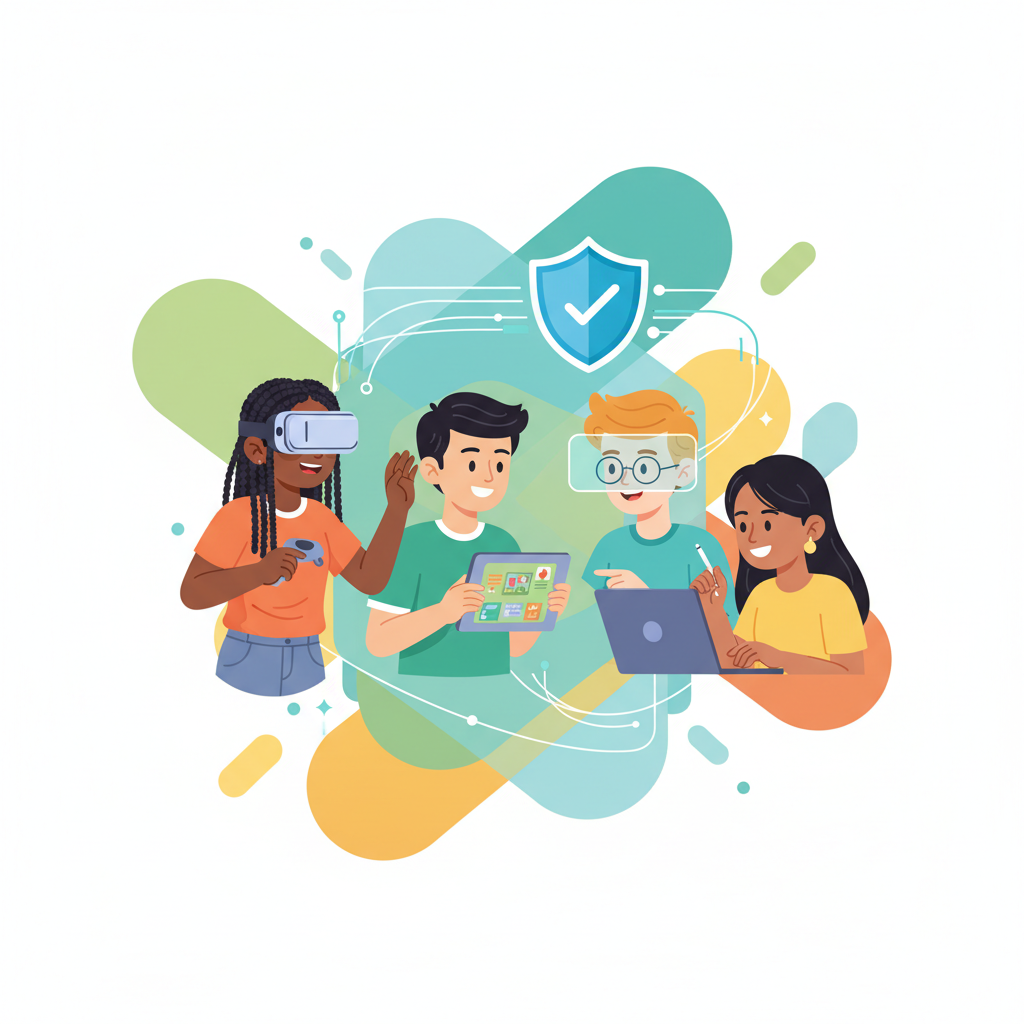
A happy diverse group of teenagers using technology safely, bright atmosphere, vector art style
Made byBobr AI
Bobr AI

DESIGNER-MADE
PRESENTATION,
GENERATED FROM
YOUR PROMPT

Create your own professional slide deck with real images, data charts, and unique design in under a minute.

Generate For Free

Digital Scam Awareness: Phishing, Smishing, and Vishing

Learn to identify and prevent common digital scams like phishing, smishing, vishing, and identity theft with our comprehensive cybersecurity guide.

Don't Get Played: The Ultimate Scam Guide

Understanding Phishing, Smishing, Vishing, and Identity Theft

Wait, What’s a Scam?

A scam is a deceptive scheme used to trick you into giving away your money or personal information. It's like a digital trap.

The Goal: Scammers want your passwords, credit card numbers, or your identity. They play on your emotions—fear, excitement, or curiosity.

Phishing: The Fake Email

Phishing is when scammers send emails pretending to be a legit company (like Netflix, Google, or your school) to steal your login info.

Example: You get an email saying 'Your account is suspended! Click here to verify.' If you click, you go to a fake site that records your password.

Smishing: SMS Scamming

Smishing uses text messages (SMS) instead of email. The goal is the same: get you to click a link or reply with info.

Example: 'URGENT: Your package delivery failed. Click http://bad-link.com to reschedule.'

Vishing: Voice Phishing

Vishing happens over the phone. Scammers use fake caller IDs to look like your bank, the police, or tech support.

Example: 'This is the IRS (or Police). You owe money. Pay immediately via Gift Cards or you will be arrested.'

Identity Theft

Identity theft occurs when someone steals your personal details (SSN, birthdate) to impersonate you. They can open credit cards, take loans, or commit crimes in your name.

Example: You find charges on your debit card for stuff you never bought, or you get denied for a student loan because someone ruined your credit score.

Analyzing the Scam Surge

Scams aren't rare properly. They happen thousands of times a day.

We tracked scam reports over a 10-day period.

Notice how Phishing and Smishing are the most common attacks against students.

10-Day Scam Trend Analysis

How to Spot a Scam

Urgency: "Act NOW or else!" Scammers hate when you think.

Bad Grammar: Legitimate companies hire editors. Scammers usually don't.

Strange URLs: Look closely. "Netflix.com" is not "Netflix.com".

Payment Methods: Asking for Gift Cards or Crypto? That's a 100% scam.

Your Defense Strategy

When in doubt, don't click. verify directly with the source.

1. Turn on Two-Factor Authentication (2FA). 2. Use strong, unique passwords. 3. Report suspicious messages.

  • cybersecurity
  • scam-awareness
  • phishing
  • identity-theft
  • digital-safety
  • online-security