

Made byBobr AI

Accident Awareness & Prevention: Workplace Safety Workshop

Learn about accident causation, hazard identification, and safety culture. Covers PPE, fire safety, and the Heinrich's Safety Triangle for injury prevention.

#workplace-safety#accident-prevention#health-and-safety#oshasa#hazard-identification#safety-culture#emergency-response
Watch
Pitch

Accident Awareness & Prevention

Building a Proactive Safety Culture Workshop

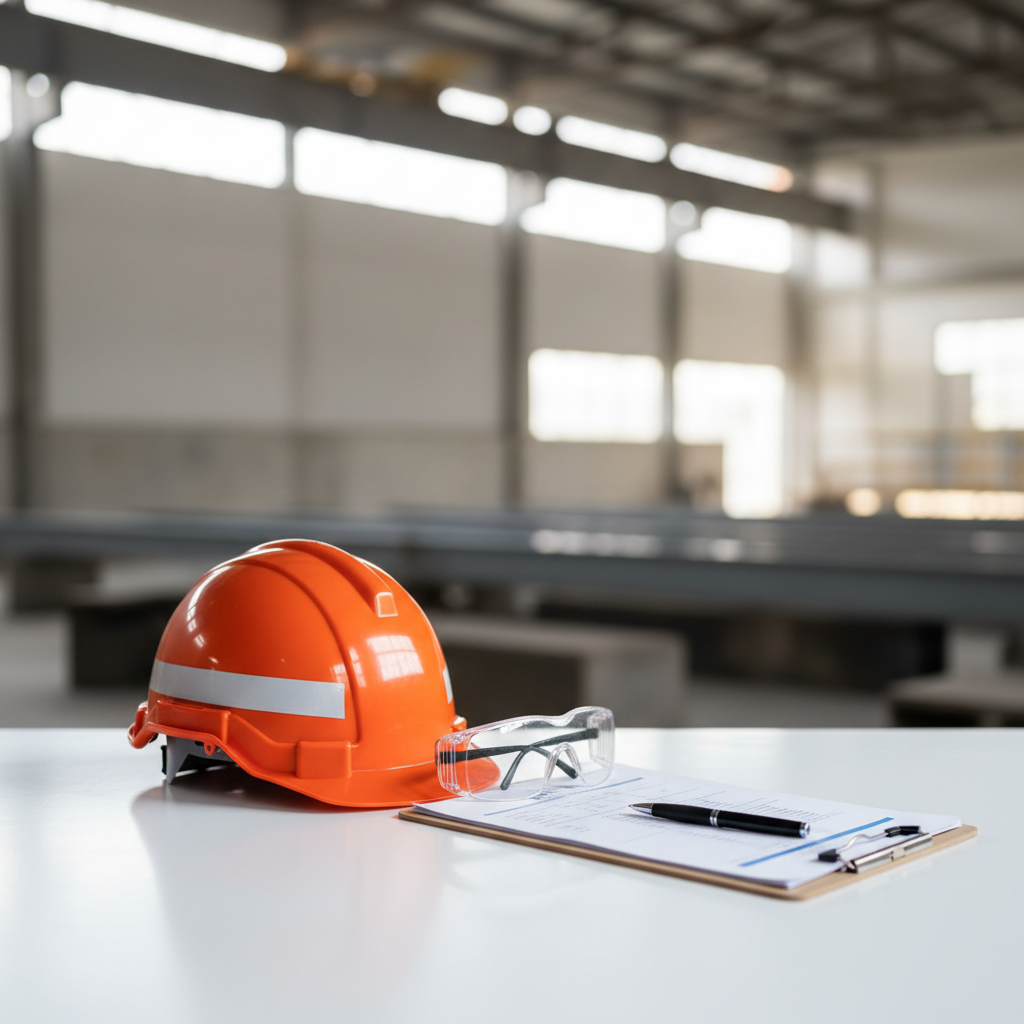
industrial safety helmet, glasses, and clipboard on a clean table, professional photography, shallow depth of field
Made byBobr AI

Workshop Agenda

  • Understanding Accident Causation
  • Hazard Identification & Risk Assessment
  • Common Workplace Hazards (Falls, Electrical, Ergonomics)
  • Emergency Response Protocols
Made byBobr AI

Heinrich's Safety Triangle

For every major injury, there are 29 minor injuries and 300 near-miss incidents. Addressing near-misses is crucial for prevention.

Chart
Made byBobr AI

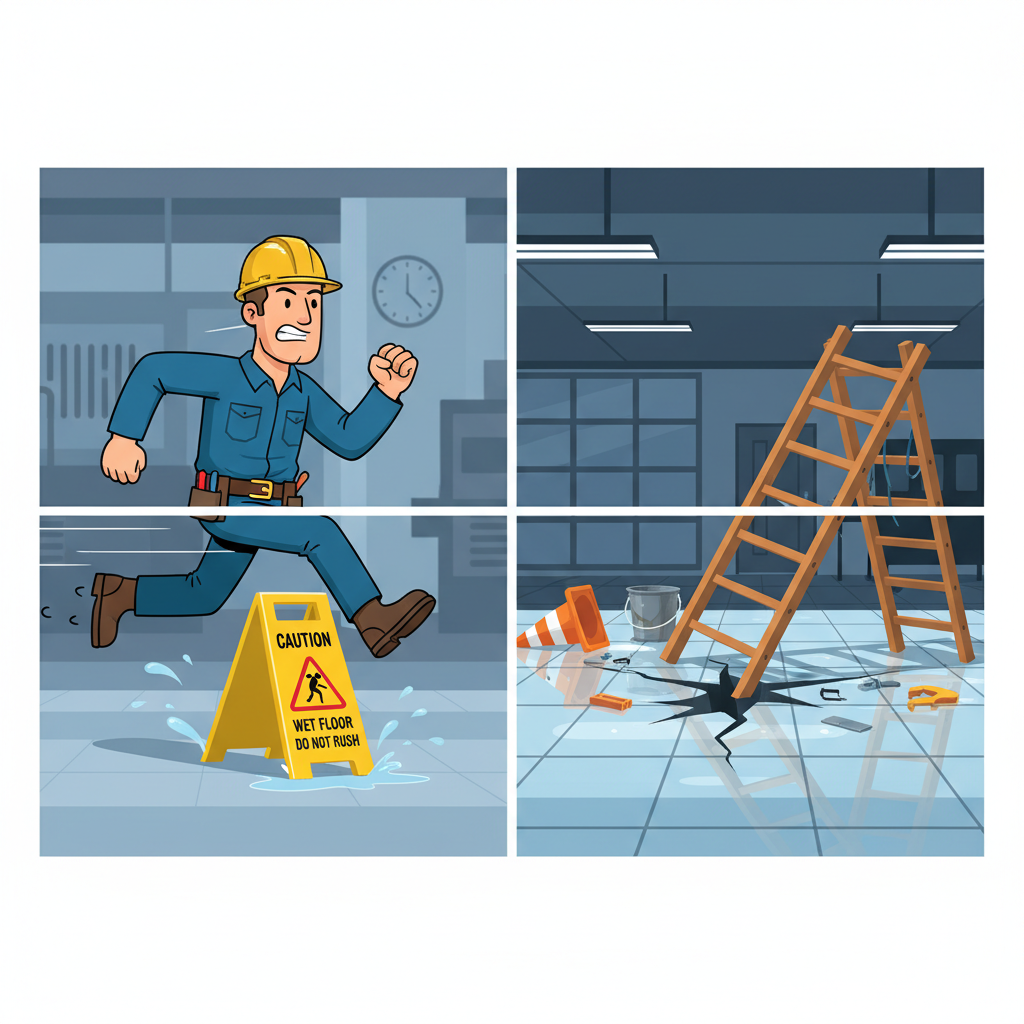
Root Causes of Accidents

Unsafe Acts (88%)

Taking shortcuts, ignoring procedures, removing safety guards, horseplay, or fatigue.

Unsafe Conditions (10%)

Defective equipment, poor lighting, slippery floors, or lack of proper ventilation.

Split image illustration: on the left a worker rushing and ignoring a sign, on the right a broken ladder on a wet floor
Made byBobr AI

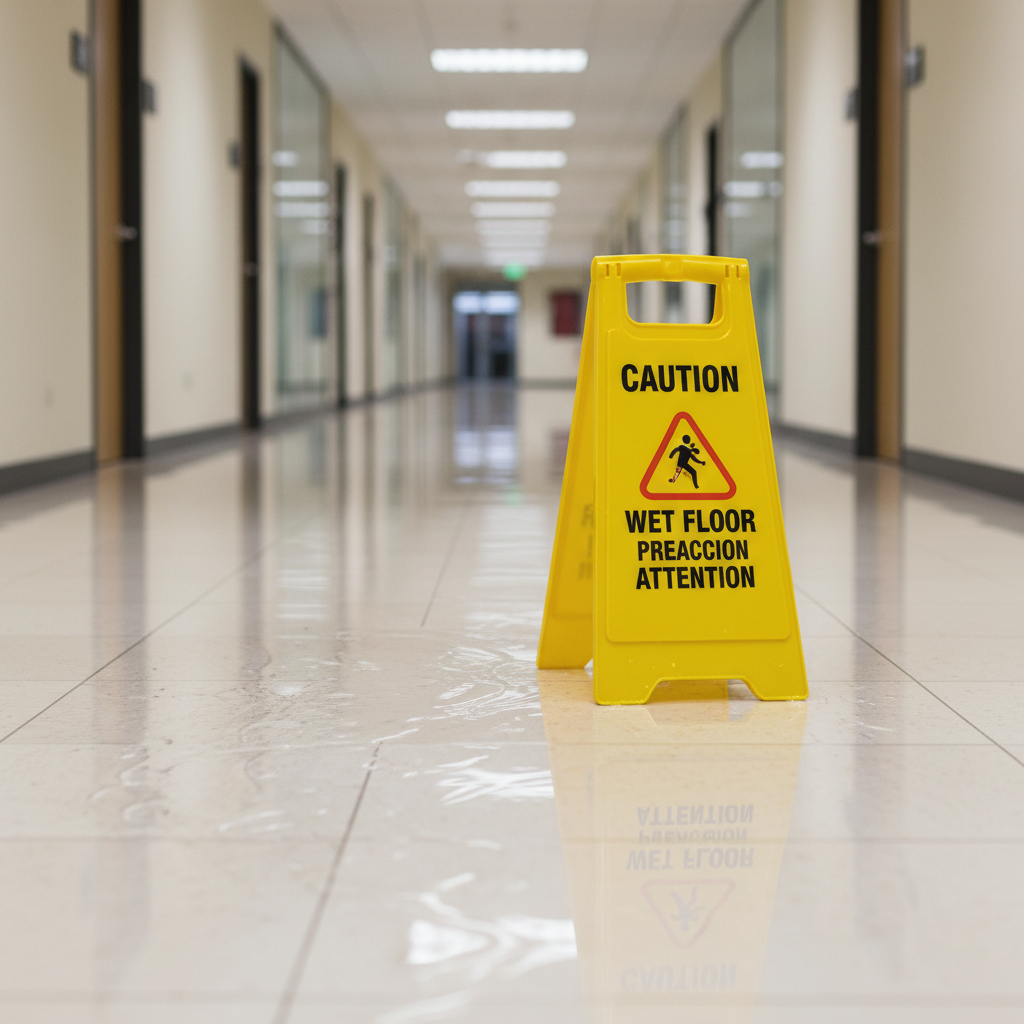
Slips, Trips, and Falls

These are the most common workplace accidents globally. Simple housekeeping is the most effective prevention strategy.

1. Clean up spills immediately.

2. Keep walkways clear of cables and clutter.

3. Use proper footwear with grip.

yellow wet floor caution sign on a shiny tiled floor in a corridor, realistic
Made byBobr AI

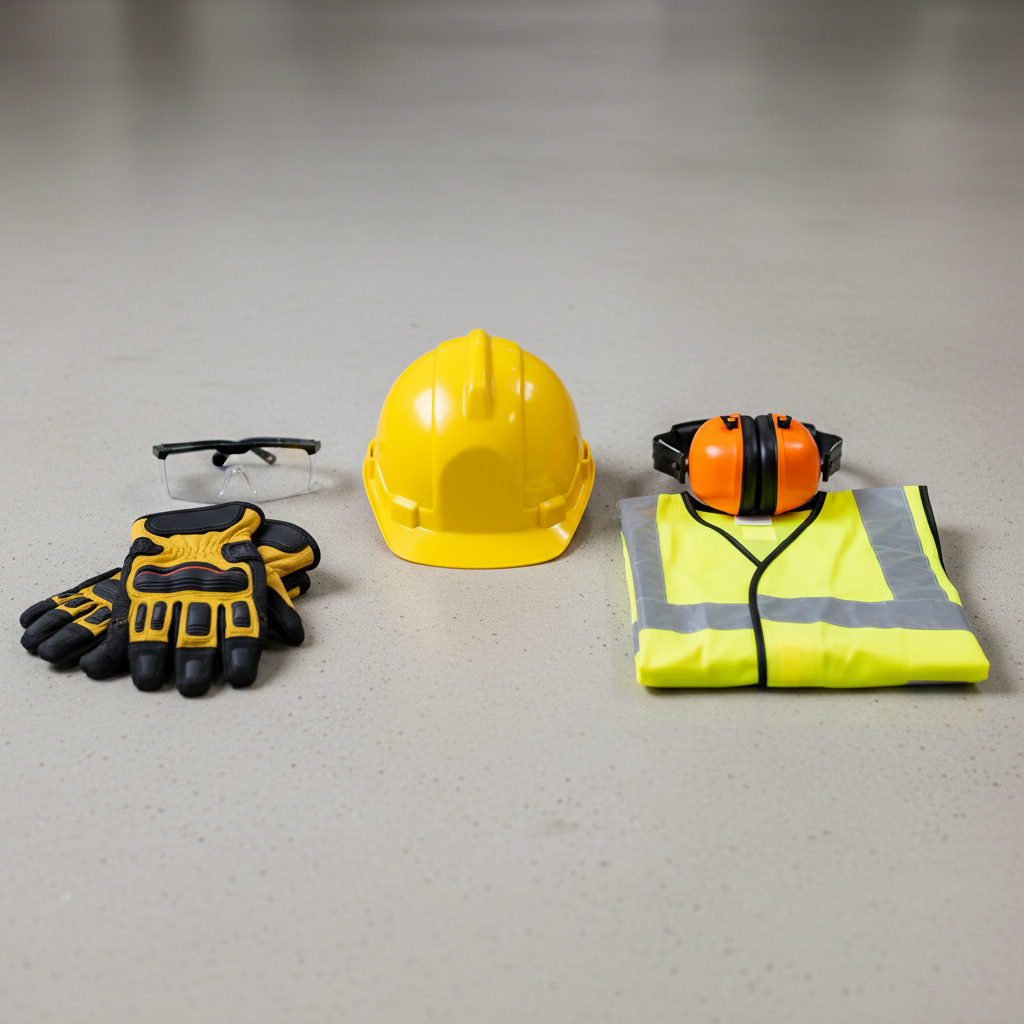
Personal Protective Equipment (PPE)

The last line of defense against hazards.

collection of safety equipment laid out neatly: yellow hard hat, safety glasses, heavy duty gloves, ear defenders, high vis vest
Head Protection
Eye Safety
Hearing
Hands & Feet
Made byBobr AI

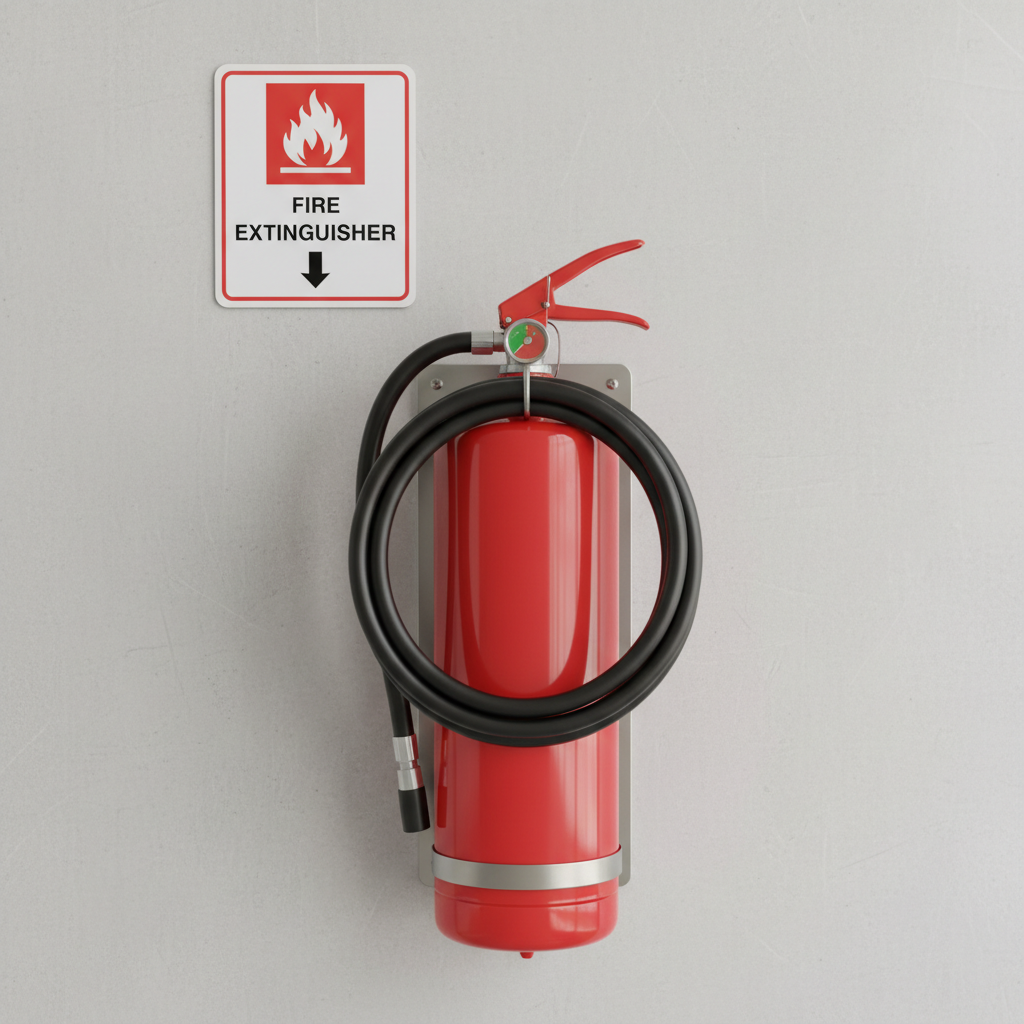
Fire Safety Protocols

P.A.S.S. Technique

  • P - Pull the pin
  • A - Aim at the base of fire
  • S - Squeeze the handle
  • S - Sweep side to side
red fire extinguisher on a wall bracket with safety signage
Made byBobr AI

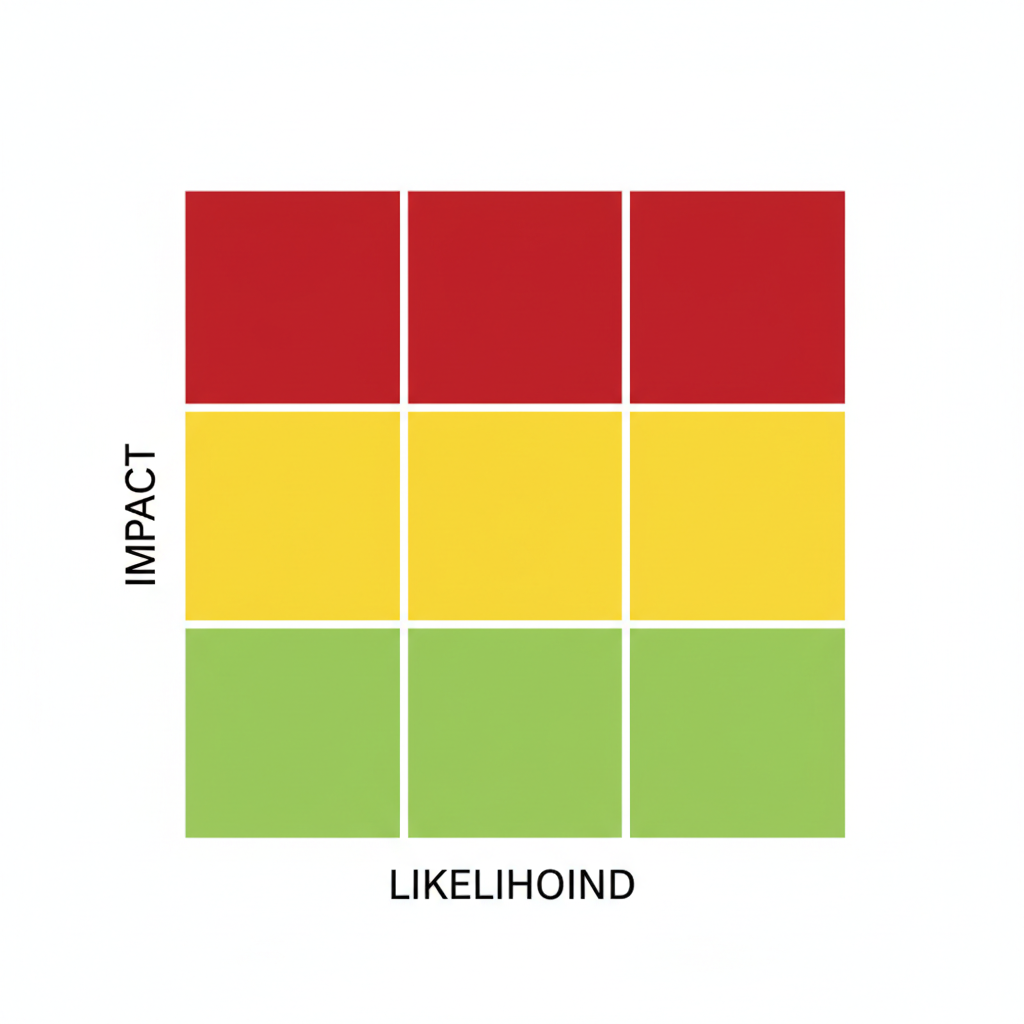
Hazard vs. Risk

WHAT IS A HAZARD?

Hazard: Anything that has the potential to cause harm (e.g., chemicals, electricity, ladder).

WHAT IS A RISK?

Risk: The likelihood that a hazard will cause harm, combined with the severity of the injury.

simple 3x3 risk assessment matrix chart red yellow green
Made byBobr AI

Emergency Response

1. Stay Calm: Panic causes more accidents.

2. Assess the Situation: Ensure your own safety first.

3. Raise the Alarm: Alert others and emergency services.

4. Evacuate: Move to the assembly point immediately.

green emergency exit sign glowing in a dark corridor
Made byBobr AI

Building a Safety Culture

✓ Safety is everyone's responsibility, not just the manager's.

✓ Report 'Near Misses' without fear of blame.

✓ Stop work if it's unsafe.

"The goal is zero accidents."
Made byBobr AI
Bobr AI

DESIGNER-MADE
PRESENTATION,
GENERATED FROM
YOUR PROMPT

Create your own professional slide deck with real images, data charts, and unique design in under a minute.

Generate For Free

Accident Awareness & Prevention: Workplace Safety Workshop

Learn about accident causation, hazard identification, and safety culture. Covers PPE, fire safety, and the Heinrich's Safety Triangle for injury prevention.

Accident Awareness & Prevention

Building a Proactive Safety Culture Workshop

Workshop Agenda

Understanding Accident Causation

Hazard Identification & Risk Assessment

Common Workplace Hazards (Falls, Electrical, Ergonomics)

Emergency Response Protocols

Heinrich's Safety Triangle

For every major injury, there are 29 minor injuries and 300 near-miss incidents. Addressing near-misses is crucial for prevention.

Root Causes of Accidents

Unsafe Acts (88%)

Taking shortcuts, ignoring procedures, removing safety guards, horseplay, or fatigue.

Unsafe Conditions (10%)

Defective equipment, poor lighting, slippery floors, or lack of proper ventilation.

Slips, Trips, and Falls

These are the most common workplace accidents globally. Simple housekeeping is the most effective prevention strategy.

Clean up spills immediately.

Keep walkways clear of cables and clutter.

Use proper footwear with grip.

Personal Protective Equipment (PPE)

The last line of defense against hazards.

Head Protection (Helmets) | Eye Protection (Goggles) | Hearing Protection (Plugs/Muffs) | Hand & Foot Protection (Gloves/Boots)

Fire Safety Protocols

P.A.S.S. Technique

P - Pull the pin

A - Aim at the base of fire

S - Squeeze the handle

S - Sweep side to side

Hazard vs. Risk

Hazard: Anything that has the potential to cause harm (e.g., chemicals, electricity, ladder).

Risk: The likelihood that a hazard will cause harm, combined with the severity of the injury.

Emergency Response

Stay Calm: Panic causes more accidents.

Assess the Situation: Ensure your own safety first.

Raise the Alarm: Alert others and emergency services.

Evacuate: Move to the assembly point immediately.

Building a Safety Culture

Safety is everyone's responsibility, not just the manager's.

Report 'Near Misses' without fear of blame.

Stop work if it's unsafe.

"The goal is zero accidents."

  • workplace-safety
  • accident-prevention
  • health-and-safety
  • oshasa
  • hazard-identification
  • safety-culture
  • emergency-response