





Guide to Professional Trading and Risk Management
Learn the essentials of professional trading: risk management, trading psychology, systems vs. models, and building a consistent feedback loop.
A Professional Path to Learning Trading
Moving from gambling to risk management, consistency, and long-term survival.
Core Truths of the Profession
1. Trading is a risk management profession.
2. Losses are normal and unavoidable.
3. Protecting capital matters more than profit.
4. Consistency > Big Wins.
Who are you in the market?
You are not a gambler, predictor, or signal follower. You are a decision-maker managing risk under uncertainty.
“I manage risk first. I trade only when conditions justify it.”
What Price Actually Is
The Market
A place where buyers and sellers meet to transactions occur.
Trading
Managing uncertainty with incomplete information. Not predicting the future.
The Chart
A record of past behavior. It helps you observe, not guarantee results.
System vs. Model
You can survive with a simple model and a strong system. You cannot survive without a system.
THE MODEL
Explains Price Behavior
Defines where you look
THE SYSTEM
Protects Capital
Defines Entry, Exit, Risk & Limits
The Foundation: Risk Management
Every trade has a known, predefined loss before you enter.
Daily loss limits force you to walk away before you lose control.
RULE: If a loss feels painful, your position size is too large.
Psychology by Design
Emotions are structural feedback, not personal failures.
Overtrading?
Solution: Define 'No Trade' conditions.
Panic?
Solution: Reduce trade size until boring.
Revenge Trading?
Solution: Hard daily loss limit (Circuit Breaker).
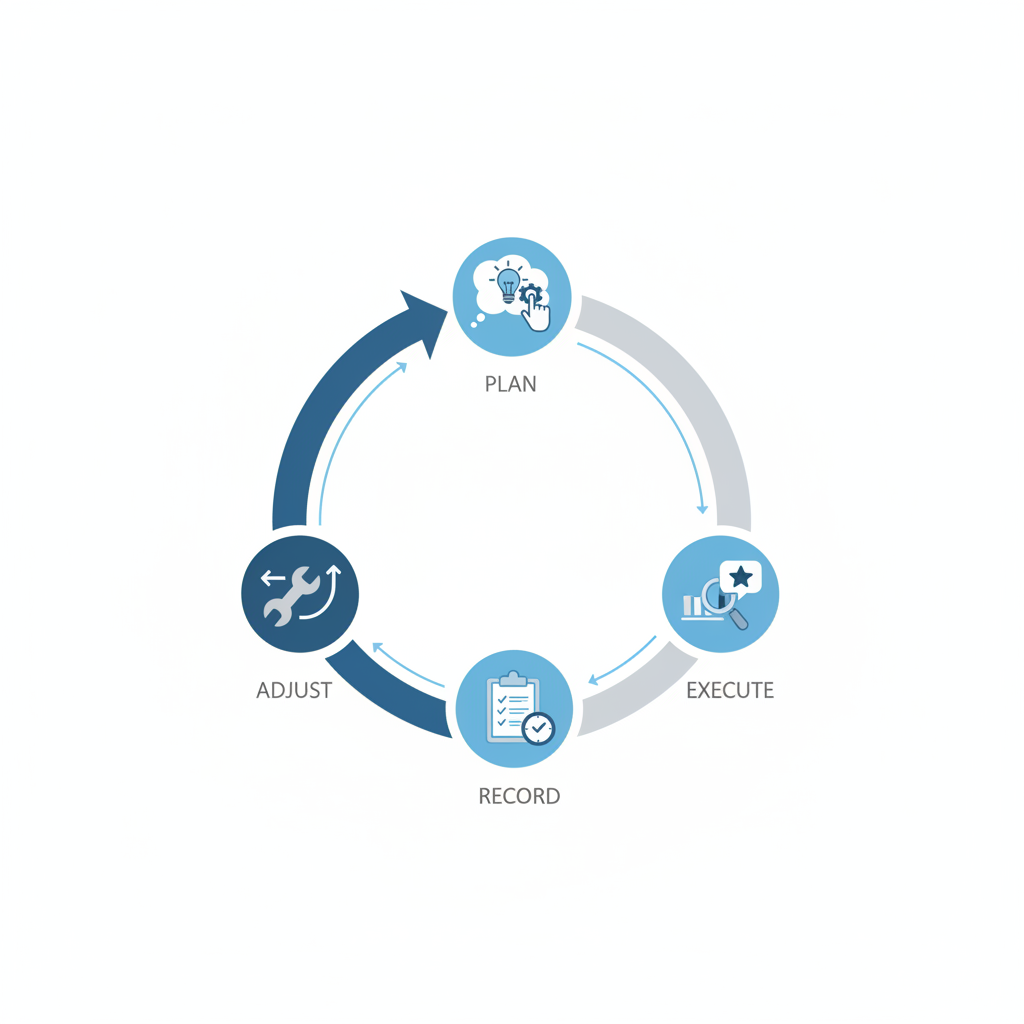
The Closed Feedback Loop
Consistently profitable traders are not magic. They are simply effectively trained. This is the training cycle:
Daily Requirements: The Journal
You measure your behavior, not just your profit.
☐ Market & Time of Day
☐ Risk Amount (Was it adhered to?)
☐ Rules Followed (Yes/No - Crucial)
☐ Stress & Emotional State during trade
Start with Observation, Not Strategy
Before you click 'buy', learn to observe structure.
Liquidity
Highs and lows where stop orders cluster.
Structure
Is price effectively expensive or cheap right now?
Intent
Fast moves leave footprints. Slow moves build energy.
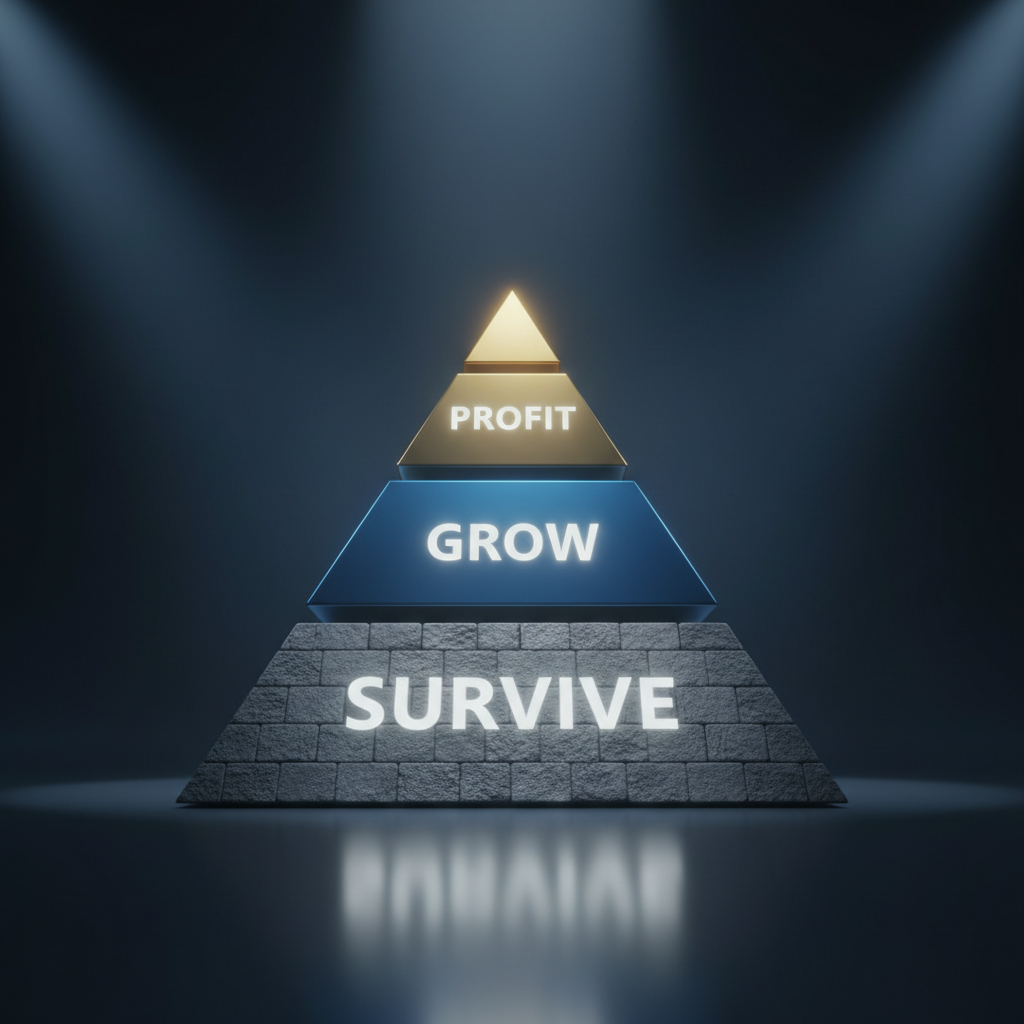
The Priority Hierarchy
1. SURVIVE (The first 2 years)
2. GROW (Skill Development)
3. PROFIT (The result, not the goal)
- trading-strategy
- risk-management
- trading-psychology
- finance-education
- day-trading
- investment-basics