
Made byBobr AI

Baking Measurements 101: Mastering Cups, Spoons & Scales

Learn essential baking measurement techniques, from the 'dip and sweep' method for flour to liquid meniscus reading and weight conversions.

#baking-tips#cooking-measurements#kitchen-skills#baking-science#measurement-conversions
Watch
Pitch

Baking Measurements 101

Dark, Light & Ready to Bake Perfection

Made byBobr AI

Baking is Chemistry (Not Magic)

Unlike cooking, you can't just 'measure with your heart'. Baking relies on precise chemical reactions. Too much flour makes cookies dry; too much sugar prevents setting. To master the bake, you need accuracy.

Made byBobr AI

The Essential Toolkit

01. Dry Measuring Cups: For flour, sugar, and solids.
02. Liquid Measuring Jugs: Glass or plastic with a spout.
03. Measuring Spoons: For the tiny but mighty ingredients (salt, baking soda).
04. Digital Scale: The ultimate pro tool for gram-perfect results.
Made byBobr AI

The 'Dip & Sweep' Method

  • 1. Fluff the flour with a spoon/whisk.
  • 2. Gently spoon flour into the measuring cup.
  • 3. Level it off with a straight edge (like a knife back).
NEVER scoop the cup directly into the bag! You'll pack it down and get way too much flour.
Made byBobr AI

Brown Sugar: Pack It Tight!

Brown sugar is moist and sticky. Unlike flour, it needs to be pressed down.

"When you turn the cup over, it should keep its shape like a sandcastle. That's how you know it's packed right!"

Made byBobr AI

Liquid Measurements

  • Use a spouted glass or plastic jug, not the cups you use for flour.
  • Get on its level! Place the jug on the counter and bend down to read it at eye level.
  • The Meniscus: Read the bottom of the curve of the liquid, not the edges.
Made byBobr AI

Why Scales Win the Game

The weight of 1 Cup of Flour varies massively based on how you scoop it.

Chart

A kitchen scale removes the guesswork. 125g is always 125g.

Made byBobr AI

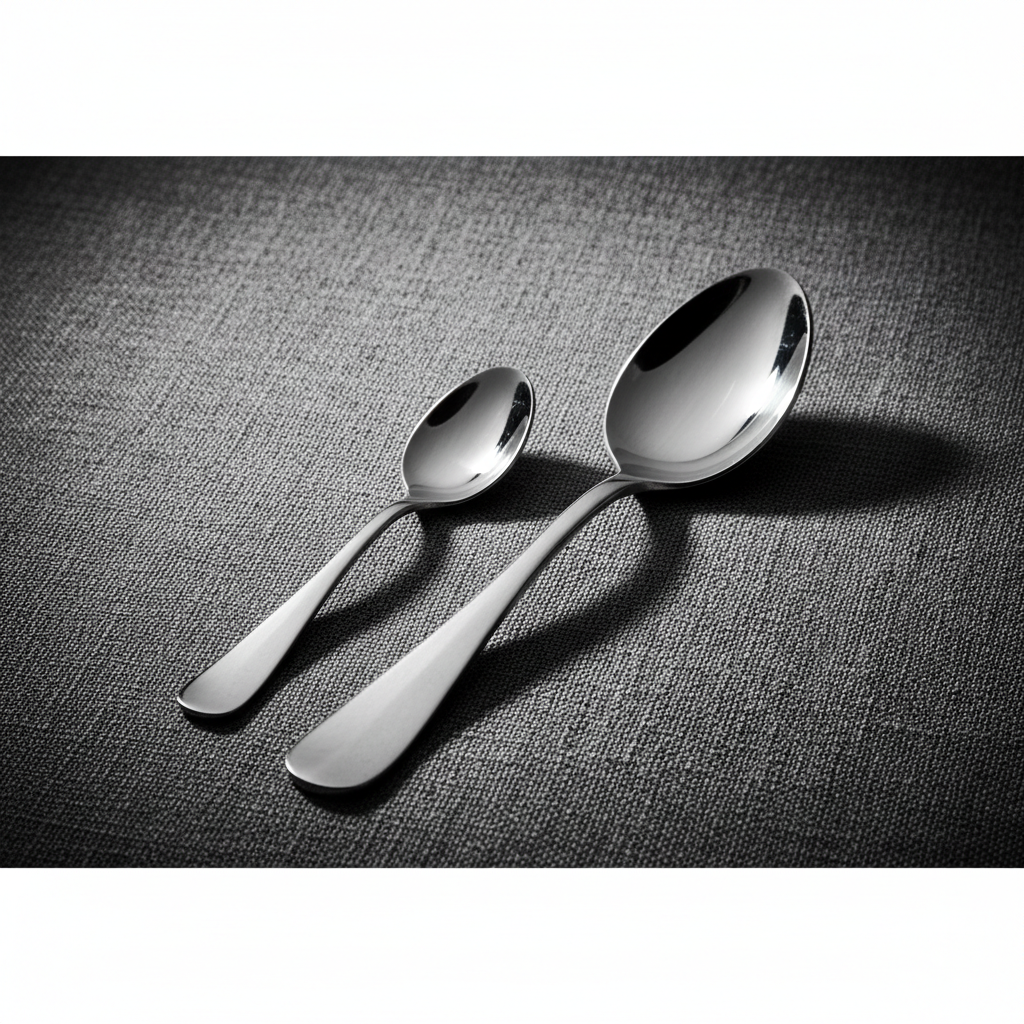
Deciphering the Code

Teaspoon (tsp or t)

The small one. Common for spices & leavening.

Tablespoon (Tbsp or T)

The big one. 3x the size of a tsp.

3 tsp = 1 Tbsp
Made byBobr AI

Common Converter Cheat Sheet

Butter (1 Stick)1/2 cup = 113g
Granulated Sugar1 cup = 200g
All-Purpose Flour1 cup = ~125g
Tip: Memorize these to speed up your prep!
Made byBobr AI

Now Go Bake & Create

Remember: Precision is key. Use the right tools, weigh your ingredients, and have fun!

Made byBobr AI
Bobr AI

DESIGNER-MADE
PRESENTATION,
GENERATED FROM
YOUR PROMPT

Create your own professional slide deck with real images, data charts, and unique design in under a minute.

Generate For Free

Baking Measurements 101: Mastering Cups, Spoons & Scales

Learn essential baking measurement techniques, from the 'dip and sweep' method for flour to liquid meniscus reading and weight conversions.

Baking Measurements 101

Dark, Light & Ready to Bake Perfection

Baking is Chemistry (Not Magic)

Unlike cooking, you can't just 'measure with your heart'. Baking relies on precise chemical reactions. Too much flour makes cookies dry; too much sugar prevents setting. To master the bake, you need accuracy.

The Essential Toolkit

Dry Measuring Cups: For flour, sugar, and solids.

Liquid Measuring Jugs: Glass or plastic with a spout.

Measuring Spoons: For the tiny but mighty ingredients (salt, baking soda).

Digital Scale: The ultimate pro tool for gram-perfect results.

The 'Dip & Sweep' Method

1. Fluff the flour with a spoon/whisk.

2. Gently spoon flour into the measuring cup.

3. Level it off with a straight edge (like a knife back).

NEVER scoop the cup directly into the bag! You'll pack it down and get way too much flour.

Brown Sugar: Pack It Tight!

Brown sugar is moist and sticky. Unlike flour, it needs to be pressed down.

When you turn the cup over, it should keep its shape like a sandcastle. That's how you know it's packed right!

Liquid Measurements

Use a spouted glass or plastic jug, not the cups you use for flour.

Get on its level! Place the jug on the counter and bend down to read it at eye level.

The Meniscus: Read the bottom of the curve of the liquid, not the edges.

Why Scales Win the Game

The weight of 1 Cup of Flour varies massively based on how you scoop it.

A kitchen scale removes the guesswork. 125g is always 125g.

Deciphering the Code

Teaspoon (tsp or t)

Tablespoon (Tbsp or T)

3 tsp = 1 Tbsp

Common Converter Cheat Sheet

Butter (1 Stick)

1/2 cup = 113g

Granulated Sugar

1 cup = 200g

All-Purpose Flour

1 cup = ~125g

Now Go Bake & Create

Remember: Precision is key. Use the right tools, weigh your ingredients, and have fun!

  • baking-tips
  • cooking-measurements
  • kitchen-skills
  • baking-science
  • measurement-conversions