






Made byBobr AI

Maxima Lithuania: Private Label Innovation and Growth Strategy

An in-depth analysis of Maxima LT's 'Well Done' private label. Explore business models, supply chain innovation, CSR, and competitive strategy in retail.

#private-label#retail-strategy#supply-chain-management#business-innovation#maxima-lt#baltic-retail#market-analysis
Watch
Pitch

COIL Semester Final Project: Private Label Development “Well Done”

This COIL project focuses on the analysis and development of the “Well Done” private label owned by Maxima LT. The project evaluates how private labels contribute to competitiveness, sustainability, innovation, and customer value in the international retail industry. It integrates concepts of international business, innovation management, supply chain management, and change management.

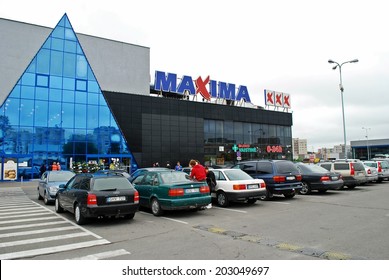
Maxima Lithuania modern supermarket exterior sunny day
Made byBobr AI

Company Profile: Maxima LT

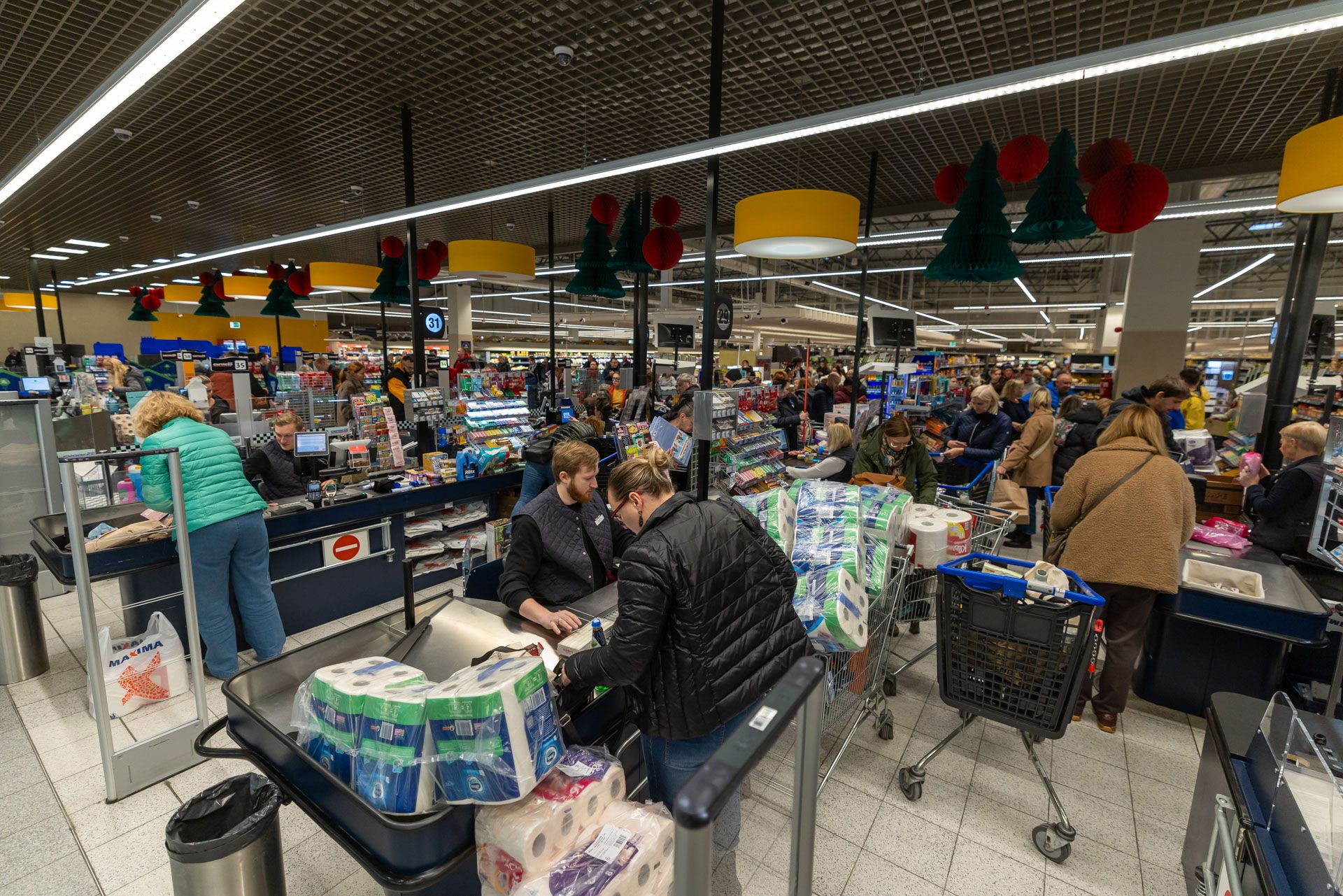
Maxima Group UAB is the largest retail company in the Baltic region, operating in Lithuania, Latvia, Estonia, Poland, and Bulgaria. The company manages more than 1,600 stores with different formats to serve various customer needs. Maxima has a strong logistics and procurement network, enabling efficient supply chain management and cost leadership. Its private labels play a key role in market differentiation and profitability.
Maxima Akropolis Vilnius interior wide shot
Made byBobr AI

Business Model & Operations

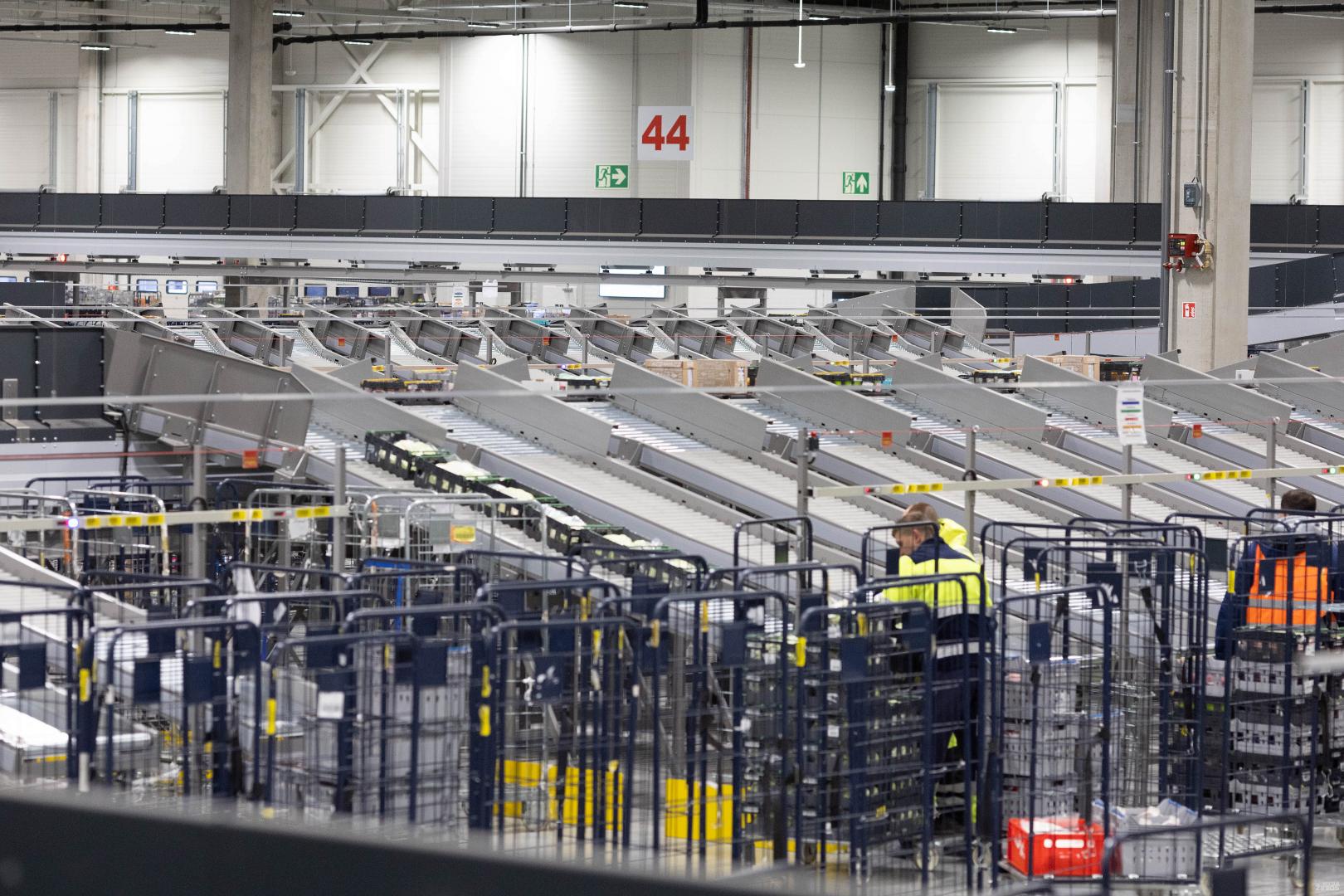
Maxima operates through a multi-format retail model supported by centralized procurement and decentralized store management. The company integrates sourcing, warehousing, distribution, and retail sales. Digital platforms support e-commerce and loyalty programs. This operational structure allows Maxima to scale private label products like “Well Done” efficiently across multiple international markets.
Maxima logistics center Lithuania warehouse interior
Made byBobr AI
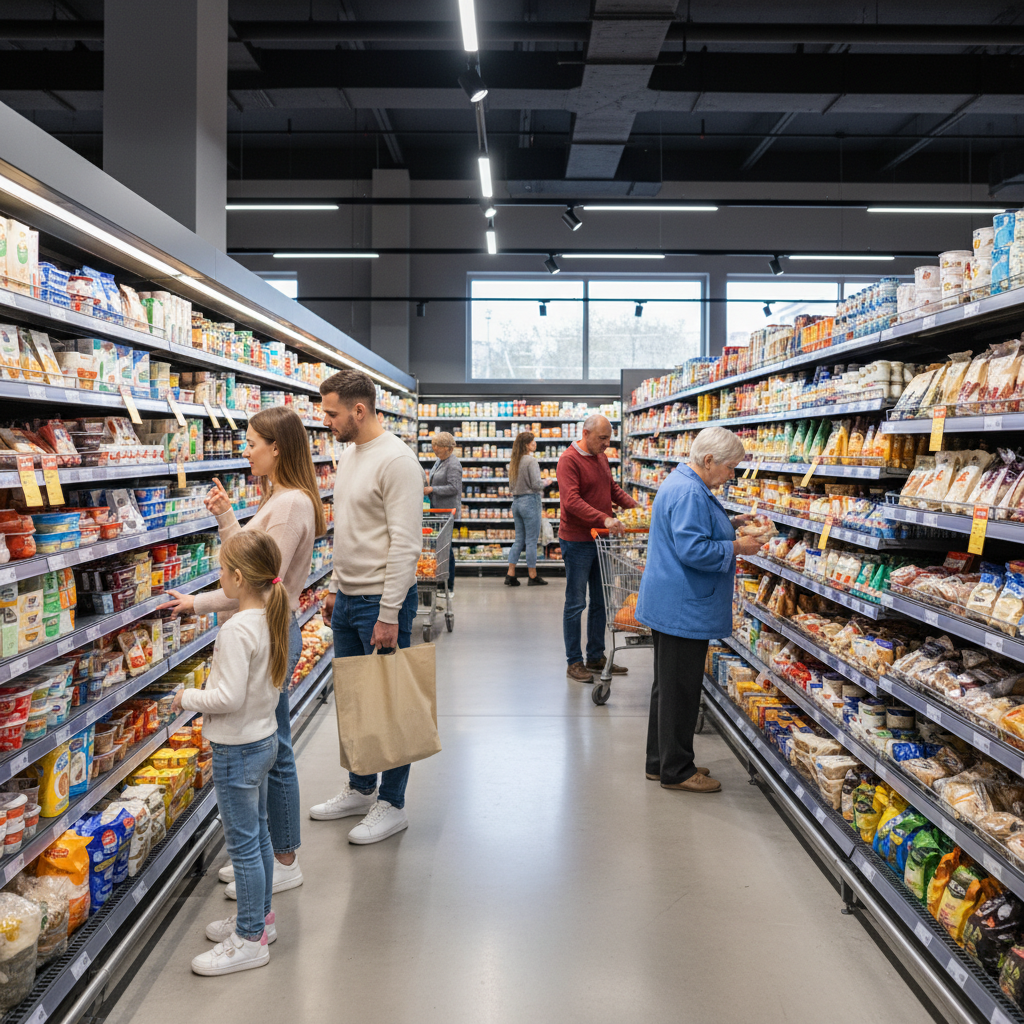
Happy family shopping for groceries in a modern supermarket aisle, bright and clean

Vision, Mission & Strategic Goals

Vision: To make everyday shopping affordable, easy, and sustainable for families.

Mission: To provide high-quality products at competitive prices while supporting responsible sourcing and local suppliers.

Strategic Goals: Increase private label market share, improve sustainability performance, enhance customer loyalty, and maintain cost efficiency in a competitive retail environment.

Made byBobr AI

Introduction to “Well Done” Private Label

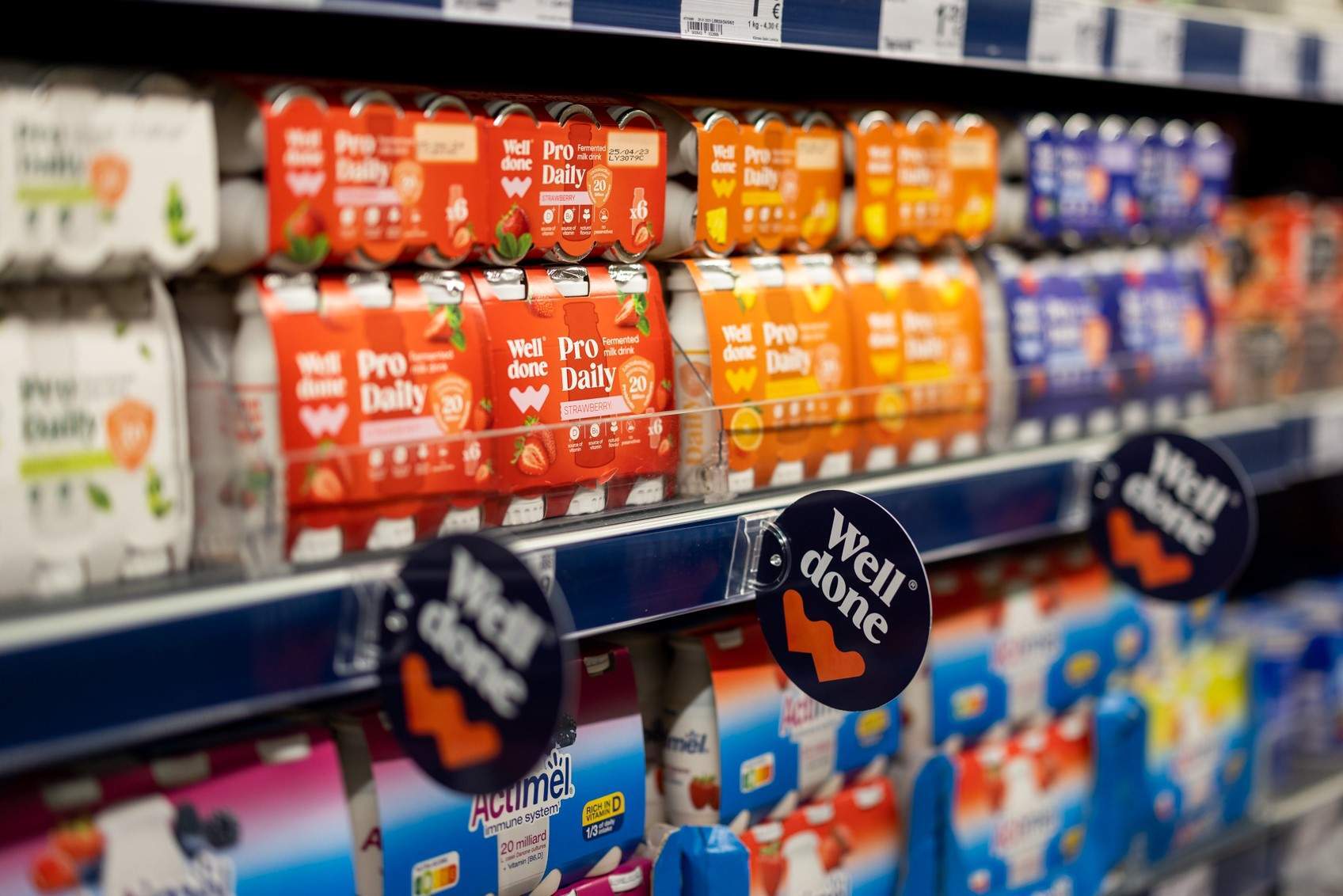
Well Done private label food products on Maxima shelf

“Well Done” is Maxima’s private label brand designed to offer everyday food products with a strong balance between price and quality. The brand was developed to respond to rising inflation, increased competition, and changing consumer expectations. By controlling production, pricing, and quality standards, Maxima strengthens its brand identity and reduces dependency on national brands.

Made byBobr AI

Problem Statement & Project Justification

The retail market faces intense price competition, shrinking margins, and increasing customer expectations for quality and sustainability. Consumers demand affordable products without compromising safety or ethical standards. The project justifies the development of “Well Done” as a strategic solution to address these challenges, enhance competitiveness, and improve long-term profitability for Maxima.
Customer looking at supermarket prices thoughtfully, inflation concept, retail aisle
Made byBobr AI

Target Market & Customer Segments

Primary Segment

Primary: Families and everyday shoppers aged 25–55 with low to middle income. These customers are price-sensitive but value quality and trust.

Secondary Segment

Secondary: Health-conscious and environmentally aware consumers who prefer transparent labeling, local sourcing, and sustainable packaging.

Diverse grocery shoppers in Lithuania, european families, realistic retail photography
Made byBobr AI

Corporate Social Responsibility (CSR)

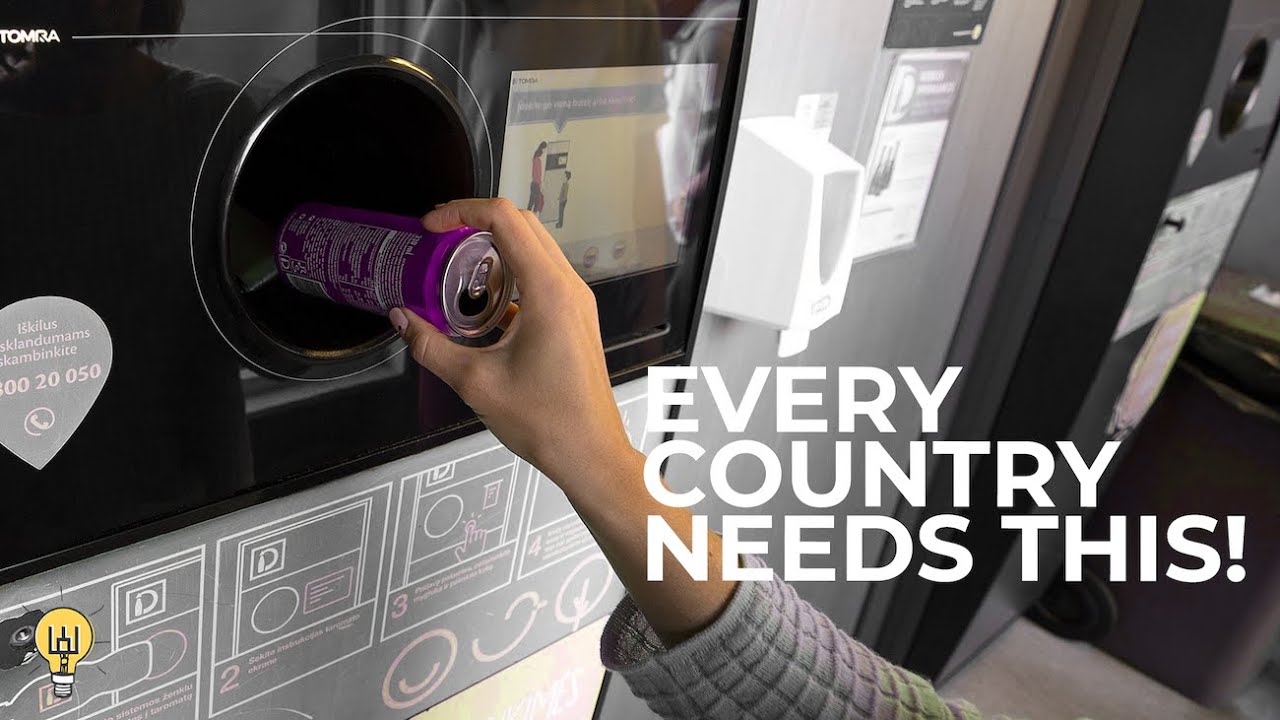
Maxima integrates CSR into the “Well Done” brand through sustainable sourcing, recyclable packaging, and food waste reduction initiatives. The company donates unsold food to charities and invests in renewable energy for stores and warehouses. CSR strengthens brand trust and aligns the private label with EU sustainability goals.

Maxima taromatas reverse vending machine lithuania recycling
Made byBobr AI

PEST Analysis: External Environment

Political: EU food safety, labeling, and environmental regulations affect private label development.

Economic: Inflation increases demand for affordable private labels.

Social: Consumers prefer healthy, local, and eco-friendly products.

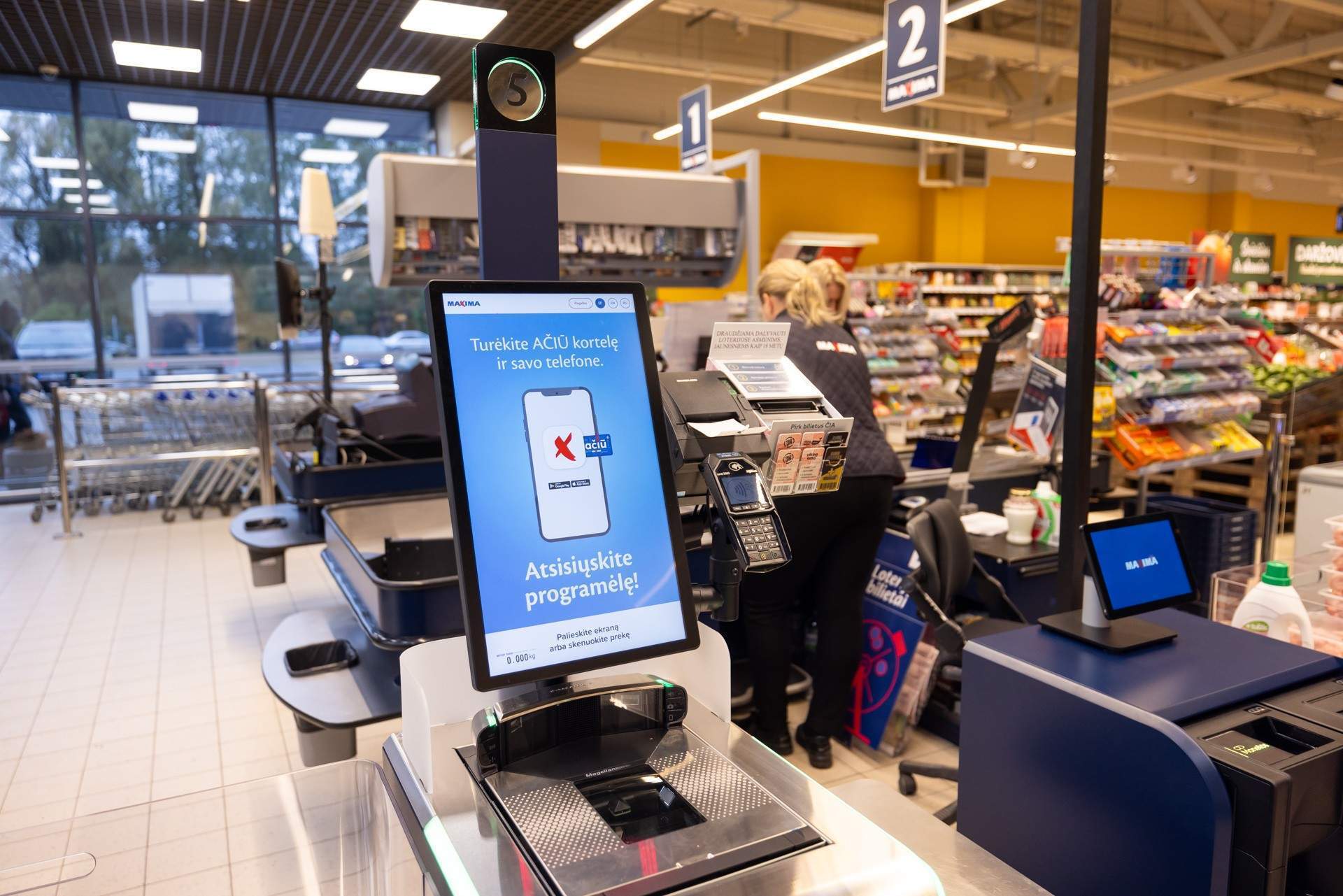
Technological: Digital supply chains, automation, and e-commerce enable efficiency.

Modern supermarket checkouts automated technology clean background
Made byBobr AI

Innovation Strategy at Maxima

Innovation is a core driver of Maxima’s competitiveness. The company focuses on process innovation in logistics, product innovation in private labels, and digital innovation in customer engagement. “Well Done” acts as a platform for testing new products, packaging solutions, and sustainability initiatives.
Maxima savitarnos kasos self checkout lithuania
Made byBobr AI

Business, Marketing & Product Innovation

💡 Business: Business Innovation: AI-based demand forecasting and lean supply chains.

📣 Marketing: Marketing Innovation: Digital promotions, influencer collaborations, and QR-based transparency.

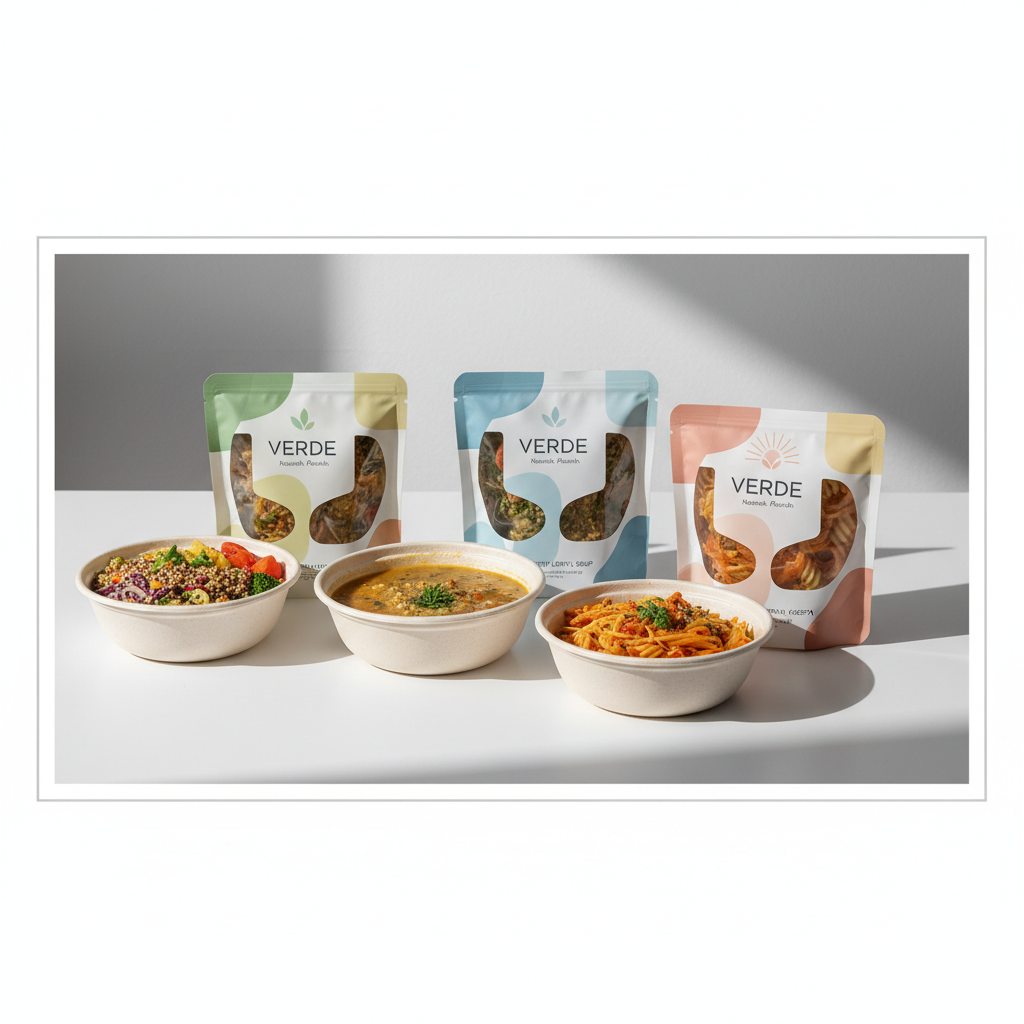
🥗 Product: Product Innovation: Vegan, organic, ready-to-cook meals, and locally sourced items under the “Well Done” brand.

Fresh vegan ready meal packaging modern design
Made byBobr AI

Team Innovative Ideas (COIL Contribution)

Futuristic electric green delivery van retail concept, 3d render

The COIL team proposed innovative ideas such as green delivery vehicles, refill stations, smart shelves, AR-based cooking applications, and loyalty rewards for sustainable shopping. These ideas support sustainability, customer engagement, and digital transformation within the “Well Done” private label.

Made byBobr AI

Change Management: Kotter’s Model

Kotter’s 8-Step Change Model was used to evaluate the implementation of “Well Done.” Maxima demonstrates strong urgency due to competition, clear vision, and leadership commitment. However, employee empowerment and long-term change reinforcement require continuous improvement to sustain innovation.
Business team collaborating in modern office, evaluating strategy on whiteboard
Made byBobr AI

Competitor Analysis

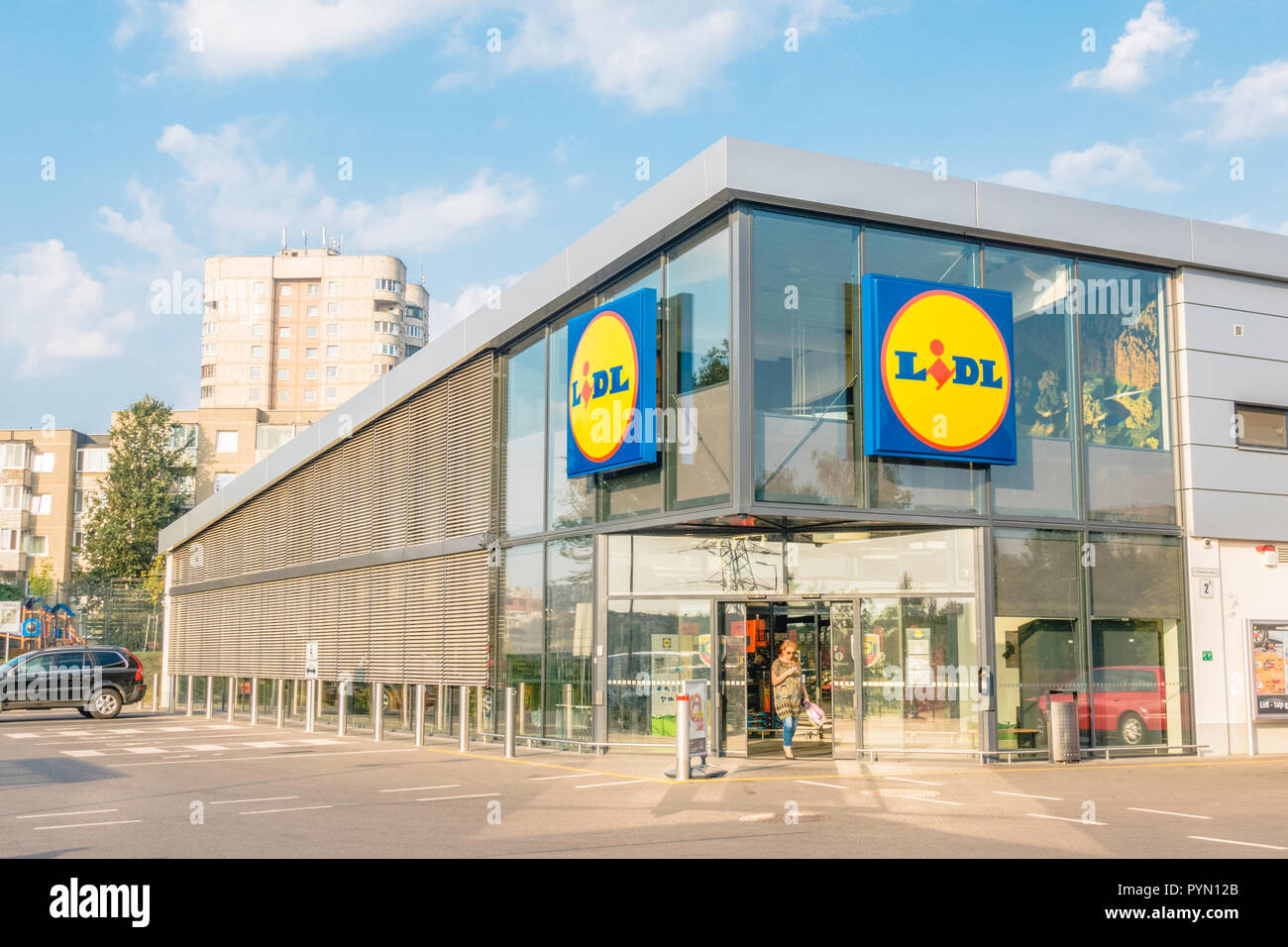
Maxima competes with Lidl, Rimi, Iki, and Norfa. Lidl focuses on aggressive pricing and private labels, while Rimi emphasizes quality and lifestyle branding. Iki and Norfa rely on local loyalty. “Well Done” competes by balancing affordability, quality, and sustainability.

Lidl and Rimi store signs Lithuania street view
Made byBobr AI

SWOT Analysis

Strengths

Strengths: Market leadership, logistics efficiency, customer trust.

Weaknesses

Weaknesses: New private label brand recognition.

Opportunities

Opportunities: Growth in private label demand and sustainability trends.

Threats

Threats: Price wars, economic instability, and strong competitors.

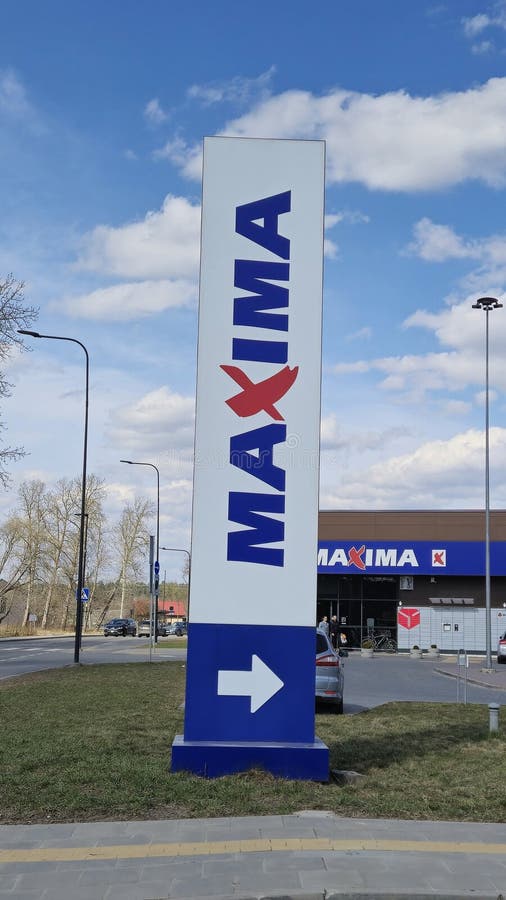
Maxima Lithuania store branding entrance sign
Made byBobr AI

Business Model Canvas

The value proposition of “Well Done” is affordable quality. Key resources include logistics infrastructure and supplier partnerships. Channels include physical stores and e-commerce. Customer relationships are strengthened through loyalty programs, while revenue is generated through private label sales.
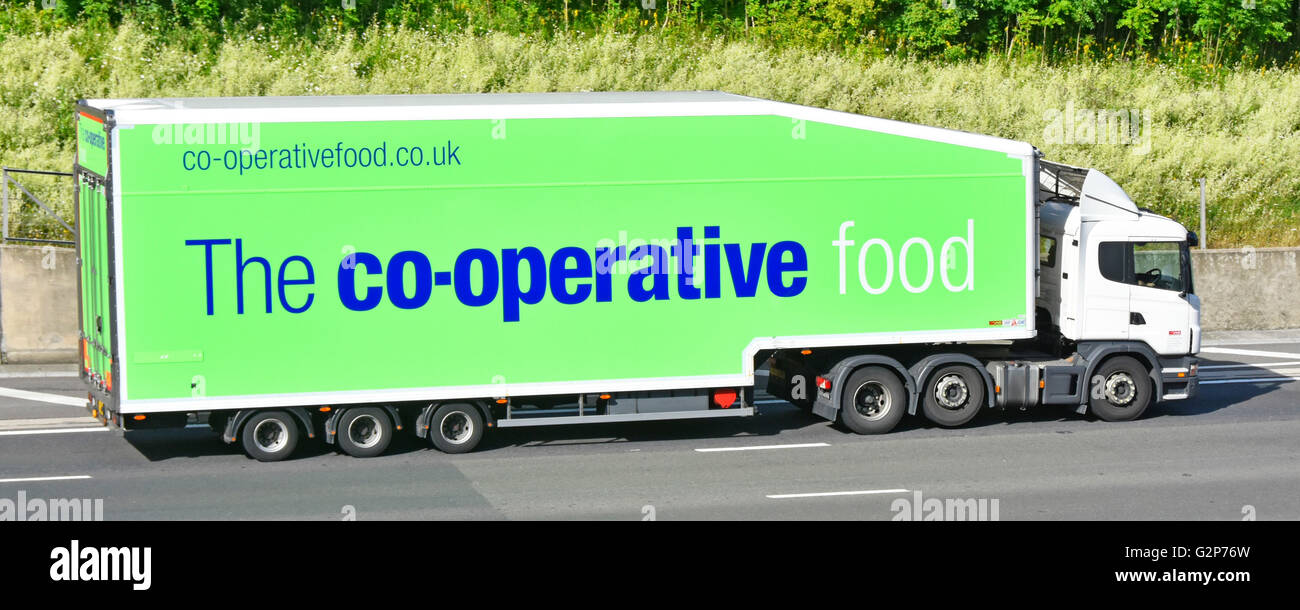
Supermarket supply chain logistics truck on road
Made byBobr AI

Project Management Approach

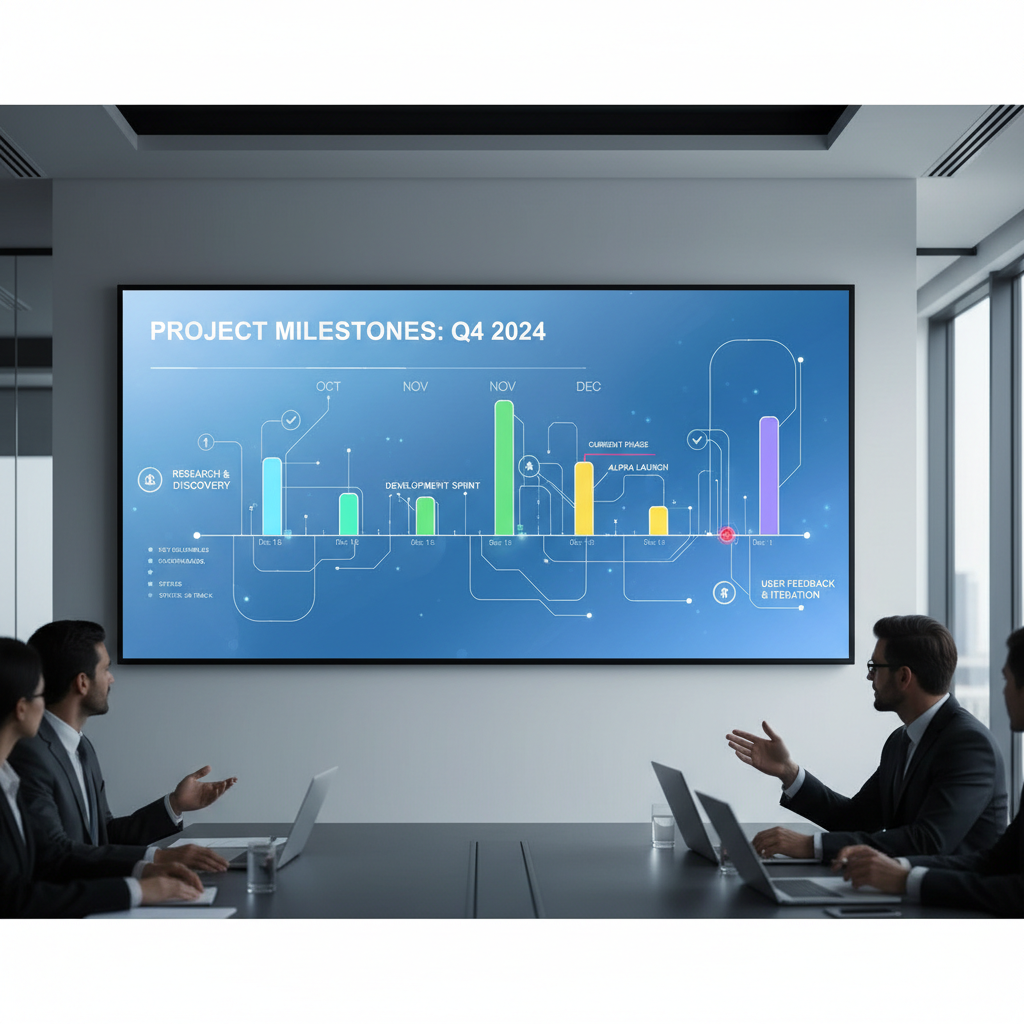
The project follows a structured 12-month plan including research, product development, pilot testing, and full rollout. Clear objectives, stakeholder coordination, and performance indicators ensure effective implementation and risk management.
Project timeline visualization digital screen business meeting
Made byBobr AI

Supply Chain & Lean Management

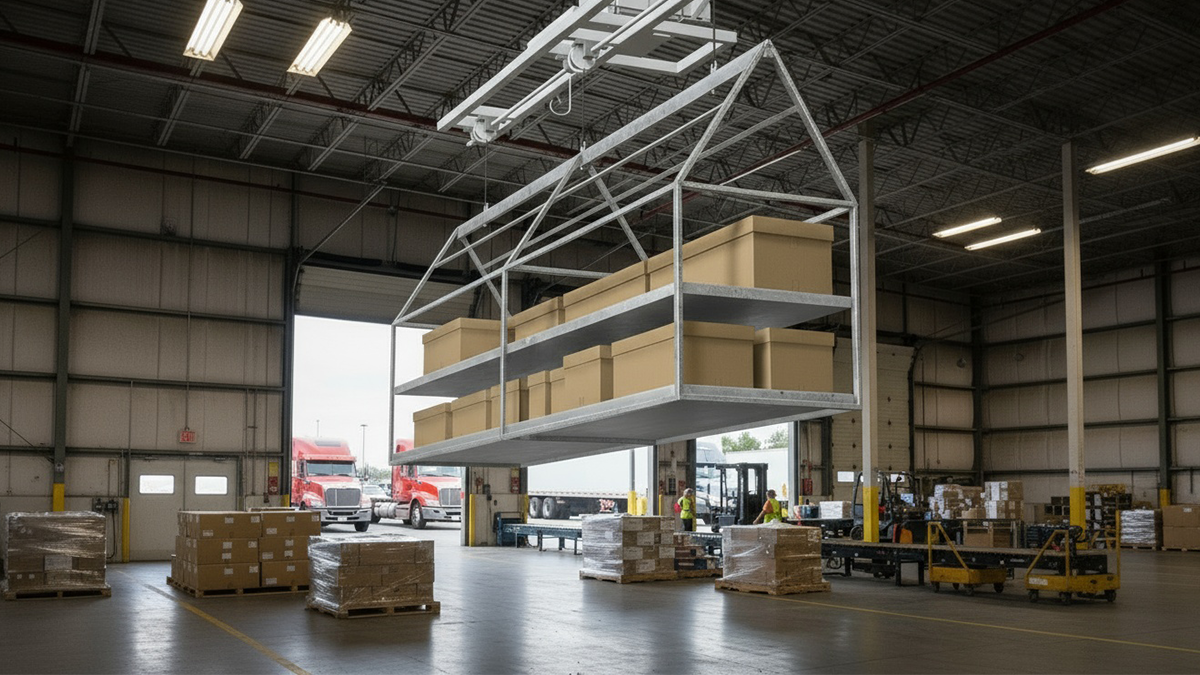
Maxima uses centralized procurement and lean inventory management to reduce waste and costs. “Well Done” benefits from optimized sourcing, demand forecasting, and efficient distribution, ensuring product freshness and availability across markets.
Maxima warehouse storage racks high ceiling
Made byBobr AI

Financial & International Dimension

Private labels like “Well Done” improve margins by reducing branding and marketing costs. EU free trade supports cross-border sourcing. Risk diversification across countries strengthens financial stability and long-term growth potential.
Corporate growth chart rising arrow financial success
Made byBobr AI

Conclusion & Project Outcome

The “Well Done” private label strengthens Maxima’s competitive position by addressing affordability, quality, and sustainability. The project demonstrates how innovation, supply chain efficiency, and change management support international retail success. The COIL collaboration adds global perspective and practical business insights.
Maxima LT store entrance sunny day happy customers
Made byBobr AI
Maxima Lithuania Group logo

Thank you so much for your attention

Made byBobr AI
Bobr AI

DESIGNER-MADE
PRESENTATION,
GENERATED FROM
YOUR PROMPT

Create your own professional slide deck with real images, data charts, and unique design in under a minute.

Generate For Free

Maxima Lithuania: Private Label Innovation and Growth Strategy

An in-depth analysis of Maxima LT's 'Well Done' private label. Explore business models, supply chain innovation, CSR, and competitive strategy in retail.

COIL Semester Final Project: Private Label Development “Well Done”

This COIL project focuses on the analysis and development of the “Well Done” private label owned by Maxima LT. The project evaluates how private labels contribute to competitiveness, sustainability, innovation, and customer value in the international retail industry. It integrates concepts of international business, innovation management, supply chain management, and change management.

Company Profile: Maxima LT

Maxima Group UAB is the largest retail company in the Baltic region, operating in Lithuania, Latvia, Estonia, Poland, and Bulgaria. The company manages more than 1,600 stores with different formats to serve various customer needs. Maxima has a strong logistics and procurement network, enabling efficient supply chain management and cost leadership. Its private labels play a key role in market differentiation and profitability.

Business Model & Operations

Maxima operates through a multi-format retail model supported by centralized procurement and decentralized store management. The company integrates sourcing, warehousing, distribution, and retail sales. Digital platforms support e-commerce and loyalty programs. This operational structure allows Maxima to scale private label products like “Well Done” efficiently across multiple international markets.

Vision, Mission & Strategic Goals

Vision: To make everyday shopping affordable, easy, and sustainable for families.

Mission: To provide high-quality products at competitive prices while supporting responsible sourcing and local suppliers.

Strategic Goals: Increase private label market share, improve sustainability performance, enhance customer loyalty, and maintain cost efficiency in a competitive retail environment.

Introduction to “Well Done” Private Label

“Well Done” is Maxima’s private label brand designed to offer everyday food products with a strong balance between price and quality. The brand was developed to respond to rising inflation, increased competition, and changing consumer expectations. By controlling production, pricing, and quality standards, Maxima strengthens its brand identity and reduces dependency on national brands.

Problem Statement & Project Justification

The retail market faces intense price competition, shrinking margins, and increasing customer expectations for quality and sustainability. Consumers demand affordable products without compromising safety or ethical standards. The project justifies the development of “Well Done” as a strategic solution to address these challenges, enhance competitiveness, and improve long-term profitability for Maxima.

Target Market & Customer Segments

Primary: Families and everyday shoppers aged 25–55 with low to middle income. These customers are price-sensitive but value quality and trust.

Secondary: Health-conscious and environmentally aware consumers who prefer transparent labeling, local sourcing, and sustainable packaging.

Corporate Social Responsibility (CSR)

Maxima integrates CSR into the “Well Done” brand through sustainable sourcing, recyclable packaging, and food waste reduction initiatives. The company donates unsold food to charities and invests in renewable energy for stores and warehouses. CSR strengthens brand trust and aligns the private label with EU sustainability goals.

PEST Analysis: External Environment

Political: EU food safety, labeling, and environmental regulations affect private label development.

Economic: Inflation increases demand for affordable private labels.

Social: Consumers prefer healthy, local, and eco-friendly products.

Technological: Digital supply chains, automation, and e-commerce enable efficiency.

Innovation Strategy at Maxima

Innovation is a core driver of Maxima’s competitiveness. The company focuses on process innovation in logistics, product innovation in private labels, and digital innovation in customer engagement. “Well Done” acts as a platform for testing new products, packaging solutions, and sustainability initiatives.

Business, Marketing & Product Innovation

Business Innovation: AI-based demand forecasting and lean supply chains.

Marketing Innovation: Digital promotions, influencer collaborations, and QR-based transparency.

Product Innovation: Vegan, organic, ready-to-cook meals, and locally sourced items under the “Well Done” brand.

Team Innovative Ideas (COIL Contribution)

The COIL team proposed innovative ideas such as green delivery vehicles, refill stations, smart shelves, AR-based cooking applications, and loyalty rewards for sustainable shopping. These ideas support sustainability, customer engagement, and digital transformation within the “Well Done” private label.

Change Management: Kotter’s Model

Kotter’s 8-Step Change Model was used to evaluate the implementation of “Well Done.” Maxima demonstrates strong urgency due to competition, clear vision, and leadership commitment. However, employee empowerment and long-term change reinforcement require continuous improvement to sustain innovation.

Competitor Analysis

Maxima competes with Lidl, Rimi, Iki, and Norfa. Lidl focuses on aggressive pricing and private labels, while Rimi emphasizes quality and lifestyle branding. Iki and Norfa rely on local loyalty. “Well Done” competes by balancing affordability, quality, and sustainability.

SWOT Analysis

Strengths: Market leadership, logistics efficiency, customer trust.

Weaknesses: New private label brand recognition.

Opportunities: Growth in private label demand and sustainability trends.

Threats: Price wars, economic instability, and strong competitors.

Business Model Canvas

The value proposition of “Well Done” is affordable quality. Key resources include logistics infrastructure and supplier partnerships. Channels include physical stores and e-commerce. Customer relationships are strengthened through loyalty programs, while revenue is generated through private label sales.

Project Management Approach

The project follows a structured 12-month plan including research, product development, pilot testing, and full rollout. Clear objectives, stakeholder coordination, and performance indicators ensure effective implementation and risk management.

Supply Chain & Lean Management

Maxima uses centralized procurement and lean inventory management to reduce waste and costs. “Well Done” benefits from optimized sourcing, demand forecasting, and efficient distribution, ensuring product freshness and availability across markets.

Financial & International Dimension

Private labels like “Well Done” improve margins by reducing branding and marketing costs. EU free trade supports cross-border sourcing. Risk diversification across countries strengthens financial stability and long-term growth potential.

Conclusion & Project Outcome

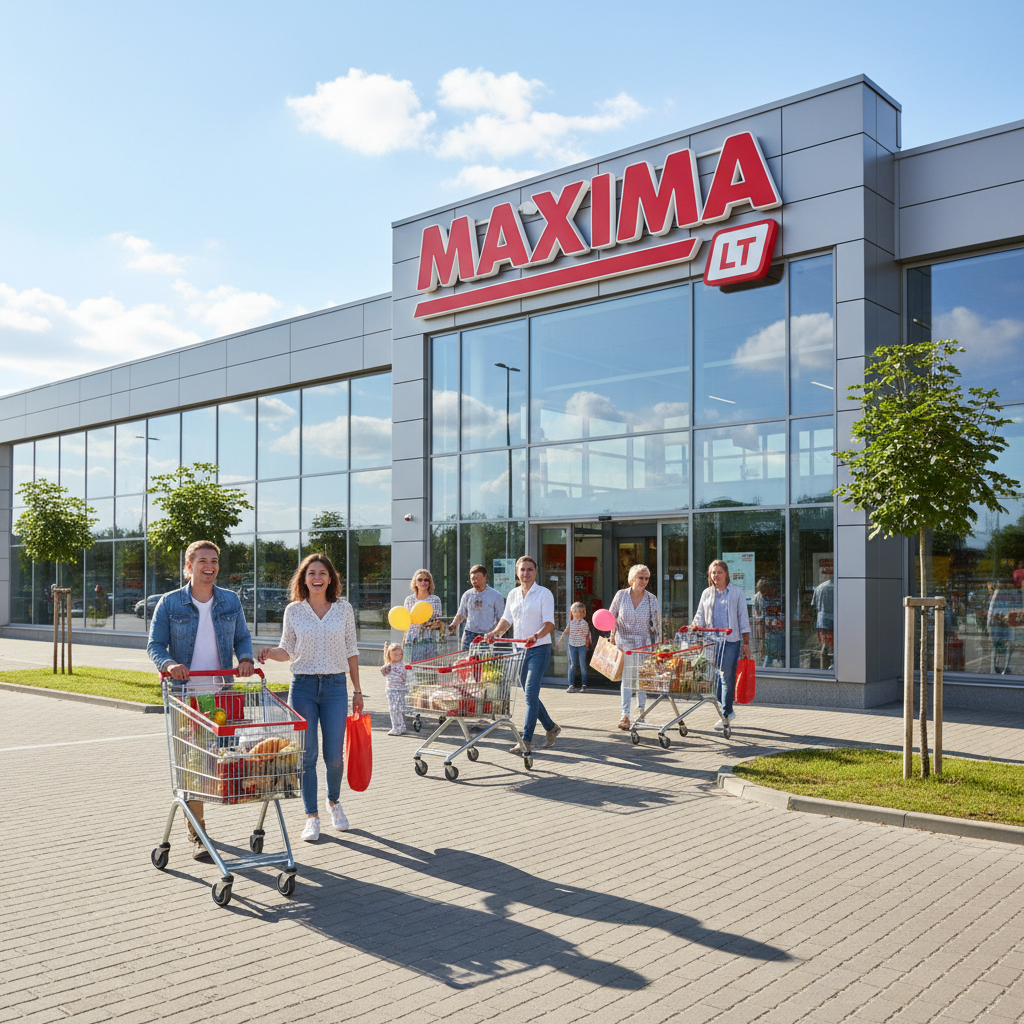
The “Well Done” private label strengthens Maxima’s competitive position by addressing affordability, quality, and sustainability. The project demonstrates how innovation, supply chain efficiency, and change management support international retail success. The COIL collaboration adds global perspective and practical business insights.

Thank you so much for your attention

  • private-label
  • retail-strategy
  • supply-chain-management
  • business-innovation
  • maxima-lt
  • baltic-retail
  • market-analysis