
Made byBobr AI

Introduction to Graph Neural Networks for Drug Discovery

Learn how Graph Neural Networks (GNNs) process molecular data for drug discovery, including message passing, permutation invariance, and GCN architectures.

#gnn#graph-neural-networks#drug-discovery#molecules#machine-learning#ai#data-science
Watch
Pitch

Graph Neural Networks: Learning Beyond the Grid

An intuition-first introduction into processing relational data, with a focus on Molecular Chemistry.

Made byBobr AI

The Limitation of Traditional Deep Learning

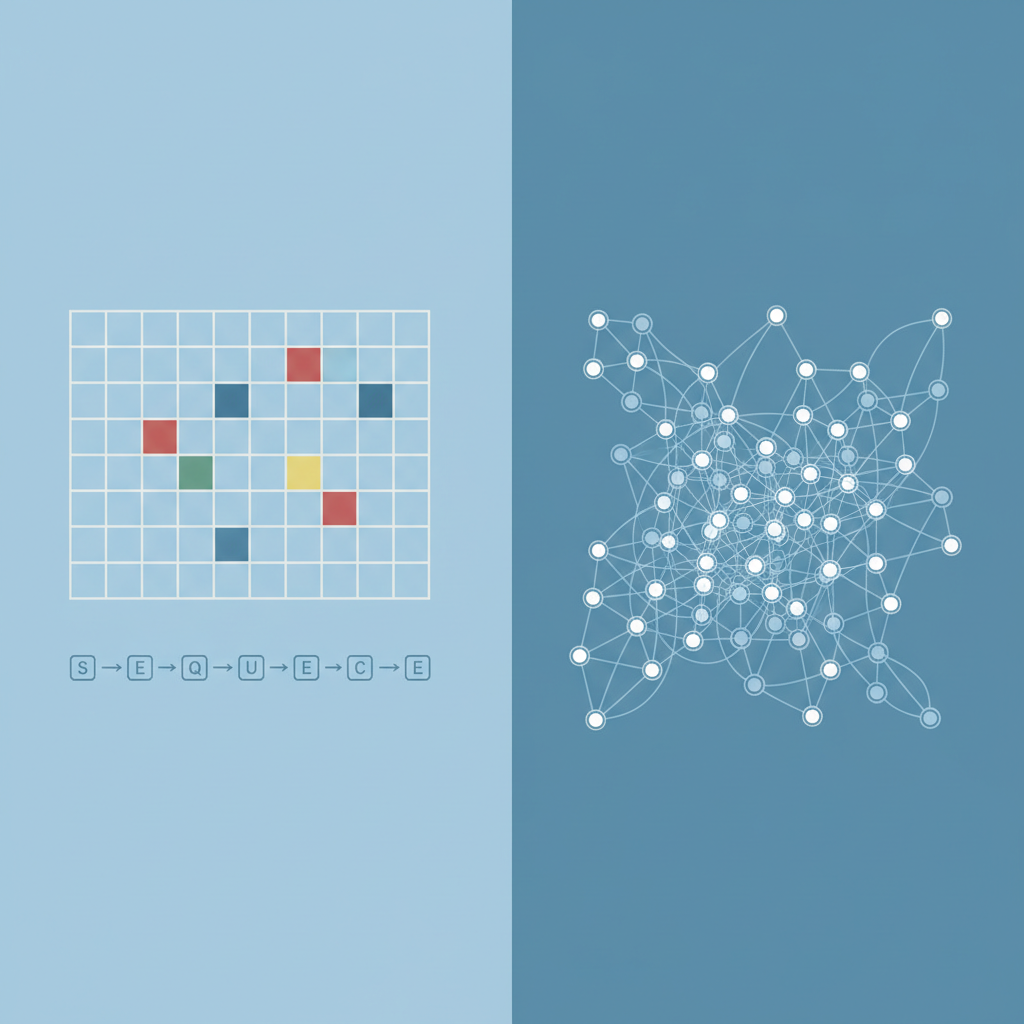
Standard Neural Networks (CNNs, RNNs) expect data with a fixed structure, like grids (images) or sequences (text). They struggle when data has arbitrary size and complex topological connections.

Made byBobr AI

The Real World is Relational: Molecular Example

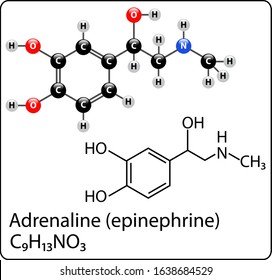
  • Running Case Study: Drug Discovery. Molecules are natural graphs.
  • Nodes = Atoms (Carbon, Oxygen, Nitrogen).
  • Edges = Chemical Bonds (Single, Double).
Made byBobr AI

Problem: Permutation Invariance

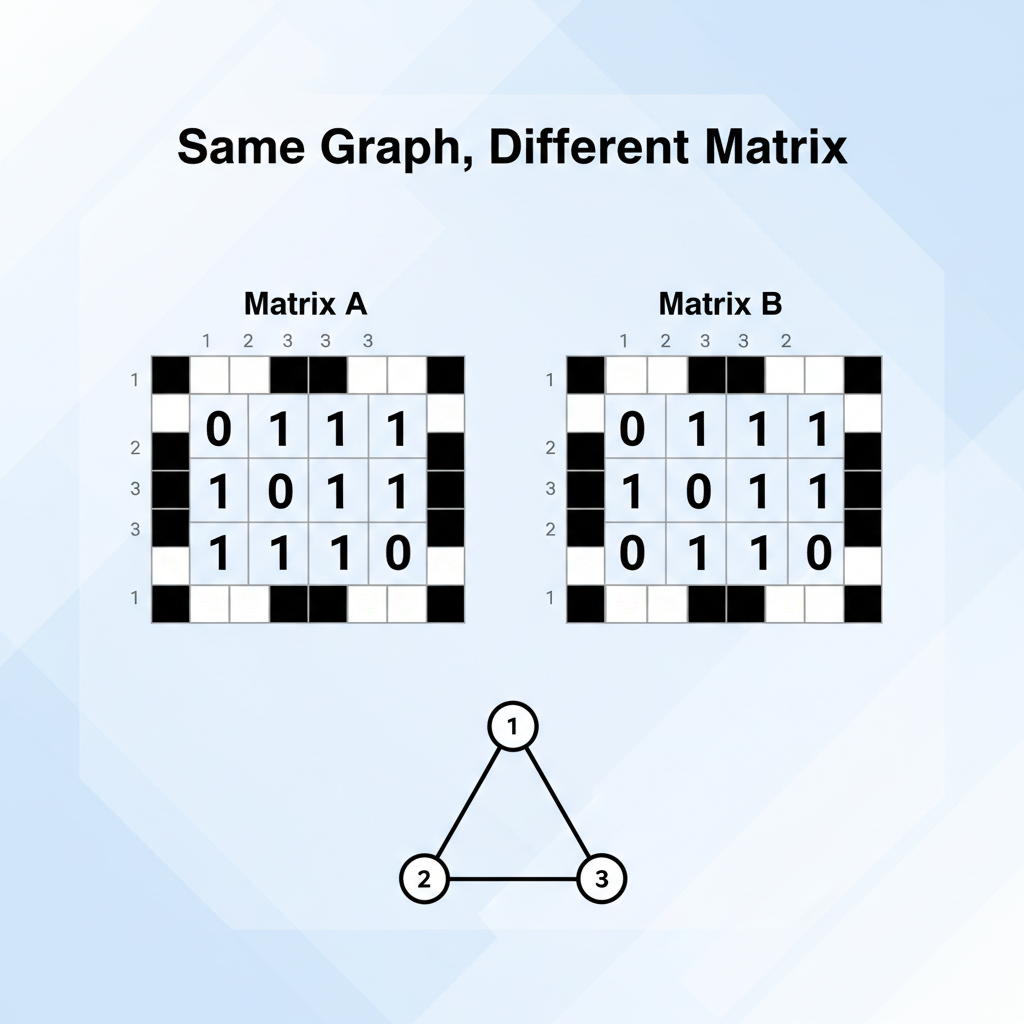
Using a standard matrix (like an image) fails because graph nodes have no fixed order. If you label atoms differently (Atom 1 vs Atom 2), the matrix changes, but the molecule remains identical. A robust model must be 'permutation invariant'.

Made byBobr AI

The GNN Solution: Neural Message Passing

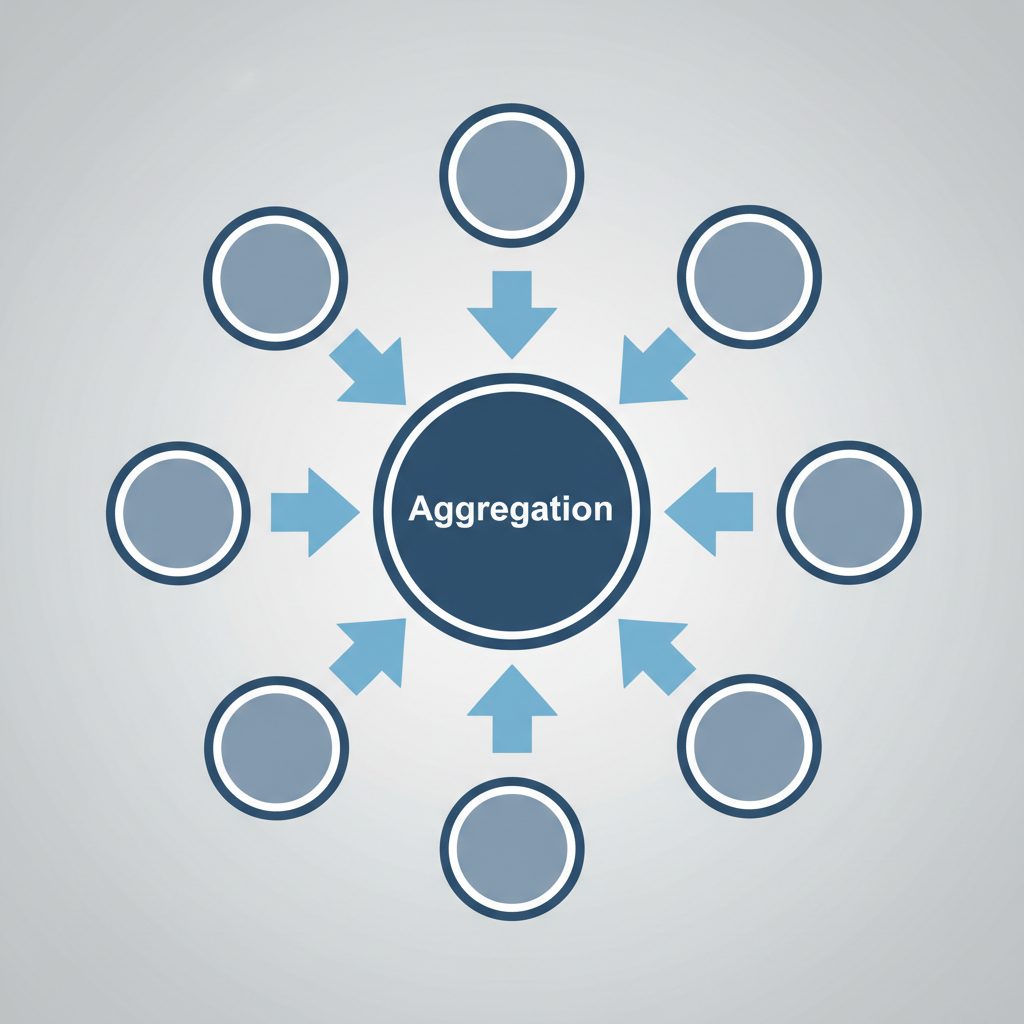
Instead of processing the whole graph at once, we update each node based on its neighbors. This is local, scalable, and order-independent.

1. MESSAGE: Neighbors send their feature information.

2. AGGREGATE: The node sums or averages these messages.

3. UPDATE: The node updates its own state using a Neural Network.

Made byBobr AI

Under the Hood: The Aggregation Function

The state of node 'n' at time 't+1' depends on its previous state and the states of neighbors (ne[n]).

AGG: Sum, Mean, or Max pooling (permutation invariant).

W: Learnable weight matrix (shared across all nodes).

Scarselli et al. originally described this as an information diffusion mechanism to reach a stable state.

Made byBobr AI

From Local Nodes to Global Prediction

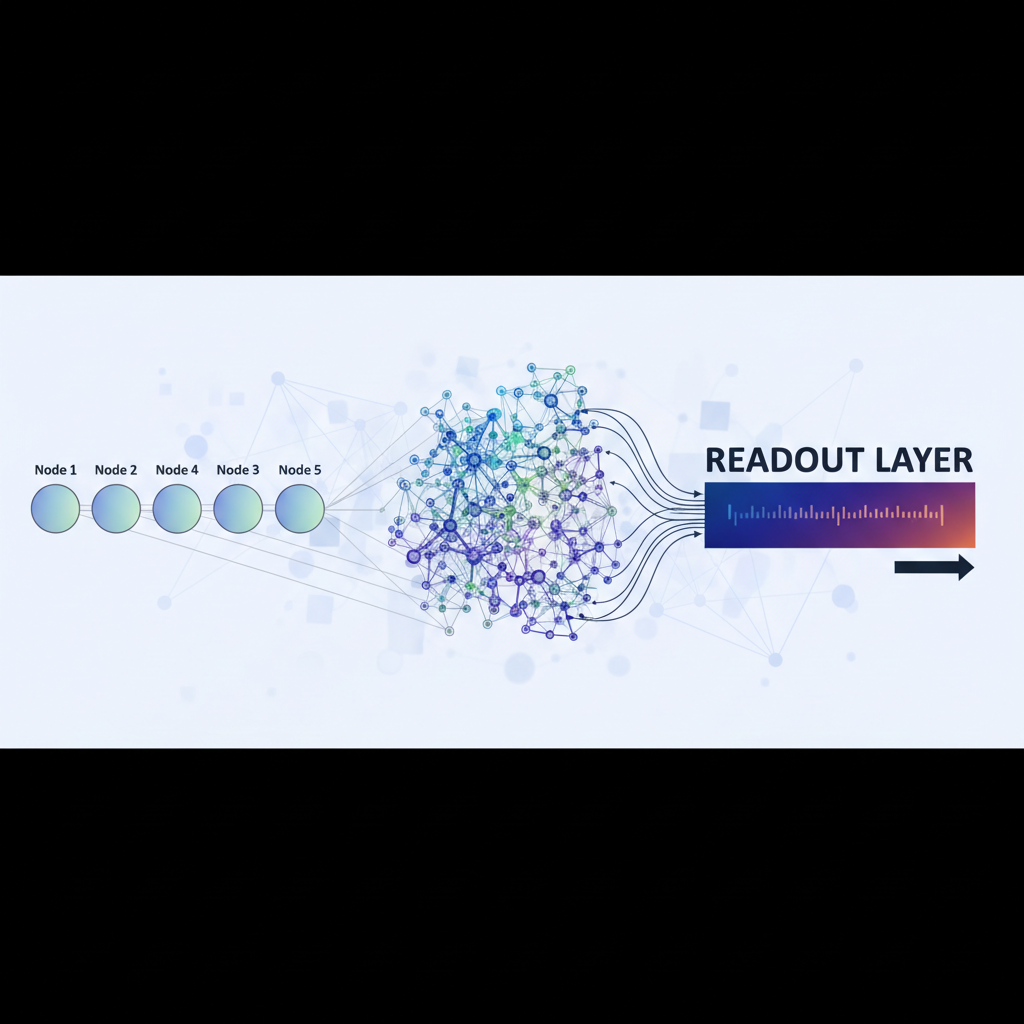
Once message passing is done, every atom (node) has a vector representing its local chemical environment.

To classify the whole molecule (e.g., 'Is it Mutagenic?'), we use a READOUT function (sum or average of all node vectors) to get a single graph embedding.

Made byBobr AI

Evolving Architectures

GCN (Graph Convolutional Network)

Uses a normalized weighted sum of neighbors. Simple and effective baseline.

GraphSAGE

Inductive learning. Samples a fixed number of neighbors (instead of all). Crucial for massive graphs (social networks) where nodes have thousands of connections.

GAT (Graph Attention Network)

Learns to weigh neighbors differently. A 'double bond' might be more important than a 'single bond'.

Made byBobr AI
Chart

GNN Performance on Mutagenesis

Non-linear GNNs outperform other methods on graph-structured data sets (Mutagenesis). They successfully utilize the topological connections (bonds) that linear methods and standard feature-vector NNs struggle to capture fully.

Made byBobr AI

Impact & Conclusion

GNNs have moved from theoretical curiosity to the backbone of modern AI in science.

Drug Discovery: predicting properties of molecules before synthesizing them.

Social Networks: Recommender systems (Pinterest/UberEats) use GraphSAGE.

Maps & Traffic: Predicting arrival times in Google Maps (ETA).

Made byBobr AI
Bobr AI

DESIGNER-MADE
PRESENTATION,
GENERATED FROM
YOUR PROMPT

Create your own professional slide deck with real images, data charts, and unique design in under a minute.

Generate For Free

Introduction to Graph Neural Networks for Drug Discovery

Learn how Graph Neural Networks (GNNs) process molecular data for drug discovery, including message passing, permutation invariance, and GCN architectures.

Graph Neural Networks: Learning Beyond the Grid

An intuition-first introduction into processing relational data, with a focus on Molecular Chemistry.

The Limitation of Traditional Deep Learning

Standard Neural Networks (CNNs, RNNs) expect data with a fixed structure, like grids (images) or sequences (text). They struggle when data has arbitrary size and complex topological connections.

The Real World is Relational: Molecular Example

Running Case Study: Drug Discovery. Molecules are natural graphs.

Nodes = Atoms (Carbon, Oxygen, Nitrogen).

Edges = Chemical Bonds (Single, Double).

Problem: Permutation Invariance

Using a standard matrix (like an image) fails because graph nodes have no fixed order. If you label atoms differently (Atom 1 vs Atom 2), the matrix changes, but the molecule remains identical. A robust model must be 'permutation invariant'.

The GNN Solution: Neural Message Passing

Instead of processing the whole graph at once, we update each node based on its neighbors. This is local, scalable, and order-independent.

1. MESSAGE: Neighbors send their feature information.

2. AGGREGATE: The node sums or averages these messages.

3. UPDATE: The node updates its own state using a Neural Network.

Under the Hood: The Aggregation Function

The state of node 'n' at time 't+1' depends on its previous state and the states of neighbors (ne[n]).

AGG: Sum, Mean, or Max pooling (permutation invariant).

W: Learnable weight matrix (shared across all nodes).

Scarselli et al. originally described this as an information diffusion mechanism to reach a stable state.

From Local Nodes to Global Prediction

Once message passing is done, every atom (node) has a vector representing its local chemical environment.

To classify the whole molecule (e.g., 'Is it Mutagenic?'), we use a READOUT function (sum or average of all node vectors) to get a single graph embedding.

Evolving Architectures

GCN (Graph Convolutional Network)

Uses a normalized weighted sum of neighbors. Simple and effective baseline.

GraphSAGE

Inductive learning. Samples a fixed number of neighbors (instead of all). Crucial for massive graphs (social networks) where nodes have thousands of connections.

GAT (Graph Attention Network)

Learns to weigh neighbors differently. A 'double bond' might be more important than a 'single bond'.

GNN Performance on Mutagenesis

Non-linear GNNs outperform other methods on graph-structured data sets (Mutagenesis). They successfully utilize the topological connections (bonds) that linear methods and standard feature-vector NNs struggle to capture fully.

Impact & Conclusion

GNNs have moved from theoretical curiosity to the backbone of modern AI in science.

Drug Discovery: predicting properties of molecules before synthesizing them.

Social Networks: Recommender systems (Pinterest/UberEats) use GraphSAGE.

Maps & Traffic: Predicting arrival times in Google Maps (ETA).

  • gnn
  • graph-neural-networks
  • drug-discovery
  • molecules
  • machine-learning
  • ai
  • data-science