
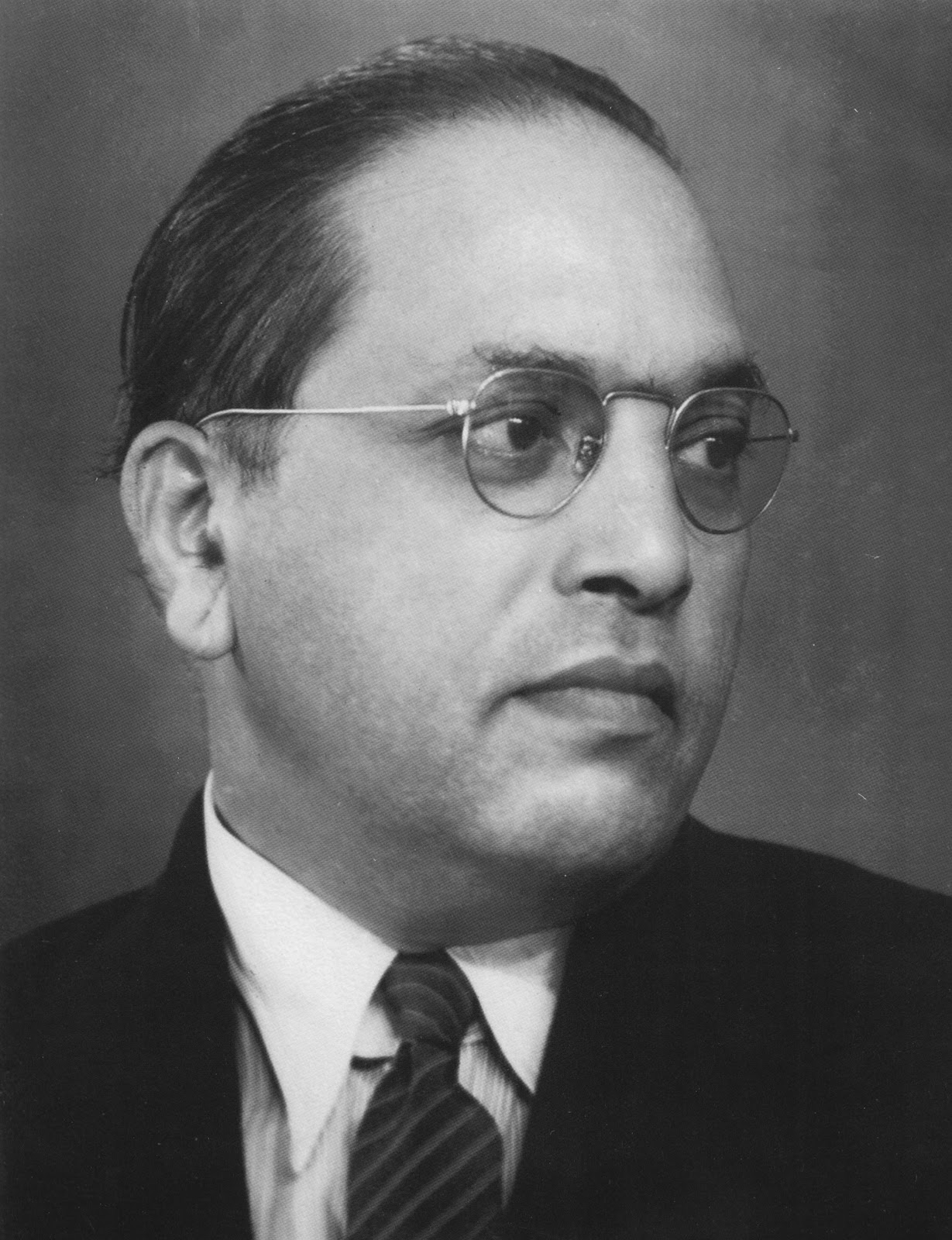



Dr. B. R. Ambedkar: Journalism for Social Justice & Equality
Explore the 36-year journalistic journey of Dr. B. R. Ambedkar through his five newspapers: Mooknayak, Bahishkrit Bharat, Samata, Janata, and Prabuddha Bharat.
Dr. B. R. Ambedkar
& His Newspapers
A Voice for the Voiceless — Spreading Awareness Through Print
ATX | Class: 8th D
The Great Reformer
Who Was Dr. B. R. Ambedkar?
Social Reformer who fought against caste discrimination
Brilliant Economist — studied at Columbia University & London School of Economics
Architect of the Indian Constitution (1950)
Champion of Dalit rights and oppressed communities
"I measure the progress of a community by the degree of progress which women have achieved."
— Dr. B. R. Ambedkar
THE POWER OF PRESS
Newspapers as a Tool for Change
Spreading Awareness
Reached millions of people with information about social discrimination and injustice
Giving Voice to the Voiceless
Provided a platform for Dalits and oppressed communities to speak up
Fighting Injustice
Challenged the existing caste system and demanded equal rights for all
Dr. Ambedkar believed the pen was mightier than the sword in the fight for equality.
FIRST NEWSPAPER · 1920
Mooknayak
मूकनायक — Leader of the Voiceless
Founded on January 31, 1920 — a historic milestone
Focused on problems faced by Dalits and untouchables
Raised awareness about caste-based social discrimination
Name means 'Leader of the Voiceless' — gave voice to the silenced
This was Dr. Ambedkar's first step in using journalism for social justice.
SECOND NEWSPAPER · 1927
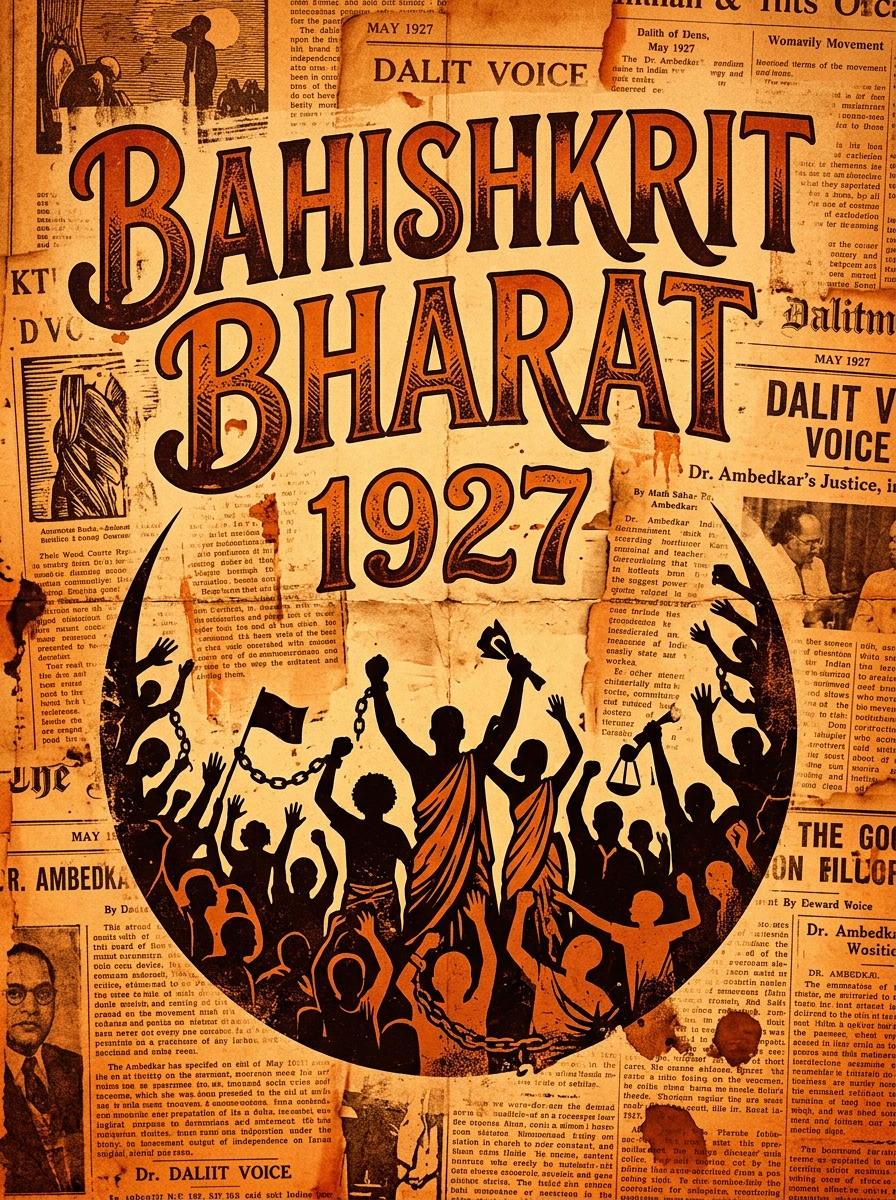
Bahishkrit Bharat
बहिष्कृत भारत — Ostracized India
Started in 1927 — seven years after Mooknayak
Highlighted the harsh reality of untouchability in India
Encouraged Dalits to fight for their rights boldly
Promoted the importance of education for liberation
Name means 'Excluded India' — spoke for the marginalized
A bold call to action — encouraging the oppressed to rise up.
THIRD NEWSPAPER · 1929
Samata
समता — Equality
Launched in 1929 — continued the mission of reform
Name means 'Equality' — the core message of Ambedkar's movement
Promoted equal rights for all sections of Indian society
Fought against discrimination based on caste and class
Advocated for social justice and fair treatment for everyone
"Equality is the soul of liberty — without it, liberty is dead."
SAMATA
1929
FOURTH NEWSPAPER · 1930
Janata
जनता — The People
Janata connected the struggle for equality with the wider national movement.
FIFTH & FINAL NEWSPAPER · 1956
Prabuddha Bharat
प्रबुद्ध भारत — Enlightened India
Started in 1956 — the same year Dr. Ambedkar embraced Buddhism
Name means 'Enlightened India' — inspired by Buddhist philosophy
Focused on spreading ideas of social reform and equality
Promoted the teachings of Lord Buddha as a path to liberation
His final journalistic effort before his passing in December 1956
A fitting farewell — spreading the light of knowledge and liberation.
PRABUDDHA BHARAT
1956
The Journey of Journalism — A Timeline
Five Newspapers · 36 Years of Struggle (1920–1956)
36 years of relentless journalism for social justice and equality
1920
Mooknayak
Leader of the Voiceless
1927
Bahishkrit Bharat
Ostracized India
1929
Samata
Equality
1930
Janata
The People
1956
Prabuddha Bharat
Enlightened India
CONCLUSION & LEGACY
A Lasting Legacy
Spreading Awareness
Five newspapers over 36 years brought critical social issues to public attention across India
Promoting Equality
Each publication championed the rights of Dalits and oppressed communities with courage
Inspiring Change
His journalism inspired millions to rise up, demand justice, and transform Indian society
"Through his pen, Dr. Ambedkar gave millions the courage to dream of a just and equal India."
Dr. Bhimrao Ramji Ambedkar · 1891–1956 · Social Reformer · Economist · Father of the Indian Constitution
- dr-b-r-ambedkar
- indian-history
- social-reform
- journalism
- dalit-rights
- indian-constitution
- mooknayak