




Made byBobr AI

Nature's Blueprint for Human Civilization: Mirrored Worlds

Explore how social structures, communication networks, and sustainability in nature mirror human civilization and urban planning.

#biomimicry#urban-planning#sustainability#behavioral-science#social-structure#ecosystems#nature-patterns
Watch
Pitch
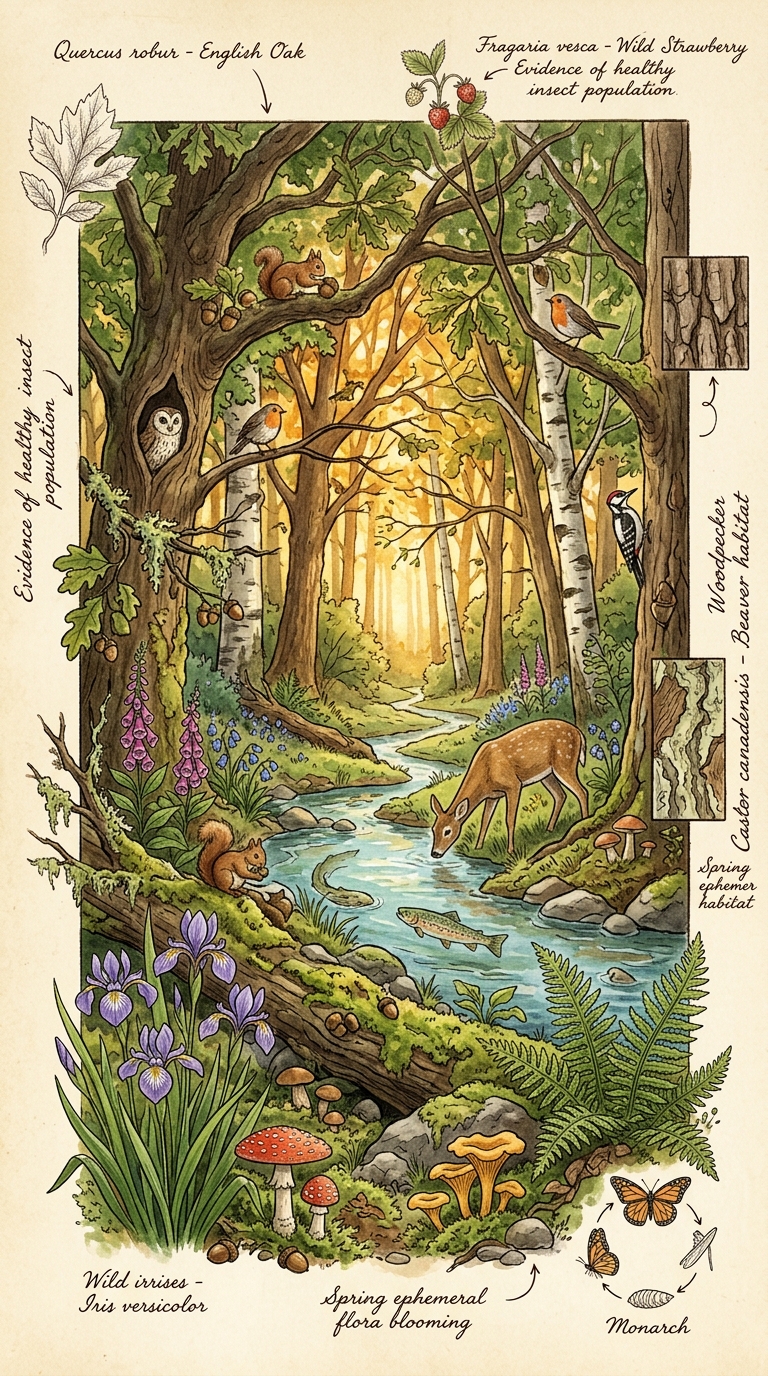
Lush painterly forest scene

Human Society and Parallels with Nature

Exploring the Mirrored Patterns of the Natural World and Human Civilization

Academic Presentation · 2026

Made byBobr AI
Vintage botanical ferns
Table of Contents

What We'll Explore

01.
Introduction — What Are Nature-Society Parallels?
02.
Social Structures & Animal Colonies
03.
Division of Labor & Ecosystem Roles
04.
Communication & Natural Networks
05.
Conflict, Competition & Survival
06.
Sustainability & Cycles of Renewal
Made byBobr AI

What Are Nature-Society Parallels?

For centuries, philosophers and scientists have observed striking similarities between human civilization and the natural world. From the way ant colonies organize labor to how forests communicate, nature has already solved many challenges humanity faces.

Same Patterns,
Different Scales

Emergent
Complexity

Cyclical
Systems

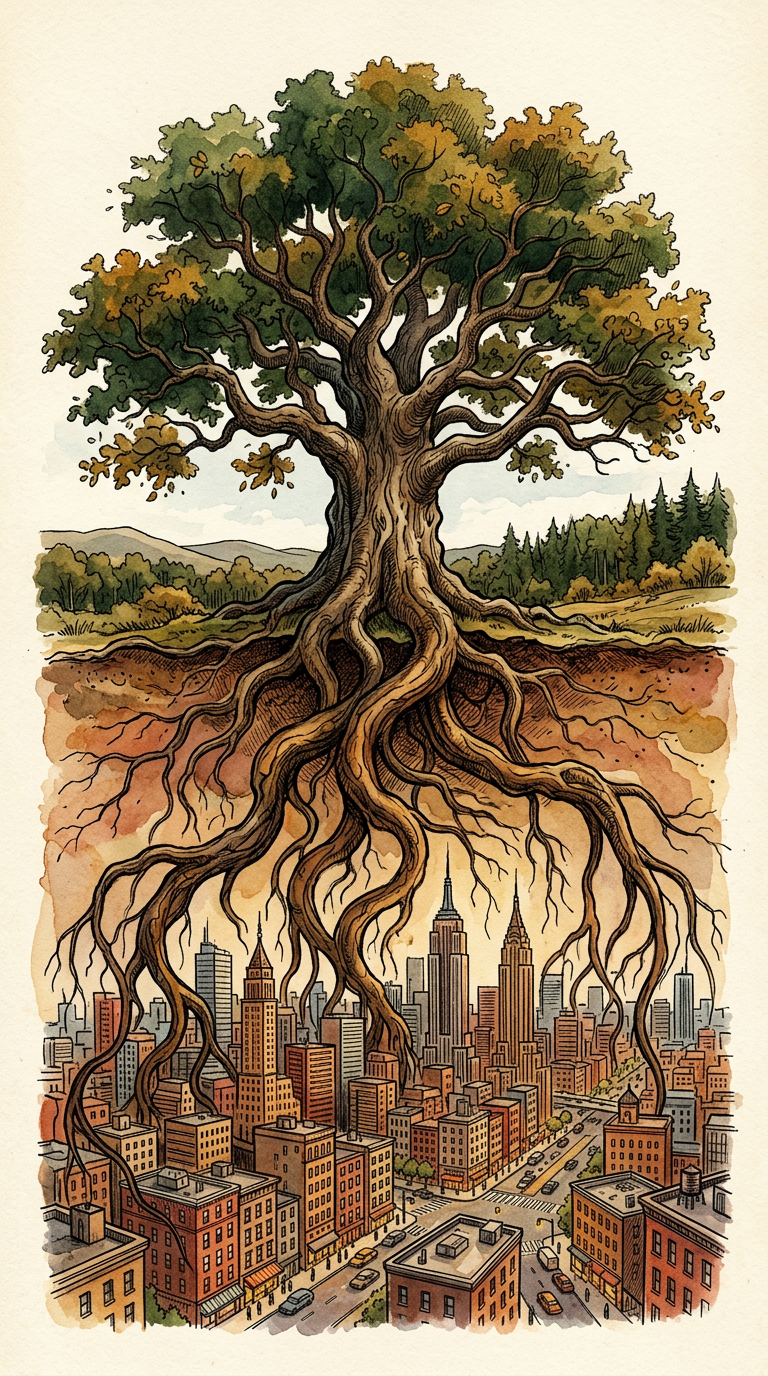
Painterly roots transforming into city
Made byBobr AI
01

Social Structures & Animal Colonies

How do bee hives, ant colonies, and wolf packs mirror human societies?

Section One · Social Patterns

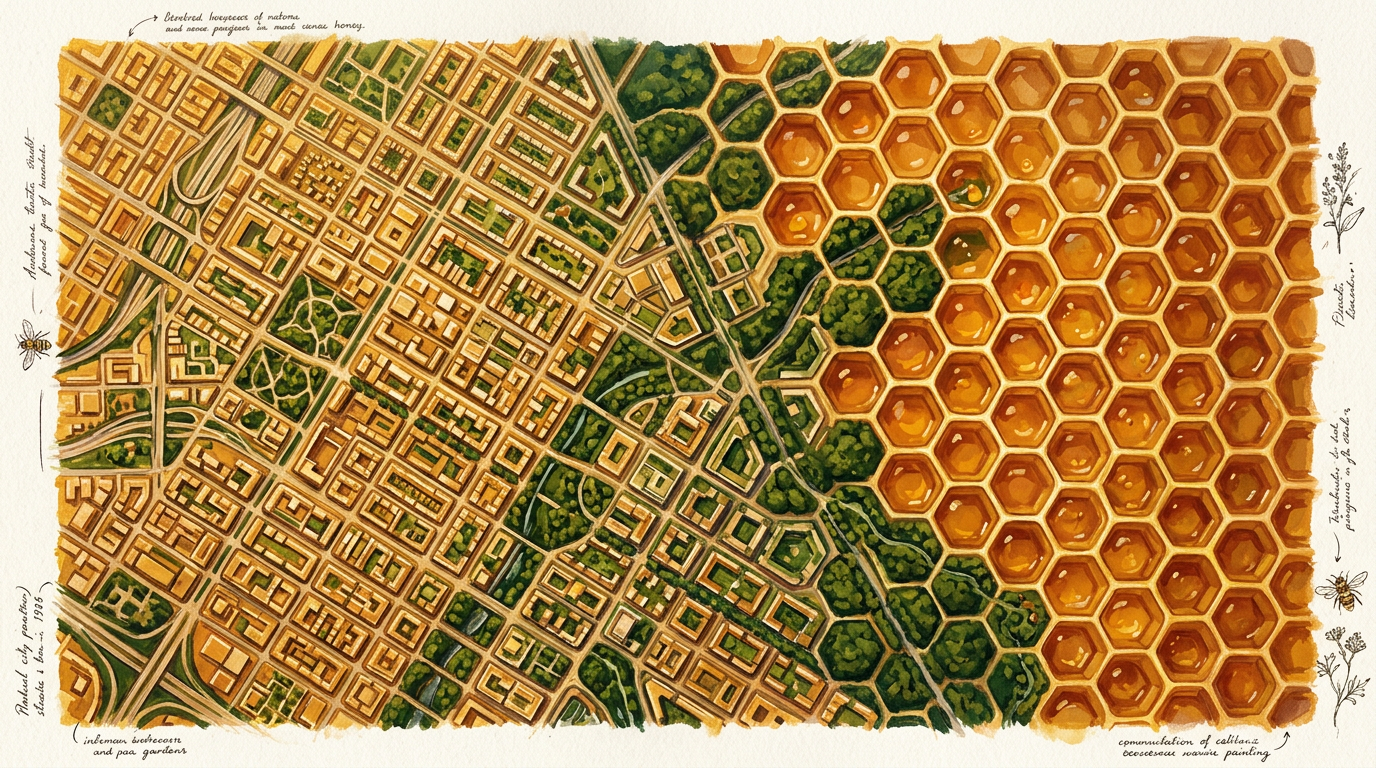
City Grid to Honeycomb
Made byBobr AI

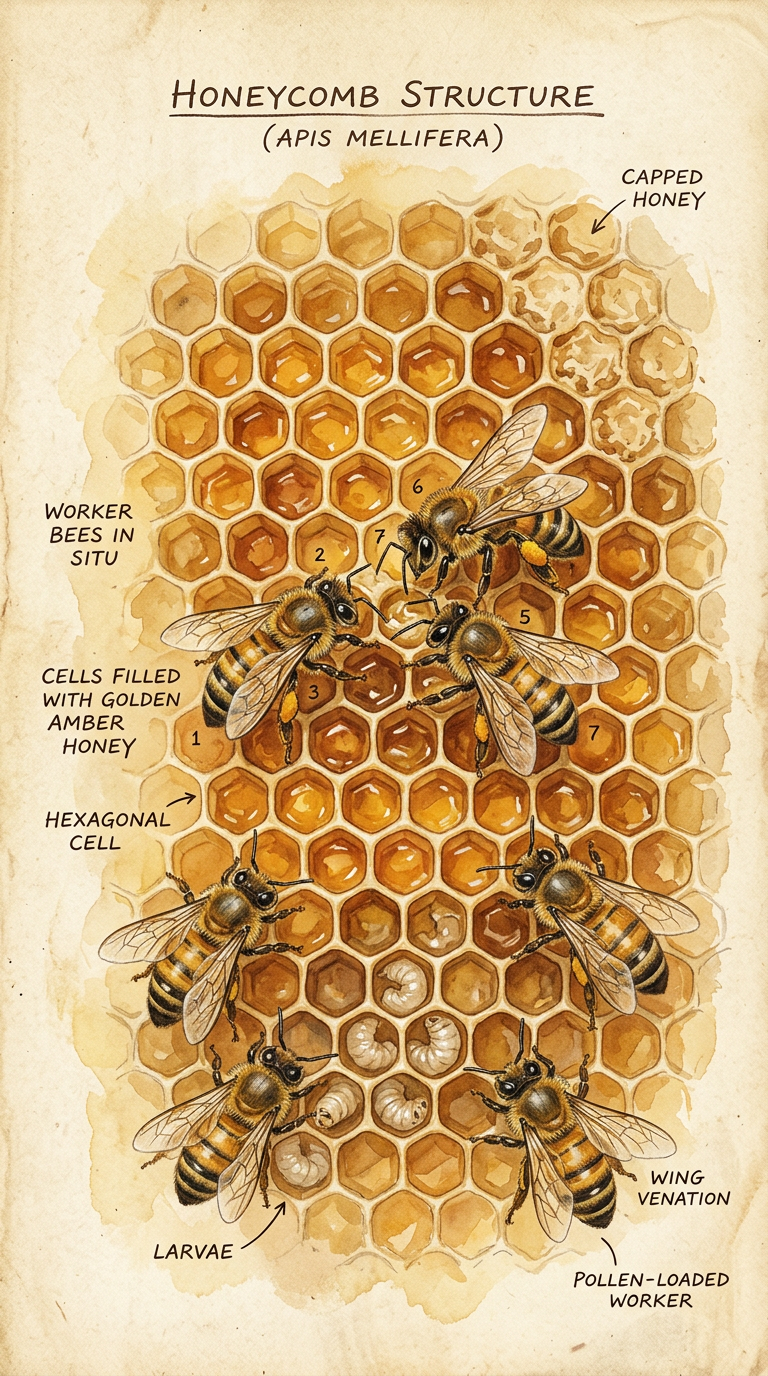
Hive Society

The Bee Colony Model

A bee colony is a masterclass in social organization. With a single queen, specialized worker classes, and collective decision-making, bee societies mirror many features of human civilization.

Queen = Head of State / Executive
Worker bees = Specialized labor force
Drones = Seasonal roles / reproduction
Collective swarming = Democratic decision-making

Bees & Human Civilization

Painterly bee illustration
Made byBobr AI

Ant Colonies & Urban Planning

Ant colonies build complex underground cities with ventilation systems, waste management zones, food storage, and nurseries — thousands of years before humans invented urban planning.

Tunnel networks = Road & transit systems
Fungus gardens = Agriculture & food production
Waste chambers = Sanitation infrastructure
Soldier caste = Military & defense
Ant Colony Visualization
Made byBobr AI
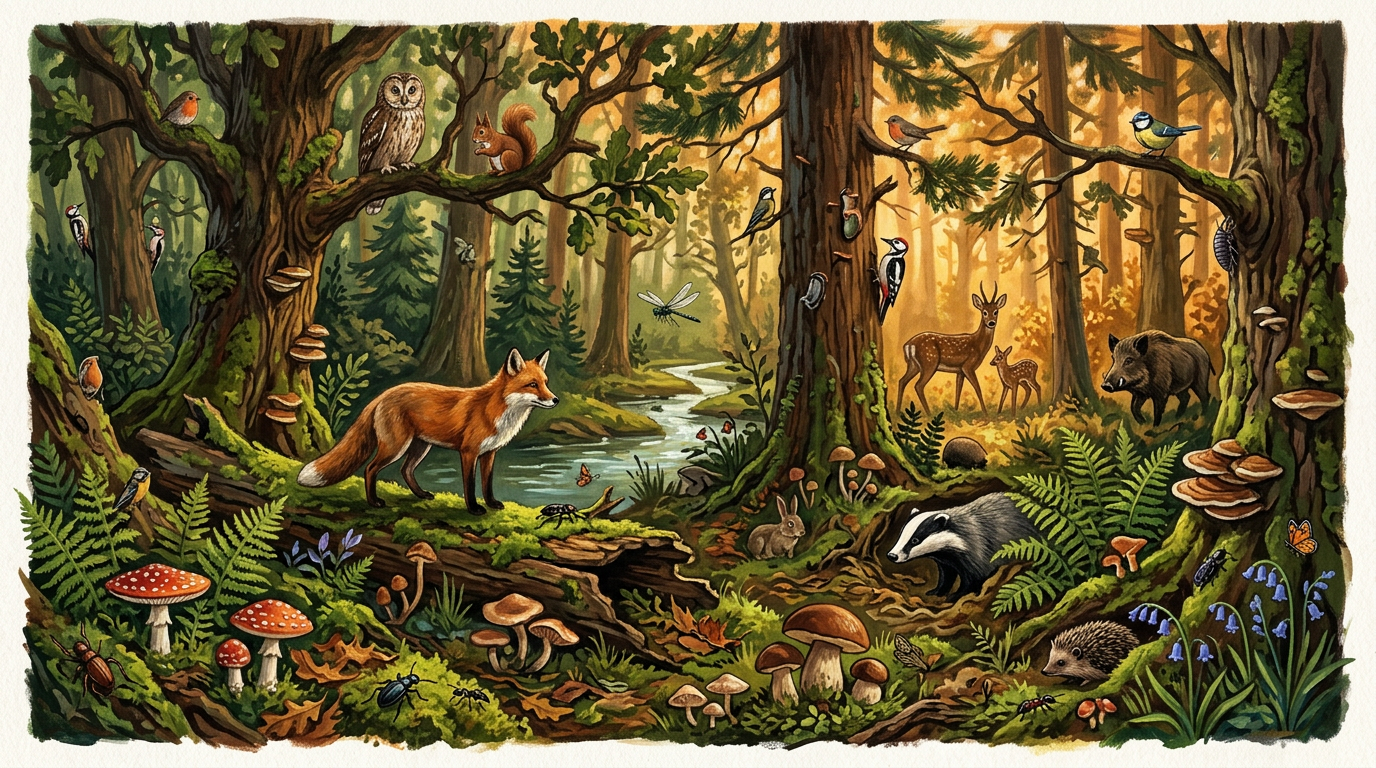
Lush painterly forest scene
02

Division of Labor & Ecosystem Roles

Every organism has a role — just as every person plays a part in society.

Made byBobr AI

Every Niche Has Its Role

Ecological Niches vs. Human Professions

🌿

Producers (Plants)

Farmers, Manufacturers

🦁

Predators (Lions, Wolves)

Military, Law Enforcement

🍄

Decomposers (Fungi, Bacteria)

Waste managers, Recyclers

🐦

Pollinators (Bees, Butterflies)

Traders, Messengers

🐚

Scavengers (Vultures, Crabs)

Salvagers, Antique dealers

🌊

Keystone Species

Political Leaders, Innovators

Made byBobr AI
Wood Wide Web
03
Section 03

Communication & Natural Networks

Long before the internet, nature built its own world wide web.

Made byBobr AI
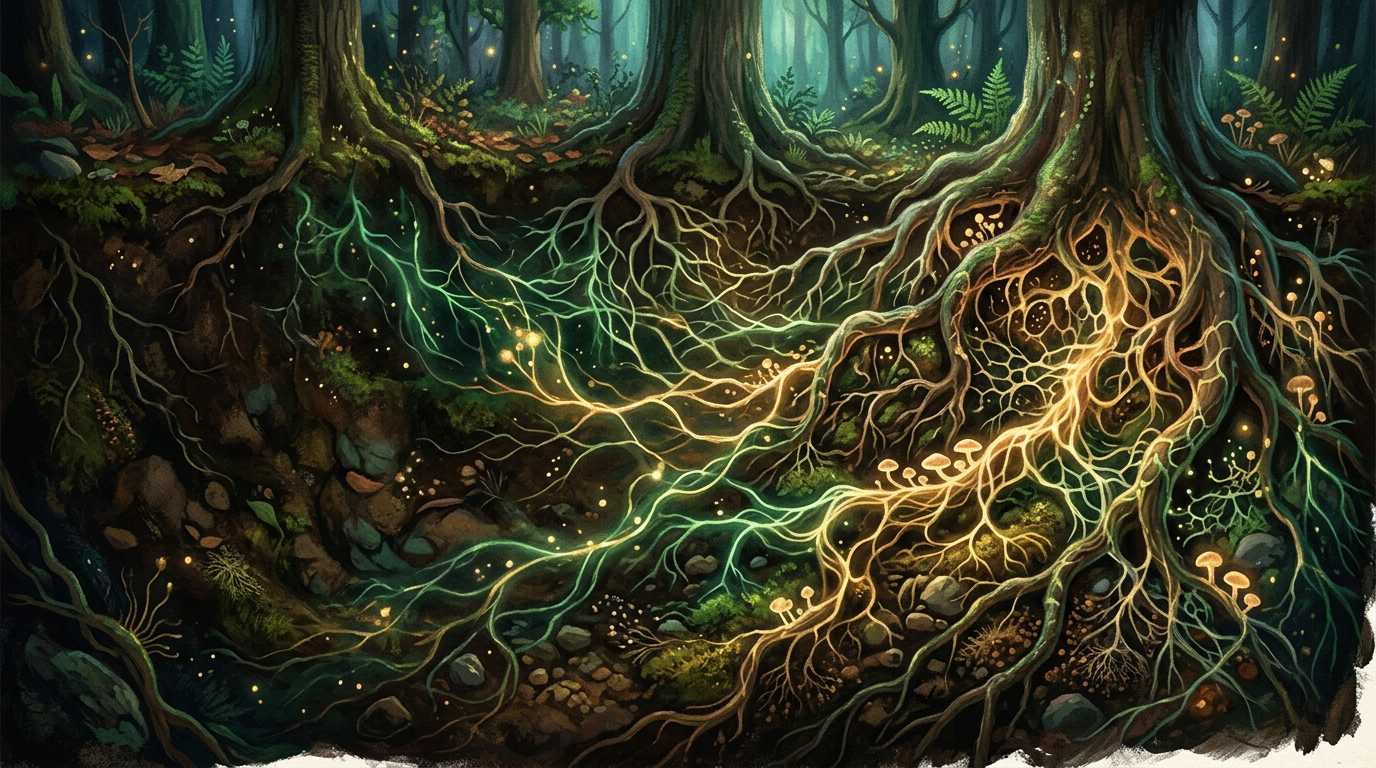
Lush painterly forest scene

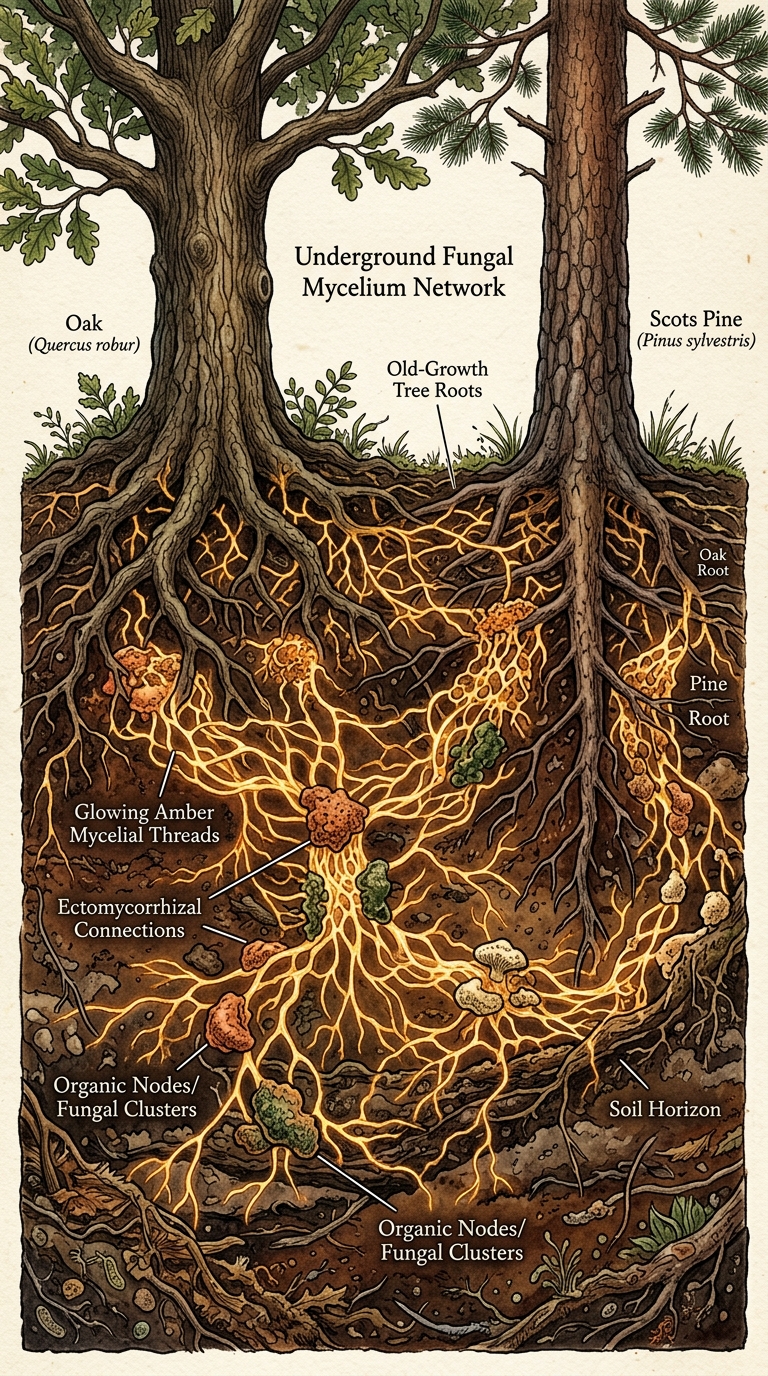
Nature's Internet: Mycorrhizal Networks

Forests share nutrients, warn neighbors of pests, and support weak trees through underground fungal networks — a biological internet predating human technology by millions of years.

Fungal threads
Fiber optic cables
Tree root nodes
Servers & routers
Chemical signals
Data packets
Nutrient sharing
Resource distribution protocols
Warning signals (pests)
Cybersecurity alerts
Old-growth trees as hubs
Major internet exchanges

Biology & Technology · Network Architecture

Made byBobr AI

Animal Communication vs. Human Language

Signals, Songs & Symbols

Nature

Nature

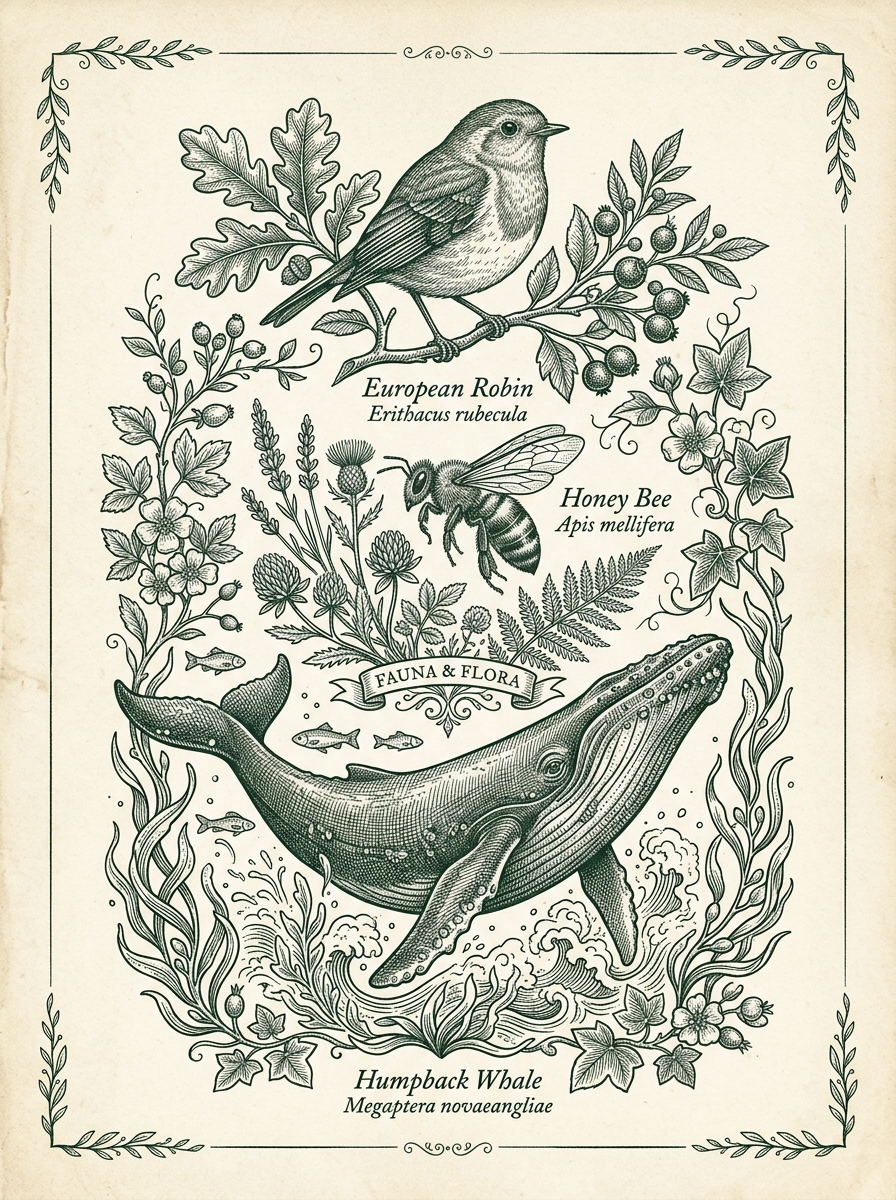
  • Whale songs spanning entire oceans
  • Bee waggle dance communicating distance & direction
  • Pheromone trails of ants
  • Bird alarm calls with grammar-like structure
Botanical bridge
Human Society

Human Society

  • Languages & local dialects
  • Body language & non-verbal gesture
  • Written symbols & alphabets
  • Digital communication & emoji

Language is not uniquely human — it is life's way of organizing itself.

Made byBobr AI
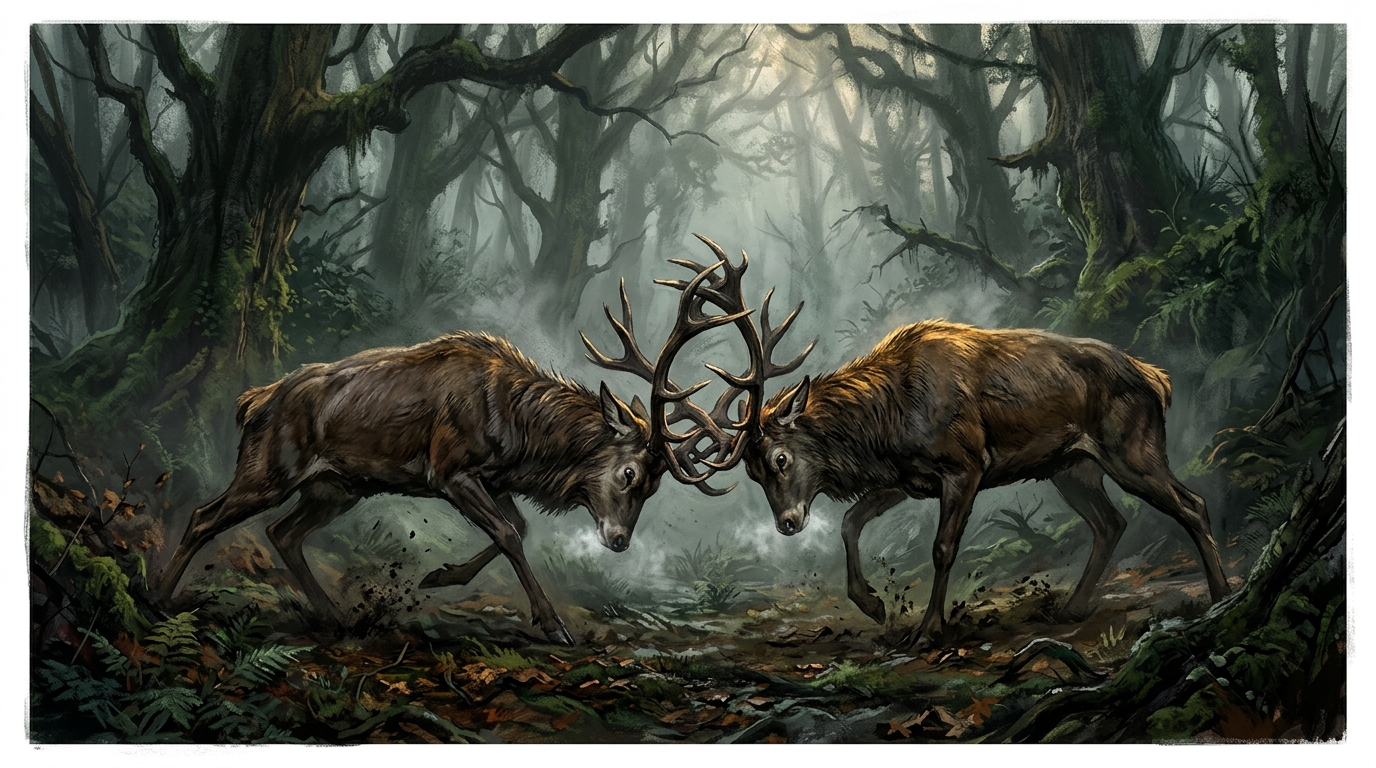
Stags locking antlers

04

Conflict, Competition & Survival

War, rivalry, and dominance — nature wrote the playbook long before humans.

Made byBobr AI
Territorial Behavior Image

Territories in Nature & Nations on Maps

Animals mark and defend territory    Nations have borders & sovereignty

Alpha hierarchies in wolf packs    Political leadership structures

Resource-rich territories attract competition    Oil fields, trade routes spark conflict

Alliance formation among primates    Military alliances (NATO, etc.)

Appeasement behaviors    Diplomatic negotiations

"Geopolitics may be dressed in suits, but its roots grow deep in the animal kingdom."

Made byBobr AI

The Paradox: Rivals and Allies

Competition, Cooperation & the Balance of Power

Competition

Fig. I

Competition in Nature

Predator-prey dynamics, resource competition, natural selection.

Cooperation

Fig. II

Cooperation in Nature

Mutualism, symbiosis, pack hunting.

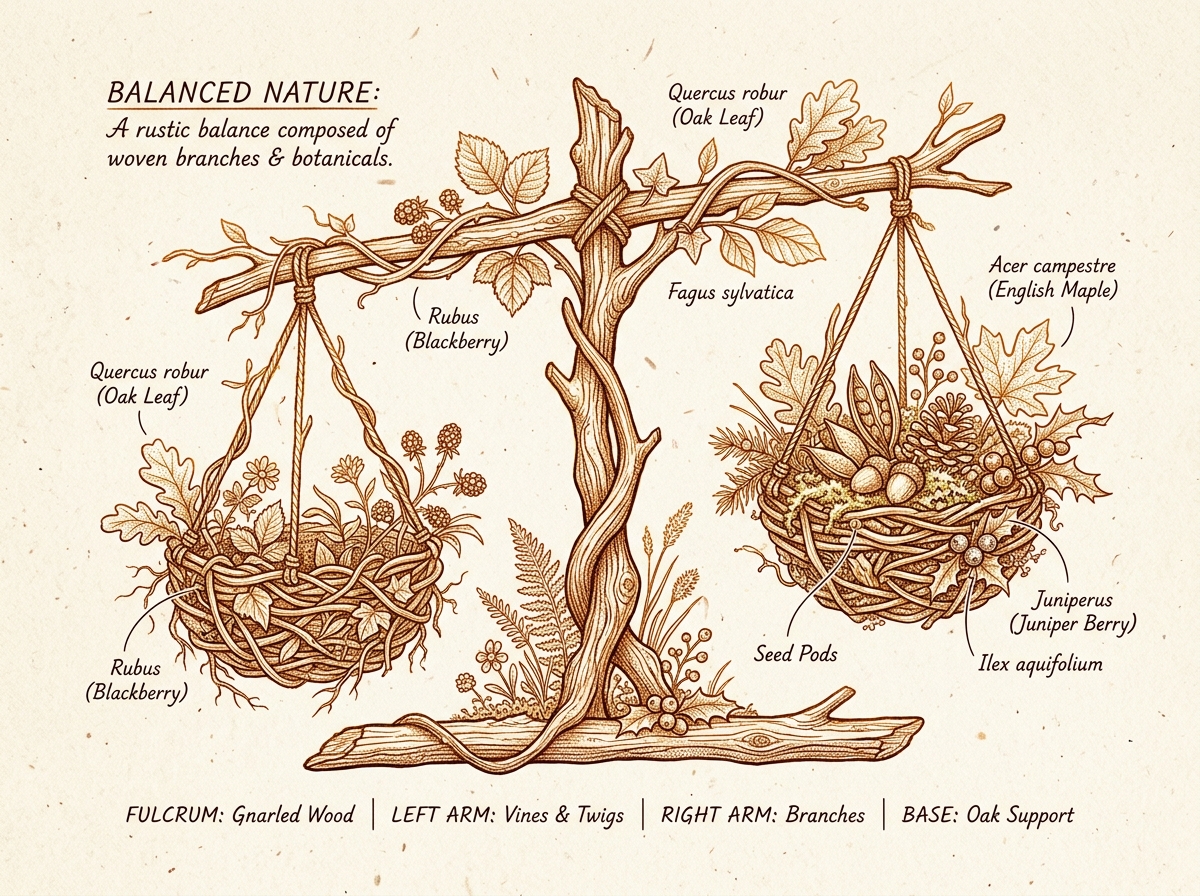
The Balance

Fig. III

The Balance

Ecosystems collapse without both. Human societies need competition AND cooperation.

Nature teaches us that unchecked competition leads to extinction, while pure cooperation breeds stagnation. The balance is everything.

Made byBobr AI
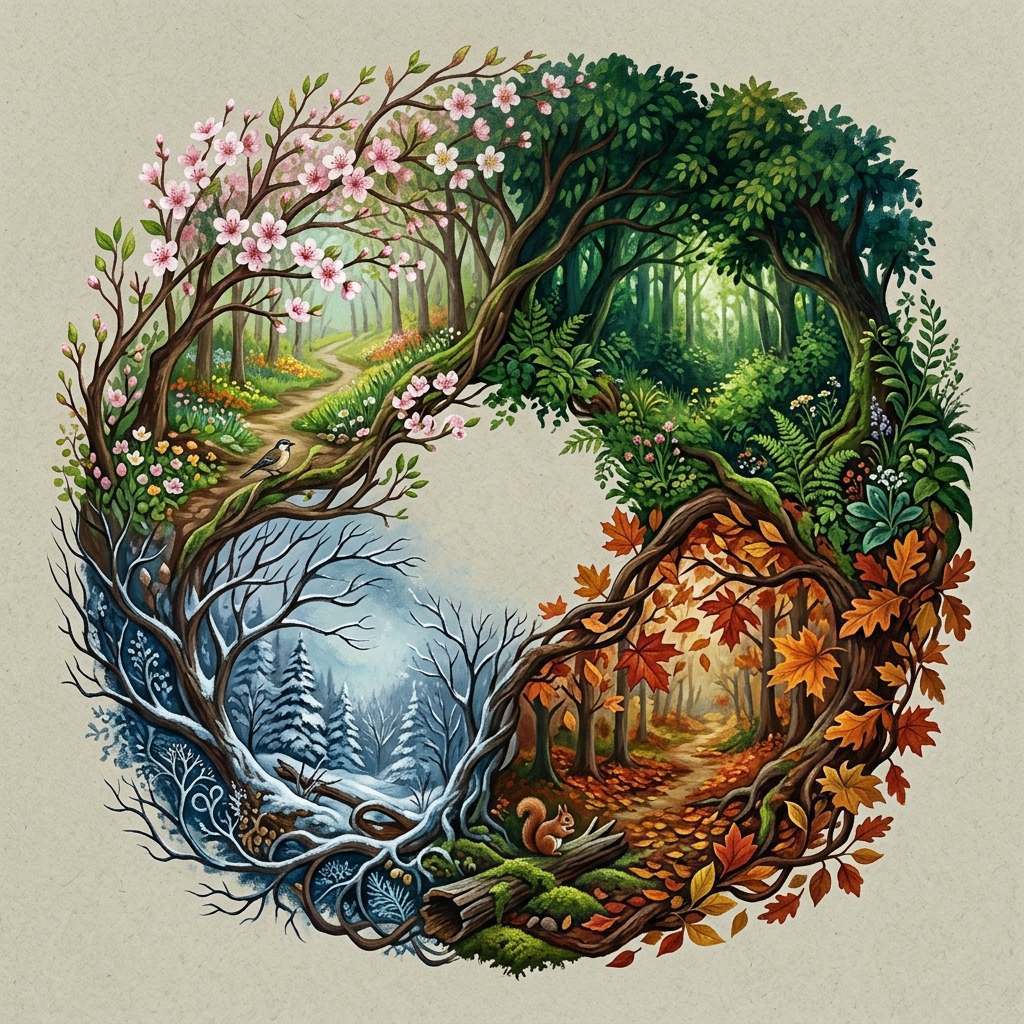
Cycles of Nature Wreath
05

Sustainability & Cycles of Renewal

“Nature has no waste — can human society say the same?”

Section 5 · Sustainability

Made byBobr AI

Natural Cycles vs. Economic Cycles

The Rhythm of Rise and Fall

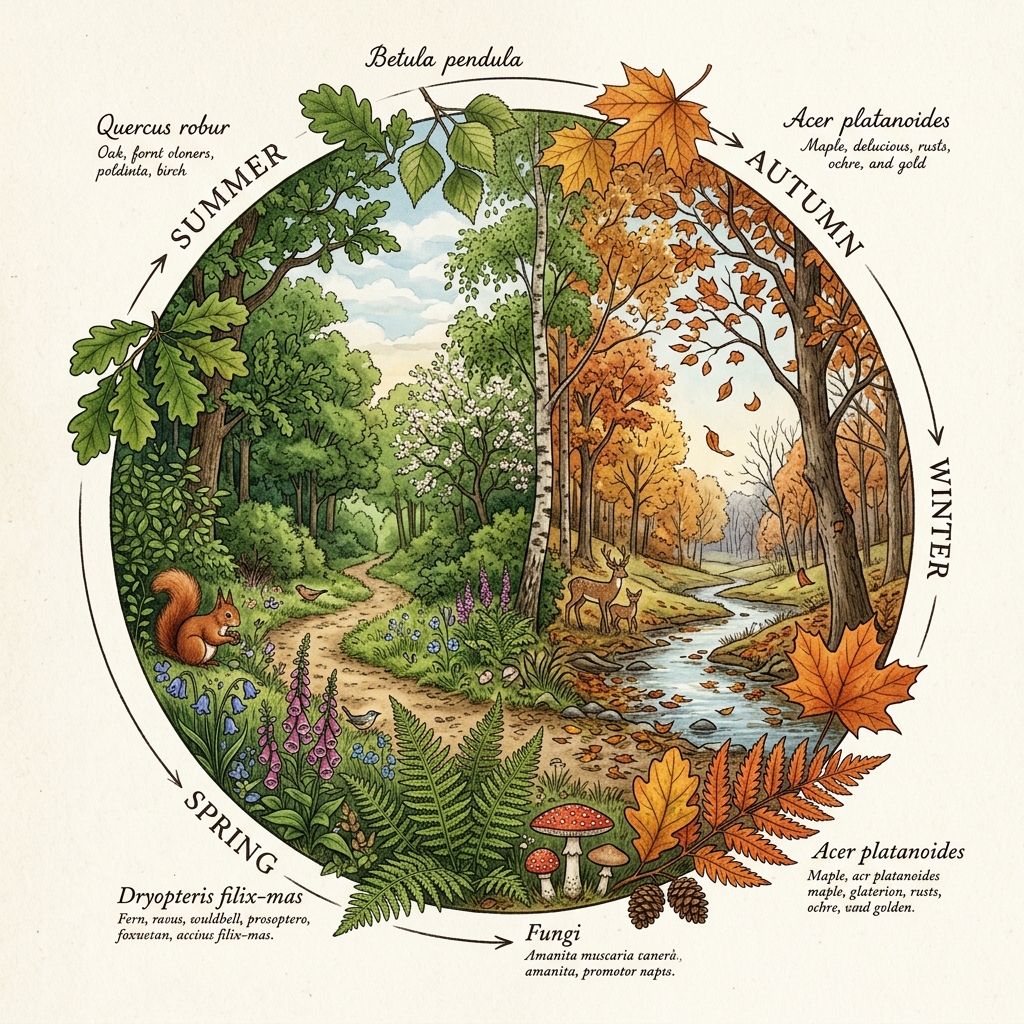
Nature's Cycle

Nature Cycle

Growth → Maturity → Decay → Regeneration → Growth

The same rhythm pulses through both.

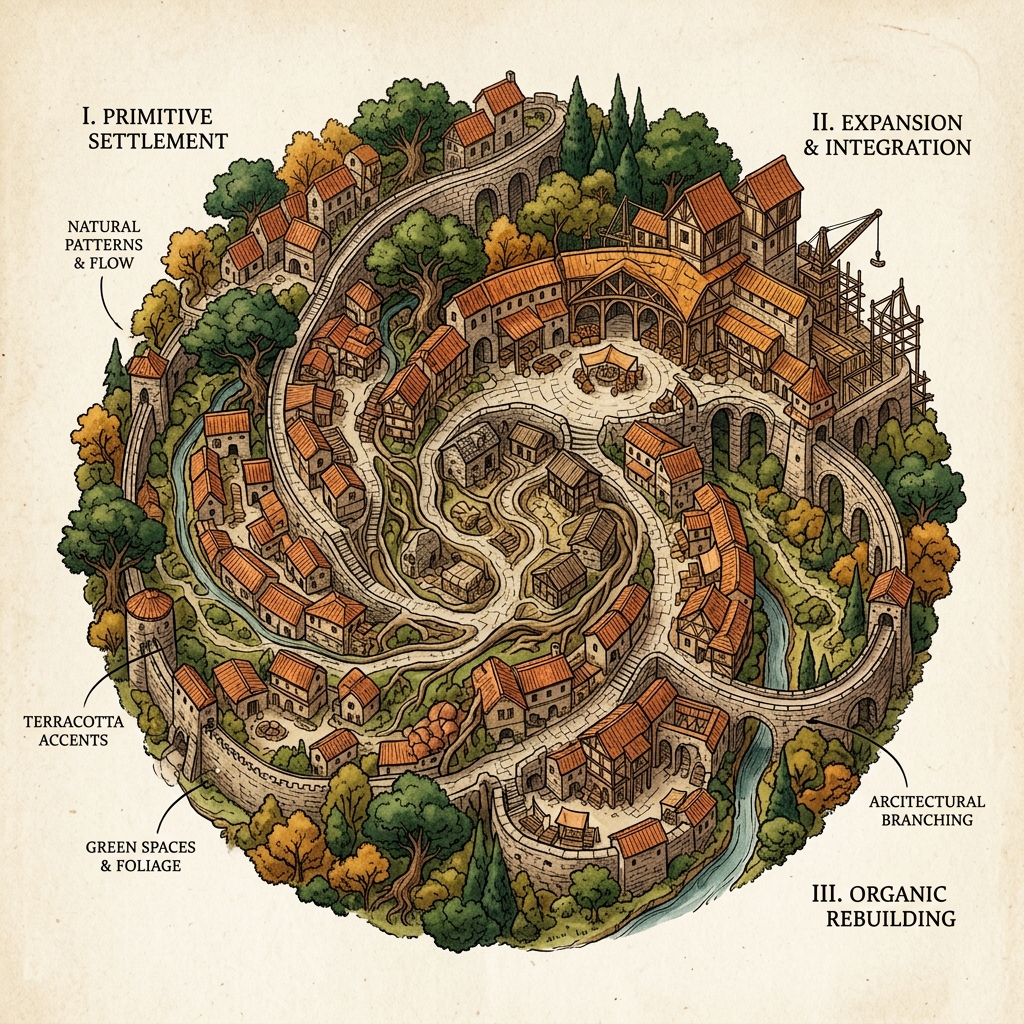
Economic/Social Cycle

Economic Cycle

Expansion → Peak → Recession → Recovery → Expansion

Just as forests regenerate after fire, societies rebuild after collapse. The pattern is universal.

Made byBobr AI

Lessons from the Natural World

What Humans Can Learn from Nature

🌱

Resilience

Ecosystems recover. Build adaptive societies.

🕸️

Interconnection

Everything is linked. Isolationism weakens systems.

♻️

Circular Economy

Nature creates no waste. Neither should we.

⚖️

Balance

Extremes lead to collapse. Seek equilibrium.

🌳

Long-term Thinking

Trees grow for centuries. Plan beyond quarterly profits.

🤝

Mutualism

The strongest bonds benefit both parties.

Academic Presentation · 2026

Made byBobr AI
Healthy thriving ecosystem
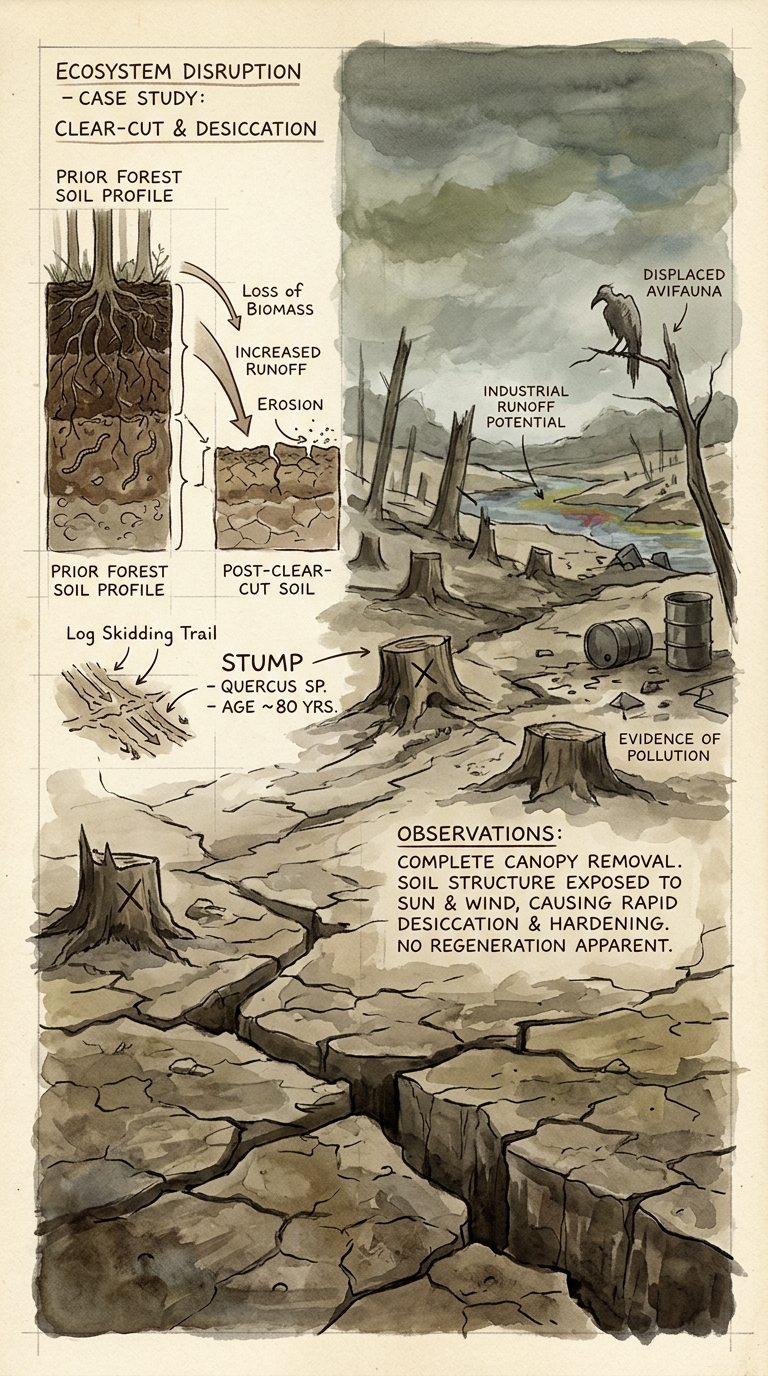
Cracked, disrupted ecosystem

When the Parallel Breaks Down

Monoculture farming Loss of biodiversity (parallel: social homogenization)
Overpopulation of one species Ecological collapse (parallel: monopolies & power concentration)
Invasive species Cultural imperialism, forced homogenization
Climate change Civilizational instability

“When we ignore nature's lessons, we break the very patterns that sustain us.”

Human Disruption of Natural Patterns

Made byBobr AI

Biomimicry in Action

Case Studies — Nature's Solutions Applied to Society

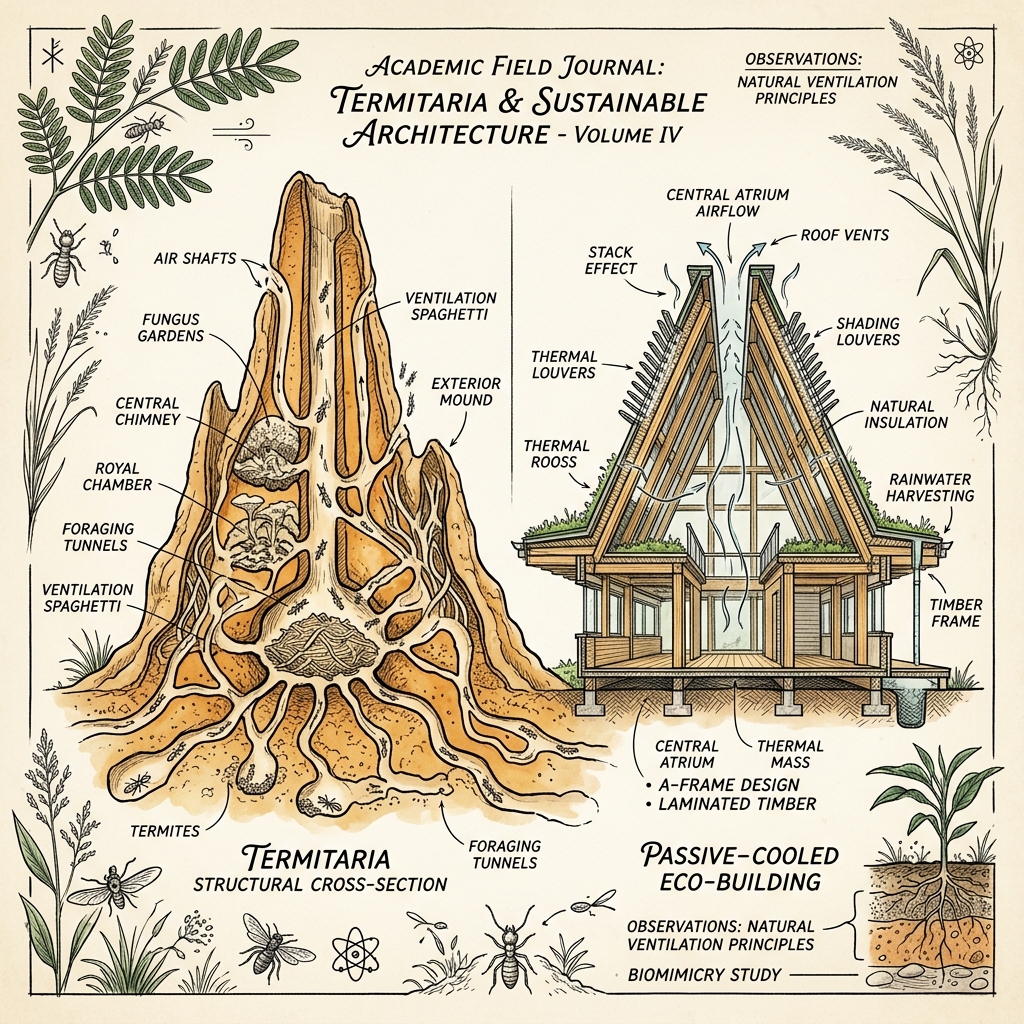
Termite Mound cross-section

Termite Mounds → Green Architecture

Termite mounds self-regulate temperature without electricity. The Eastgate Centre in Zimbabwe was designed using this principle, saving 90% in energy costs.

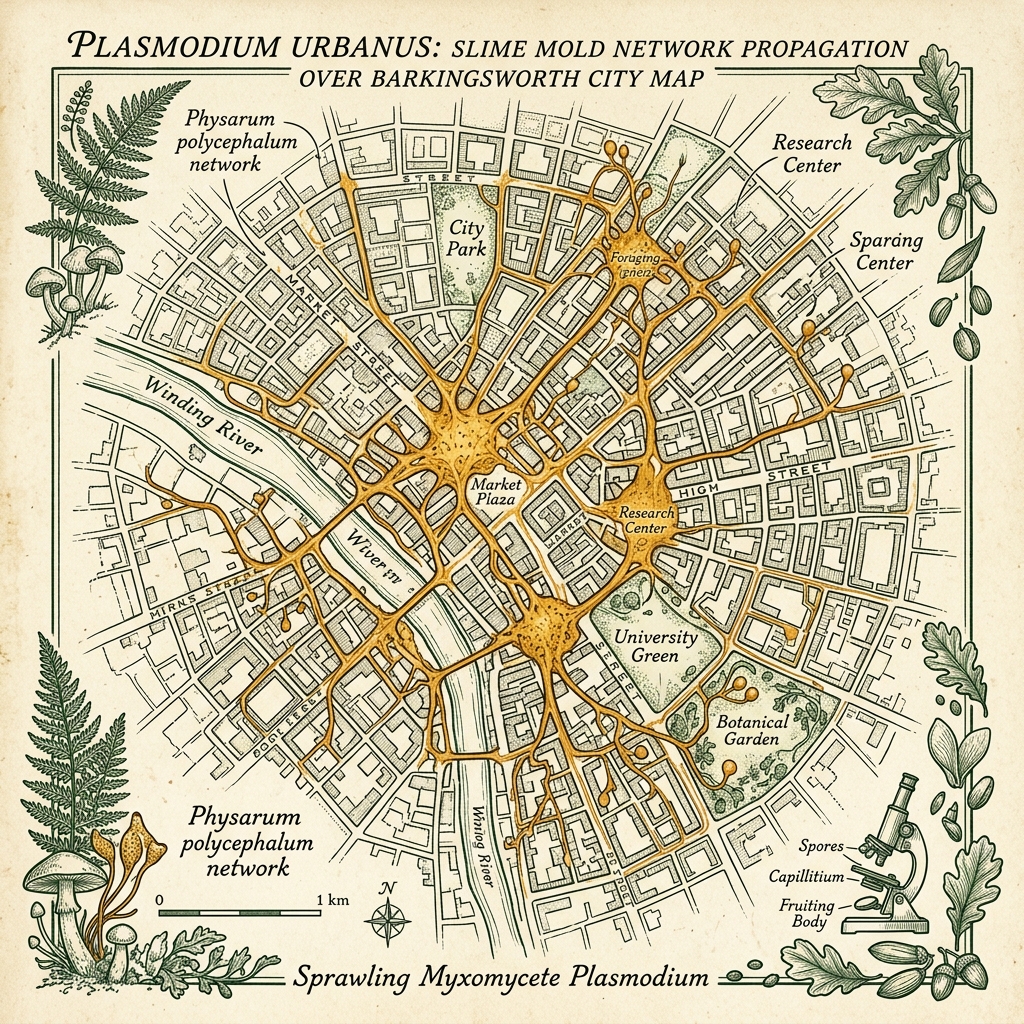
Slime Mold network over map

Slime Mold → Transport Networks

A Japanese slime mold recreated Tokyo's rail network almost perfectly when finding food. Nature optimizes routes.

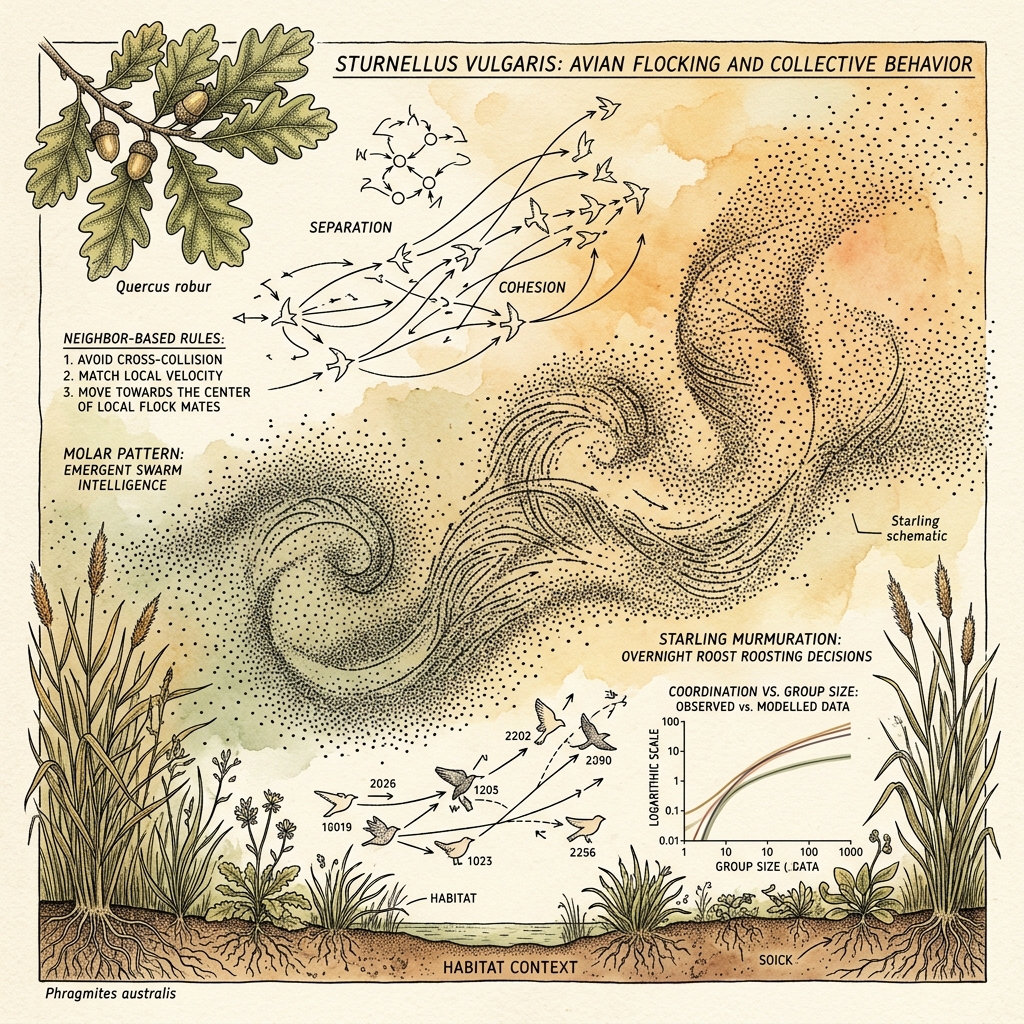
Starling Murmuration flock

Murmuration → Crowd Algorithms

Starling murmurations use simple local rules to create breathtaking collective motion — inspiring algorithms in robotics and traffic flow.

Academic Presentation · 2026

Made byBobr AI
Forest canopy

We Are Nature, Looking at Itself

Human society is not separate from nature — it IS nature. Every social structure, communication network, conflict, and cycle of renewal has a mirror in the wild. By studying these parallels, we gain not only understanding of ourselves, but the wisdom to build a more sustainable, balanced civilization.

The forest was always our teacher.

Thank you

Questions & Discussion

Made byBobr AI
Bobr AI

DESIGNER-MADE
PRESENTATION,
GENERATED FROM
YOUR PROMPT

Create your own professional slide deck with real images, data charts, and unique design in under a minute.

Generate For Free

Nature's Blueprint for Human Civilization: Mirrored Worlds

Explore how social structures, communication networks, and sustainability in nature mirror human civilization and urban planning.

Human Society and Parallels with Nature

Exploring the Mirrored Patterns of the Natural World and Human Civilization

Academic Presentation · 2026

What We'll Explore

Introduction — What Are Nature-Society Parallels?

Social Structures & Animal Colonies

Division of Labor & Ecosystem Roles

Communication & Natural Networks

Conflict, Competition & Survival

Sustainability & Cycles of Renewal

What Are Nature-Society Parallels?

For centuries, philosophers and scientists have observed striking similarities between human civilization and the natural world. From the way ant colonies organize labor to how forests communicate, nature has already solved many challenges humanity faces.

Same Patterns,<br>Different Scales

Emergent<br>Complexity

Cyclical<br>Systems

01

Social Structures & Animal Colonies

How do bee hives, ant colonies, and wolf packs mirror human societies?

Section One · Social Patterns

Hive Society

The Bee Colony Model

A bee colony is a masterclass in social organization. With a single queen, specialized worker classes, and collective decision-making, bee societies mirror many features of human civilization.

Queen

Head of State / Executive

Worker bees

Specialized labor force

Drones

Seasonal roles / reproduction

Collective swarming

Democratic decision-making

Bees & Human Civilization

Ant Colonies & Urban Planning

Ant colonies build complex underground cities with ventilation systems, waste management zones, food storage, and nurseries — thousands of years before humans invented urban planning.

Tunnel networks

Road & transit systems

Fungus gardens

Agriculture & food production

Waste chambers

Sanitation infrastructure

Soldier caste

Military & defense

02

Division of Labor & Ecosystem Roles

Every organism has a role — just as every person plays a part in society.

Every Niche Has Its Role

Producers (Plants)

Farmers, Manufacturers

Predators (Lions, Wolves)

Military, Law Enforcement

Decomposers (Fungi, Bacteria)

Waste managers, Recyclers

Pollinators (Bees, Butterflies)

Traders, Messengers

Scavengers (Vultures, Crabs)

Salvagers, Antique dealers

Keystone Species

Political Leaders, Innovators

03

Communication & Natural Networks

Long before the internet, nature built its own world wide web.

Nature's Internet: Mycorrhizal Networks

Forests share nutrients, warn neighbors of pests, and support weak trees through underground fungal networks — a biological internet predating human technology by millions of years.

Fungal threads

Fiber optic cables

Tree root nodes

Servers & routers

Chemical signals

Data packets

Nutrient sharing

Resource distribution protocols

Warning signals (pests)

Cybersecurity alerts

Old-growth trees as hubs

Major internet exchanges

Biology & Technology · Network Architecture

Animal Communication vs. Human Language

Signals, Songs & Symbols

Whale songs spanning entire oceans

Bee waggle dance communicating distance & direction

Pheromone trails of ants

Bird alarm calls with grammar-like structure

Languages & local dialects

Body language & non-verbal gesture

Written symbols & alphabets

Digital communication & emoji

Language is not uniquely human — it is life's way of organizing itself.

04

Conflict, Competition & Survival

War, rivalry, and dominance — nature wrote the playbook long before humans.

Territories in Nature & Nations on Maps

<strong style="color: #2D4A2D; font-weight: 600;">Animals mark and defend territory</strong> &nbsp;<span style="color: #B48460;">&rarr;</span>&nbsp; Nations have borders & sovereignty

<strong style="color: #2D4A2D; font-weight: 600;">Alpha hierarchies in wolf packs</strong> &nbsp;<span style="color: #B48460;">&rarr;</span>&nbsp; Political leadership structures

<strong style="color: #2D4A2D; font-weight: 600;">Resource-rich territories attract competition</strong> &nbsp;<span style="color: #B48460;">&rarr;</span>&nbsp; Oil fields, trade routes spark conflict

<strong style="color: #2D4A2D; font-weight: 600;">Alliance formation among primates</strong> &nbsp;<span style="color: #B48460;">&rarr;</span>&nbsp; Military alliances (NATO, etc.)

<strong style="color: #2D4A2D; font-weight: 600;">Appeasement behaviors</strong> &nbsp;<span style="color: #B48460;">&rarr;</span>&nbsp; Diplomatic negotiations

"Geopolitics may be dressed in suits, but its roots grow deep in the animal kingdom."

The Paradox: Rivals and Allies

Competition, Cooperation & the Balance of Power

Competition in Nature

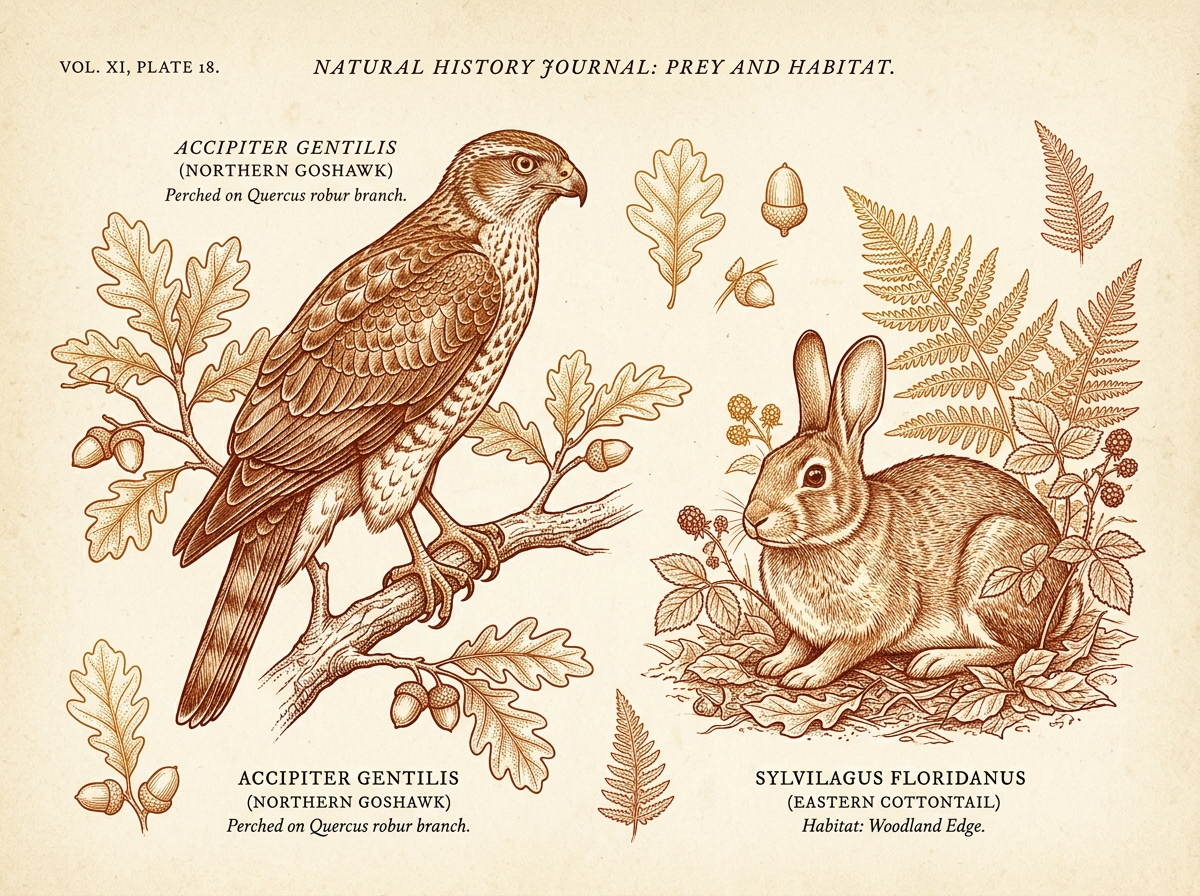
Predator-prey dynamics, resource competition, natural selection.

Cooperation in Nature

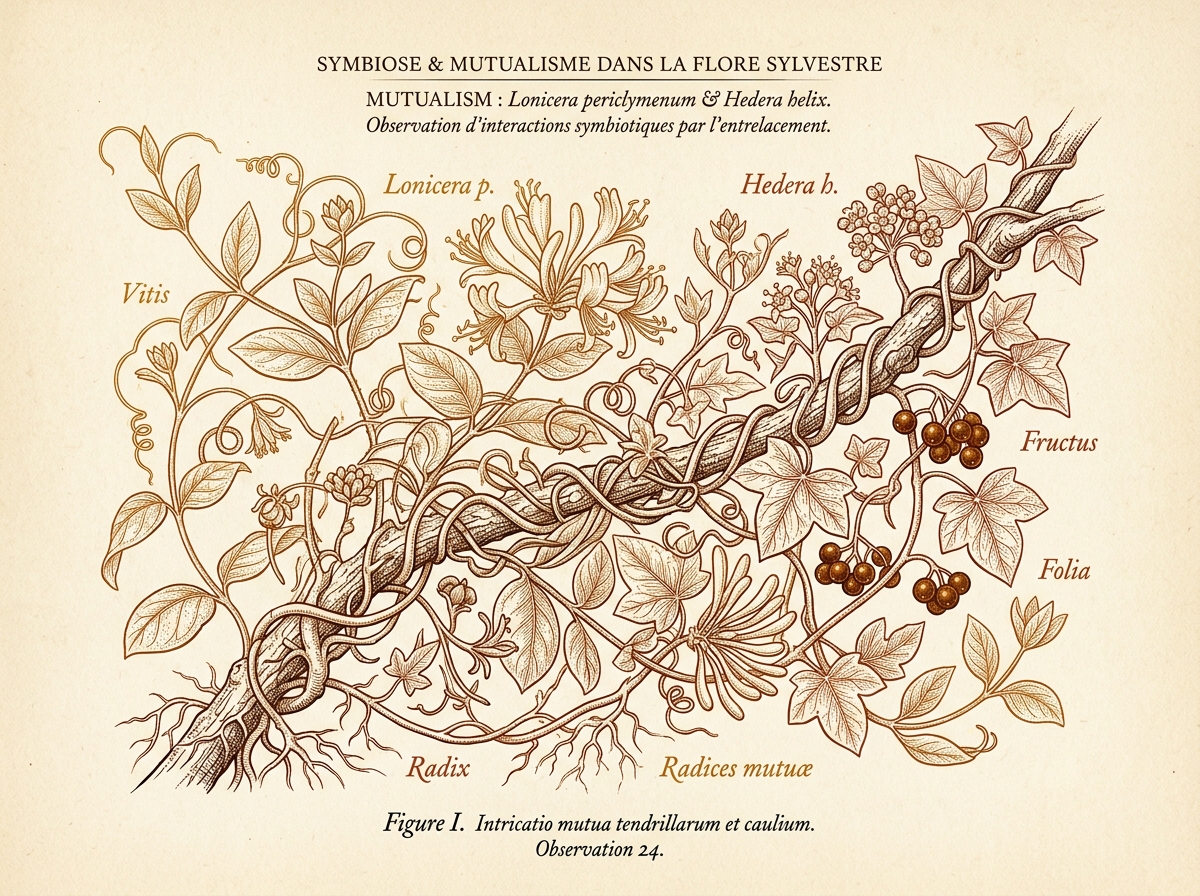
Mutualism, symbiosis, pack hunting.

The Balance

Ecosystems collapse without both. Human societies need competition AND cooperation.

Nature teaches us that unchecked competition leads to extinction, while pure cooperation breeds stagnation. The balance is everything.

05

Sustainability & Cycles of Renewal

“Nature has no waste — can human society say the same?”

Section 5 · Sustainability

Natural Cycles vs. Economic Cycles

The Rhythm of Rise and Fall

Nature's Cycle

Growth → Maturity → Decay → Regeneration → Growth

Economic/Social Cycle

Expansion → Peak → Recession → Recovery → Expansion

The same rhythm pulses through both.

Just as forests regenerate after fire, societies rebuild after collapse. The pattern is universal.

Lessons from the Natural World

What Humans Can Learn from Nature

🌱

Resilience

Ecosystems recover. Build adaptive societies.

🕸️

Interconnection

Everything is linked. Isolationism weakens systems.

♻️

Circular Economy

Nature creates no waste. Neither should we.

⚖️

Balance

Extremes lead to collapse. Seek equilibrium.

🌳

Long-term Thinking

Trees grow for centuries. Plan beyond quarterly profits.

🤝

Mutualism

The strongest bonds benefit both parties.

Academic Presentation · 2026

When the Parallel Breaks Down

Monoculture farming

Loss of biodiversity

(parallel: social homogenization)

Overpopulation of one species

Ecological collapse

(parallel: monopolies & power concentration)

Invasive species

Cultural imperialism, forced homogenization

Climate change

Civilizational instability

“When we ignore nature's lessons, we break the very patterns that sustain us.”

Human Disruption of Natural Patterns

Biomimicry in Action

Case Studies — Nature's Solutions Applied to Society

Termite Mounds → Green Architecture

Termite mounds self-regulate temperature without electricity. The Eastgate Centre in Zimbabwe was designed using this principle, saving 90% in energy costs.

Slime Mold → Transport Networks

A Japanese slime mold recreated Tokyo's rail network almost perfectly when finding food. Nature optimizes routes.

Murmuration → Crowd Algorithms

Starling murmurations use simple local rules to create breathtaking collective motion — inspiring algorithms in robotics and traffic flow.

Academic Presentation · 2026

We Are Nature, Looking at Itself

Human society is not separate from nature — it IS nature. Every social structure, communication network, conflict, and cycle of renewal has a mirror in the wild. By studying these parallels, we gain not only understanding of ourselves, but the wisdom to build a more sustainable, balanced civilization.

The forest was always our teacher.

Thank you

Questions & Discussion

  • biomimicry
  • urban-planning
  • sustainability
  • behavioral-science
  • social-structure
  • ecosystems
  • nature-patterns