





Plant Pathology: Nematodes Biology & Crop Impact
Explore the biology, classification, and agricultural impact of nematodes, focusing on Meloidogyne incognita and integrated management strategies.
PLANT PATHOLOGY
NEMATODES
Biology, Classification & Impact on Crops
Introduction & Scientific Classification
Life Cycle & Symptoms in Crops
Meloidogyne incognita — Mode of Action
A Comprehensive Study | 2026
INTRODUCTION
What Are Nematodes?
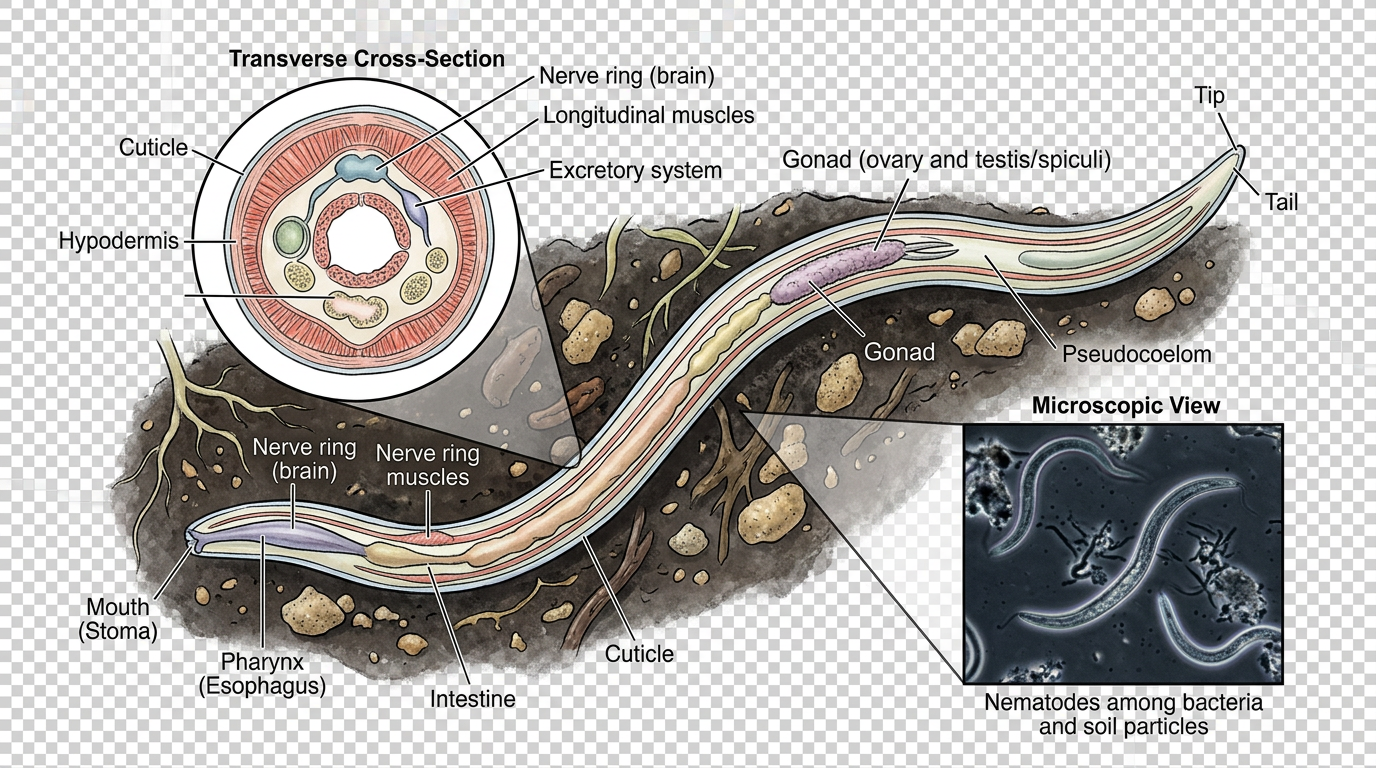
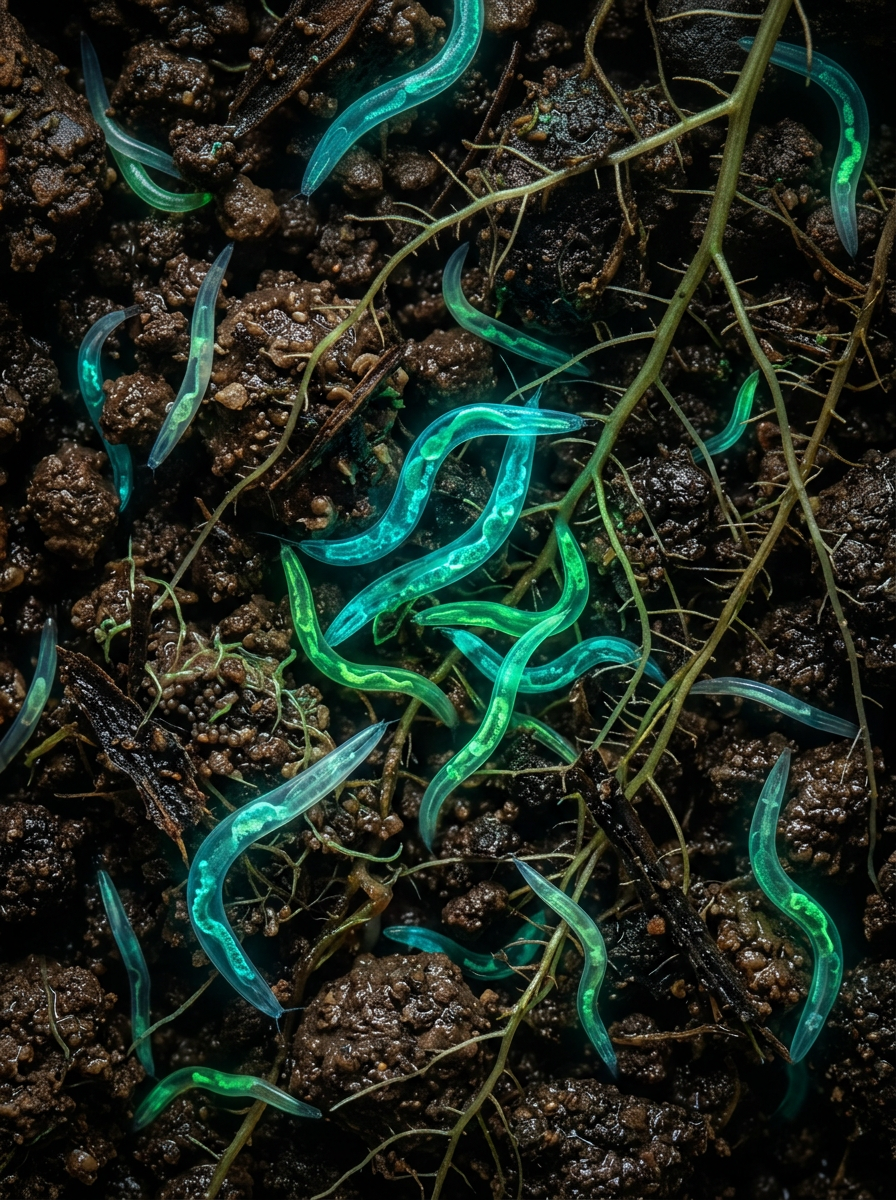
Nematodes (roundworms) are among the most abundant animals on Earth
Belong to Phylum Nematoda — over 25,000 described species
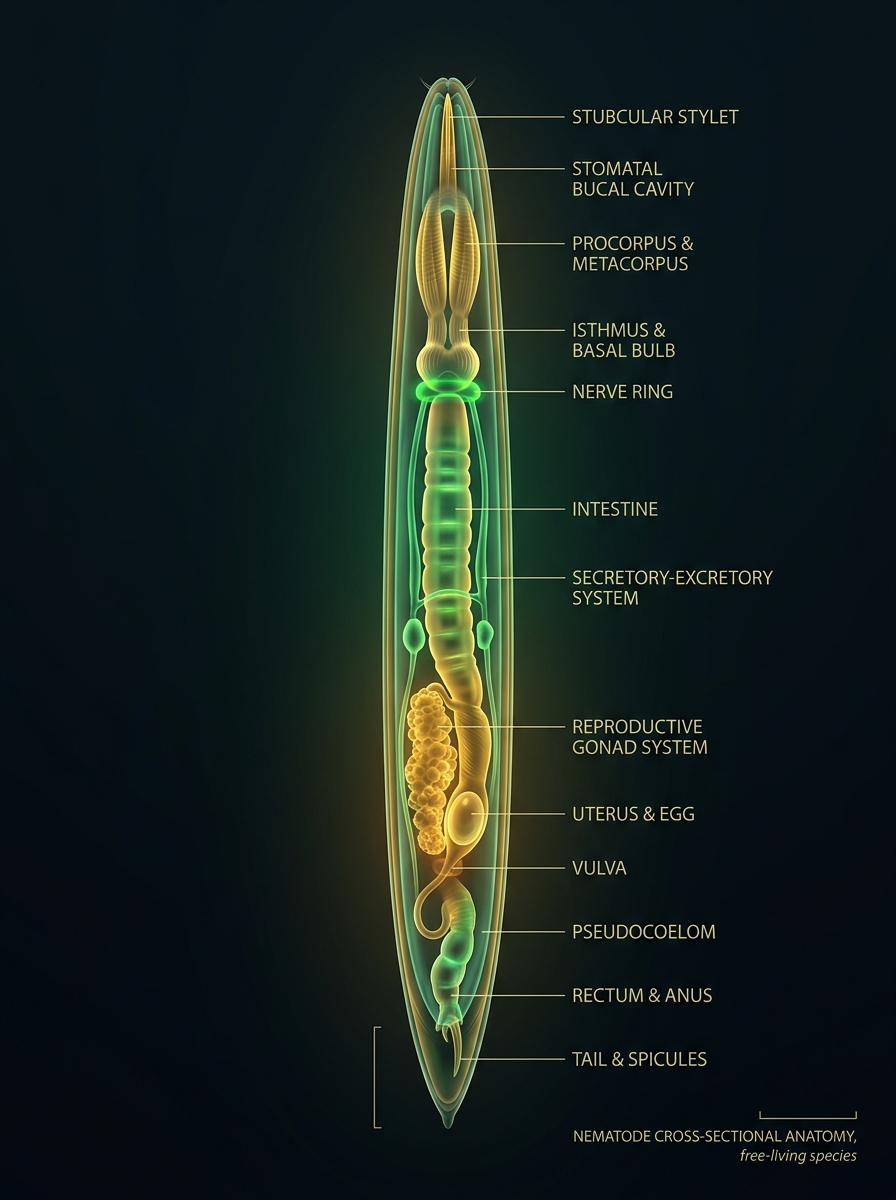
Microscopic, unsegmented, bilaterally symmetrical worms
Size: 0.3 mm to several mm in length
Found in soil, freshwater, marine, and parasitic environments
~10% are plant-parasitic — major agricultural threat
Cause estimated $100 billion in crop losses annually worldwide
Also known as "eelworms" or "roundworms"
Over 4,100 species of plant-parasitic nematodes identified globally
TAXONOMY
Scientific Classification
Kingdom
Animalia
Phylum
Nematoda
Class
Chromadorea
Order
Tylenchida
Family
Heteroderidae
Genus
Meloidogyne
Species
M. incognita
Classification based on molecular phylogenetics (2022 revision)
CLASSIFICATION
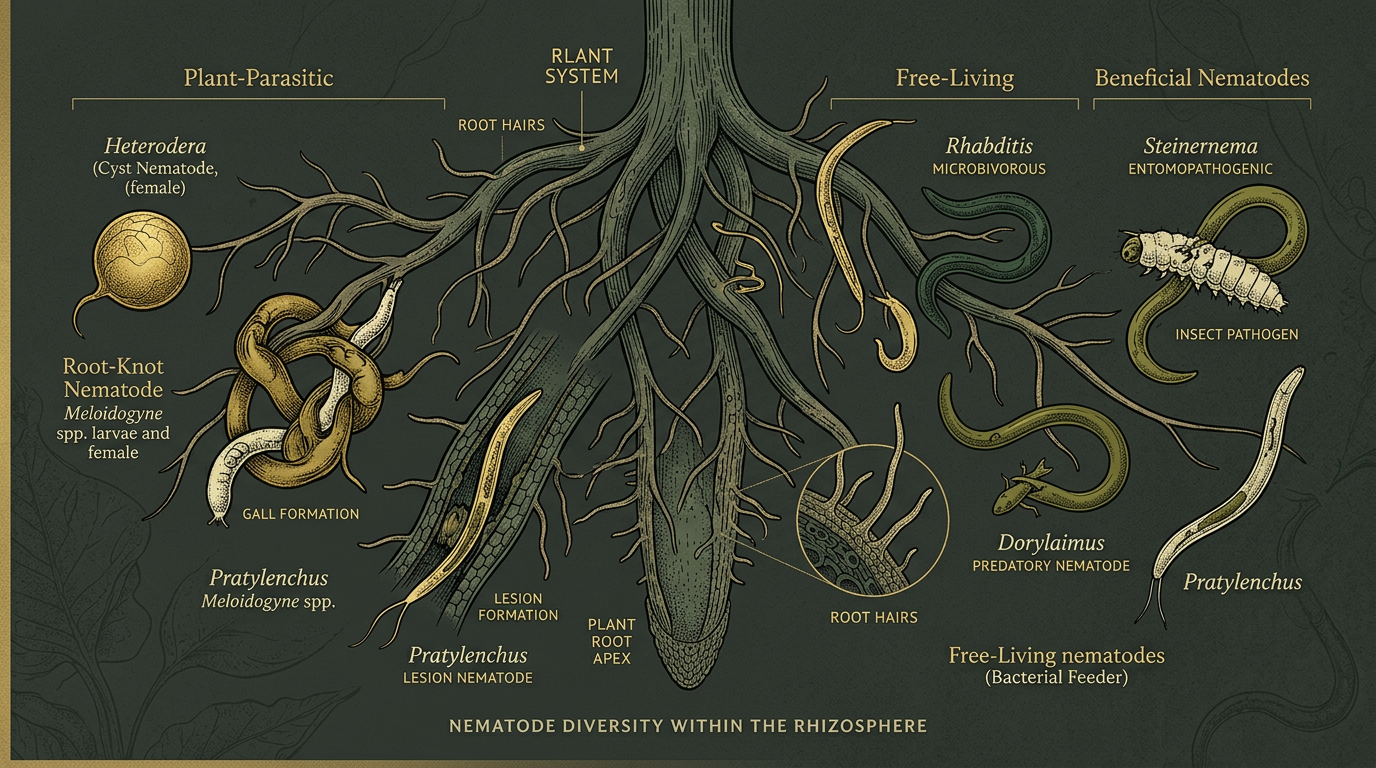
Types of Plant-Parasitic Nematodes
Root-Knot Nematodes
Meloidogyne spp.
Sedentary endoparasites, induce root galls, most economically damaging worldwide
Cyst Nematodes
Heterodera & Globodera spp.
Females form protective cysts, persist in soil for decades
Lesion Nematodes
Pratylenchus spp.
Migratory endoparasites, cause root lesions and necrosis
Stubby Root Nematodes
Trichodorus spp.
Ectoparasites, stunt root growth, transmit plant viruses
Spiral Nematodes
Helicotylenchus spp.
Semi-endoparasites, feed on root cortex cells
Sting Nematodes
Belonolaimus spp.
Ectoparasites of turfgrass and row crops
CROP DAMAGE
Symptoms in Crops
Above-Ground Symptoms
Below-Ground Symptoms
"Symptoms mimic drought stress and nutrient deficiency — often misdiagnosed in the field"
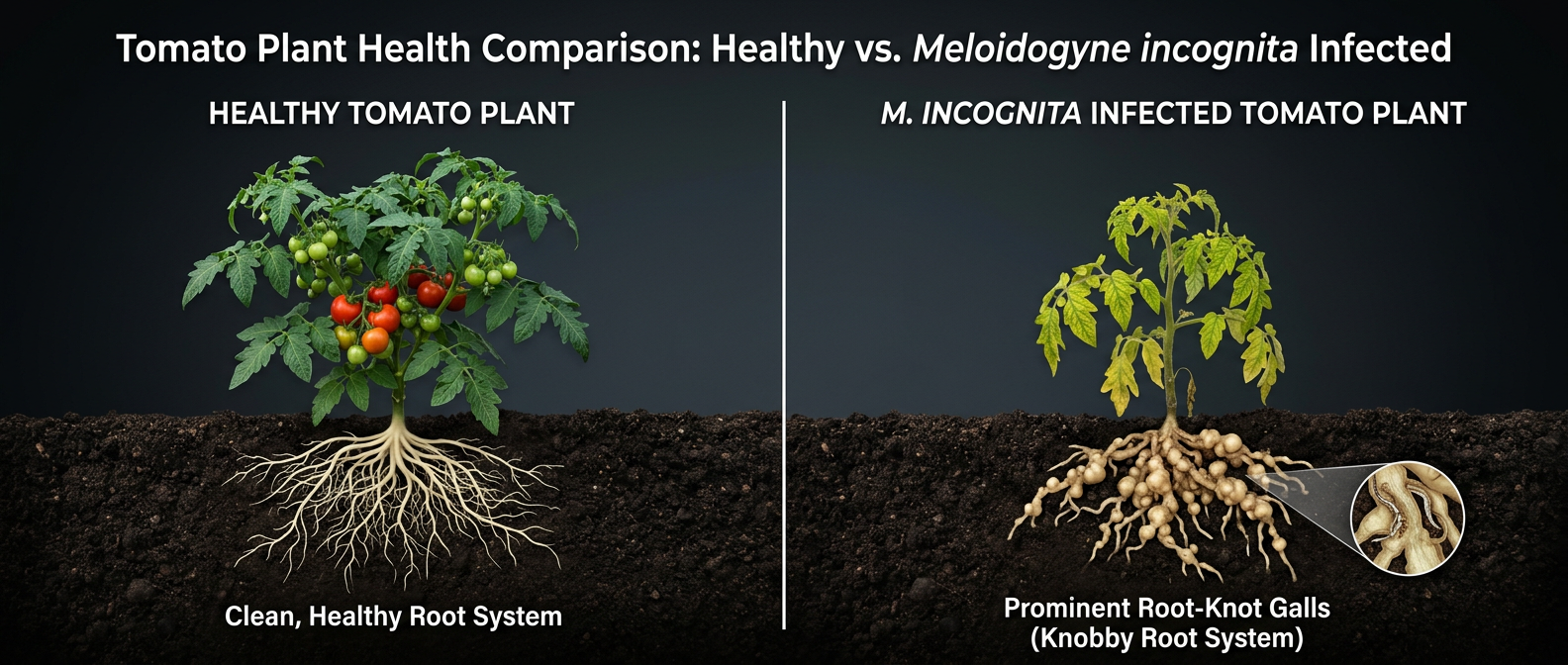
Stunted growth and reduced plant height
Yellowing and chlorosis of leaves
Wilting even when soil moisture is adequate
Premature leaf drop and dieback
Reduced fruit size and poor yield
Nutrient deficiency-like symptoms (N, Fe, Mg)
Patches of poor growth in fields
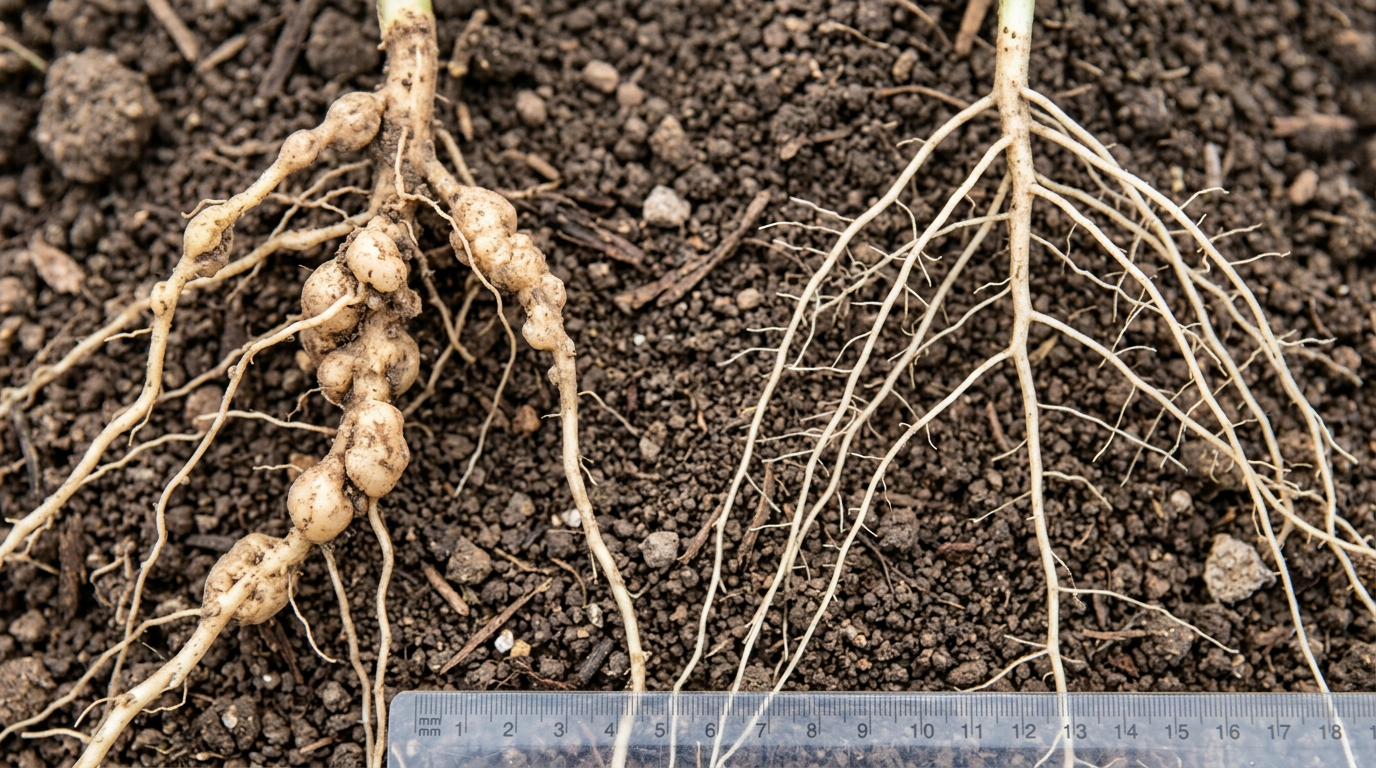
Root galls / knots (characteristic of Meloidogyne)
Root necrosis and lesions (brown/black discoloration)
Stunted, stubby root system
Root swelling and deformation
Reduced root hair development
Secondary infections by fungi and bacteria
IMPACT
Major Crops Affected by Nematodes
$100 Billion+
Annual global crop losses
3,000+
Host species susceptible to M. incognita
10–80%
Yield loss range in severely infested fields
Tropical and subtropical regions most severely affected
BIOLOGY
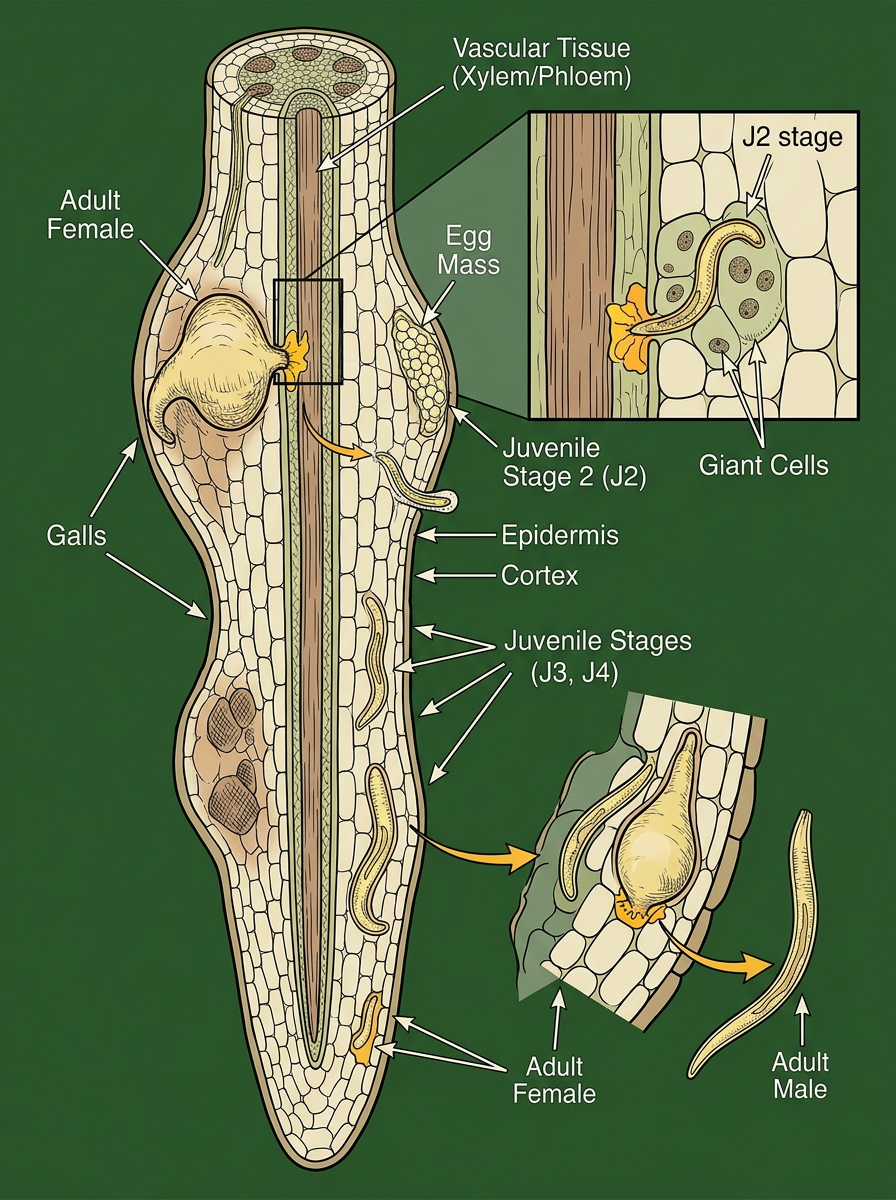
Life Cycle of Plant-Parasitic Nematodes
EGG STAGE
Eggs deposited in gelatinous matrix; 200–500 eggs per female
J1 JUVENILE
Develops inside egg; first molt occurs within egg shell
J2 JUVENILE (Infective)
Hatches from egg; migrates through soil to roots
ROOT PENETRATION
J2 enters near root tip; migrates to vascular tissue
J3 & J4 SEDENTARY
Induces giant cells; feeds and molts twice more
ADULT STAGE
Female becomes pear-shaped and lays eggs; males exit root
Complete life cycle: 24–37 days at 25–30°C optimal temperature
KEY PATHOGEN
Meloidogyne incognita
Southern Root-Knot Nematode
Southern Root-Knot Nematode
Over 3,000 plant species worldwide
Tropical and subtropical, 6 continents
0.4–0.7 mm (pear-shaped sedentary)
1.2–1.5 mm (vermiform, exits root)
Parthenogenetic (no male needed)
Most economically damaging plant-parasitic nematode
Causes 10–80% yield losses in susceptible crops
Overcomes Mi-1 resistance gene in tomato
Spreading globally due to climate warming
Entry point for secondary fungal/bacterial pathogens
INFECTION MECHANISM
How M. incognita Infects Plants
SOIL MIGRATION
J2 juveniles hatch and chemotax toward root exudates. Respond to CO₂ gradients and host signals.
ROOT PENETRATION
J2 penetrates root elongation zone. Uses stylet to mechanically and enzymatically breach cell walls.
MIGRATION INSIDE ROOT
Moves intercellularly toward vascular cylinder. Causes minimal damage during this phase.
GIANT CELL INDUCTION
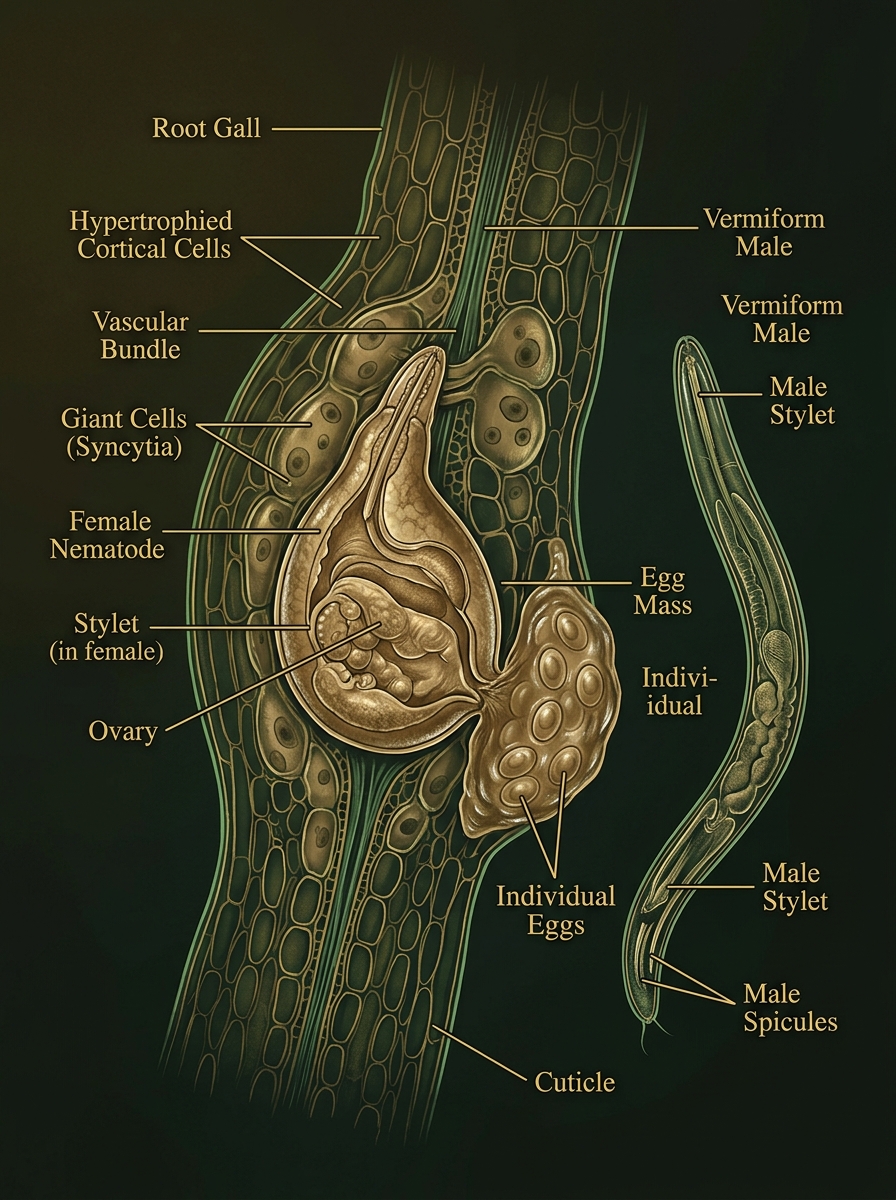
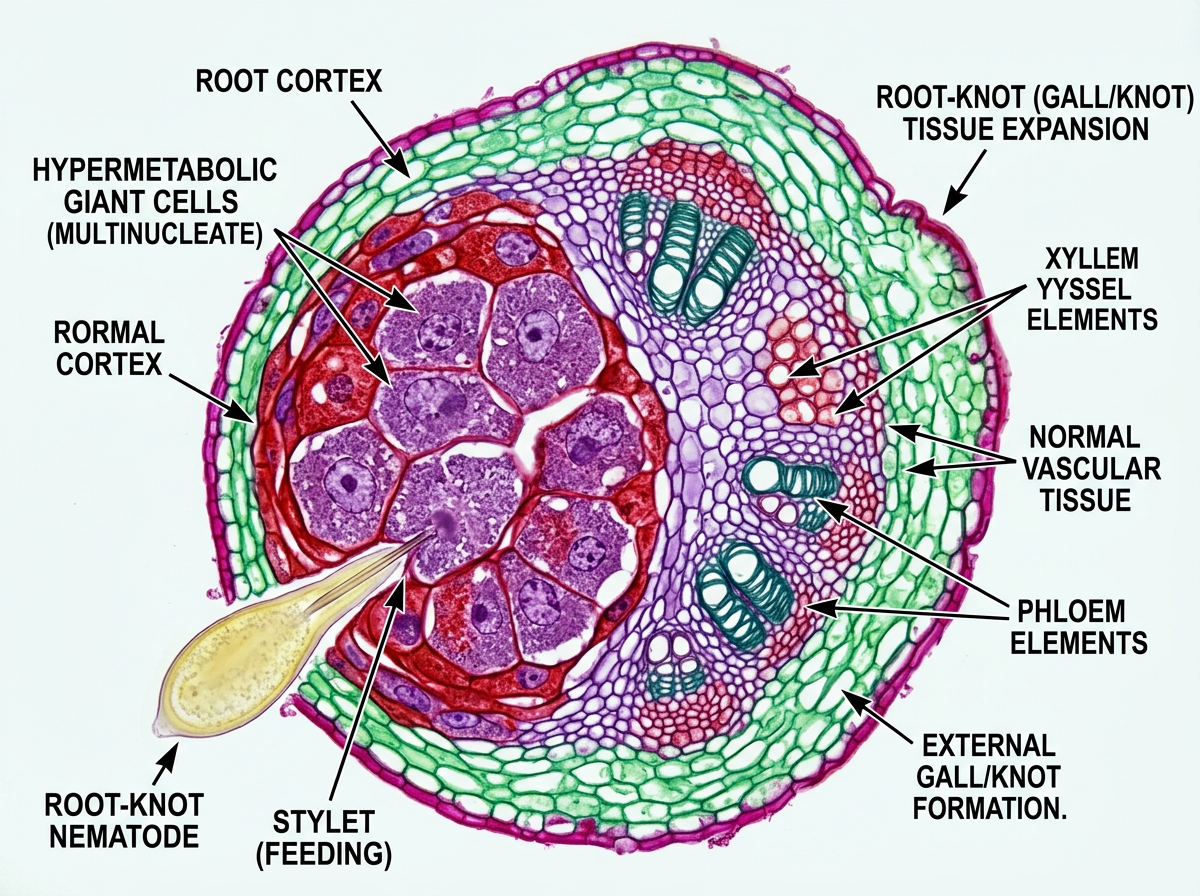
J2 becomes sedentary. Injects esophageal secretions. Induces 4–8 multinucleate "giant cells" for feeding.
GALL FORMATION & REPRODUCTION
Surrounding cells hypertrophy causing visible knot. Female swells, lays 200–500 eggs in gelatinous matrix.
Giant cell formation disrupts phloem & xylem — blocking plant water and nutrient transport
MOLECULAR PATHOLOGY
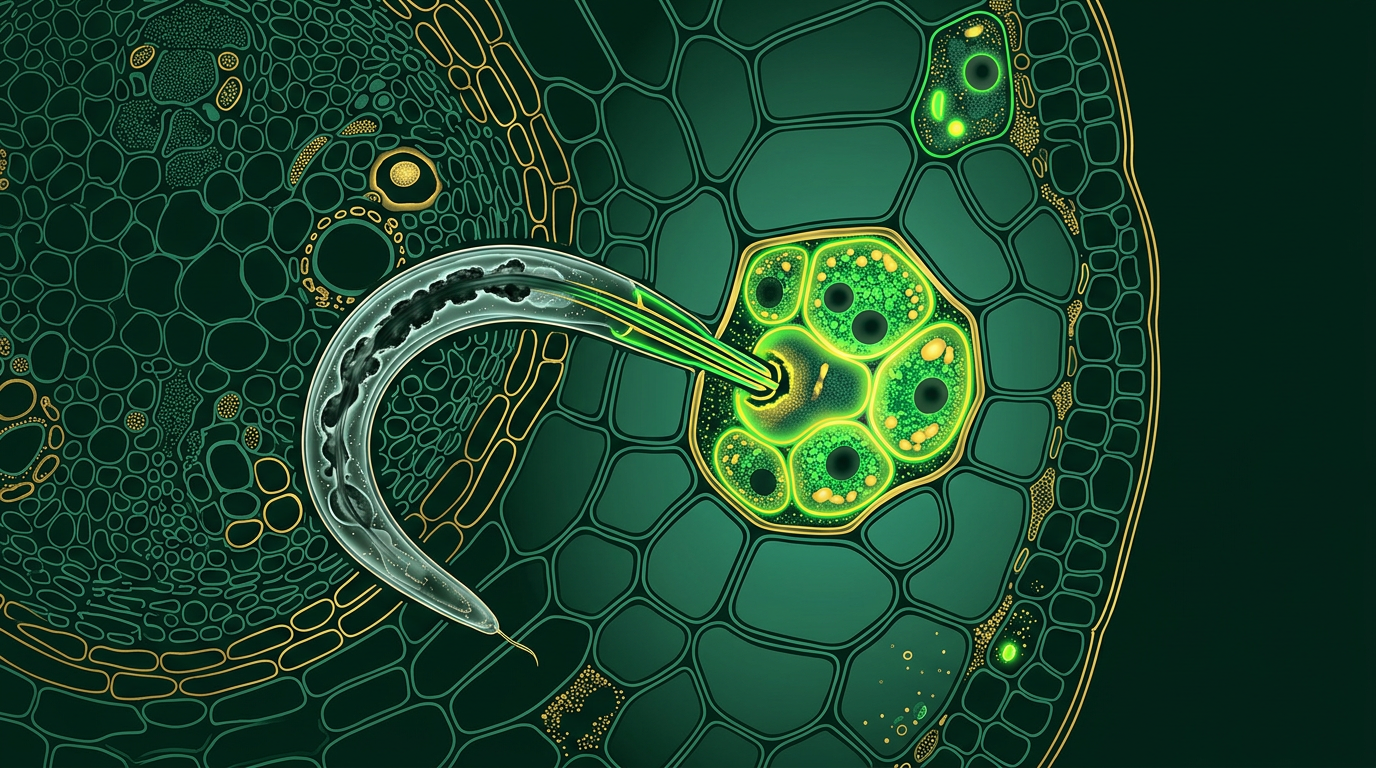
Giant Cell Formation Mechanism
Stylet Secretion
Nematode injects effector proteins via stylet into plant cells. Key effectors: 16D10, 19C07, MAP-1 proteins.
Cell Cycle Manipulation
Effectors hijack plant cell cycle. Cells undergo repeated nuclear division without cytokinesis (karyokinesis without cell division).
Giant Cell Development
4–8 hypermetabolic giant cells form. Each cell enlarges 100x normal size. Dense cytoplasm, multiple nuclei, high metabolic activity.
Nutrient Withdrawal
Nematode feeds continuously via stylet. Drains sugars, amino acids, and proteins from phloem. Plant becomes nutrient-deficient.
Gall Expansion
Surrounding cortex cells proliferate (hypertrophy + hyperplasia) forming visible root gall (knot).
Effector proteins suppress plant immunity while activating cell division pathways
PHYSIOLOGICAL IMPACT
Effects of M. incognita on Plants
Water Relations
Disrupts xylem vessel formation
Reduces water uptake efficiency by 30–60%
Induces stomatal closure and wilting
Increases plant water stress susceptibility
Root hydraulic conductance reduced
Plants wilt even in moist soil conditions
Nutrient Uptake
Blocks phloem translocation of sugars
Reduces N, P, K, Fe, Zn absorption
Nematode feeds directly on amino acids and sugars
Mimics iron/nitrogen deficiency symptoms
Reduces chlorophyll content (chlorosis)
Protein and enzyme synthesis disrupted
Plant Defense Response
Initial SA (salicylic acid) signaling activated
Nematode effectors suppress PR protein production
Suppresses JA/ET defense pathways
Creates immune-suppressed microenvironment
Secondary pathogens exploit weakened roots
Systemic acquired resistance (SAR) reduced
A single female M. incognita can reduce tomato yield by up to 25% on its own
DIAGNOSTICS
Laboratory Assays for Nematode Detection
Soil & Root Extraction (Baermann Funnel)
Principle: Nematodes migrate from soil/root samples into water. Collection after 24–48h. Used for: mobile stages (J2). Detection limit: ~1 nematode/g soil.
Microscopic Identification
Staining with acid fuchsin or lactophenol cotton blue. Morphological identification using compound microscope. Key features: stylet length, tail shape, perineal pattern of females.
PCR & Molecular Diagnostics
Species-specific primers for M. incognita. Highly sensitive — detects single nematode. ITS-rDNA regions used. Real-time qPCR for quantification.
Egg Mass Staining (Phloxine B)
Egg masses stained pink/red for visual counting. Applied directly to infected roots. Quantifies reproductive output of female nematodes.
Bioassay / Greenhouse Test
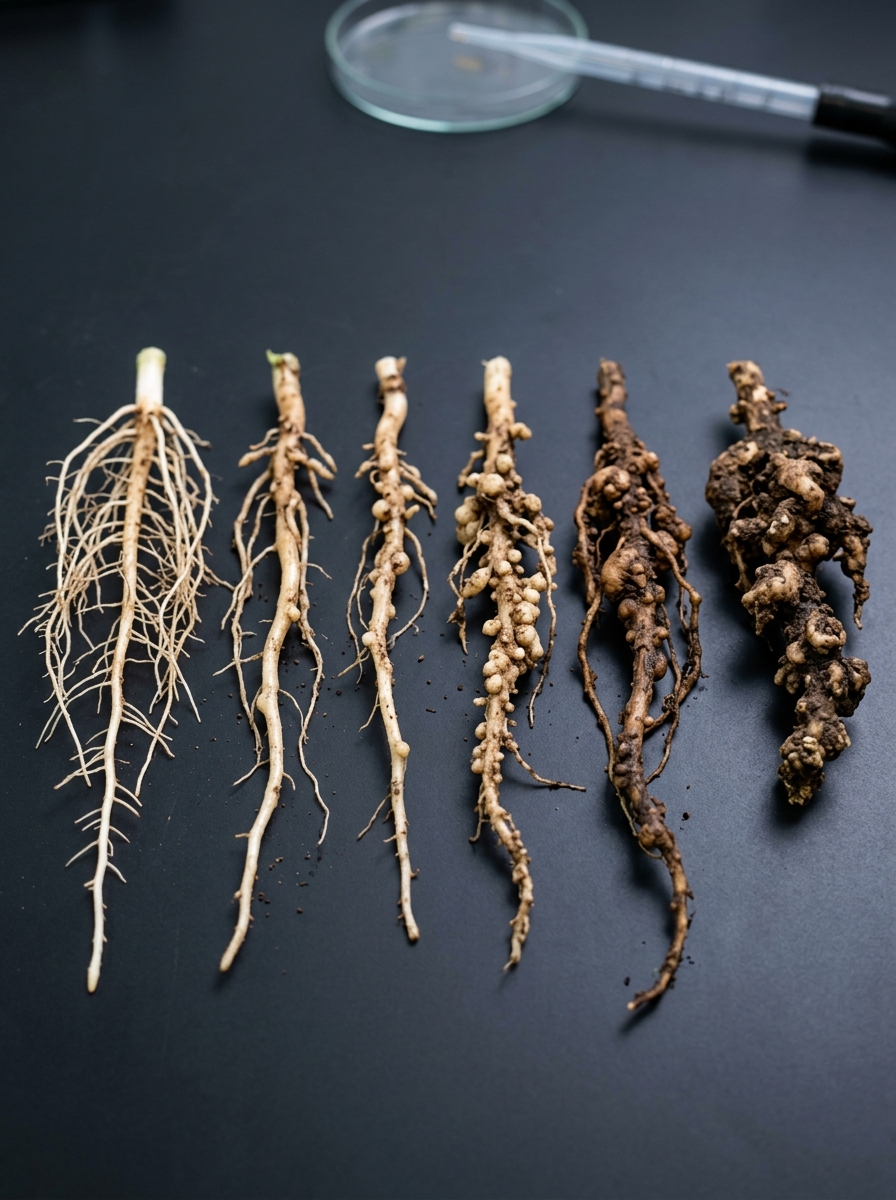
Inoculate seedlings with J2 suspension. Assess gall index (0–5 scale) after 6–8 weeks. Compare galling and egg mass scores.
ELISA & Immunoassay
Antibody-based detection of nematode antigens. Used for species confirmation in research. Applicable to soil, root, and water samples.
Molecular methods (PCR/qPCR) provide species-level identification within 24 hours
DISEASE ASSESSMENT
Gall Index & Disease Rating Scale
Gall Index combined with Egg Mass Index gives a Reproduction Factor (RF) for resistance screening.
MANAGEMENT
Control Strategies for <span style="font-style: italic;">M. incognita</span>
Chemical Control
<span style="font-weight: 600; color: #ffffff;">Nematicides:</span> Fenamiphos, Carbofuran, Oxamyl
<span style="font-weight: 600; color: #ffffff;">Fumigants:</span> Metam sodium, 1,3-Dichloropropene
<span style="font-weight: 600; color: #ffffff;">New generation:</span> Fluazaindolizine (Salibro®)
Seed treatments with imidacloprid
<span style="font-weight: 600;">Limitations:</span> Environmental concerns, resistance buildup
Biological Control
<span style="font-weight: 600; font-style: italic; color: #ffffff;">Purpureocillium lilacinum</span> — egg parasite fungus
<span style="font-weight: 600; font-style: italic; color: #ffffff;">Bacillus subtilis & B. firmus</span> — soil bacteria
<span style="font-weight: 600; font-style: italic; color: #ffffff;">Paecilomyces variotii</span> — nematode trapping fungi
<span style="font-weight: 600; font-style: italic; color: #ffffff;">Chryseobacterium elymi</span> — 36% J2 mortality
<span style="font-weight: 600; font-style: italic; color: #ffffff;">Trichoderma spp.</span> — rhizosphere biocontrol
Cultural Practices
Crop rotation with non-host crops (marigold, mustard)
Resistant/tolerant varieties (Mi-1 gene in tomato)
<span style="font-weight: 600; color: #ffffff;">Solarization:</span> heating soil to kill juveniles
Fallowing and deep plowing
Use of clean certified planting material
Integrated Nematode Management (INM)
Combination of chemical + biological + cultural methods
Grafting susceptible varieties onto resistant rootstocks
Cover crops (<span style="font-style: italic;">Tagetes spp., Crotalaria spp.</span>)
Organic amendments (neem cake, biochar)
Population monitoring before treatment decisions
Integrated Nematode Management (INM) is the most sustainable long-term strategy
Conclusion
Key Takeaways & Summary
Global Impact
Nematodes cause $100B+ annual crop losses worldwide
Key Pathogen
M. incognita infects 3,000+ plant species on 6 continents
Giant Cells
Effector proteins hijack plant cell division for feeding
Misdiagnosis Risk
Symptoms mimic drought & nutrient deficiency in the field
Lab Diagnostics
PCR, Baermann funnel, ELISA enable accurate species detection
INM Strategy
Integration of cultural, biological & chemical methods most effective
Thank You
Questions & Discussion Welcome
#Nematology
#PlantPathology
#MeloidogyneIncognita
- nematology
- plant-pathology
- meloidogyne-incognita
- agriculture
- crop-protection
- biology
- root-knot-nematode