

Made byBobr AI

Cloud Computing Trends for Class 11 Information Practices

Explore core cloud computing concepts, including IaaS, PaaS, and SaaS models, deployment strategies, and real-world case studies like Netflix.

#cloud-computing#class-11-ip#cbse#iaas-paas-saas#it-infrastructure#educational#technology-trends

Emerging Trends: Cloud Computing

Class 11 Information Practices (CBSE) | Chapter: Emerging Trends

Made byBobr AI

What is Cloud Computing?

Cloud computing refers to the on-demand delivery of IT resources (computing power, storage, and databases) via the internet with pay-as-you-go pricing. It replaces the need for owning physical data centers.

Core Concept

  • • Users rent access to things like storage or software from a cloud provider (e.g., AWS, Google Cloud).
  • • It is like using electricity from a grid rather than generating your own.
Made byBobr AI

Key Characteristics

1. On-Demand Self-Service

Users can automatically provision computing capabilities like server time and network storage without requiring human interaction.

2. Broad Network Access

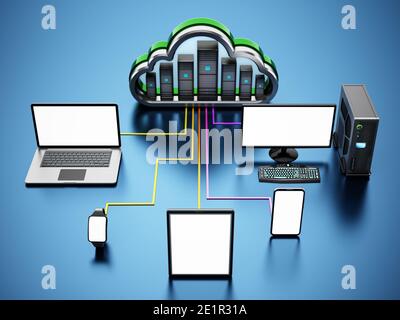
Capabilities are available over the network and accessed through standard mechanisms by mobile phones, tablets, laptops, and workstations.

3. Resource Pooling

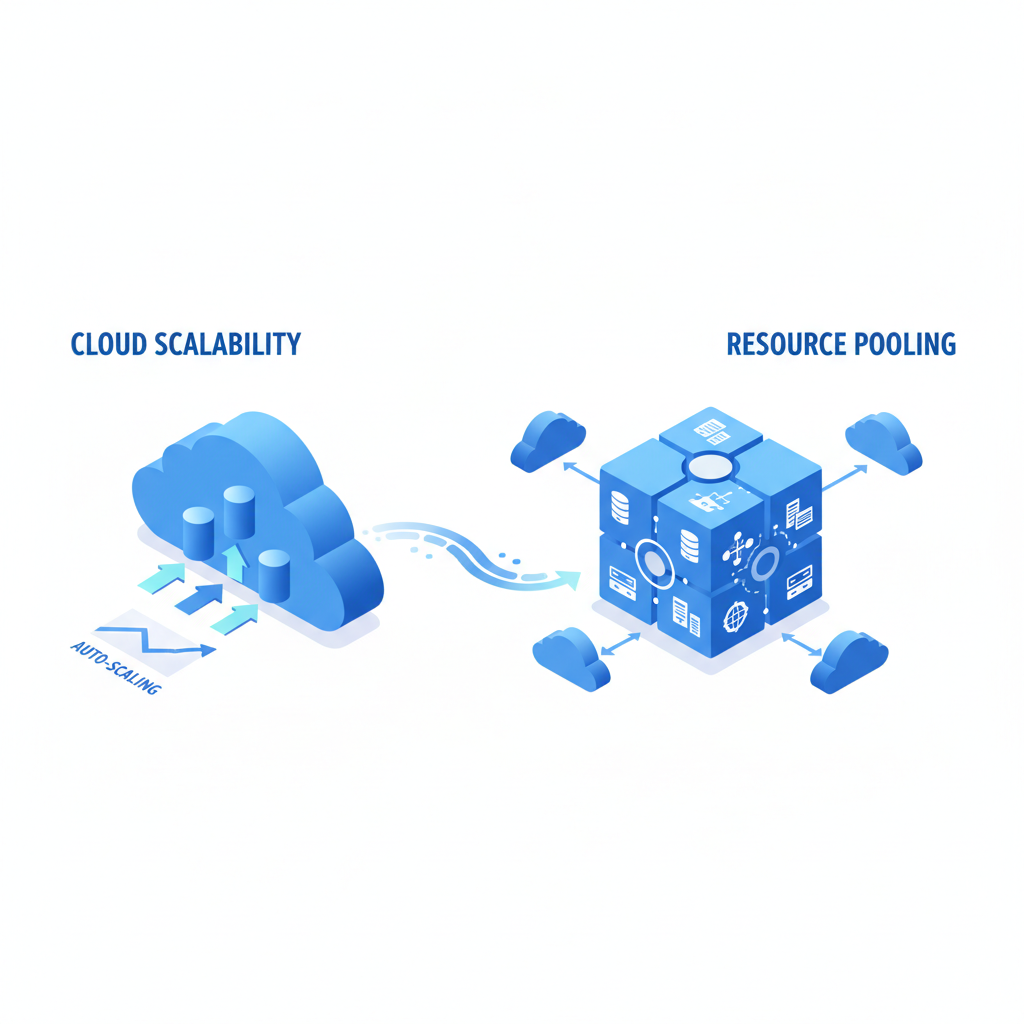
The provider's computing resources are pooled to serve multiple consumers using a multi-tenant model (e.g., Virtual Machines sharing hardware).

4. Rapid Elasticity & Measured Service

Capabilities can be elastically provisioned and released. Resource usage is monitored, controlled, and reported (pay-per-use).

Made byBobr AI

Cloud Service Models

SaaS

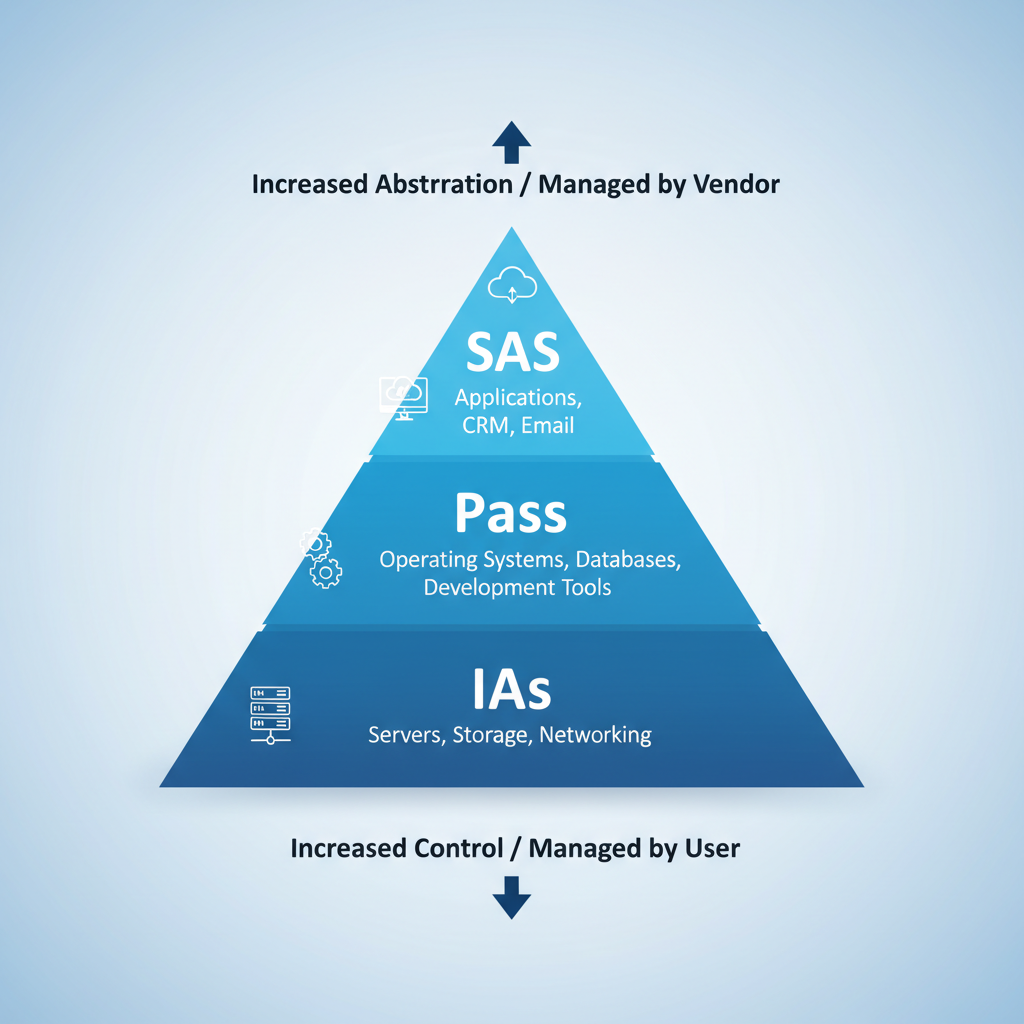
Software as a Service: Completed product run and managed by the service provider (e.g., Gmail). User just uses it.

PaaS

Platform as a Service: Removes the need to manage underlying infrastructure (hardware, OS) so you can focus on deployment (e.g., Google App Engine).

IaaS

Infrastructure as a Service: Building blocks for cloud IT. Provides networking, computers, and data storage space (e.g., AWS EC2).

Made byBobr AI

IaaS: Infrastructure as a Service

IaaS provides essential compute, storage, and networking resources on demand. It gives you the highest level of flexibility and management control over your IT resources. You manage the OS, middleware, and data.

Who uses it?
System Administrators, Network Architects, and IT Infrastructure Managers.

Leading Providers

Detailed Examples:

  • Amazon Elastic Compute Cloud (EC2)
  • Google Compute Engine (GCE)
  • Microsoft Azure Virtual Machines
Made byBobr AI

PaaS: Platform as a Service

PaaS removes the need for organizations to manage the underlying infrastructure (usually hardware and operating systems) and allows you to focus on the deployment and management of your applications. This helps you be more efficient as you don’t need to worry about resource procurement, capacity planning, software maintenance, patching, or any of the other undifferentiated heavy lifting involved in running your application.

Who uses it?
Developers & Software Engineers

Leading Platforms

Detailed Examples:

  • Google App Engine: Deploy code without worrying about infrastructure.
  • Heroku: Popular for web app deployment.
  • Windows Azure: Provides development tools and services.
Made byBobr AI

SaaS: Software as a Service

SaaS provides you with a completed product that is run and managed by the service provider. In most cases, people referring to SaaS are referring to end-user applications. With a SaaS offering, you do not have to think about how the service is maintained or how the underlying infrastructure is managed; you only need to think about how you will use that particular piece of software.

Who uses it?
End Users (Everyone)

Daily Applications

Detailed Examples:

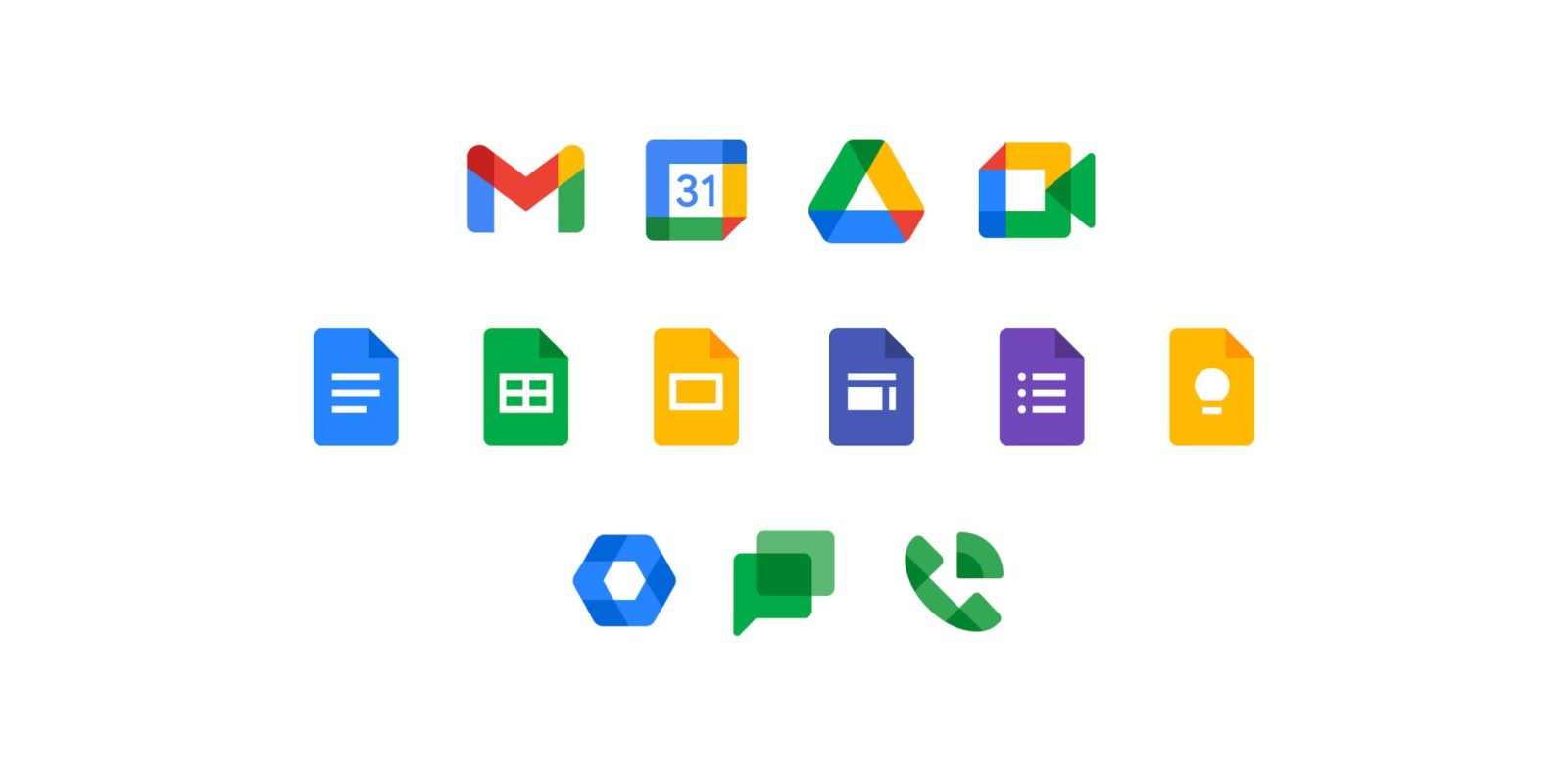
  • Google Workspace: Gmail, Drive, Docs (No install needed).
  • Dropbox: Cloud storage accessible anywhere.
  • Salesforce: CRM software managed by the vendor.
Made byBobr AI

Cloud Deployment Models

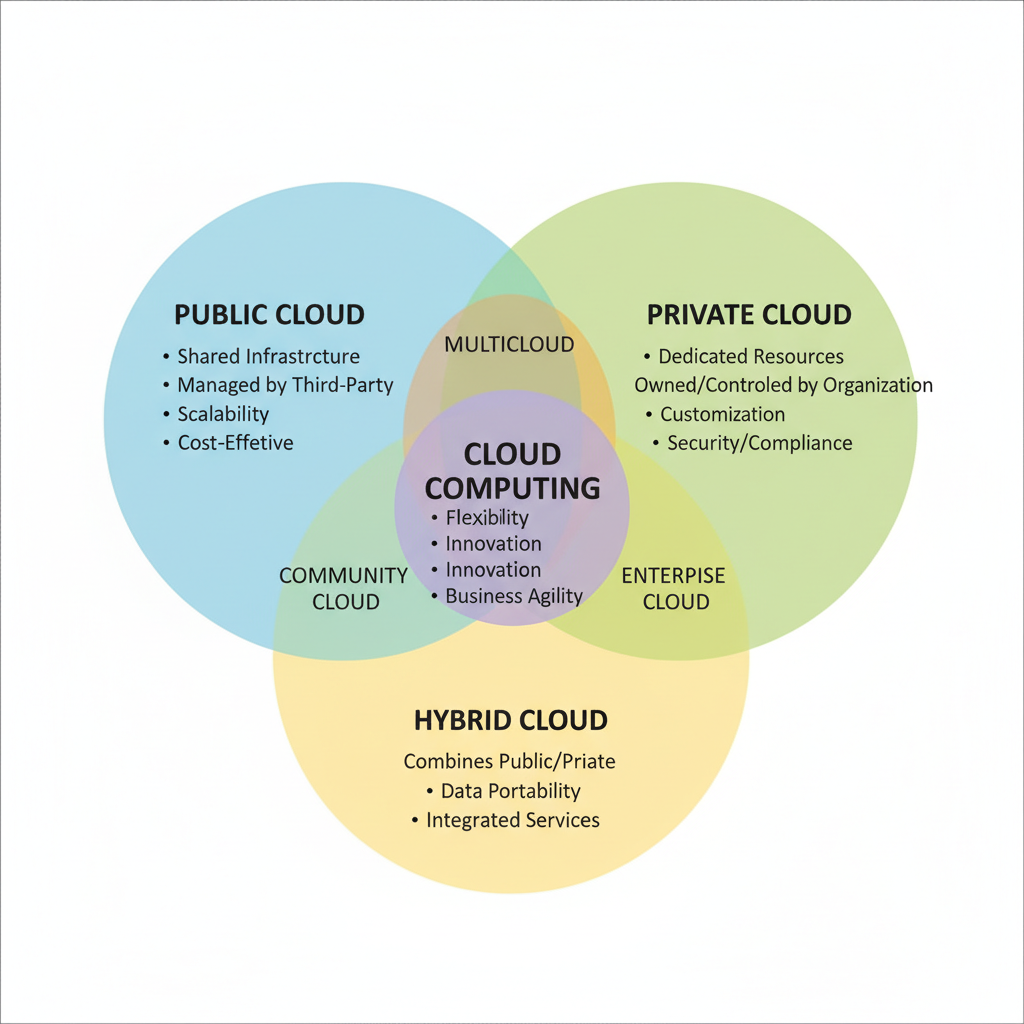
Public Cloud

Owned by third-party provider. Resources shared by public. Low cost, less secure.
Eg: AWS, Azure

Private Cloud

Exclusively used by one organization. High security, more expensive.
Eg: Bank's internal data center

Hybrid Cloud

Bound together by technology that allows data and apps to be shared between them. Best of both worlds.

Made byBobr AI

Worldwide Public Cloud Spending (Forecast)

Chart

Analysis

The exponential growth indicates that cloud computing is not just a trend but a fundamental shift in IT infrastructure.

Source: Gartner Forecasts (Billions USD)

Made byBobr AI

Case Study: Netflix

Challenge

Goal: To deliver uninterrupted streaming to millions of users worldwide.

Action

Solution: Migrated all databases and storage to AWS (Amazon Web Services).

Benefit

Result: Can handle thousands of streams concurrently and scale up automatically during peak hours (like Friday nights).

Did you know?

Netflix uses over 100,000 server instances on AWS to stream content to 200M+ members.

Made byBobr AI

Conclusion & Key Takeaways

Summary

  • Cloud Computing enables on-demand access to resources via the internet.
  • Service Models (IaaS, PaaS, SaaS) cater to different user needs (Admins, Devs, End Users).
  • Deployment Models (Public, Private, Hybrid) offer options for cost, privacy, and control.

Future Outlook

As technology evolves, cloud computing is becoming the backbone of modern innovation, enabling AI, Big Data, and IoT ecosystems. It is an essential skill for future IT professionals.

Thank You!

Made byBobr AI
Bobr AI

DESIGNER-MADE
PRESENTATION,
GENERATED FROM
YOUR PROMPT

Create your own professional slide deck with real images, data charts, and unique design in under a minute.

Generate For Free

Cloud Computing Trends for Class 11 Information Practices

Explore core cloud computing concepts, including IaaS, PaaS, and SaaS models, deployment strategies, and real-world case studies like Netflix.

Emerging Trends: Cloud Computing

Class 11 Information Practices (CBSE) | Chapter: Emerging Trends

What is Cloud Computing?

Cloud computing refers to the on-demand delivery of IT resources (computing power, storage, and databases) via the internet with pay-as-you-go pricing. It replaces the need for owning physical data centers.

Users rent access to things like storage or software from a cloud provider (e.g., AWS, Google Cloud).

It is like using electricity from a grid rather than generating your own.

Key Characteristics

Users can automatically provision computing capabilities like server time and network storage without requiring human interaction.

Capabilities are available over the network and accessed through standard mechanisms by mobile phones, tablets, laptops, and workstations.

The provider's computing resources are pooled to serve multiple consumers using a multi-tenant model (e.g., Virtual Machines sharing hardware).

Capabilities can be elastically provisioned and released. Resource usage is monitored, controlled, and reported (pay-per-use).

On-Demand Self-Service

Broad Network Access

Resource Pooling

Rapid Elasticity & Measured Service

Cloud Service Models

Software as a Service: Completed product run and managed by the service provider (e.g., Gmail). User just uses it.

Platform as a Service: Removes the need to manage underlying infrastructure (hardware, OS) so you can focus on deployment (e.g., Google App Engine).

Infrastructure as a Service: Building blocks for cloud IT. Provides networking, computers, and data storage space (e.g., AWS EC2).

IaaS: Infrastructure as a Service

IaaS provides essential compute, storage, and networking resources on demand. It gives you the highest level of flexibility and management control over your IT resources. You manage the OS, middleware, and data.

Market Leaders:

System Administrators, Network Architects, and IT Infrastructure Managers.

PaaS: Platform as a Service

PaaS removes the need for organizations to manage the underlying infrastructure (usually hardware and operating systems) and allows you to focus on the deployment and management of your applications. This helps you be more efficient as you don’t need to worry about resource procurement, capacity planning, software maintenance, patching, or any of the other undifferentiated heavy lifting involved in running your application.

Target: Developers & Programmers

Simplifies deployment and coding environment.

SaaS: Software as a Service

SaaS provides you with a completed product that is run and managed by the service provider. In most cases, people referring to SaaS are referring to end-user applications. With a SaaS offering, you do not have to think about how the service is maintained or how the underlying infrastructure is managed; you only need to think about how you will use that particular piece of software.

Accessible via web browser. No installation required. Vendor handles updates.

Cloud Deployment Models

Public Cloud: Resources owned by provider, available to general public (Cheap, Low privacy).

Private Cloud: Exclusively used by a single organization (Secure, Expensive).

Hybrid Cloud: Combination of public and private clouds.

Worldwide Public Cloud Spending (Forecast)

Source: Gartner Forecasts (Billions USD)

The exponential growth indicates that cloud computing is not just a trend but a fundamental shift in IT infrastructure.

Case Study: Netflix

Goal: To deliver uninterrupted streaming to millions of users worldwide.

Solution: Migrated all databases and storage to AWS (Amazon Web Services).

Result: Can handle thousands of streams concurrently and scale up automatically during peak hours (like Friday nights).

Conclusion & Key Takeaways

Cloud Computing enables on-demand access to resources via the internet.

Service Models (IaaS, PaaS, SaaS) cater to different user needs (Admins, Devs, End Users).

Deployment Models (Public, Private, Hybrid) offer options for cost, privacy, and control.

As technology evolves, cloud computing is becoming the backbone of modern innovation, enabling AI, Big Data, and IoT ecosystems. It is an essential skill for future IT professionals.

  • cloud-computing
  • class-11-ip
  • cbse
  • iaas-paas-saas
  • it-infrastructure
  • educational
  • technology-trends