

Made byBobr AI

Computational Pipelines for Protein Lipidation Prediction

Discover how bioinformatics and machine learning predict protein lipidation types like S-palmitoylation and myristoylation to map network biology.

#bioinformatics#protein-lipidation#machine-learning#network-biology#proteomics#cytoscape#structural-biology

A Computational Approach for Protein Lipidation

From Sequence Predictions to Network Biology

Bioinformatics Group Meeting

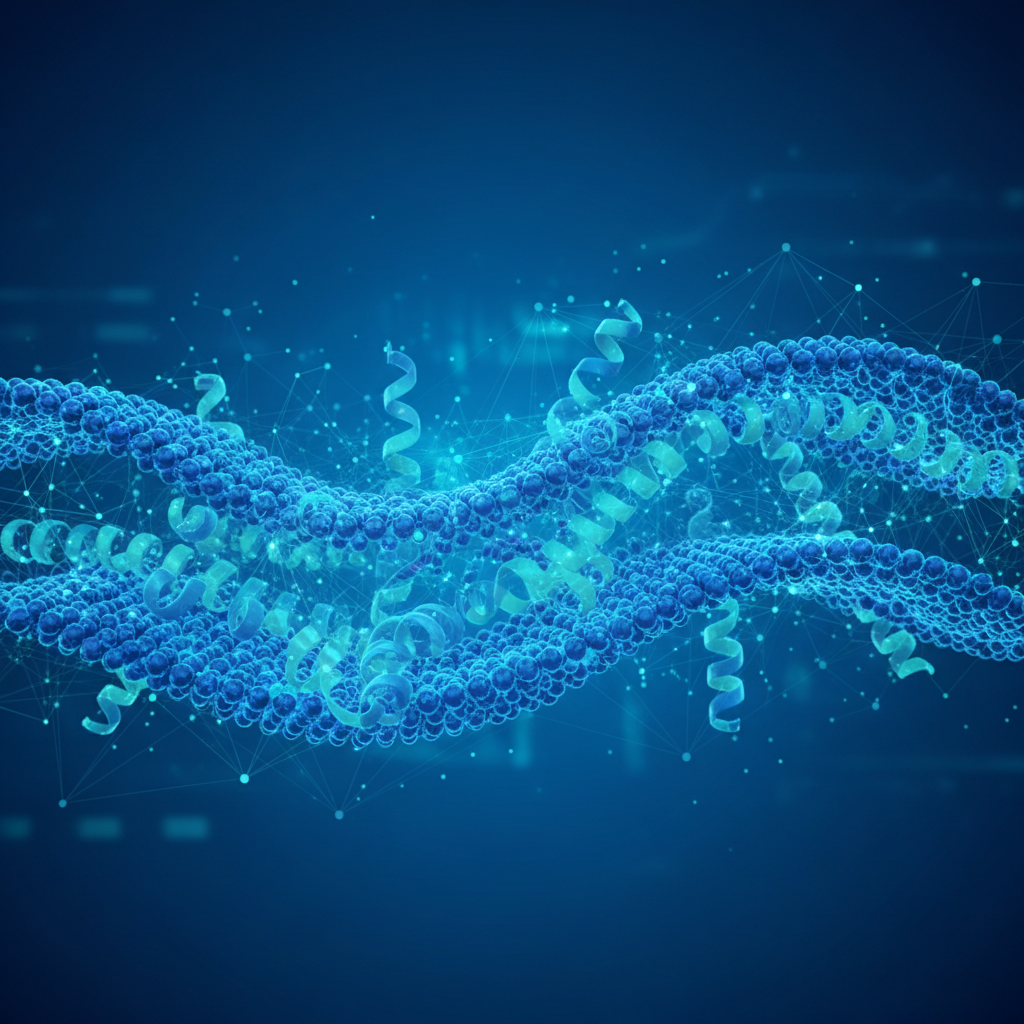
abstract 3d visualization of protein structures embedded in a lipid bilayer membrane, digital bioinformatics style, blue and teal lighting, high tech network connections overlay
Made byBobr AI

Scope of Study: Key Lipidation Types

S-Palmitoylation

Reversible attachment of palmitate to Cysteine residues via thioester linkage. Critical for dynamic membrane trafficking and signaling modulation.

N-Myristoylation

Irreversible co-translational attachment of myristate to an N-terminal Glycine. Stabilizes protein-membrane and protein-protein interactions.

Prenylation

Attachment of farnesyl or geranylgeranyl groups to C-terminal Cysteine (CaaX motif). Essential for Ras superfamily function and oncogenesis.

Made byBobr AI

The Bottleneck: Why Computational Prediction?

  • Experimental identification (e.g., metabolic labeling, ABE, mass spec) is laborious, costly, and requires large sample inputs.
  • Hydrophobic nature of lipid modifications leads to poor ionization and detection difficulties in standard proteomics.
  • Machine learning offers a high-throughput alternative to screen the proteome for candidate substrates.
scientific illustration comparing a complex biology wet lab bench full of equipment with a clean server rack room representing bioinformatics
Made byBobr AI

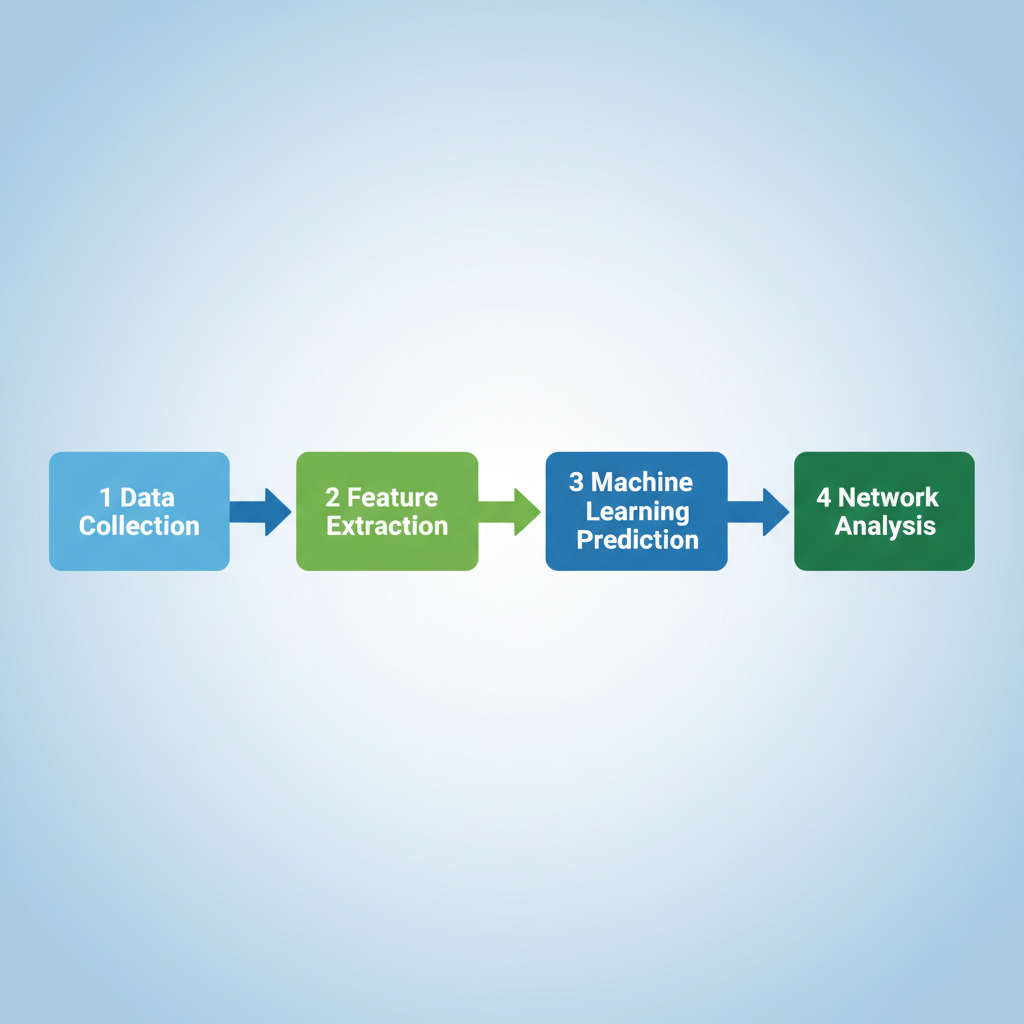
End-to-End Computational Pipeline

01. Input

Data Collection: Curation of positive hits from UniProt & SwissPalm.

02. Features

Feature Extraction: PseAAC, physicochemical props, structure motifs.

03. Prediction

Model Architecture: GPS-Palm, iPrenyl, SVM/Random Forest classifiers.

04. Biology

Network Integration: Mapping predicted hits to PPI networks (Cytoscape).

flowchart diagram graphic showing steps: 1 Data Collection, 2 Feature Extraction, 3 Machine Learning Prediction, 4 Network Analysis. Professional flat design vector style, blue and green colors
Made byBobr AI

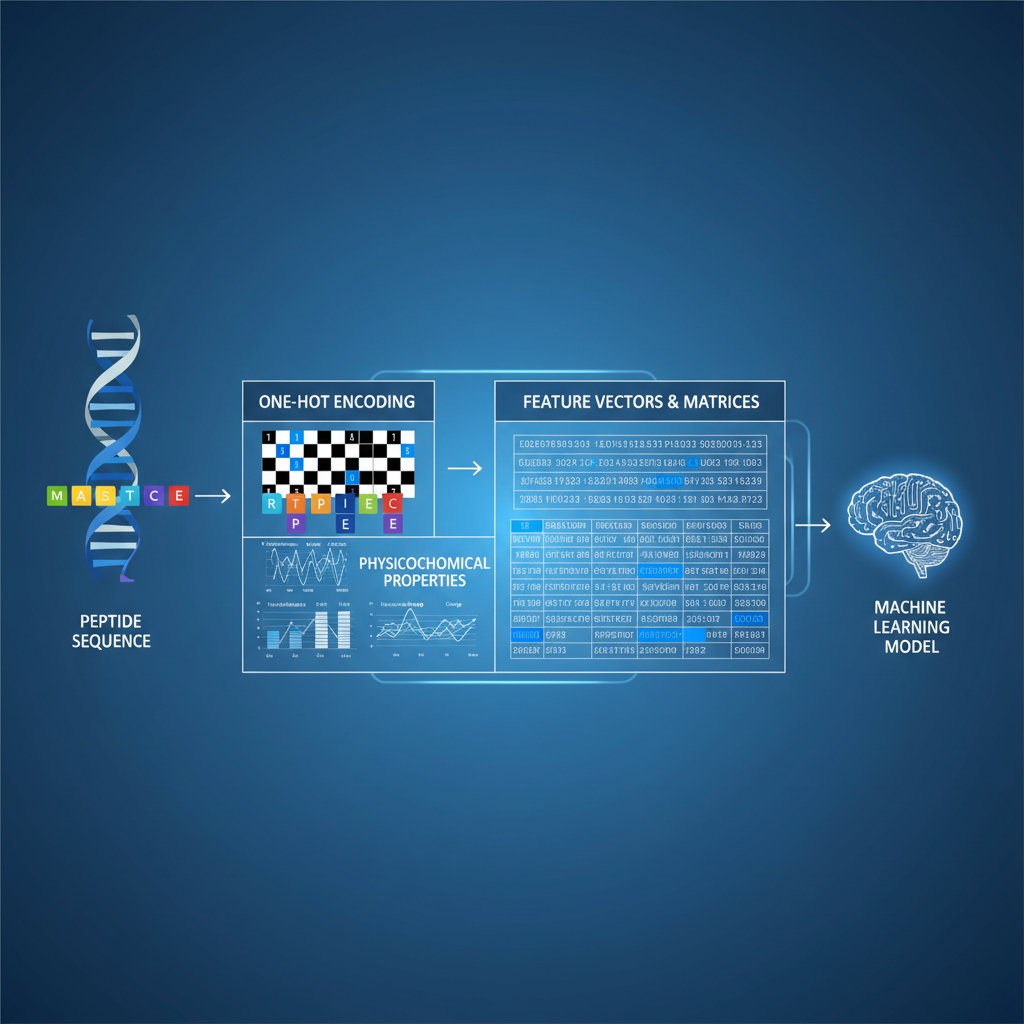
Feature Extraction Strategies

  • Sequence Motifs: Sequence Motifs: Identification of CaaX boxes (prenylation) or Met-Gly-X-X-X-Ser/Thr (N-myristoylation).
  • PseAAC: PseAAC (Pseudo Amino Acid Composition): Incorporates sequence order information unlike standard amino acid composition.
  • Physicochemistry: Physicochemical Properties: Hydrophobicity, polarity, and steric hindrance around the target site.
scientific diagram illustrating protein sequence feature extraction, showing a peptide sequence converted into numerical vectors and matrices, digital art style
Made byBobr AI

Benchmarking S-Palmitoylation Tools

Comparison of GPS-Palm, Palmpred, and Generic ML approaches on independent test sets.

Chart
Made byBobr AI

Tools for Prenylation & Myristoylation

iPrenyl-PseAAC

Utilizes Pseudo Amino Acid Composition to predict C-terminal CaaX prenylation sites. Focuses on capturing long-range sequence order effects.

PrenPs & GPS-Lipid

Employ hierarchical clustering and Group-based Prediction Systems (GPS) to reduce false positives in both N-myristoylation and Prenylation targets.

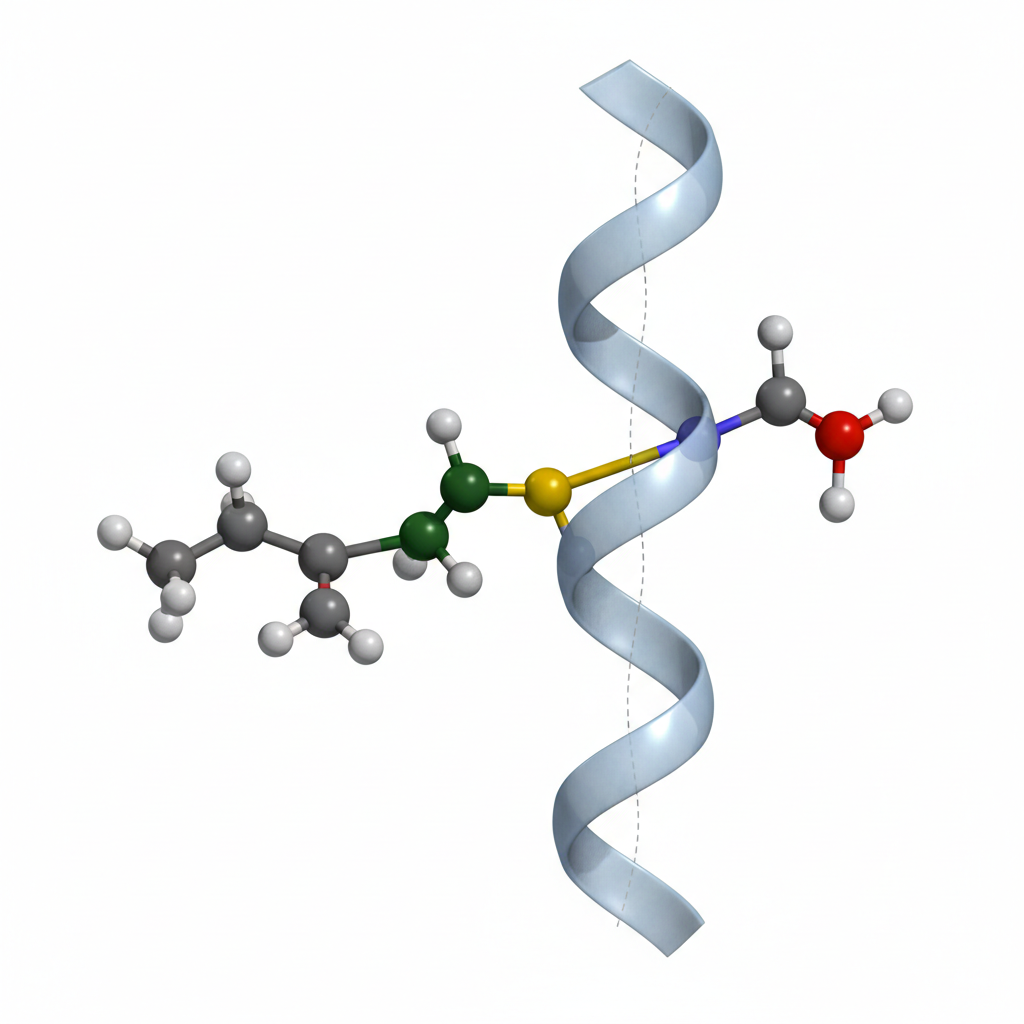
3d molecular structure of a farnesyl group attached to a cysteine residue on a protein alpha helix
Made byBobr AI

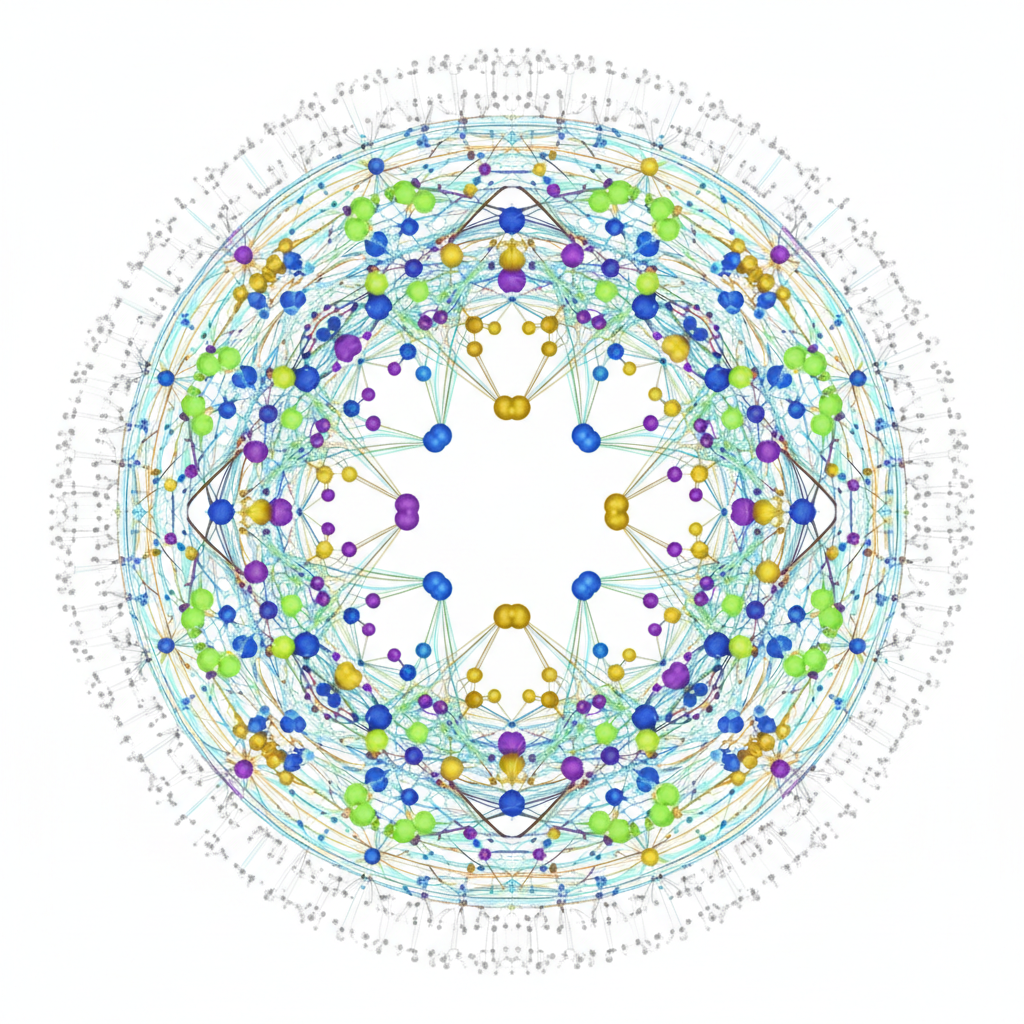
Transition to Network Biology

Predictions are just lists. Network biology contextualizes these proteins within cellular pathways.

Map predicted substrates to Protein-Protein Interaction (PPI) databases (STRING, BioGRID).

Visualize dense connectivity clusters using Cytoscape.

complex circular network graph visualization, bioinformatics style, nodes and edges, data visualization, white background
Made byBobr AI

Functional Enrichment Analysis

Gene Ontology (GO) terms significantly enriched in the predicted lipidome.

Chart
Made byBobr AI

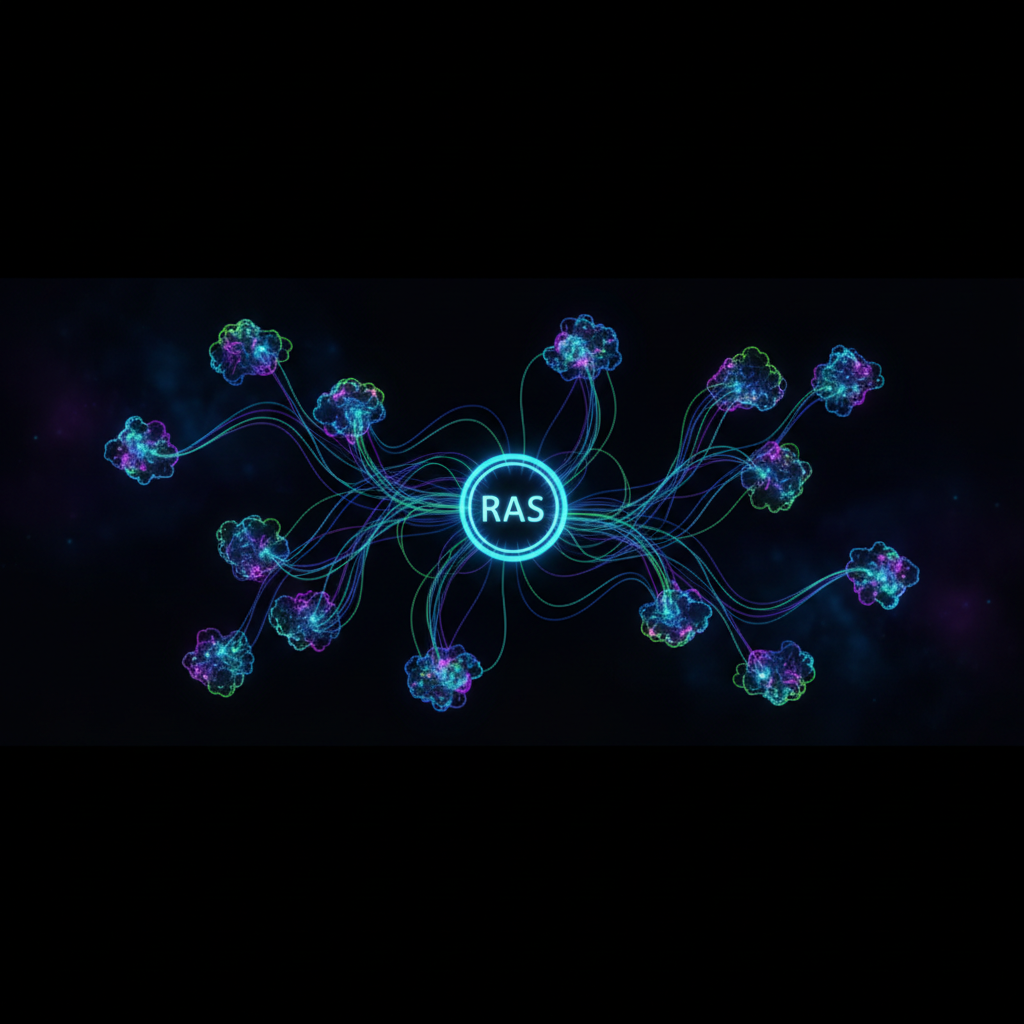
Case Study: Disease Modules & Signaling

Constructed a specific sub-network for Ras-superfamily proteins.

Identified 'hub' proteins where prenylation inhibition disrupts oncogenic signaling cascades.

Restrained network analysis reveals cross-talk between palmitoylated receptors and downstream prenylated effectors.

cytoscape style network graph focused on a central hub node labelled RAS, with radiating connections, showing network clustering, dark background, neon edges
Made byBobr AI

Future Directions & Roadmap

Structure

Integration of Structural Data: leveraging AlphaFold models to predict solvent accessibility of Cys residues.

Algorithms

Deep Learning: Moving from Random Forests to Graph Neural Networks (GNNs) for better prediction accuracy.

Validation

Validation Loop: Feeding experimental validation results back into the model to refine parameters.

Made byBobr AI
Bobr AI

DESIGNER-MADE
PRESENTATION,
GENERATED FROM
YOUR PROMPT

Create your own professional slide deck with real images, data charts, and unique design in under a minute.

Generate For Free

Computational Pipelines for Protein Lipidation Prediction

Discover how bioinformatics and machine learning predict protein lipidation types like S-palmitoylation and myristoylation to map network biology.

A Computational Approach for Protein Lipidation

From Sequence Predictions to Network Biology

Bioinformatics Group Meeting

Scope of Study: Key Lipidation Types

S-Palmitoylation

Reversible attachment of palmitate to Cysteine residues via thioester linkage. Critical for dynamic membrane trafficking and signaling modulation.

N-Myristoylation

Irreversible co-translational attachment of myristate to an N-terminal Glycine. Stabilizes protein-membrane and protein-protein interactions.

Prenylation

Attachment of farnesyl or geranylgeranyl groups to C-terminal Cysteine (CaaX motif). Essential for Ras superfamily function and oncogenesis.

The Bottleneck: Why Computational Prediction?

Experimental identification (e.g., metabolic labeling, ABE, mass spec) is laborious, costly, and requires large sample inputs.

Hydrophobic nature of lipid modifications leads to poor ionization and detection difficulties in standard proteomics.

Machine learning offers a high-throughput alternative to screen the proteome for candidate substrates.

End-to-End Computational Pipeline

Data Collection: Curation of positive hits from UniProt & SwissPalm.

Feature Extraction: PseAAC, physicochemical props, structure motifs.

Model Architecture: GPS-Palm, iPrenyl, SVM/Random Forest classifiers.

Network Integration: Mapping predicted hits to PPI networks (Cytoscape).

Feature Extraction Strategies

Sequence Motifs: Identification of CaaX boxes (prenylation) or Met-Gly-X-X-X-Ser/Thr (N-myristoylation).

PseAAC (Pseudo Amino Acid Composition): Incorporates sequence order information unlike standard amino acid composition.

Physicochemical Properties: Hydrophobicity, polarity, and steric hindrance around the target site.

Benchmarking S-Palmitoylation Tools

Comparison of GPS-Palm, Palmpred, and Generic ML approaches on independent test sets.

Tools for Prenylation & Myristoylation

iPrenyl-PseAAC

Utilizes Pseudo Amino Acid Composition to predict C-terminal CaaX prenylation sites. Focuses on capturing long-range sequence order effects.

PrenPs & GPS-Lipid

Employ hierarchical clustering and Group-based Prediction Systems (GPS) to reduce false positives in both N-myristoylation and Prenylation targets.

Transition to Network Biology

Predictions are just lists. Network biology contextualizes these proteins within cellular pathways.

Map predicted substrates to Protein-Protein Interaction (PPI) databases (STRING, BioGRID).

Visualize dense connectivity clusters using Cytoscape.

Functional Enrichment Analysis

Gene Ontology (GO) terms significantly enriched in the predicted lipidome.

Case Study: Disease Modules & Signaling

Constructed a specific sub-network for Ras-superfamily proteins.

Identified 'hub' proteins where prenylation inhibition disrupts oncogenic signaling cascades.

Restrained network analysis reveals cross-talk between palmitoylated receptors and downstream prenylated effectors.

Future Directions & Roadmap

Integration of Structural Data: leveraging AlphaFold models to predict solvent accessibility of Cys residues.

Deep Learning: Moving from Random Forests to Graph Neural Networks (GNNs) for better prediction accuracy.

Validation Loop: Feeding experimental validation results back into the model to refine parameters.

  • bioinformatics
  • protein-lipidation
  • machine-learning
  • network-biology
  • proteomics
  • cytoscape
  • structural-biology