
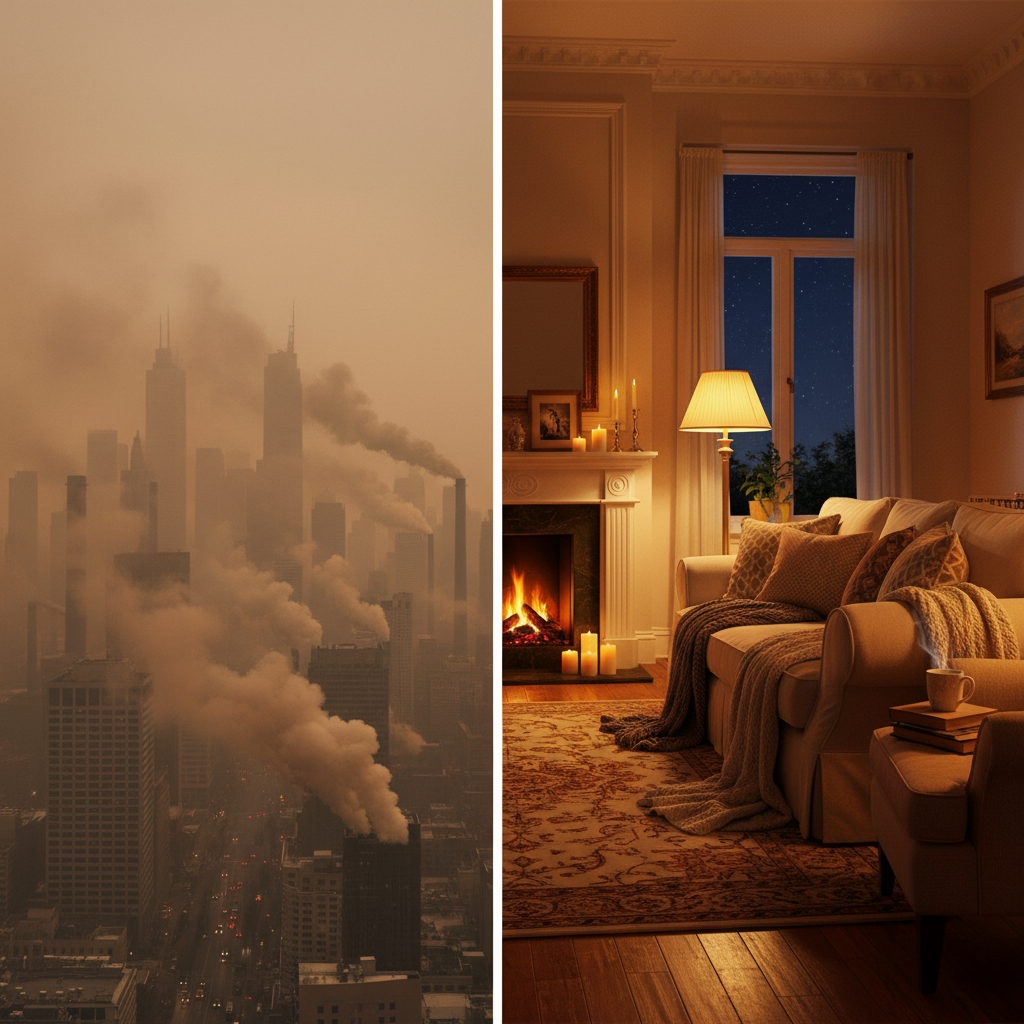

Air Pollution Control: Infrastructure and Challenges
Explore the limitations and engineering challenges of air pollution control, including scrubbers, filters, and mobile vs. stationary source management.
Air Pollution Control: Infrastructure & Toxities
Technological challenges, mobile vs. stationary sources, and regulatory limitations.
Current Control Technologies: The Toolbox
The EPA focuses on three primary technologies to manage environmental toxicity as defined by the Clean Air Act:
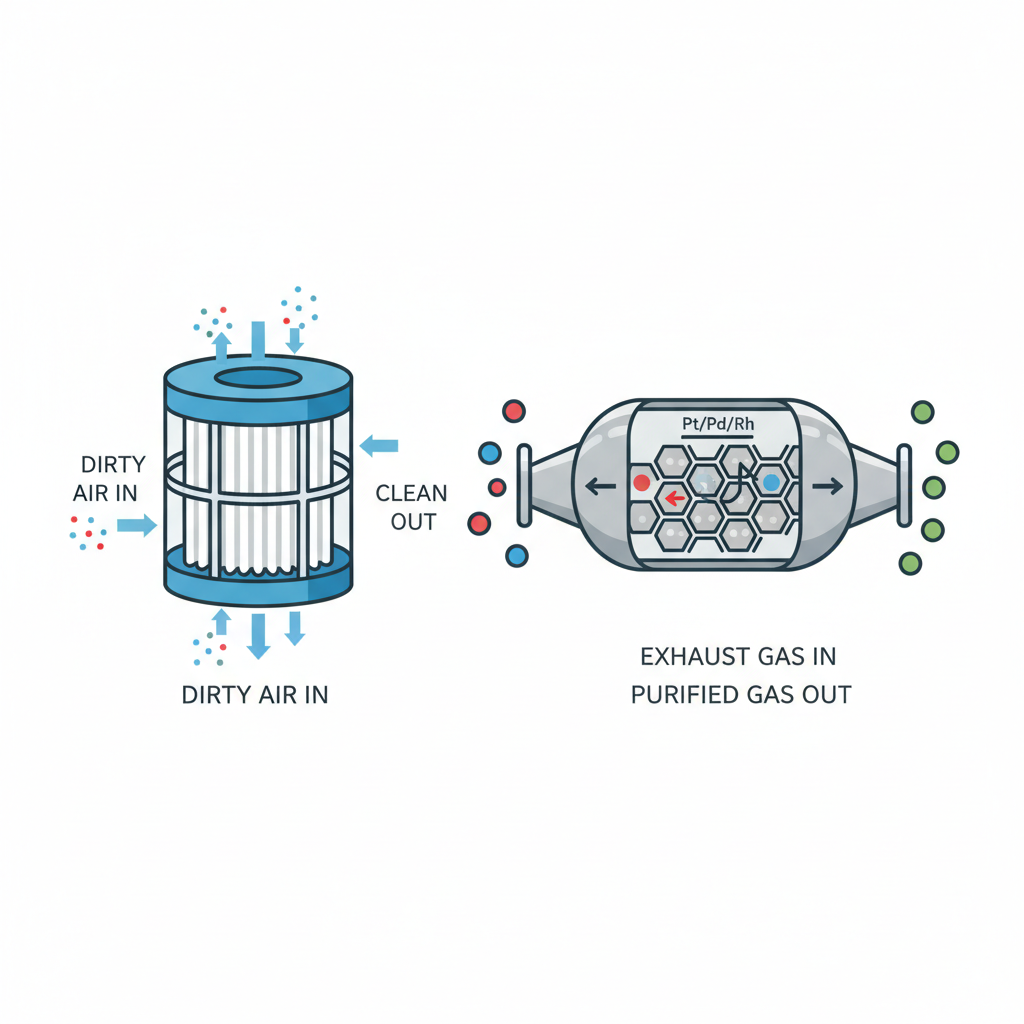
<strong>Filters (Baghouses):</strong> Physical barriers that trap particulate matter (PM2.5, PM10) from industrial exhaust.
<strong>Scrubbers (Wet/Dry):</strong> Chemical showers that neutralize acidic gases like Sulfur Dioxide (SO2) before they exit smokestacks.
<strong>Catalytic Converters:</strong> Devices that use chemical catalysts (platinum/palladium) to convert harmful NOx and CO into harmless nitrogen and water.
What Limitations Do These Technologies Have?
<strong>Cross-Media Pollution:</strong> Technologies like scrubbers often trade one problem for another. Wet scrubbers remove air pollutants but create toxic sludge/wastewater that requires complex disposal.
<strong>Energy Parasitism:</strong> Operating high-efficiency filters and pumps pulls significant electricity from the grid, ironically causing more emissions at the power generation source.
<strong>Finite Lifespan & Degradation:</strong> Catalytic converters degrade over time due to thermal stress and poisoning from fuel impurities, losing efficiency rapidly after roughly 10 years.
Source: National Academies of Sciences, Engineering, and Medicine. 'Air Quality Management in the United States.'
Challenge: Mobile vs. Stationary Sources
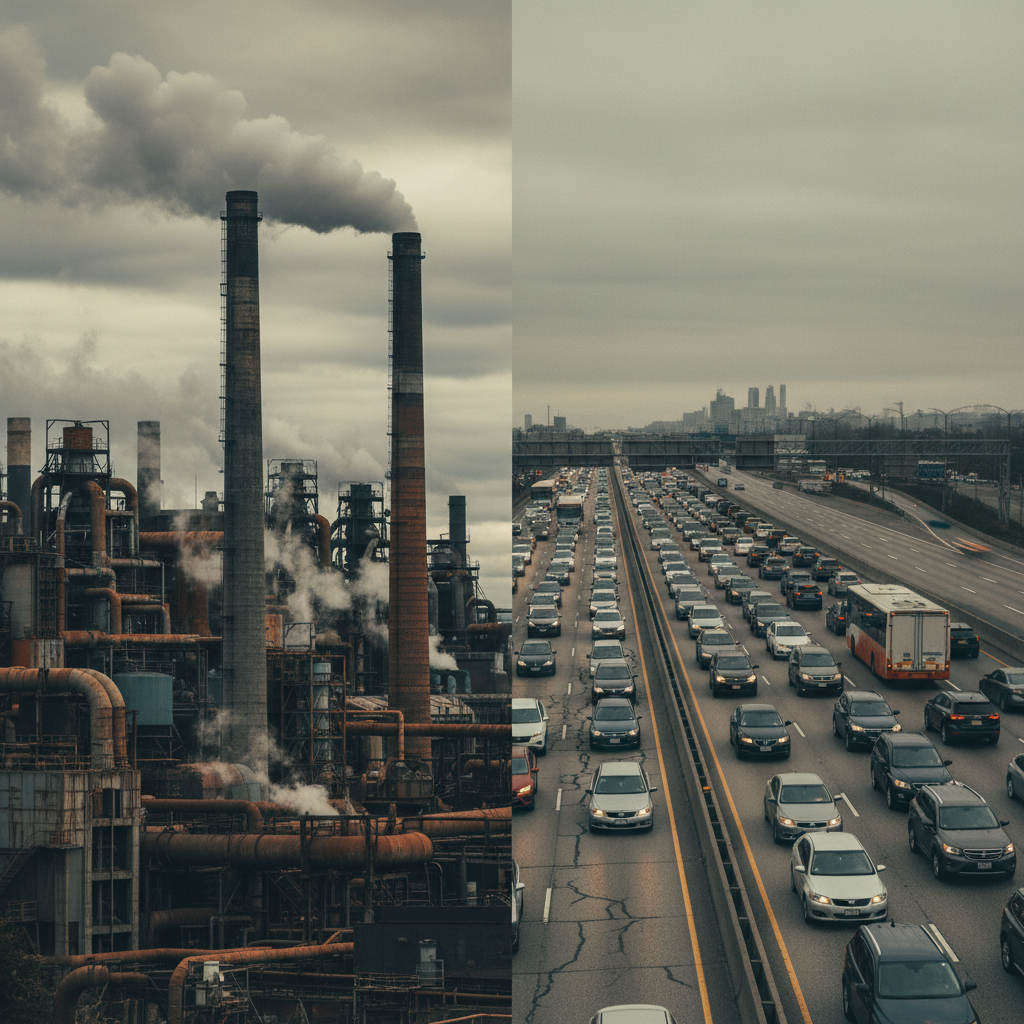
Stationary Sources (Factories)
Power plants have ample space for massive filtration units. They operate at 'steady states' (constant temperature/load), making it easier to optimize control devices consistently.
Mobile Sources (Vehicles)
Cars and trucks have strict weight and space constraints. More importantly, they operate 'transiently'—accelerating and decelerating. Pollution controls struggle to adapt instantly to these rapid changes in engine temperature and exhaust flow.
Data indicates that despite catalytic converters, mobile sources (Red/Orange) still account for the majority of NOx emissions compared to stationary sources (Blue), illustrating the difficulty of controlling emissions in moving vehicles versus fixed industrial plants.
Data Concept Source: U.S. EPA National Emissions Inventory (Typical Trends)
The Retrofitting Challenge
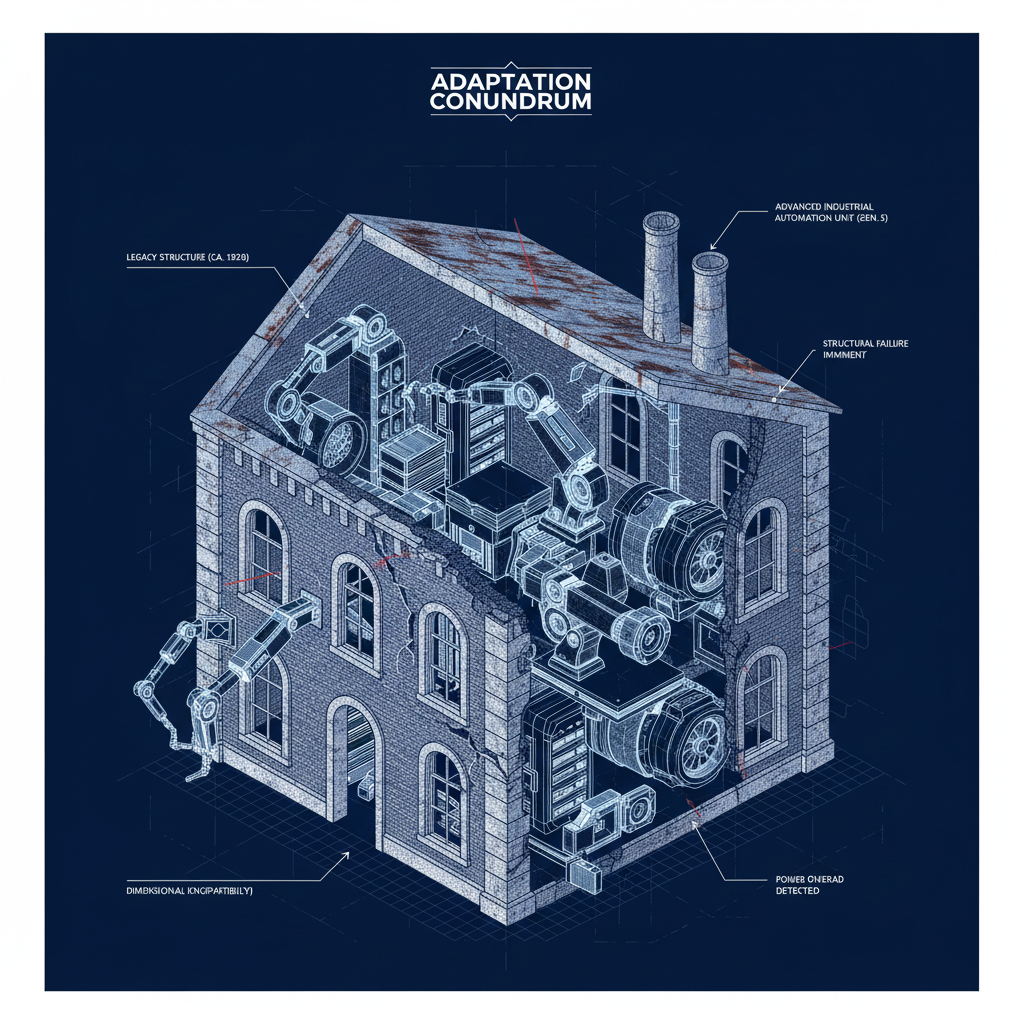
<strong>Space Restrictions:</strong> Old facilities were not designed with space for massive modern scrubbers. Adding them often requires buying adjacent land or expensive structural reconfiguration.
<strong>Integration Incompatibility:</strong> Modern controls require digital monitoring systems. connecting 2026 digital sensors to 1970s analog plant machinery is often technically impossible or cost-prohibitive.
<strong>Economic Viability:</strong> The cost to retrofit can exceed the remaining economic life of the asset, leading companies to shut down facilities rather than upgrade, affecting local economies.
Why Reduction ≠ Elimination
Pollution controls are governed by the law of diminishing returns. They can scarcely achieve 100% elimination due to thermodynamic and economic limits.
<strong>Thermodynamic Barriers:</strong> Capturing the final 1% of a pollutant often requires exponentially more energy than capturing the first 90%.
<strong>Leakage & Bypass:</strong> Even the best systems have seal leaks, 'start-up' phases where the system isn't warm enough to work (catalytic converters), or maintenance downtimes.
Indoor vs. Outdoor Air Control
<strong>Outdoor (Ambient) Air</strong><br>Regulated by the Clean Air Act (EPA). Controls are placed at the <em>source</em> (smokestacks, tailpipes). The goal is to prevent pollutants from entering the atmosphere in the first place.
<strong>Indoor Air</strong><br>Largely unregulated by federal law. Controls rely on <em>remediation</em> (HVAC filters, ventilation) rather than source control. Pollution often accumulates because we cannot put industrial scrubbers on gas stoves or furniture off-gassing.
Scientific & Regulatory Context
Current pollution control strategies are heavily influenced by the <strong>Clean Air Act (CAA)</strong>, which mandates technologies based on 'Best Available Control Technology' (BACT) standards.
According to the <strong>National Academies of Sciences</strong>, while end-of-pipe controls (filters/scrubbers) have reduced aggregate emissions, they are reaching physical efficiency limits, necessitating a shift toward cleaner fuels rather than just better filters.
References & Credible Sources
<strong>1. U.S. Environmental Protection Agency (EPA).</strong> 'Clean Air Act Overview: Progress Cleaning the Air and Improving People's Health.' Washington, D.C: EPA.gov.
<strong>2. National Academies of Sciences, Engineering, and Medicine.</strong> (2004). 'Air Quality Management in the United States.' Washington, DC: The National Academies Press.
Note: Technical limitation data reflects standard engineering constraints recognized by the EPA Office of Air and Radiation.
- air-pollution
- environmental-engineering
- clean-air-act
- epa
- sustainability
- catalytic-converter
- industrial-infrastructure