

Made byBobr AI

Families and Children in the Great Depression: A History

Explore the impact of the Great Depression on American families, focusing on education, health, housing crisis (Hoovervilles), and resilience.

#great-depression#u.s. history#hoovervilles#child-labor-history#1930s-america#economic-history#social-impact

Impact on Families & Children During the Great Depression

Roselaine Thermitus | Period 8 U.S. History | Teacher: Ms. Hall | January 16, 2026

Made byBobr AI

What Happened?

Life for Families & Children

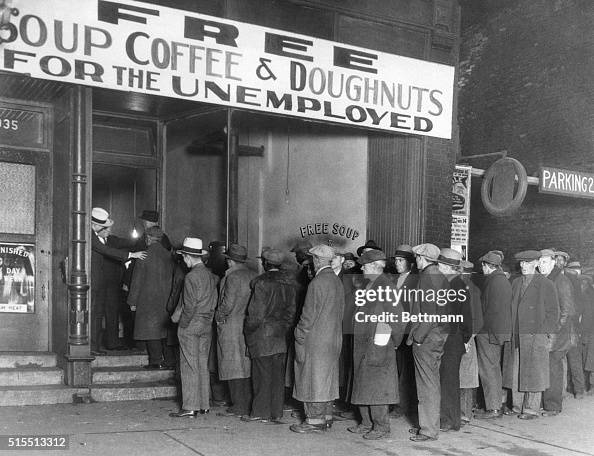
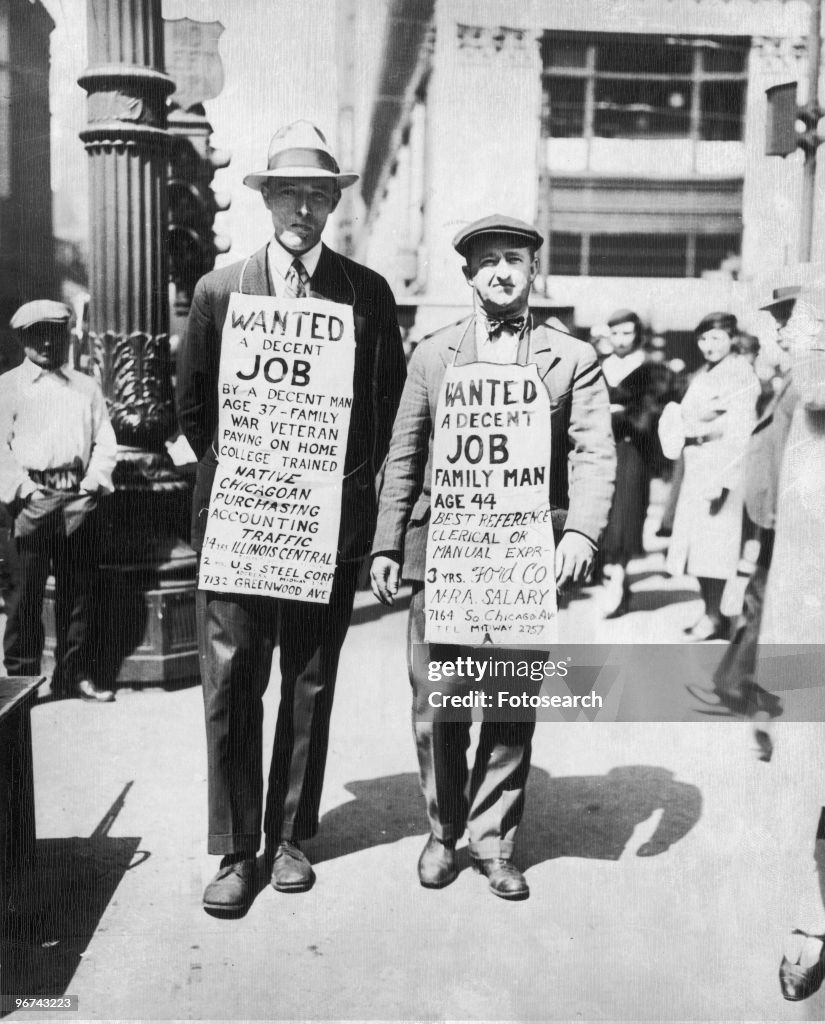
  • Many parents lost their jobs when businesses closed.
  • Families lost homes due to unpaid rent or mortgages.
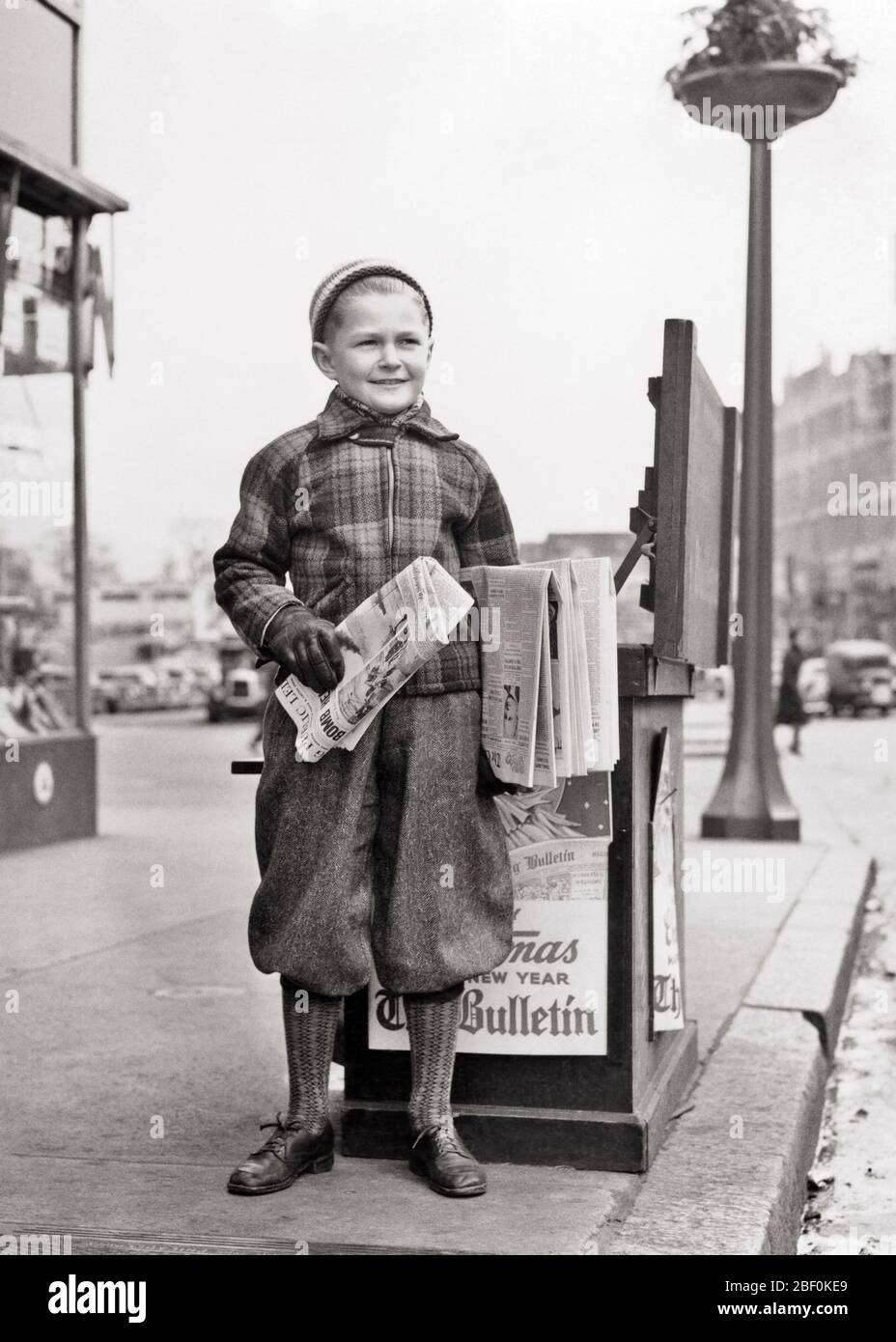
  • Children often forced to work instead of going to school.
  • Dire shortages of food, clothing, and medical care.
Made byBobr AI

Understanding the Crisis

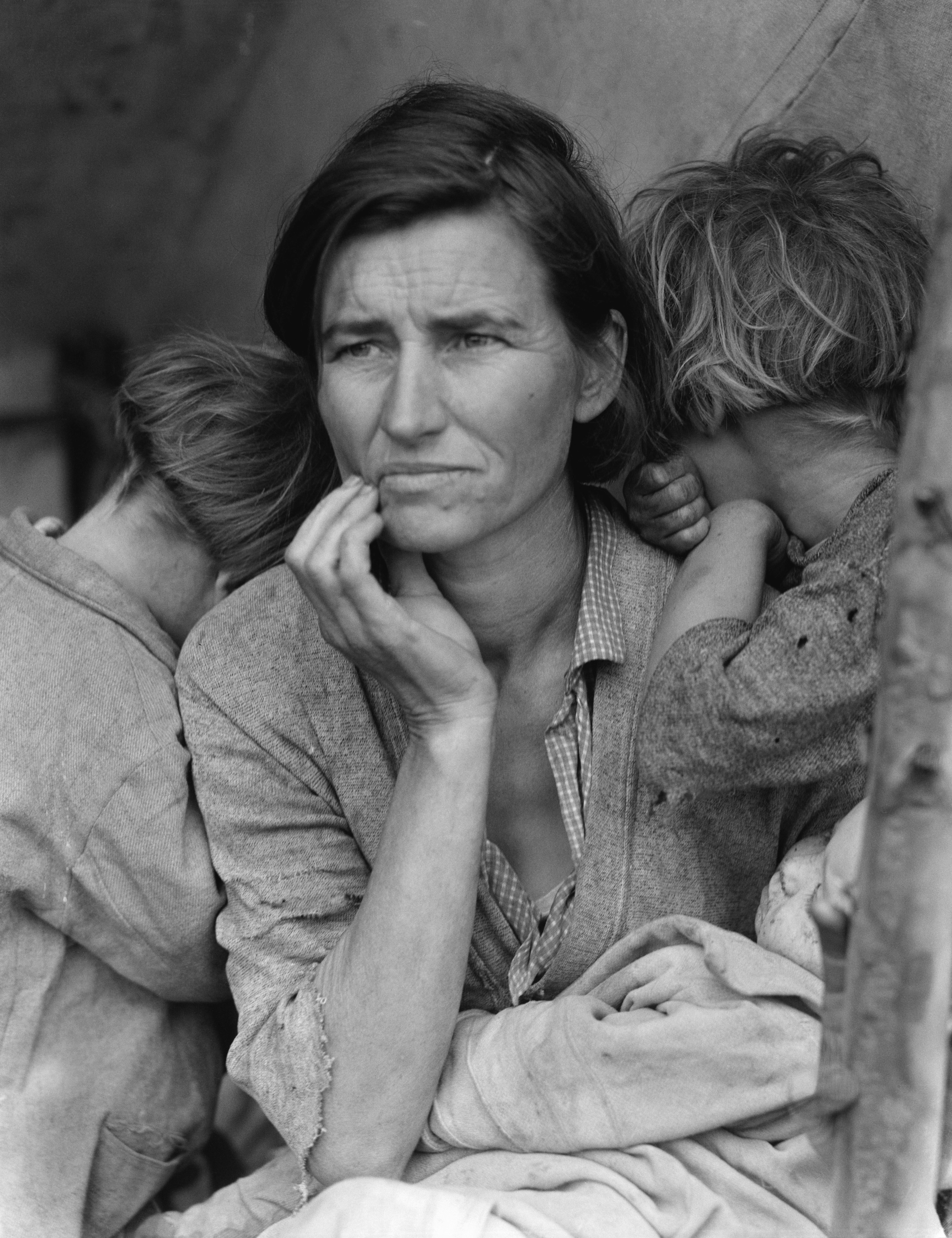
What happened?Millions of families fell into poverty after the economy collapsed.
Why is it important?It changed family roles and childhood forever.
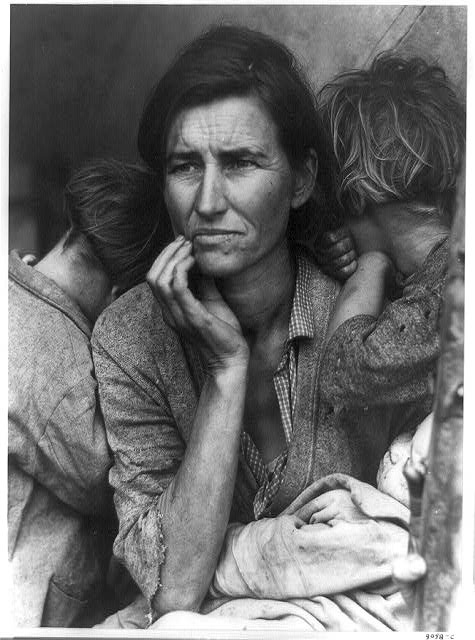
How did it affect people?Parents struggled to provide; children grew up faster.
Made byBobr AI

Education vs. Survival

  • Many children dropped out of school to help earn money for the family.
  • Childhood focused on survival rather than learning.
  • Long-term effects: A generation suffered from disrupted education.
Made byBobr AI

Health & Well-Being

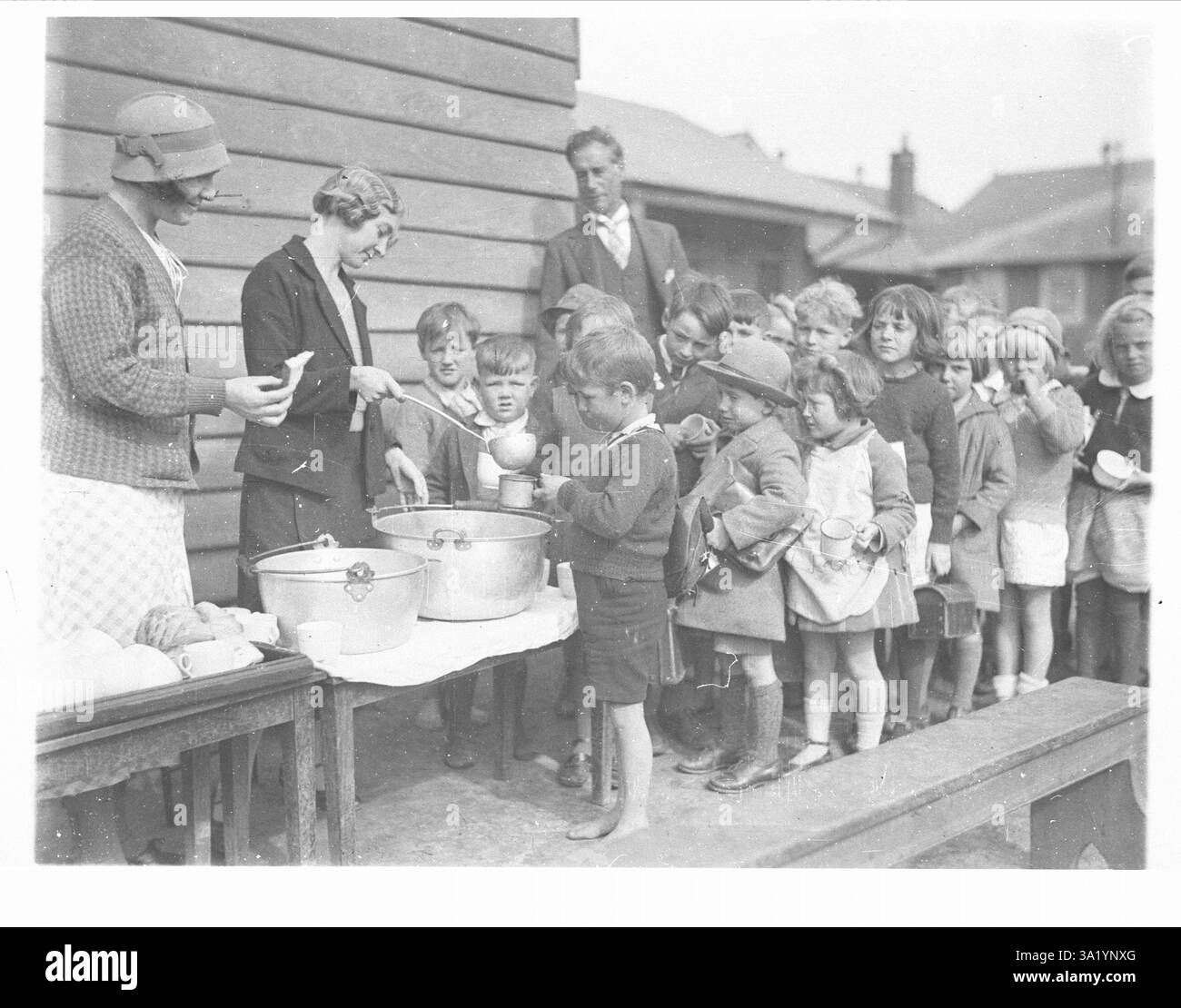
Malnutrition caused widespread health problems and stunted growth.

Some children were placed in orphanages or foster care when parents could not feed them.

Emotional stress, fear, and insecurity were daily realities.

Made byBobr AI

The Housing Crisis: Hoovervilles

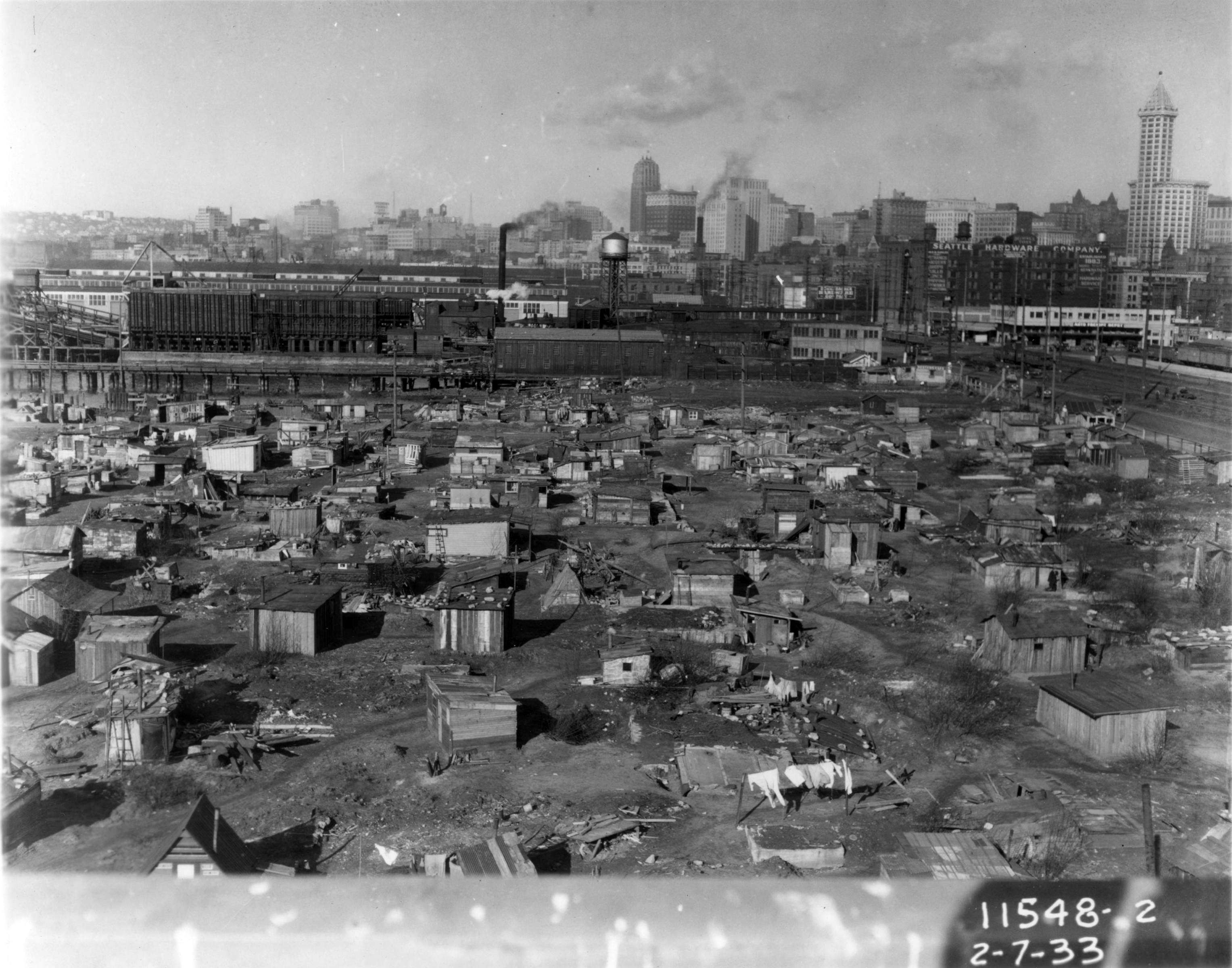
When families lost their homes due to unpaid rent or mortgages, many were forced into shanty towns built from scrap metal and wood.

These makeshift communities were nicknamed 'Hoovervilles' after President Herbert Hoover, whom many blamed for the crisis.

Made byBobr AI

Changes in Family Life

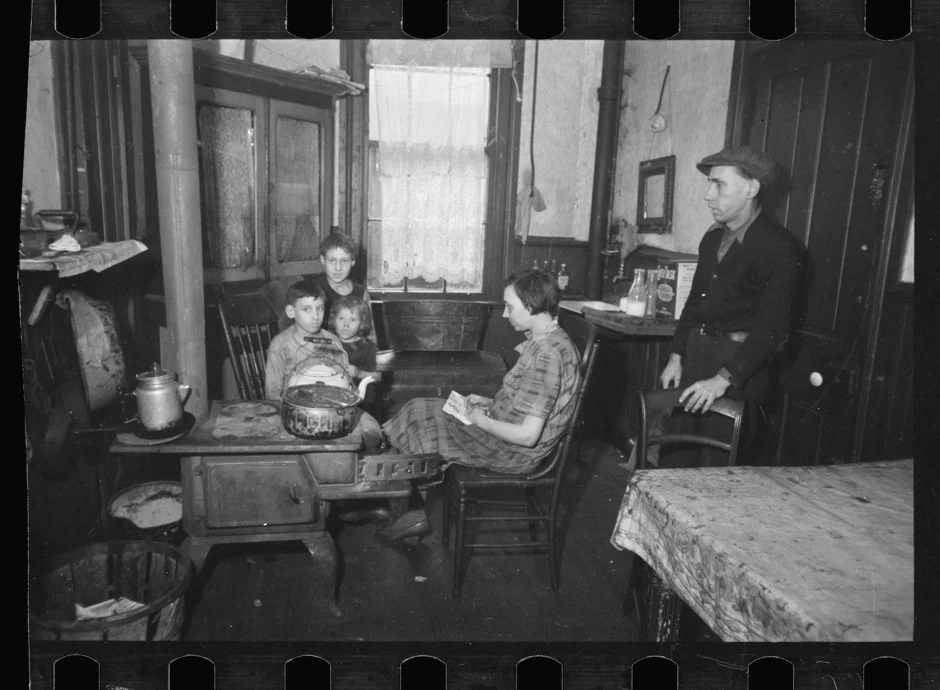
  • Multi-generational living: Families shared homes with relatives to save money.
  • Mothers took on extra work like sewing or cleaning to supplement income.
  • Older children helped raise younger siblings.
Made byBobr AI

Resilience & Adaptation

What happened? Families adjusted by working together to survive.

Why important? It showed resilience and cooperation.

Effect? Families relied on each other more than ever. Bonds became stronger due to shared hardship.

Made byBobr AI

Impact Summary

During the Great Depression, families and children faced extreme hardship due to widespread unemployment and poverty. Many parents could not provide basic necessities like food and clothing, forcing children to take on adult responsibilities at a young age. Education became less important than survival, and many children dropped out of school to work. Families often lived together in crowded conditions to save money, and emotional stress affected children’s health. Despite these struggles, families showed strength by supporting one another. These experiences shaped a generation and changed how the government responded to family needs in the future.

Made byBobr AI

Real-Life Connection: Then vs. Now

1930s

THEN: No government programs at first. Families faced poverty alone. Children worked instead of studying.

Today

NOW: Programs like SNAP, unemployment benefits, and school lunches exist. Government support protects children.

Similarity: Families still rely on support systems and struggle during economic crises.

Made byBobr AI

Exit Ticket

The hardest challenge Americans faced during the Great Depression was widespread unemployment because it affected every part of daily life. Without jobs, families could not afford food, housing, or education, which caused stress and long-term harm. This is similar to today when people struggle during economic downturns and inflation makes basic needs harder to afford. However, unlike the 1930s, modern government programs help reduce some of the damage.

Made byBobr AI
Bobr AI

DESIGNER-MADE
PRESENTATION,
GENERATED FROM
YOUR PROMPT

Create your own professional slide deck with real images, data charts, and unique design in under a minute.

Generate For Free

Families and Children in the Great Depression: A History

Explore the impact of the Great Depression on American families, focusing on education, health, housing crisis (Hoovervilles), and resilience.

Impact on Families & Children During the Great Depression

Roselaine Thermitus | Period 8 U.S. History | Teacher: Ms. Hall | January 16, 2026

What Happened?

Life for Families & Children

Many parents lost their jobs when businesses closed.

Families lost homes due to unpaid rent or mortgages.

Children often forced to work instead of going to school.

Dire shortages of food, clothing, and medical care.

Understanding the Crisis

What happened?

Millions of families fell into poverty after the economy collapsed.

Why is it important?

It changed family roles and childhood forever.

How did it affect people?

Parents struggled to provide; children grew up faster.

Education vs. Survival

Many children dropped out of school to help earn money for the family.

Childhood focused on survival rather than learning.

Long-term effects: A generation suffered from disrupted education.

Health & Well-Being

Malnutrition caused widespread health problems and stunted growth.

Some children were placed in orphanages or foster care when parents could not feed them.

Emotional stress, fear, and insecurity were daily realities.

The Housing Crisis: Hoovervilles

When families lost their homes due to unpaid rent or mortgages, many were forced into shanty towns built from scrap metal and wood.

These makeshift communities were nicknamed 'Hoovervilles' after President Herbert Hoover, whom many blamed for the crisis.

Changes in Family Life

Multi-generational living: Families shared homes with relatives to save money.

Mothers took on extra work like sewing or cleaning to supplement income.

Older children helped raise younger siblings.

Resilience & Adaptation

What happened? Families adjusted by working together to survive.

Why important? It showed resilience and cooperation.

Effect? Families relied on each other more than ever. Bonds became stronger due to shared hardship.

Impact Summary

During the Great Depression, families and children faced extreme hardship due to widespread unemployment and poverty. Many parents could not provide basic necessities like food and clothing, forcing children to take on adult responsibilities at a young age. Education became less important than survival, and many children dropped out of school to work. Families often lived together in crowded conditions to save money, and emotional stress affected children’s health. Despite these struggles, families showed strength by supporting one another. These experiences shaped a generation and changed how the government responded to family needs in the future.

Real-Life Connection: Then vs. Now

THEN: No government programs at first. Families faced poverty alone. Children worked instead of studying.

NOW: Programs like SNAP, unemployment benefits, and school lunches exist. Government support protects children.

Families still rely on support systems and struggle during economic crises.

Exit Ticket

The hardest challenge Americans faced during the Great Depression was widespread unemployment because it affected every part of daily life. Without jobs, families could not afford food, housing, or education, which caused stress and long-term harm. This is similar to today when people struggle during economic downturns and inflation makes basic needs harder to afford. However, unlike the 1930s, modern government programs help reduce some of the damage.

  • great-depression
  • u.s. history
  • hoovervilles
  • child-labor-history
  • 1930s-america
  • economic-history
  • social-impact